Most allium seeds germinate in 6 to 21 days under good conditions, but the exact window depends heavily on which allium you're growing and what your soil temperature is doing. Garlic chives are the speedsters at 7 to 14 days. Common chives are the slowpokes, often taking 3 to 6 weeks just to produce transplant-ready seedlings.
How Long Does It Take to Grow Allium From Seed?
Marcus Henley
12 May 2026
Onions and leeks fall in the middle at around 10 to 21 days for germination, but leeks need 12 to 16 weeks of growing time before they're big enough to transplant. If your seeds haven't shown up yet and it's been less than three weeks, you're probably fine. If it's been four or more weeks with no sign of life, something's off and it's fixable.
Typical timeline for growing allium from seed
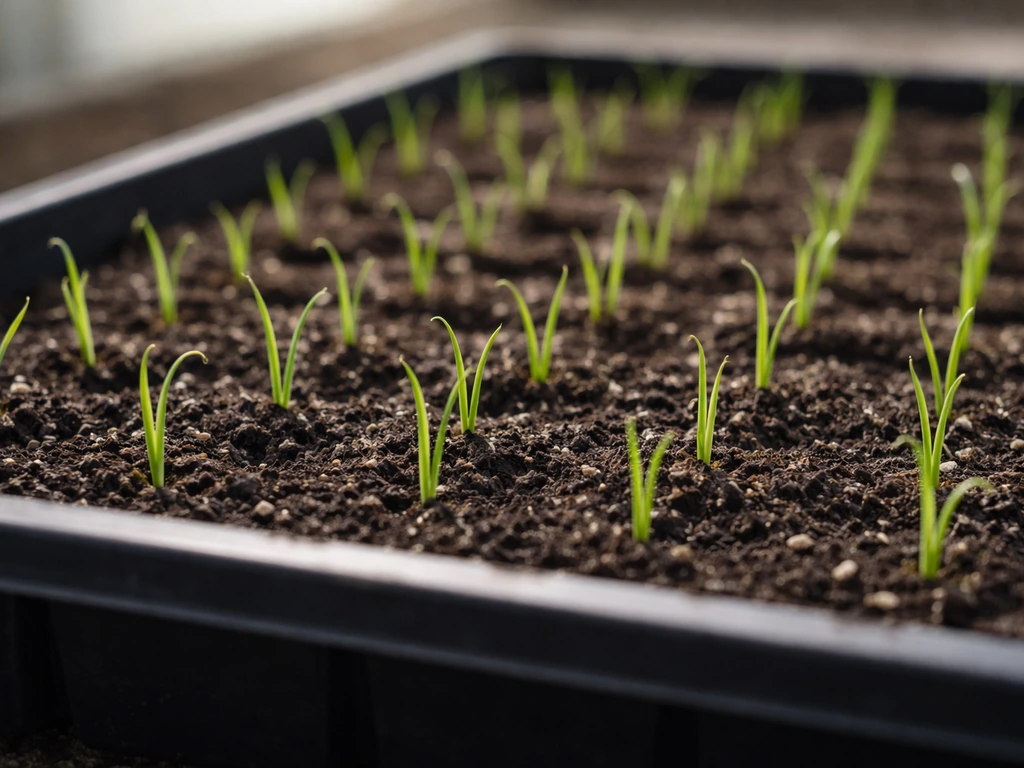
"Allium" covers a lot of ground: bulb onions, leeks, scallions (bunching onions), chives, garlic chives, and ornamental alliums all fall under the same genus but have very different seed-to-harvest clocks. Before you can plan a schedule, you need to know which one you're dealing with.
| Allium Type | Germination | Weeks to Transplant-Ready | Time to Harvest/Maturity |
|---|---|---|---|
| Bulb Onion | 10–21 days (optimum: ~14) | 10–15 weeks from seed indoors | 10–12 weeks from transplant outdoors; bulbing triggered by day length |
| Leek | 14–21 days | 12–16 weeks from seed indoors | Long season; plant out 4 weeks before last frost, harvest late fall |
| Bunching Onion / Scallion | 7–14 days | 8–10 weeks if started indoors | 40–50 days from seed; harvest at 6+ inches tall |
| Common Chives | 14–21+ days (slow) | 4–6 weeks from seed | Harvest leaves once plant is established; typically 60–90 days |
| Garlic Chives | 7–14 days | 4–6 weeks from seed | Harvest leaves once established; similar to common chives |
| Ornamental Allium | 14–30+ days (variable) | 8–12 weeks indoors | Bloom in year 2 from seed in most climates |
Bulb onions are the ones most people are planning around, and they have the widest timeline variability because their bulb formation is triggered by day length, not just calendar date. Long-day types need 14 or more hours of daylight before they'll start forming a bulb, which means no amount of extra care will rush that final stage if the photoperiod isn't there yet. Plan your start dates accordingly based on your latitude.
How germination speed changes with species and conditions
Temperature is the single biggest lever you have. USU Extension notes that successful seed germination depends on temperature, soil moisture and humidity, and light conditions around the seed Temperature is the single biggest lever you have.. Onion seeds have a minimum germination temperature of 35°F, but at that temperature you'll be waiting a long time and getting poor stands. The sweet spot is 75°F soil temperature, which is where you'll see seeds pop in as little as 6 to 12 days. Penn State and WSU both put onion's optimal range at 50 to 95°F, but in practice anything below 60°F in the soil noticeably slows things down and leads to uneven emergence.
Species differences matter just as much as temperature. Garlic chives (Allium tuberosum) are notably faster germinators, with radicle emergence sometimes appearing in as little as 2 to 5 days at 70 to 75°F, and full germination at 7 to 14 days. Common chives are much slower and seedlings are so small and fine that even once they've germinated you might not notice them for another week or two. Leeks sit comfortably at 14 to 21 days when soil temps are in the 60 to 75°F range.
Seed age is another factor people overlook. Onion seeds are notoriously short-lived. Fresh seed from the current season germinates fast and reliably. Seed stored for more than 2 years (even under decent conditions) shows measurable viability loss, and pelleted seed stored over 2 years may barely germinate at all. For reference, the ideal storage conditions for onion seed are around 32°F and 50 percent relative humidity or below. If you can't verify your seed's age or storage history, do a germination test on a damp paper towel before you commit to a full sowing.
Seedling stage: when you'll see growth and what's normal
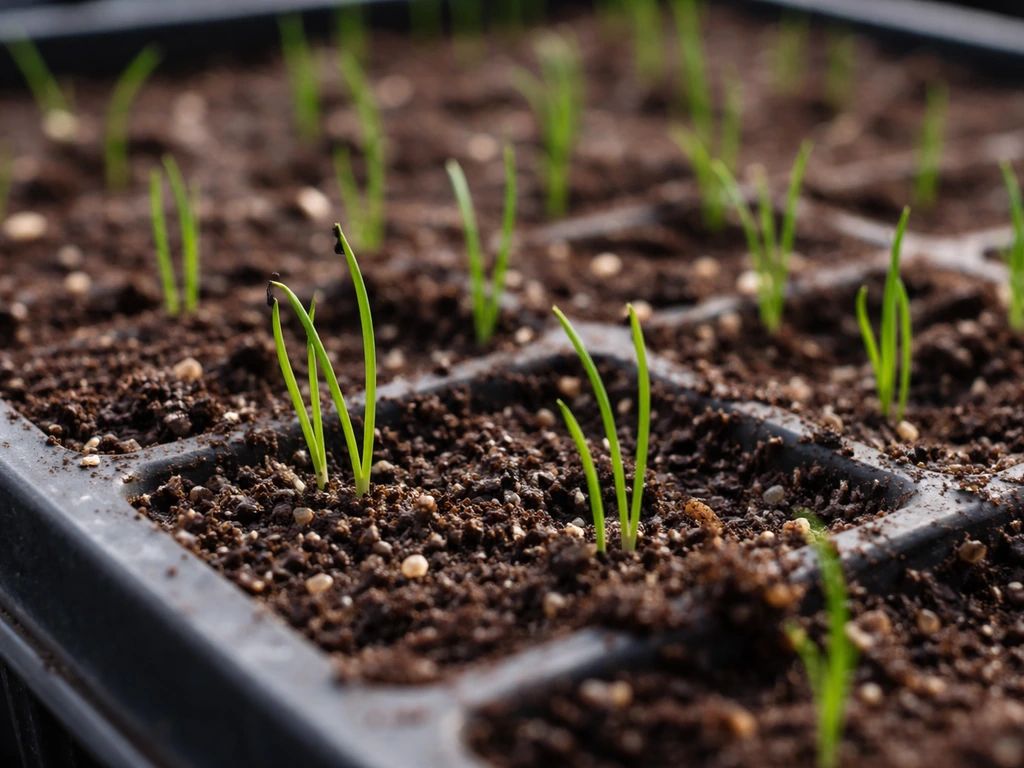
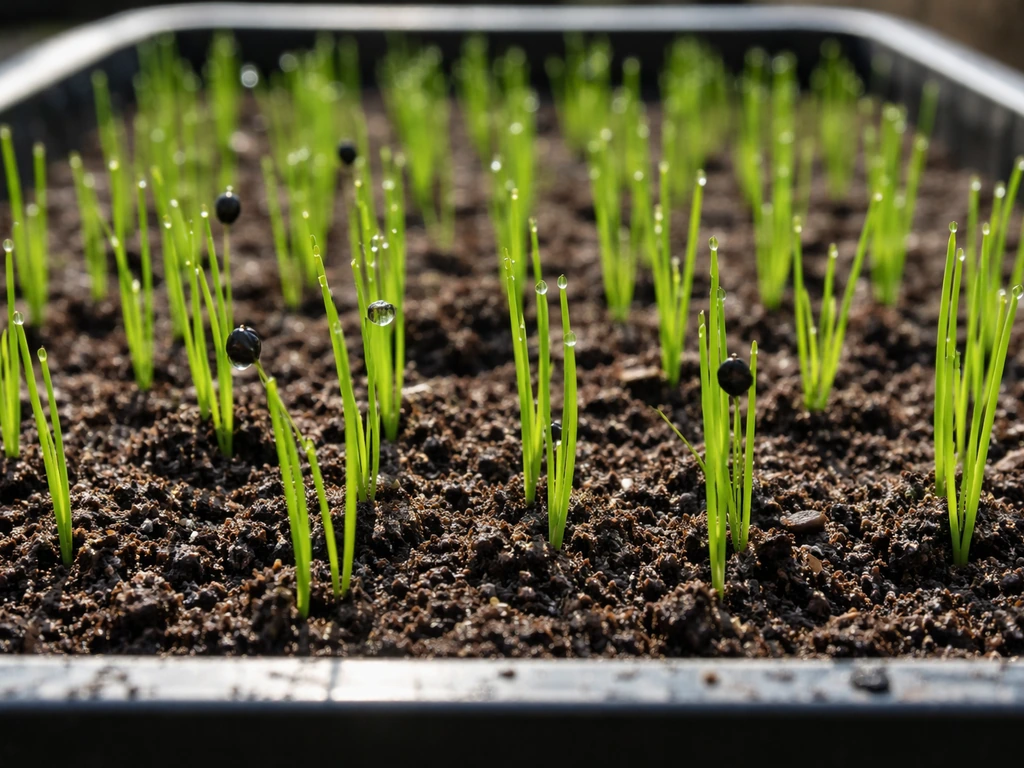
Onion and leek seedlings look like tiny grass blades when they first emerge, which catches a lot of new growers off guard. You're not seeing the problem, you're seeing exactly what's supposed to happen. The first leaf is a hollow, thread-like loop that straightens out over a few days. Don't be alarmed if the seed coat is still attached to the tip for a week or so.
For onions started indoors, USU Extension notes seeds start to emerge in 2 to 3 weeks after planting. Once up, onion seedlings grow slowly at first. The seedlings won't look like much for the first month, and that's completely normal. The seedling stage before transplanting typically runs 10 to 15 weeks total from seed for bulb onions, and 12 to 16 weeks for leeks, which is a long time to manage small plants under lights or in a greenhouse.
Chive seedlings are especially fine and easy to lose. They germinate in clusters, look like delicate green threads, and benefit from not being disturbed early. If you're starting chives indoors, give them 4 to 6 weeks to develop into anything you'd call a transplant. True leaf appearance is your cue to consider transplanting: look for the first identifiable true leaves appearing between the cotyledons before you move anything.
Time to transplant vs time to harvest or maturity
These are two completely different milestones and it's worth keeping them separate in your planning. Transplant readiness is about seedling size and development, not calendar date. For onions, transplant-ready means seedlings started 10 to 15 weeks before your last frost date, around the diameter of a pencil. Leeks should be about 1 inch in diameter or larger before going into the ground, which is why leek transplants need 12 to 16 weeks of indoor growing time.
Harvest or maturity is a separate question entirely, and the answer varies a lot by type. Scallions and bunching onions are the quickest payoff: you can harvest them 40 to 50 days from seed when they hit 6 inches tall. Bulb onions take much longer. From transplant, count roughly 10 to 12 weeks to maturity, but again, bulbing won't begin until the day length is long enough.
Leeks are a season-long commitment, generally transplanted out in spring and harvested in late fall. Ornamental alliums from seed are a two-year project in most climates, blooming in their second season, much like growing irises from seed, which also requires patience across multiple seasons. If you’re wondering about anthurium specifically, its seed-to-plant timeline is different, so plan around an extended germination period and careful, warm conditions how long does anthurium take to grow from seed.
Chives are the most forgiving: once established from transplants (after 4 to 6 weeks indoors), you can start snipping leaves within a few weeks of planting out, and the plant will produce for years. Common chives and garlic chives are perennial in most zones, so the first-year harvest is just the beginning. If you’re growing azaleas from seed, the timeline is longer than for many common garden seeds and depends heavily on temperature and seed quality how long does it take to grow azaleas from seed.
Factors that delay growth
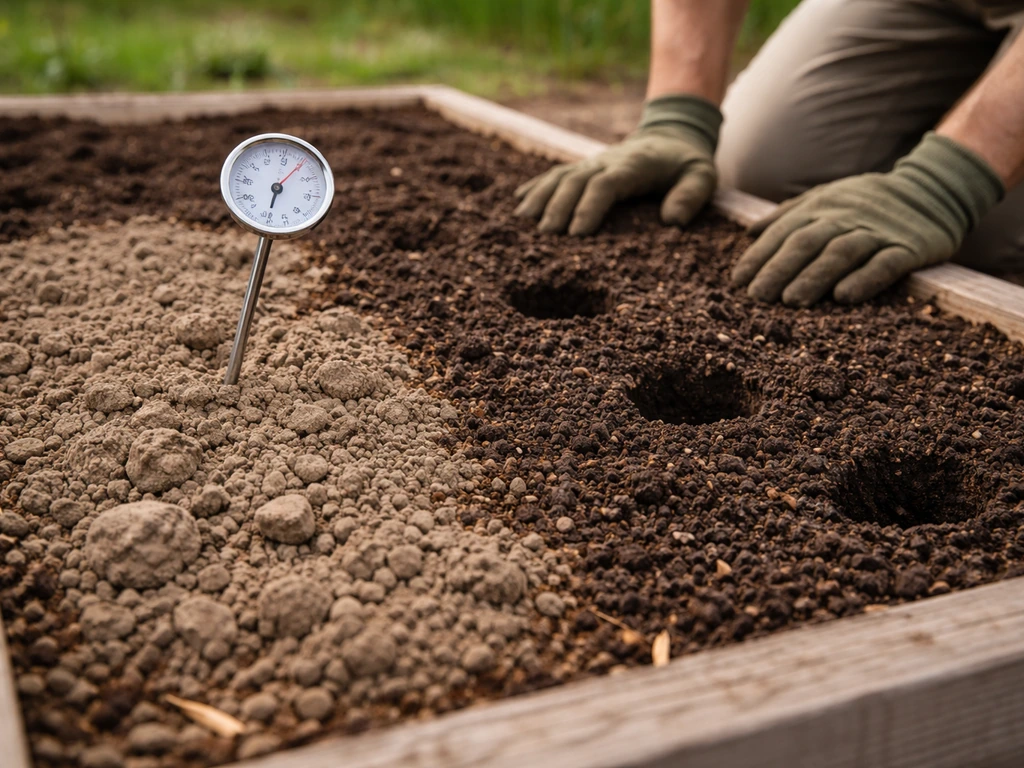
Cold soil is the most common culprit for delayed allium germination. Planting when soil is below 50°F, even if the package says seeds can technically germinate at 35°F, leads to very slow, uneven emergence and weak seedlings. Wait until soil temperature is consistently above 50°F for direct sowing, and aim for 70 to 75°F if you're starting indoors under heat mats.
- Temperature: Soil below 50°F dramatically slows emergence. Onion optimum is 75°F. Cold snaps after planting can stall seedlings mid-emergence.
- Moisture: Seeds need consistent moisture to germinate, but not waterlogged conditions. A drying-out period right after sowing is one of the most common reasons for failed germination. Keep the seedbed evenly moist until seedlings are visible.
- Sowing depth: Allium seeds are small. Plant them about 1/4 inch deep, no more. Burying them too deep prevents the seedling from pushing through, especially chive seeds which produce very delicate sprouts.
- Light: Allium seeds don't require light to germinate, but seedlings need plenty of it immediately after emergence. Inadequate light (fewer than 6 to 8 hours per day) leads to leggy, weak seedlings that are harder to transplant successfully.
- Seed age and storage: Onion seeds lose viability faster than almost any common vegetable seed. Seed more than 2 to 3 years old stored in warm, humid conditions may fail to germinate at all. Always use the freshest seed available.
- Soil texture: A fine, firm seedbed improves germination by ensuring good seed-to-soil contact. Lumpy or loose soil leaves air gaps around seeds, preventing even moisture uptake.
One thing worth flagging: ethylene gas from ripening fruit can reduce seed viability during storage. If you're storing your onion seeds in or near a fruit bowl or a pantry with apples or bananas, move them to a cooler, drier location away from produce.
How to plan your planting schedule
Starting indoors
For bulb onions, count back 10 to 15 weeks from your planned transplant date. If you're in a northern climate and typically transplant in late April or early May, that means starting seeds in mid-January to mid-February. UNH Extension uses mid-February to mid-March as a typical example window, and UMN Extension recommends 10 to 12 weeks before planting outside. For leeks, you need more time: start 12 to 16 weeks before transplant, which often means December or January starts in cold climates.
For bunching onions started indoors, 8 to 10 weeks before your transplant date is enough. Chives and garlic chives need only 4 to 6 weeks indoors before they're transplant-ready, making them easy to fit into a late-winter or early-spring seed-starting schedule.
Direct sowing outdoors
For direct sowing, wait until soil temperature is reliably above 50°F. In many northern states that means late April or May for onions and scallions. Alliums planted directly into cold spring soil will germinate, but slowly and unevenly, and the stands are often disappointing. In warmer climates with mild winters, fall direct-sowing of chives and garlic chives works well since they're both cold-hardy once established.
For leeks, direct sowing is rarely practical in short-season climates because of their long growing period. They're almost always better started indoors well ahead of the season and transplanted out 4 weeks before the last frost date, as Purdue's master gardener guidance recommends. Wisconsin Extension puts it plainly: start leek seeds indoors 4 to 10 weeks before last frost for short-season situations.
Seasonal timing at a glance
| Allium Type | Start Indoors | Transplant Outdoors | Direct Sow Outdoors |
|---|---|---|---|
| Bulb Onion | 10–15 weeks before transplant date | 4 weeks before last frost | When soil is 50°F+; not recommended in short seasons |
| Leek | 12–16 weeks before transplant date | 4 weeks before last frost | Not practical in short-season climates |
| Bunching Onion / Scallion | 8–10 weeks before transplant date | After last frost | When soil is 50°F+ |
| Chives / Garlic Chives | 4–6 weeks before transplant date | After last frost | When soil is 50°F+ |
Troubleshooting slow or failed allium germination
If it's been 3 weeks and nothing has appeared, don't panic yet, especially if your soil temperatures have been cool. If you're wondering how long it takes to grow elderberry from seed, the timing is different and depends on seed viability and whether cold stratification is used germination. But if you're past the 4-week mark with zero germination, work through this checklist before pulling everything and starting over.
- Check soil temperature. Use an inexpensive soil thermometer and measure at seed depth. If it's consistently below 55°F, seeds may be sitting dormant rather than dead. Add a heat mat if starting indoors, or wait for outdoor soil to warm up.
- Assess moisture. Dig down gently near a seed. The soil should be evenly damp, not bone dry or waterlogged. Dry soil at seed depth, even if the surface looks moist, is a very common reason for zero germination.
- Test your seed viability. Place 10 seeds on a damp paper towel, fold it over, put it in a zip-lock bag, and keep it somewhere around 70 to 75°F for 10 to 14 days. Count how many sprout. If fewer than 5 out of 10 germinate, your seed batch has low viability and you'll need to sow much more densely or get fresh seed.
- Check sowing depth. If seeds were pushed in more than 1/4 to 1/2 inch deep, especially fine chive seed, they may not have the energy to push through. Resow at the correct shallow depth.
- Review seed age and storage history. Onion seeds more than 2 to 3 years old, or stored in warm, humid conditions, often fail entirely. If you can't confirm fresh seed from proper storage, treat them as suspect and test viability before investing more time.
- Look for seedling damping-off. If seeds germinated but seedlings collapsed at the soil line shortly after emerging, that's damping-off fungus, not a germination failure. Improve air circulation, reduce watering frequency, and use a sterile seed-starting mix for future sowing.
- Consider starting over with fresh seed. Onion seeds in particular are cheap enough that a fresh packet is almost always worth it if you're more than 4 to 5 weeks past your expected germination date with nothing to show. Time lost to a failed batch is more expensive than the seeds.
One reassurance worth repeating: allium seedlings, especially chives, are so fine and grass-like that it's genuinely easy to miss them in the early days. Before assuming failure, look very carefully at the surface of the soil with good light. Those tiny green threads may already be there.
If you're working with other slow-starting ornamentals and comparing notes, it's worth knowing that similarly patient seeds like hellebores and lupines can take even longer to germinate than alliums, sometimes requiring cold stratification periods that push the timeline out by months. Since lupine seeds are known for slow, variable germination, planning for extra time is key hellebores and lupines. Alliums are actually relatively predictable by comparison, which is part of why getting the temperature and seed-freshness factors right makes such a big difference in results.
FAQ
What should I do if it’s been 4 weeks with no allium seedlings? Should I replant right away?
A realistic way to judge whether you should wait or replant is to compare your timeline to soil temperature and species. If your soil has been near 60°F or higher, most common onions and leeks should show at least some emergence within the 2 to 3 week range. If you have been closer to 50°F or below, it can stretch much longer, so a 4-week “no visible seedlings” situation can still turn out okay if the seed is fresh. If you reach the 4-week mark with consistently cool soil and zero sprouts anywhere, test a small batch for viability before restarting the whole bed.
How can I speed up allium germination without harming the seedlings?
If you need a faster and more even start, use bottom heat and keep moisture steady rather than repeatedly letting the surface dry out. For indoor starts, aim for soil around 70 to 75°F and consider using a heat mat under the seed trays, then keep the trays covered until you see germination. Outdoors, you cannot “speed run” cold photoperiod-triggered bulb formation, but you can improve germination speed by waiting for reliably warm soil and using a light, warm mulch to avoid temperature swings.
Why might my allium seeds be germinating but I can’t see them yet?
Yes, but it can mislead you. Onion-family seedlings often look like thin grass blades, and they can be easy to miss right after the seed coat releases. Check multiple spots in the row or tray with good light, and gently rake the top surface no more than once to see if anything is just under crust. If you see no movement or tiny threads after your typical window and soil has been warm enough, that is a stronger sign than “looks empty.”
How deep should I plant allium seeds, and what watering issues cause failed emergence?
A common mistake is sowing too shallow when soil is cool, which increases drying and temperature swings at the surface. Aim to cover seed lightly (about a seed depth, not deep) and maintain consistent moisture until you see emergence. If you crust over quickly, mist the surface to keep it damp rather than flooding. For outdoors, watering in the morning and preventing a cold, wet layer helps seedlings establish.
Do pelleted allium seeds change germination timing or success rate?
If you used pelleted seed, be aware that pellets can delay water penetration and slow visible emergence, especially when soil is on the cool side. Once the pellet absorbs moisture, you may see germination suddenly rather than gradually. Also expect uneven stands if moisture is inconsistent early. If you are seeing nothing at all past the expected window for your species and soil temperature, do a paper towel germination test first rather than assuming the pellet is defective.
Can old allium seed make germination take much longer, even if it still works?
Alliums vary, but onion-family seeds can lose viability quickly, especially if they have sat for more than about two years. Even if stored reasonably, older seed may germinate slowly and unevenly, which looks like “it’s taking forever” rather than “it failed.” If you cannot confirm seed age and storage conditions, perform a small germination test before committing to your full planting so you can plan for re-sowing or higher seeding rates.
How do I tell the difference between germination time and transplant-ready time for alliums?
When timing your seed-to-transplant schedule, separate germination from transplant readiness. For bulb onions, seedlings typically need about 10 to 15 weeks of growth before transplanting, but bulb formation later depends on day length, not the calendar. For leeks, germination can be relatively quick, yet transplant readiness often still takes 12 to 16 weeks because plants must build enough size before going outdoors.
What’s the fastest way to find out if my allium seeds are still viable?
Run a viability check the same day you are debating a full restart. Take a small sample (for example, a few dozen seeds), place them on a damp paper towel, keep them warm (around normal indoor seed-start temps), and count sprouted radicles after a few days. If germination is low, increase sowing rate or replace seed. If germination is good but your outdoor soil is cold, your issue is likely temperature and moisture management rather than seed quality.
Should I direct sow alliums or start them indoors if my spring is cool?
For direct sowing, a key decision is whether your soil is consistently warm enough, not just “above freezing.” If soil has been hovering near 50°F or below, germination can be slow and uneven, which often leads to weak seedlings that struggle later. In that situation, starting indoors with warmth (heat mat) usually gives you a more uniform stand, even if the outdoors weather eventually improves.
Can kitchen storage conditions (like fruit nearby) affect how long allium seeds take to sprout?
For storing onion-family seeds, keep them cool and dry, and avoid proximity to ripening fruit. Ethylene exposure from apples, bananas, and similar produce can reduce viability, turning a once-reliable seed lot into a slow or inconsistent one. A simple fix is moving seeds to a sealed container away from food storage areas and keeping the storage spot as stable and dry as possible.
Next Article
How Long Does It Take to Grow Lupine From Seed
See lupine seed growth timeline from germination to flowering, plus factors that change it and troubleshooting tips.