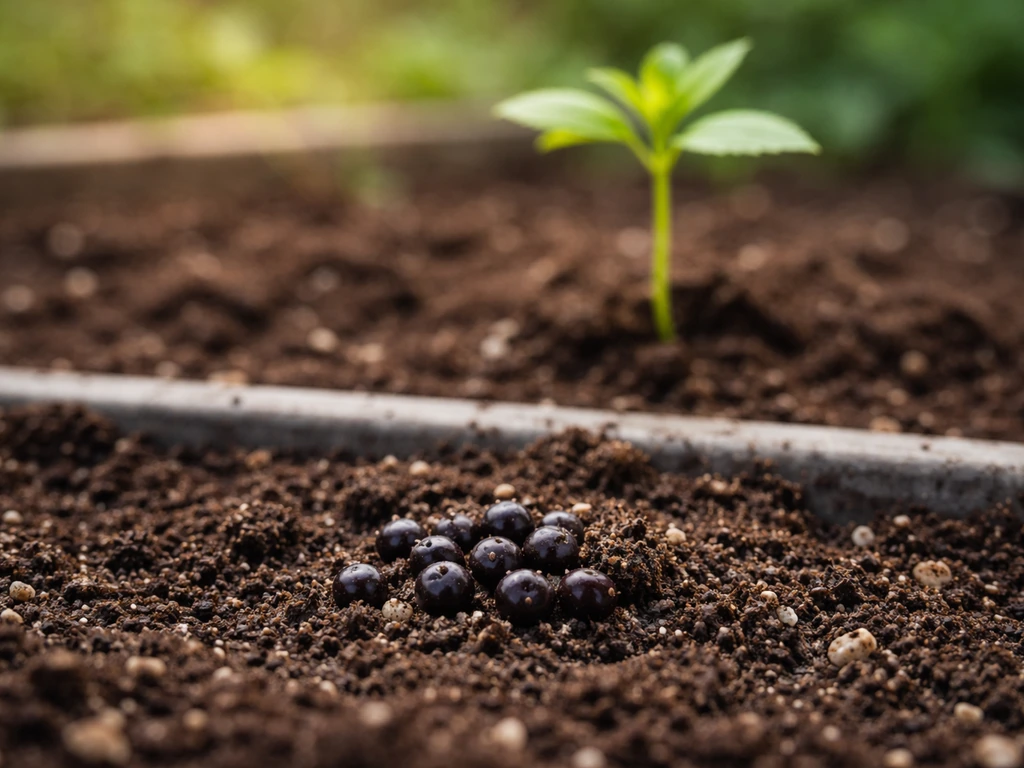
Lupine typically takes 14 to 20 days to germinate under good conditions, and most perennial types (like the popular Russell hybrids) won't give you flowers until their second year from seed. Annual lupines and specially forced cultivars can bloom in as little as 10 to 16 weeks from sowing. So if you're expecting a big first-summer show from perennial lupins you grew yourself from seed, plan on waiting until year two for the full display.
How Long Does It Take to Grow Lupine From Seed
Marcus Henley
12 May 2026
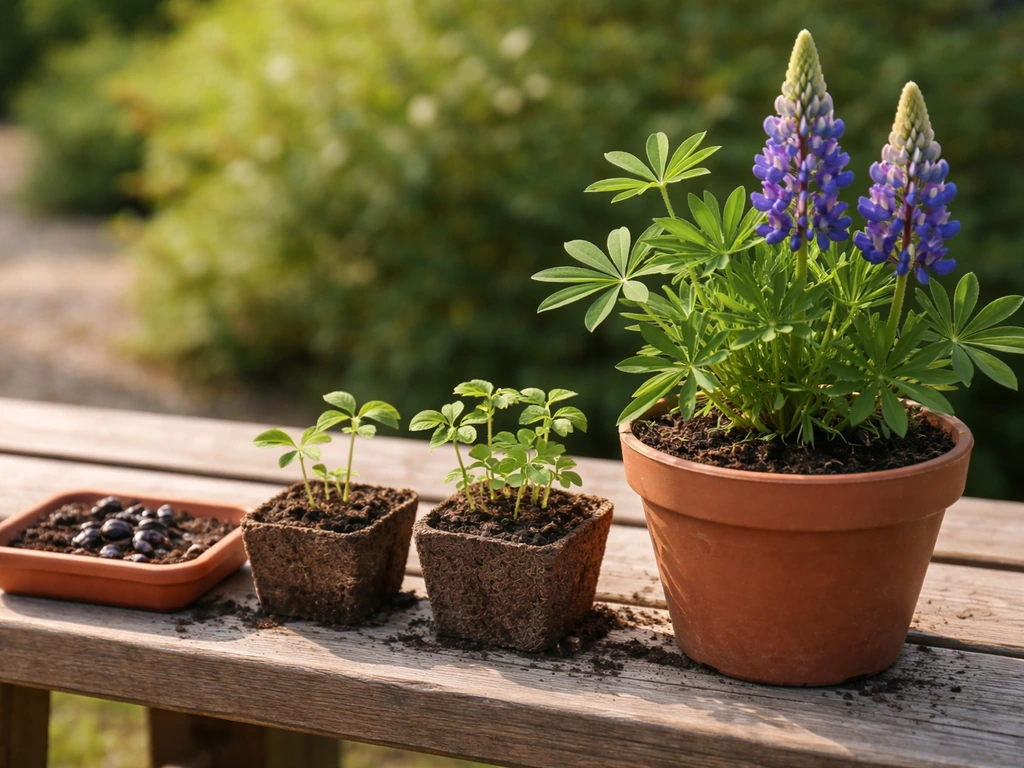
Typical lupine growth timeline from seed
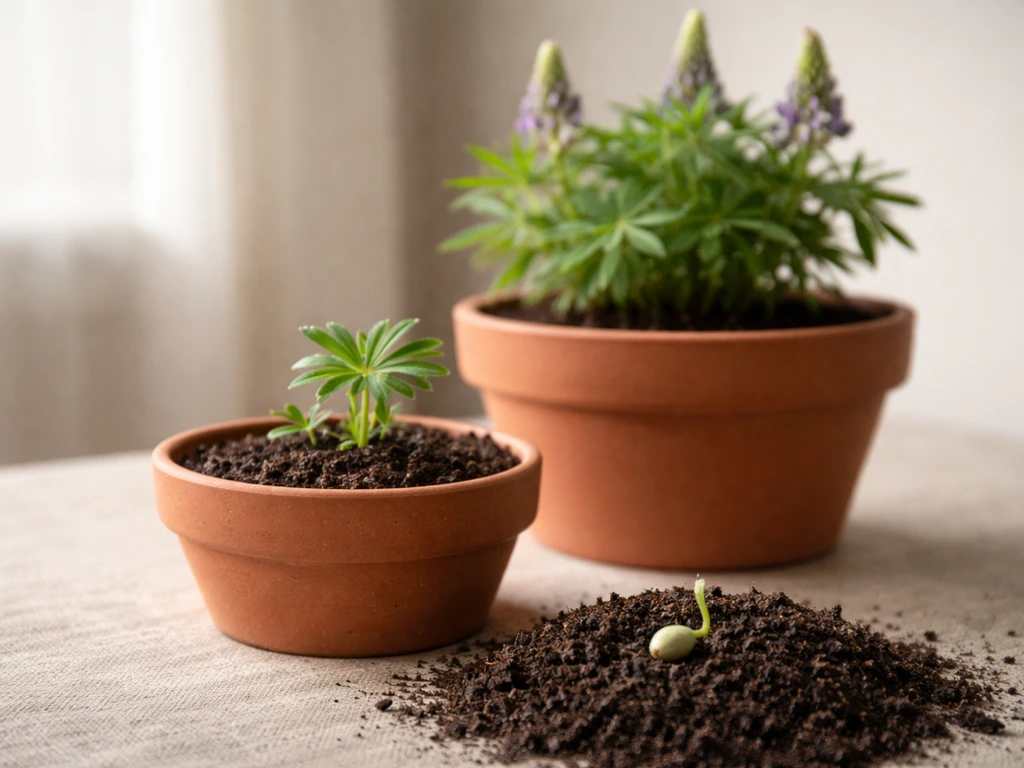
Here's a realistic picture of what to expect at each stage, from the moment you sow to a fully flowering plant:
| Stage | Typical Timeframe | Notes |
|---|---|---|
| Germination | 14–20 days (can stretch to 60) | Wide range due to seed coat hardness and temperature |
| Seedling establishment | 4–6 weeks after germination | True leaves develop; plant builds root system |
| First-year vegetative growth | Rest of growing season (year 1) | Perennial types focus on roots, not flowers |
| First blooms (perennial types) | Second year, typically June–July | Well-established plants bloom about a month earlier than first-year sowings |
| First blooms (annual/forced types) | 10–18 weeks from sowing | Depends heavily on day length and culture conditions |
The gap between germination and flowering is what surprises most gardeners. If you start Russell hybrid lupines or Lupinus polyphyllus types from seed this spring, don't be discouraged when they spend the whole first season just growing leaves. That's exactly what they're supposed to do. They're building the root reserves that power the big floral show in year two.
Germination time and what affects it
Under ideal conditions, lupine seeds sprout in 14 to 20 days. That's the sweet spot. But the range in the real world is 14 to 60 days, and that wide gap is almost entirely explained by two things: temperature and the seed coat.
Temperature is the biggest variable
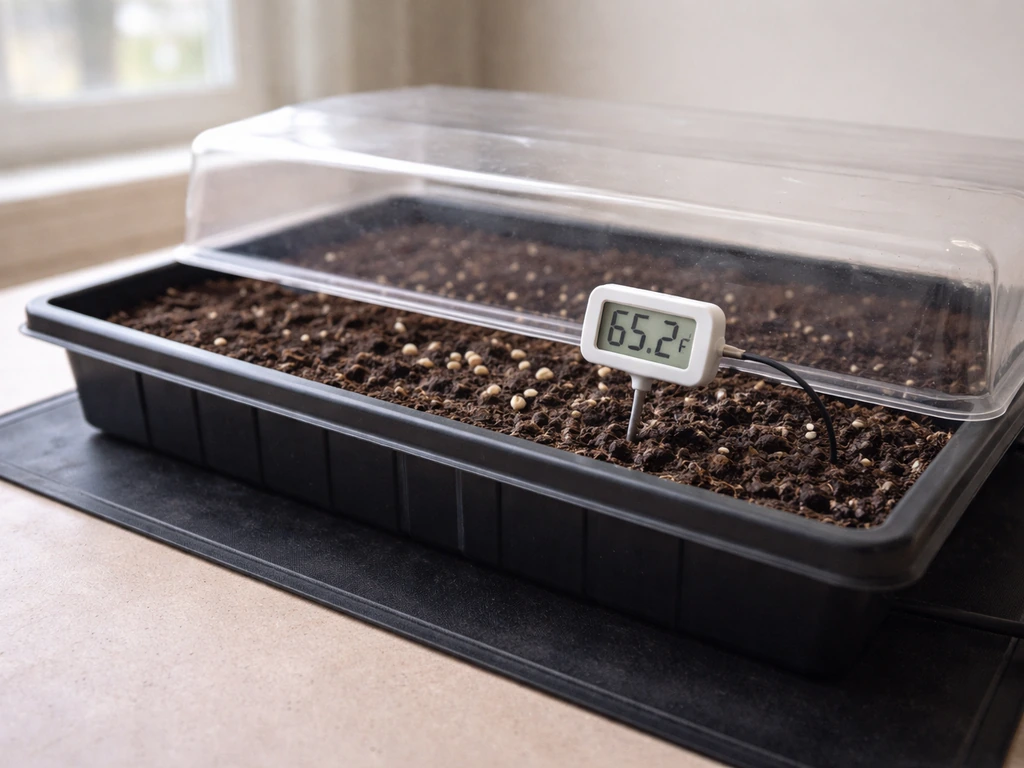
Lupine seeds germinate best when the soil or media temperature sits between 55 and 68°F (13 to 20°C). Benary and other commercial growers target 18 to 20°C (64 to 68°F) for Lupinus polyphyllus. Pinetree Garden Seeds puts the sweet spot a bit lower, at 55 to 65°F for Russell hybrids. Go too warm and germination collapses fast: Lupinus perennis, the native Eastern US species, dropped from about 60% germination at 90°F to under 4% at 95°F. That means a late-spring direct sow into already-warm soil can fail completely. Cool soil is your friend here.
Hard seed coats slow everything down
Lupine seeds have a naturally hard, water-resistant coat. Without any treatment, that coat can keep moisture from entering and delay germination by weeks or push some seeds into extended dormancy. This is the main reason for that 60-day ceiling in germination estimates. Scarification (physically or chemically breaking the seed coat) fixes this, and it makes a dramatic difference in how quickly and evenly your seeds come up.
Light, depth, and moisture matter too
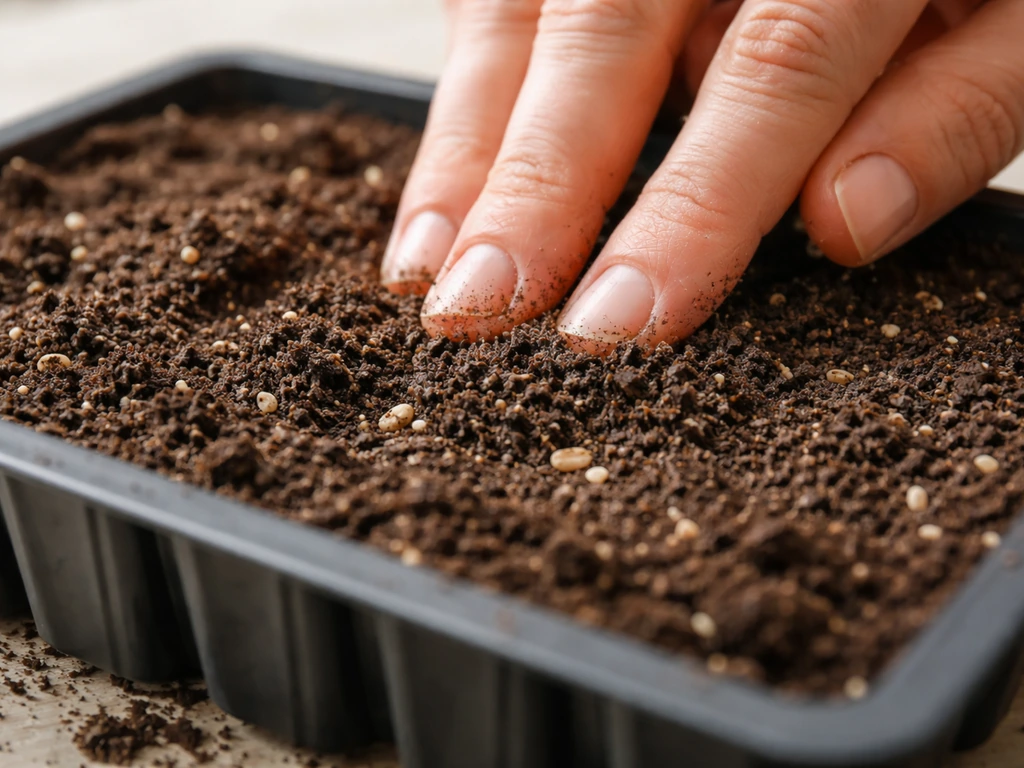
Johnny's Selected Seeds notes that darkness actually aids lupine germination, so covering seeds with about 1/4 inch of soil or media is the right call. Firm seed-to-soil contact is essential: seeds sitting loosely in dry pockets simply won't germinate reliably. Keep the medium consistently moist but not waterlogged, and you'll see much more even sprouting.
Seedling stage to first blooms (maturation timeline)
Once lupine seeds germinate, the seedling stage moves along fairly quickly. You'll see the first true leaves within a week or two of sprouting, and from there the plant starts building its taproot in earnest. This is why lupines hate being transplanted late: the taproot goes deep fast, and disturbing it causes a real setback.
For perennial types like Lupinus polyphyllus (the Russell hybrids and similar garden lupins), the standard expectation is blooms in the second season. For a direct answer to the timing question, hellebores grown from seed typically take several years to reach flowering size perennial types like Lupinus polyphyllus. If you're wondering how long anthuriums take, their timeline from seed is also heavily influenced by growing conditions like temperature and light growing anthuriums from seed.
Johnny's trials with 'The Governor' lupine showed first-year-sown plants blooming in early July of their first year, but those well-established second-season plants were flowering a full month earlier, in early June. That earlier, more vigorous bloom is what you're really after when you commit to growing lupines from seed.
Under greenhouse or forcing conditions with long days (14 to 16 hours of light), Walters Gardens reports that lupines can flower in roughly 10 to 12 weeks. Benary lists a spring crop time of 16 to 18 weeks from sow to finished plant for Lupinus polyphyllus 'Lupini Mix,' which aligns with what you'd see starting seeds indoors in late winter for a spring pot. For the home gardener growing outdoors, count on a full growing season plus one before you get a proper flower show from perennial types.
Differences by lupine type and growing conditions
Not all lupines behave the same, and the type you're growing makes a real difference to the timeline you should expect.
| Lupine Type | Germination | Time to Bloom | Bloom Behavior |
|---|---|---|---|
| Lupinus polyphyllus (Russell hybrids) | 14–20 days (up to 60) | Second year | Perennial; long-lived with annual flowering |
| Lupinus perennis (wild/native) | Variable; hard seed coat common | Second year or later | Perennial; naturalized populations reseed |
| Annual lupines (L. texensis, L. nanus, etc.) | 10–17 days in warm soil | 10–14 weeks from sowing | Bloom and set seed in one season |
| Forced/commercial pot crops (Lupini Mix) | 6–9 days under optimized conditions | 12–18 weeks total crop time | Bred for faster commercial cycles |
Annual lupine species like Texas bluebonnet (Lupinus texensis) and sky lupine (Lupinus nanus) follow a completely different calendar. They germinate, flower, and set seed all in one season, making them more predictable for a first-year display. If you want color in year one without greenhouse forcing, annual types are the practical choice. Perennial lupines are the classic cottage garden staple, but patience is part of the deal.
Climate and microclimate also shift things significantly. In cooler northern gardens, lupines thrive and bloom reliably every year. In hotter climates (zones 7 and above), perennial lupines often behave like short-lived perennials or even annuals, fading out after a season or two. The cool, moist conditions of the UK and Pacific Northwest are where lupines truly perform at their best, which is part of why British gardeners are so devoted to them.
How to speed up germination and avoid common delays
The single most effective thing you can do is scarify your seeds before sowing. Lupine seeds have a hard coat that evolved to withstand harsh conditions, but in your garden bed that same toughness just delays sprouting. Here are the methods that actually work:
- Hot water soak: Pour water that's just off the boil into a cup, drop in your seeds, and let them soak for 24 hours as the water cools. The seeds should visibly swell. This is the simplest home method and works well for most lupine species.
- Thermal scarification (commercial-scale): USDA research found that soaking longspur lupine seeds for 35 seconds at 95°C (203°F) significantly improved germination compared to unscarified controls. That's hot-water scarification taken further, useful if you're working with wild species with particularly stubborn coats.
- Mechanical scarification: Lightly rubbing seeds on sandpaper or a nail file nicks the coat and lets moisture in. Avoid going too aggressive: research on Lupinus perennis showed that heavy mechanical scarification with a commercial scarifier actually reduced germination rates to around 52%, so gentle is better.
- Cold stratification: Some wild lupine species benefit from a brief cold, moist period in the fridge (2 to 4 weeks) before sowing, mimicking winter. This is more relevant for species collected from cold climates than for commercial cultivars.
Beyond scarification, temperature control is your next lever. If seeds are sitting in soil warmer than 70°F, germination will stall or fail. Starting seeds indoors in a cool room (not on a warm heat mat) or direct sowing early in cool spring soil is more reliable than waiting until the weather is fully warm.
Transplant shock is a real and common reason for slow growth after germination. Lupines hate root disturbance. If you start them in trays, thin to one seedling per cell once the first true leaves appear, and transplant while plants are still small (before the taproot gets long and tangled). Johnny's notes that transplant shock can cause several days of stalled growth before a plant resumes normal development. Using biodegradable peat or paper pots you can plant directly in the ground is a good way to avoid this entirely.
If your seeds haven't sprouted after 3 weeks and you didn't scarify them, that's almost certainly the problem. Scratch the seed coat lightly with sandpaper, soak in warm water overnight, and try again. Don't write off a whole packet just because the first attempt stalled.
Planning your planting schedule by climate and season
Getting your timing right is what separates a strong lupine season from a frustrating one. Here's how to think about it based on your situation:
Starting indoors
Start lupine seeds indoors 4 to 6 weeks before your last expected frost date. Transplant outdoors about one week after the last frost, once soil has started to warm slightly but is still on the cool side. This is the approach Veseys recommends for Canadian gardeners, and it works well in most temperate climates. Because lupines don't love transplanting, keep that 4 to 6 week window firm: older, larger seedlings transplant much more poorly than young ones.
Direct sowing outdoors
Direct sowing works well in climates where spring soil warms gradually. Sow as soon as the ground can be worked in early spring, while soil temperatures are still in the 55 to 65°F range. In mild-winter areas (zones 8 and above), fall sowing can work well: seeds experience natural cold and moist conditions over winter and germinate in early spring. Lupines flowering June through August outdoors, with seeds maturing July through September, is the typical seasonal arc in most temperate zones.
Timing for annual vs. perennial types
If you're growing annual lupines and want blooms this season, sow as early as possible in spring (direct or indoors) so the plants have a long cool growing period before summer heat arrives. In mild coastal climates, fall sowing of annuals gives you earlier spring blooms. For perennial types, the sowing date matters less for first-year bloom (since you won't get one anyway) and more for getting the plant established and healthy before its first winter. A late spring sowing still gives you plenty of time to build a strong plant before the cold.
If you're comparing lupines to other long-timeline ornamentals you might be planning alongside them, you'll find similar patience is required with irises, hellebores, and alliums grown from seed, all of which take one to several years to reach flowering size. If you’re also working with alliums, the timeline can be similar because many alliums grown from seed take months to reach flowering size.
If you’re specifically growing elderberry from seed, the timeline is much longer and depends heavily on stratification and conditions how long does it take to grow elderberry from seed. Lupines are actually on the faster end of that perennial flowering-from-seed curve, which is one reason they're such a popular choice for gardeners willing to wait a season.
If you’re wondering about azaleas instead, the time to germinate and bloom is different, so it helps to check a dedicated azalea-from-seed timeline how long does it take to grow azaleas from seed.
FAQ
How long does it take to grow lupine from seed if I don’t scarify the seeds?
Expect germination to be much less even. Without scarification, some seeds can sit for weeks and a portion may not sprout until later, which is why germination can stretch well beyond the typical 14 to 20 day window. If nothing appears after about 3 weeks, it’s usually worth scarifying and soaking the remaining seeds rather than continuing to wait indefinitely.
What’s the best way to tell whether slow germination is normal or a problem?
If temperatures were in a good range (roughly 55 to 68°F) and the seeds were kept consistently moist with firm contact, then slow but eventual sprouting is often normal for lupine’s hard seed coat. The clearer red flag is no germination after 3 weeks, especially if seeds were not scarified, were in warm soil, or dried out between watering.
Should I start lupine indoors or direct sow, and how does that affect timing?
For most perennial lupines, direct sowing early can be faster overall than trying to transplant larger seedlings later, because lupines form a deep taproot that dislikes disturbance. If you do start indoors, transplant while plants are still small and keep the indoor germination conditions cool rather than using a warm heat mat, which can stall germination.
Can I grow perennial lupines to bloom in the first year?
Yes, but it’s the exception and depends on forcing conditions. With greenhouse or long-day light management, lupines may flower in about 10 to 12 weeks after sowing, but outdoor-grown perennials still commonly need a full first season to establish root reserves and then bloom in year two.
How long does it take annual lupines (like Texas bluebonnet) to bloom from seed?
Annual lupines are designed for a single-season cycle, so they typically germinate and flower within the same year. Practically, you can plan for blooms within about 10 to 16 weeks of sowing when they get a long enough cool period before summer heat arrives.
What light conditions speed up lupine growth after germination?
Light mainly matters for steady growth and compact development after the seedling emerges, not for fixing germination. For faster progress after sprouting, aim for long-day conditions indoors (around 14 to 16 hours of light in forcing setups) or strong natural light outdoors, but keep temperatures cool enough to avoid slowing roots and emergence.
If my seedlings appear, how long until they’re big enough to transplant without setback?
Transplant early, once you have first true leaves, and avoid waiting until the taproot is long. A common timing mistake is letting seedlings get bigger before moving them outdoors, which can cause several days of stalled growth due to root disturbance.
How long does it take lupines to flower in outdoor conditions if I sow at the wrong time?
Perennial lupines can still bloom in year two even if sown late, but establishment may suffer, leading to weaker plants or delayed first blooms. In warm climates where springs rapidly exceed ideal soil temperatures, germination can fail completely, so sowing too late is often the main reason timing goes off track.
Do lupine seeds need darkness to germinate, and does that change how long they take?
Lupines generally germinate better when seeds are covered lightly with soil, and darkness can help. If you sow too shallow or let seeds sit on the surface, you may get patchy or delayed emergence, effectively extending the time before you see sprouts.
Next Article
How Long Does It Take to Grow Elderberry From Seed?
Timeline for growing elderberry from seed: stratify, germinate, establish, and when plants may finally flower and fruit.