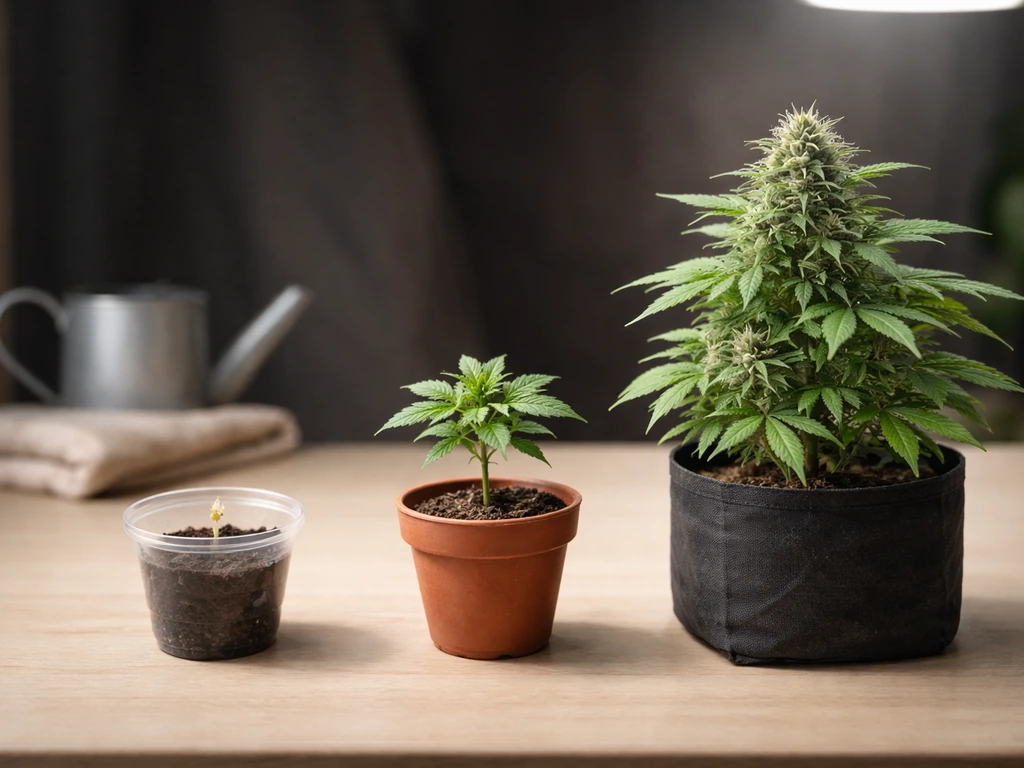
Most summer seeds germinate within 5 to 14 days when soil temperatures are consistently warm (above 60°F for most warm-season crops, ideally 70°F or higher). From there, depending on what you're growing, you're looking at anywhere from 50 to 90+ days before you're harvesting vegetables, cutting flowers, or seeing established plants. The exact window depends heavily on what you're sowing, how warm the soil is, and a handful of other factors you can actually control.
How Long Do Summer Seeds Take to Grow A Timing Guide
Marcus Henley
29 Apr 2026
Typical summer seed timelines at a glance
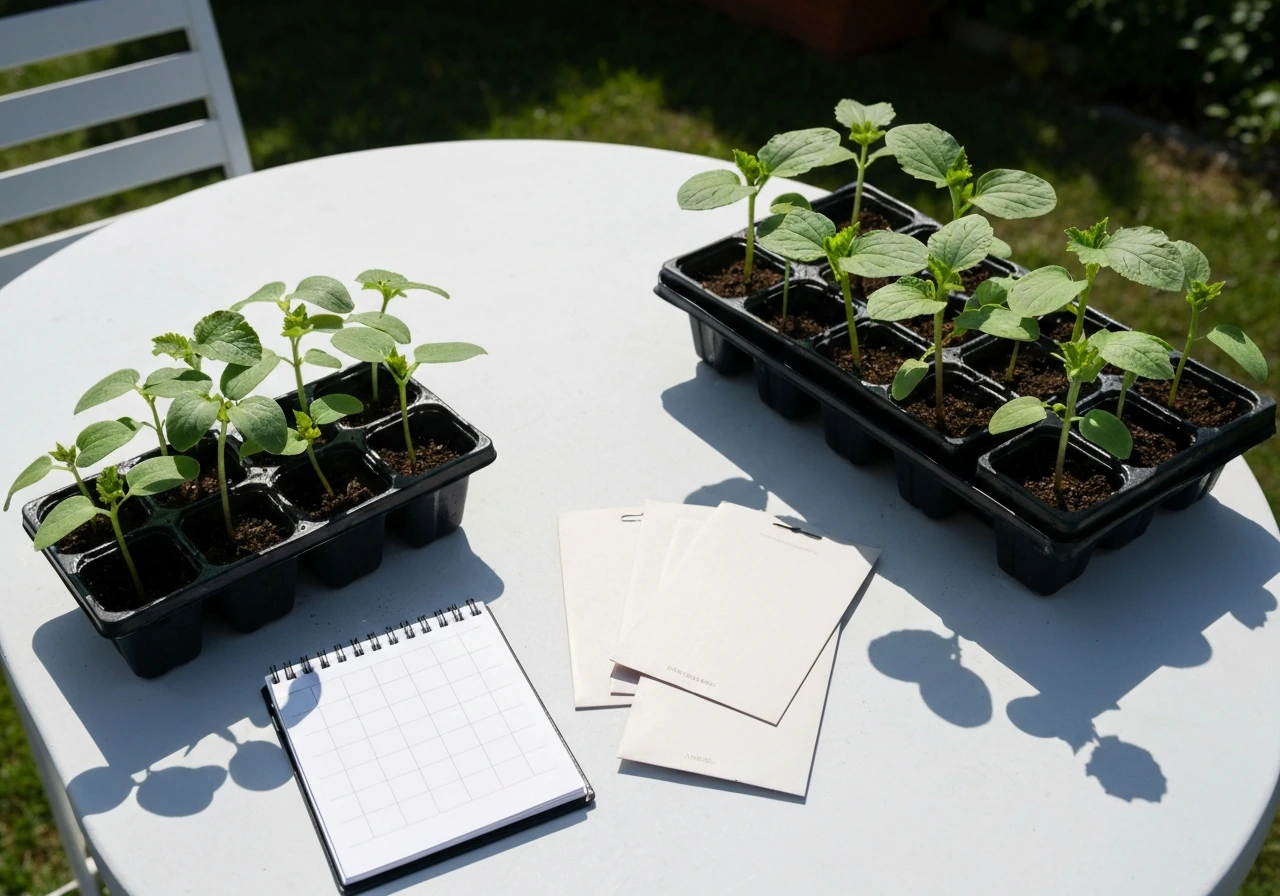
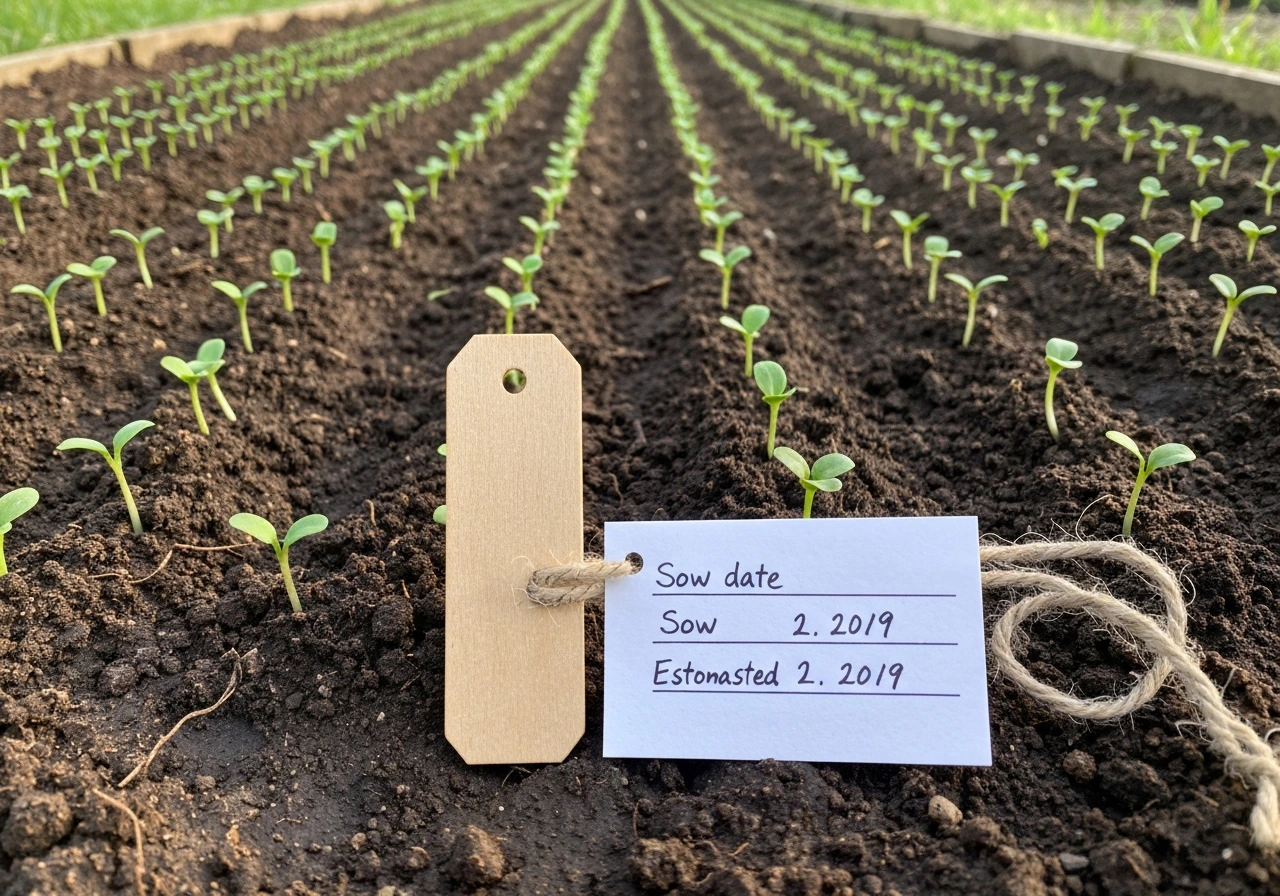
Here's a practical breakdown across the main growth stages most gardeners care about: days to sprout (germination), days to seedling establishment, and days to usable or harvestable size. These ranges assume warm soil (70–80°F) and good moisture.
| Seed Type | Days to Germinate | Days to Usable/Harvest |
|---|---|---|
| Cucumber | 3–10 days | 50–70 days from sowing |
| Tomato | 5–10 days | 60–85 days from transplant |
| Pepper | 7–14 days | 70–90 days from transplant |
| Basil | 5–7 days | 30–45 days to first harvest |
| Marigold | 7–14 days | 45–60 days to first bloom |
| Zinnia | 5–7 days | 60–70 days to full bloom |
| Sunflower | 7–10 days | 60–80 days to flower |
| Summer lawn grass (warm-season) | 7–21 days | 45–90 days to establish |
| Cosmos | 7–14 days | 60–75 days to bloom |
Keep in mind that 'days to maturity' listed on seed packets almost always counts from transplant date, not from when you sow. If you're starting indoors, add 6 to 8 weeks to your indoor start time before the transplant clock even begins.
What 'summer' actually means for germination
The calendar date barely matters. What your seeds actually respond to is blank" rel="noopener noreferrer">soil temperature, not air temperature and not what month it is. This is the most important thing I can tell you if you're trying to figure out timing. A warm afternoon in early May might feel like summer outside, but if the soil is still sitting at 55°F, warm-season seeds like peppers and cucumbers are either going to sit dormant or germinate extremely slowly. Clemson Extension notes that cucumber seeds will not germinate at soil temperatures below 50°F and recommends planting once the soil reaches about 70°F for best results blank" rel="noopener noreferrer">warm-season seeds like peppers and cucumbers are either going to sit dormant or germinate extremely slowly.
Here are the soil temperature thresholds you need to know for the most common summer crops. These are minimums just to get germination started, with optimum ranges in parentheses.
- Cucumber: minimum 60°F (optimum 70–95°F, maximum 105°F)
- Tomato: minimum 50°F (optimum 70–95°F, maximum 95°F)
- Pepper: minimum 60°F (optimum 65–75°F, maximum 95°F)
- Basil: minimum around 60°F (optimum ~70°F for reliable sprouting in about 7 days)
- Zinnia and marigold: optimum 70–75°F for 5–14 day germination
Notice that peppers have a fairly narrow optimum range compared to cucumbers or tomatoes. That's why peppers are notoriously slow in spring even when everything else is sprouting. If you're planting directly in the ground, grab an inexpensive soil thermometer and check 2–3 inches deep before you sow. Most warm-season seeds won't reliably root until soil is above 70°F at that depth.
Timelines by seed type: vegetables, herbs, flowers, grasses, and ornamentals
Summer vegetables
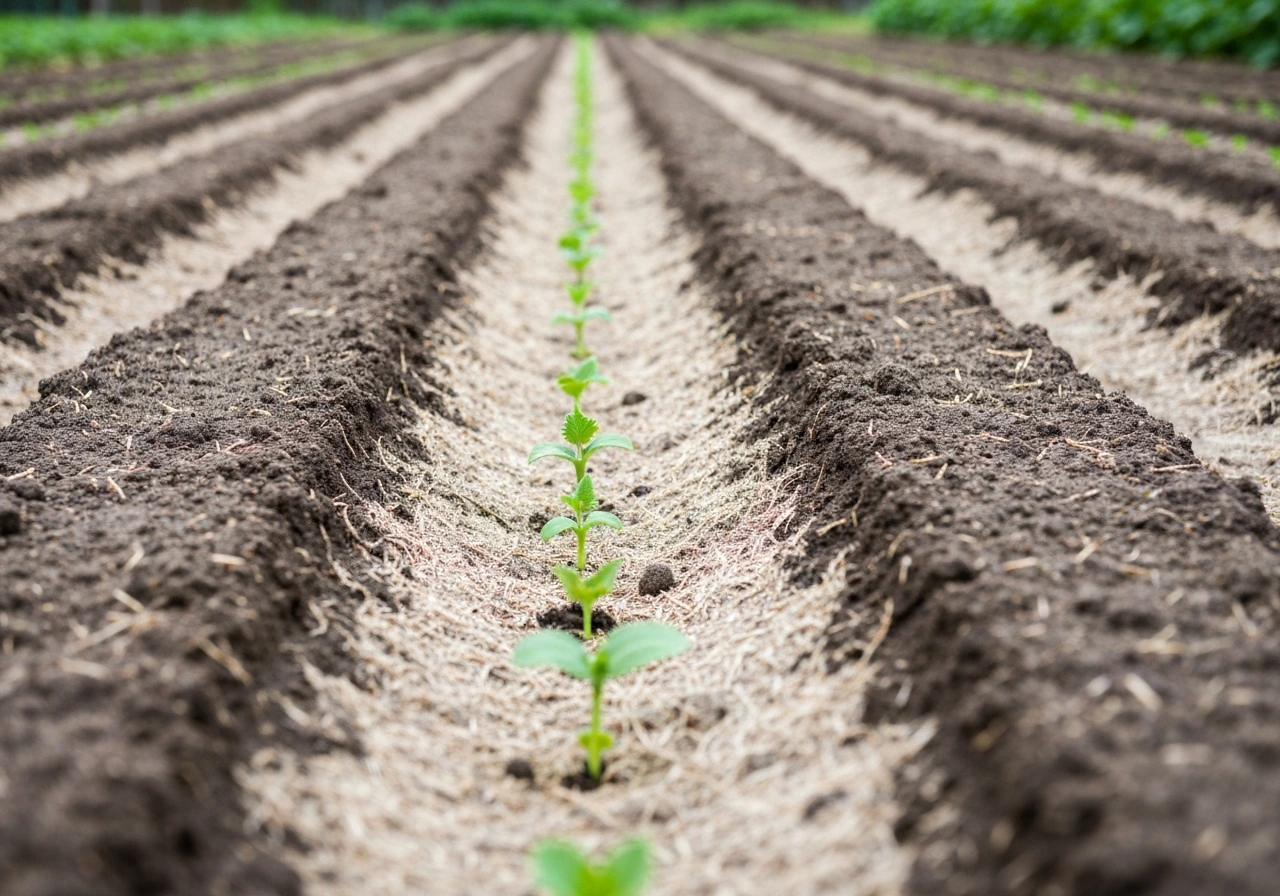
Cucumbers are among the fastest summer vegetables from seed to harvest: expect sprouts in 3–10 days and fruit in roughly 50–70 days from direct sowing in warm soil. Tomatoes and peppers are almost always started indoors 6–8 weeks before the last frost, then transplanted. Days-to-maturity on the packet counts from transplant, so a tomato labeled '75 days' takes closer to 130–145 days total from seed. Because autoflower seeds follow a different life cycle than typical summer seeds, their total grow time depends on the specific cultivar and growing conditions how long do autoflower seeds take to grow. Zucchini and summer squash are quick from direct sow: germination in 5–10 days and harvestable fruit within 50–60 days. Melons take longer, often 70–90 days from direct sowing depending on variety.
Herbs
Basil is one of the most rewarding summer herb seeds to sow. In warm conditions around 70°F, it germinates in about 5–7 days and is ready to start pinching (first harvest) in 30–45 days. Dill and cilantro can germinate faster (5–10 days) but bolt quickly in heat, so they're better as cool-shoulder-season crops or succession-sown in short bursts. Parsley is the slow outlier: it can take 14–28 days to germinate even in decent conditions because of a tough seed coat. Soaking parsley seeds overnight before sowing makes a real difference.
Flowers
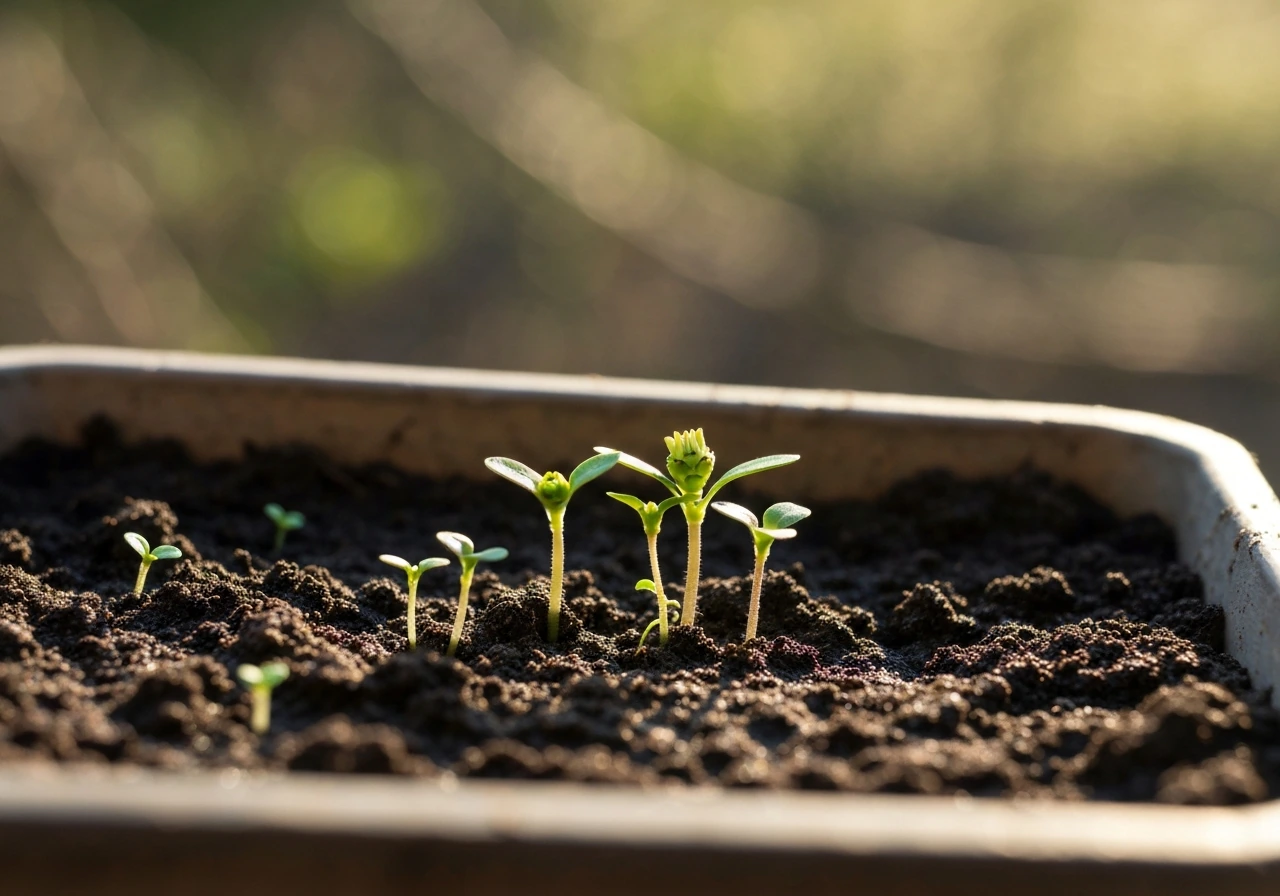
Zinnias are the summer flower I always recommend for beginners because they're genuinely fast. In warm soil at 70–75°F, they sprout in 5–7 days and bloom in 60–70 days from sowing. Marigolds are similar: germination in 7–14 days at 70–75°F and first blooms around 45–60 days. Sunflowers germinate in 7–10 days and flower in 60–80 days depending on whether you're growing a dwarf type or a tall variety. Cosmos, which is a sibling summer flower topic worth mentioning here, typically takes 7–14 days to germinate and 60–75 days to reach full bloom, similar to zinnias but even more heat-tolerant.
Warm-season grasses
Warm-season lawn grasses like Bermuda, Zoysia, and Buffalo grass need soil temperatures of at least 65–70°F to germinate and usually take 7–21 days to sprout. Full lawn establishment (dense enough for traffic) takes 45–90 days in good conditions. Sow too early when soil is still cool and you'll wait weeks for nothing. Late spring to early summer is the sweet spot for warm-season grass seeding.
Ornamentals
Most summer annual ornamentals (celosia, portulaca, impatiens, nicotiana) germinate in 7–21 days at warm temperatures. Sedum, if you're growing it from seed rather than cuttings, is a much slower process, often 2–4 weeks to germinate and months before you have a plantable seedling. Similarly, plants like aloe vera from seed take several weeks to germinate and are a long-game project compared to typical summer annuals. Cycads from seed are an extreme case, sometimes taking months to years. Those three are in a completely different category from your typical summer garden plants.
Why your seeds are taking so long (or not sprouting at all)
I get questions about this constantly and the answer is almost always one of these five things.
- Soil is too cold. This is the number one culprit for summer seeds that seem to stall. Even if the air is warm, soil below 60–65°F will slow or stop germination in warm-season crops. Check soil temperature, not just the weather app.
- Planting depth is wrong. Too deep is the most common mistake. As a general rule, sow seeds at a depth of 2–3 times their diameter. Fine seeds like basil or zinnias just need the lightest covering or none at all. Burying them too deep means the seedling runs out of energy before it reaches the surface. But planting too shallow lets the seed dry out before it can root.
- Moisture is off. Seeds need consistent moisture, not soaking wet soil. Soggy conditions cause rot and damping-off. Dry conditions halt germination mid-process once it's started. The sweet spot is evenly moist, like a wrung-out sponge.
- Seed age or viability is low. Seeds don't last forever. Pepper and onion seeds lose viability fastest (often 1–2 years), while tomatoes, cucumbers, and beans can stay viable for 3–6 years in good storage. If you're using seeds from a couple of seasons ago, low germination rates might just mean the seeds are tired.
- Soaking: some seeds benefit from it. Hard-coated seeds like parsley, beet, and morning glory germinate faster after an 8–12 hour soak in lukewarm water. Most summer vegetables and flowers don't need soaking, but for notoriously slow-starters, it helps.
Light requirements matter too. Most vegetable and flower seeds germinate fine covered with soil. But some seeds, like lettuce and some herbs, actually need light to germinate and shouldn't be buried at all. Check the packet for 'surface sow' or 'light required for germination.'
How to troubleshoot slow germination and decide when to re-sow
If it's been over 14 days and nothing has emerged, start by ruling out the basics above before assuming the seeds are bad. Check soil moisture and temperature first. Then do a simple germination test on any leftover seeds from the same packet: place 10 seeds on a damp paper towel, fold it, seal it in a plastic bag, and keep it at room temperature. Check after 7 days. If fewer than 5 out of 10 have sprouted (50% germination rate), the seeds have low viability. If 7 or more sprout, the seeds are fine and the problem is likely in your soil conditions.
Knowing when to give up and re-sow is genuinely hard for new gardeners because it feels wasteful. Here's my practical rule: if you've hit double the expected germination window with no sprouts (say, 20+ days for a crop that should sprout in 7–10), check your conditions, make a correction, and re-sow a fresh batch. Don't wait much longer than that in summer, because every week matters for your growing window. For most summer vegetables and flowers, you have time to re-sow in May or June and still get a full season. By mid-July, though, warm-season crops like tomatoes and peppers are usually too late to start from seed outdoors in most regions.
If damping-off (where seedlings collapse at the soil line) is your problem, the fix is better airflow, slightly drier conditions, and avoiding over-watering. It's a fungal issue and it moves fast. Start fresh in clean containers with sterile seed-starting mix if it happens.
How to plan your planting schedule starting today
The most useful way to plan is to work backward from when you want to harvest or have established plants. Take your target date, subtract the days-to-maturity on the packet, then subtract germination time, and that's your ideal sow date. If that date has already passed, figure out whether you still have enough summer left for the crop to mature before frost or the end of the season.
Here's an example: you want fresh cucumbers by the end of July. Cucumbers take roughly 55 days to first harvest. But when you’re raising aquarium plants, the timeline for seeds to grow can be much slower because water conditions and light intensity have to stabilize first Germination takes about 7 days.. Germination takes about 7 days. So you need to sow by early to mid-June at the latest. If today is late April, you've got a comfortable window to start cucumbers indoors now and transplant in 3–4 weeks, or direct-sow in 2–3 weeks once soil warms up.
Succession sowing: more harvests, less feast-or-famine
Instead of sowing everything at once, stagger your sowings every 2 weeks. This is called succession sowing, and it's one of the most practical things you can do with summer seeds. For zinnias, a new sowing every 2 weeks from late May to early July gives you flowers continuously through fall. For basil, a new batch every 3 weeks keeps you in fresh leaves all summer. For cucumbers and beans, succession sowing prevents the overwhelming glut where everything is ready at once and nothing is ready the next week.
Setting realistic expectations
Seed packets are written for optimum conditions. Real gardens are messier. If your soil runs cooler than ideal, add a week or two to every germination estimate. If you're in a cloudier or wetter climate, do the same. The timelines in this article are solid guides, not guarantees. The biggest thing that derails gardeners is expecting seeds to follow a precise schedule. They respond to conditions, not the calendar. Get the temperature and moisture right, plant at the correct depth, use fresh seeds, and the timing mostly takes care of itself.
If you're also growing seeds indoors (either starting summer crops early or growing something year-round), the timeline shifts somewhat because you're controlling temperature and light more precisely. If you're wondering how long to grow seeds indoors, the germination speed is usually faster when you keep warmth and light consistent, but you still need to plan for transplant time. Indoor growing generally speeds up germination but adds transplant time to your overall schedule. The main rule stays the same: soil warmth and consistent moisture drive everything.
FAQ
Does soaking summer seeds change how long they take to grow?
If you soak seeds, expect germination to shift earlier by about 1 to 3 days for many vegetables and herbs, but it does not shorten the total time to harvest. Also, only soak seeds that the packet allows for soaking, and be sure they stay just damp, not fully submerged for long periods, to avoid rot.
Why are my warm-weather seeds taking longer than the typical sprouting window even though it feels hot out?
Yes. Even warm-season seeds can stall if soil stays unevenly warm, like when beds are in shade part of the day or you water with cool water. Aim to keep the planting depth warm and water with closer-to-ambient temperature, then recheck soil temperature before re-sowing.
How do I calculate total time when my seed packet lists days to maturity from transplant?
Run a quick catch-up calculation: if your packet says “X days to maturity” from transplant, you need to add the indoor grow period before transplant plus the outdoor post-transplant days. A common mistake is counting from sowing directly, which makes you underestimate the timeline by roughly 6 to 8 weeks for many tomatoes and peppers.
Will thinning seedlings change how long it takes before I can harvest?
Thinning can affect timing to “usable size.” If you keep extra seedlings too long, smaller plants can delay harvest by several days, but if you thin too aggressively early, you can slow growth while plants recover. Follow the packet spacing and thin promptly after seedlings are big enough to handle.
Can I use mulch or row covers to speed up summer seed growth?
Not always, but it can help. Mulch can warm the surface faster, yet it can also trap too much moisture or keep light low where surface-sown seeds are planted. For lettuce and other light-required seeds, do not cover, and for everything else, use a light mulch layer only after germination.
What should I do if seeds sprout but growth seems to stall afterward?
Some seeds “sprout” but still look stuck because the seedling is struggling to establish roots. If you see a delay in true leaves after emergence, check for crusted soil, compaction, and under-watering between sprout and establishment. Loosening lightly around the seed row and keeping the top inch evenly moist can help.
How do I know whether my seeds are bad or my conditions are the problem?
For most crops in warm weather, a simple germination test that yields below about 50% sprouting out of 10 seeds suggests low viability, and re-sowing is usually the most efficient choice. If viability is fine, focus on soil temperature, moisture, and planting depth rather than replacing seeds immediately.
When is it better to re-sow versus adjusting conditions after no sprouts?
If you hit double the expected germination window with no emergence, you can correct course, but the right trigger depends on crop cost and season length. For high-value crops like peppers, it is often worth doing a germination test first. For inexpensive direct-sown crops, re-sow sooner to protect your harvest window.
How do I succession-sow without ending up with crops that mature too late?
It depends on timing more than calendar. In many regions, you can still succeed with succession sowing only if you can finish maturity before heat stress or before the season’s end. A practical check is to compare your calculated sow date to your average first-frost date and to “buffer” by 1 to 2 weeks if conditions run cooler than ideal.
Do older summer seeds take longer to grow, and should I test them first?
Freshness matters, and storage conditions do too. Older seed often shows delayed or uneven germination, even when soil temperature is correct. If you are using seed from an earlier season, run the paper-towel germination test on a small sample before you commit to a whole bed.
Next Article
How Long Do Autoflower Seeds Take to Grow?
Timeline for autoflower cannabis from germination to harvest, including fast typical and slow cases plus planning tips.