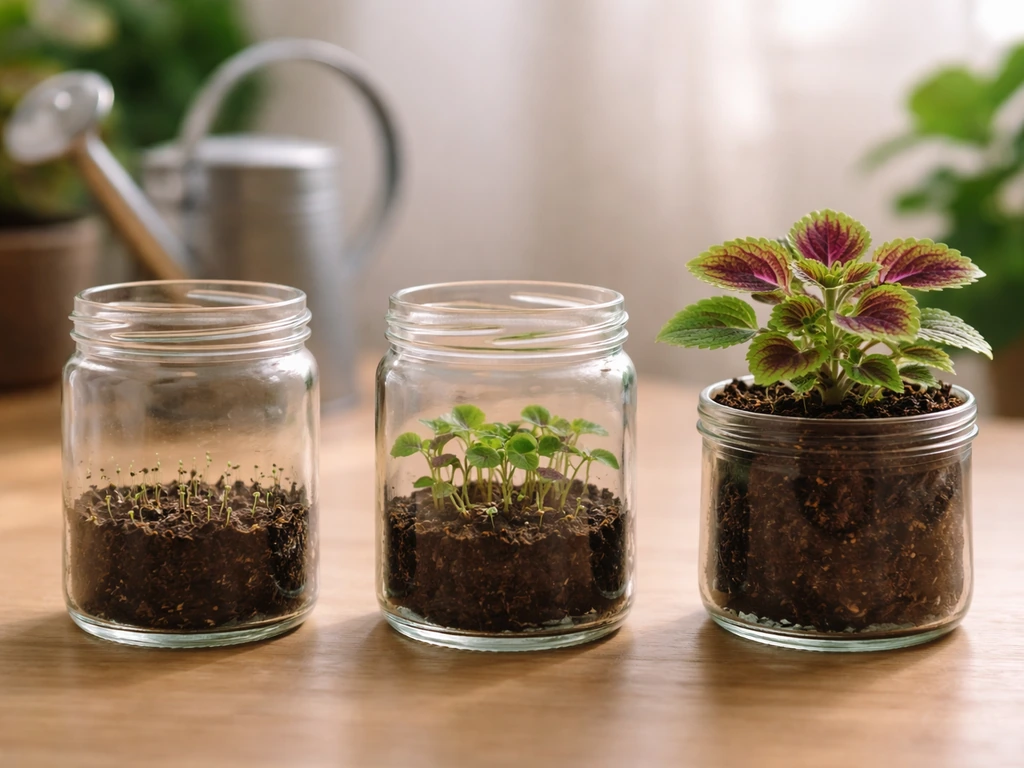
Coneflowers take anywhere from 10 to 90 days to germinate from seed, depending on whether you've stratified them and how warm your setup is. From there, you're looking at another 4 to 8 weeks before seedlings are ready to transplant, and then the honest truth: most coneflowers won't bloom until their second year. Some varieties can flower in year one if you start them early enough indoors, but for most species and conditions, patience is the real ingredient here. Let me walk you through the full timeline so you can plan around what's actually going to happen in your garden.
How Long Do Coneflowers Take to Grow From Seed?
Marcus Henley
17 Apr 2026
Typical timeline from seed to sprout
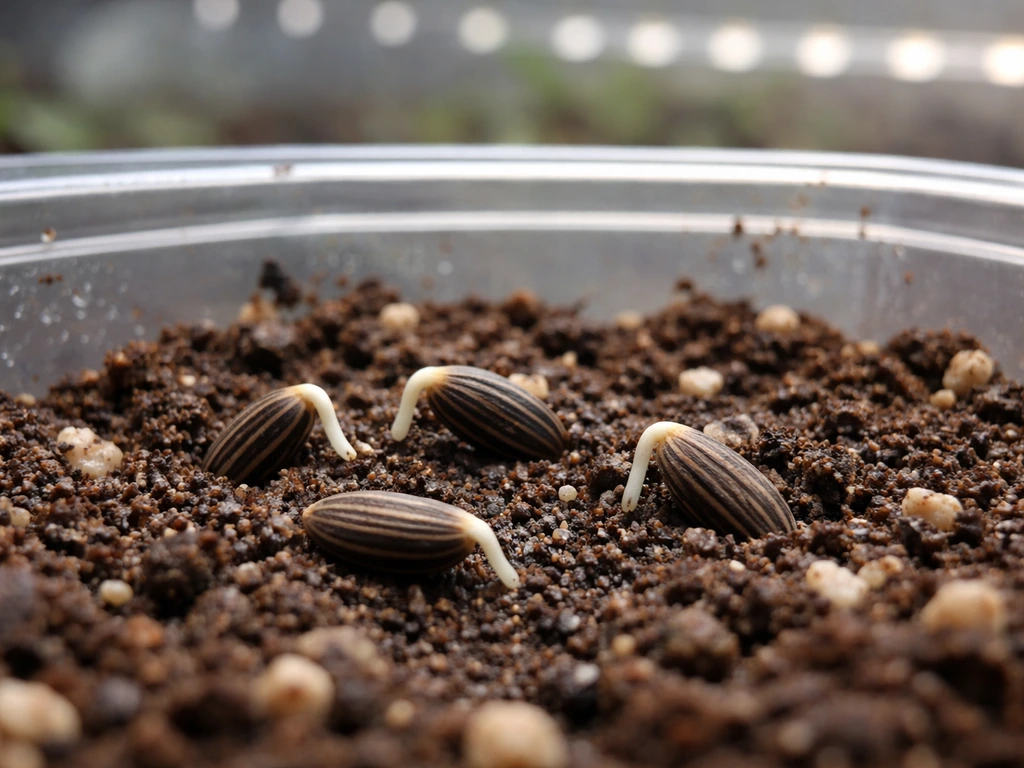
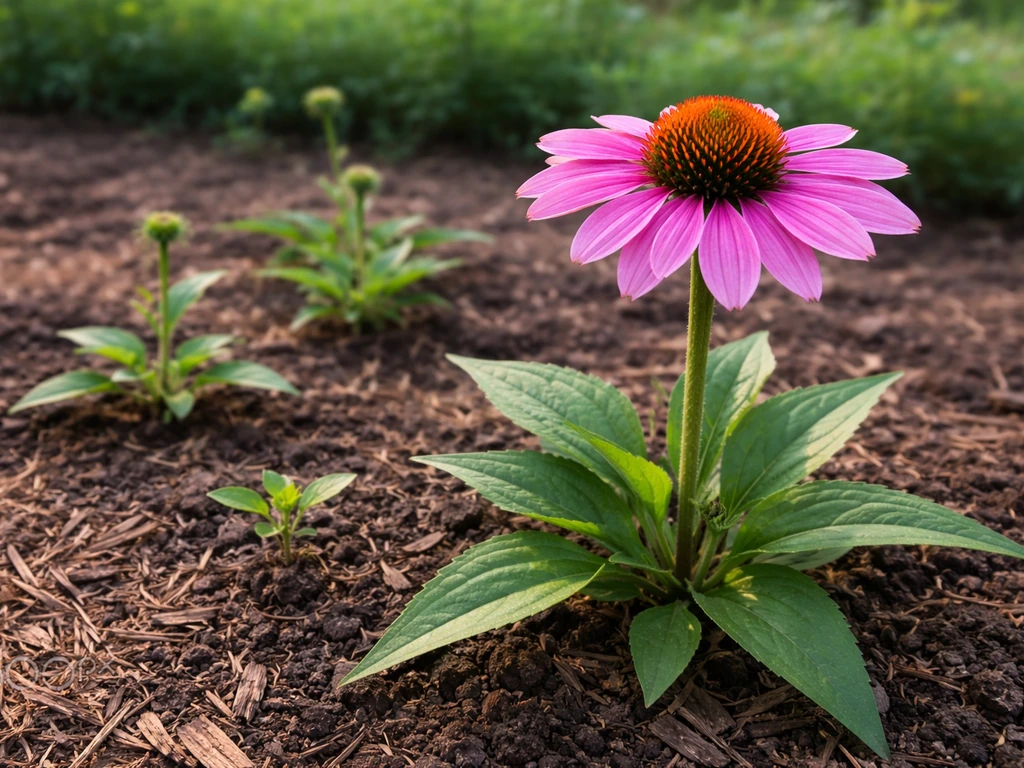
The single biggest variable in coneflower germination is whether you've cold-stratified the seeds first. If you have, germination can happen in as little as 10 to 15 days at 65 to 70°F (18 to 21°C). Without stratification, you might wait 30 to 90 days, and some seeds won't sprout at all. That's a massive range, and it explains why so many gardeners give up on coneflower seeds too early.
Temperature matters just as much as stratification. Seeds will not germinate well (or at all) below 70°F (20°C), and ideal germination happens between 80 and 90°F (25 to 30°C) for many cultivars. If your seed tray is sitting on a cool windowsill in early spring, that's likely your problem. A heat mat under the tray makes a real difference.
There's also a light requirement that catches a lot of people off guard: coneflower seeds need light to germinate. You should press them into the soil surface and not cover them, or cover them with just the thinnest dusting of vermiculite (no more than 1/4 inch). Burying the seeds even a half inch down can completely block germination. This is one of those details that sounds minor but causes a lot of failed trays.
| Condition | Expected Days to Germination |
|---|---|
| Stratified seeds, 65–70°F | 10–15 days |
| Stratified seeds, 80–90°F | 7–14 days |
| Unstratified seeds, 65–75°F | 30–90 days |
| Unstratified seeds, below 70°F | Very slow or no germination |
From seedling to established plant (when you'll see real growth)
Once your seeds sprout, expect them to reach transplantable size in about 20 to 40 days. Some sources put that window at 20 to 28 days, while others (based on waiting for the first true leaves to fully develop) suggest 30 to 40 days after sowing. In practice, I'd say 4 to 6 weeks from germination to a seedling you'd feel comfortable moving into a larger container or hardening off for the garden.
Wait for the first true leaves before transplanting. The tiny seed leaves (cotyledons) that appear first aren't a good signal yet. True leaves look like miniature versions of a mature coneflower leaf, and once you see two of them, the seedling has enough root development to handle being moved. Rushing this step often sets plants back by weeks.
After transplanting into the garden, coneflowers grow slowly through their first season. They're spending most of their energy building a root system, which is exactly what you want them to do. Don't be discouraged if a first-year plant looks unimpressive above ground. By late summer of year one, you'll typically have a rosette of leaves but no flowers. That's normal and healthy.
Seed to blooming: when coneflowers flower
This is where expectations can really go sideways if you're not prepared. Most Echinacea plants will not bloom the first year from seed. For many species and standard cultivars, you're looking at 2 to 3 years from seed to first flowers. Certain species, particularly Echinacea purpurea, can bloom in the first summer if you start seeds indoors early (8 to 10 weeks before last frost) and the growing season is long and warm. But for Echinacea angustifolia and other prairie species, a second-year bloom is the realistic expectation.
Photoperiod (day length) affects bloom timing too. Plants grown under short days can flower 4 to 5 weeks later than those under long days, and they may produce fewer buds and shorter stems. If you're growing in a greenhouse or under supplemental lighting, keeping your plants on a long-day schedule (14 or more hours of light) can push flowering earlier. For outdoor growers, this just means planting in a full-sun spot matters more than you might think.
Here's a realistic full-timeline summary to plan around:
- Weeks 1–2: Cold stratification begins (refrigerator, moist paper towel or damp sand)
- Weeks 2–10: Stratification continues (4 to 12 weeks total depending on species)
- Weeks 10–12: Seeds sown indoors under lights, germination in 10–15 days if warm
- Weeks 14–16: True leaves appear, seedlings ready to transplant
- Weeks 16–18: Harden off and transplant outdoors after last frost
- Year 1 (summer/fall): Foliage rosette develops, root system establishes, no flowers in most cases
- Year 2 (summer): First blooms appear on most plants
Big factors that change how fast coneflowers grow
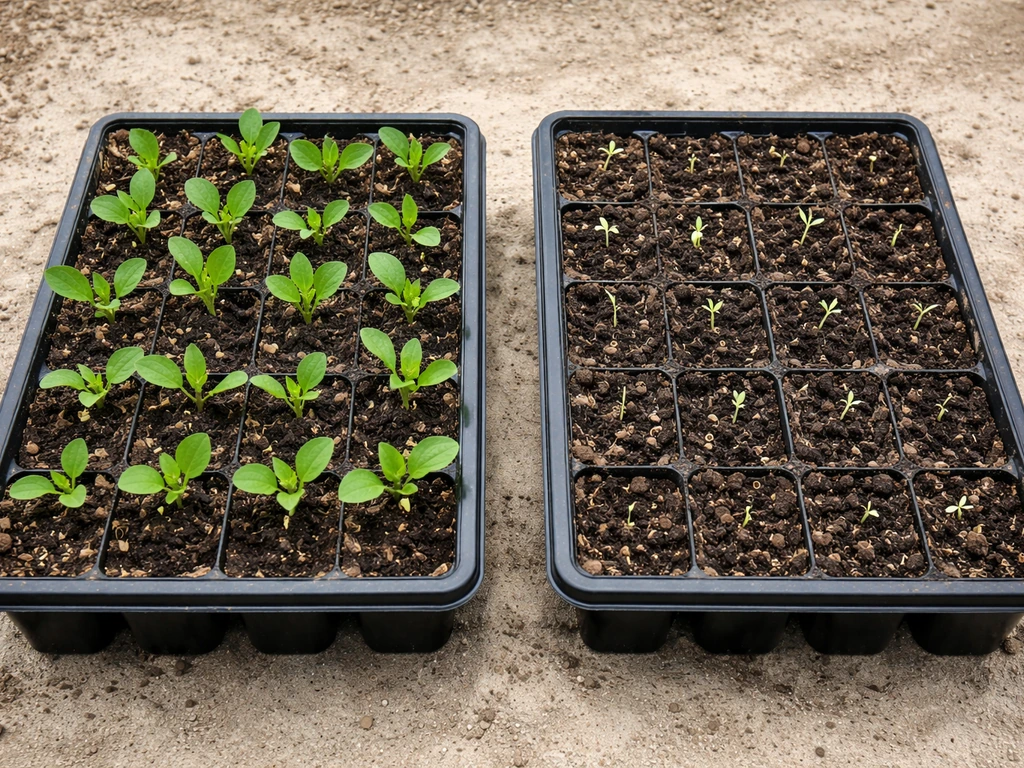
Species is the first thing to look at. Echinacea purpurea is the most forgiving and fastest to germinate and bloom. It can sprout without any cold stratification, though stratification still improves germination rates and speed. Echinacea angustifolia is much more demanding. Studies have shown it needs 9 to 12 weeks of cold stratification to reliably break dormancy, and its germination timeline can extend well past what you'd expect from purpurea. The University of Maryland Extension explains that winter sowing uses natural weather conditions to break seed dormancy through stratification 9 to 12 weeks of cold stratification to reliably break dormancy. If you're newer to growing coneflowers from seed, start with purpurea.
Stratification duration is the second big lever. For E. purpurea, 4 to 8 weeks in a cold, moist environment (refrigerator at around 40°F) is usually enough. Eight weeks is generally better than four. For E. angustifolia, you're looking at 9 to 12 weeks minimum. Some growers use a two-phase approach for angustifolia: sow seeds at 64 to 71°F for 2 to 4 weeks, then cold stratify at 40°F for 9 weeks, then move to 50°F for germination. It sounds fussy, but this species genuinely needs that sequence.
Soil temperature during germination is critical. Below 70°F, germination stalls. At 80 to 90°F, it accelerates. Consistent moisture is equally important. Let the seed tray dry out even once during the germination window and you may lose the batch. Soil quality and seed freshness also play a role. Older seeds or seeds stored in warm, humid conditions may have reduced viability, which shows up as very low or zero germination rates even with perfect technique.
Indoor start vs direct sow: how timing shifts
Starting indoors gives you control and a head start, which is especially important if you want any chance of first-year blooms. The standard recommendation is to sow indoors 8 to 10 weeks before your last expected frost date. If your last frost is around mid-May, that means starting seeds in late February or early March, factoring in your stratification time beforehand. This is very similar to the planning process for other long-season flowers. If you've ever looked into how long cornflowers take to grow from seed, you'll recognize this same kind of backward-planning approach.
Direct sowing outdoors is simpler but comes with trade-offs. You can sow in fall and let winter provide natural stratification, which works well in cold climates. The seeds sit dormant over winter, then germinate when soil temperatures warm in spring. Alternatively, you can sow in very early spring when the ground is still cold, taking advantage of natural freeze-thaw cycles. The downside to direct sowing is that germination is less predictable and harder to control. You also lose the early-start advantage, which makes first-year blooms nearly impossible.
| Method | Best Timing | Germination Control | First-Year Bloom Possible? |
|---|---|---|---|
| Indoor start | 8–10 weeks before last frost | High (heat mat, lights) | Possible with early start |
| Direct sow (fall) | Late fall before ground freezes | Low (natural stratification) | Unlikely |
| Direct sow (early spring) | As soon as ground is workable | Low to moderate | Very unlikely |
My honest recommendation: start indoors if you want the most reliable results and the best shot at first-year flowers. Direct sow if you're naturalizng a wildflower area and year-two bloom timing is perfectly fine.
How to speed germination and avoid common mistakes
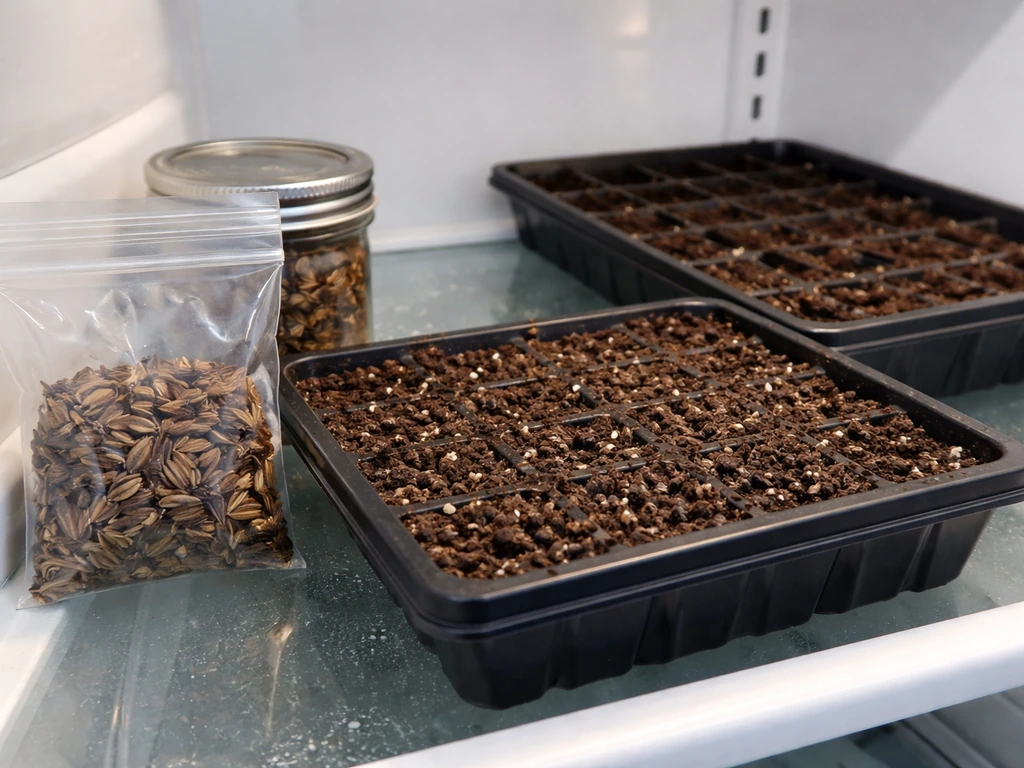
Cold stratify before you sow. This is the single biggest improvement most home gardeners can make. Even for E. purpurea, which can germinate without it, stratification drops germination time from potentially 90 days down to 10 to 15 days. Do it properly: wrap seeds in a moist paper towel, seal in a zip-lock bag, and put in the refrigerator at around 40°F for 4 to 8 weeks (longer for angustifolia). Check the bag weekly and keep the paper towel damp but not soaking wet.
Use a heat mat set to 80 to 90°F under your seed trays once you move the seeds to germination conditions. Pair this with consistent overhead or under-tray moisture. A humidity dome for the first week or two helps a lot. Once sprouts appear, remove the dome and make sure seedlings get at least 14 hours of light daily to prevent legginess and to encourage earlier flowering once transplanted.
- Surface sow only: press seeds into moist seed-starting mix, don't bury them
- Maintain soil temperature between 80 and 90°F with a heat mat
- Keep moisture consistent throughout germination (mist daily if needed)
- Provide bright light or supplemental grow lights immediately after sprouting
- Cold stratify for at least 4 weeks (8 weeks is better) before sowing
- Start indoors 8 to 10 weeks before last frost for the best transplant timing
- Wait for first true leaves before transplanting seedlings to larger containers
Crowding is another mistake worth avoiding. Seedlings that are too close together compete for light and airflow, which slows growth and can invite powdery mildew. Thin seedlings early, keep good air circulation around your trays, and don't let foliage stay wet overnight. Healthy, uncrowded seedlings establish much faster after transplanting.
Troubleshooting slow or no germination and next steps
If your coneflower seeds haven't sprouted after 3 to 4 weeks, the first thing to check is temperature. If the soil has been below 70°F, germination simply won't happen reliably. Add a heat mat and wait another week or two before giving up. The second thing to check is whether you covered the seeds. If they got more than a very light dusting of soil, uncover them now. They need light to trigger germination, and being buried even a little too deep can keep them fully dormant.
If temperature and light are both fine and you're still seeing nothing after 6 weeks, the most likely culprit is inadequate stratification. If you skipped it or kept it too short, your options are to either wait longer (some unstratified seeds will eventually germinate, just slowly and unpredictably) or start a fresh batch with proper cold stratification. This is much like the troubleshooting process for slower-germinating plants in general. Just as you'd rethink your approach after a failed batch when learning how long comfrey takes to grow from seed, a reset with better preparation almost always gets better results than pushing forward with a struggling batch.
Seed viability is also worth considering. Coneflower seeds don't store well for more than a year, especially in warm or humid conditions. If your seeds are more than 12 months old or were stored improperly, germination rates can drop dramatically. Fresh seed from a reputable source makes a huge practical difference. This isn't a problem unique to Echinacea: gardeners learning how long corn takes to grow from seed run into the same viability issues with old stock.
Here's a simple decision tree if things go wrong:
- No germination after 2 weeks: Check soil temperature. Below 70°F? Add heat mat.
- No germination after 3 weeks at correct temperature: Were seeds covered? Uncover them and expose to light.
- No germination after 6 weeks despite correct temp and light: Stratification was likely insufficient. Start a new batch with 4 to 8 weeks cold stratification.
- Some germination but very low percentage: Seed viability may be the issue. Source fresh seeds for next attempt.
- Seedlings are leggy or pale: Increase light duration to 14+ hours and move lights closer.
- Seedlings developing mildew or damping off: Improve airflow, thin seedlings, avoid overhead watering at night.
One last thing worth knowing: slower germination in coneflowers is really normal, especially in your first or second season growing them. Even experienced gardeners who've spent years figuring out faster-germinating annuals find coneflowers humbling at first. Growing perennials from seed is a different kind of patience than growing, say, coleus from seed, where you get results in a couple of weeks. Stick with the process, start your stratification earlier than you think you need to, and the plants you get in year two will be worth every week of waiting.
FAQ
What should I do if my coneflower seeds have not sprouted after a month?
If you see no sprouts after 6 weeks, re-check the three usual bottlenecks in this order: soil temperature (below 70°F usually stalls germination), seed depth (they must stay at or near the surface), and stratification (skipping or shortening cold break can push germination out or prevent it). If all three check out, the practical next step is to start a fresh batch with confirmed stratification timing rather than keep the same tray running indefinitely.
Is it normal for only a few coneflower seeds to sprout?
Coneflower seeds can be slow and uneven, so “some not germinating” is common even with good conditions. However, keep an eye on spacing and moisture, and avoid disturbing the tray too much. If nothing sprouts by the later end of the expected window for your setup (for example, after 90 days unstratified, or 4 to 6 weeks even with stratification and warm temps), assume the batch is largely non-viable or mis-prepared (depth, cold duration, or temperature).
Can I lightly cover coneflower seeds and still get good germination?
Don’t cover coneflower seeds once you move them into germination conditions. A thin vermiculite dusting is fine if that’s what you used initially, but any additional soil later can block light. If you accidentally buried them, your most reliable fix is to start over rather than hope shallow emergence will still happen.
How warm is “too warm” for coneflower seed germination with a heat mat?
If you used a heat mat, start checking soil temperature with a simple thermometer, especially if you’re using a humidity dome or a window setup. Heat mats can over-warm some trays, which can dry seeds out and encourage poor, patchy germination. Aim for the target range for germination, then keep moisture consistent so the medium never fully dries.
When should I harden off coneflower seedlings, and can it delay flowering?
Yes. Once seedlings have true leaves and you need to harden them off, do it gradually over about a week. Move them outside in short sessions first (morning shade, sheltered from wind), then extend exposure while watching for wilting. Hardening too fast can set growth back for weeks, which matters because most blooms will still wait until year two in many situations.
Will fertilizing my coneflowers early help them bloom in the first year?
If you’re trying for the best chance of early bloom, timing indoors matters most, but so does not over-fertilizing young seedlings. Use a light feeding (or none until true leaves establish) because heavy nitrogen can produce lots of foliage while not supporting earlier bud development. For year-one flowering attempts, also prioritize strong light (14 hours or more) to avoid leggy transplants.
What is the best sign that my seedlings are ready to transplant?
For transplanting, wait until you have at least two sets of true leaves and the seedlings are sturdier, not just cotyledons. If you transplant too early, roots can be disrupted and the plant may spend extra time re-establishing rather than building toward winter survival. A common practical sign is that seedlings are upright, have healthy true leaves, and aren’t visibly stalling after hardening off.
What causes leggy coneflower seedlings and how do I correct it?
If seedlings get leggy, the fix is usually more light, not more watering. Increase daily light to keep them stocky, consider lowering lights or raising tray height if you’re using grow lights, and improve airflow to reduce disease pressure. Severe legginess can sometimes be gently adjusted during transplanting (burying a little deeper where stem is still flexible), but avoid burying deeply enough to restrict the collar area.
How does seed age affect how long coneflowers take to grow from seed?
Yes, older seed is a frequent reason for “slow but no results.” Coneflower seed viability declines, especially if it was stored warm or humid, so germination can drop dramatically even with perfect technique. If your seed is more than about a year old, consider treating it as lower-viability (sow more seeds per cell) and double-check temperature, light exposure, and stratification length.
If I direct sow outdoors, does the growth timeline change?
Direct sowing can work, but you lose control of soil temperature and you rely on natural stratification. If your goal is predictable timing or year-one blooms, indoors is generally more reliable. Also consider that fall sowing may not germinate immediately in cold climates, it will sit dormant and then emerge when spring soil warms, making the effective “time to sprout” vary by weather.
Next Article
How Long Does It Take to Grow Coleus From Seed?
Timelines for growing coleus from seed: germination days, seedling to transplant, and maturity, plus troubleshooting tip