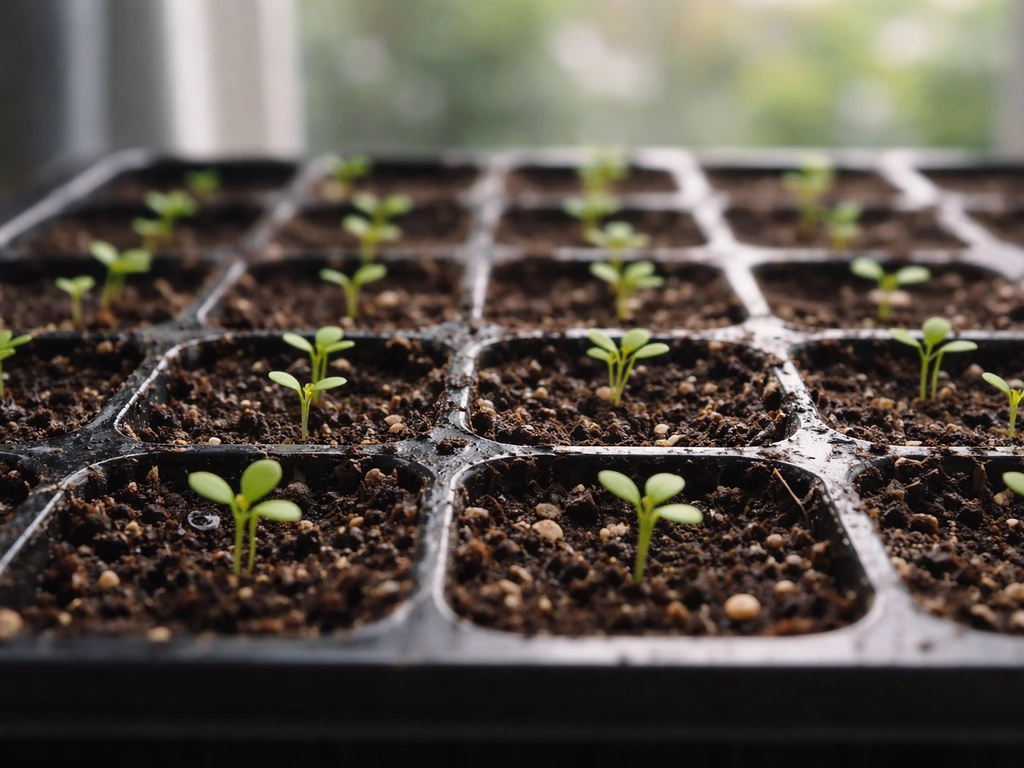
If you're searching for how long the "seed of memories" takes to grow, the honest first answer is: there is no commercially recognized seed variety or brand by that exact name. It doesn't appear on any seed packet, nursery catalog, or horticultural database. Before you can get a real germination timeline, you need to figure out what plant you're actually working with, because once you do, the answer becomes very specific and very useful.
How Long Does the Seed of Memories Take to Grow?
Marcus Henley
21 May 2026
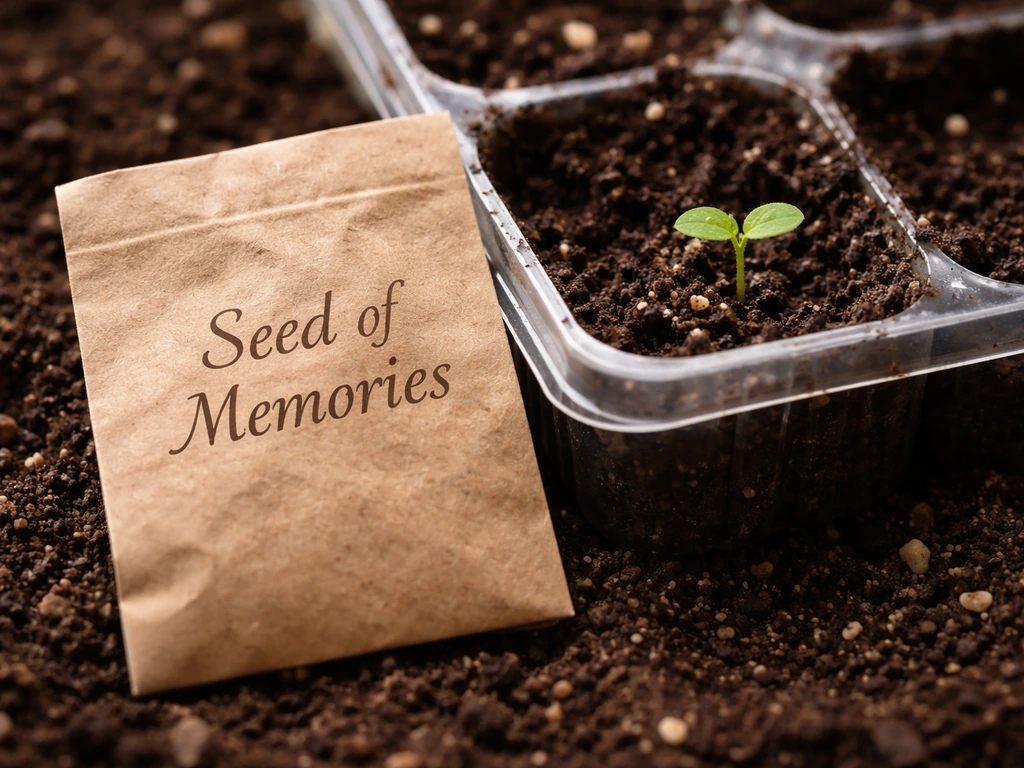
What Is the "Seed of Memories" Actually?
Searching this phrase turns up two things almost immediately: a Harvest Moon video game and a Disney Dreamlight Valley quest item. Neither is a real plant. So if you landed here because someone gave you seeds labeled "seed of memories," or you saw it referenced in a garden context, here's how to track down the real identity of what you're growing.
- Check the seed packet: the botanical name (genus and species) will be printed in small text, often below the common name. That's your most reliable ID.
- Look for "days to germination" or "days to maturity" on the packet label. This is the number you actually need.
- If you got seeds loose or without packaging, check whether the giver knows the variety name or where they purchased them.
- Run a quick image search or use a plant ID app on any existing plants from the same source to narrow it down.
- If the name is a brand name or a poetic variety name (like many heirloom or boutique seed companies use), search the seller's website directly for the botanical name and germination specs.
The reason this matters so much is that germination time varies wildly across plant types. A fast annual flower might sprout in 5 to 7 days. A perennial wildflower might need 60 to 90 days of cold stratification before it even thinks about germinating. If you are growing forget-me-nots from seed, cold stratification is often the key step that affects how long they take to sprout. You can't plan your garden around a name without knowing what's behind it.
Germination, Emergence, and Seedling Growth: What the Timeline Actually Looks Like
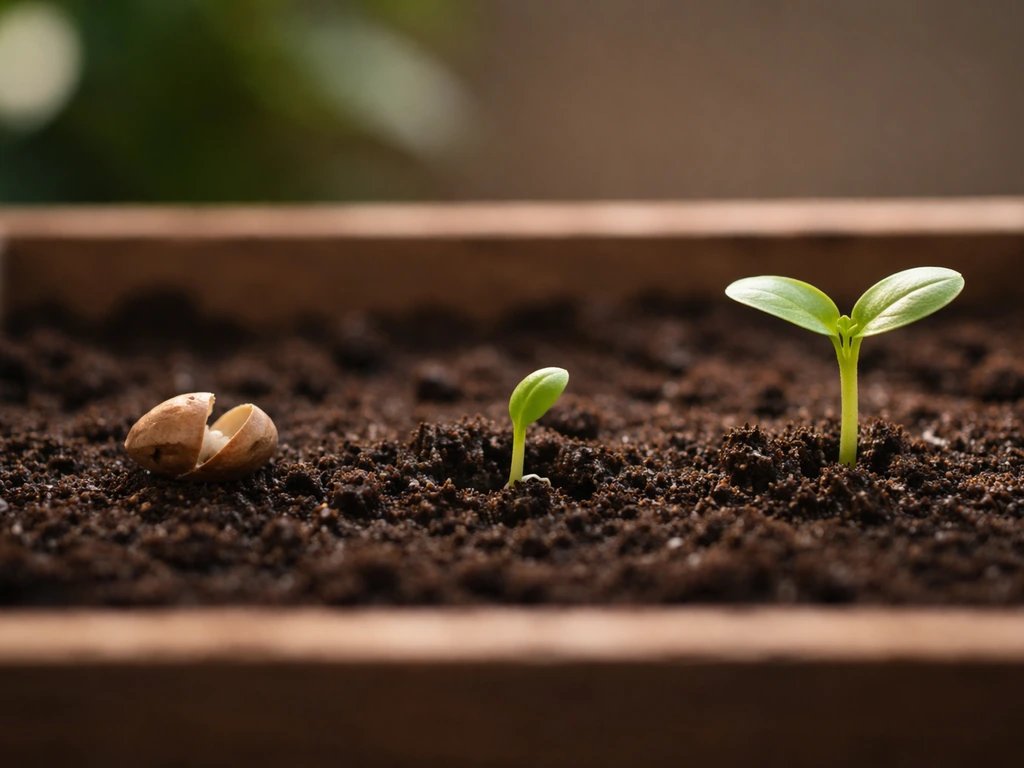
Once you know what you're growing, here's how to think about the stages. People often use "germination" and "sprouting" interchangeably, but they're actually two separate events and the gap between them matters a lot when you're staring at a pot of dirt wondering if anything is happening.
| Stage | What's Happening | Typical Timeframe |
|---|---|---|
| Germination | The seed coat cracks, the radicle (first root) emerges inside the soil. You can't see this yet. | Days 1–14 for most annuals; weeks to months for some perennials |
| Emergence | The seedling breaks the soil surface and becomes visible. This is what most gardeners call sprouting. | 2–5 days after germination for fast growers; up to a week or more for slower ones |
| Seedling stage | First true leaves appear after the initial seed leaves (cotyledons). Plant is actively growing. | 1–3 weeks after emergence depending on species |
| Transplant/mature size | Plant is large enough to move outdoors, begin flowering, or be harvested depending on type. | 4–12+ weeks from sowing for most annuals; longer for perennials and biennials |
For common flower types similar to what a poetically named seed mix might include (think forget-me-nots, columbine, or portulaca), germination typically runs 7 to 21 days under good conditions, with full seedling establishment taking another 3 to 6 weeks. Perennial flowers can take much longer, especially if they require cold stratification first.
How Growing Conditions Change the Wait
Conditions are everything. I've sown the same seed packet two years in a row and gotten germination in 6 days one year and 18 days the next, just because of soil temperature differences. Here's what moves the needle most:
Temperature
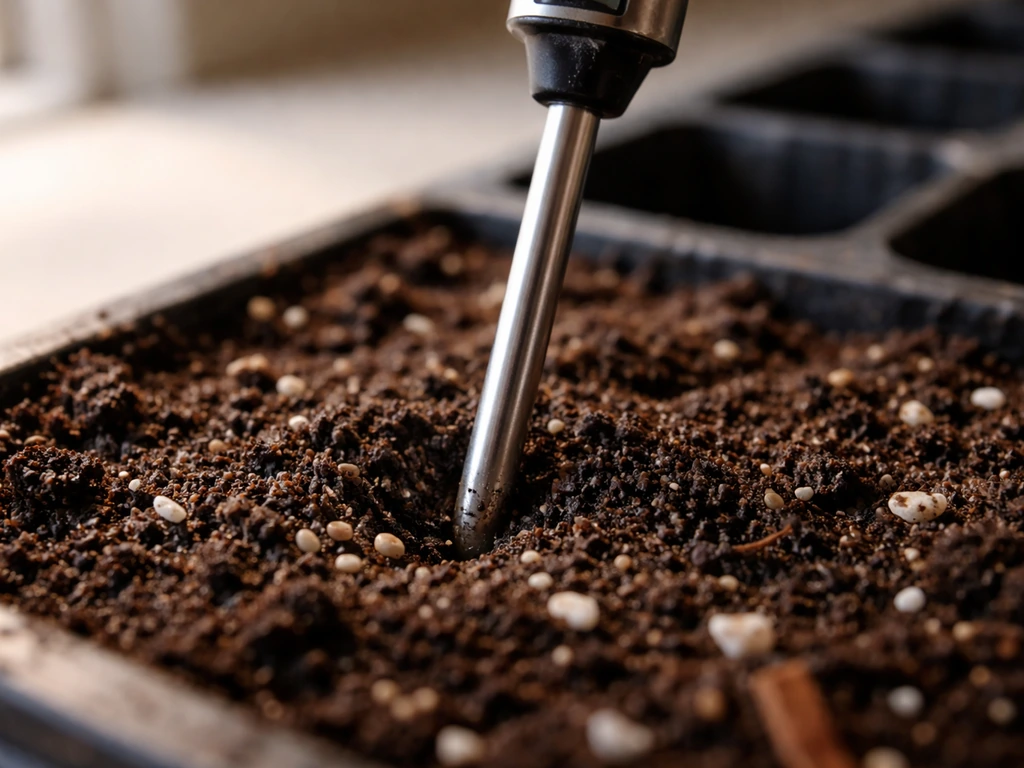
The sweet spot for germinating most seeds is 65 to 75 degrees Fahrenheit. Below that range, germination slows dramatically or stalls entirely. Cooler soil at seed depth is one of the most common reasons seeds take longer than expected to emerge. If you're starting seeds indoors and your home runs cool, a heat mat under the tray is one of the most effective investments you can make.
Light
Some seeds need light to germinate, including many popular flower varieties like petunias and some lettuce types. These should be pressed lightly onto the soil surface rather than buried. Others prefer darkness. If you don't know the requirement, check the packet or default to a very shallow covering of fine vermiculite, which lets some light through while maintaining moisture.
Moisture
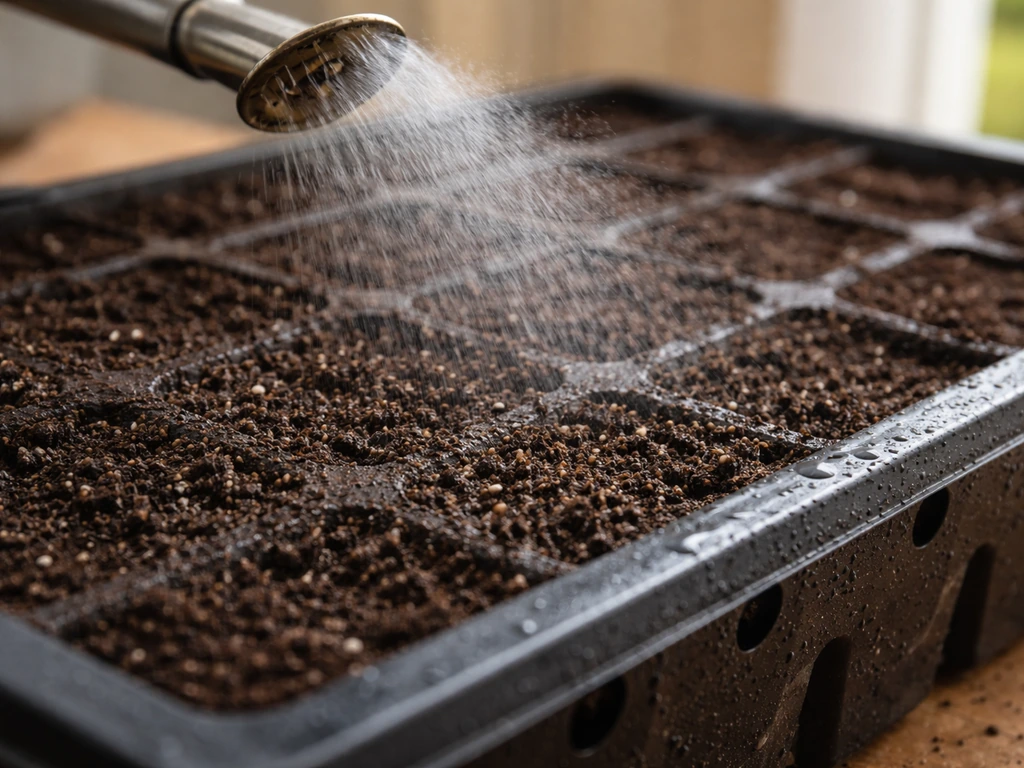
Seeds need consistent moisture to germinate, but sitting in waterlogged soil is just as bad as drying out. The goal is evenly moist, not wet. A common mistake is watering too heavily right after sowing and then letting the surface crust over between waterings. That crust can physically block emergence even when the seed is ready to push through.
Planting Depth
The general rule is to sow seeds at a depth of about 2 to 3 times the width of the seed itself. Planting too deep is actually one of the most common reasons a planted seed never emerges, even if it's perfectly viable. A large seed like a squash can handle an inch of soil. A tiny poppy seed should barely be covered. When in doubt, go shallower.
Estimating Timing When You Don't Know the Variety
If you genuinely cannot identify what's in your "seed of memories" packet, you can still get a working estimate by mapping it to the closest seed category. Here's a practical reference:
| Seed Category | Typical Germination | Emergence to Seedling | Notes |
|---|---|---|---|
| Annual flowers (e.g., portulaca, marigold) | 5–14 days | 1–2 weeks after germination | Fast, warm-season; no special treatment needed |
| Biennial/perennial flowers (e.g., columbine, forget-me-nots) | 14–30+ days | 2–4 weeks after germination | May need cold stratification; slow is normal |
| Vegetables (leafy/root) | 5–14 days | 1–2 weeks | Temperature-sensitive; cool crops vs. warm crops differ a lot |
| Herbs | 7–21 days | 1–3 weeks | Some (like parsley) are notoriously slow; 21 days is not a failure |
| Ornamental grasses | 14–28 days | 2–4 weeks | Often need warm soil; some need stratification |
| Native/wildflowers | 14–90+ days | Highly variable | Stratification or scarification often required |
If the seeds look small and colorful, they're likely an annual flower mix and the 5 to 14 day germination estimate applies. If they look like tiny dark specks with a hard coat, you might be dealing with a perennial or native that needs more prep. The physical characteristics of the seed itself give you clues when you have nothing else to go on.
Troubleshooting Slow or Failed Germination
If you're past the expected germination window and nothing has happened, don't give up yet. Here are the most common culprits and what to do about each one. UMN Extension notes that damping-off can be caused by overwatering and related factors such as low light, high salts, and cool soil temperatures.
- Soil too cold: Check temperature at seed depth, not just room temperature. If it's below 60°F, move containers to a warmer spot or add bottom heat. Germination can stall completely in cool conditions.
- Planted too deep: If you buried small seeds more than a quarter inch down, they may exhaust their energy before reaching the surface. Resow at the correct shallow depth.
- Soil dried out: Even one day of complete drying during early germination can kill the radicle. If the surface looks bone dry, you may need to resow.
- Overwatering and damping off: Seeds or newly emerged seedlings that rot at the soil line are victims of damping off, a fungal issue made worse by cool, wet, low-light conditions. It can look like seeds just didn't germinate when actually they sprouted and then died underground. Improve drainage and air circulation.
- Old or low-viability seed: Seeds don't last forever. If your seeds are more than 2 to 3 years old (or stored in warm, humid conditions), germination rate drops significantly. Run a germination test before committing to a full sowing.
- Dormancy requirements not met: If you're growing a perennial or native wildflower and skipped stratification or scarification, the seeds may be sitting dormant intentionally. Research the specific species requirements.
- Soil crust blocking emergence: A hard surface crust can trap seedlings underground. Gently break it up with a fork and keep the surface consistently moist.
When to Resow vs. Keep Waiting
A good rule of thumb: if you're past double the expected germination window and conditions have been good the whole time, it's fair to call it a failure and resow. For most annuals, that means waiting about 3 weeks. For perennials or wildflowers with stratification requirements, you may need to wait much longer or try a cold treatment first before resowing makes sense.
Practical Next Steps You Can Take Today
Whether your seeds haven't sprouted yet or you're just starting out, here's what to actually do right now. If you're growing collards specifically, your timeline will be different from ornamental seeds because collards have their own germination and harvest schedule how long to grow collards from seed.
Run a Germination Test
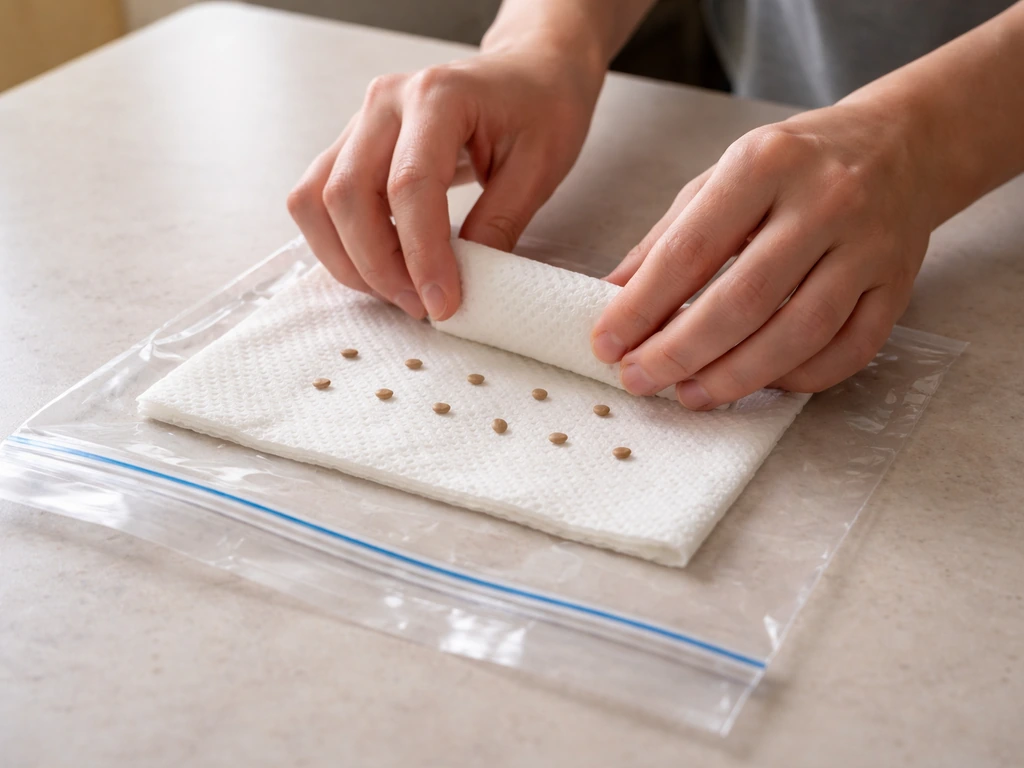
The wet paper towel method is the fastest way to check if your seeds are viable without committing to a full sowing. Dampen a paper towel, place 10 seeds on one half, fold it over, and seal it in a plastic bag. Keep it at room temperature (ideally 65 to 75°F). Check after 5 to 10 days. If 7 or more of the 10 seeds sprout, your seed lot is in good shape. If fewer than 5 sprout, your germination rate is poor and you'll want to sow more densely or get fresh seed.
Fix the Most Likely Condition Problem First
Before resowing, audit your conditions honestly. Check soil temperature at seed depth (a cheap probe thermometer costs a few dollars and is worth it). Make sure moisture is consistent but not waterlogged. If you're growing indoors, confirm your light source is adequate. Fixing one condition issue can turn a failed tray into a successful one without any additional seed cost.
Track Your Days from Sowing
Write the sow date directly on your container label the day you plant, along with the variety name and where you got the seeds. This sounds obvious but it's the single most useful thing you can do for troubleshooting later. When germination is slow, you need to know how many days have actually passed (not just how many it feels like). Keep a simple garden notebook or even a phone note with this info. When your timeline diverges from the seed packet, that record helps you diagnose whether the issue is temperature, depth, moisture, or simply a slow variety.
If you eventually identify your "seed of memories" as a specific flower variety, you'll find that many popular garden flowers like forget-me-nots, columbine, or portulaca all have their own detailed timing guides worth digging into. Each one has quirks: some are self-sowers that barely need help, others are fussier about temperature windows than most gardeners expect. The general framework here applies to all of them, but the specific numbers make planning a lot easier once you know exactly what you're growing.
FAQ
What’s the difference between germination and sprouting, and how should I measure time?
“Germination” is when the seed absorbs moisture and the embryo restarts growth, “sprouting” is when you actually see the seedling above the soil. If you only count visible shoots, you may think nothing is happening even though germination already occurred, especially in cool soil where the shoot stays below the surface longer.
My seeds look swollen but nothing breaks the soil, what should I check first?
If you see swelling but no emergence, the most common reasons are planting too deep, soil that is too cold, or a moisture pattern that keeps the top inch dry then re-wets. Re-check depth (2 to 3 times seed width), verify soil temperature at seed depth, and keep moisture evenly damp, not soaked.
Does the type of soil or mix affect how long the “seed of memories” takes to grow?
Mixing potting mix with seed-starting mix can change drainage and temperature. For slow sprouters, use a fine-textured seed-starting medium or sifted mix so moisture stays consistent and roots do not struggle. Avoid heavy garden soil in seed trays, it can crust and compact.
How do I handle light requirements if I don’t know what the seeds need?
Many seeds are light-sensitive, but you can still damage seedlings by burying them too deeply even if moisture and temperature are perfect. For light-requiring seeds, press them gently into the surface and only cover with a very thin layer (fine vermiculite or an ultra-light sprinkle). If you are unsure, start shallow and you can always add a hairline covering rather than digging them up later.
If my home is cool, will a heat mat guarantee faster germination?
A heat mat can help, but the tray should also have airflow and not bake. Aim for the target range at seed depth, not just the surface. If you overheat, you can speed germination initially but reduce overall viability and increase damping-off risk.
Should I wait longer, or is it time to test viability or resow?
Use the “expected window” and then apply your own conditions. If you are near the middle of the germination period, keep checking moisture and temperature daily and avoid letting the surface dry out or stay waterlogged. If you are past double the expected window with good conditions, then testing viability (like the wet paper towel test) or resowing is usually more productive than waiting indefinitely.
What are the most common watering mistakes that delay sprouting?
Watering frequency matters, not just total water. The first weeks are when crusting is most likely, so water gently and keep the medium evenly moist. A common failure mode is soaking once, then letting the surface dry and harden, which can prevent emergence even when seeds are ready.
Does seed age change how long seeds take to grow, not just whether they sprout?
Older seed lots usually shorten total germination percentage and can also stretch germination time. If you bought seeds a while ago, do a quick viability test first, and expect a lower sprout count unless you sow more densely than usual.
How can I tell if I should stratify before I expect growth?
Yes. Some seeds need cold stratification, and the timing depends on the species, then you still need warm conditions afterward to actually sprout. If you skip stratification for a cold-requiring type, you may see no germination for a long time, and resowing without cold treatment usually repeats the same failure.
Why do some seeds sprout while others in the same tray never do?
If you are getting uneven results across the same tray, uneven soil temperature and inconsistent moisture are the usual causes. Rotate trays, check soil temperature in multiple spots, and make sure the medium depth and coverage are uniform across the container.
Once they sprout, can the environment still affect how fast they grow?
Light exposure after germination matters. Very young seedlings can scorch or stall if moved abruptly into intense sun. If you start them indoors under a grow light, increase light intensity gradually and keep conditions stable until they develop sturdy leaves.
If I cannot identify the plant, how can I estimate the timeline more reliably?
If you cannot identify the plant, use seed appearance and size, then track from your actual sow date. Tiny dark specks with a hard coat often indicate seeds that need extra prep, while larger, visibly colored seeds often behave more like annuals. Combined with a paper towel viability test, this gives you a more reliable estimate than guessing from the label alone.
Next Article
How Long to Grow Forget Me Nots From Seed
See exact timeline for forget-me-nots from seed: germination days, seedling pace, and first blooms, plus fixes for slow