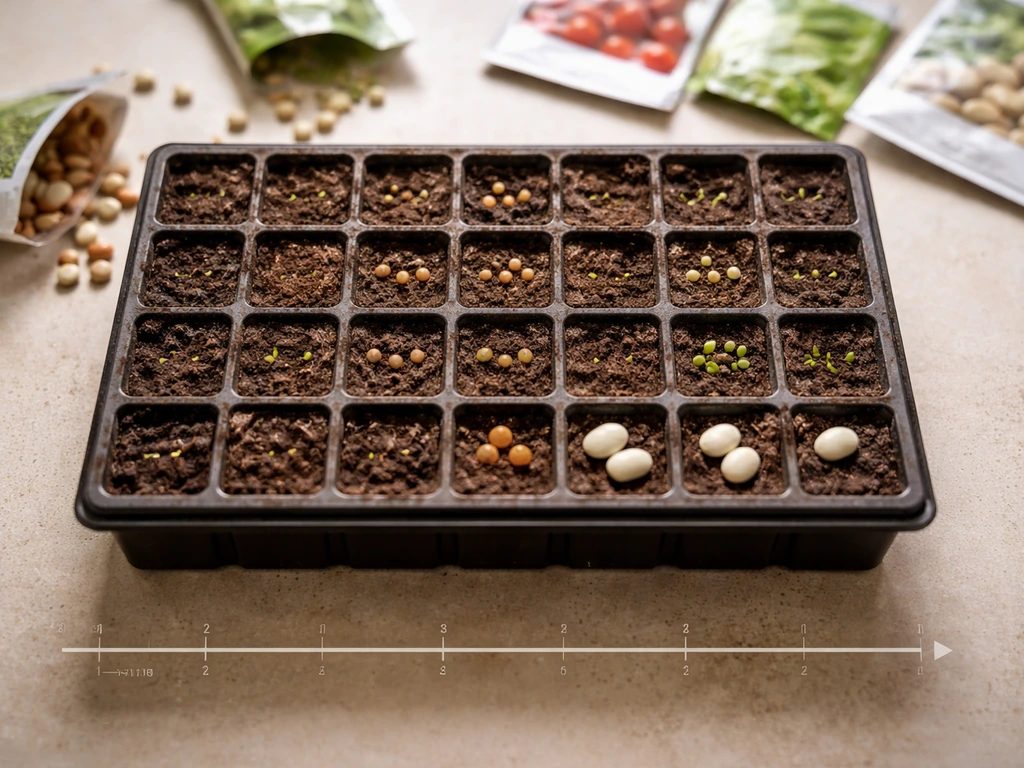
Seed paper typically germinates within 7 to 10 days when kept consistently moist and at the right temperature. If you want to know what seed will grow in a week, focus on varieties with fast germination like certain herbs and quick lettuces within 7 to 10 days. From there, you're looking at another 2 to 4 weeks before seedlings are sturdy enough to thin or transplant, and anywhere from 6 weeks to several months before you hit full maturity, depending entirely on what seeds are embedded in the paper. The paper itself breaks down in the soil while the seeds push through, so the process is the same as direct sowing but with a few extra considerations around moisture and paper decomposition.
How Long Does Seed Paper Take to Grow? Timelines
Marcus Henley
5 May 2026
What seed paper actually is and why it changes your timeline
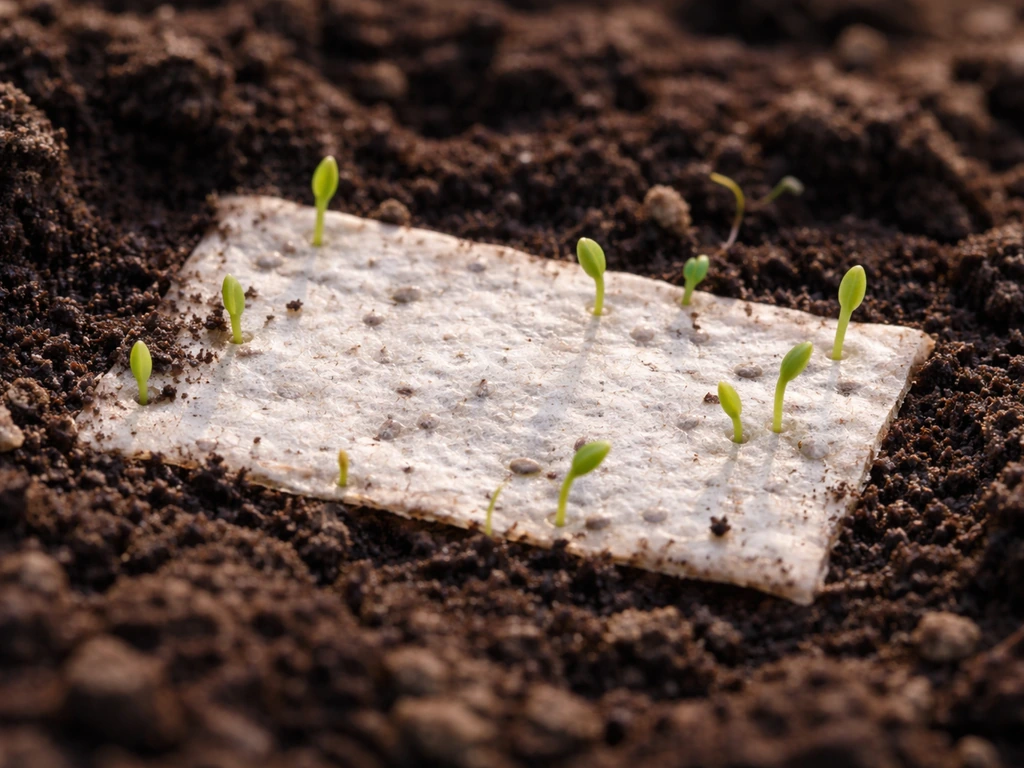
Seed paper, also called plantable or sprouting paper, is made by mixing recycled paper pulp with viable seeds, pressing the mixture flat, and drying it into sheets or cards. The paper is designed to be placed directly into soil, where it decomposes while the embedded seeds germinate and push through. You'll find it used for greeting cards, gift tags, wedding favors, and gardening kits. The key thing to understand is that the paper is just a delivery mechanism. The timeline you're working with is driven almost entirely by the specific seed variety embedded inside, not by the paper itself.
What does affect your timeline uniquely because of the paper format is moisture management. The paper layer adds a barrier between the seeds and the soil, which means it needs to stay consistently damp to decompose and allow germination signals to reach the seeds. A piece of seed paper that dries out even once in the first week can stall germination significantly. The paper thickness, how densely seeds are distributed, and whether you pre-soak the paper before planting all play a real role in how fast things get moving.
Day-by-day germination expectations
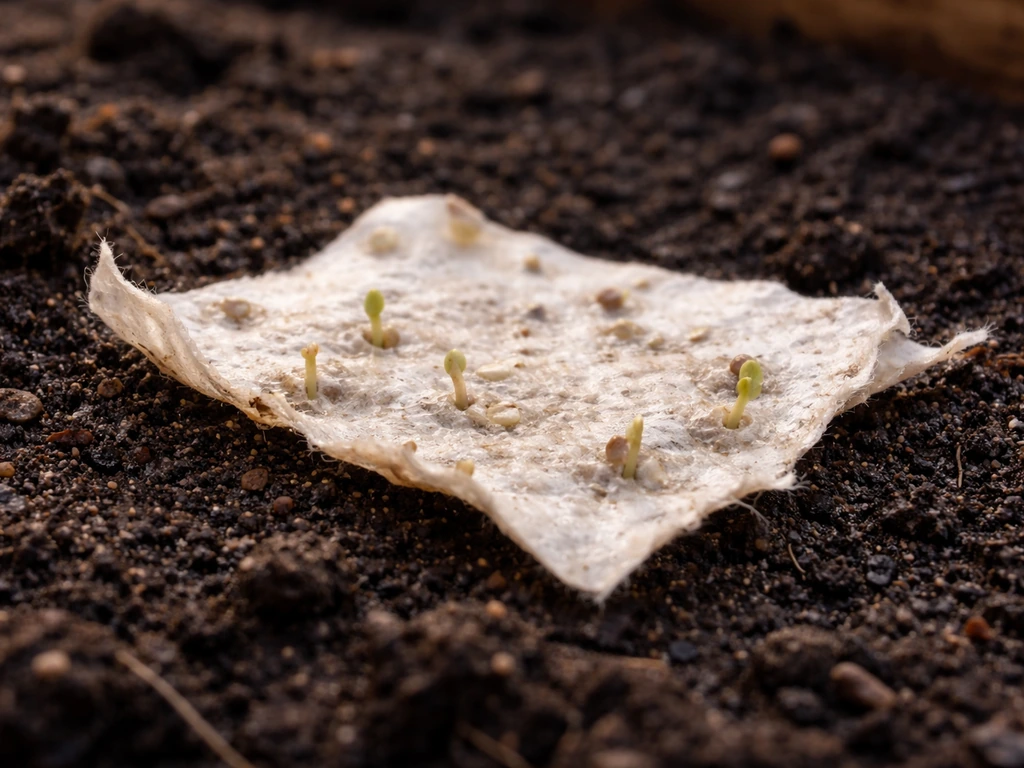
Here is a realistic breakdown of what to expect in the first few weeks after planting seed paper, assuming proper moisture and temperature conditions are maintained.
| Timeframe | What's Happening |
|---|---|
| Days 1 to 3 | Paper absorbs moisture and begins softening; seeds rehydrate and start the germination process internally. Nothing visible yet. |
| Days 3 to 5 | If pre-soaked, some fast-germinating seeds (like basil or ryegrass) may already be swelling or cracking their seed coat underground. |
| Days 5 to 10 | First sprouts typically appear above the soil surface. This is the window Botanical PaperWorks cites as the standard germination range for well-maintained seed paper. |
| Days 10 to 14 | Slower seeds (wildflowers, some ornamentals, Kentucky bluegrass) may just be emerging. Patchy germination at this stage is normal. |
| Days 14 to 21 | The paper itself should be mostly decomposed or breaking apart. Seedlings will have their first set of seed leaves (cotyledons). |
| Weeks 3 to 6 | True leaves appear; seedlings can be thinned, transplanted, or left to grow in place depending on your setup. |
One practical tip that makes a real difference: some brands recommend soaking seed paper in cold water for 1 to 3 days before planting, while others say you can plant it dry and water it in. In my experience, a quick soak of even 30 minutes gives seeds a head start and can shave a few days off that germination window, especially for thicker paper. It's worth checking the instructions for your specific product, but when in doubt, a brief soak does not hurt.
When seedlings become transplant-ready
Seeing the first sprout is exciting, but seedlings are not transplant-ready just because they broke the surface. You need to wait until two to three pairs of true leaves have developed, which is the point at which the plant has moved past relying on stored seed energy and is actively photosynthesizing on its own. For basil, that typically takes about 3 to 4 weeks after germination. For flowers and wildflowers, it can take 4 to 6 weeks. For grasses grown from seed paper, you're generally looking at a full, established groundcover in 6 to 8 weeks under good conditions.
If you're growing seed paper indoors to later transplant outside, factor in hardening off time. Seedlings grown indoors need 7 to 10 days of gradually increasing outdoor exposure before they can handle full sun and wind without wilting. This is especially important for herbs like basil, which are frost-sensitive and should not go outside until nighttime temperatures are reliably above 50°F.
Time to full maturity by plant type
This is where timelines diverge the most. The seed type embedded in the paper determines how long you'll wait from germination to a harvestable crop, a full flower display, or established groundcover. Below are realistic ranges for the main categories.
Vegetables
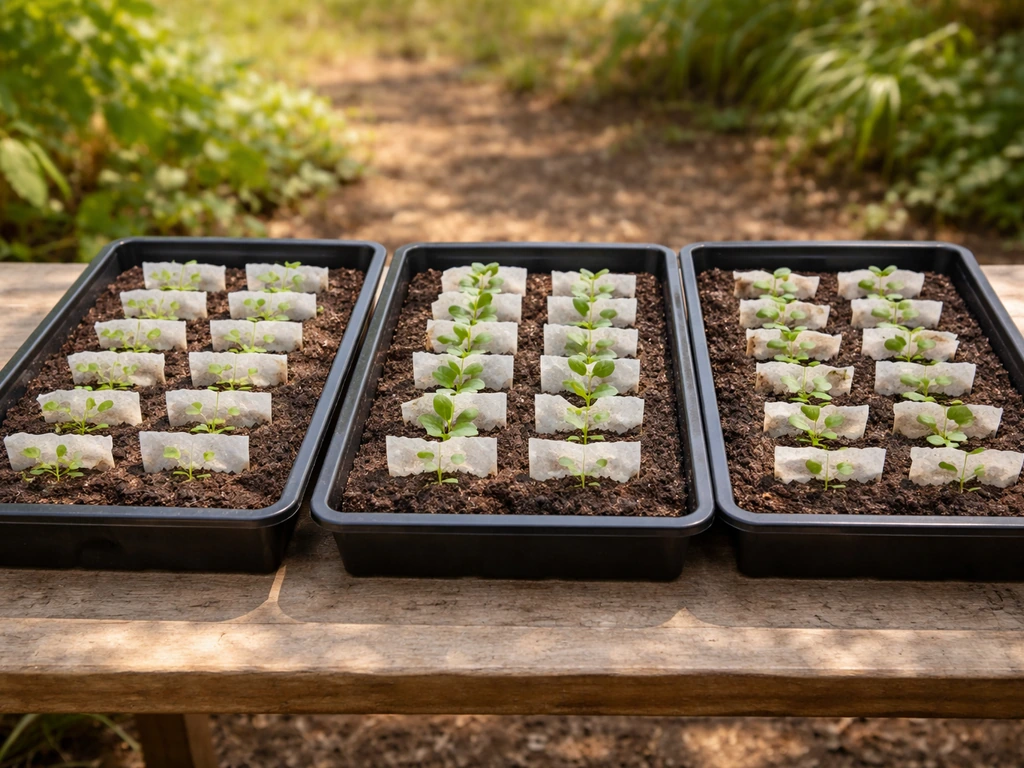
Vegetable seed papers often include fast crops like lettuce, radish, or spinach, which can be harvest-ready in as little as 30 to 45 days from germination. Slower vegetables like peppers or tomatoes take significantly longer, often 60 to 90 days from transplant to harvest. Botanical PaperWorks recommends keeping vegetable seed paper at around 55°F and watering about once a week, which suits cool-season crops well. If your seed paper contains warm-season vegetables, bump the temperature target closer to 65 to 75°F for best results.
Herbs
Herbs are some of the most cooperative seeds in paper form. Basil is a good benchmark: it germinates in 5 to 7 days and produces a usable plant within 3 to 4 weeks of germination. If you’re growing apple seeds in paper form, the timeline is much longer and depends heavily on whether the seeds have been stratified produce a usable plant within 3 to 4 weeks of germination. Other common herb seed paper varieties like thyme, oregano, and chives take a bit longer to establish, often 4 to 6 weeks before they're producing harvestable leaves. Herb seed papers do best around 65°F and need watering every 2 to 3 days to stay consistently moist without becoming waterlogged.
Flowers and wildflowers
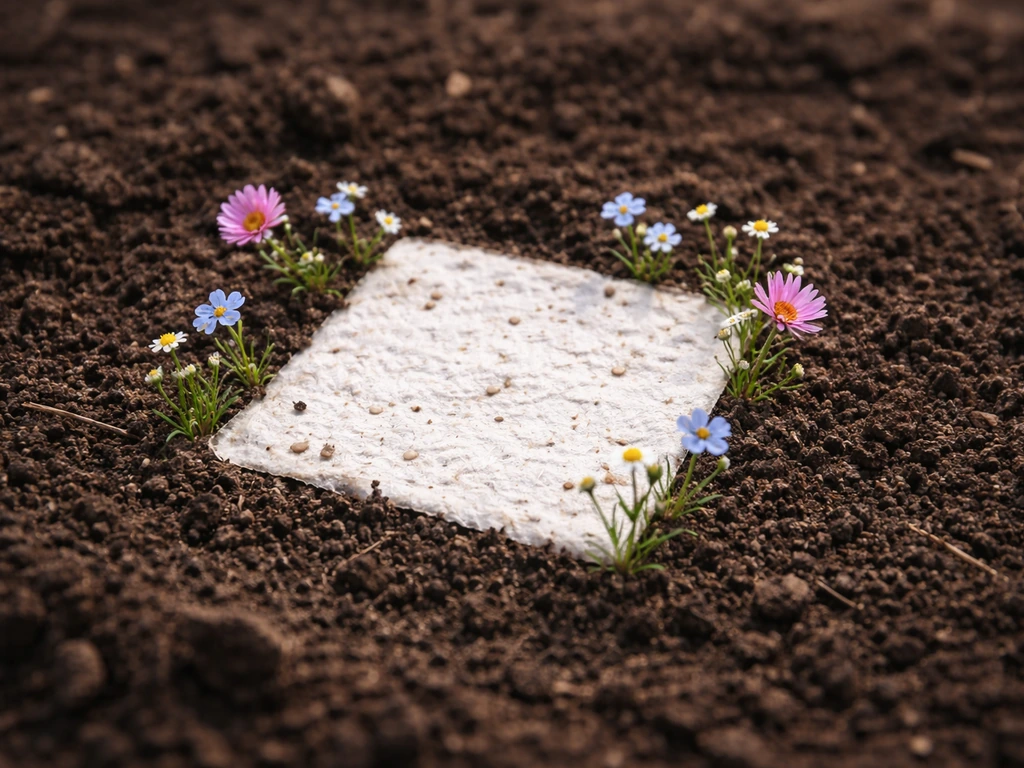
Wildflower seed paper blends are probably the most common type you'll encounter, and they typically bloom within 8 to 12 weeks of germination under good conditions. That's roughly 2 to 3 months from planting to flowers. Fast-blooming annuals like calendula can reach harvestable flower stage in 30 to 50 days after germination. Marigolds are similar. Mixed wildflower blends have more variability because different species in the mix germinate and mature on their own schedules, so expect a staggered display rather than everything popping at once.
Grasses
Grass seed paper germination falls in the same range as direct-seeded grass: fast varieties like perennial ryegrass sprout in 5 to 7 days, while Kentucky bluegrass takes 14 to 21 days or longer. Full coverage and establishment typically takes 6 to 8 weeks for fast-growing species and up to 3 to 4 months for slower ornamental grasses. Germination is quick but establishment requires patience.
Ornamentals
Ornamental plants embedded in seed paper, things like coleus, begonia, or primula, tend to be slower germinators and often need light to germinate rather than darkness. For these, avoid burying the seed paper too deeply. A thin covering of about 1/8 inch of soil is usually enough. Botanical PaperWorks recommends spreading about a 1/8 inch layer of soil over plantable seed paper and keeping the paper moist during the first 10 days. Expect germination in 10 to 21 days and a transplant-ready seedling around 6 to 8 weeks. Full display or flowering can take 3 to 6 months depending on the species.
| Plant Type | Germination | Transplant-Ready | Full Maturity / Harvestable |
|---|---|---|---|
| Vegetables (fast crops) | 5 to 10 days | 3 to 4 weeks | 30 to 60 days from germination |
| Herbs (e.g., basil) | 5 to 7 days | 3 to 4 weeks | 4 to 6 weeks from germination |
| Flowers / Wildflowers | 7 to 14 days | 4 to 6 weeks | 8 to 12 weeks from germination |
| Grasses (fast, e.g., ryegrass) | 5 to 7 days | 3 to 4 weeks | 6 to 8 weeks full cover |
| Grasses (slow, e.g., bluegrass) | 14 to 21 days | 5 to 6 weeks | 3 to 4 months full cover |
| Ornamentals | 10 to 21 days | 6 to 8 weeks | 3 to 6 months |
What speeds things up or slows them down
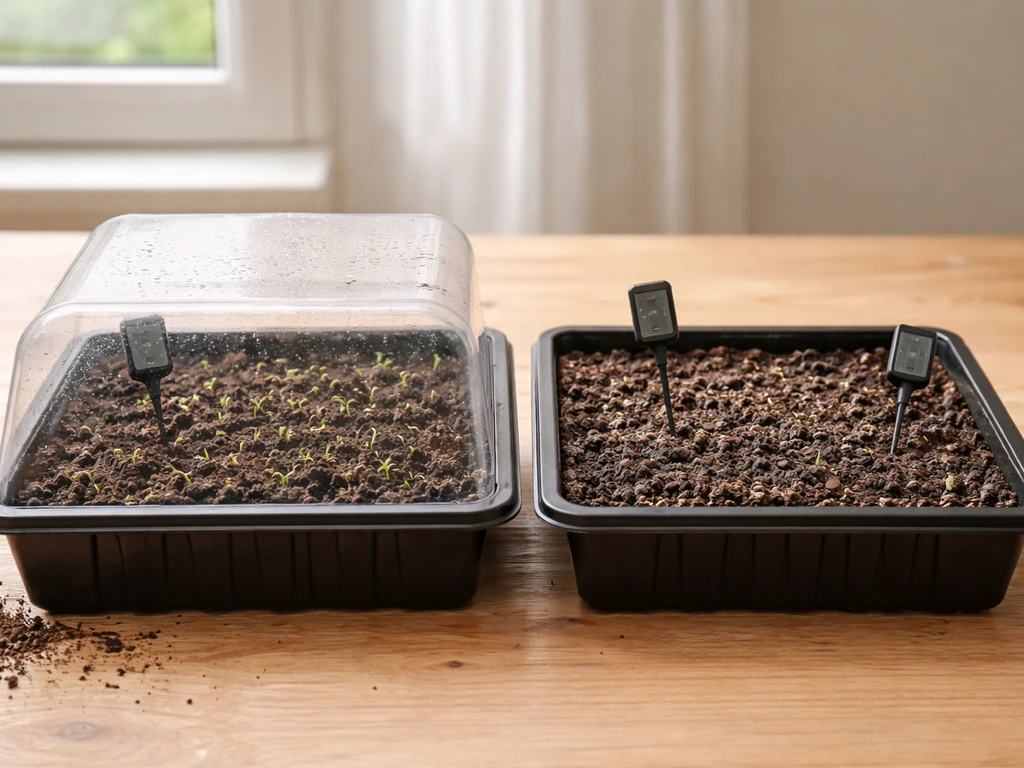
Temperature is the single biggest lever you have. Most seeds germinate faster at warmer temperatures, and a soil temperature around 70°F is a reliable sweet spot for most common seed paper varieties. Cooler temperatures slow germination noticeably: lettuce has a minimum germination temperature of around 32°F but an optimum range of 40 to 80°F, while peppers won't reliably germinate below 60°F and prefer 65 to 75°F. If you're starting seed paper indoors in a cool room, a seedling heat mat can make a meaningful difference.
Moisture consistency matters more than almost anything else. Seeds need continuous moisture to complete germination, and even one dry spell during that critical first week can halt the process or kill off seedlings that were just emerging. Misting is gentler than heavy watering and reduces the risk of washing seeds out of position or compacting the paper. Bottom watering, where you set the tray in shallow water and let it absorb from below, is another good method that keeps the surface from getting overly saturated.
- Light: Some seeds need light to germinate (lettuce, celery, begonia, coleus) and should not be buried. Others prefer darkness. Covering the wrong type can delay or prevent germination.
- Paper depth: Burying seed paper too deep prevents light-loving seeds from receiving the cue they need. The standard recommendation is about 1/8 inch of soil on top.
- Season: Planting seed paper outside when soil temperatures are below the seed's minimum threshold will stall everything. Check your seed type's preferred temperature range before timing your planting.
- Seed viability: Seeds embedded in paper can lose viability over time, especially if stored in warm, humid conditions. Most seed paper products are designed for use within 1 to 2 years of production.
- Overwatering: Keeping soil soggy rather than consistently moist can cause mold, damping off, and oxygen deprivation. Seeds need moisture but they also need oxygen to respire.
How to tell if it's working, and what to do if it isn't
If you're past day 14 and seeing nothing, don't panic yet. Slow and patchy germination is completely normal with seed paper, especially with wildflower blends where different species are all on their own schedules. That said, there are some concrete signs that something has gone wrong.
- Paper dried out visibly: If the paper looks dry or pale and the soil around it feels dry to the touch, the seeds have likely been deprived of moisture during a critical window. Re-wet thoroughly and watch for another 7 to 10 days. Some seeds will still recover.
- Mold on the paper surface: A small amount of white fuzzy mold on the decomposing paper is normal and harmless. Heavy mold that's covering seedlings or the soil is a sign of overwatering. Reduce watering frequency and improve airflow.
- Nothing after 21 days under good conditions: This suggests either seed viability issues or a significant environmental mismatch. Check your soil temperature and light conditions before writing it off.
- Leggy, pale seedlings: This usually means insufficient light, not a germination failure. Move to a brighter location or add a grow light positioned 2 to 4 inches above the seedlings.
- Sprouts appeared but then collapsed: Classic damping off, a fungal issue caused by excess moisture and poor airflow. Water less, improve circulation, and avoid covering trays after sprouts emerge.
If germination is patchy rather than absent, that's actually a pretty typical outcome with mixed seed papers. Different species and individual seeds within a batch will emerge at different rates. Give it a full 3 to 4 weeks before declaring failure.
If you're curious how seed paper compares to the absolute fastest-growing seeds you can plant, the fastest-germinating varieties can break the surface in as little as 3 to 5 days under ideal conditions, while the slowest seeds in any format can take months of patient waiting. If you want the absolute slowest options, some seeds can take months to fully mature, so the longest timeline depends on the specific variety you embed slowest seeds in any format.
If you're specifically trying to answer what is the fastest seed to grow, look for quick-germinating options like lettuce or radish and match the temperature and moisture they need fastest-germinating varieties.
What to do right now for the best results
Here is a straightforward action plan you can follow today to get the most reliable outcome from your seed paper.
- Identify the seed type on your paper. Check the packaging or product page. Knowing whether you have herb, wildflower, vegetable, or grass seeds tells you what temperature range to target and how long to expect to wait.
- Pre-soak the paper briefly. Hold it under a cold tap for 30 seconds or let it soak in a shallow bowl of water for up to 30 minutes before planting. This gives seeds a moisture head start and softens the paper for faster decomposition.
- Plant in moist, well-draining soil. Lay the paper flat on slightly compressed soil, then cover with approximately 1/8 inch of additional soil. Press gently to ensure contact between paper and soil.
- Water immediately and gently with a mister or watering can with a fine rose head. The goal is evenly moist, not soggy.
- Place in the right environment. Most seed papers do best at around 65 to 70°F. If planting indoors, use a heat mat if your space is cool. Keep out of direct harsh sunlight until sprouts emerge, then move to a bright location.
- Check moisture daily for the first two weeks. The paper should feel damp to the touch at all times. Mist as needed to maintain this.
- Remove any plastic covering or humidity dome as soon as you see the first sprouts, to prevent damping off and encourage airflow.
- Thin or transplant once seedlings have two to three pairs of true leaves, which is typically 3 to 5 weeks after germination depending on the plant type.
- Keep notes on planting date and first sprout date. This gives you a real germination window you can reference for future plantings and helps you judge when to give up and replant versus when to keep waiting.
The most common reason seed paper disappoints is inconsistent moisture in that first week. Everything else, temperature, light, planting depth, is secondary to keeping that paper reliably damp from day one. Botanical PaperWorks’ seed paper product page also advises keeping seed paper “consistently moist” during germination.
If you can manage that, you should see sprouts within 7 to 10 days for most varieties, and a fully established, transplant-ready plant within a month or two depending on what's growing. For speedy seed, this is a helpful starting point, but the full growth timeline depends on your specific variety and how well you maintain moisture and warmth sprouts within 7 to 10 days. From there it's just standard plant care until you hit harvest or full bloom.
FAQ
If my seed paper has no sprouts by day 10 or 14, what should I do first?
Most seed paper should show sprouts within 7 to 10 days if it stays consistently damp and in the right temperature range. If you see nothing by day 14, it can still be normal for slow or mixed blends, but you should check that the paper never dried out and that it is not buried deeper than the seed type allows.
How much does temperature affect how long seed paper takes to grow?
Yes, temperature can change timing even when moisture is perfect. A soil temperature near 70°F is a good general target, while cooler conditions can noticeably delay germination, and some warm-season seeds may not germinate reliably below about 60°F.
Should I cover seed paper with soil, or can I leave it on top?
Usually, no. For light-dependent seeds (common with some ornamental varieties), you should avoid heavy covering. Keep soil coverage minimal (about 1/8 inch) for those types, because burying too deeply can cause seeds to fail to germinate even if moisture is correct.
What’s the best way to water seed paper without disturbing it?
Yes, but do it gently and with a plan. The paper layer can shift or dry unevenly if you blast it. Prefer misting or bottom watering so the paper stays damp without washing it around, which can also help prevent seeds from clumping.
Can planting depth affect germination speed on seed paper?
Planting depth can vary by seed variety. If your seed paper instructions are unclear, keep it shallow and avoid compressing the paper into the soil, because overly deep placement can slow germination or lead to patchy emergence.
Is it possible to overwater seed paper, and how would I recognize it?
It can, especially during germination. If you water too much and the paper stays soggy, you increase the risk of rot or damping-off. Aim for consistently damp, not waterlogged, and improve airflow around the tray if you notice persistent sogginess or a sour smell.
When is seed paper actually ready to thin or transplant, not just sprouted?
It depends on the plant. Many seedlings should not be transplanted based on surface sprouts alone, wait for at least two to three pairs of true leaves. For common benchmarks, basil is often ready around 3 to 4 weeks after germination, while many flowers take longer.
What’s the most common mistake that slows down seed paper growth?
If the paper dries even briefly during the first week, germination can stall. To prevent this, keep the paper in a consistently moist environment, use a humidity cover if recommended for your setup, and check moisture daily because trays can dry faster indoors than outdoors.
My seed paper is patchy. Is that a failure or just normal timing?
Partial coverage is common with mixed blends because different seeds germinate and mature at different rates. Instead of giving up early, wait 3 to 4 weeks to evaluate, and then address gaps with supplemental sowing if needed.
Does soaking seed paper before planting really make it grow faster?
You can speed things up for some varieties by using a brief pre-soak before planting, but follow your product instructions. A short soak in cold water for 1 to 3 days is sometimes recommended by brands, and a quick soak may help thicker paper or certain seeds start more quickly.
Does the seed paper provide any nutrients, or do I still need normal plant care?
Don’t count on the paper to feed the plant after germination. Treat it like a delivery method and rely on standard plant care after sprouts emerge, using the right light and nutrients for the specific seed type (for example, warm conditions and regular care for tender herbs).
If I start seed paper indoors, how long should I budget for hardening off?
Indoors, the timeline to transplant usually includes hardening off. Plan about 7 to 10 days of gradually increasing outdoor exposure, and delay moving frost-sensitive herbs until nighttime temperatures are reliably above 50°F (for basil as an example).
Next Article
What Seed Takes the Longest to Grow and Why
See which seeds grow slowest and why, with timeline ranges, key causes of delays, and quick troubleshooting steps.