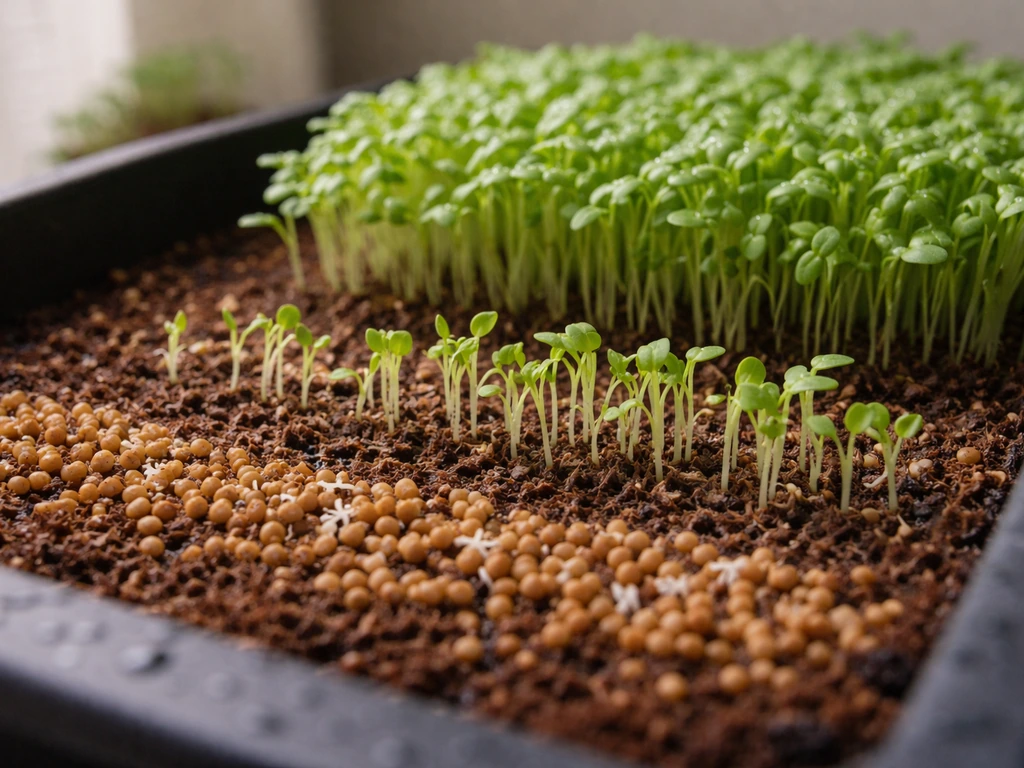
Most seeds sprout somewhere between 5 and 21 days after planting, but the honest answer depends on what you're growing and what you mean by 'grow.' A radish can push through the soil in 3 days under warm conditions. A parsley seed might sit in the ground for 3 weeks before you see anything. A perennial flower started from seed might need cold stratification before it'll even think about germinating. If you want a reliable number to plan around, look at the seed packet first, it'll usually list a 'days to germination' or 'days to emergence' window that reflects what to expect under good conditions. Seed St. Louis notes that these packet days are intended for germination after sowing under proper growing conditions, and that packets also define days to harvest or maturity as the time from planting to harvest under proper conditions 'days to germination' or 'days to emergence' window. That window, paired with the context in this guide, will tell you everything you need to build a realistic planting schedule.
How Many Days Seeds Take to Grow: Timelines by Type
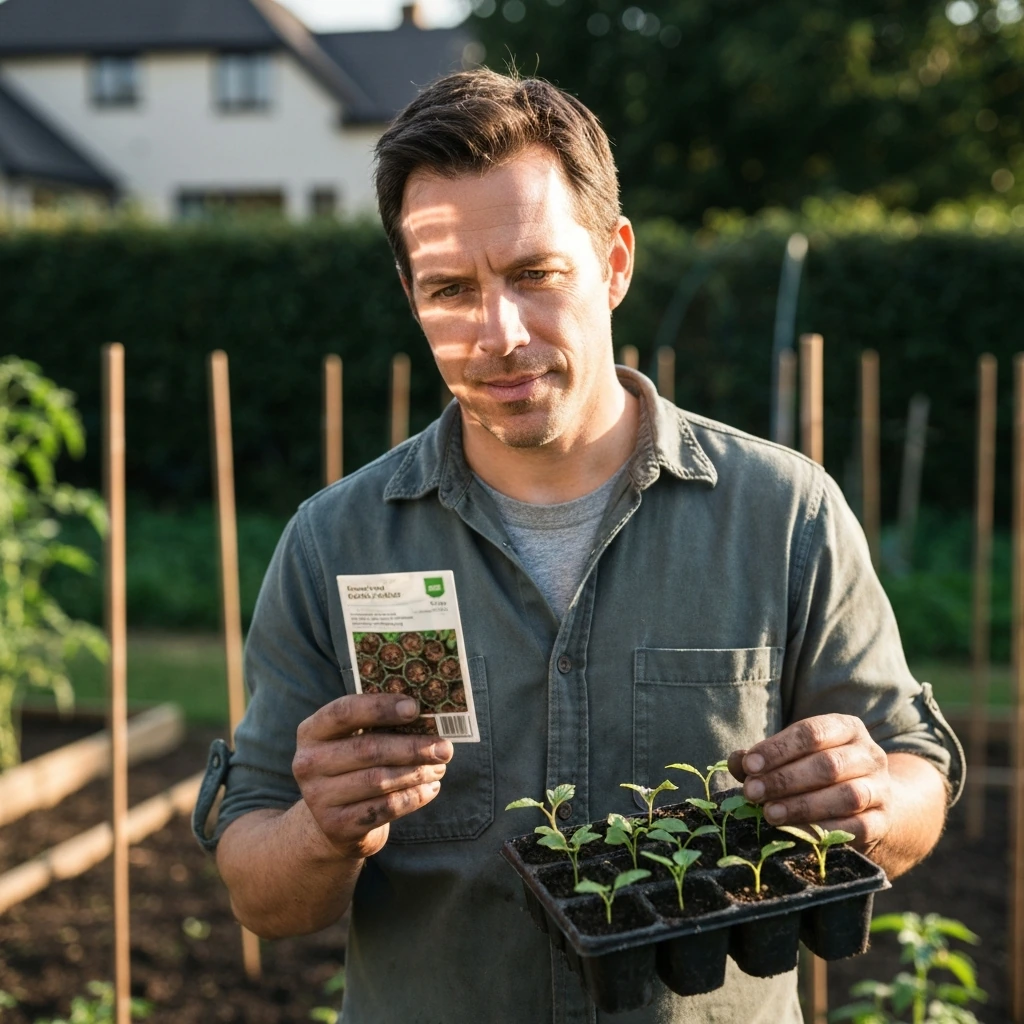
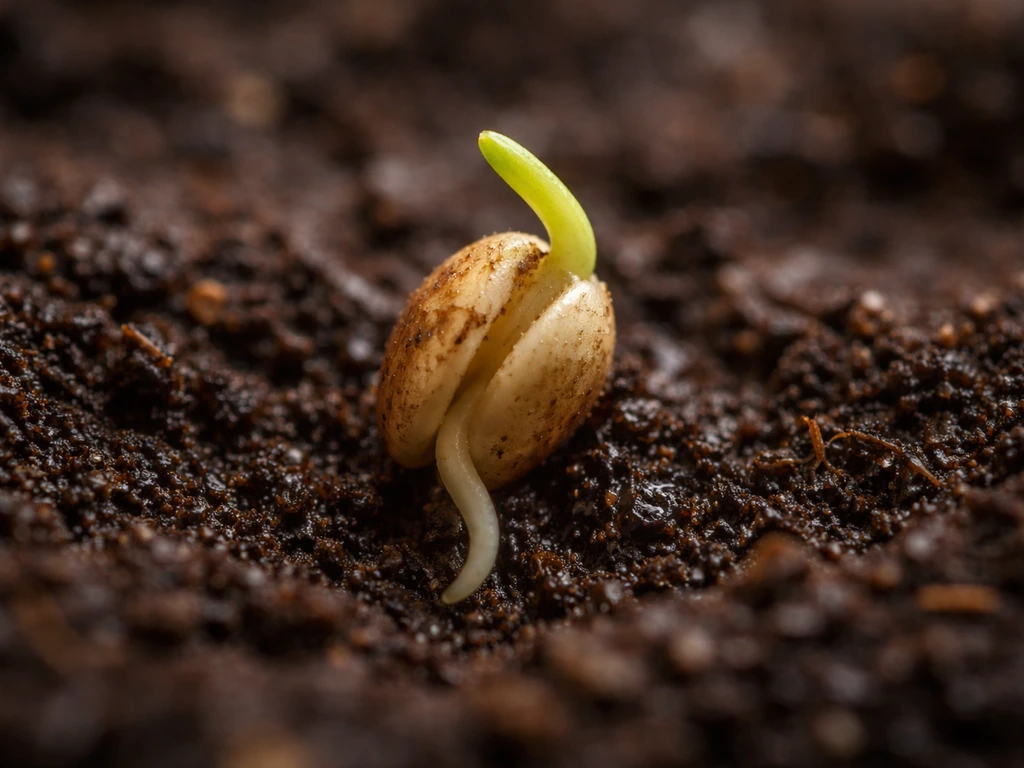
What 'grow' actually means (and why it matters)
When people ask how many days seeds take to grow, they're usually asking about one of three different things, and mixing them up leads to a lot of unnecessary worry. Getting clear on which stage you're asking about will save you from pulling up seeds too early or planting outdoors at the wrong time.
- Germination (sprouting): The seed cracks open and sends out a root and shoot. This happens underground, so you won't see it yet. The 'days to germination' or 'days to emergence' number on your seed packet refers to the point when the seedling actually breaks the soil surface and becomes visible.
- Seedling stage: The plant has emerged and is producing its first true leaves. At this point it's establishing roots and growing quickly. Most seeds reach this stage within 1 to 3 weeks after emergence.
- Transplant-ready or harvest-ready: For seeds started indoors, 'transplant ready' usually means 4 to 8 weeks after sowing, depending on the crop. 'Days to harvest' or 'days to maturity' on the packet counts from transplanting (or direct sowing outdoors) to the point you can pick the fruit, cut the greens, or enjoy the flower—this number is separate from germination time.
A good way to think about it: germination time tells you when to expect to see something. Days to maturity tells you when you'll be eating it or cutting it. Both numbers live on most seed packets, and both are worth noting before you start.
Typical germination timelines by seed category
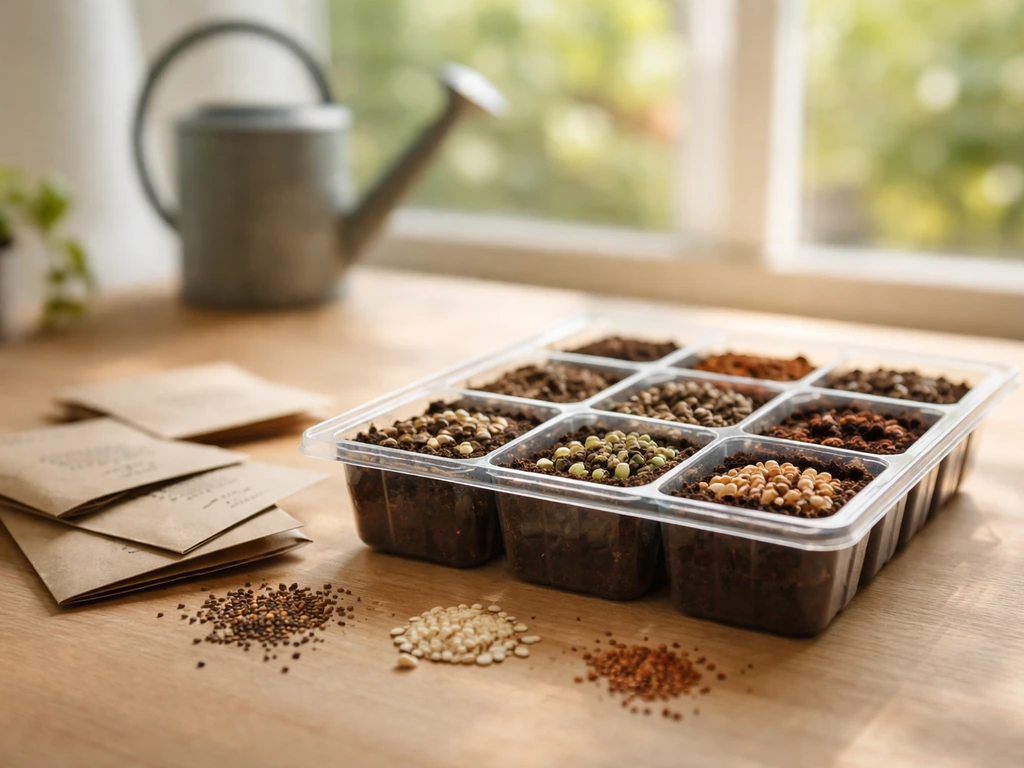
Below are realistic germination windows for common seed types, followed by a rough guide to seedling stage and maturity. These ranges assume decent conditions, soil temperatures in the right zone, consistent moisture, and no extreme weather events. Your results may land at either edge of the range depending on your setup.
Vegetables
| Vegetable | Days to Germination | Days to Harvest (from transplant or sowing) |
|---|---|---|
| Radish | 3–7 days | 22–30 days |
| Lettuce | 2–10 days | 45–80 days |
| Spinach | 7–14 days | 37–50 days |
| Cucumber | 3–10 days | 50–70 days |
| Tomato | 5–10 days | 60–85 days (from transplant) |
| Pepper | 7–21 days | 70–90 days (from transplant) |
| Carrot | 10–21 days | 70–80 days |
| Corn | 4–10 days | 60–100 days |
| Pumpkin / Squash | 5–10 days | 75–110 days |
| Beet | 7–14 days | 55–70 days |
| Onion | 7–14 days | 100–175 days |
| Beans (bush/pole) | 5–10 days | 50–70 days |
Herbs
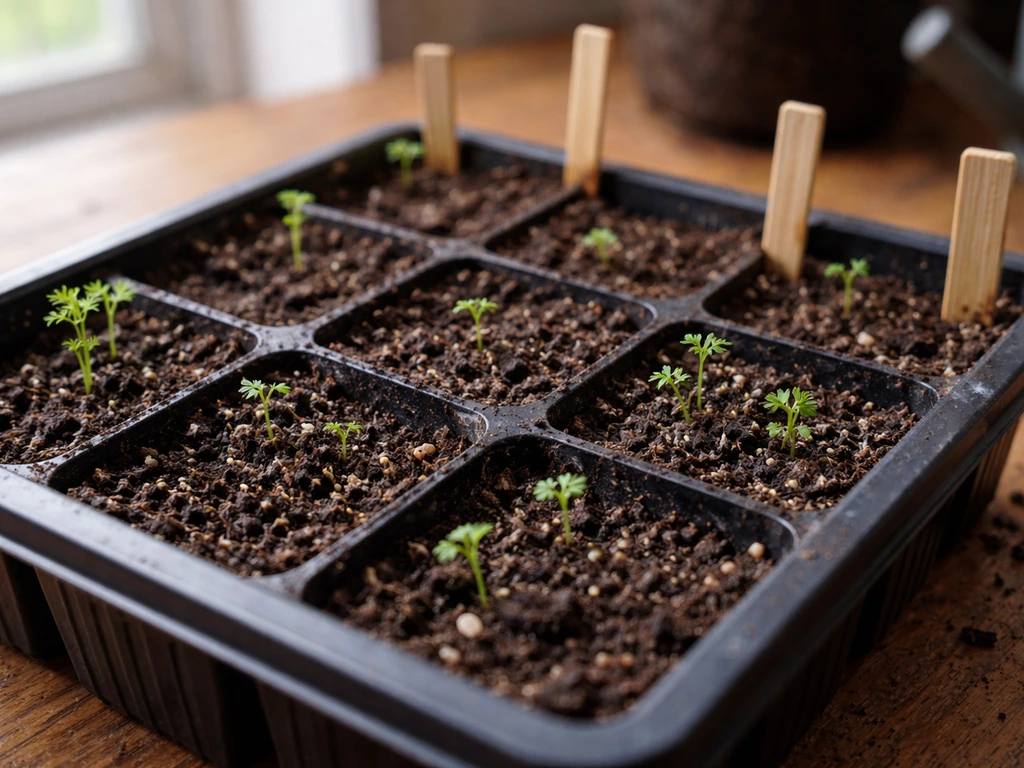
| Herb | Days to Germination | Weeks to Harvest-Ready |
|---|---|---|
| Basil | 5–10 days | 3–4 weeks after transplant |
| Cilantro | 7–14 days | 3–4 weeks from sowing |
| Parsley | 14–28 days | 10–12 weeks from sowing |
| Dill | 7–14 days | 8–10 weeks from sowing |
| Chives | 7–14 days | 8–10 weeks from sowing |
| Oregano | 7–14 days | 8–10 weeks from sowing |
| Thyme | 14–28 days | 10–12 weeks from sowing |
| Sage | 10–21 days | 75–80 days from sowing |
| Fenugreek | 2–5 days (as sprouts) | 6–8 weeks for leaf harvest |
| Mustard | 3–7 days | 4–6 weeks for greens |
Parsley is one of those seeds that genuinely tests your patience. I've had it take the full 28 days in cool spring soil, and beginners often assume the seeds failed before they've even started. Fenugreek and mustard are on the opposite end of the spectrum and are great confidence boosters if you're new to seed starting. If you're curious about specific herb timelines, fenugreek seeds and mustard seeds each have their own detailed breakdowns worth checking. Fenugreek seeds usually germinate within a window that depends on conditions like warmth and moisture fenugreek seeds germinate. For mustard seeds, the germination timing is usually listed as how long it takes for them to grow before you see seedlings mustard seeds grow in how many days.
Flowers
| Flower | Days to Germination | Weeks to First Bloom |
|---|---|---|
| Marigold | 4–7 days | 8 weeks from sowing |
| Zinnia | 5–7 days | 8–10 weeks from sowing |
| Sunflower | 5–10 days | 10–12 weeks from sowing |
| Cosmos | 5–10 days | 9–10 weeks from sowing |
| Nasturtium | 7–12 days | 8–10 weeks from sowing |
| Pansy | 10–14 days | 10–12 weeks from sowing |
| Petunia | 10–14 days | 10–12 weeks from sowing |
| Snapdragon | 10–14 days | 12–16 weeks from sowing |
| Mandevilla | 30–90 days | Can take 2+ seasons to bloom |
| Lavender | 14–21 days (with stratification) | 12–16 weeks from sowing |
Some flower seeds, like mandevilla, sit in a completely different league. They can take months to germinate and may not bloom in their first season at all. If you're growing something unusual, always check whether it needs cold stratification or other treatment before you sow.
Grasses
| Grass Type | Days to Germination | Weeks to Established Lawn |
|---|---|---|
| Kentucky Bluegrass | 14–30 days | 6–8 weeks |
| Perennial Ryegrass | 5–10 days | 3–4 weeks |
| Tall Fescue | 7–14 days | 4–6 weeks |
| Bermuda Grass | 10–30 days | 6–10 weeks |
| Zoysia Grass | 14–21 days | 8–12 weeks |
| Buffalo Grass | 14–30 days | 6–8 weeks |
Ornamentals and specialty seeds
Ornamental seeds vary enormously. Many native wildflowers and woody ornamentals need cold stratification (a period of cold, moist conditions that mimics winter) before they'll germinate at all. Without it, you can wait indefinitely and nothing will happen. Mung beans (mongo seeds) and pechay (bok choy) are popular in home gardens and sprout quickly, mung beans often emerge in 2 to 4 days in warm water, and pechay seeds typically germinate in 4 to 7 days in the ground, making them excellent beginner crops. Other ornamentals like hostas and echinacea can take 30 to 90 days even under good conditions.
What changes your timeline
The germination window on a seed packet assumes ideal conditions. In real life, most of these factors shift your timeline, sometimes dramatically.
Soil temperature (the biggest one)
Soil temperature, not air temperature, controls germination speed. Most vegetable seeds germinate fastest between 65°F and 85°F (18°C to 29°C). Tomatoes and peppers want 70°F to 85°F to germinate reliably. Cool-season crops like spinach and lettuce can germinate in soils as cool as 40°F, but they'll be slow. Soil below 50°F will stall most warm-season seeds completely, and soil above 95°F will bake them before they can sprout. A cheap soil thermometer takes the guesswork out of this entirely.
Moisture
Seeds need consistent moisture to germinate, but waterlogged soil causes rot. The goal is soil that feels like a wrung-out sponge: damp throughout, never soggy. Letting the surface dry out between waterings is one of the most common reasons seeds fail to emerge. Indoors, covering seed trays with a humidity dome until germination keeps things more consistent.
Light
Most seeds germinate fine in the dark, but some need light to trigger germination. Tiny seeds like lettuce, petunia, snapdragon, and celery should be pressed onto the soil surface or barely covered because they need light to sprout. Burying them even a quarter inch can prevent germination entirely. Once they've sprouted, all seedlings need strong light immediately or they'll stretch and weaken.
Planting depth
A general rule is to plant seeds at a depth of two to three times their diameter. Large seeds like beans and squash go in 1 to 2 inches deep. Tiny seeds get barely covered or pressed to the surface. Plant too deep and the seedling runs out of energy before it breaks through. Plant too shallow and the seed dries out or gets eaten.
Seed age and viability
Seeds stored past their prime germinate unevenly or not at all. Onion and parsnip seeds lose viability fast (1 to 2 years). Tomato and cucumber seeds stay viable for 4 to 5 years in good storage. Stored in a cool, dry, dark place in airtight containers, most seeds last longer than the 'best by' date suggests. If you're using old seeds, expect slower or patchier germination.
Dormancy, stratification, and scarification
Some seeds have built-in dormancy mechanisms that prevent germination until conditions are right. Cold stratification (chilling moist seeds for 4 to 12 weeks in the refrigerator) mimics winter and breaks dormancy in many perennial flowers and native plants. Scarification (nicking or soaking hard seed coats) speeds up germination in seeds with tough outer shells, like morning glory, moonflower, and nasturtium. Skipping these steps when they're needed means you'll wait a very long time for nothing.
How to estimate your specific timeline
Here's a simple process for estimating when you'll see results with your specific seeds and conditions.
- Check the seed packet for 'days to germination' or 'days to emergence.' That range is your baseline under ideal conditions.
- Measure or estimate your current soil temperature. If it's below the optimal range for your seed type, add 30 to 50 percent more time. If it's at the warm end of optimal, expect the faster end of the range.
- Note whether your seed needs light to germinate (check the packet or this guide). If yes, make sure you haven't buried it.
- Check whether your seed type requires stratification or soaking. If it does and you skipped it, add that step now before re-sowing.
- Mark your sow date on a calendar and add the germination range. That window is when you should first see sprouts. Don't disturb the soil until after the end of that window.
- For transplant readiness, add 4 to 8 weeks to germination (varies by crop). For days to harvest, count from transplant date using the packet number.
Run a quick germination test first
If you're working with older seeds or seeds from an unmarked packet, do a germination test before committing to a full planting. Place 10 seeds between two damp paper towels, seal them in a zip-lock bag, and put them somewhere warm (around 70°F to 75°F). Check daily. After the expected germination window, count how many sprouted. If 8 or more germinate, your seed viability is good. If 5 to 7 sprout, sow more densely than you normally would. Below 5 out of 10, the seeds are probably past their prime and you'll get poor, uneven results.
Seed-starting checklist for reliable germination
This is what I go through every time I start seeds, whether it's the first batch of tomatoes in late winter or a tray of herbs in early spring. Getting these basics right will put you in the faster half of the germination range for most seeds.
- Use fresh or well-stored seeds (check the date on the packet or run a germination test).
- Fill containers with a quality seed-starting mix, not garden soil (which compacts and may carry pathogens).
- Moisten the mix before sowing so seeds go into damp, not dry, conditions.
- Sow at the correct depth for your seed size (check the packet).
- Cover the tray with a humidity dome or plastic wrap until seedlings emerge to keep moisture consistent.
- Place trays on a seedling heat mat if your indoor temps drop below 65°F—this makes a noticeable difference for warm-season crops.
- Check soil temperature with a thermometer, not just room temperature.
- Remove the humidity dome as soon as the first seedlings emerge to prevent damping-off fungus.
- Move seedlings immediately to strong light once germinated—a south-facing window or a grow light 2 to 4 inches above the tray works well.
- Label every tray with variety name and sow date so you know exactly when to expect germination and when to get concerned.
When seeds aren't sprouting: what to check
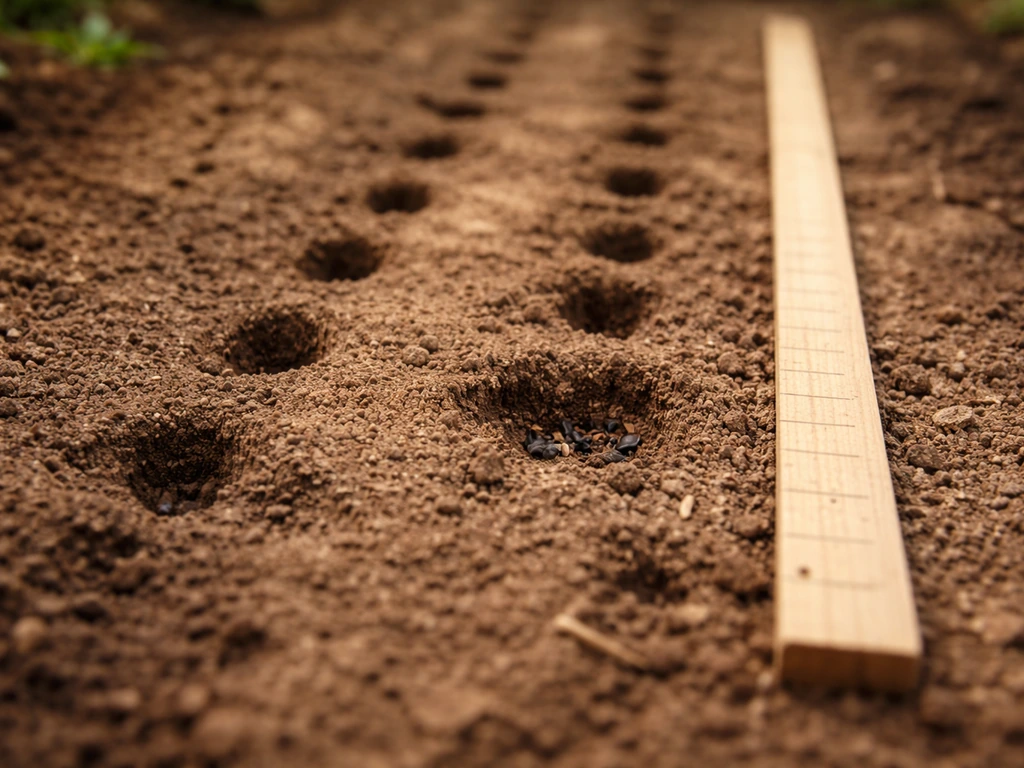
Slow or absent germination is frustrating, but it almost always has a fixable cause. Work through this before giving up or re-sowing.
Check these things first
- Has enough time passed? Don't dig up seeds before the end of the stated germination window. Pepper seeds at 65°F can take the full 21 days. Parsley routinely hits the 28-day mark.
- Is the soil actually staying moist? Stick your finger 1 inch into the soil—it should feel damp. If the top is dry, the seeds may be drying out before they can germinate.
- Is it too cold? Bring a soil thermometer into the mix. If your soil is below 60°F for warm-season crops, germination will stall or fail entirely.
- Is it too hot? Soil above 95°F is lethal for many seeds. This can happen with uncovered outdoor beds in summer.
- Did the seed need treatment? If you're growing something like lavender, echinacea, or morning glory without stratification or soaking, that's likely the problem.
- Were the seeds planted too deep? Gently scrape back the soil over one or two seeds. If they've rotted, the problem is too much moisture or damping-off. If they look intact but haven't sprouted, they may be too deep or too cold.
- Are the seeds old? If the packet is more than 2 to 3 years old for short-lived seed types (onion, parsnip, corn), poor germination may just be a viability issue.
When to re-sow
Re-sow if you've waited 1.5 times the maximum stated germination period and nothing has emerged, or if your germination test showed fewer than 5 out of 10 seeds sprouting. When you re-sow, fix the underlying issue first. There's no point in dropping new seeds into cold, waterlogged, or too-deep conditions. If your planting season is running out, start fresh seeds indoors under controlled conditions so you have more control over temperature and moisture.
Using your timeline to plan the whole season
Once you know your germination window and days to maturity, you can build a planting calendar that works backward from your goal date. This is how experienced gardeners avoid the chaos of everything ripening at once or missing the frost window.
Starting seeds indoors vs. sowing directly outdoors
Seeds started indoors give you control over temperature and light during the most vulnerable stage, and they let you get a head start on the season before outdoor conditions are right. Most vegetables that are transplanted (tomatoes, peppers, eggplant, broccoli, cabbage) are started indoors 6 to 10 weeks before the last expected frost date. Direct-sown crops like beans, corn, carrots, radishes, and squash are sown outdoors after the last frost when soil has warmed enough. Herbs like basil and cilantro can go either way. Fast germinators like mustard and fenugreek are typically direct-sown since they don't transplant well.
Building a simple sowing schedule
- Find your last spring frost date (local extension service or a quick online lookup for your zip code).
- For indoor-started crops, count back the 'weeks to transplant size' from your last frost date. That's your indoor sow date.
- For direct-sown crops, add 2 weeks past your last frost date for warm-season crops. Cool-season crops can go in 2 to 4 weeks before last frost.
- Add the 'days to germination' to your sow date to get your expected first sprout date.
- Add the 'days to maturity/harvest' to your transplant date (or direct-sow date) to estimate harvest.
- Work backward from harvest to make sure you have time in the season. If not, look for a faster-maturing variety.
For example: if your last frost is June 1 and you want tomatoes, count back 6 to 8 weeks and start seeds indoors around April 6 to 20. Germination takes 5 to 10 days. Transplant after frost when the soil has warmed. With an 70-day-to-harvest variety, you're looking at tomatoes by mid-August. That kind of backward planning is what turns a hopeful packet of seeds into a reliable harvest.
The most important thing is to use the actual numbers on your seed packet combined with your real soil conditions, not a generic calendar. Seeds don't read schedules, but they do respond to temperature, moisture, and time in predictable ways. Give them the right environment, track your dates, and most of the time they'll do exactly what the packet says. Pechay seed germination can vary by temperature and moisture, so the best way to estimate timing is to use the seed packet window alongside your conditions.
FAQ
When seed packets say “days to grow,” do they mean germination or harvest?
No, “how many days” usually refers to germination (sprouting) or emergence (seedling breaks the surface). If your crop’s packet lists days to maturity too, use that separately for harvest timing.
Do the days-to-germination numbers start counting the day I plant, or when conditions are ideal?
The germination clock only really starts once the seed is in the right environment. If you planted in cold soil or let the surface dry out for a day or two, you can see long delays that are not “normal days to germination.”
Why are my seeds slow even though the weather outside feels warm?
“Warm” depends on soil temperature. If your beds or trays are below about 50°F (10°C), many warm-season seeds will stall even if air temperature feels warm.
Can too much light or too much darkness stop seeds from sprouting?
Light needs are seed-specific. Tiny light-sensitive seeds (like lettuce) can fail completely if buried too deep, while most others germinate in darkness. If you’re unsure, follow the packet’s light note or keep the layer very shallow.
How deep should I plant, and what if my seeds are tiny?
For depth, use the two-to-three-times-their-diameter rule, but also consider how small your seed is. If you sprinkled ultra-fine seeds and lightly covered them, that’s often still too deep, especially for lettuce-type seeds that must see light.
Does using a sunny window indoors speed germination, or does the soil matter more?
Use soil temperature targets for germination, then re-check after moving seedlings or trays. A sunny window can warm the air but not the soil evenly, so germination may lag unless the root zone is in range.
Should I keep a humidity dome on until seeds sprout, and for how long?
Yes. Indoors, a dome helps keep moisture stable, but once you see sprouts you should remove or vent the cover to prevent overly wet conditions and leggy growth. Continue strong light immediately after emergence.
What should I check before I re-sow if my seeds have not emerged?
It can. If you see no sprouting by the end of the packet germination window, don’t immediately assume “failed seeds.” Check soil temp, moisture (damp not soggy), and seed depth first, then use a germination test or re-sow if you reach about 1.5 times the maximum window.
How can I tell if old seeds are the problem, not my planting conditions?
A germination test helps you decide whether to sow more densely or switch seeds. The method of testing 10 seeds gives you a quick viability read, and fewer than 5 out of 10 typically means expect poor, uneven stands.
Do days to germination predict how long it will take for seedlings to get big enough to transplant?
Transplanting creates a new “clock,” because seedlings need time to recover after potting up. Your days-to-germination only predicts when they sprout, not how fast they will grow after transplant.
Will mulch or row covers affect how long seeds take to grow?
Yes. Cover crops or mulched beds can change heat and moisture at the seed level, which shifts germination. If you use mulch, leave it away from the seed line until sprouts are up, or follow the seed packet’s guidance for your mulch type.
Fenugreek Seeds Grow in How Many Days: Timelines
Fenugreek seed sprouting and harvest timeline: days to germination, first leaves, and maturity plus troubleshooting tips