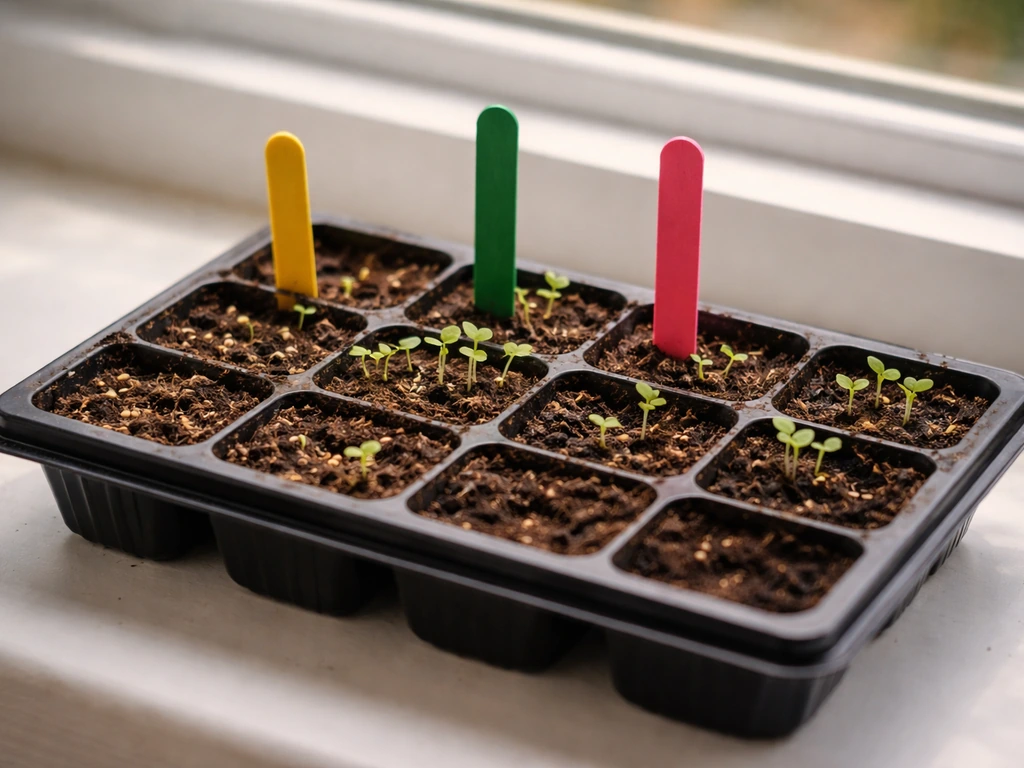
Morning glories germinate in about 5 to 15 days under good conditions, and once they're up, they grow fast enough that you'll see real vine progress within a few weeks. Most varieties start blooming 6 to 12 weeks after sowing, depending on species and how warm your season is. If you've been staring at a bare patch of soil wondering if something went wrong, this guide will tell you what's normal, what's not, and what you can do right now to get things moving.
How Fast Do Morning Glories Grow From Seed? Timelines
Marcus Henley
20 Apr 2026
How long until morning glory seeds sprout
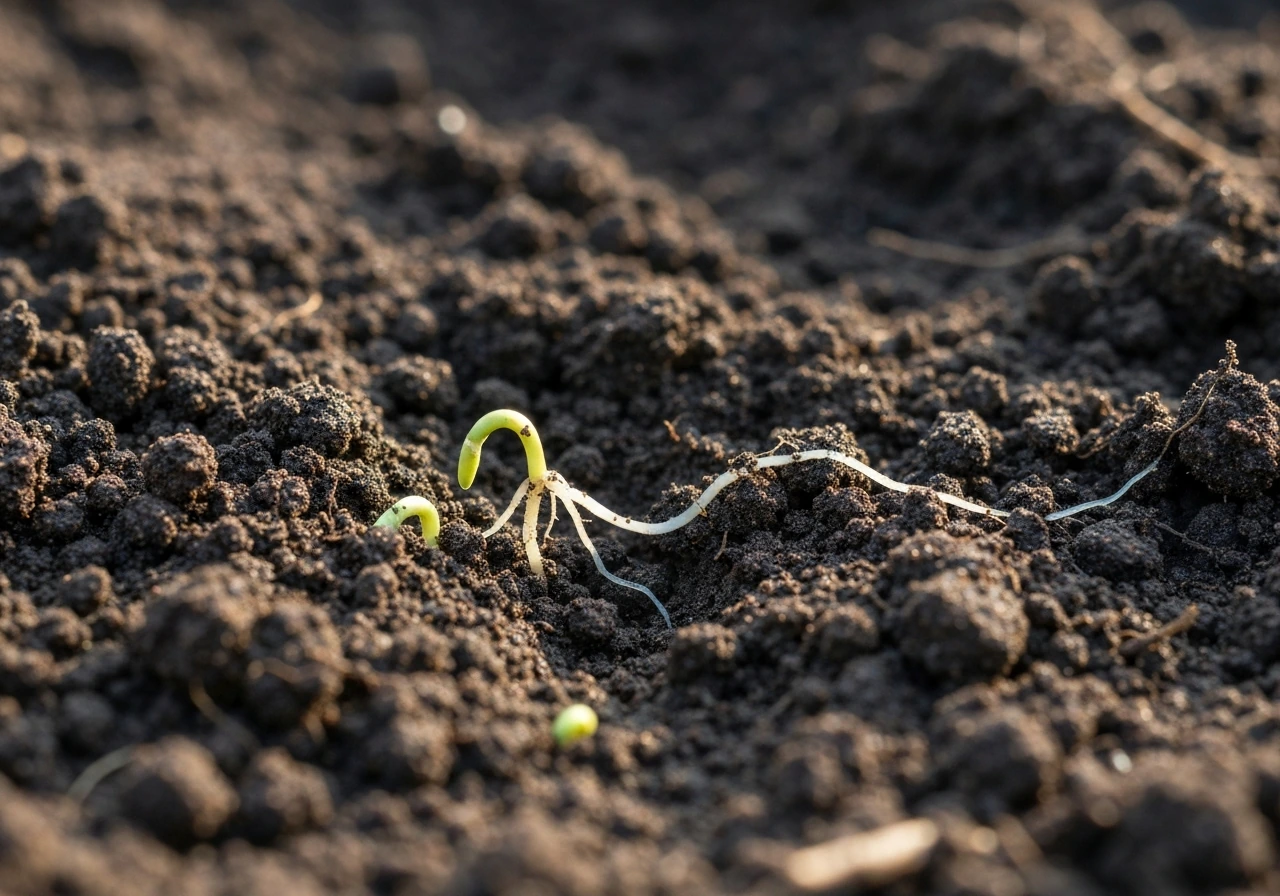
Under warm, moist conditions, morning glory seeds typically germinate in 5 to 15 days. Several sources converge on this range: Norseco lists 5 to 14 days, Harris Seeds gives 3 to 15 days, and Everwilde's seed packet puts it at 7 to 10 days when the soil is warm enough and the seeds have been nicked. The wide range isn't a mystery. It comes down to soil temperature and whether you've done anything to break the hard seed coat. If your soil is hitting 70 to 75°F and you've prepped the seeds properly, you're looking at the low end of that window. Cold soil or untreated seeds will push you toward the high end or beyond it.
It's worth noting that the RHS lists Ipomoea germination as taking up to 90 days under some conditions. That's not a typo. Morning glory seeds have a genuinely hard coat that can keep them dormant for a very long time if you don't help them along. For most home gardeners planting in warm spring or summer soil with a little seed prep, 90 days is an outlier. But it does explain why untreated seeds planted in cold soil sometimes seem to disappear and then suddenly pop up weeks later than expected.
What actually controls how fast they germinate
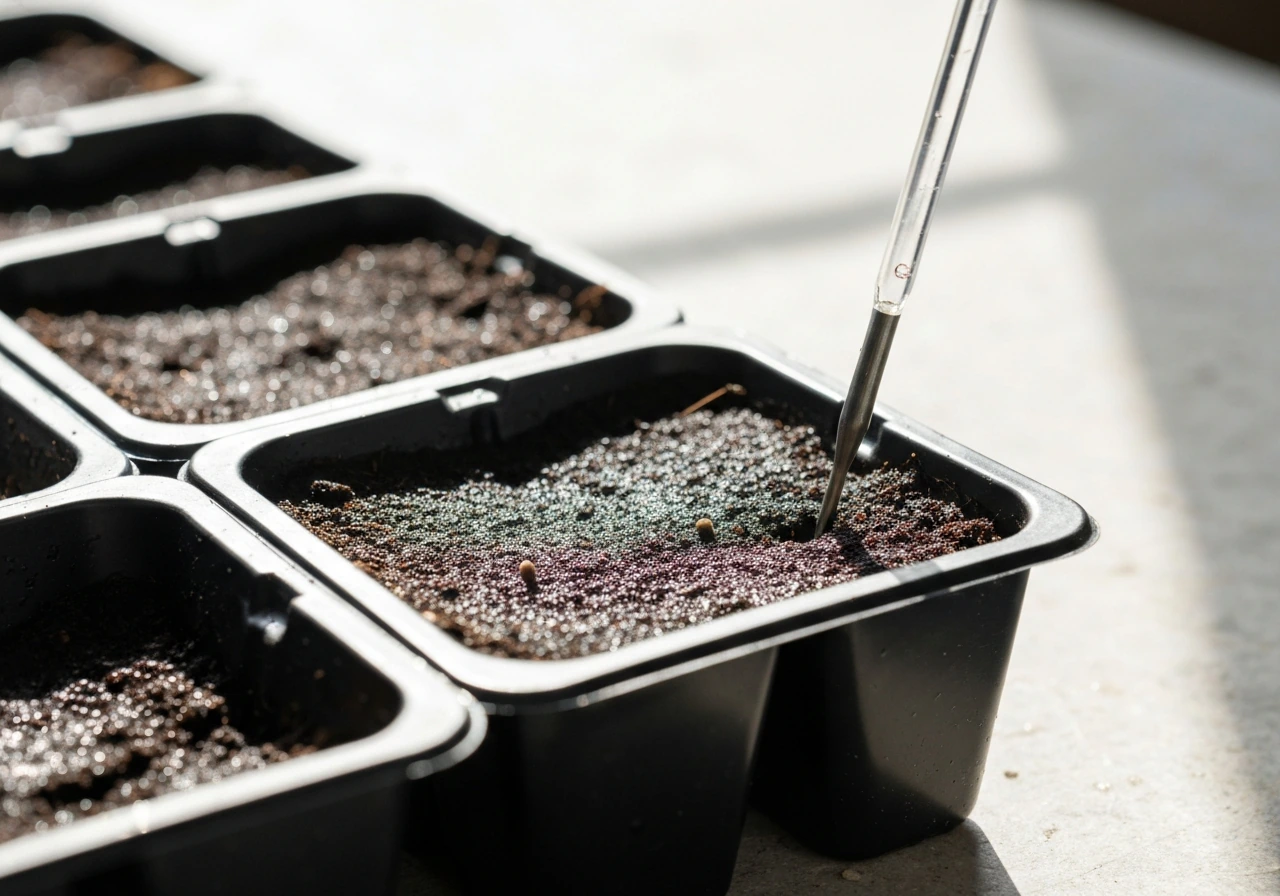
Soil temperature is the biggest lever you have. Morning glories want soil at 70 to 75°F to germinate reliably and quickly. Below that, germination slows noticeably. If you're planting outdoors in early spring when soil temperatures are still in the 50s or 60s, expect delays. A soil thermometer is genuinely useful here because air temperature can be deceptive. Soil warms up more slowly than air, especially in the first few weeks after your last frost.
Moisture is the other critical factor in the first two weeks. The seed needs consistent moisture to soften that hard coat and trigger germination. Don't let the soil dry out completely between waterings, but don't waterlog it either. A damp seed bed with decent drainage is what you're after.
Depth matters too, though morning glories aren't fussy about light at the germination stage. Johnny's Selected Seeds confirms that light is not required for germination, so you don't need to surface sow them. The standard recommendation is about 1/4 inch deep, which is shallow enough to let the seedling push through easily but deep enough to stay moist. Planting too deep (more than half an inch) can slow or prevent emergence. In a peer-reviewed weed-science study on Jacquemontia tamnifolia, emergence was highest around shallow seeding depths of 0.5, 1 cm, with no emergence observed at depths of 6 cm or more by 12 days Planting too deep (more than half an inch) can slow or prevent emergence..
| Factor | Ideal Condition | What Happens If Off |
|---|---|---|
| Soil temperature | 70–75°F (21–24°C) | Germination slows or stalls below 65°F |
| Planting depth | 1/4 inch (6mm) | Too deep delays or prevents emergence |
| Moisture | Consistently damp, not wet | Dry soil halts germination; soggy soil rots seed |
| Seed coat | Nicked or soaked before planting | Hard coat can keep seed dormant for weeks or months |
| Light | Not required for germination | Not a limiting factor at this stage |
Speed things up: soaking, scarifying, and pre-sprouting
Morning glory seeds have a notoriously hard seed coat, and that coat is the main reason germination can drag. The fix is straightforward and takes about five minutes of hands-on work the night before you plant.
- Scarify the seed: Use a nail file or a piece of sandpaper to lightly scuff the seed coat on one or two sides. You're not trying to damage the seed inside, just scratch the surface enough to let water in. Gardeners' Path recommends a nail file specifically, and it works well.
- Soak overnight: After scarifying, drop the seeds in a glass of room-temperature water and leave them for 8 to 12 hours. This softens the coat further and jumpstarts the hydration process. Everwilde and the RHS both recommend soaking as a standard step.
- Pre-sprout if you want certainty: After soaking, you can wrap seeds in a damp paper towel, seal them in a plastic bag, and keep them at room temperature. Check daily. Once you see a small root tip emerging (usually 2 to 5 days), plant immediately at 1/4 inch depth. This method is especially useful if you've had germination failures before or you're working with older seeds.
Doing all three steps (scarify, soak, then plant into warm soil) routinely gets germination down to the 5 to 7 day end of the range. Skipping prep on seeds planted in borderline-cool soil is the most common reason people end up waiting three weeks and wondering what happened.
From seedling to blooming vine: the full timeline
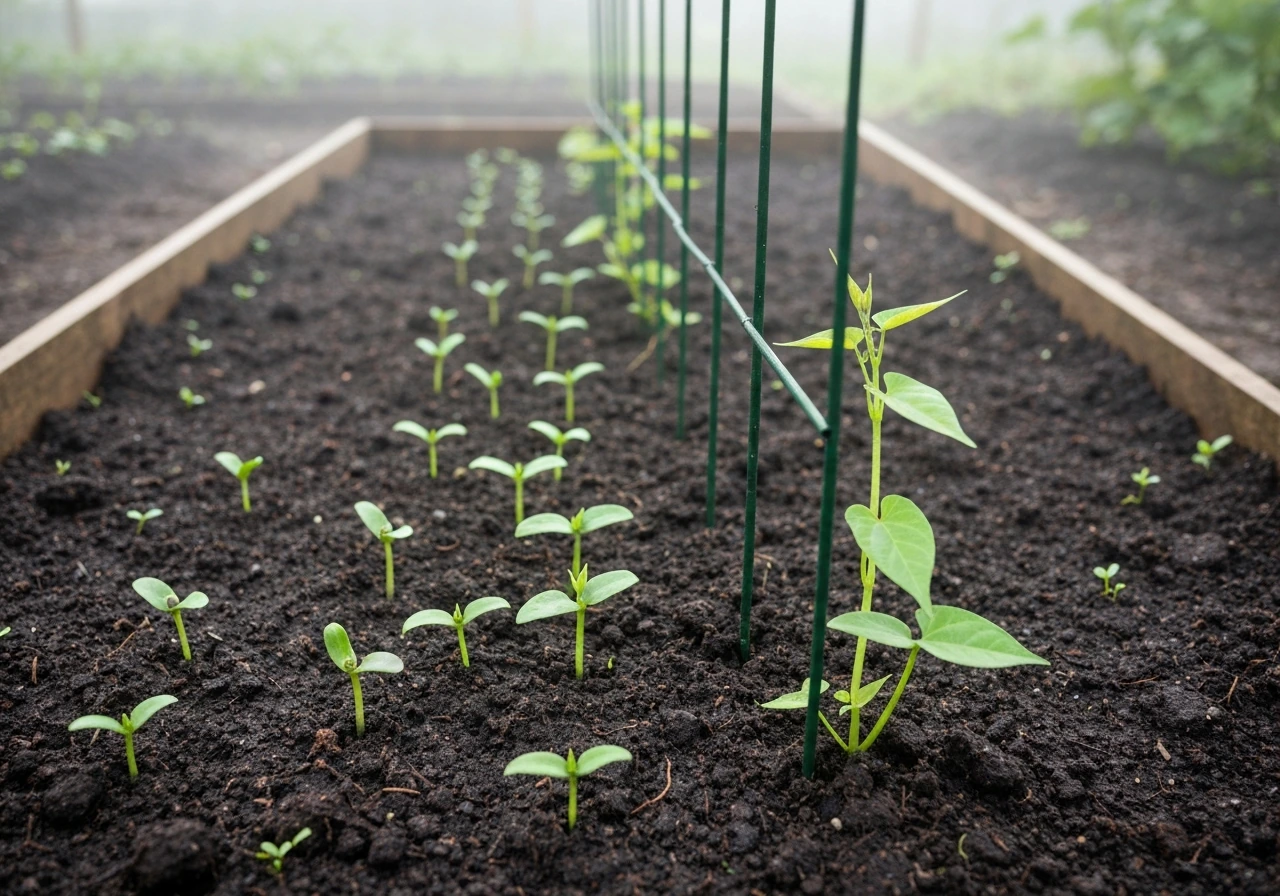
Once seedlings emerge, morning glories grow quickly when temperatures are warm and they have something to climb. In general, seedling growth speed depends on similar factors like temperature, moisture, and seed prep how fast do flower seeds grow. Here's a realistic week-by-week picture of what to expect: If you're wondering how long flowers usually take from seed to the point you can expect blooms, here are the key timeline ranges to plan around how long to grow flowers from seed.
- Days 5–15: Germination. First seed leaves (cotyledons) push through the soil.
- Week 2–3: Seedling establishes its first true leaves. Growth looks slow at first.
- Week 3–5: Vine growth begins in earnest. You'll see rapid stem elongation as the plant starts reaching for support. This is when a trellis, fence, or string should already be in place.
- Week 6–8: For faster varieties like Ipomoea purpurea, flower buds may begin forming. Gardenish notes that flowering for I. purpurea can begin as early as 6 weeks after sowing.
- Week 10–12: Most varieties are in full bloom with established, vigorous vines. Wildcraftia puts the bloom timeline at 10 to 12 weeks for most varieties under warm-season conditions.
That 6 to 12 week range for first flowers is real and it reflects genuine variety differences, not just growing conditions. If you are growing mums, the timeline from seed to first blooms is longer and depends heavily on light, warmth, and how you start the plants how long does it take to grow mums from seed. If you are comparing with another flower, you may also be wondering how long does it take to grow chrysanthemums from seeds. If you're planting a specific cultivar and want to know whether it's closer to 6 weeks or 12, check the seed packet. But as a planning rule, I'd count on 8 to 10 weeks from sowing to first bloom for most garden varieties in a typical warm summer. Clover typically shows a much quicker early start from seed under similar warmth, so if you are comparing options, you may be wondering how fast clover grows from seed how fast does clover grow from seed. Once blooming starts, morning glories flower continuously until frost.
When and where to plant for the best results
Direct sowing outdoors
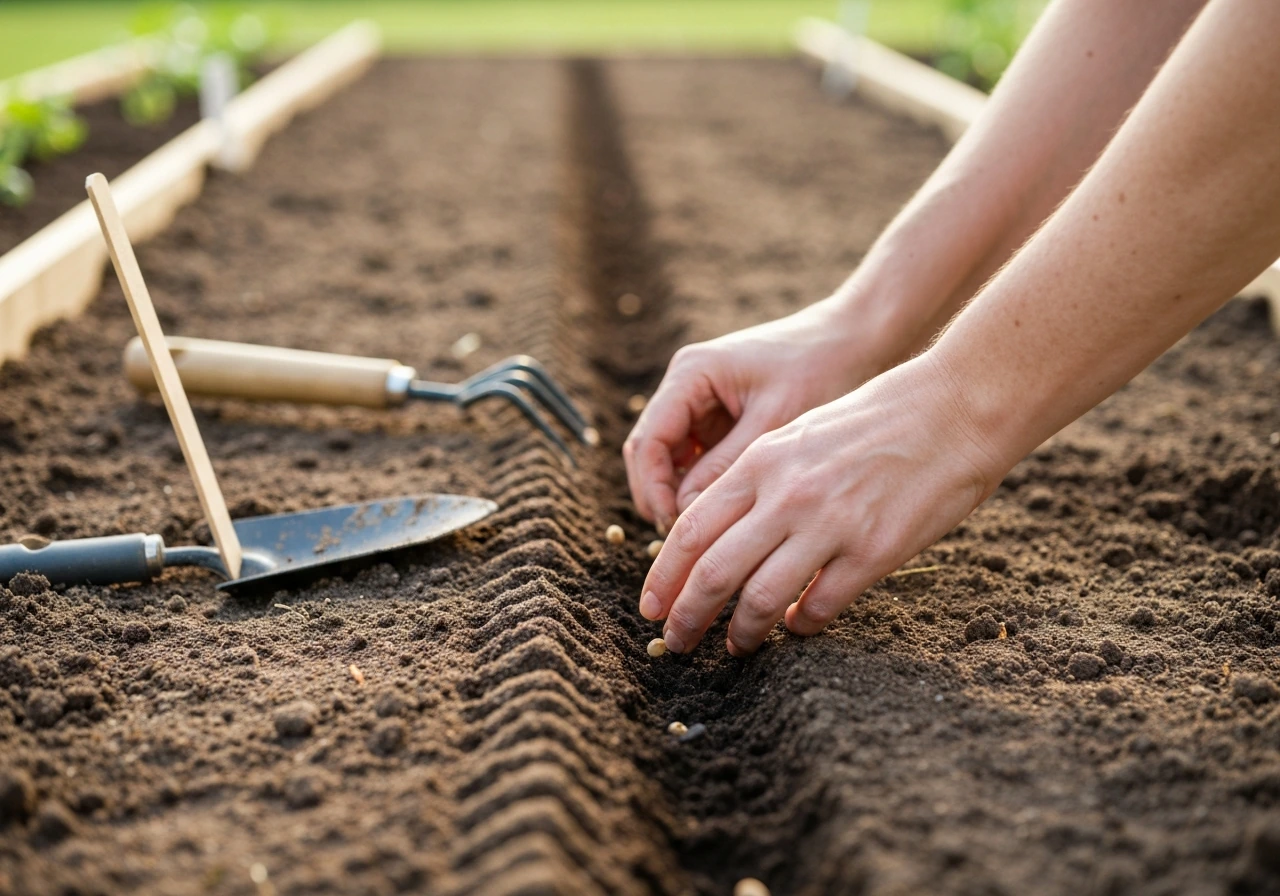
Morning glories don't love being transplanted. Their roots are sensitive and they recover slowly from disturbance, so direct sowing is usually the better approach if your season is long enough. The timing rule is simple: sow 1 to 2 weeks after your last expected frost, once soil temperatures are consistently above 65°F and ideally approaching 70°F. Johnny's Selected Seeds and Norseco both give the same 1 to 2 weeks post-frost guideline. Plant at 1/4 inch deep, spacing seeds 8 to 12 inches apart (UC Master Gardeners' recommendation), near whatever support structure you're using.
Starting indoors
If you're in a short-season climate or you just want earlier blooms, you can start morning glories indoors 3 to 4 weeks before your last frost date. Use individual pots or cells rather than trays you'll need to separate later, because disturbing roots at transplant time really does set them back. Harden off seedlings carefully over a week before moving them outside. Keep in mind that starting too early indoors (more than 4 weeks before last frost) tends to produce leggy, root-bound seedlings that struggle at transplant.
Warm regions and extended seasons
In warmer parts of the country where frost arrives late or not at all, the UC Master Gardener Program notes you can sow into early summer. Morning glories are heat-tolerant and will continue to germinate and grow well even in hot weather as long as they get consistent moisture. The key is avoiding a cold start, not a hot one.
When nothing's coming up: how to troubleshoot slow or failed germination
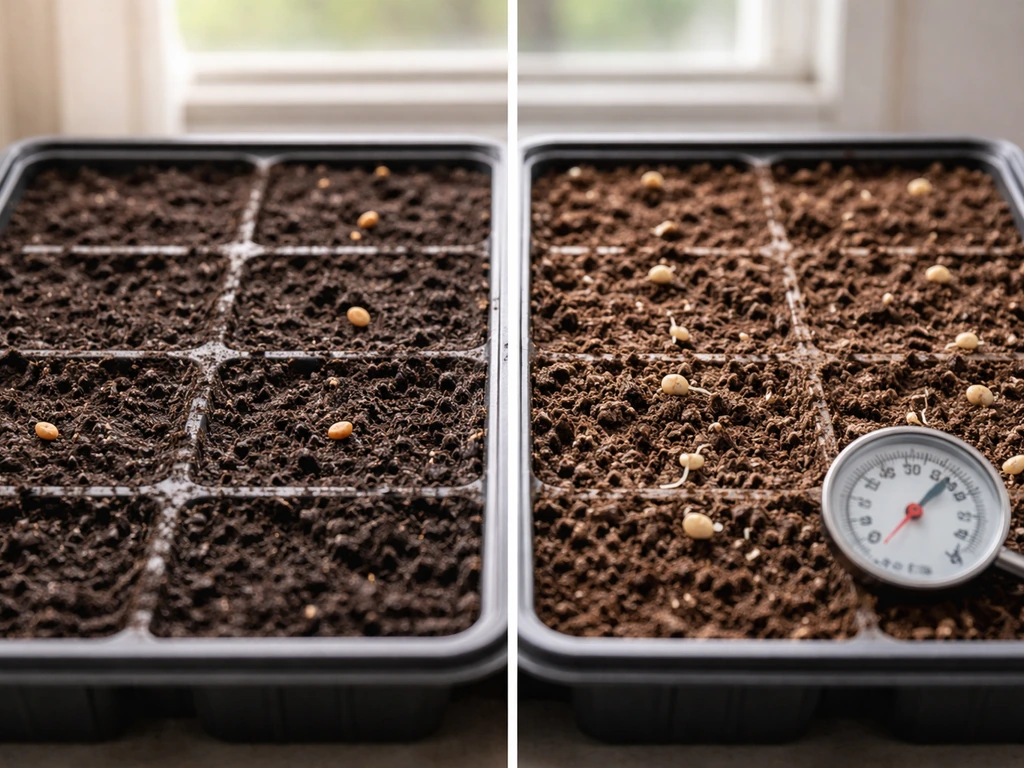
If it's been more than two weeks with no sign of sprouts, something has gone wrong. Here's how to work through the most common causes:
- Cold soil: This is the most common culprit. Check actual soil temperature with a thermometer. If it's below 65°F, seeds may have rotted or gone dormant. If the weather has been cool and wet, wait for warmth or try again with fresh seeds once conditions improve.
- Untreated seed coat: Hard, unscarified seeds can sit in the soil for weeks or months without germinating. If you skipped the nicking and soaking step, that's likely the issue. Dig up a seed if you can find it. If it looks intact and firm, try again with scarification.
- Soil dried out after sowing: Morning glory seeds need consistent moisture during that first week or two. If there was a dry spell or you underwatered, the seeds may have dehydrated before germination could complete. Re-sow and keep the bed evenly moist.
- Planted too deep: Anything deeper than about half an inch makes it significantly harder for the seedling to reach the surface. Stick to 1/4 inch.
- Seed eaten or washed away: Birds and rodents find morning glory seeds attractive. If you've had other seeds disappear in your garden, this is worth considering. Covering the bed with a light layer of floating row cover for the first two weeks helps.
- Old or low-viability seed: Germination rates decline with seed age. If you're using seeds more than 2 to 3 years old stored in warm conditions, viability may be low. Do a paper towel test on 10 seeds before committing to a full bed.
As a general troubleshooting rule: if it's been 14 days and nothing has emerged, the most useful thing you can do is check soil temperature and resow with properly scarified and soaked seeds. Don't wait indefinitely. Morning glory germination is fast when conditions are right, so a prolonged wait almost always means a fixable problem rather than slow-but-normal progress. This is similar to how timing variability plays out with other fast-growing flower seeds: delays past two weeks reliably signal an environmental or seed-prep issue rather than normal variation.
One more reassurance: even if your first sowing fails, morning glories have a long growing season. As long as you resow before midsummer, you'll still get a full bloom season before frost. That flexibility is one of the reasons they're such reliable warm-season annuals.
FAQ
If my seeds germinated late, will first flowers also be late or can they catch up?
Plan for first bloom in most cases, about 6 to 12 weeks after sowing, but use 70 to 75°F soil as the real benchmark. If your soil stays cooler than that, germination can slow and push the entire schedule back even if the seedlings later look healthy.
Why did my morning glories suddenly sprout weeks after I thought they failed?
It can. Morning glory seeds have a hard coat, so untreated seeds in borderline-cool soil may sit for weeks and then emerge all at once. If nothing appears by 14 days, assume a problem (temperature or seed prep) rather than waiting indefinitely.
Can overwatering slow down morning glory germination?
Yes, but only in the sense that soil moisture must stay consistently damp during the germination window. Overly soggy soil can reduce oxygen around the seed and delay or rot the seed, so aim for evenly moist, not waterlogged.
What should I do if spring nights are cold and soil is still slow to warm?
Most gardeners do best with warm, late-season sowing rather than early spring cold. If you want a fast start, wait until soil is consistently above 65°F, ideally near 70°F, and then keep moisture steady for the first couple of weeks.
Does planting depth affect how fast morning glories grow after sprouting?
Yes. Although light is not required for germination, shallow sowing matters. Burying deeper than about 1/2 inch can prevent seedlings from reaching the surface quickly enough.
Will my morning glories grow slower if I do not have a trellis right away?
Morning glories can continue growing without a support, but they typically grow faster and look fuller when they have something to climb. Put the trellis in place early, so vines can latch on immediately and you do not disturb roots later.
Should I start morning glories indoors to get them blooming faster?
Direct sowing is usually better because their roots recover slowly from disturbance. If you must start indoors, use individual pots or cells, avoid root disturbance at transplant time, and move them after hardening off.
How do I avoid getting leggy or root-bound morning glory seedlings?
Transplanting too early indoors (more than about 4 weeks before the last frost) often causes leggy, root-bound seedlings that struggle outdoors, which can offset any time gained.
What is the best troubleshooting order if nothing emerges after two weeks?
If you are not seeing sprouts after 14 days, check soil temperature first. The next most common fix is seed prep, scarify and soak properly, then resow into warm soil rather than repeating watering rituals on the same batch.
Can I time indoor starting so first bloom is closer to 6 weeks instead of 12?
If you want earlier blooming and still avoid transplant shock, start indoors 3 to 4 weeks before the last frost, then transplant with minimal root disturbance. For most gardens, that still generally lands first bloom around the same 6 to 12 week planning range once you factor in the delayed outdoor start.
How do I keep germination on track during hot summer weather?
Warm weather helps, but consistent moisture during germination matters more than daily heat swings. In hot conditions, the biggest failure point is letting the seed bed dry out before the seed coat has softened and sprouted.
If my first sowing fails, how late can I resow and still get blooms?
Yes. If you have a reseeding window, resow before midsummer in short or long seasons alike. Morning glories are forgiving because they can still produce a full bloom season before frost as long as you restart promptly.
Next Article
How Long to Grow Flowers From Seed: Timelines to Bloom
Practical timelines for sprouting, seedling growth and first blooms from seed, plus fixes for slow germination.