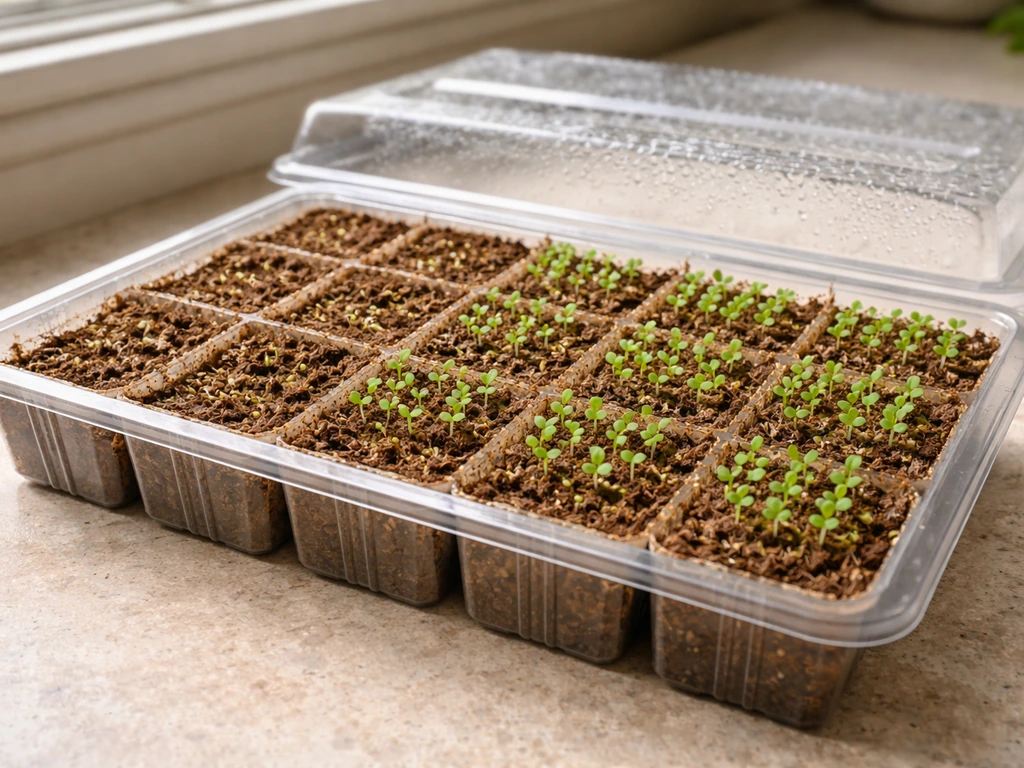
Impatiens take about 10 to 21 days to germinate from seed, depending on the variety and your growing conditions. Under ideal conditions, common Impatiens walleriana varieties (like Accent or Athena series) can show radicle emergence in as little as 3 to 5 days. New Guinea impatiens are slower, typically taking 12 to 25 days. From there, count another 10 to 14 weeks total from sowing to transplant-ready plants. If you want blooming plants in the ground or in pots by a certain date, you need to start seeds indoors well in advance, and this article walks you through exactly how to plan that.
How Long Does It Take to Grow Impatiens From Seed
Marcus Henley
16 Apr 2026
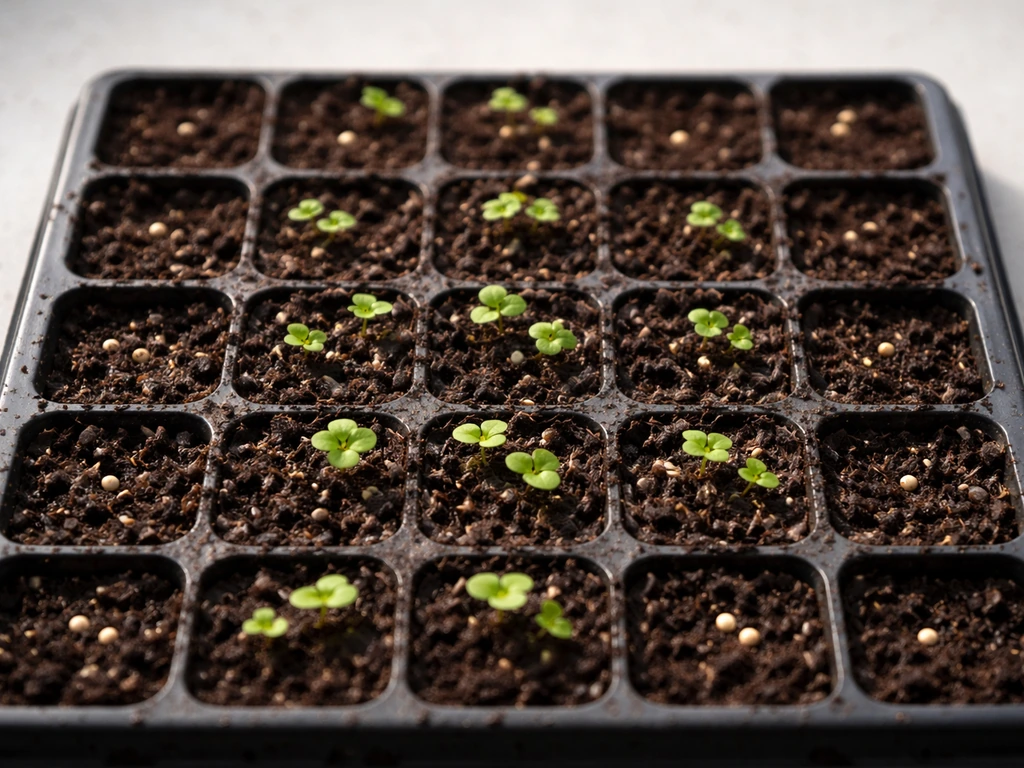
Typical impatiens seed germination timeline
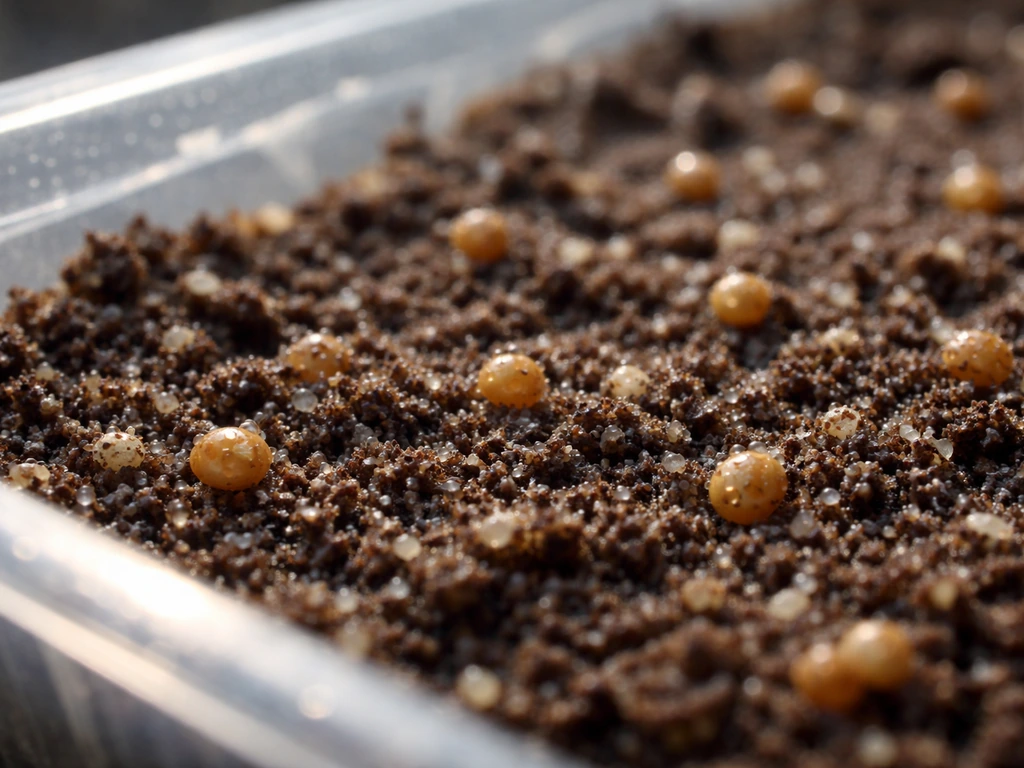
The germination range for impatiens is wider than a lot of gardeners expect, and that is mostly because two distinct groups of impatiens behave quite differently from seed. Impatiens walleriana (the classic bedding type) germinates fast under good conditions. Impatiens walleriana hybrid series like Accent and Athena show radicle emergence in 3 to 5 days at media temperatures of 72 to 75°F. In a home setup where temperatures are slightly less controlled, 7 to 14 days is a realistic window. New Guinea impatiens are a different story: expect 12 to 25 days even when you nail the temperature target of 75 to 80°F.
One thing that catches new growers off guard is that impatiens seed absolutely requires light to germinate. That means you cannot cover the seed with soil or vermiculite. You press the seed gently into the surface of the germination mix and leave it exposed. If you bury it even slightly, germination will be uneven or fail entirely. Keep the surface consistently moist (almost saturated at the germination stage) and maintain that temperature, and you will be rewarded with sprouts on the fast end of the range.
| Impatiens Type | Germination Temperature | Days to Germination |
|---|---|---|
| Impatiens walleriana (e.g., Accent, Athena) | 72–75°F (22–24°C) | 3–14 days (commercial: 3–5 days) |
| New Guinea Impatiens | 75–80°F (24–27°C) | 12–25 days |
| General/Mixed varieties (home grower average) | 70–75°F | 10–21 days |
From seedling to transplant: how long until usable plants
Germination is just the first chapter. After your seeds sprout, you are looking at several more weeks before the plants are large enough to move outdoors or into a decorative container. A standard timeline for Impatiens walleriana runs about 10 to 12 weeks from sowing to a transplant-ready plug-sized plant. New Guinea impatiens are often started 12 to 14 weeks before your outdoor planting date. Once transplanted to a larger container or garden bed, finishing time to first bloom is roughly 5 to 9 weeks depending on container size and light conditions.
After germination, drop the growing temperature slightly. Seedlings of both types grow well at 65 to 70°F, which is easier to maintain in a typical home environment. At this stage the plant is building roots and stem structure, and cooler nights actually help prevent leggy, weak growth. If you started in a 288-cell tray (common for home propagators using plug trays), expect to pot up once before final transplant. Give each plant enough space so the leaves are not overlapping, and keep light intensity high.
Here is a rough week-by-week picture for Impatiens walleriana started indoors at the right time:
- Week 1: Sow seeds on surface of moist germination mix. Maintain 72–75°F and bright light.
- Week 1–2: Germination occurs (3–14 days for walleriana, longer for New Guinea types).
- Weeks 2–4: Seedlings establish first true leaves. Maintain humidity, bright light, and 65–70°F.
- Weeks 4–7: Seedlings size up; thin or pot up if crowded. Begin light fertilization with diluted balanced fertilizer.
- Weeks 7–10: Plants develop bushy form. Begin hardening off (gradually exposing to outdoor conditions) 1–2 weeks before transplant.
- Weeks 10–12: Transplant-ready for walleriana; weeks 12–14 for New Guinea impatiens.
- Weeks 15–20 from sowing: Expect first flowers, depending on conditions after transplant.
How to speed up growth (light, temperature, moisture, timing)
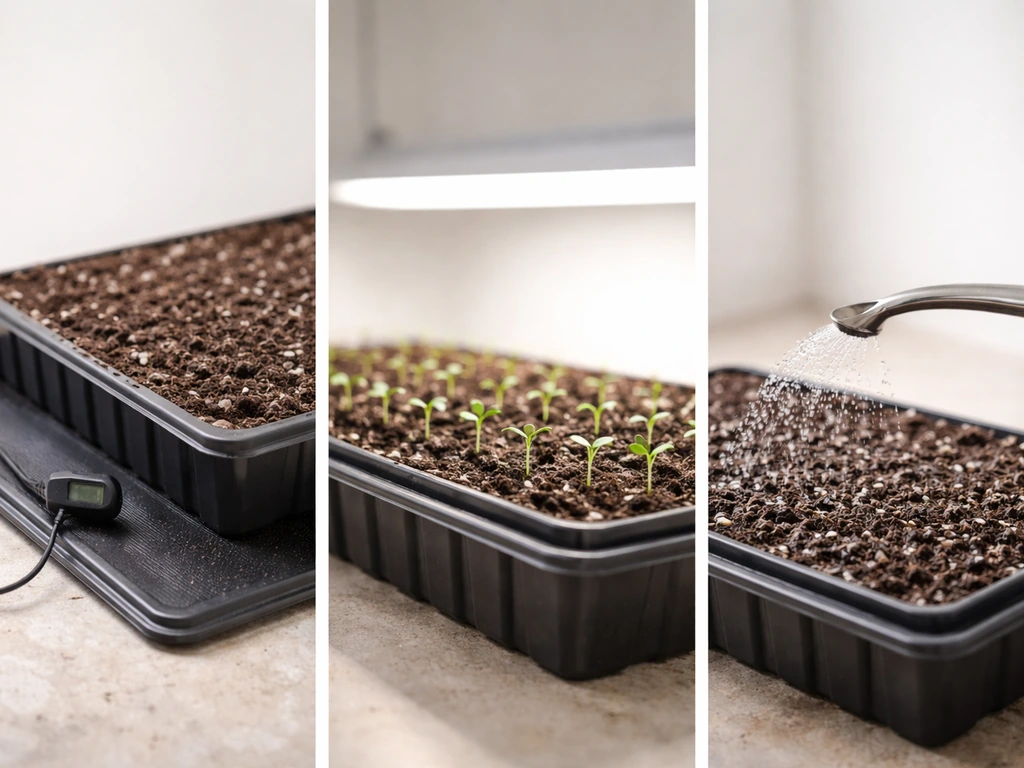
Temperature is the single biggest lever. If your germination medium sits at 65°F instead of 72°F, you can easily double your wait time or end up with patchy, uneven germination. Use a seedling heat mat under your trays and check the actual media temperature with a soil thermometer, not just the air temperature in the room. Air temperature and soil temperature are often several degrees apart, especially near a drafty window.
Light is equally non-negotiable, but for a different reason: impatiens need light to germinate in the first place, so any setup that blocks light (like covering seeds with soil, or using an opaque humidity dome without a light source above) directly delays or prevents sprouting. Once seedlings emerge, aim for about 16 hours of light per day to prevent weak, stretched growth. A simple two-bulb T5 fluorescent or LED grow light panel positioned 2 to 3 inches above the seedlings works well. Relying on a south-facing window alone is often not enough in early spring when days are still short and light is indirect.
Moisture management is a balancing act. During germination, the media surface needs to stay consistently moist because the seed is sitting on top and exposed to air. A clear humidity dome helps retain moisture without blocking light, but you have to vent it as soon as seedlings emerge to prevent damping-off disease. Crack the lid for a day, then gradually increase ventilation over 3 to 4 days while watching seedlings for wilting. Remove the dome entirely once seedlings are established. From that point, water when the top of the mix begins to dry but before the seedlings wilt.
Timing your sow date correctly also matters. Starting too early means you will have large, root-bound seedlings waiting around indoors for weeks while it is still too cold outside. Starting too late means scrambling to get plants established before summer heat arrives. See the planning section below for how to count backward from your target date.
What affects how fast impatiens grow
Variety matters more than you might think
As already mentioned, Impatiens walleriana and New Guinea impatiens have meaningfully different germination speeds. Within walleriana, named hybrid series (Accent, Athena, Beacon) tend to be bred for consistent, fast germination under controlled conditions, so you may see better results with these than with generic or heirloom packets. If you are also growing other flowers from seed this season and want a useful comparison, how long it takes to grow begonias from seed is a good reference point, since begonias have similarly demanding light and temperature needs at germination and are often started on a similar early-spring schedule.
Indoor vs. outdoor starting
Direct outdoor sowing of impatiens is not recommended. The seeds are tiny, need precise surface moisture and light exposure, and are completely at the mercy of outdoor temperature swings and rain events that can wash seeds away or bury them. Starting indoors in a controlled environment is the only practical approach for home gardeners. This is different from some flowers where direct sowing is viable, like poppies, which can be direct-sown outdoors in fall or early spring with good results.
Seed age and quality
Impatiens seed does not store especially well. If you are using seed that is more than one year old, germination rates will likely drop, and you may see slower or more uneven sprouting. Always sow more seed than you need (thin later) and buy fresh seed each season if possible. Old or poorly stored seed is one of the most common hidden causes of disappointing germination.
Growing mix and container choice
A sterile, well-draining germination mix is essential. Standard potting soil is too heavy and can harbor pathogens that cause damping-off. Use a purpose-made seed-starting mix, and use clean containers with drainage holes. Wet starting mix retains enough moisture for surface-sown seeds without becoming waterlogged, which would cut off oxygen and stall or rot seeds before they sprout.
Troubleshooting slow or failed germination
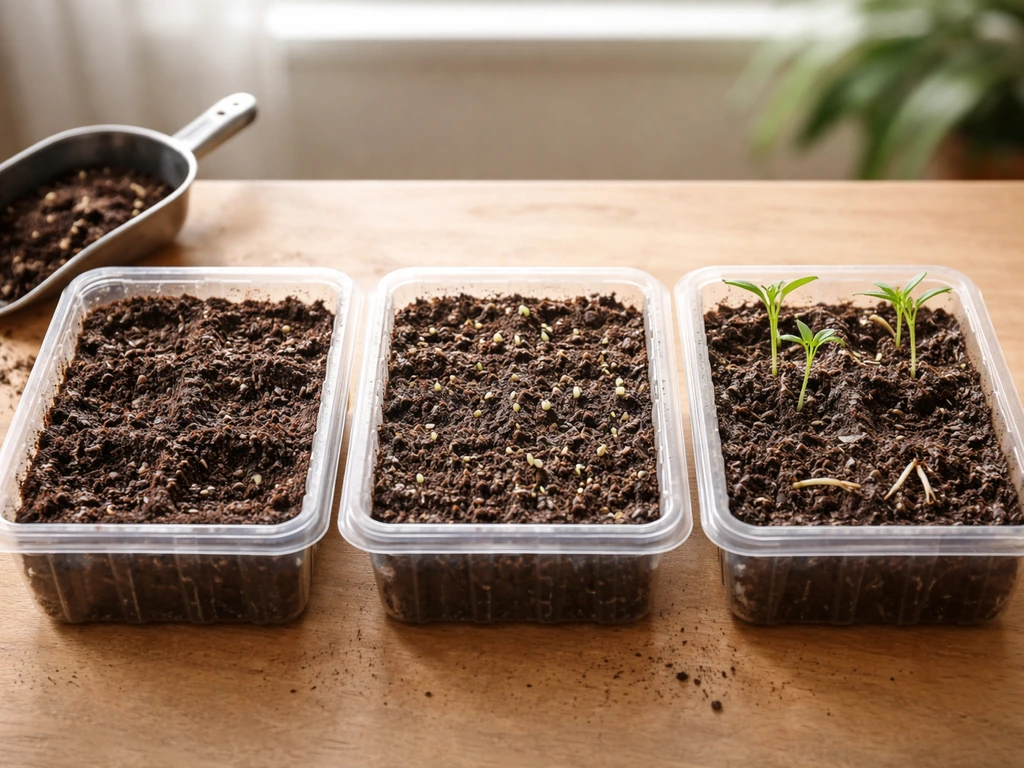
If it has been two weeks and you see nothing, run through this checklist before giving up. Most germination failures come down to one of four causes:
- Seeds were buried: If you covered seeds with soil or mix, germination will fail because light was blocked. Start fresh with surface-sown seeds.
- Temperature too low: Media below 68°F significantly slows or prevents germination. Use a heat mat and verify with a thermometer at the soil surface.
- Surface dried out: Even a few hours of dry surface conditions can kill seeds that have just begun to germinate. Check moisture levels twice daily during germination.
- Old or low-viability seed: If your packet is more than a year old or was stored warm and humid, viability drops fast. Try a paper towel germination test before committing a full tray.
- Humidity dome blocking light: A solid or fogged dome can reduce light to the surface where seeds need it. Use a clear dome and position your light source directly above.
- Damping-off: If seedlings sprout but collapse at the soil line, this fungal disease is the culprit. It is caused by overwatering and poor airflow. Remove the dome, reduce watering, and improve ventilation immediately.
One thing worth knowing: if germination is uneven (some seeds up, others not), the most common cause is inconsistent temperature or light across the tray. Seeds near the edge of a tray may be cooler or get less light. Rotating the tray and moving it to a more central position on the heat mat often helps. Uneven moisture is another culprit, especially if the tray's surface has dry patches.
Impatiens can feel fussy compared to easier flowers like pansies. If you want a sense of how the timelines and challenges compare, how long pansies take to grow from seed is a useful benchmark, since pansies also need careful indoor starting but are somewhat more forgiving about temperature and light during germination.
Planning your schedule: counting days back from last frost or target date
The key to getting impatiens timing right is working backward from when you want to plant outdoors, not forward from when you feel ready to start. Impatiens are frost-sensitive and should not go outside until nighttime temperatures are consistently above 50°F, which typically means after your last frost date by a week or two. In a r/NativePlantGardening discussion about “How early to start seeds indoors?”, users similarly recommend starting impatiens seeds indoors about 8, 10 weeks before the last frost based on local frost dates and indoor setup r/NativePlantGardening discussion recommending 8–10 weeks before last frost. Here is how to build the schedule:
- Find your average last frost date. (Look up your ZIP code or region on a frost date chart.)
- Add 1–2 weeks as a buffer, since impatiens do not like cold snaps even after frost risk has passed.
- Count back 10–12 weeks for Impatiens walleriana, or 12–14 weeks for New Guinea impatiens. That is your sow date.
- Add 1–2 weeks for hardening off before transplant.
- Mark your calendar and sow seeds on that date indoors.
As a practical example: if your last frost date is May 1, you want to transplant around May 14 to 21. Counting back 12 weeks from May 14 lands you around February 18. That is when you should be sowing walleriana seeds indoors. For New Guinea impatiens, count back 14 weeks and you are starting around February 4. This lines up with what most seed companies recommend, and it means you will not be scrambling to harden off underdeveloped seedlings right before planting time.
If you are planning a mixed flower garden and want to coordinate start dates, it helps to know the lead times for your other seeds too. Petunias have a similar indoor-start timeline to impatiens, which makes them easy to start in the same batch. On the longer end, peonies grown from seed require years before flowering, so they occupy a completely different planning horizon. And some flowers like geraniums need a head start of 12 to 16 weeks, which is even longer than impatiens, so they need to go in the ground before impatiens does. Understanding how all these timelines stack up helps you sequence your seed-starting calendar without cramming everything into one overcrowded tray.
One last note on plug trays: if you want to skip the most labor-intensive early weeks, consider buying impatiens plug seedlings rather than starting from seed. Geranium plugs give you a sense of how that process works, and the logic applies equally to impatiens plugs, where you are buying plants that are already 4 to 6 weeks into development. It cuts your indoor growing time roughly in half and is a good option if you missed your ideal sow window or just want a simpler path to transplant-ready plants.
FAQ
If I use a window instead of a grow light, will the germination and timing still be the same?
Plan for fewer cloudy surprises by setting a timer and giving seedlings the full 16 hours of light even if the room feels bright. If you rely on a window for “mostly sunny” days, stretching and uneven growth are more likely, especially in early spring when days are short.
How long can I keep the humidity dome on before I risk problems?
Yes, but only for a short period after sprouting. Vent the humidity cover as soon as you see seedlings, then increase airflow over several days. If you leave it sealed while seedlings are present, damping-off risk rises, which can make it look like germination was delayed.
What’s the biggest reason my impatiens seeds take longer than expected even in a warm room?
Measure media temperature, because air temperature alone is unreliable near windows and vents. A seed mat that keeps the air at 72°F can still leave the tray cooler, and that can stretch walleriana germination from about a week into closer to the upper end of the range.
What should I do if two weeks pass and my impatiens still haven’t sprouted?
Do not try to “fix” poor germination by burying seeds deeper or covering them with vermiculite. If you missed the light requirement, adding soil often makes the problem worse. Instead, verify the surface is pressed in, exposed to light, and evenly moist, then restart with fresh seed if nothing emerges after about two weeks.
After germination, how should my watering routine change?
Once you have sprouts, keep watering consistent but back off slightly compared to germination. Water when the top layer begins to dry, not when it is fully saturated, because consistently waterlogged mix reduces oxygen at the surface and can slow healthy root growth.
Why did some seeds sprout but others didn’t in the same tray?
If seedlings emerge unevenly, rotate the tray and check for cold spots, especially edges. Also confirm light reaches the entire surface, since partial shading can create a staggered emergence pattern even when conditions are otherwise adequate.
How do I know when my impatiens are actually ready to transplant, not just based on weeks?
For typical home conditions, expect walleriana to be transplant-ready around 10 to 12 weeks after sowing, but adjust if you see slow growth. If plants are not developing true leaves and a sturdy stem by that window, extending indoor time by 1 to 2 weeks is safer than rushing outdoors.
Should I transplant when days feel warm, or should I wait for nighttime temperatures too?
If your goal is flowers in the ground, prioritize timing around nighttime temperatures, not daytime highs. Impatiens are frost-sensitive, so you want nights reliably above about 50°F before transplanting, then allow normal finishing time to first bloom once established.
Does seed age affect both germination speed and the overall success rate?
Old seed is a major factor. If you suspect age or poor storage, sow extra and expect uneven or slower emergence. Fresh, properly stored seed gives you the best chance of hitting the faster end of the germination window.
Is a plug tray better than larger pots for starting impatiens from seed?
Choose the starting container based on whether you want to pot up once. Plug trays work well because many seedlings can be potted once before final transplant, reducing crowding. Overcrowding in small cells can lead to weak, overlapping seedlings and delays in finishing time.
Can I sow impatiens directly outdoors to save time and effort?
You generally should not attempt direct outdoor sowing, because tiny seeds can be washed away or buried, and temperature swings can stall germination. Even if some seeds sprout, stand loss and inconsistent spacing make the result unpredictable compared with indoor, controlled surface-sowing.
Can I use a plastic bag or a dark humidity cover to keep moisture higher?
You can, but plan for the greenhouse effect and damping-off risk. If you use a cover, it must be light-permeable and you still need rapid ventilation after emergence. The key is that the germination stage requires light at the seed surface, not just humidity retention.
Next Article
How Long Does It Take to Grow Petunias From Seeds?
See realistic seed-start to flowering timelines for petunias, plus scheduling tips for indoors or outdoors and troublesh