Growing peonies from seed takes 3 to 7 years before you see your first bloom. That is not a typo. The American Peony Society puts the typical range at 3 to 5 years, while Longwood Gardens and NDSU extension both cite 5 to 7 years as the realistic window for most home growers. The wide range exists because peonies have one of the most complicated germination processes in the ornamental garden, and a lot depends on how well you manage their dormancy requirements. If you go in expecting this kind of timeline, you will not be disappointed. If you expect something like how long pansies take to grow from seed, you are going to be frustrated.
How Long Does It Take to Grow Peonies From Seed?
Marcus Henley
7 Apr 2026
The full peony timeline from seed to first bloom
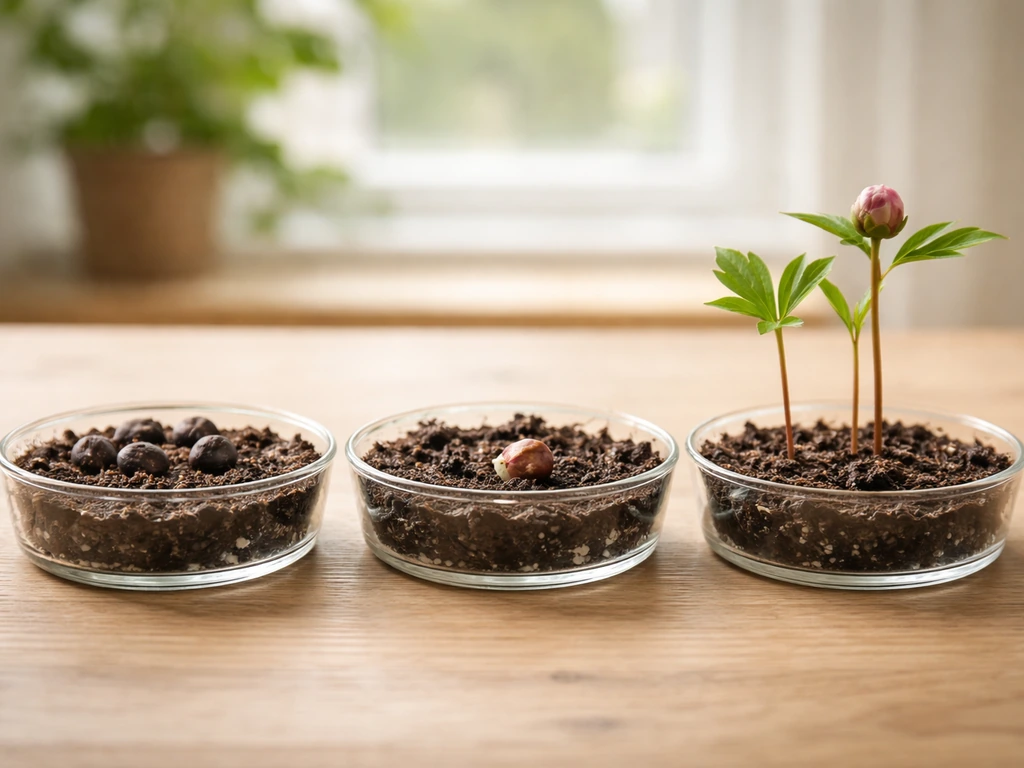
Here is what the journey actually looks like, broken into real milestones. Each phase builds on the last, and skipping or rushing any of them sets you back.
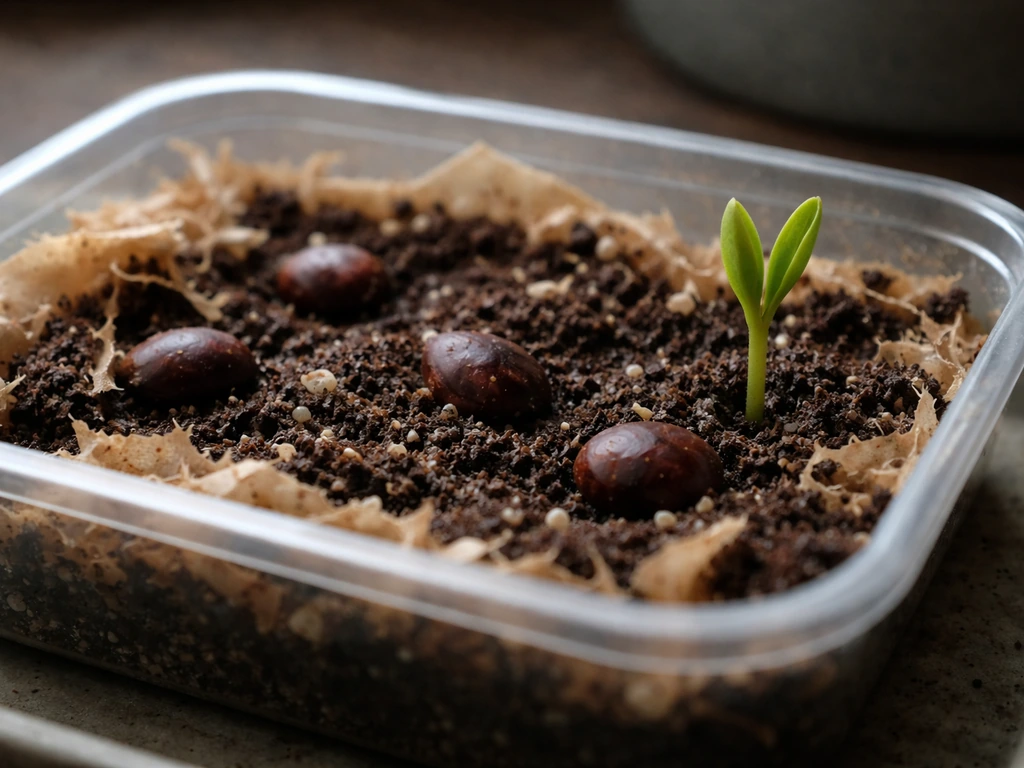
- Seed sowing and warm stratification (Month 1–4): Seeds go into damp medium at 15–25°C. During this warm phase, the radicle (root tip) emerges. You will see a small root but no leaf. This alone takes 1 to 4 months depending on species and temperature.
- Cold stratification (Month 4–7): Once roots have emerged, the seeds need 60 to 90 days at around 40°F (4°C). This is the cold phase that primes the shoot. Without it, the root just sits there.
- Second warm phase and shoot emergence (Month 7–10): After the cold period, move seeds back to warmth, around 70–75°F. A small leaf should emerge within weeks. If it does not appear in the first season, the seedling may wait until the following spring.
- First-year seedling establishment (Year 1–2): The seedling produces one or two leaves, develops a small root system, and goes dormant again. Above ground, it looks like almost nothing is happening.
- Vegetative growth years (Year 2–4): The plant builds energy through its root system each season. Stems get a bit taller, foliage gets fuller, but no flower buds appear yet.
- First bloom (Year 3–7): Herbaceous types typically hit first bloom somewhere between year 3 and 5. Tree peonies often bloom first in year 4, but can push out to year 7 or beyond.
The hardest part psychologically is year 1 and 2. You are doing real work for a plant that looks like a couple of small leaves in a pot. That is normal. The root system is the whole story in those early years.
Why peonies are so slow from seed
The short answer is double dormancy and genetics. Peony seeds do not germinate like annual flower seeds. They have a multi-phase dormancy system that requires the seed to experience a specific sequence of warm and cold conditions before it will do anything visible. Researchers describe this as a warm phase to break root dormancy, followed by a cold phase to break shoot dormancy, followed by a second warm phase to trigger leaf emergence. In natural conditions outdoors, this process alone can take up to 24 months.
The biology behind this is worth understanding. After the radicle emerges under warm conditions, lateral roots may develop, but the shoot will not grow until the seed with an emerged root has overwintered. That means even a successfully germinated peony seed can sit in your container looking dead for an entire winter before it decides to send up a leaf. This is not failure. It is the plant doing exactly what its genetics require.
Then there is the genetic variability problem. Peonies grown from seed do not reliably reproduce the parent plant. A seed taken from a beautiful double pink cultivar might give you a single-flowered plant in a completely different color, or a weaker grower overall. The American Peony Society is explicit about this: seed-grown plants are genetically unpredictable. This is why most growers who want a specific variety use division or bare-root plants rather than seed. Seed growing is more of an adventure, a long one.
How peony type changes your timeline
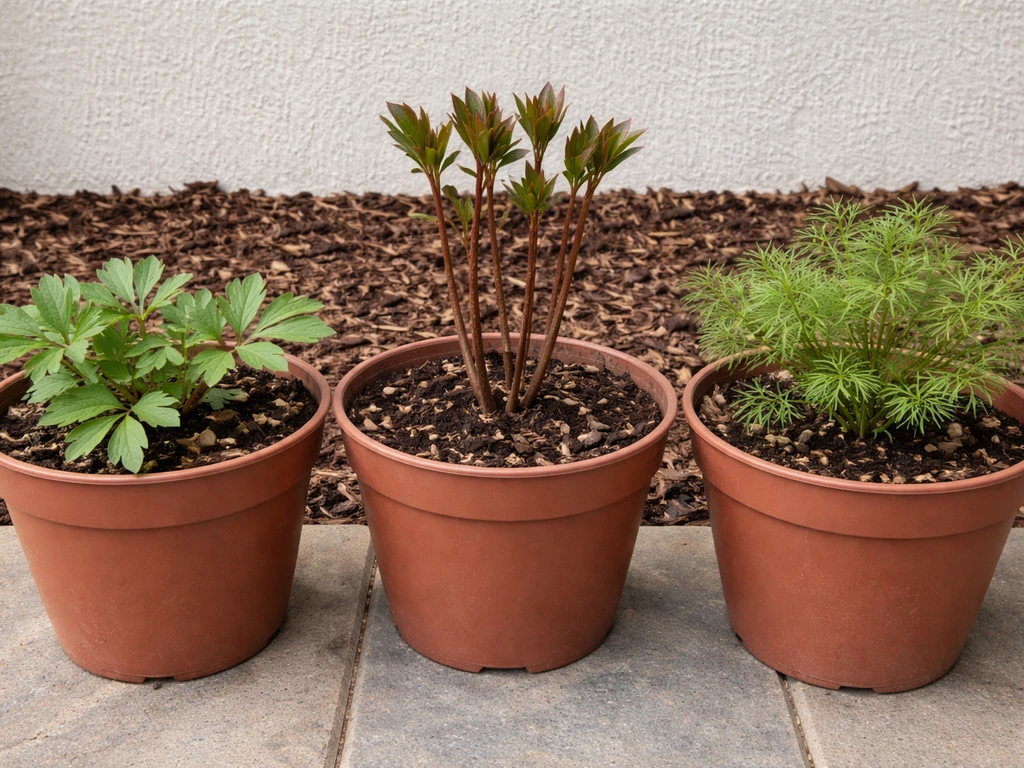
Not all peonies are on the same schedule. The type and species you are growing meaningfully shifts your expected wait time.
Herbaceous peonies
These are the classic garden peonies, mostly Paeonia lactiflora types. They die back to the ground each winter and come back from the roots. From seed, these typically take 3 to 5 years to bloom, with 5 to 7 years being the upper end for slower-developing seedlings. Warm stratification for lactiflora works best at around 15°C for 4 months or at a higher temperature like 25°C for about 1 month, followed by a cold phase. The exact split matters and varies by seed lot.
Tree peonies
Tree peonies (Paeonia suffruticosa and related types) are woodier and slower. Many sources report that tree peony seedlings often start to bloom in their fourth year under good conditions, but the more cautious estimate is that natural germination alone can take up to 2 years, and flowering may not happen until year 5 to 7. The popular Paeonia rockii hybrids, known for their dramatic maroon flares, are described as blooming in about 4 years under favorable managed conditions.
Species peonies
Wild species like Paeonia veitchii and Paeonia corsica have their own stratification requirements. P. veitchii, for example, prefers a warm phase at 15 to 20°C followed by cold at 0 to 10°C. Species peonies can be more variable than cultivated types, but some collectors find they are a bit more forgiving in seed germination once you nail the temperature sequence.
| Peony Type | First Bloom from Seed | Notes |
|---|---|---|
| Herbaceous (P. lactiflora) | 3 to 5 years (up to 7) | Most common garden type; dies back each winter |
| Tree peony (P. suffruticosa) | 4 to 7 years | Woody stems; natural germination can take 2 years alone |
| P. rockii hybrids | About 4 years (managed) | Known for maroon-flared flowers; needs careful stratification |
| Species peonies | 3 to 6 years | Highly variable; species-specific stratification temps matter |
What actually speeds up or slows down growth
The good news is that you have real control over several of the factors that determine whether your seeds germinate in 6 months or 24. Here is what matters most.
Cold stratification: the non-negotiable step
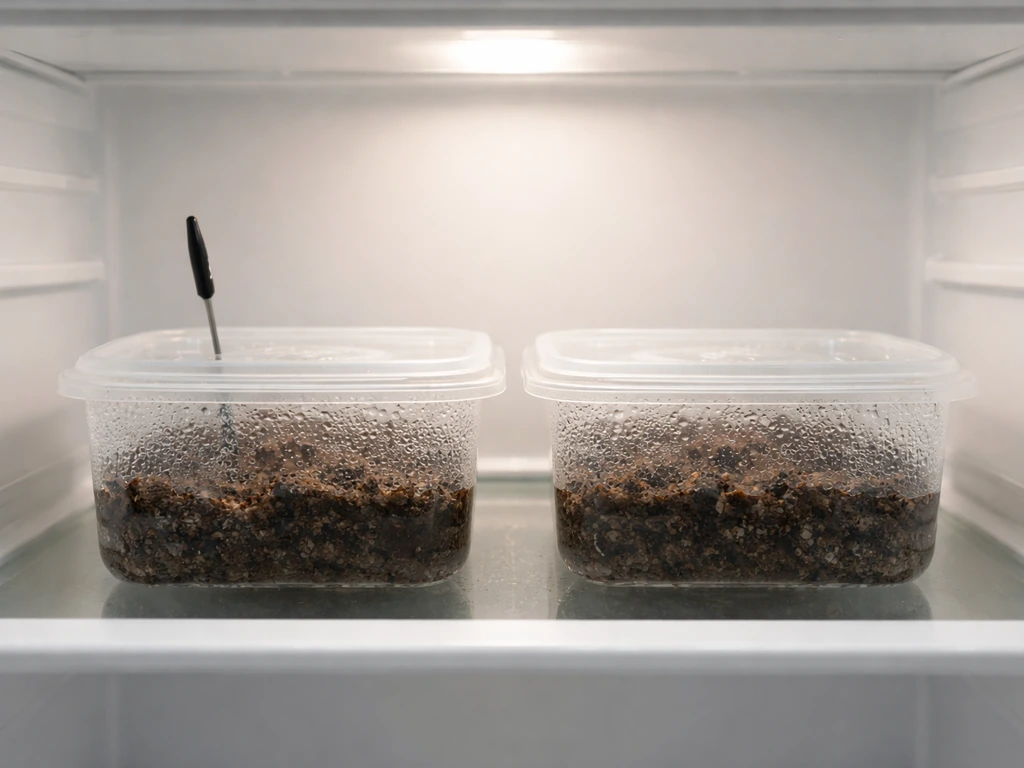
The APS recommends approximately 60 to 90 days of cold treatment for the second stratification phase, targeting around 40°F (4°C). This is typically done in a refrigerator using damp peat or vermiculite in a sealed bag. Skipping this step or cutting it short means the shoot dormancy never breaks, and your germinated root just sits there indefinitely. Do not rush this phase.
Soaking before stratification
Research on Paeonia ostii found that soaking seeds in room-temperature water for 3 days was effective at priming germination. Soaking for too long risks rotting or triggering anaerobic conditions that reduce emergence rates. A 3 to 4 day soak in clean water is the practical sweet spot, though some sources suggest up to 7 days for certain species.
Warm phase temperatures
The warm phase needs to be genuinely warm, not just room temperature. Research on Paeonia ostii shows that 15 to 20°C is sufficient to break hypocotyl dormancy and trigger radicle emergence. The APS indoor protocol transitions seeds to approximately 70 to 75°F after roots and early shoots develop, supporting the later growth stages. If your warm phase is too cool, root development stalls and the whole timeline stretches.
Planting depth
Depth is one of the most common reasons established peony plants refuse to bloom, and it applies equally to seedlings transplanted into beds. Eyes and buds should be no more than 1 to 2 inches (about 5 cm) below the soil surface. Plant deeper than that and you may get lush foliage for years with no flowers. Some experienced growers keep the crown right at the surface with just a light mounding of mulch. This is not just a planting tip, it is the reason many growers wait years only to realize the plant will never bloom at its current depth.
Container vs. in-ground
Starting seeds in containers gives you temperature control during the stratification phases, which is a real advantage. The Peony Society recommends transplanting seedlings into 1 to 2 gallon pots once shoots are about half an inch to 2 inches long. Moving too early risks damaging fragile roots. Once the seedling is established in a container for its first full season, many growers move it to a permanent in-ground spot in fall. In-ground plants generally develop faster long-term because the root system has more room to expand.
A seed-starting workflow that actually works
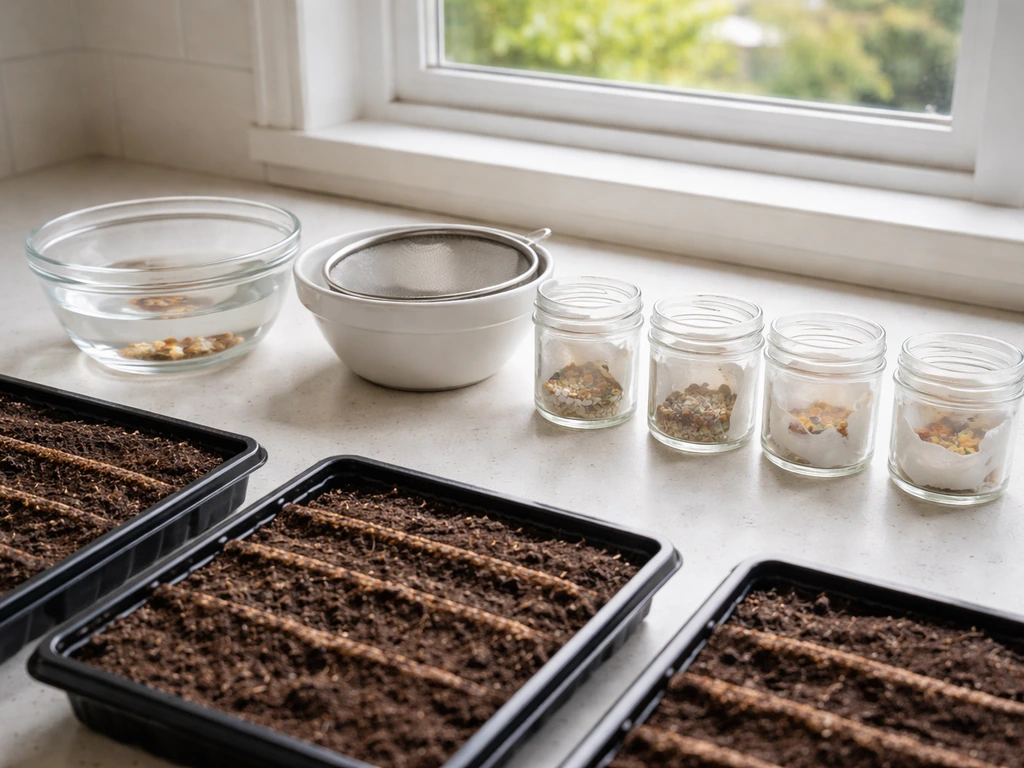
This is the process I would use based on what APS and peer-reviewed research support. It is the indoor method, which gives you the best control over dormancy phases.
- Soak seeds in clean room-temperature water for 3 to 4 days, changing the water daily. Discard any seeds that float after day 1.
- Place soaked seeds in damp (not wet) peat moss or vermiculite inside a sealed plastic bag or container. Label with the date.
- Move the bag to a warm location at 68–77°F (20–25°C) for the first warm phase. Check weekly for radicle emergence. This takes roughly 1 to 4 months.
- Once roots are visible (at least a few millimeters long), transfer the bag to the refrigerator at around 40°F for 60 to 90 days. This is your critical cold stratification phase.
- After the cold phase, move the bag back to warmth at 70–75°F. Watch for shoot emergence over the next 4 to 8 weeks.
- When shoots are 0.5 to 2 inches long, transplant seedlings carefully into 1 to 2 gallon pots filled with well-draining potting mix. Handle roots gently.
- Grow seedlings in a bright location, avoiding harsh direct sun in the first season. Water consistently but do not waterlog the mix.
- After the first growing season, move pots to a sheltered outdoor spot or an unheated garage for winter dormancy.
- In year 2 or 3, transplant to a permanent garden bed. Set the crown no deeper than 1 to 2 inches below soil level.
- Continue waiting. Most seedlings will show their first bloom somewhere between year 3 and year 7.
The APS indoor protocol notes that the incubation period normally lasts about 3 months before dormancy has diminished enough for a leaf to emerge. If you hit that window and still see nothing above the soil, check that your temperatures are accurate and that the medium is damp but not saturated. Sometimes a second cold period is needed if the first did not fully break dormancy.
Bare-root peonies vs. seed: which is right for you
If you are primarily interested in seeing peonies bloom in your garden within a reasonable timeframe, bare-root divisions are the far more practical choice. A bare-root peony planted in fall or early spring typically blooms within 2 to 3 years, sometimes in the very first or second season if it was a well-established division with multiple eyes. That is a massive difference compared to the 3 to 7 year seed timeline.
Bare-root plants are also genetically identical to the parent, so you know exactly what flower color, form, and fragrance you are getting. With seed, you are rolling the dice on all of those traits. Division is widely considered the easiest and most reliable propagation method for peonies, which is why it dominates commercial and home-garden production.
So why would anyone grow from seed? A few reasons. Seed-grown plants let you create genuinely new cultivars, which is what breeders do. If you are interested in hybridizing or just enjoy the process of growing something from scratch, seed is deeply rewarding. It is also significantly cheaper if you are sourcing seeds rather than buying named cultivars. And some species peonies are simply not available as divisions, making seed the only practical option.
| Factor | Bare-Root Division | Seed-Grown |
|---|---|---|
| Time to first bloom | 1 to 3 years | 3 to 7 years |
| Genetic predictability | Exact clone of parent | Highly variable |
| Cost | Higher upfront | Lower (seeds are cheap) |
| Availability of named varieties | Wide selection | Limited; species easier to source |
| Complexity | Low (plant and wait) | High (multi-phase stratification required) |
| Reward if it works | Reliable and fast | Unique plants; possible new cultivars |
For most gardeners who just want beautiful peonies blooming in the yard, bare-root is the answer. For growers who want the full experience of raising a plant from its earliest stage, or who are interested in breeding, seed is worth every year of the wait.
When your seeds or seedlings seem stuck
Slow progress is completely normal with peonies, but a few specific problems will stall things indefinitely. If you have completed the warm phase and see no radicle after 4 months, check that your temperature is actually reaching 68–77°F consistently, not just occasionally. A consistently cool warm phase is one of the top reasons germination fails. Similarly, if you see a root but no shoot after the cold phase, try a second round of 60 days cold followed by warmth. Some seed lots need two complete cycles.
Rotting seeds are usually a sign of too much moisture or a soak that went too long. The medium should feel like a wrung-out sponge, damp but not dripping. If you open your bag and find mushy seeds, remove them immediately and check the remaining ones carefully. One rotting seed can spread to healthy ones quickly.
Once you have healthy seedlings in the ground and flowering still has not happened by year 5, dig carefully and check the planting depth. Crowns planted even 3 inches deep may produce beautiful foliage indefinitely with no flowers. Adjusting depth in fall, while the plant is dormant, can unlock blooms the following spring.
Peonies in context with other slow bloomers
It helps to put peonies in perspective alongside other flowers you might be starting from seed. Most annuals and fast perennials are dramatically quicker. If you have been looking into how long poppies take to grow from seed, you already know some flowers can go from seed to bloom in just a few weeks to months. Peonies are on the opposite end of the spectrum.
Even other perennial flowers that feel slow are much faster by comparison. How long it takes to grow geraniums from seed is measured in weeks to a few months before first bloom. Growing impatiens from seed follows a similar short timeline. Even growing begonias from seed, which requires some patience, gets you blooms in a single season. Peonies are genuinely in a category of their own.
If you want a faster-blooming flower while your peonies develop over the years, consider annuals or quick perennials that work well in the same beds. Growing petunias from seeds is one of the easier options for filling a bed with color in the same season you plant. Meanwhile, your peony seedlings are quietly doing their long, slow, underground work.
For growers who want to start several types of perennials at once, understanding how long geranium plugs take to grow can help you plan a mixed perennial bed where faster-establishing plants fill space while peonies mature over years.
What to expect and how to stay patient
The most important mindset shift with peony seed growing is measuring progress in years, not weeks. Year 1 is about germination and a tiny seedling. Year 2 is about root development. Year 3 is often when the plant starts to look like something real above ground. Year 4 or 5 is when the first bud might appear, and when it does, it is genuinely exciting in a way that a bare-root plant that blooms its second season simply cannot replicate. If you are wondering about begonias instead, the time from seed to first blooms is usually much shorter, but it still depends on warmth and how consistently you care for seedlings peony seed timeline.
Keep records. Note when your seeds went into warm stratification, when roots appeared, when the cold phase started and ended, and when the first leaf emerged. This log will help you troubleshoot any phase that stalls and will also make the eventual bloom feel earned. When that first flower opens on a plant you grew from a seed, the 5-year wait stops feeling long at all.
FAQ
Can peonies germinate quickly from seed, like within a few months?
Yes, but only if the seed lot is fresh and you correctly complete the warm-cold-warm sequence. If you see a root yet no shoot after the cold period, it can still be normal for the plant to delay emergence until it receives a second dormancy break, so do not restart the process immediately.
What should I look for, and when, to know my peony seed is truly progressing?
For many home setups, a reliable sign is timing, not appearance. After sowing, the first visible change is usually the root, then a shoot only after completing the warm phase, cold phase (often around 60 to 90 days), and a subsequent warm period. If you check too early, you may misdiagnose normal dormancy as failure.
If my peony seedlings sprout, does that mean they will bloom soon?
Not necessarily. Germination and flowering are separate milestones. A seedling can develop roots that survive winters for a while without ever blooming if the crown is too deep or if it is stressed, so track both depth and growth year-by-year.
Do older or saved peony seeds take longer (or fail more often)?
Store-bought seeds and saved seeds can behave differently, especially in freshness and dormancy maturity. If seeds are old, expect longer delays, more failed cycles, and a higher chance of rotting during stratification, so you may need to be more strict about dampness and temperature consistency.
How can I tell if my temperatures are accurate enough during stratification?
Yes. In the warm phase, temperatures that are only sometimes warm enough can cause weak or stalled root development, which then makes the later phases take longer or fail. Use a thermometer in the storage spot, and keep the medium damp but not wet to avoid oxygen-starved conditions.
What happens if I plant peony seedlings too deep, and can I fix it?
Usually no. Crowns that are planted too deep can create years of leafy growth with no flowers. When transplanting, keep buds and eyes about 1 to 2 inches (5 cm) below the surface, and consider light mounding so winter mulch does not bury the crown.
If I get a root but no leaf, should I repeat stratification?
Often. If your first cold period does not fully break shoot dormancy, some seed lots need a second completed cycle (cold, then warm) before a shoot appears. A practical approach is to confirm your temperature range first, then repeat stratification rather than discarding immediately.
What moisture level should I aim for to prevent rot during stratification?
Yes, the medium matters for preventing losses. The safest target is a damp, wrung-out-sponge texture. Mushy or dripping medium increases rot risk, and you should remove any visibly rotten seeds right away to avoid contaminating the rest.
When should I transplant peony seedlings from stratification media into pots?
It can, but you should base timing on growth stage rather than calendar alone. Move seedlings into larger containers once shoots are about half an inch to 2 inches long, because earlier handling can damage fragile roots and delay the next phase.
What should I do if my seeds stall in the middle of the process?
Sometimes. Very dry media slows dormancy break and can stop development mid-cycle, leaving seeds looking dormant longer than expected. If things stall, recheck that the medium is damp (not saturated) and that your warm and cold phases actually reach the intended temperature ranges consistently.
Should I grow from seed or buy bare-root if I want blooms sooner?
You can be strategic. If your goal is flowers quickly, bare-root divisions are usually the faster route, often blooming in 2 to 3 years. Seed is best when you are okay with years of effort, variable traits, and treating progress as measured in root milestones.
Next Article
How Long Do Poppies Take to Grow From Seed? Timeline
Poppy seed growth timeline from sowing to flowering, including sprout vs bloom, indoor vs outdoor, and troubleshooting d