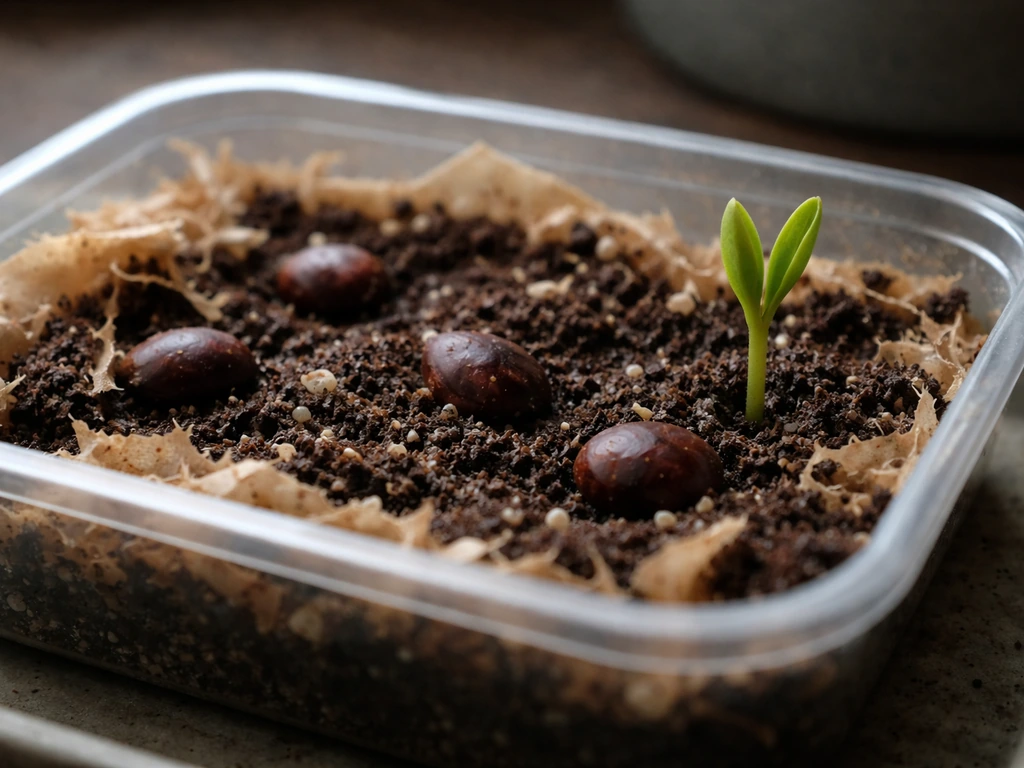
If you sow petunia seeds today under decent indoor conditions, you can expect to see sprouts in about 7 to 10 days. From there, it takes roughly 6 to 10 more weeks to grow transplant-ready seedlings, and then another 35 to 45 days after transplanting before you get your first flowers. All in, from seed to a blooming plant, you're looking at somewhere between 12 and 18 weeks depending on your setup, your variety, and how closely you hit the right germination conditions. That's the short answer. Here's everything you need to plan it properly.
How Long Does It Take to Grow Petunias From Seeds?
Marcus Henley
10 Apr 2026
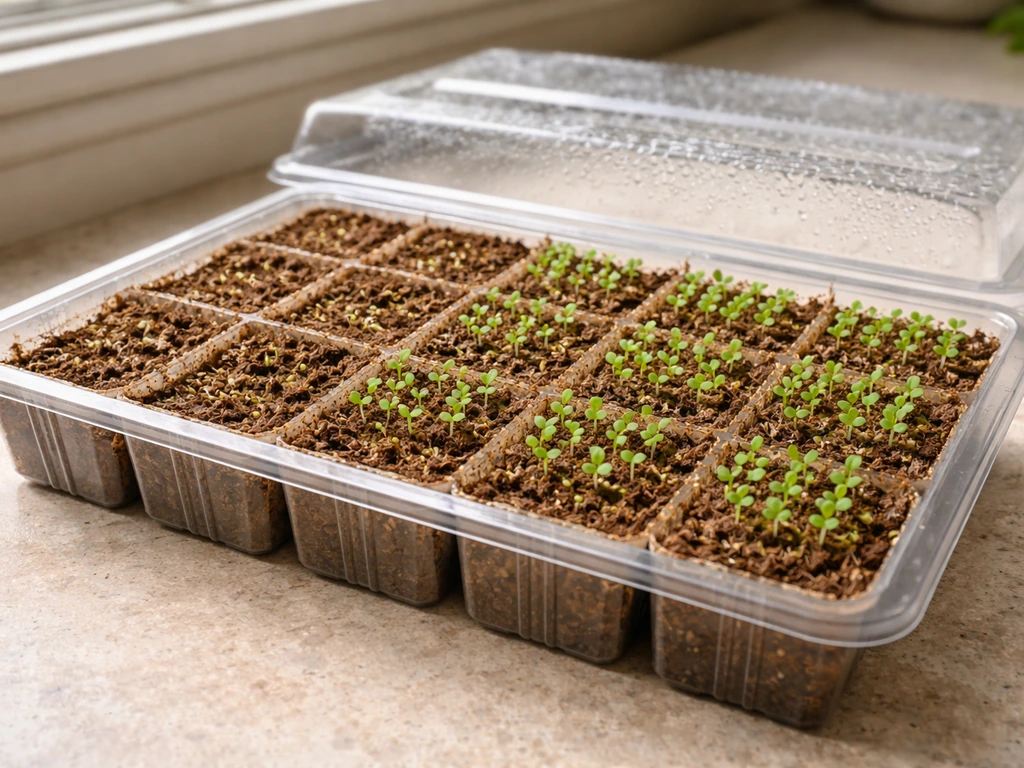
Typical petunia seed-to-seedling timeline
Under ideal conditions, petunia seeds germinate fast. Commercial growers using climate-controlled chambers sometimes see sprouts in as little as 3 to 5 days. For most home growers starting seeds on a heat mat under grow lights, 7 to 10 days is a realistic and reliable target. If your setup is less controlled, like a warm windowsill in spring, 10 to 12 days is still completely normal. Iowa State Extension and Texas A&M both put germination at around 10 days at approximately 70°F, which matches what I've seen in practice.
Once those tiny seedlings emerge, they grow slowly at first. You'll notice seed leaves (cotyledons) for a week or two before true leaves appear. By week 4 to 6 after germination, seedlings are usually large enough to handle and start filling out their cells. By week 6 to 8, most are ready to move up or transplant outdoors. Johnny's Selected Seeds suggests that 4 to 6 weeks after sowing works well for smaller cell trays, and 6 to 8 weeks for larger containers, which lines up exactly with what I'd recommend for home growers.
| Stage | Typical Timeframe | Notes |
|---|---|---|
| Seed to first sprout (germination) | 7–10 days | 3–5 days under controlled conditions; up to 12 days on a windowsill |
| Germination to true leaves | 10–14 days after sprouting | Cotyledons appear first; true leaves signal real growth |
| True leaves to transplant-ready seedling | 4–6 more weeks | 6–8 weeks for larger containers or bigger plug sizes |
| Transplant to first flower | 35–45 days | Some cultivars hit 35–40 days; others take the full 45 |
| Total: seed to first bloom | 12–18 weeks | Depends on conditions, variety, and transplant timing |
Germination factors: temperature, light, moisture, and depth
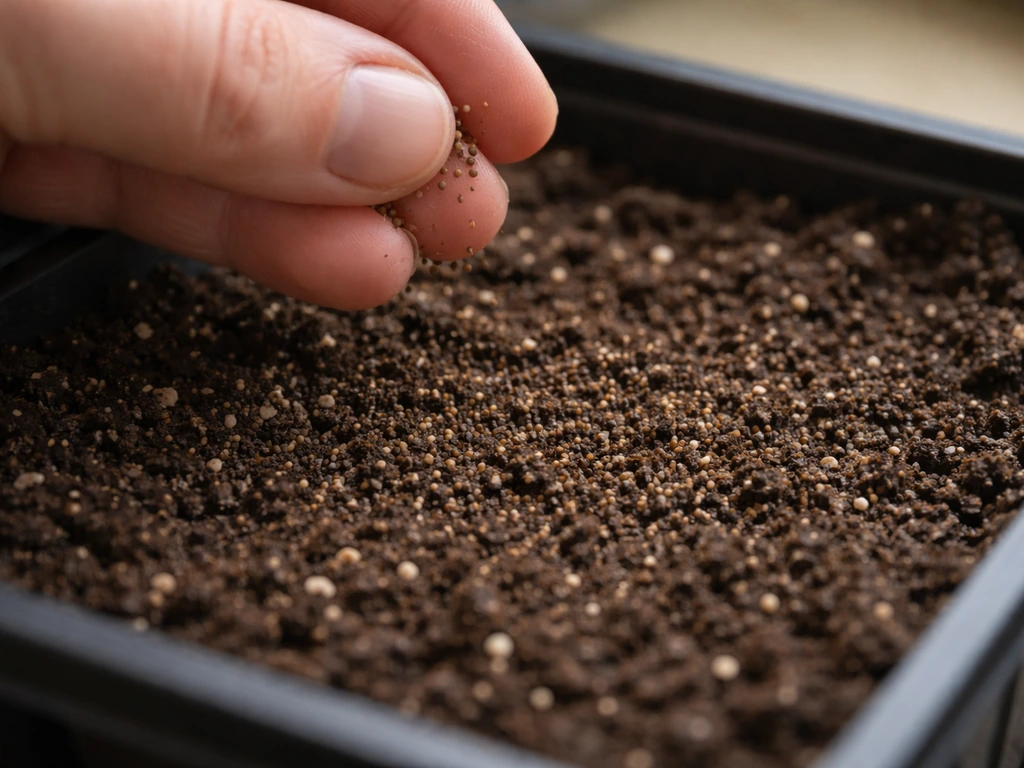
Petunias are picky about germination in one specific way that trips up a lot of beginners: they need light to germinate. This makes them what's called photoblastic, meaning burying the seed even a little bit can prevent germination entirely. Iowa State Extension explicitly warns against covering the seeds with any additional material. Syngenta's technical growing guides specify "seed cover: No" across their petunia production protocols. If you've ever sown petunia seeds and gotten nothing, this is probably why.
The recommended approach is to sow directly on the surface of moist seed-starting mix. AmeriSeed's germination instructions say seeds must be sown on the surface and must not be covered. Johnny's Selected Seeds takes a slightly practical middle ground: a very thin layer of vermiculite can help hold seeds in contact with the media without fully blocking light. The key word is thin. Just enough to stabilize, not enough to block the light that triggers germination.
Temperature matters just as much. The sweet spot for petunia germination is 70 to 80°F (21 to 27°C), with Syngenta's grower guides listing 73 to 76°F as optimal for controlled plug production. SDSU Extension also puts the best germination range at 70 to 80°F. A heat mat under your tray is worth using if your home runs cooler than that, especially in early spring when indoor temperatures dip at night.
Moisture is the third factor. The growing medium needs to stay consistently moist during germination, but not waterlogged. AmeriSeed's guidance mentions starting on saturated media, and then carefully managing moisture from there. A humidity dome over the tray helps a lot here because petunia seeds are tiny and sitting on the surface, which means they dry out fast. Just crack the dome slightly once sprouts appear to avoid damping off.
For light intensity during germination, professional setups aim for 4,000 to 6,000 foot-candles, but AmeriSeed's home guidance puts the threshold much lower, noting that even 10 to 100 foot-candles is enough for germination to trigger. That's actually achievable near a bright window, though grow lights give you more consistency. Once seedlings emerge, Burpee recommends running grow lights for 16 hours a day to keep seedlings compact and healthy.
From germination to your first flowers
After germination, petunia seedlings enter what I'd call their "patience phase." Growth looks slow for the first couple of weeks because most of the action is happening underground as roots establish. This is completely normal, and it's also why starting petunias indoors is so common: they need that head start time before conditions outside are ready.
Once seedlings have a few sets of true leaves and are a couple of inches tall, they're ready to transplant into their final containers or garden beds. After transplanting, the flowering countdown really begins. AmeriSeed lists transplant to first flower at 35 to 45 days as a general range, with some cultivars (like their Hotunia Radiance) hitting first flower at 35 to 40 days. Gardening Know How summarizes it well for home growers: petunias typically start blooming 8 to 10 weeks after germination, which is another way to frame the same timeline.
If you want a fast-blooming comparison, petunias are actually quicker to flower than many other cottage-garden favorites. growing peonies from seed is a multi-year commitment by contrast, while petunias reward you with blooms in the same season you sow.
Whole-season timing: indoors vs direct sowing, pots vs beds
Starting indoors (the recommended approach for most growers)
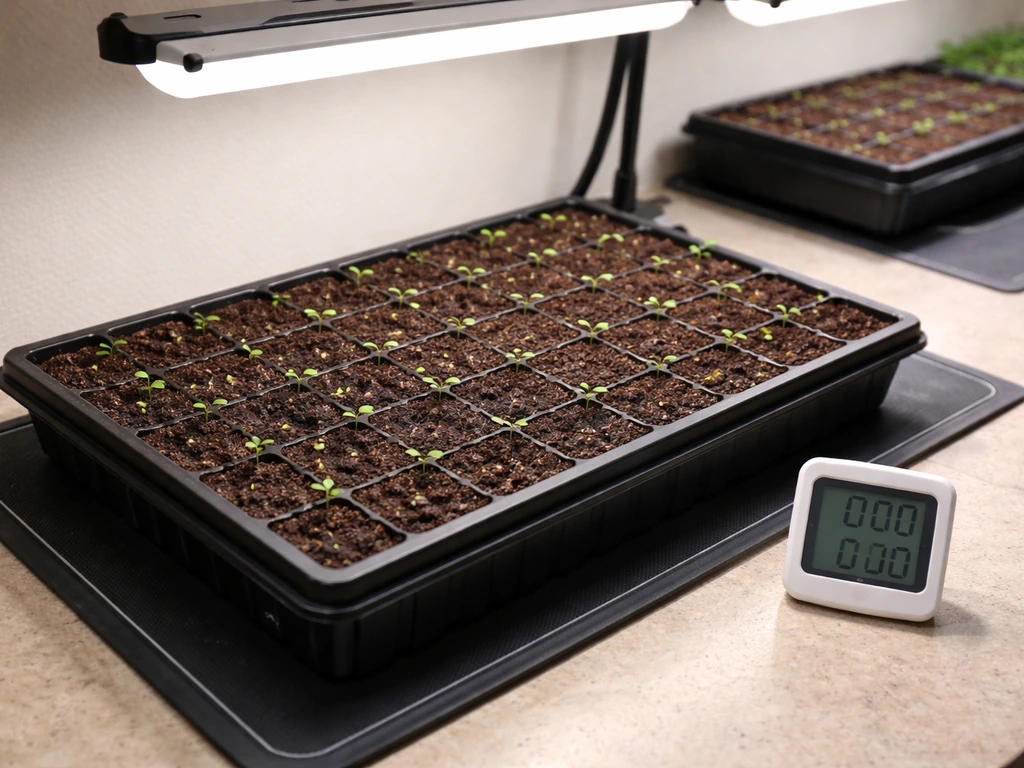
The vast majority of home growers start petunias indoors, and for good reason. Because petunias need a long head start, most extension guidance recommends sowing 8 to 10 weeks before your intended outdoor planting date. Iowa State Extension says 10 weeks before outdoor planting. Burpee recommends 8 weeks before last frost. I'd say 10 weeks is the safer number if you want full, established plants at transplant time.
So if your last frost date is May 1, you'd be sowing seeds around February 18 to March 4. That feels early, but remember: by the time you're hardening off and waiting for that last frost window, those seedlings will be exactly where you want them.
Direct sowing outdoors
Direct sowing petunia seeds outdoors is possible but genuinely tricky. The seeds are dust-fine, surface-sown, and need consistent moisture and warmth to germinate, which is hard to deliver reliably outside in spring. If you're in a warm climate (zones 9 and above) with mild springs, it can work. In most parts of the US, though, you'll lose weeks to inconsistent conditions and end up with spotty germination. If you're tempted to direct sow, wait until soil temps are reliably above 70°F and be prepared to water gently and often.
Containers vs garden beds
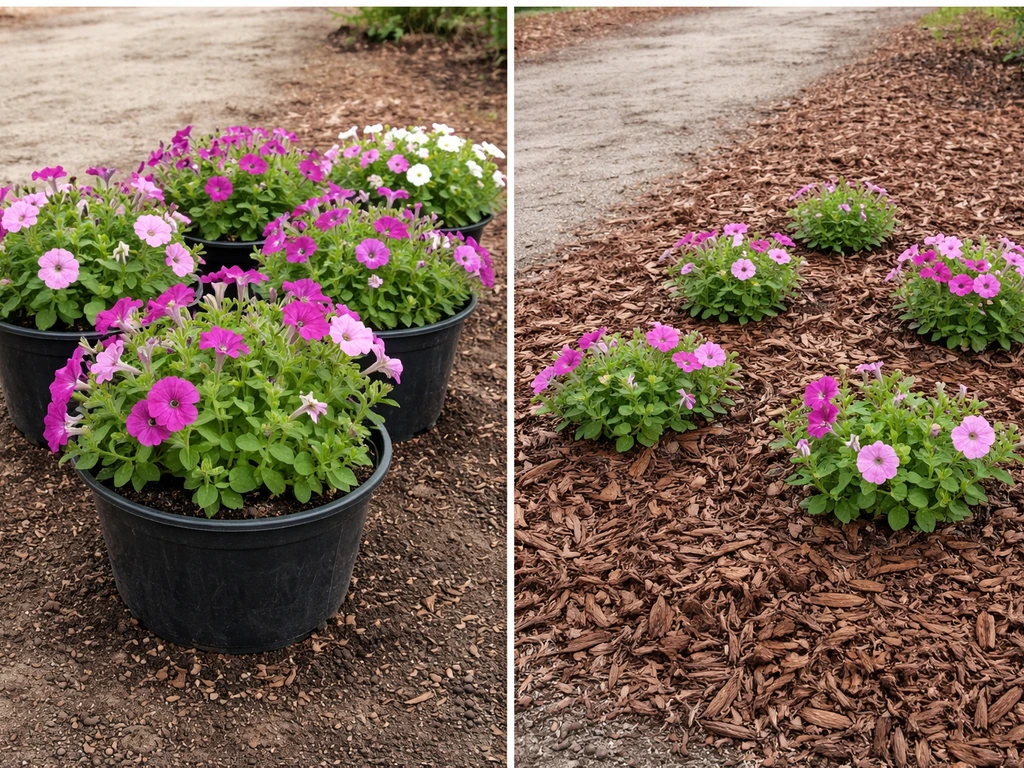
Petunias in containers tend to establish and flower slightly faster than those planted into garden beds because container soil warms up more quickly and drains better in early season. For large containers or hanging baskets where you want a fuller plant faster, start seeds 8 weeks ahead using larger cell trays or 4-inch pots, as Johnny's recommends, since those bigger transplants fill in the space better. For garden beds, smaller cell transplants work fine and may actually establish with less transplant shock.
What slow germination actually looks like (and what's causing it)
If it's been more than 14 days and you're still not seeing anything, something is off. The most common culprit by far is seed depth: if you pressed the seeds into the mix or accidentally covered them, they won't germinate because they're not getting light. This is the single most frustrating mistake to make because it's invisible. The seeds may be viable and just sitting there, waiting for light that isn't reaching them.
Other common causes of delayed or failed germination include:
- Temperature too low: anything consistently below 65°F will stall germination significantly
- Media dried out between checks: petunia seeds on the surface have almost no buffer against drying, so even one day of dry conditions can kill the germination process
- Too much moisture with no airflow, leading to mold or damping off before the seedling can establish
- Old or poorly stored seed: petunia seed viability drops notably after a year or two, especially if stored in warm or humid conditions
- Wrong lighting after sowing: putting the tray somewhere dark defeats the light requirement entirely
One thing worth knowing: not all petunias move at the same speed. Spreading and trailing types sometimes take a touch longer than upright grandifloras, and pelleted seeds can behave slightly differently than raw seed because the coating affects how quickly moisture reaches the seed. Benary's technical guides for pelleted petunia seed reference stage-by-stage timing from germination through cotyledon expansion and early flowering, so if you're using pelleted seed, check the specific cultivar notes from your supplier.
If you enjoy growing other sun-loving annuals from seed alongside your petunias, it's worth knowing that poppies take a very different approach to germination: they prefer cold stratification and don't need a head start indoors at all, making them a nice complement to a petunia-heavy planting schedule.
Petunias also share some growing similarities with other popular annuals that often get started at the same time of year. If you're starting a full tray of mixed flowers, growing impatiens from seed is another process that demands consistent warmth and light, though impatiens generally take longer to reach transplant size than petunias do. Similarly, begonias grown from seed are notoriously slow and need even more lead time, so if you're planning a mixed container for summer, start your begonias first and your petunias a few weeks behind them.
How to plan your schedule using your last frost date
The most reliable way to time petunia seeds is to count backward from your last frost date. Here's how I'd approach it:
- Find your average last frost date (USDA's frost date maps or your local extension office are both good sources)
- Subtract 10 weeks from that date: that's your indoor sowing date
- Mark week 1–2 as your germination window (expect sprouts by day 7–10)
- Mark weeks 3–8 as your seedling growth phase (true leaves, potting up if needed, hardening off prep)
- Start hardening off about 1 week before your transplant date by putting seedlings outside for increasing hours each day
- Transplant after your last frost date when nighttime temps are consistently above 50°F
- Expect first flowers 35–45 days after transplanting
For a concrete example: if you're in USDA zone 6 with a last frost around April 30, your seed sowing date would be around February 20. You'd expect germination by March 1 to 3, transplant-ready seedlings by late April, and first flowers by early to mid June. That's a very satisfying payoff for seeds started on a cold February afternoon.
If you missed your ideal sowing window, don't give up. Starting petunias 6 to 8 weeks before last frost still works, it just means slightly smaller transplants. You can also purchase transplants from a nursery and still get that 35 to 45 day transplant-to-flower window without any of the indoor seed-starting effort.
Petunias are actually one of the more forgiving annuals to start from seed once you know the light requirement rule. Compare that to geraniums, which take considerably longer to grow from seed and need even more weeks of indoor time before they're ready to go outside. If you want a slightly easier entry point into growing from seed, petunias are a great choice. They move fast, they're forgiving on timing windows, and the payoff in terms of flowers-per-dollar is genuinely hard to beat.
For gardeners who also like to grow cool-season flowers, pansies follow a completely different schedule from seed since they thrive in cooler temperatures and are often sown for fall or early spring bloom rather than summer color. Knowing the timing difference between your warm-season annuals like petunias and your cool-season ones helps you stagger your seed-starting so you're not trying to manage 10 different trays all at once.
One last tip: if you're buying plug-grown petunia starts rather than starting from seed, the timeline from plug to finished container is compressed significantly. Geranium plugs offer a similar shortcut for growers who want a head start without weeks of seed care, and the same logic applies to petunias: a well-grown plug at transplant stage can hit first flower in as little as 35 days, saving you 6 to 8 weeks of indoor seed management.
FAQ
If I do everything right, when should I expect the first sign of germination, and what if it takes longer than two weeks?
No, you should not increase the “time to see sprouts” by increasing darkness. If germination has not started after about 10 to 14 days, the most likely issue is that the seeds were covered or pressed too deep, since petunias need light to trigger sprouting. A second common fix is to verify the tray temperature is staying near 70 to 80°F, because cooler temps slow germination without changing the light requirement.
What happens if I start petunia seeds too early, will they just grow slower?
Yes, but it is safer to adjust the sowing date rather than the schedule after you already started. If you start seeds too early, seedlings can become leggy before transplanting because light intensity may not match their growth speed. As a practical safeguard, plan to transplant as soon as seedlings have roots well established and a few sets of true leaves, even if they are not fully “large,” rather than waiting for them to catch up indoors.
How much can temperature swings affect how long it takes to grow petunias from seeds?
For most home setups, “cold-warm” differences matter most. If your nights drop below the high 60s°F for long stretches, emergence can stall even if daytime is warm. If you cannot maintain the 70 to 80°F range consistently, use the heat mat or keep the seed tray in a warm room, and avoid moving the tray between locations (for example, a cool porch at night) during the germination window.
Should I fertilize before transplanting, or does that change the timeline to flowering?
Petunias generally do not need a full nutritional feeding during the germination phase. Once seedlings have true leaves, a light, balanced fertilizer at low concentration can help, but avoid overfeeding early because it can increase damping off risk if moisture is not perfectly controlled. A good rule is to start feeding only after true leaves appear and the seedlings are actively growing, then follow your fertilizer label for dilution.
Do pelleted petunia seeds take longer than raw seeds to germinate and flower?
Yes, but you should still avoid covering the seeds. Pelleted petunia seed can take a little longer to hydrate and sprout, because the coating adds a barrier that must break down. The workaround is to ensure consistent surface moisture from day one, often with a humidity dome, and to give the tray enough time in the expected germination window before assuming failure.
Does transplanting size matter for how long it takes petunias to start flowering?
It can. If you transplant too early, seedlings may look okay but establish slowly, delaying the “35 to 45 days to first flower” window. If they are pot-bound, root crowded, or transplanted when roots are still minimal, flowering can also be pushed back. Aim for transplant timing when seedlings have a few sets of true leaves and sturdy roots filling their starting cells, then keep post-transplant conditions warm and evenly watered.
If my seedlings transplant on time, what are the most common reasons they still do not flower when expected?
If they are not blooming yet, do not only blame seed timing. Petunias often need enough sun after transplanting, cooler nights can slow flowering, and containers that dry out repeatedly can delay buds. If you are within the usual transplant-to-flower window but blooms are missing, check light exposure first, then verify watering is consistent and the plants are not severely nutrient deficient.
If I buy petunia plugs instead of growing from seed, how does the timeline change?
Yes, and it changes the “how long” question. If you buy plug-grown starts, you skip the germination and early seedling patience phase, so the calendar shifts forward. A strong shortcut is to treat plug stage as a starting point and plan around the plug-to-finished timeline, which can hit first flower in roughly the mid-30s day range under good light and conditions.
Next Article
How Long Does It Take to Grow Peonies From Seed?
Learn how long peonies take from seed, key stages, and why it’s slower than bare-root, plus fixes for stalling.