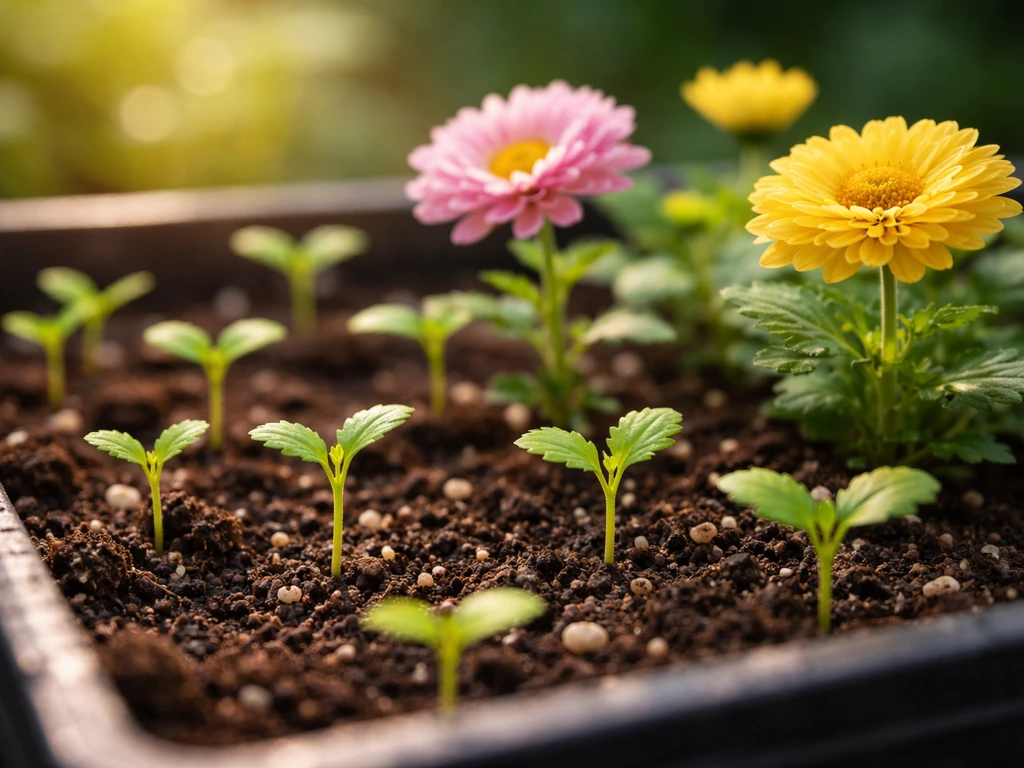
Most poppy seeds take 7 to 28 days to germinate, and you can expect first flowers anywhere from 55 days to about 115 days after sowing, depending on the type. That's a wide range, and it's intentional. Corn poppies and California poppies are fast bloomers. Breadseed poppies take longer. Oriental poppies can surprise you with how patient you need to be. The good news is that once you know which poppy you're growing and whether you're starting indoors or out, the timeline gets a lot more predictable.
How Long Do Poppies Take to Grow From Seed? Timeline
Marcus Henley
2 Apr 2026
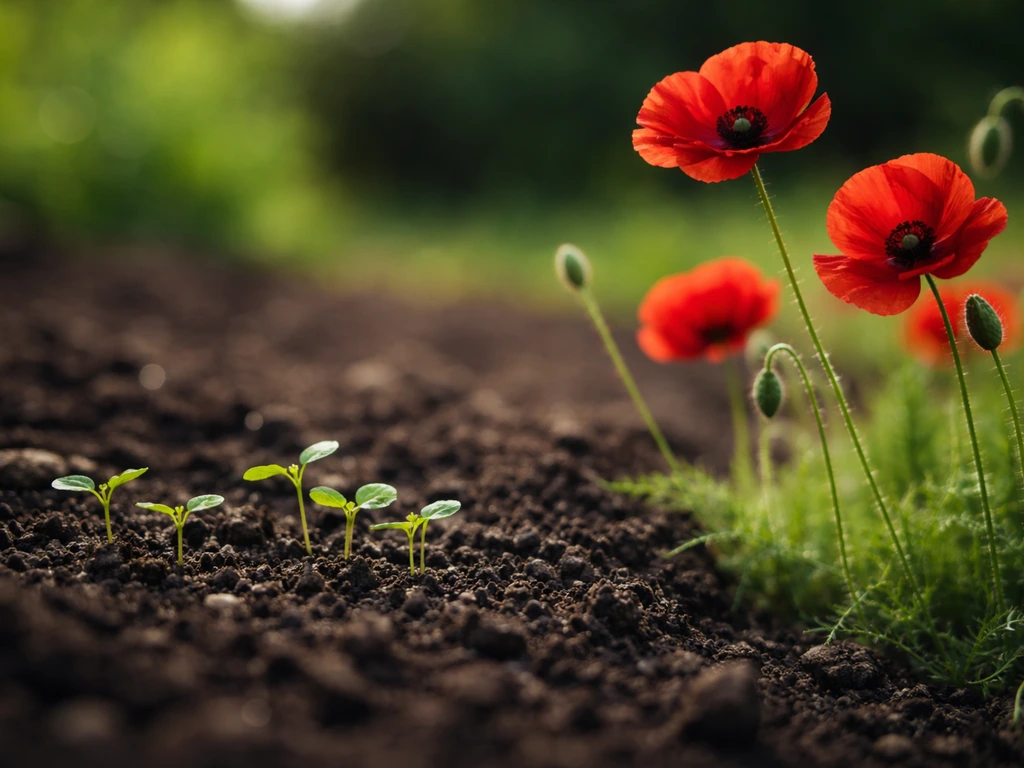
The typical poppy timeline, start to finish
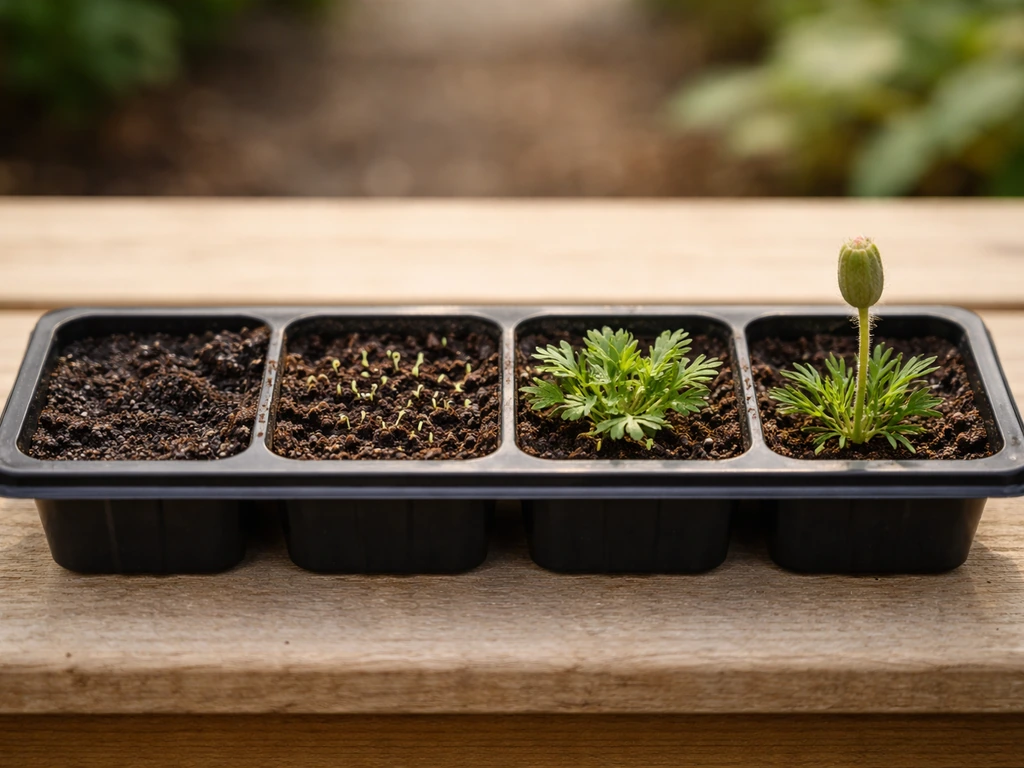
Here's a realistic view of what happens from the moment seeds go into the ground to the day you see your first flower. These are ranges, not promises, because soil temperature, moisture, and poppy type all shift the numbers.
| Poppy Type | Days to Germinate | Days to First Bloom (from sowing) | Annual or Perennial |
|---|---|---|---|
| Corn poppy (Papaver rhoeas) | 14–21 days | ~60–90 days | Annual |
| Breadseed poppy (Papaver somniferum) | 5–21 days | 95–115 days | Annual |
| California poppy (Eschscholzia californica) | 14–28 days | 55–75 days | Annual/Short-lived perennial |
| Oriental poppy (Papaver orientale) | 17–35 days (plug stage) | Second year (perennial) | Perennial |
| Iceland poppy (Papaver nudicaule) | 10–21 days | Varies; often second season | Short-lived perennial |
The numbers above assume reasonably good conditions: soil temperatures in the right range, adequate moisture, and seeds planted at the correct depth. If any of those factors are off, you'll be waiting longer or wondering what went wrong. More on that in the troubleshooting section below.
When to expect your poppy seeds to sprout
For most garden poppies, the sweet spot for germination is soil temperatures between 55 and 64°F (13–18°C). That's cooler than you might expect, which is why poppies are traditionally sown in early spring or even late fall for a spring flush. Corn poppies (Papaver rhoeas) germinate in 14 to 21 days at 60 to 75°F. Breadseed poppies can surprise you and push through in as little as 5 to 10 days when soil moisture is consistently good. California poppies tend to take 14 to 28 days depending on the source and conditions.
One thing that trips up a lot of gardeners is planting depth. This is not a one-size-fits-all situation. Corn poppies (Papaver rhoeas) actually need darkness to germinate, so they should be planted about 1/4 inch deep. California poppies are the opposite: they need light to germinate and should be surface-sown or pressed just barely into the soil. Iceland poppies and Oriental poppies also need light and should be covered with no more than 1/8 inch of soil. Burying any of these seeds too deep is one of the most common reasons germination fails.
Don't panic if nothing happens in the first two weeks, especially if your soil is on the cool side. The RHS germination guide notes that Papaver can take up to 90 days in some cases. That's an outlier, but it's a good reminder that slow doesn't always mean dead.
Indoor vs outdoor sowing: how the approach changes your timeline
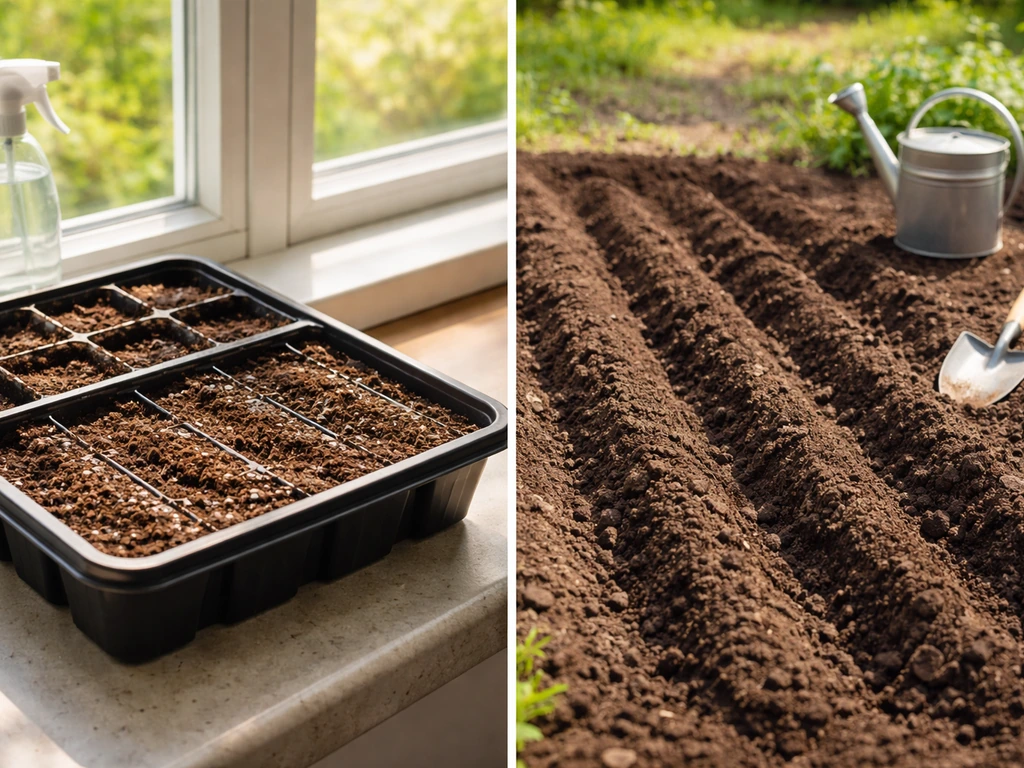
Outdoors is almost always the better choice for poppies, and for corn poppies specifically, transplanting is not recommended at all. Their taproots hate being disturbed, and any attempt to move seedlings usually ends badly. For most Papaver species, direct sowing into their final spot gives the best and most predictable results.
That said, if you want to start some types indoors, it can work with the right expectations. A reasonable indoor framework looks like this: sow seeds into individual cells or small pots, germinate under lights or in a bright window, grow seedlings for 4 to 6 weeks, then transplant out around the last frost date. That puts your indoor-to-outdoor window at roughly 5 to 7 weeks total before the plant is in the ground. From there, add the outdoor growing time to estimate when you'll see flowers.
Oriental poppy plugs, for example, are typically transplant-ready 23 to 35 days after sowing when started under controlled indoor conditions. Iceland poppies follow a similar protocol: surface sow, keep lightly moist, and handle seedlings gently if you're potting them on. If you're growing a slower-blooming perennial poppy indoors with plans to move it outside, just know that first-year flowering is often unlikely regardless of when you start. Patience is part of the deal with perennial types.
For California poppies, indoor starting is honestly not worth the trouble. They transplant poorly and bloom quickly enough outdoors that you don't gain much by starting early. Direct sow those outside as soon as soil can be worked in spring, or even in autumn in mild climates.
How poppy type and growing conditions shift the timeline
Annual poppies (the fast ones)
California poppies are the speedsters of the group. They can reach full maturity in 55 to 75 days from sowing, making them one of the faster annual flowers you can grow. Corn poppies are similar in energy, though they're more sensitive to heat and do best when sown in cool weather. Breadseed poppies need more time, typically 95 to 115 days from sowing to first flower, but they're also rewarding in a big, showy way when they finally bloom.
Perennial poppies (the patient ones)
Oriental poppies (Papaver orientale) are perennials, and like most perennials grown from seed, they rarely flower in their first year. Germination itself is reasonably quick at the right temperature: one source notes 17 days at 24°C under good light conditions. But establishing a root system and building up enough energy to flower takes a full growing season for most plants. Plan on year two for blooms. Some Papaver species studied in nursery propagation research require cold, moist stratification for up to 5 months to overcome dormancy before germination even starts. If you're working with a less common or wild-type poppy, that's worth knowing before you wonder why nothing is happening.
Temperature and moisture matter a lot
Cool soil temperatures (55 to 64°F) speed up germination compared to cold or warm extremes. The RHS members’ seed germination guide (2020 PDF) provides structured temperature-to-germination-time references that support using soil temperature ranges like 55 to 64°F for faster poppy germination Cool soil temperatures (55 to 64°F) speed up germination. Breadseed poppies are particularly responsive to consistent moisture: when soil moisture is steady, germination can happen in as few as 5 to 10 days. Let the soil dry out or swing between wet and dry, and you'll be waiting at the longer end of the range. Consistent but not soggy is the goal.
When to expect flowers and what full maturity looks like
For California poppies, the 55 to 75 day window to maturity is reliable. Once plants reach a good rosette size and the weather stays mild, blooms follow quickly. For corn poppies, expect flowers roughly 60 to 90 days after sowing under good conditions. One thing worth knowing: corn poppy cut flowers are very short-lived, lasting only 2 to 4 days in a vase. That's not a sign something went wrong; it's just the nature of the flower. If you want more blooms for cutting, stagger sowings every 2 to 3 weeks.
Breadseed poppies are the longest-season annual poppies in most gardens, with flowering beginning around 95 to 115 days from sowing. That means if you sow in early March, you're looking at mid-to-late June for first blooms at best. Worth the wait, especially for the dramatic seed heads that follow. If you enjoy growing other showy flowers with longer timelines, the experience is similar to growing peonies from seed, where patience really is the price of admission.
For perennial types like Oriental poppies, full maturity means a well-established clump that returns and blooms each year. Don't measure success by year-one performance. By year two, a properly sited Oriental poppy should be putting on a real show.
Week-by-week: what to expect after sowing
- Week 1: Seeds are settling in. Keep the soil consistently moist (not waterlogged). No visible action is normal for most types.
- Week 2: First signs of germination for fast types (breadseed, California poppy under warm conditions). Corn poppies may begin to show by day 14.
- Week 3: Most annual types should have germinated by now. If you see nothing by day 21, start troubleshooting temperature and moisture first.
- Week 4–6: Seedlings develop their first true leaves. Thin to 6–12 inches apart if sown densely. This is also your transplant window if starting indoors.
- Week 7–10: Plants bulk up, form rosettes or branching stems. Fast types like California poppy may begin setting buds.
- Week 12–16: First blooms on California and corn poppies under good conditions. Breadseed poppies may still be a few weeks away.
- Week 14–17 (breadseed only): Expect first flowers around 95–115 days from sowing. Be patient through the long vegetative phase.
Troubleshooting slow or failed germination
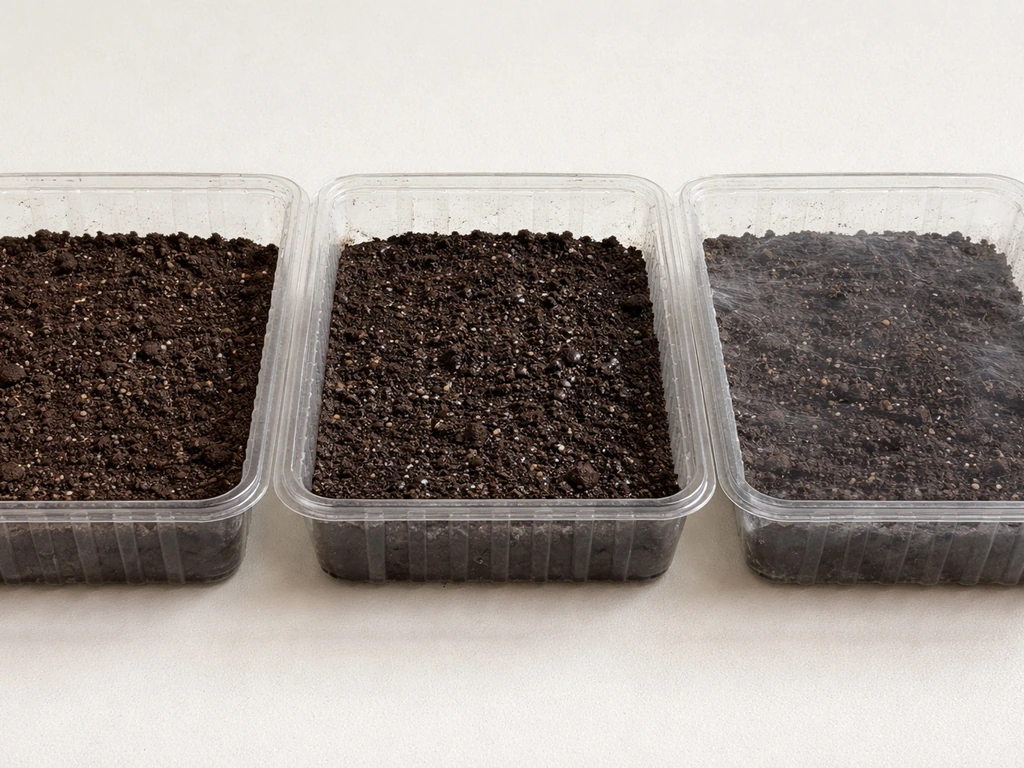
If your poppy seeds haven't sprouted after 28 days and conditions have been reasonable, it's time to run through a checklist. Most failures trace back to one of four causes: wrong planting depth, soil too wet, temperature out of range, or old/poor-quality seed.
Seeds buried too deep
This is the number one mistake. Most poppies need light to germinate and should be barely covered, no more than 1/8 inch of soil. Only corn poppies need the 1/4 inch depth for darkness. If you pressed seeds into soil and then covered them with a full layer of mix, scratch them back toward the surface. Seeds that can't access light cues simply won't sprout.
Soil too wet (damping-off risk)
Overwatering doesn't just slow germination, it can kill seeds and newly emerged seedlings through damping-off, a fungal problem that rots seedlings at the soil line. This is especially common when soils are too cool and too wet at the same time. The fix is simple: water to keep soil moist but never soggy, and make sure pots or seed beds have good drainage. If you're seeing seedlings suddenly collapse at the base after they've sprouted, damping-off is likely the culprit. Improving air circulation and letting the surface dry slightly between waterings usually stops the spread.
Temperature too cold or too warm
Poppy seeds are cool-weather germinators. Soil temperatures above 75°F will stall or prevent germination for most types. If you're starting indoors in a warm room, try moving the tray somewhere cooler, around 60 to 65°F. Outdoors, timing is everything: sow in early spring when soil is still cool, or wait for a fall sowing if you're in a warm climate. Germinating at high temperatures also increases susceptibility to damping-off, so keeping things cool serves double duty.
Old seed or stratification needed
Poppy seeds don't stay viable forever. If your seeds are more than 2 to 3 years old, germination rates drop significantly. Do a simple test: place 10 seeds on a damp paper towel, fold it up, and check in two weeks. If fewer than 5 sprout, the seed lot isn't worth sowing heavily. For certain perennial poppies, the issue may not be seed age but dormancy: some types need cold, moist stratification before they'll germinate at all. If you're working with a wild-type or unusual species, research whether pre-chilling is required before you assume failure.
When to cut your losses and resow
Give annual poppies a firm 30-day deadline. If nothing has sprouted by then and you've ruled out depth and moisture issues, resow with fresh seed. Perennial types get more grace, especially if dormancy is a factor, but 60 to 90 days with zero movement and no apparent dormancy requirement is a signal to try fresh seed or a different approach.
Comparing the most common poppies side by side
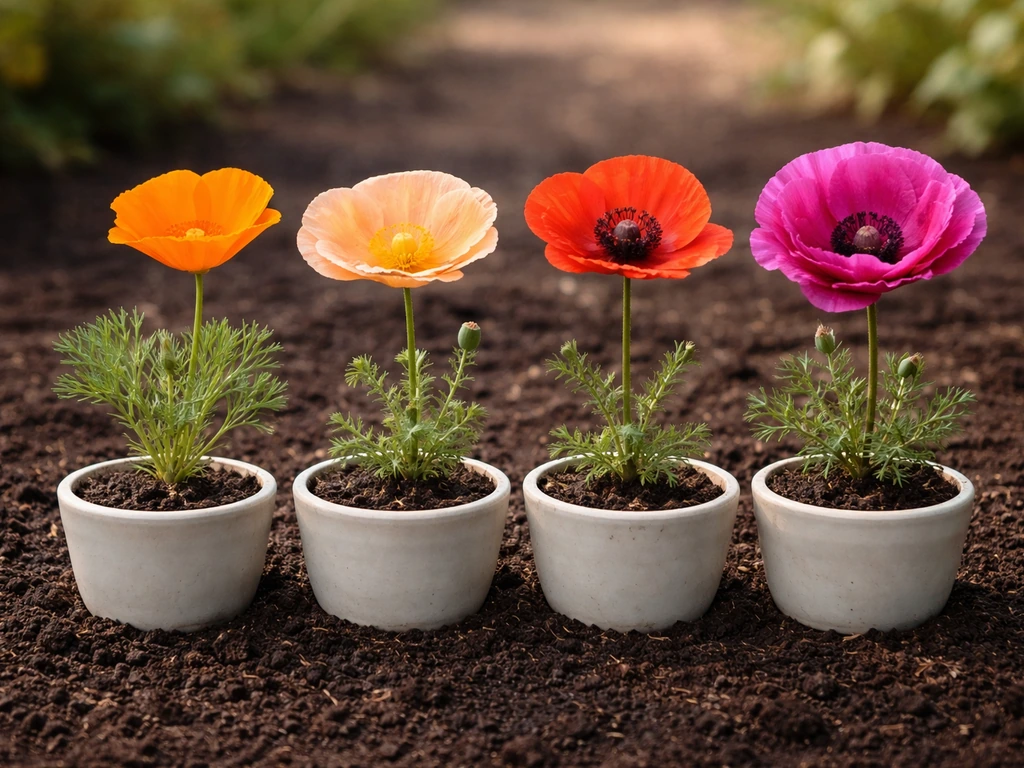
| Feature | California Poppy | Corn Poppy | Breadseed Poppy | Oriental Poppy |
|---|---|---|---|---|
| Germination time | 14–28 days | 14–21 days | 5–21 days | 17–35 days (plug stage) |
| Ideal soil temp | 55–64°F | 60–75°F | 55–64°F | ~75°F (24°C) for faster germ. |
| Light to germinate? | Yes (surface sow) | No (1/4 inch deep) | Surface/barely covered | Yes (1/8 inch or less) |
| Days to first flower | 55–75 days | 60–90 days | 95–115 days | Year 2 (perennial) |
| Transplant friendly? | No | No | With care | Yes (as plugs) |
| Stratification needed? | No | No | No | Sometimes (wild types) |
If you're choosing between types purely based on speed and simplicity, California poppy wins. It's fast, low-maintenance, and forgiving. Corn poppies are a close second and produce those classic scarlet blooms most people picture when they think of poppies. Breadseed poppies are worth the extra weeks if you want something showier and more cottage-garden in style. Oriental poppies are a longer game but a genuinely beautiful perennial investment.
Planning your sowing schedule around these timelines
Work backwards from when you want flowers. If you want California poppies blooming in late May, count back 60 to 75 days and you're looking at a mid-March direct sow, which lines up well with cool spring soil in most climates. For corn poppies at peak in early June, a late March sow makes sense. For breadseed poppies in June, you'd want to sow no later than late February to early March.
Poppies are great companions in a mixed annual bed. If you also grow pansies from seed, you'll find the timing overlaps nicely: both prefer cool soil and early-spring sowing, and they make excellent planting companions for a spring border. Similarly, petunias started from seeds are often seeded indoors around the same planning window, though they need warmer conditions and a longer indoor period than poppies do.
If you're building a full annual flower bed, it helps to know that other popular flowers have very different timelines. Growing impatiens from seed takes considerably longer to reach transplant size, and they need warmth that poppies would find stressful. Starting begonias from seed is one of the more time-intensive projects in the annual category. Poppies, by contrast, are among the easier and faster flowers you can direct sow, which is part of what makes them so rewarding for newer gardeners.
For those who like to grow a mix of annuals and perennials, knowing the timelines for other perennial flowers helps with planning. Geraniums grown from seed follow a more predictable annual schedule than perennial poppies, while geranium plugs offer a shortcut if you want established plants faster. Either way, getting your timelines straight before you start is what separates a garden that comes together on schedule from one that leaves you wondering what happened.
FAQ
Do poppies take longer to grow if I start them indoors, compared with direct sowing?
It depends on the type, but indoor starts usually only affect how quickly they reach the garden. Many poppies still take the same number of days from sowing to first bloom once they’re in the ground, and some transplant poorly, so direct sowing is often the faster route to flowers for the garden.
What soil temperature is safest if I want the fastest germination without stalling?
Aim for the mid range the article mentions, about 55 to 64°F for most garden types. Once soil regularly exceeds 75°F, germination tends to stall, so a warm windowsill, heat mats, or sunny hot beds can slow or prevent sprouting.
Should I keep poppy seeds in the dark or the light after sowing?
Follow the species depth rule. Corn poppies need darkness to germinate, while most other garden poppies need light and only a barely covered surface, usually no more than about 1/8 inch. If you mix up the light requirement, you can extend the timeline dramatically or get no germination.
How do I tell the difference between slow germination and a problem like damping off?
Damping off usually shows up after seeds have sprouted, with seedlings collapsing at the soil line, often after overly wet conditions. Slow germination looks like no emergence yet, then gradual sprouting. If the surface stays soggy or stays wet for days, prioritize reducing water and improving airflow.
If my poppies haven’t sprouted by a month, should I wait or resow?
For annual poppies, a practical cutoff is around 30 days under reasonable conditions. At that point, resow with fresh seed, especially if soil has been warm or the seed packet is older. Perennials can take longer due to dormancy, so they get more patience, but total stagnation with no signs can still justify a refresh.
Does seed age affect how long poppies take, or is it only a germination-rate issue?
Older seed often does both, it germinates less reliably and may take longer to show any sprouting. A quick paper-towel germination test helps you decide whether to troubleshoot the environment or switch to a newer lot.
Can I speed up poppies by watering more often or keeping the soil constantly wet?
Usually no. Consistently damp can help types like breadseed poppies, but constantly wet conditions raise the risk of fungal damping off and can kill seeds. The target is steady moisture without soggy soil, and letting the surface dry slightly between waterings.
Do poppies need fertilizer to bloom on schedule?
Generally, no during germination. Overfeeding, especially high nitrogen, can delay flowering and produce weak growth. A better approach is to keep the soil reasonably fertile, then consider a light, balanced feed later in the season if plants look underpowered.
Why do some Oriental poppies stay vegetative the first year after I sowed?
Oriental poppies are perennials and commonly don’t flower in their first year even if germination is fine. The calendar for blooms is usually about building enough root and energy across a full growing season, so your timeline expectation should be closer to year two for flowers.
How can I plan for cut flowers if corn poppies bloom but don’t last in a vase?
If you want more usable cut blooms, stagger sowings every couple of weeks rather than sowing everything at once. That spreads the bloom window and gives you repeat cutting days, even though individual flowers remain short-lived.
Next Article
How Long Does It Take to Grow Chrysanthemums from Seeds
Timeline for growing mums from seeds: sowing to germination, transplant readiness, flowering and maturity, plus key vari