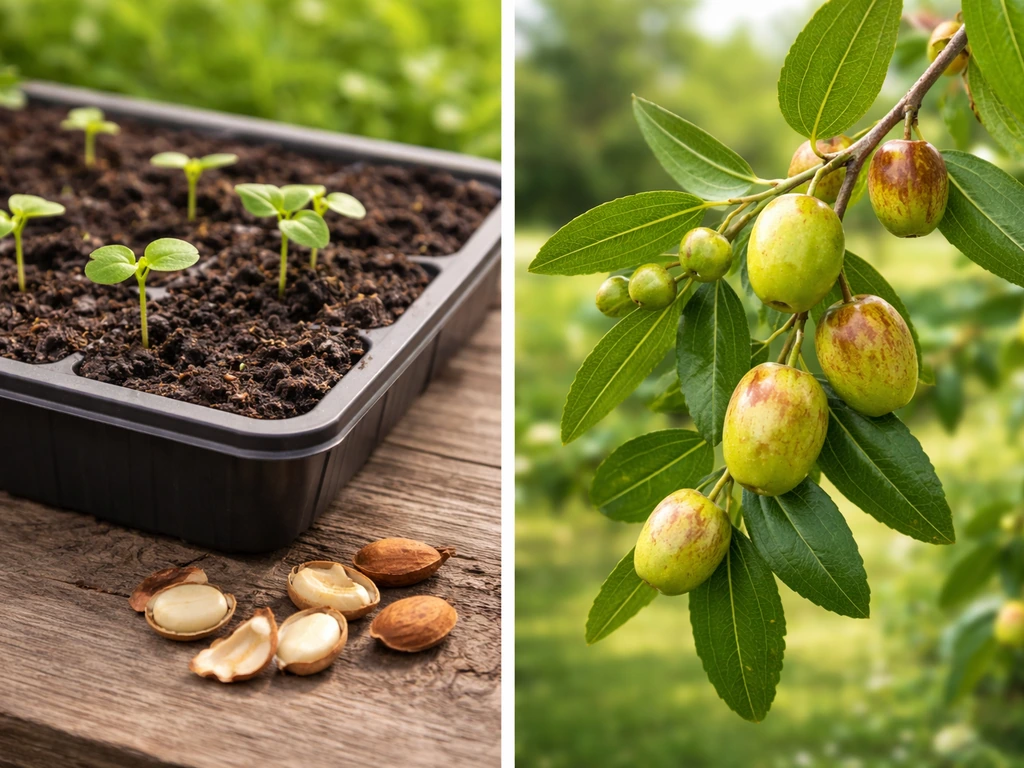
Kumquat seeds typically germinate in 2 to 3 weeks under ideal conditions. Getting to a sturdy, established seedling takes another 2 to 3 months. But if your goal is actually eating fruit from a seed-grown kumquat tree, you're looking at anywhere from 5 to 15 years, and that's not a typo. The germination part is actually the easy bit. The long juvenile phase before a seed-grown citrus tree decides to fruit is what catches most growers off guard.
How Long Does It Take to Grow Kumquat From Seed

Marcus Henley
28 Apr 2026
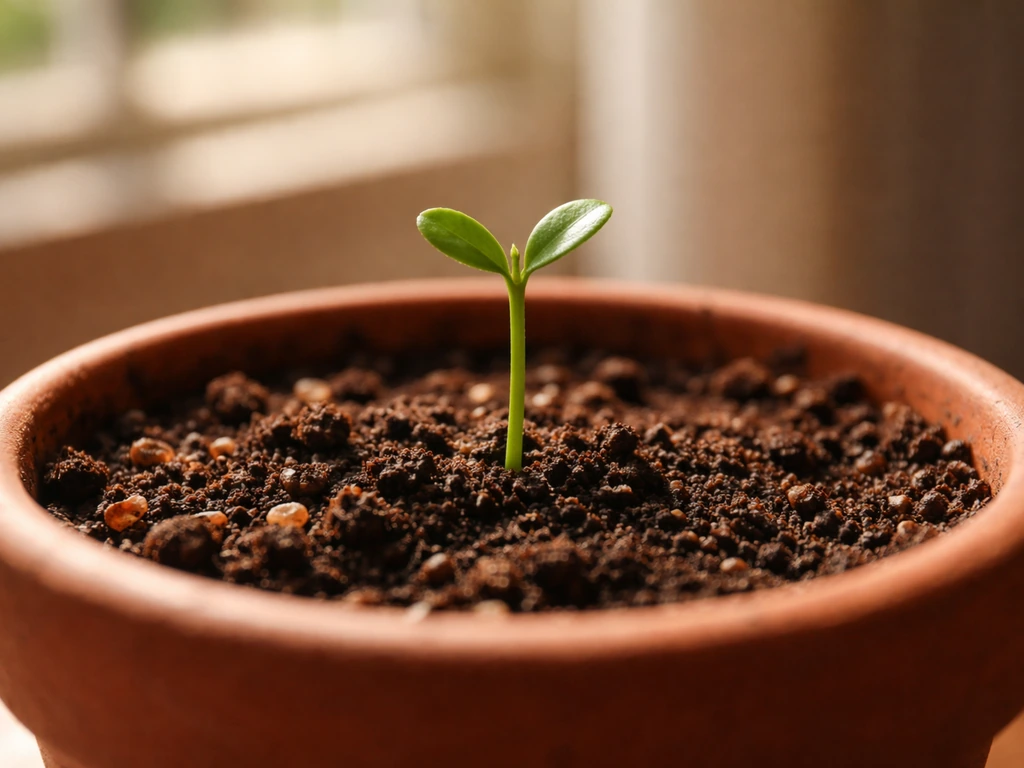
Typical kumquat seed germination timeline
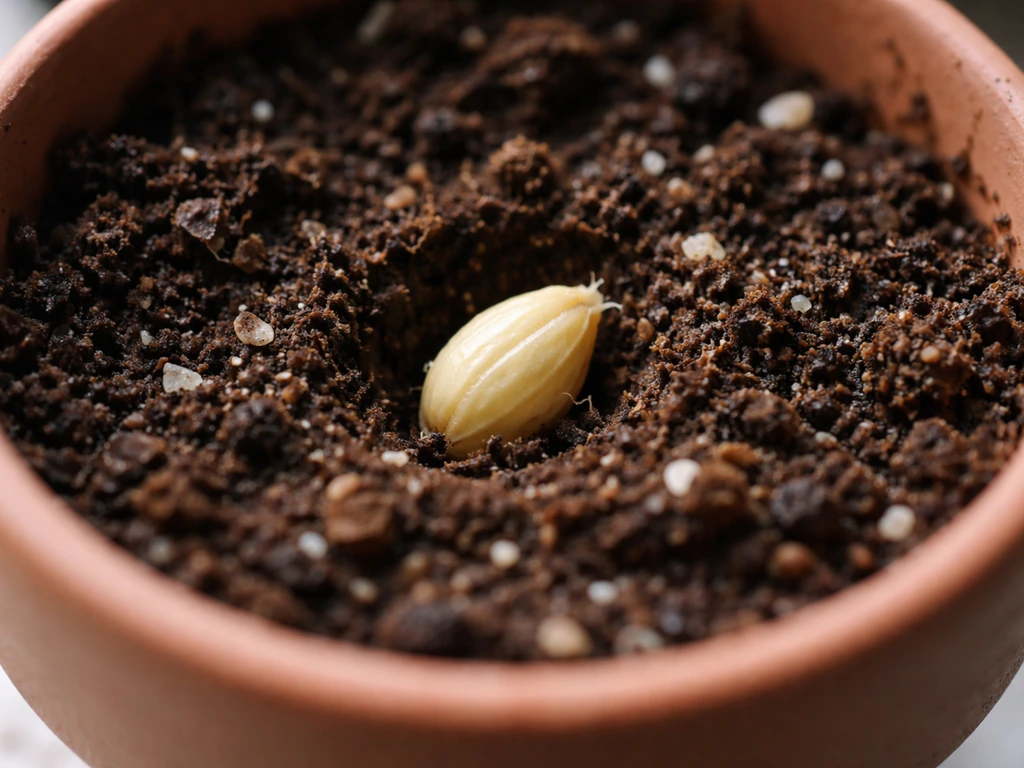
Under warm, moist conditions with good soil aeration, you can expect kumquat seeds to sprout within 2 to 3 weeks of planting. That timeline assumes the seeds are fresh (taken from ripe fruit recently), the soil temperature is consistently warm (around 75 to 85°F is the sweet spot), and moisture levels are kept steady without waterlogging. Fresh seed germination rates can be as high as 80% when conditions are right. Older or dried-out seeds are a different story, viability drops off noticeably once seeds have been sitting around.
One thing worth knowing about kumquats specifically: they're rarely grown from seed commercially, and PROSEA notes that seed-grown kumquat seedlings can be less vigorous than their vegetatively propagated counterparts. So even when germination succeeds, you're working with a plant that may need extra attention through its early life.
Seedling stage: how long until it's established
Once your kumquat seed sprouts, expect to spend the next 2 to 3 months nursing it through the seedling stage before it looks like a real plant. During this period, the seedling is putting down roots and producing its first true leaves. It's fragile and sensitive to temperature swings, overwatering, and too much direct sun too early. Keep it in bright, indirect light and protect it from anything below about 55°F.
By months 3 to 6, a well-cared-for kumquat seedling should have several inches of growth and a more established root system. At this point you can start transitioning it to more direct sunlight and begin light feeding with a balanced citrus fertilizer. It won't look like a tree yet, but you'll have a real plant on your hands. Getting through year one successfully is the milestone to aim for.
How long until a kumquat tree is mature enough to fruit
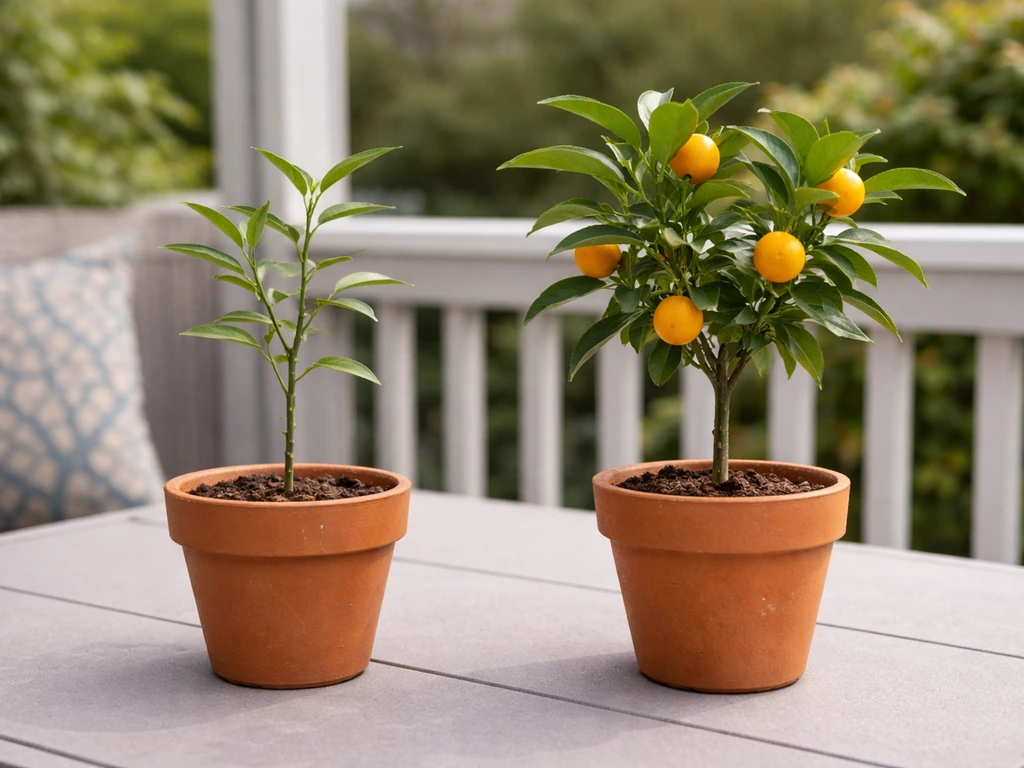
This is where expectations need a serious reality check. A seed-grown kumquat tree goes through a juvenile phase, and citrus juvenile phases are notoriously long. Most seed-grown kumquats won't produce any fruit for at least 5 years, and for many growers the wait is closer to 10 to 15 years. Some sources put the extreme end at 15 years for the first fruit. Even then, the tree may not produce fruit true to the parent variety, since seed-grown citrus doesn't always replicate the parent's traits.
Compare that to a grafted kumquat tree purchased from a nursery: GrowVeg reports those typically begin bearing fruit about 2 to 3 years after planting. That's a massive difference. The long wait from seed isn't unique to kumquats either. If you've looked into growing kiwi or jujube from seed, you'll know that many fruiting trees have extended juvenile periods that make seed-to-fruit timelines much longer than people expect. If you’re wondering about speed and patience for kiwi too, check how long it takes to grow kiwi from seed before you start how long does it take to grow kiwi from seed.
| Method | Time to First Fruit | True to Parent Variety |
|---|---|---|
| Seed-grown | 5 to 15+ years | Not guaranteed |
| Grafted tree (nursery) | 2 to 3 years after planting | Yes |
| Microbudded tree | As few as 2 years | Yes |
Factors that change the timeline
Several variables can push your germination and growth timeline in either direction. Understanding these helps you know what you can actually control.
Temperature
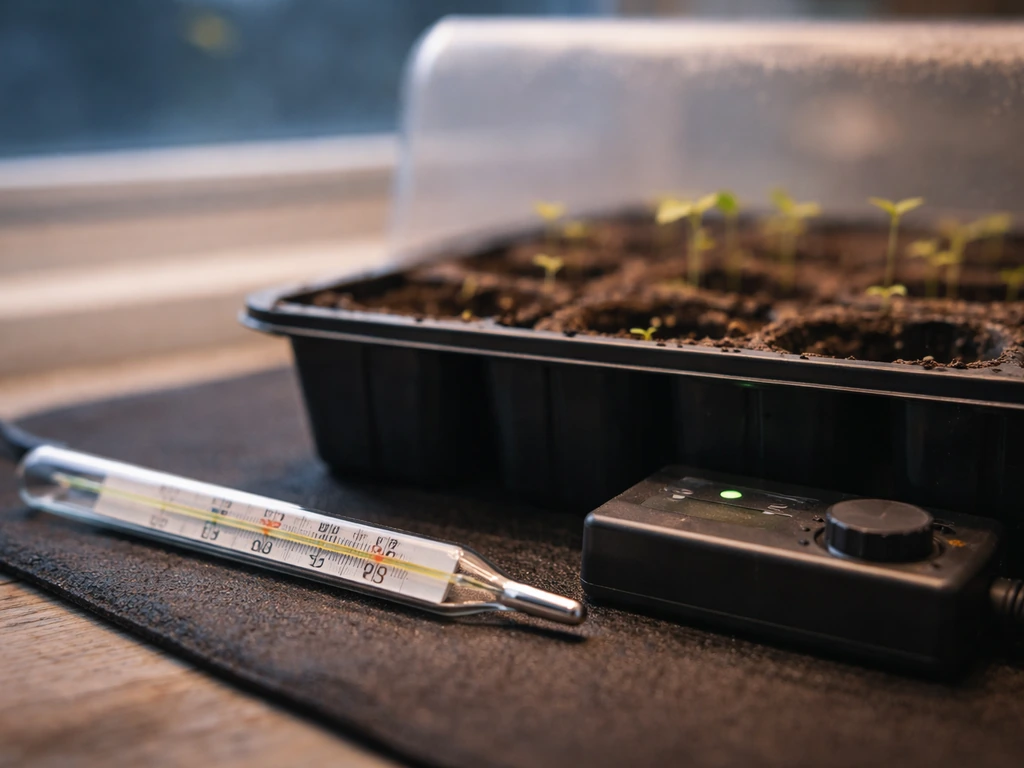
Temperature is the biggest lever you have over germination speed. UC Master Gardener guidance points to roughly 85°F during the day and 70°F at night as an optimal range for strong citrus germination. Below 65°F, germination slows dramatically or stalls entirely. A soil thermometer (the probe type) is worth using here, air temperature in your room can be 70°F while soil in a pot near a window is much cooler. A seedling heat mat solves this problem cheaply.
Seed freshness and viability
Fresh seeds pulled directly from ripe fruit give you the best shot. Kumquat seeds don't store well, and germination rates fall quickly once seeds dry out. If you're working with seeds that have been sitting in an envelope for months, don't be surprised if most don't sprout. Aim to plant within days of extracting seeds from the fruit.
Light
During germination, diffuse or indirect light works better than intense direct sun. Once the seedling emerges, gradually increasing light exposure over several weeks helps it adapt without stress. Indoors, a grow light on a 14 to 16 hour cycle can substitute for natural sunlight during the seedling stage.
Stratification
Unlike some seeds from cold-climate trees, kumquat seeds don't require cold stratification to germinate. They're subtropical and want warmth. Stratification is a useful dormancy-breaking tool for many temperate species, but for kumquats you can skip it entirely and go straight to warm, moist planting conditions.
Practical steps to speed up germination and early growth
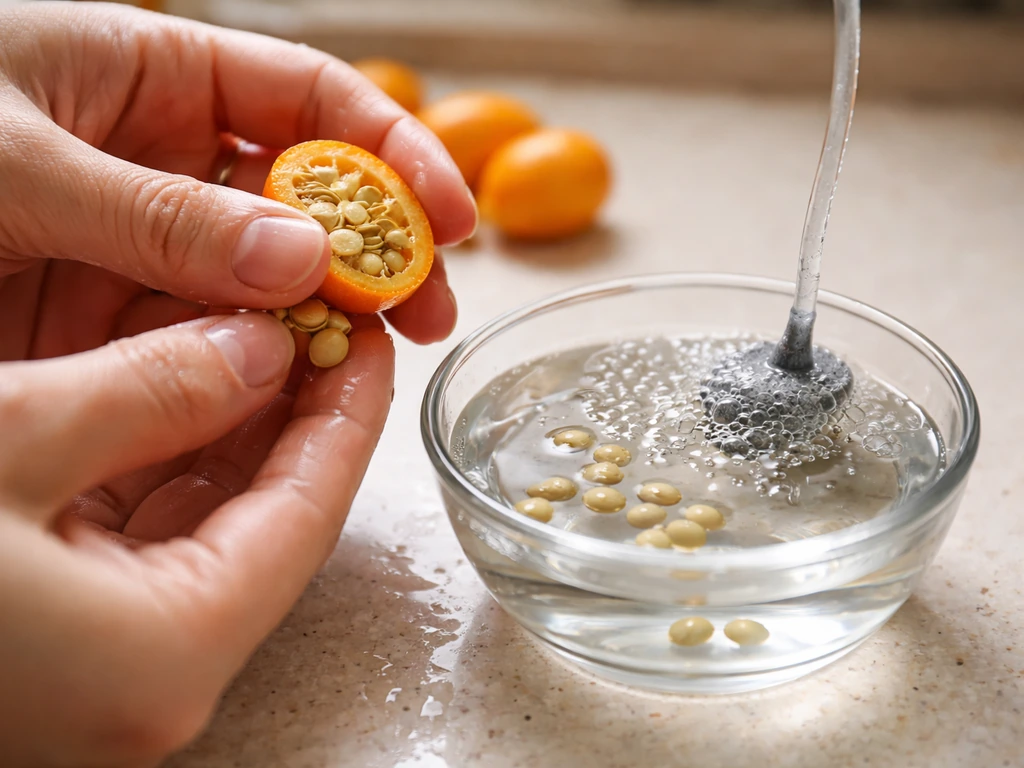
There are a few concrete things you can do right now that genuinely move the needle on germination speed. UF/IFAS research confirms that seed coat removal and pre-soaking in aerated water for about 8 hours before planting can meaningfully reduce the time to germination and seedling emergence. Here's the full process:
- Extract seeds from fresh, ripe kumquat fruit. Rinse them in diluted water (a light bleach rinse is fine, then rinse thoroughly with clean water) to remove any pulp and reduce disease risk.
- Soak seeds in aerated water for 8 hours before planting. A simple aquarium air stone works, or just change the water every couple of hours. This helps the seed absorb water faster and triggers germination.
- Carefully remove the outer seed coat if you can do so without damaging the embryo inside. This isn't required, but it speeds things up by letting water reach the seed more quickly.
- Plant seeds about half an inch deep in a well-draining citrus or seed-starting mix. Don't use heavy garden soil — drainage and aeration matter a lot.
- Keep soil temperature between 75 and 85°F using a heat mat. Check with a probe thermometer rather than guessing.
- Cover the pot loosely with plastic wrap or a humidity dome to retain moisture during germination. Remove it once sprouts appear.
- Place in bright, indirect light. A south-facing window or a grow light works well indoors.
- Check moisture daily. The soil should feel like a wrung-out sponge — moist but not soggy.
Follow these steps and you should see sprouts in 2 to 3 weeks. If you're not seeing anything by week 4, it's time to troubleshoot.
Troubleshooting slow or failed kumquat seed growth
Slow germination or complete failure is frustrating, but it almost always comes down to one of a handful of causes. Run through this checklist before giving up:
- Soil too cold: This is the most common cause. If your soil temperature is below 65°F, germination will be very slow or not happen at all. Get a heat mat and check with a probe thermometer.
- Seeds were too old or dried out: Kumquat seeds have short viability. If seeds were stored dry for more than a few weeks, germination rates drop sharply. Sourcing fresh seeds from fruit is the fix.
- Overwatering: Soggy soil cuts off oxygen to the seed, which stops germination. The soil should be moist, not wet. If there's standing water or the mix smells off, let it dry slightly and improve drainage.
- Underwatering: Seeds need consistent moisture to germinate. If the surface of the soil dries out completely between checks, the germination process stalls. A humidity dome helps maintain steady moisture.
- Planting depth: Too deep (over an inch) slows emergence. Half an inch is ideal for citrus seeds.
- Poor quality seeds: If seeds look shriveled, discolored, or hollow when you press them lightly, they may not be viable. Always use plump, firm seeds from healthy fruit.
- Disease or mold: White fuzz on soil or seeds often means fungal issues, usually from too much moisture with not enough airflow. A light fan circulation and less frequent watering usually fixes this.
If you've addressed all of the above and still have nothing after 5 to 6 weeks, the seeds likely weren't viable. Start over with fresher seeds, it's the fastest path forward at that point rather than waiting indefinitely.
When to switch expectations or methods
Growing kumquat from seed is a genuinely rewarding experiment, and if you enjoy the process for its own sake, go for it. But if your main goal is a kumquat tree that actually produces fruit in a reasonable timeframe, seed-growing is a hard sell. If you’re asking specifically how long to grow butternut squash from seed, the timeline is much shorter than many fruit trees, since squash reach harvest in a single growing season. A 5 to 15 year wait for fruit that might not even resemble the parent variety is a tough deal compared to picking up a grafted tree from a nursery.
Here's a practical decision guide: if you sow seeds, get them sprouting, and enjoy watching the seedling grow, great. But if you hit year two with a healthy seedling and you're already impatient for fruit, that's the moment to also invest in a grafted tree. The two approaches don't have to be mutually exclusive. Many growers keep a seed-grown plant as a long-term project or for rootstock purposes while a grafted tree delivers fruit much sooner.
Grafted kumquat trees are widely available at garden centers and online nurseries, and they'll typically start fruiting within 2 to 3 years. Cuttings are another option if you have access to a healthy parent tree, though rooting citrus cuttings requires some extra care. Either way, both methods preserve the variety's traits in a way that seed-growing can't guarantee.
It's worth noting that the long juvenile phase problem isn't unique to kumquats. Anyone who's looked into growing papaya or kiwi from seed knows the same math applies: the seed-to-fruit timeline is almost always much longer than what you'd get buying an established plant. If you're wondering how long it takes, the seed-to-fruit timeline for papaya is often much longer than most people expect grow papaya from seed. Knowing that going in helps you plan more realistically and avoid disappointment.
Bottom line: start seeds if you want the experience and have patience to spare. Switch to a grafted tree if fruit is the goal. There's no shame in doing both at the same time.
FAQ
If my kumquat seeds sprout, will the tree fruit earlier or still take the full 5 to 15 years?
Sprouting quickly only addresses the germination stage, the juvenile phase still typically lasts several years. Even vigorous seedlings often take 5+ years for first fruit, and timing can stretch toward 10 to 15 depending on growing conditions (light intensity, winter temperatures, and overall vigor).
What’s the best container and soil mix to avoid slowing down my kumquat seedling after it sprouts?
Use a small pot for the first stage (for example 4 to 6 inches) with fast-draining citrus mix, or a blend that stays airy (potting mix plus extra perlite or pumice). Poor drainage can cause root stress, which often shows up as slow growth even if germination was normal.
Do I need to repot my seedling, and when should I do it?
Repot when the seedling has established roots and the current pot looks crowded, usually after a couple of months. Avoid frequent repotting in tiny plants, and don’t size up too aggressively, because excess wet soil can lead to overwatering and damping-off.
How much sunlight should I give after germination, and how do I prevent sun shock?
Start with bright indirect light, then increase direct sun gradually over several weeks. If leaves bleach or curl, back off for a week and resume slower. Outdoors, acclimate in mild morning sun before moving to stronger midday exposure.
Should I fertilize right away once seedlings emerge?
Skip heavy feeding immediately after sprouting. Wait until you have true leaves and steady growth, then start light with a balanced citrus fertilizer at low strength. Overfertilizing early can damage tender roots, especially if the plant is still adjusting indoors.
What temperature should I keep once the seedling is established, especially during colder months?
Keep it away from sustained dips below about 55°F, because cold stress can slow growth and harm tender new flushes. If you’re moving indoors for winter, aim for consistently warm conditions and steady light rather than letting it swing between warm days and cold nights.
If I still have no sprouts by week 4, should I keep waiting or troubleshoot immediately?
By week 4 with no movement, troubleshoot first, check soil temperature and moisture balance, and make sure seeds were fresh enough to begin with. After week 5 to 6 without any signs of emergence, viability is often the issue, and starting with fresher seeds is usually the fastest fix.
Do kumquat seeds need cold stratification to germinate in my climate?
Typically no. Kumquat seeds are warm and subtropical, so they generally germinate best with warm, moist conditions without needing a cold dormancy period. Stratification can be unnecessary and may even delay timing if your main goal is quick sprouting.
Can seed-grown kumquats stay true to the variety, or will the fruit differ?
They often won’t be identical to the parent variety. Seed-grown citrus can be variable, so you might get fruit that looks or tastes different. If you need consistent fruit quality, that’s where grafted trees are the practical choice.
Is using seed coat removal and pre-soaking worth it, and does it increase risk?
It can speed up emergence, but handle seeds carefully to avoid damaging the embryo. If you remove the seed coat, keep the environment humid but not waterlogged, and use aerated soaking water so oxygen is available during the pre-soak period.
What’s the fastest path to fruit if I really care about eating kumquats sooner?
A grafted kumquat is usually the quickest route to fruit, commonly around 2 to 3 years after planting under good conditions. You can still keep your seedling as a long-term project while using the grafted tree for near-term harvest.
Next Article
How Long to Grow Jujube From Seed to Fruit: Timeline
Jujube seed to fruit timeline: germination, juvenile growth, first flowering and fruiting, plus tips to fix delays.