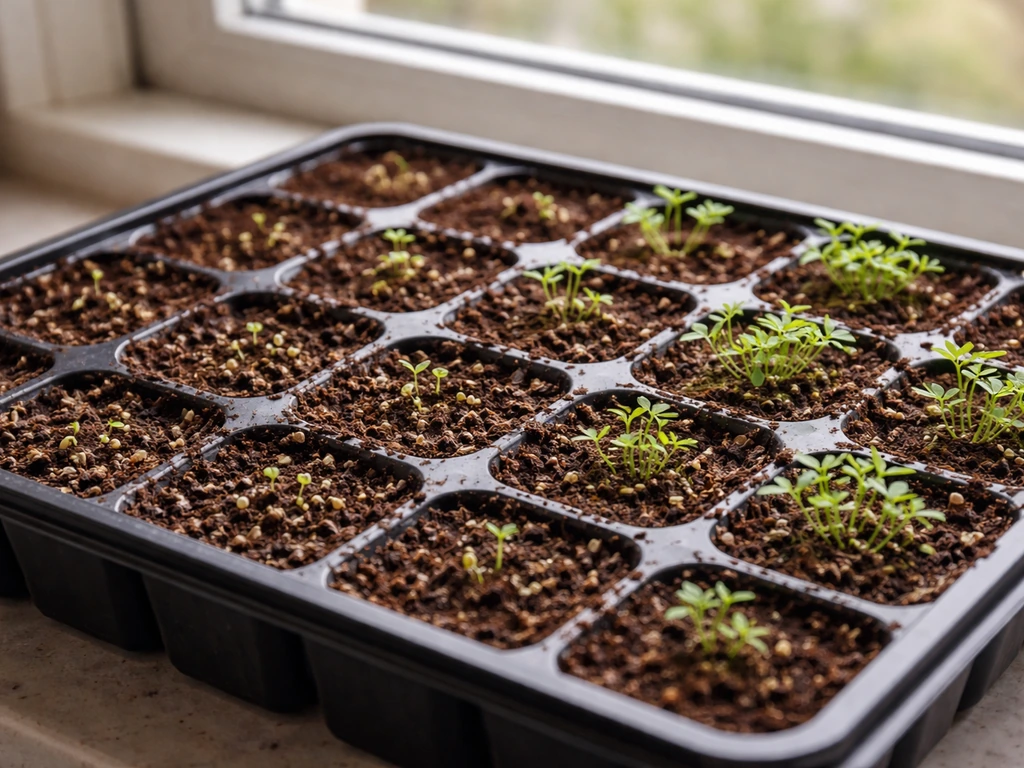
Growing a lime tree from seed takes patience: you can expect germination in 2 to 8 weeks, a transplant-ready seedling in about 6 to 12 months, and a tree large enough to thrive outdoors or in a big pot within 2 to 3 years. First fruit is the long game. Seed-grown lime trees typically take 4 to 10 years to produce fruit, though key limes are sometimes more cooperative at 3 to 6 years. If your goal is fruit fast, grafted nursery trees beat seeds every time. But if you want to grow from seed for the experience, the challenge, or because you have a fresh lime in hand right now, this guide will walk you through every stage with honest expectations.
How Long to Grow a Lime Tree From Seed: Timeline
Marcus Henley
19 May 2026
Realistic timeline from lime seed to sprout
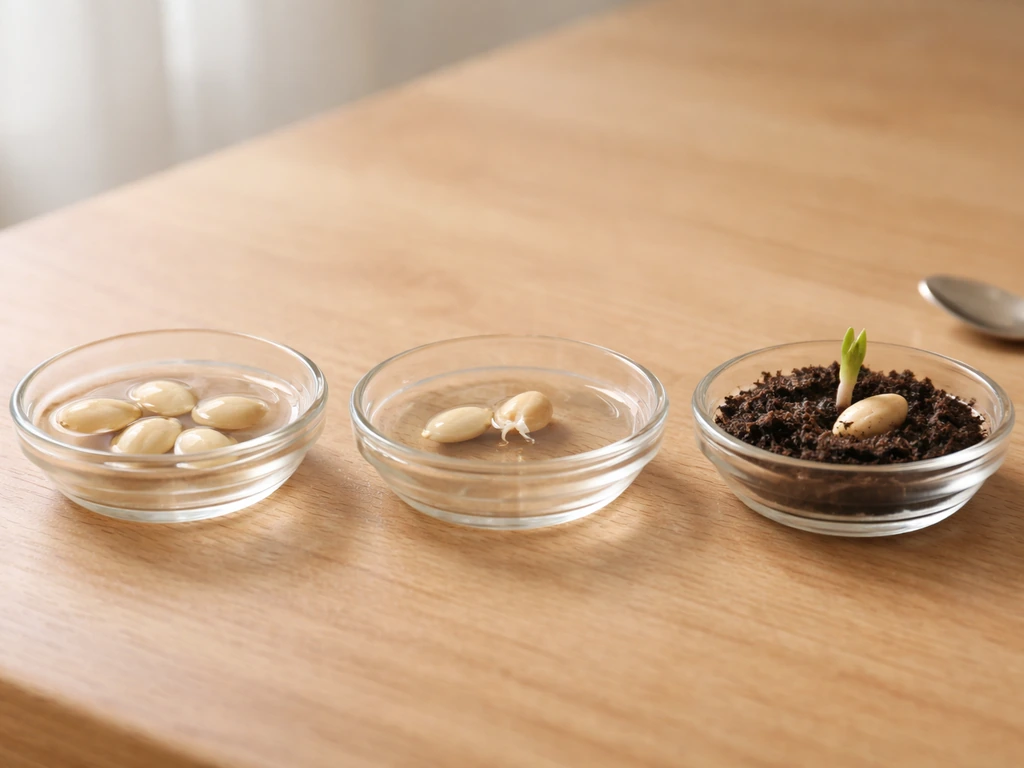
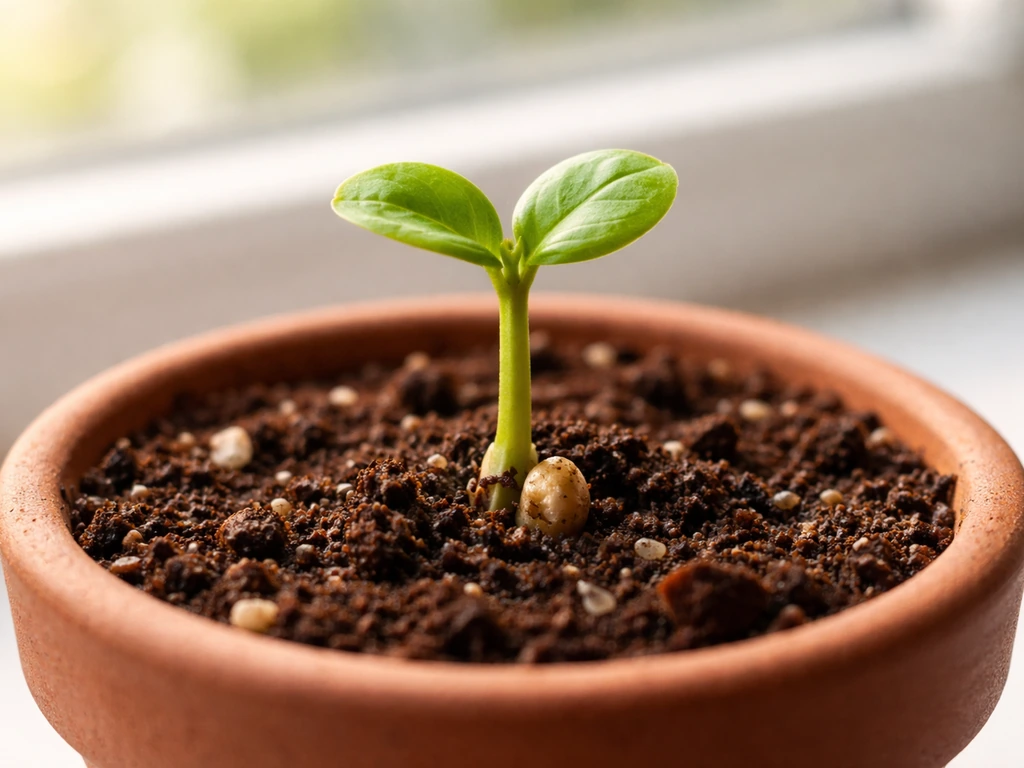
Under good conditions, lime seeds typically germinate in 2 to 8 weeks. Seeds will germinate in 30 to 60 days when internal seed barriers are favorable or removed germinate in 2 to 8 weeks. The sweet spot is closer to 2 to 4 weeks when you nail the temperature and keep moisture consistent. Push the temperature below 65°F or let the soil dry out even once, and you can easily stretch that window toward 6 to 8 weeks, or lose the seeds entirely.
Temperature is one of the biggest levers. Citrus seeds germinate best around 70 to 85°F. A heat mat set to around 75 to 80°F under your seed tray makes a real difference, especially if you're starting seeds indoors in a cool room. Research on seed germination behavior consistently shows that incubation temperature and time interact directly: warmer conditions accelerate emergence, while cooler temps slow or stall it. p3s3 how long does it take cantaloupe to grow from seed? (related timing) can help you compare sprouting pace across crops too, since many plants are sensitive to temperature and early consistency like citrus seeds are here)"}.
Seed freshness matters just as much as temperature. Lime seeds are recalcitrant, meaning they don't store well and lose viability quickly. Fresh seeds extracted from a lime you just cut open will dramatically outperform seeds that have been sitting in a packet for months. Studies on related citrus species show germination rates can drop to zero after eight months of improper storage. If you're using seeds from a store-bought lime, plant them the same day you extract them. Rinse off any pulp, let them air-dry briefly (no more than a few hours), and get them in the ground.
One helpful prep step: soak your fresh lime seeds in plain tap water for 24 to 48 hours before planting. This softens the seed coat and removes any remaining gel-like membrane that can slow water absorption. Don't go beyond 2 to 3 days of soaking, as prolonged soaking can promote rot.
| Stage | Realistic Timeframe | Key Variable |
|---|---|---|
| Germination (sprout visible) | 2 to 8 weeks | Temperature, seed freshness |
| First true leaves | 4 to 10 weeks from planting | Light, moisture consistency |
| Transplant-ready seedling | 6 to 12 months | Container size, feeding, light |
| Established young tree | 2 to 3 years | Pot size, root health, outdoor transition |
| First fruit (key lime) | 3 to 6 years | Variety, growing conditions, light |
| First fruit (other limes) | 4 to 10 years | Juvenile phase, tree vigor, variety |
Seedling establishment milestones: potting, light, and watering
Once your lime seedling pokes above the soil, the next milestone is getting it to the true-leaf stage and then into its first proper pot. Here's how to think about each piece of that puzzle.
Potting
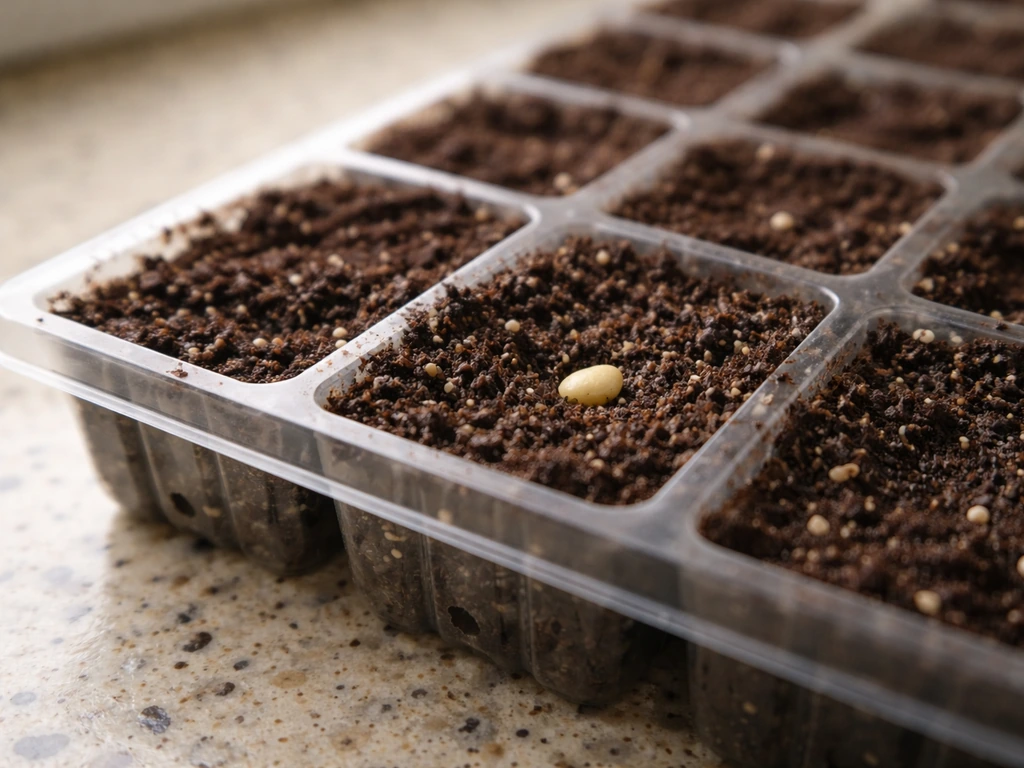
Start lime seeds in small containers or cells with a well-draining seed-starting mix. Avoid potting soil for germination as it holds too much moisture and increases disease risk. Once the seedling has 2 to 3 sets of true leaves and you can see healthy roots approaching the edges of the container, move it up to a 4- to 6-inch pot with a citrus-specific or well-draining potting mix. The general rule is to transplant before the roots form dense mats but after the plant is clearly stable and growing. Rushing the pot-up when the seedling is still fragile can set it back significantly.
Light
Lime seedlings are light-hungry from day one. Under grow lights, aim for 16 to 18 hours of light per day, which is the standard recommendation from university extension programs for indoor seedlings. If you're using fluorescent or LED grow lights, keep them 2 to 4 inches above the seedling canopy and raise them as the plant grows. Insufficient light is one of the fastest ways to end up with a leggy, weak seedling that never develops into a strong tree. Direct sunlight is eventually essential for flowering and fruiting, so as the tree matures, plan for a south-facing window or an outdoor spot with at least 8 hours of sun.
Watering
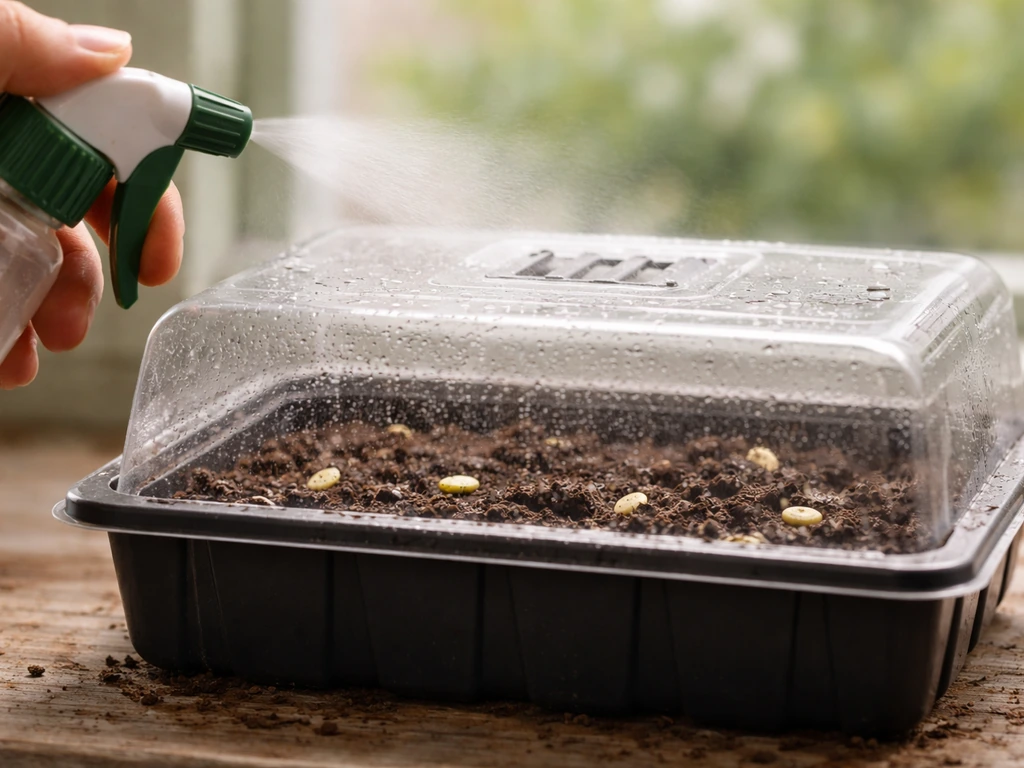
During germination, keeping the mix consistently moist is non-negotiable. Drying out even once during this stage can kill the emerging seedling. Cover your seed tray with a humidity dome or plastic wrap to hold moisture, and check it daily. Once seedlings are established, shift your approach: water thoroughly, then let the top inch of the mix dry out before watering again. Citrus in containers is particularly vulnerable to both overwatering and drought stress. For young trees, the University of Arizona's citrus irrigation guidance emphasizes watching for early signs of water stress and adjusting watering intervals based on season and container size, not a fixed schedule.
How long until a lime tree is large enough to thrive
By the end of year one, a well-cared-for seed-grown lime seedling should be a few inches tall with several sets of leaves, established in a small pot. By year two or three, it should be in a 10- to 15-gallon container or in-ground (in a frost-free climate), showing vigorous growth with a recognizable tree shape. This is the window where consistent care makes a huge difference in how quickly you move toward a fruit-bearing tree.
Temperature matters throughout this phase. Lime trees grow best at around 65°F during the day indoors, dropping 5 to 10 degrees at night. They don't tolerate frost. If you're growing in a cold-winter climate, plan on keeping the tree in a container so you can bring it inside when temperatures drop below 40°F.
Fertilizing is important from the seedling stage onward. For container citrus, apply a citrus-specific fertilizer once a month from about February through October. In the first year, a conservative approach works well, roughly 1 tablespoon of nitrogen fertilizer three times per year per tree, scaling up as the tree grows and the container size increases. Consistent feeding keeps growth vigorous, which is especially important since seed-grown citrus needs to clear a long juvenile phase before it can flower.
When you can expect first fruit (and why it varies)
This is where most people growing lime from seed get a reality check. Seed-grown lime trees must pass through a juvenile phase before they're capable of flowering, and that phase can last years regardless of how well you care for the tree. Cornell course material also notes that grafting can bypass long seedling rejuvenation and juvenility, helping dwarfing rootstocks affect precocity such as earlier flowering juvenile phase. Grafted trees sold at nurseries skip this phase entirely because the scion wood is taken from a mature, already-producing tree. That's the core reason a grafted lime tree can fruit in 2 to 3 years, while your seed-grown tree may take 4 to 10.
Key limes tend to be on the faster end, sometimes producing in 3 to 6 years from seed. Persian limes and other varieties are more likely to land in the 5 to 10 year range. Young trees between 2 and 4 years old may occasionally produce a fruit or two, but don't expect a real harvest until around year 5 at the earliest.
Even after the tree clears the juvenile phase, it still needs the right conditions to trigger flowering. Direct sunlight is essential, as is consistent watering, proper feeding, and a healthy root system. Trees that are root-bound, light-stressed, or nutritionally depleted often won't flower even after years of growth. There's also a real possibility that some seed-grown limes simply won't fruit indoors at all. Plants grown from seed in lower-light indoor environments often never get large enough or vigorous enough to flower and fruit.
It's worth noting that if you're also curious about growing other citrus from seed, calamansi and key lime follow similar juvenile phase logic, and palm trees grown from seed have their own dramatically different timeline. If you're specifically wondering how long to grow a palm tree from seed, the timeline is much different from citrus palm trees grown from seed. Calamansi from seed also follows a similar patience curve, so plan for a long juvenile phase before you see flowering and fruit calamansi and key lime follow similar juvenile phase logic. Each tree type demands its own patience curve.
What makes lime seeds grow fast or slow
Getting germination right comes down to a handful of controllable factors. Here's what moves the needle most:
- Seed freshness: Fresh seeds extracted from a ripe lime germinate far more reliably than dried or stored seeds. Viability drops fast once seeds are dried, and germination rate below 40% is a signal to get fresh seed instead.
- Temperature: Consistent warmth around 75 to 80°F speeds germination significantly. Cool rooms below 65°F can stall seeds indefinitely.
- Moisture consistency: Letting the seed-starting mix dry out even briefly during germination can kill the emerging seedling. A humidity dome helps maintain steady moisture.
- Planting depth: Plant lime seeds about half an inch deep. Too deep slows emergence; too shallow exposes the seed to drying out.
- Seed quality from store-bought limes: Seeds from hybrid or seedless varieties may not germinate at all, or may produce trees that don't resemble the parent. Standard Persian limes from the grocery store are often hybrids. Key limes from the store are a better bet for viable seeds.
- Soil drainage: A heavy, compacted mix holds too much moisture around the seed and promotes rot. Use a light, well-draining seed-starting mix.
- Light after germination: Once the seedling breaks the surface, insufficient light immediately stunts its growth and leads to leggy, weak plants.
- Humidity: Citrus seedlings appreciate moderate to high humidity. Dry indoor air, especially in winter, can stress young seedlings.
Troubleshooting: slow germination, damping off, and no growth
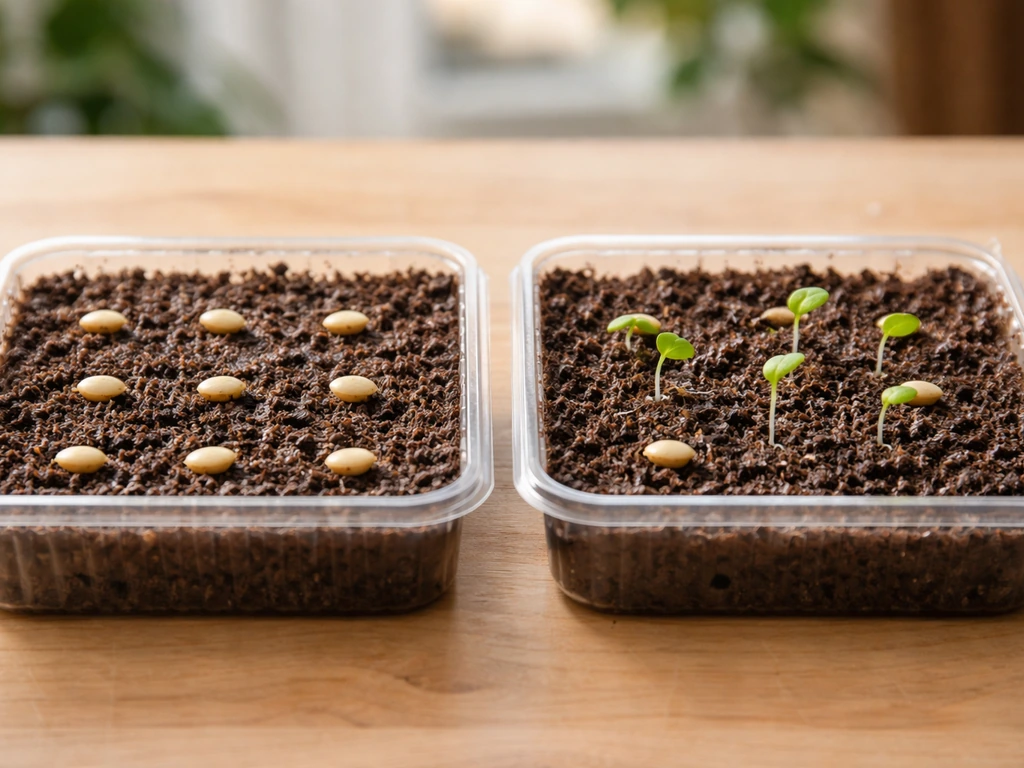
Nothing sprouting after 3 or 4 weeks
Don't panic at the 3-week mark. Lime seeds can take up to 8 weeks, especially if conditions aren't ideal. Check the temperature first: if your germination spot is cooler than 70°F, add a heat mat. Check moisture next: lift the tray and feel the weight. If it feels dry, your mix is too dry. Mist it thoroughly and replace the humidity dome. If you're at 8 weeks with no sign of life, the seeds are likely not viable. This usually comes down to old seeds, seeds from a seedless lime variety, or seeds that dried out after extraction.
Seedlings collapsing at the base (damping off)
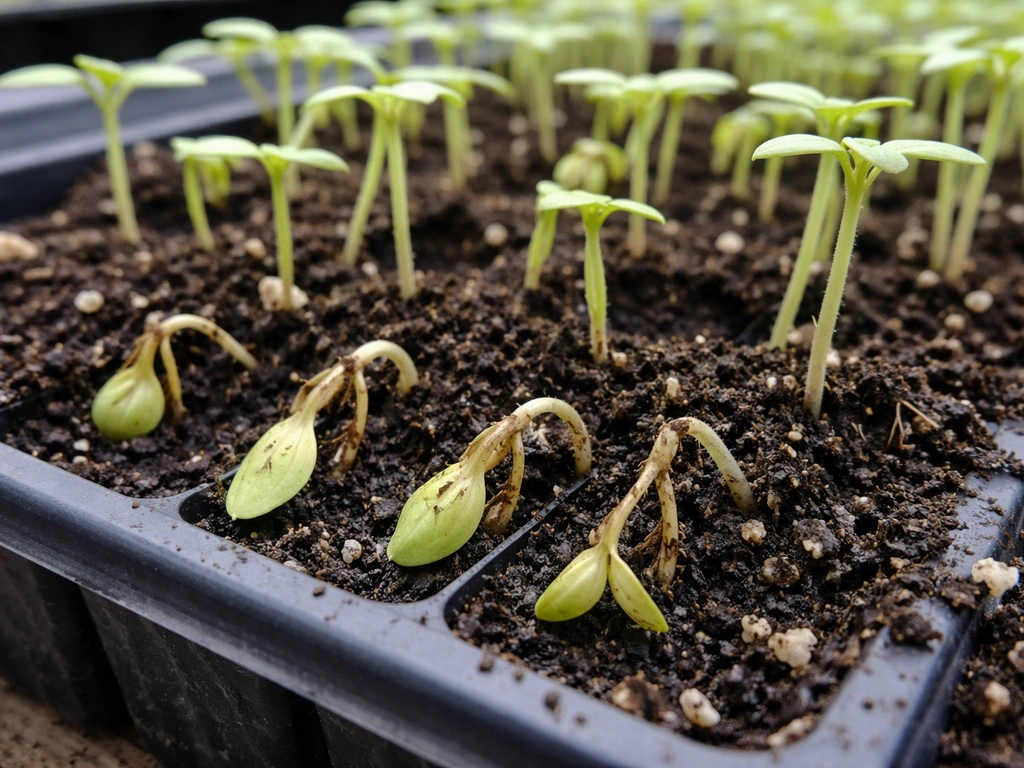
Damping off is a fungal problem that causes seedlings to collapse and die right at the soil line. It spreads fast through a tray once it starts. The cause is almost always too much moisture combined with poor drainage or cool temperatures. Once symptoms appear in one seedling, neighboring plants are often already infected. Your best response is to immediately improve air circulation, reduce watering frequency, and remove affected seedlings and the surrounding mix. Prevention is far easier than cure: use clean containers (wash them with a 1-part bleach to 9-parts water solution and let them dry before use), use fresh seed-starting mix, avoid overwatering, and germinate in warm conditions so seedlings grow through the vulnerable stage quickly.
Seedling is alive but not growing
Stalled seedlings are almost always a light or root problem. First, check your light situation: are you giving the seedling 16 or more hours under a grow light, or a bright south-facing window? If the seedling looks pale, stretched, or thin, it needs more light immediately. Second, check the roots: gently remove the seedling from its container and look at the root ball. If the roots are brown and mushy, you have root rot from overwatering. If they look healthy but are circling densely, the plant is root-bound and needs a larger pot. A seedling that's root-bound or in poor light will sit still for months without making real progress.
How to speed results: best practices from day one
You can't rush the juvenile phase, but you can absolutely avoid losing months or years to preventable problems. Here's what to do from the moment you decide to grow a lime from seed:
- Use the freshest seeds possible: extract them from a ripe lime today and plant them today, or at the very latest within a few days. Rinse off pulp, soak in water for 24 to 48 hours, then plant.
- Set up a heat mat: consistent soil temperature of 75 to 80°F dramatically cuts germination time. Don't rely on room temperature alone.
- Use a humidity dome: cover your seed tray until sprouts appear. Check daily to make sure the mix stays moist but not waterlogged.
- Move seedlings under strong light immediately after germination: 16 to 18 hours of grow light per day prevents legginess and keeps growth on track.
- Pot up at the right time: move to a larger container when roots reach the edges but before they're circling. Staying in a too-small pot is one of the most common reasons lime trees stall.
- Feed consistently from year one: use a citrus-specific fertilizer monthly from spring through fall. Don't skip feeding in the first couple of years when the tree is building its structural growth.
- Give it outdoor sun when possible: if your climate allows, move the container tree outside for summer with at least 8 hours of direct sun. This accelerates growth and is eventually necessary for flowering.
- Manage temperature: keep indoor temps around 65°F during the day, cooler at night. Don't let the tree sit near heating vents or in cold drafts.
- Be realistic about the timeline and stay consistent: the trees that reach fruiting stage are almost always the ones whose owners didn't give up at year two.
Growing a lime tree from seed is genuinely rewarding, but it's a years-long commitment. If you want a quicker comparison, you can also check how long to grow citronella from seed and plan around its germination and juvenile timeline. The timeline is similar for olive trees, but the exact “how long” depends on warmth, fresh seed, and how long it takes to clear the juvenile phase how long to grow olive tree from seed. If you treat it as a long-term project and hit the milestones along the way rather than fixating on the fruit, you'll enjoy the process far more and likely end up with a healthier tree. Keep your conditions dialed in, troubleshoot early when something looks off, and don't underestimate what consistent light and fresh seeds can do at the start.
FAQ
Can I grow a lime tree from a seed I got from a store-bought lime, and will it taste like that lime?
Yes, you can grow it, but it will not be a guaranteed match for the original lime’s flavor or growing traits. Store limes often come from varieties that don’t breed true from seed, so expect genetic variation. The fastest way to get the same lime is to buy a grafted nursery tree.
How long can I keep lime seeds before planting, and what’s the right way to store extras?
Lime seeds lose viability quickly, so plant them as soon as you extract them. If you must hold them briefly, keep them cool and slightly moist, and avoid letting them fully dry out. Seeds that have been sitting for months are a common reason germination fails or stalls.
What do I do if my seeds are sprouting, but the seedling never forms true leaves?
If a seedling stays stuck after the initial sprout, it usually means it is struggling with dryness, temperature, or light. Increase warmth toward the mid-70s F (not hot), keep the mix evenly moist, and start providing the planned 16 to 18 hours of light. If the seed coat stays attached, gently increase moisture and humidity to help it release.
Should I plant more than one seed in the same container, and when should I separate them?
You can start multiple seeds in one cell tray, but thin or separate them as soon as you can identify healthy growth. Avoid waiting until the roots tangle, because separating later can shock seedlings and delay progress toward the first pot-up.
How can I tell the difference between a “stalled” seedling and one that’s just slow to emerge?
Slow emergence is common in lime (it can take up to 8 weeks), but once you see a sprout, growth should continue. If you get sprouts and then no new leaves after a couple of weeks, focus on light and root health, since poor light often creates a thin, pale seedling that does not progress.
Why are my lime seedlings leggy indoors, and will they recover if I move them outside later?
Legginess indoors is usually a sign of insufficient light intensity or too much distance from the grow light. They may green up somewhat, but severe stretching can leave weak structure. Fix the light early, then you can harden them outdoors gradually to prevent shock.
When is the best time to pot up from a seed tray into a 4 to 6 inch pot?
Aim to transplant when the plant has multiple true leaf sets and the root system is clearly developing, but before roots form dense mats or strong circling. If you see roots tightly wrapping the container, waiting too long makes the next pot-up more disruptive and can set growth back.
Do lime trees grown from seed need fertilizer right away, or can I wait?
It’s best to start feeding after seedlings establish and begin growing steadily, not during the very earliest germination stage. Once you’re in the seedling phase, monthly citrus fertilizer from roughly February through October helps support growth, and under-fertilizing can contribute to the long, juvenile delay.
My tree is several years old but won’t flower, what are the most common causes?
The most common blockers are not enough direct sunlight (common indoors), inconsistent watering, light or root stress (like being root-bound), and nutrient depletion. Even if the tree is old enough to potentially flower, it may stay in vegetative growth without strong sun and stable care.
Is frost always fatal to lime seedlings, or can I protect them and extend the outdoor season?
Lime trees do not tolerate frost reliably, even in young stages. You can extend the season by bringing containers indoors or into a protected area before temperatures drop near freezing, and use frost protection when appropriate. Avoid assuming a cover is enough if freezing temperatures are expected.
How do I transition my young seed-grown lime from indoor to outdoor without shocking it?
Harden it off over 1 to 2 weeks by gradually increasing time outdoors and exposure to direct sun. Start with partial shade, then move to brighter conditions. Sudden full sun or sudden changes in watering can cause leaf drop and slow recovery.
Can I use a smaller pot to speed up growth, or will that help fruit sooner?
A smaller pot usually does not speed fruit, and it can backfire by increasing stress from drought or nutrients getting depleted faster. For container citrus, choose a size that supports stable root growth, then repot only when roots fill the container, so the tree stays vigorous enough to eventually flower.
Do seed-grown limes ever fruit indoors, or is indoor growing mostly a loss?
Indoor fruiting is possible but less reliable, especially in low-light homes. Many seed-grown limes struggle indoors because they cannot reach enough light intensity and size. If you do not have strong direct sun or adequate grow light coverage, treat indoor fruiting as less likely and prioritize building a large, healthy canopy.
Next Article
How Long to Grow Citronella From Seed: Timeline
Timeline for growing citronella from seed: germination to usable outdoor or pot size, plus factors and fixes for slow sp