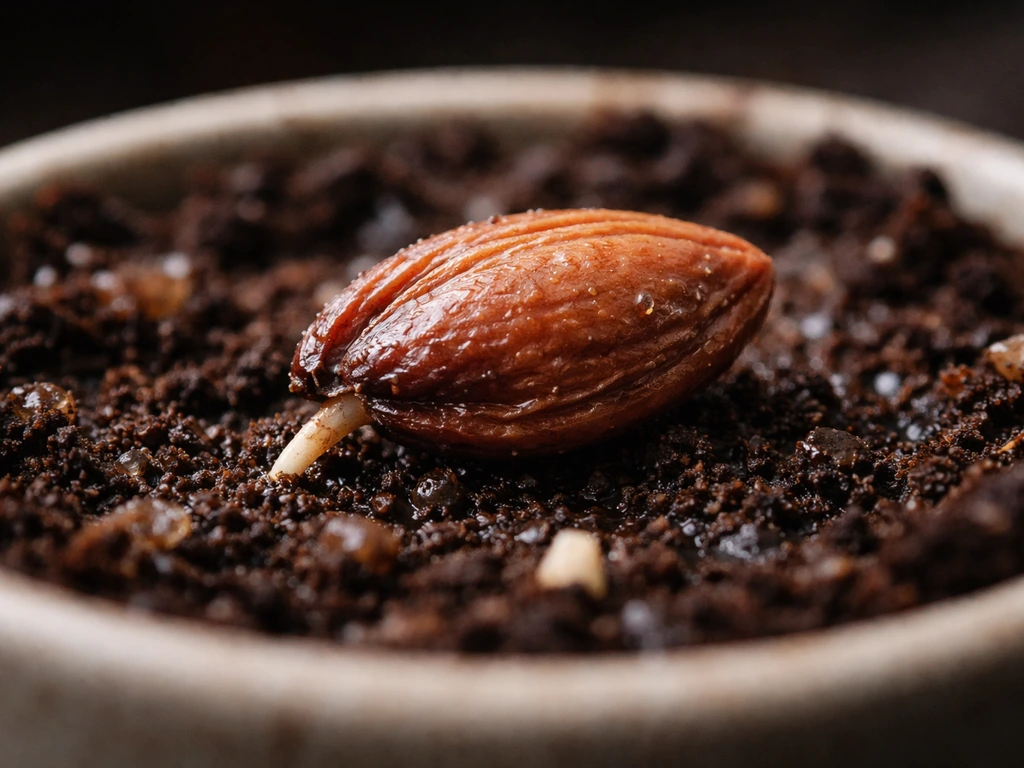
Plumeria seeds typically sprout in 3 to 14 days under good conditions, and you'll have a transplantable seedling within about 4 to 8 weeks. Plumeriaseeds.com also emphasizes following the proper germination setup and conditions when sprouting plumeria seeds sprout in 3 to 14 days under good conditions. Getting to actual blooms is the slow part: most seed-grown plumeria takes 3 to 5 years before you see the first flowers. That's the honest timeline, and it's worth knowing upfront before you start planning.
How Long to Grow Plumeria From Seed: Timelines
Marcus Henley
13 May 2026
From seed to first sprout: what to expect
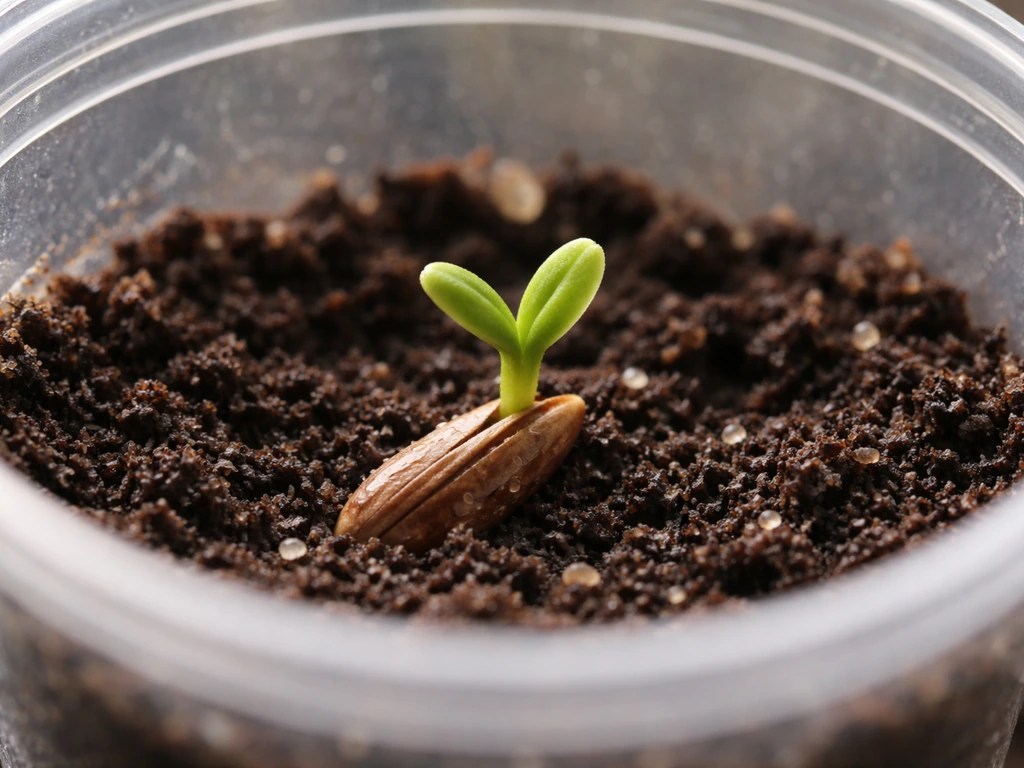
According to the Plumeria Society of America, most plumeria seeds sprout somewhere between 3 and 14 days when conditions are right. In my experience, seeds started on a heat mat with a humidity dome tend to push toward the faster end of that range, often poking up within a week. Seeds left at room temperature without any warmth assist can drag out toward the two-week mark, and sometimes beyond.
What comes up first are the cotyledons (the seed leaves), and those are immediately followed by the first true leaf within just a few days. The plant moves fast once it decides to go. At around 8 weeks from sowing, you're typically looking at a seedling that's close to 6 inches tall. That's a useful benchmark for pacing your early care plan.
Getting to a transplantable seedling
The general rule for potting up plumeria seedlings is to wait until they have developed two full sets of true leaves. From the moment the cotyledons appear, that usually takes somewhere between 2 weeks and a month, depending heavily on how warm and bright the growing spot is. Cooler or dimmer conditions stretch that timeline.
Once you've moved the seedling into its own individual pot, the next upgrade happens when it's about 2 to 3 months old. That's when roots are established enough to handle a larger container. The PSA recommends waiting until the seedling has 3 or 4 true leaves before switching it out of the sterile seed-starting mix and into a mix more suitable for mature plumeria. Rushing any of these transplant steps risks stalling growth, especially if you damage the roots during the move.
What affects how fast (or slow) your plumeria grows
Plumeria is a tropical plant, and it behaves like one. It rewards warmth and light and punishes cold and wet. Here are the four factors that matter most for germination and early growth speed.
Temperature
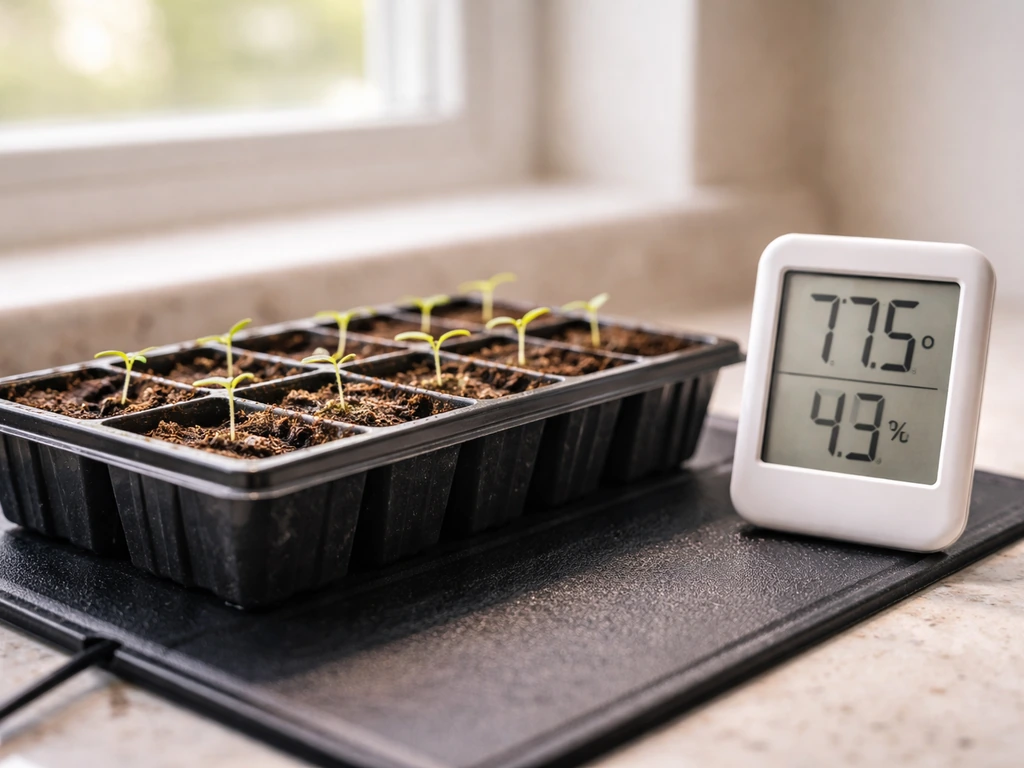
Plumeria grows best between 65 and 85 degrees F (18 to 29 degrees C). Below about 50 degrees F (10 degrees C), the plant can go dormant or drop leaves, and freezing temperatures can kill stems outright. For germination specifically, a heat mat that keeps the root zone consistently warm makes a real difference. Cold soil is one of the single biggest reasons seeds sit there doing nothing for weeks.
Light
Once seedlings are up, light intensity directly affects how quickly they grow and, eventually, whether they bloom. Outdoors, you're aiming for 6 to 8 or more hours of direct sun daily. Indoors, you need extremely bright light, ideally from a south-facing window supplemented with grow lights. Lower light keeps plants leafy and green but holds back branching and flowering for longer.
Moisture and drainage
This is where most beginners go wrong. Cool, wet soil is the fastest path to rot with plumeria, full stop. The mix should dry out noticeably between waterings, and the pot must drain freely. Never leave plumeria sitting in standing water, and never water on a fixed schedule without checking the soil first. This applies to seedlings even more than mature plants.
Seed freshness
Fresh plumeria seeds germinate far more reliably than old or poorly stored ones. Viability drops significantly with age and improper storage. If you're working with older seeds, inspect them carefully: if the cotyledon inside has died, that seed simply won't germinate. It's worth sourcing the freshest seeds you can find, especially if you've had previous batches that never sprouted.
How to give your seeds the best chance (and speed things up)
Here's a practical step-by-step process that stacks the odds in your favor and tends to shorten the wait:
- Soak seeds overnight in warm water or a diluted B1 solution before planting. This softens the seed coat and kick-starts water absorption.
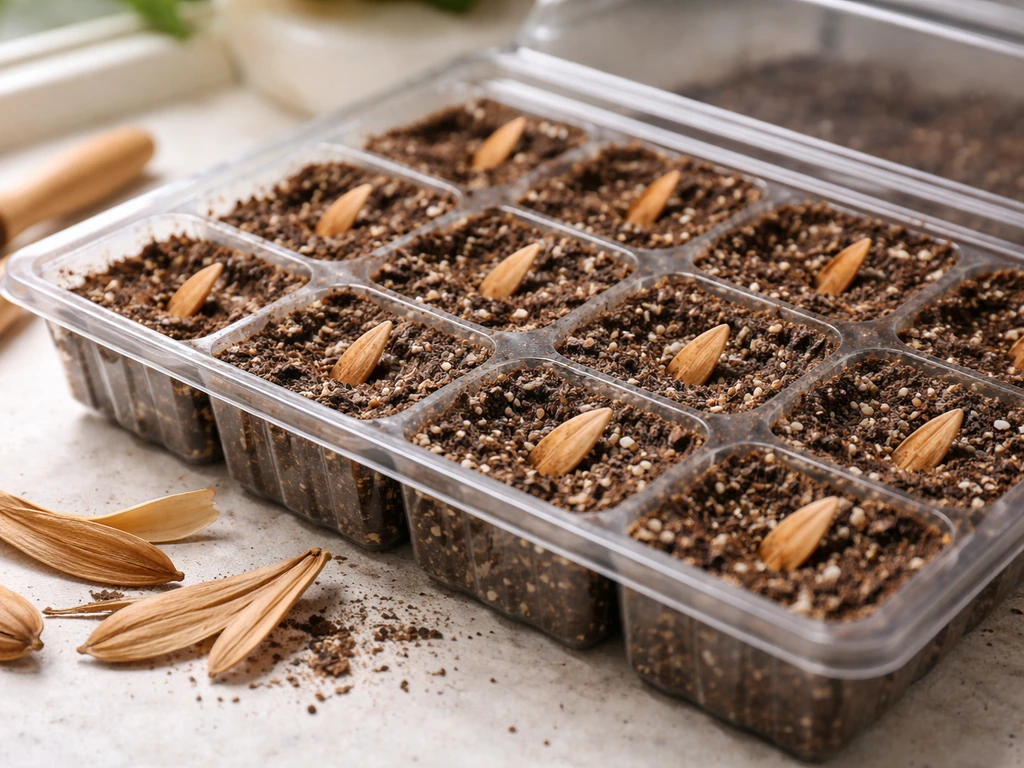
- Fill small pots or cells with a 50/50 mix of coir and perlite. This blend drains well enough to prevent rot while holding enough moisture for germination. Peat moss works as a substitute for coir if needed.
- Plant each seed with the winged end pointing up and barely cover it, about a quarter inch deep.
- Place the pots on a heat mat set to keep the mix around 75 to 80 degrees F, and cover with a clear humidity dome.
- Keep the setup in a bright spot or under grow lights. The combination of bottom heat and high humidity is what pushes germination toward the 7-day end of the range.
- Mist lightly if the surface dries completely, but don't saturate. You want just enough moisture for germination, not soggy conditions.
- Once cotyledons appear, remove the dome and introduce air circulation to prevent fungal problems.
For older or stubborn seeds, try scarification before soaking: gently abrade the seed coat with fine sandpaper or a nail file to help water penetrate. This is especially helpful for seeds that have been stored for more than a year.
When things go wrong: troubleshooting stalled seeds and struggling seedlings
Seeds that won't sprout after 2+ weeks
First, check temperature. If the mix is cold, nothing is going to happen. Add a heat mat if you haven't already. Second, check seed viability: gently open one seed and look at the cotyledon inside. If it's brown and mushy, the seed lot is likely dead. Fresh seeds from a reliable source should be your next move. If conditions were correct and seeds still haven't sprouted by day 21, the seeds themselves are probably the problem.
Seedlings that fall over or rot at the base
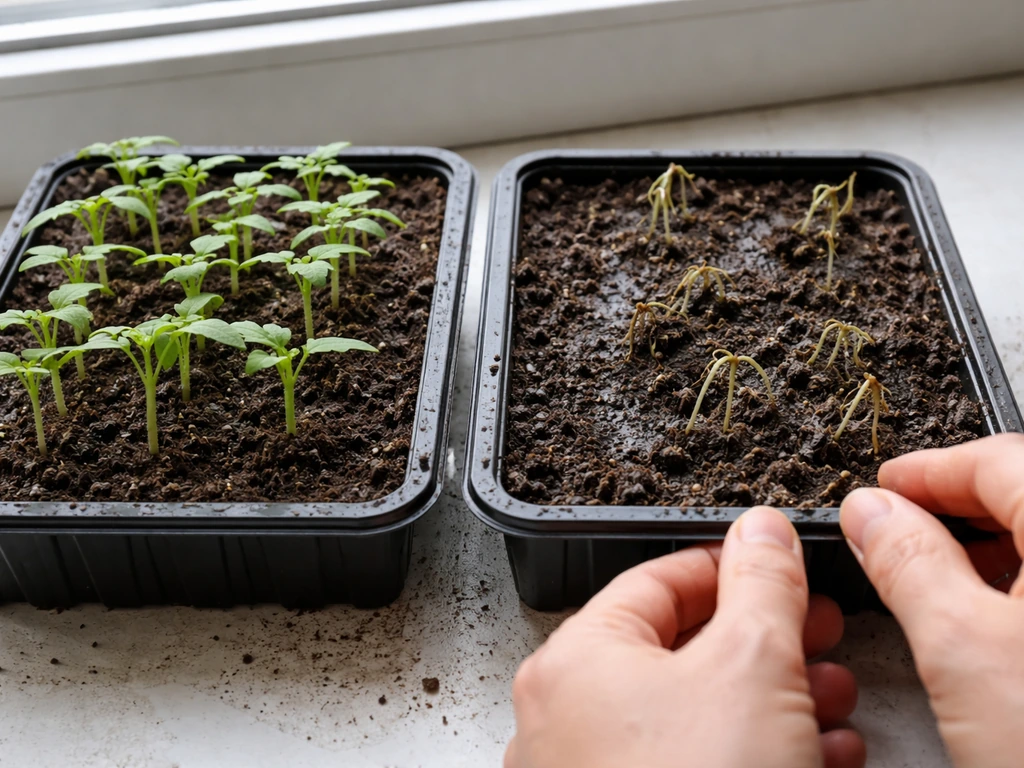
This is damping-off, a fungal condition caused by overwatering or poor drainage, often combined with low temperatures. It can wipe out an entire tray of seedlings overnight. To prevent it: use a sterile starting mix, water only when the top of the mix feels dry, and consider dusting the seed-starting area with ground cinnamon, which has natural antifungal properties. Bottom watering (filling a tray and letting the pots absorb from below) keeps the soil surface drier and significantly reduces damping-off risk.
Slow growth after transplant
Root damage during transplanting is a common culprit. Be extremely careful when moving seedlings into individual pots, especially when separating roots that have tangled together. If a seedling seems to stall after potting up, give it a few weeks in warm, bright conditions without fertilizing aggressively. It's usually just recovering. Avoid letting young plumeria go dormant during their first winter: dormancy that early in life can interrupt the growth trajectory they need to eventually bloom.
When is a plumeria actually 'grown'? The realistic path to first blooms
This is the part most people don't fully reckon with before starting seeds. A plumeria seedling can look healthy and vigorous and still be years away from its first flower. Seed-grown plumeria typically takes blank" rel="noopener noreferrer">3 to 5 years to bloom. The same patience applies to nectarine, so if you are wondering how long to grow nectarine from seed, expect a multi-year timeline before you see reliable fruiting. That timeline comes from multiple sources including the PSA, Wisconsin Horticulture Extension, and grower guides, and it's consistent: plan for at least 3 years and possibly up to 5. If your real goal is timing, see how long to grow pomelo from seed for a comparable long-horizon seed project.
The PSA notes that around year 3 to 5, you might see what's called 'nubbing,' where the plant looks like it's trying to set a flower bud but doesn't quite follow through yet. That's actually a good sign. Full, reliable flowering usually comes once the plant is well established and has developed proper branching. If you want flowers sooner, plumeria grown from cuttings blooms significantly faster than seed-grown plants, often within a year or two. But if you're growing from seed because you want to see what comes up (seed-grown plumeria can produce unique flower colors and forms), the wait is genuinely worth it.
| Growth Stage | Typical Timeframe | Key Condition to Hit |
|---|---|---|
| First sprout | 3 to 14 days after sowing | Warm soil (75–80°F), moisture dome |
| First true leaf | A few days after cotyledons emerge | Bright light, maintain warmth |
| Two sets of true leaves (ready for first pot) | 2 weeks to 1 month from cotyledon appearance | Consistent warmth, gentle moisture |
| Seedling ready for larger container | 2 to 3 months from sowing | 3 to 4 true leaves, good root development |
| Seedling at ~6 inches tall | Around 8 weeks from sowing | Bright light, warm temperatures |
| First blooms (seed-grown) | 3 to 5 years from sowing | Full sun, no early dormancy, mature size |
If you've grown other slow-blooming trees from seed, like grapefruit or plums, the plumeria timeline will feel familiar. Most fruit and ornamental trees seeded from scratch require this kind of multi-year patience before they reward you with flowers or fruit. The difference with plumeria is that the seeds germinate quickly and the early seedling phase moves at a satisfying pace. It's the last stretch, that 3-to-5-year window, where patience really matters. It's the last stretch, that 3-to-5-year window, where patience really matters how long does it take to grow plums from seed.
Your practical planning calendar
If you're starting seeds today in May, here's roughly what your plumeria calendar looks like:
- Week 1 to 2 (May): Seeds sprout, cotyledons emerge
- Week 3 to 6 (May to June): First and second sets of true leaves develop, seedlings ready for individual pots
- Month 2 to 3 (July): Seedlings upgraded to larger containers, growing actively through summer
- Fall and winter (Year 1): Keep seedlings warm indoors, do not let them go dormant, maintain bright light
- Year 2 to 3: Plants growing larger with established branching structure
- Year 3 to 5: First potential blooms, especially with full sun and ideal conditions
Starting in spring gives you the best early momentum because you have an entire warm season ahead for seedlings to establish before their first winter. If you're growing in a climate where temperatures drop below 50 degrees F, plan to bring plants indoors well before fall, and set up the brightest indoor spot you have to keep them growing rather than stalling.
FAQ
After 2 to 3 weeks, my plumeria seeds still have not sprouted. What should I check next?
First confirm the root-zone temperature is staying warm, ideally in the mid to high 70s F. Then do a quick viability check by opening one seed and looking for a living cotyledon. If it is brown and mushy, the lot is probably dead, and continuing to wait usually wastes time.
Should I soak plumeria seeds before planting, or will that delay germination?
Soaking can help some seeds, but it is not always necessary if you already have warmth. If you do soak, do not leave them for long periods, and plant promptly after soaking to reduce the chance of rot in cooler conditions.
How deep should I plant plumeria seeds?
Plant them shallow enough that the seedling can emerge easily, typically only lightly covered with mix. Too-deep sowing often slows emergence even when the temperature is right.
Is bottom watering really necessary for seedlings?
It is not strictly required, but it is a strong anti-damping-off strategy because the surface stays drier. If you top-water, check the soil with a finger before watering again, and ensure the container drains quickly.
Can I use regular potting soil for seed starting?
Not ideal, because regular mixes can stay too wet. Seed starting mix is best, and only after seedlings have several true leaves should you transition to a more mature-plumeria-friendly mix that balances drainage and nutrients.
My seedlings look fine but they stall after potting up, what does that mean?
Usually it is root recovery or transplant stress. Keep them in warm, bright conditions and avoid heavy fertilizing right away. If they remain stalled for several weeks, double-check drainage and whether roots got damaged during separation.
When is the right time to move seedlings outdoors?
Wait until nights are reliably above about 50 degrees F, because cool temperatures can cause dormancy behavior even if the plant looks alive. Acclimate gradually to stronger sun over 7 to 14 days to prevent leaf scorch.
Do plumeria seedlings need fertilizer to grow faster?
They benefit later, not immediately. During the early seedling stage, focus on light and warmth first, then fertilize lightly once roots are established in their pot. Over-fertilizing early can stress plants and worsen rot risk if watering is off.
Why are my seedlings green and leafy but not branching for a long time?
Lower light often delays branching and later flowering. Make sure you have very bright light (indoor grow lights or strong sun outdoors), and keep the plant warm. Light level is usually the limiting factor more than watering for this specific issue.
Will temperature swings in the first winter ruin my chances of flowering?
Dormancy early in life can interrupt the growth path they need to bloom later. If your area gets near or below 50 degrees F, plan to keep them warm and bright indoors through winter rather than letting them cool down and stall.
Next Article
How Long Does It Take to Grow Plums From Seed?
Timeline for growing plums from seed: germination, potting, and when fruit appears, plus faster steps and troubleshootin