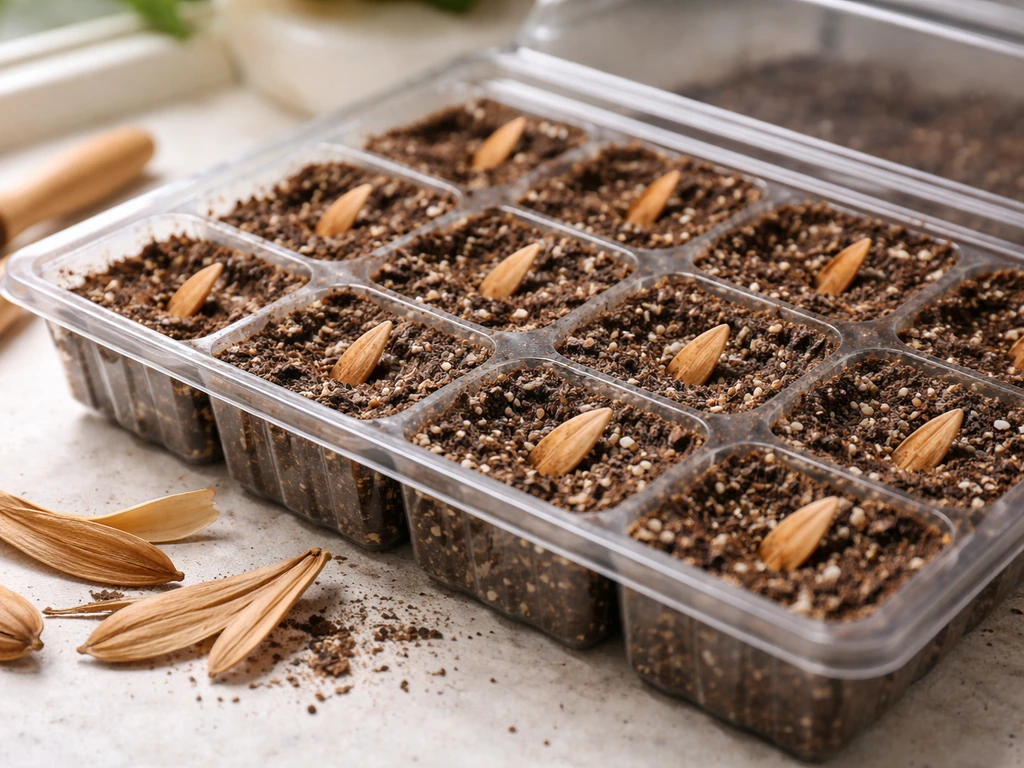
Pomelo seeds typically sprout in 2 to 4 weeks under good conditions, and you can realistically expect a healthy seedling within 6 to 8 weeks of planting. Getting to a juvenile tree takes a couple of years of patient growing, but here's the part most people don't expect: a seed-grown pomelo won't produce fruit for somewhere between 8 and 15 years. That's the honest answer, and it's worth knowing upfront before you start. The good news is that the germination and seedling stages are very manageable, and there's plenty you can do today to hit the faster end of every timeline.
How Long to Grow Pomelo From Seed: Realistic Timeline
Marcus Henley
13 May 2026
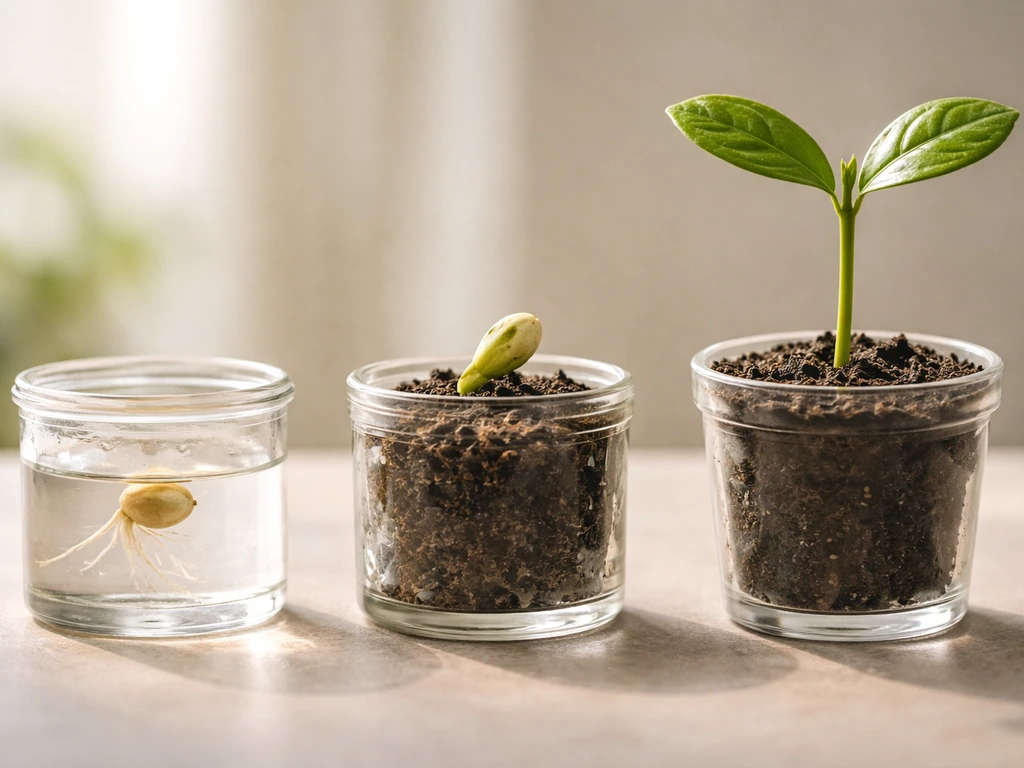
From seed to first sprout: what to realistically expect
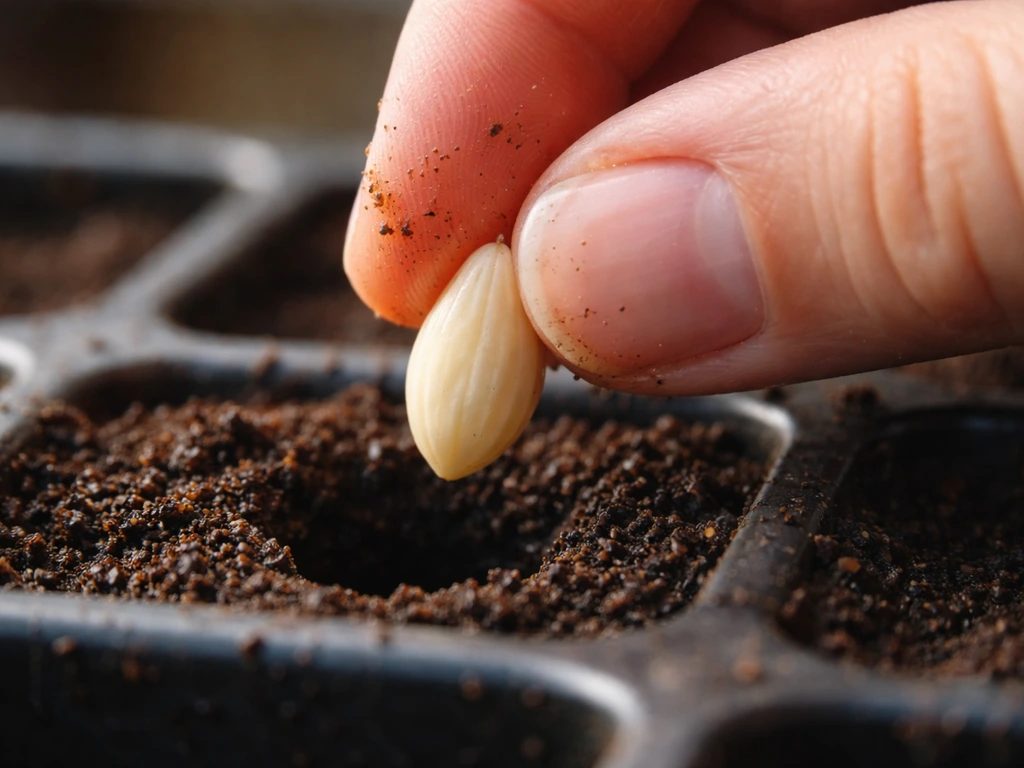
Under typical home conditions, a pomelo seed will germinate somewhere between 2 and 8 weeks. Most growers see the first sprout in the 2 to 4 week window when conditions are right. That wider 8-week range isn't a failure scenario. It usually means the seeds were a little dry, the soil temperature dropped at night, or the seeds were from older fruit. Fresh seeds from a ripe pomelo you just ate are always going to outperform seeds that have been sitting in a bag on a shelf for a few weeks. Citrus seeds don't store well and lose viability faster than many other fruit seeds, so freshness genuinely matters here.
Temperature is the single biggest lever you have at the germination stage. Pomelo seeds want warmth: aim for 77 to 86°F (25 to 30°C) in the soil and surrounding air. A seedling heat mat placed under the tray makes a real difference if your home runs cool. Soil temperatures below 65°F will slow germination significantly and can push you well past that 4-week mark. If you can keep things consistently warm and moist, 2 to 3 weeks is a very achievable target.
Reaching a healthy seedling (and what that actually looks like)
Once a pomelo seedling breaks the surface, you're looking at roughly another 4 to 6 weeks to reach what I'd call a confidently established seedling. The clearest sign of successful early growth is the development of 4 to 6 true leaves. These are the real leaves that come after the first pair of seed leaves (cotyledons), and they're your signal that the plant has a functioning root system and is genuinely growing rather than just surviving. At this point, around 6 to 8 weeks after germination, you can begin light fertilization. Before that, the seedling is feeding off its own reserves and the germination mix, and adding fertilizer too early can actually do more harm than good.
A healthy pomelo seedling at the 6 to 8 week mark should have a sturdy green stem, glossy true leaves without yellowing, and roots that are starting to colonize the pot. If you gently tip it out of a small cell, you should see white roots wrapping near the bottom. That's a good sign. A seedling that's still pale, spindly, or barely taller than it was two weeks ago is telling you something is off, usually light, temperature, or moisture.
Time to a juvenile tree and the long road to fruit
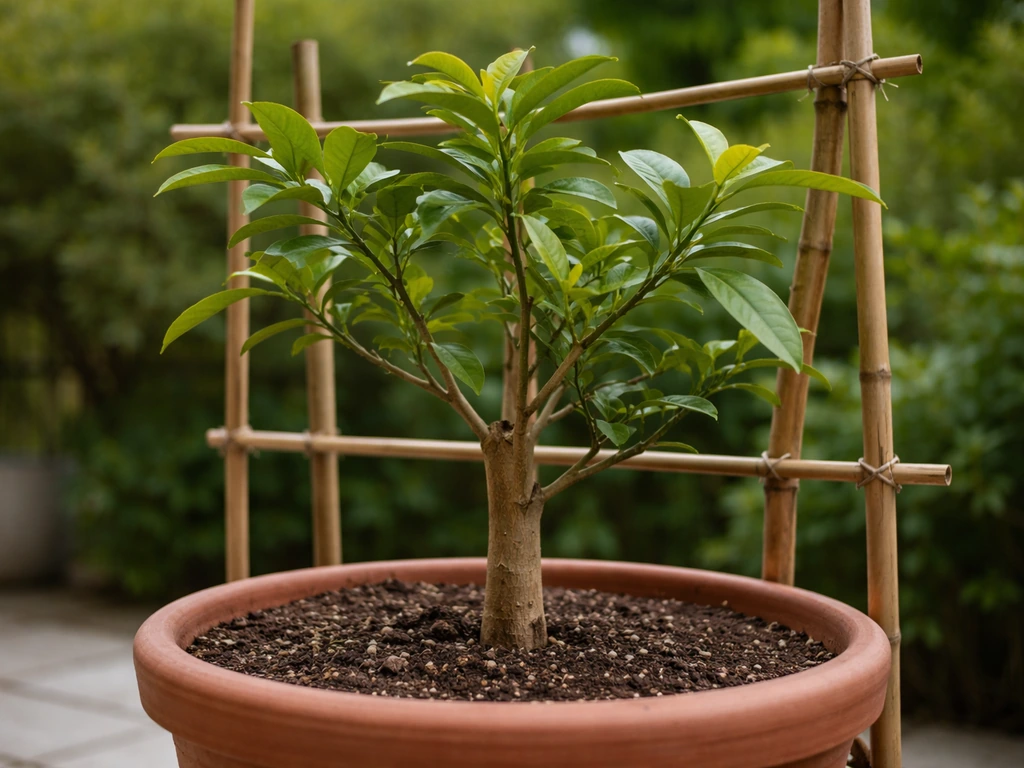
Growing a pomelo from seed to a full juvenile tree takes a couple of years of consistent care, but the fruiting timeline is where this plant really tests your patience. Seed-grown pomelo trees typically won't flower until they are 6 to 10 years old, and the first fruit harvest is more realistically in the 8 to 15 year range. Some sources put the minimum at 8 years, and that tracks with what's generally true of citrus grown from seed: they go through a long juvenile phase before they're physiologically ready to flower.
To put that in perspective, grapefruit grown from seed follows a similar long-haul pattern, and plums and nectarines grown from seed can also take many years to fruit. The big difference with citrus is that grafted nursery trees skip the juvenile phase entirely: a grafted pomelo might fruit in 3 to 5 years. If fruit production is your primary goal, a grafted tree from a nursery is the practical choice. But if you're growing for the experience, to understand the plant, or just because you enjoy the process, seed-growing is genuinely rewarding. Just go in with realistic expectations. If you are comparing that long fruit timeline, you may also be wondering how long to grow plumeria from seed before you see meaningful growth.
There's also some variety-driven variability worth knowing. The 8 to 15 year range isn't equally likely across all seedlings. How much sun the tree gets, whether it's root-bound or given room to grow, and the quality of care through its juvenile years all influence when (and whether) it ever flowers. Trees kept in containers tend to take longer than those planted in the ground in a warm climate.
What speeds up or slows down your timeline
Several factors have a real impact on how quickly (or slowly) your pomelo moves from seed to seedling to tree. Here's what actually matters:
- Seed freshness: Fresh seeds from a pomelo you recently bought germinate faster and more reliably than dried or stored seeds. Use seeds within a few days of removing them from the fruit, or keep them slightly moist in a sealed bag until you're ready to plant.
- Temperature: Soil temperature of 77 to 86°F (25 to 30°C) gives you the fastest germination. Below 70°F, things slow noticeably. A heat mat is worth it.
- Moisture consistency: The germination medium needs to stay evenly moist but never waterlogged. Letting it dry out between waterings stresses the sprouting seed. Soggy soil, on the other hand, invites rot.
- Soil and medium: Use a sterile, well-draining germination or citrus mix. Heavy garden soil stays too wet and introduces pathogens. A sterile seed-starting mix or a 50/50 mix of potting soil and perlite works well.
- Planting depth: Don't plant seeds more than about half an inch (1.5 cm) deep. Seeds buried too deep take longer to reach the surface, which increases their exposure time to soil pathogens.
- Light: After germination, pomelo seedlings need bright light, at least 6 hours of direct or strong indirect light per day. A south-facing window or a grow light set to 14 to 16 hours daily is ideal indoors.
- Pot size: Starting in a small cell or 3-inch pot lets the soil warm up faster and keeps moisture more consistent than a large container. You can pot up as the roots develop.
Your step-by-step germination plan to hit the fastest timeline
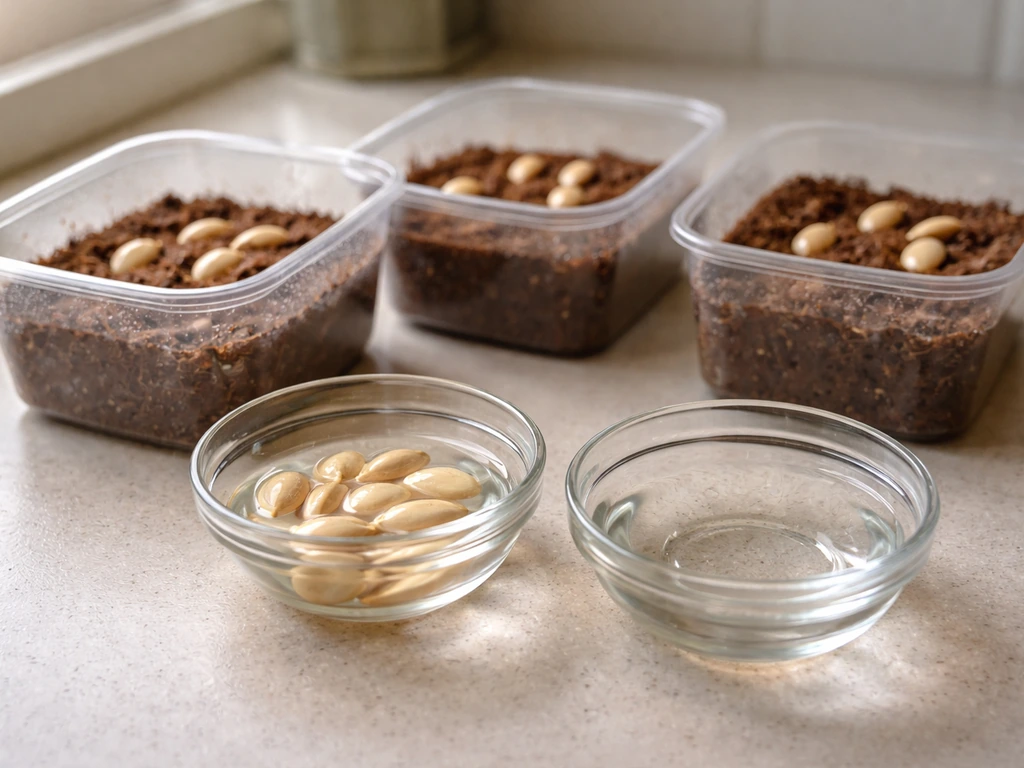
This is the approach that gives you the best shot at sprouting in 2 to 3 weeks rather than 6 to 8. Work through these steps in order, and don't skip the pre-soak. It makes a real difference with citrus.
- Extract and clean your seeds: Remove seeds from a fresh pomelo and rinse off any fruit residue. Don't let them dry out. Use them within a day or two if possible.
- Remove or score the seed coat (optional but helpful): For the most uniform germination, you can gently peel or nick the papery outer seed coat. This is what commercial citrus nurseries do to ensure consistent emergence across a seed lot. If you'd rather not, the soak in the next step helps significantly.
- Pre-soak in warm aerated water: Soak seeds in warm water at about 85°F (29°C) for 24 hours. Stirring the water periodically or using a small aquarium air stone mimics the aerated soak recommended in professional citrus propagation. Even a simple 8-hour soak in warm water will reduce time to emergence compared to planting dry seeds straight away.
- Prepare your germination medium: Fill small pots or cells with a sterile seed-starting mix or a mix of quality potting soil and perlite. Moisten it thoroughly before planting so you're not watering in dry seeds from above.
- Plant at the right depth: Place one or two seeds per cell about half an inch deep. Cover lightly, firm gently, and label with the date.
- Create warm, humid conditions: Place pots on a heat mat set to 77 to 85°F. Cover with a clear humidity dome or loose plastic wrap to retain moisture. You shouldn't need to water again until the dome starts to dry out.
- Check and ventilate daily: Lift the dome briefly each day to prevent mold and check moisture. The medium should feel like a wrung-out sponge, moist but not wet.
- Move to bright light immediately after sprouting: As soon as you see the first sprout, remove the dome and move the pot to your brightest window or under a grow light. This is critical. Pomelo seedlings that don't get enough light right away become leggy and weak within days.
When germination is slow or seedlings look weak
If you've hit the 4-week mark with no signs of life, don't panic yet, but do run through this checklist before giving up or replanting.
| Problem | Likely Cause | What to Do |
|---|---|---|
| No sprout after 4 weeks | Soil too cool, seeds too old, or planted too deep | Check soil temp with a thermometer, add a heat mat, and try fresh seeds at shallower depth |
| Sprout emerged then collapsed at soil level | Damping-off (fungal) | Discard affected seedlings, start fresh in sterilized mix, improve drainage, reduce watering frequency |
| Seedling is very pale or yellow | Not enough light, or overwatering causing root issues | Move to brighter light immediately, let soil dry slightly between waterings |
| Seedling is tall and spindly (leggy) | Insufficient light after germination | Move closer to light source or increase grow light hours to 14–16 per day |
| Seedlings look healthy but growth stalled | Root-bound, needs potting up, or needs first fertilization | Check roots, pot up if circling the bottom, begin diluted citrus fertilizer at the 4–6 true leaf stage |
| Mold on soil surface | Overwatering or too little airflow | Let surface dry slightly, improve ventilation, don't leave dome on too long after germination |
Damping-off deserves its own mention because it's the most heartbreaking seedling problem: healthy-looking sprouts that suddenly keel over at the soil line within days of emerging. blank" rel="noopener noreferrer">It's caused by soil fungi including Pythium, Rhizoctonia, and Phytophthora, and it thrives in wet, poorly drained, or non-sterile conditions. blank" rel="noopener noreferrer">The best prevention is starting with a sterile seed-starting mix, not reusing old potting soil from previous plants, and keeping the medium moist but not saturated. If it hits one cell in a tray, remove it immediately to stop spread.
Planning your grow: indoors, outdoors, and when to transplant
Pomelo is a tropical and subtropical tree that genuinely does not like cold. It grows best where temperatures stay above 50°F (10°C) year-round, which in most of the US means you're either in USDA zones 9 to 11 (coastal California, Florida, Gulf Coast, Hawaii) or you're growing it in a container that comes indoors for winter. Container citrus can be moved outside once temperatures are consistently above 50°F and brought back indoors before the first frost.
If you're starting seeds indoors in a cold climate, the best time to start is late winter to early spring, typically January through March, so your seedlings are established and growing strong by the time outdoor temperatures are warm enough to acclimate them. Indoors, keep the room temperature around 65°F during the day, with a 5 to 10 degree drop at night. That slight drop actually benefits citrus growing.
Before moving any pomelo seedling or young tree outside for the season, plan for a 2 to 3 week hardening-off period. Start by putting it outside in a sheltered, partially shaded spot for just a couple of hours a day, then gradually increase exposure over two to three weeks until it's comfortable in full outdoor conditions. Skipping this step and moving a seedling straight from a windowsill to direct afternoon sun is a fast way to scorch the leaves and set growth back by weeks.
For growers in warm climates who plan to grow in-ground: wait until the seedling is at least 12 to 18 inches tall and well-established before transplanting outside. Pomelo trees planted in the ground in a suitable climate will grow faster and ultimately fruit sooner than the same tree kept in a pot. Ground planting gives roots room to spread and gives the tree access to more consistent moisture and nutrients. If you're in a frost-prone zone, stick with containers so you can always bring it in.
Whether you're in Florida or growing on a windowsill in Minnesota, the early milestones are the same: 2 to 4 weeks to sprout, 6 to 8 weeks to a true-leaf seedling, and then years of patient, consistent care. If you enjoy the process of growing citrus from scratch, pomelo is a deeply satisfying plant to tend. Just treat the fruit timeline as a bonus for future-you, not a reason to start today. Plums have a different seed-to-fruit timeline, but the same idea applies: starting indoors can help you manage germination and early growth how long does it take to grow plums from seed. If you want a similar patience-and-timing guide for how long to grow nectarine from seed, that process follows a comparable long-term timeline with distinct seasonal steps.
FAQ
If my pomelo seed does not sprout in 8 weeks, should I re-soak it or start over?
Start by checking viability, not just time. If the seed stays firm and swollen, you can try re-soaking for another 24 to 48 hours and return it to 77 to 86°F soil. If it is shriveled, moldy, or smells sour, start fresh with a new seed from very ripe fruit, since pomelo seeds lose viability quickly.
Do I need light for pomelo seeds to germinate, or can I keep them in the dark?
Light is not required for germination. You can cover seeds lightly and keep the setup in normal indoor light, as long as temperature and consistent moisture are right. Too much light too early usually affects the surface, not the sprout, but keeping the medium evenly moist matters more than lighting.
How deep should I plant pomelo seeds to avoid slow germination?
Planting too deep is a common reason for slow sprouting. A good rule is about 0.5 to 1 inch (1 to 2.5 cm) deep, then keep the top layer just moist. If you planted deeper, you can sometimes gently adjust once you see signs of swelling, but avoid repeatedly disturbing the seed.
What moisture level should the seed-starting mix have to prevent damping-off?
Aim for evenly damp, not wet. If water pools or the mix feels soggy, you are increasing risk of damping-off. A practical test is that the mix should stay lightly clumping when squeezed, but not drip when squeezed and released.
Should I repot after sprouting, or keep pomelo seedlings in the starter tray?
Keep them in their cell or pot until they have several true leaves and roots that are actively filling the container, then pot up one size to avoid shock. If you pot up immediately after the cotyledons appear, you risk stressing roots before the plant is established.
When should I start fertilizing a seed-grown pomelo, and what type is safest?
Wait until you have about 4 to 6 true leaves, then begin with a diluted balanced citrus fertilizer. Use a low-strength feed first, then increase gradually. Early over-fertilizing can burn tender roots, especially if the seedling is still cold or the light level is low.
How much sun does a seed-grown pomelo need during the first few months?
After establishment, aim for bright light and gradually build toward direct sun. A safe approach is to increase exposure over 1 to 2 weeks, especially if starting from indoors, because seedlings can scorch quickly when moved into intense afternoon sun.
Why is my seedling yellowing or dropping leaves even though it sprouted?
Most yellowing in early citrus is either light deficiency, inconsistent watering, or temperature stress. Check for cold drafts, night temperatures below the mid-60s°F indoors, and whether the soil is drying out too much between waterings. Also confirm you are not feeding too early or too concentrated.
Does container size affect how long it takes pomelo to flower?
Yes. Root restriction in small containers can slow growth and delay readiness to flower. Container trees usually take longer than in-ground trees, and the timing can slip further if you repeatedly repot too late or keep the tree root-bound for years.
Can I speed up fruiting from seed by using grafting later?
You can graft a seed-grown tree, but it does not erase the juvenile phase in the same way as buying a grafted nursery tree. Practically, grafting can help establish the desired variety and may reduce uncertainty, but expect that you still may not see fruit immediately because the original rootstock and scion age matter.
Is there a difference in timeline if I use seeds from a store-bought pomelo versus a local tree?
Usually yes. Seeds from very ripe, fresh fruit tend to sprout faster and produce more vigorous seedlings. Seeds that were stored or are from fruit that was not fully mature often have lower viability, leading to longer germination windows or weaker plants that take longer to reach the same growth milestones.
How can I tell whether poor growth is due to temperature versus watering?
Compare new growth behavior. Cold stress often shows as slowed or stalled growth with generally weak vigor, while watering issues usually show rapid wilting, leaf droop, or persistent yellowing. If night temperatures are dropping a lot, prioritize stable warmth first, then fine-tune watering based on how quickly the top inch of mix dries.
Next Article
How Long to Grow Plumeria From Seed: Timelines
Real timelines for growing plumeria from seed, from germination to transplant and first blooms, plus tips to speed it up