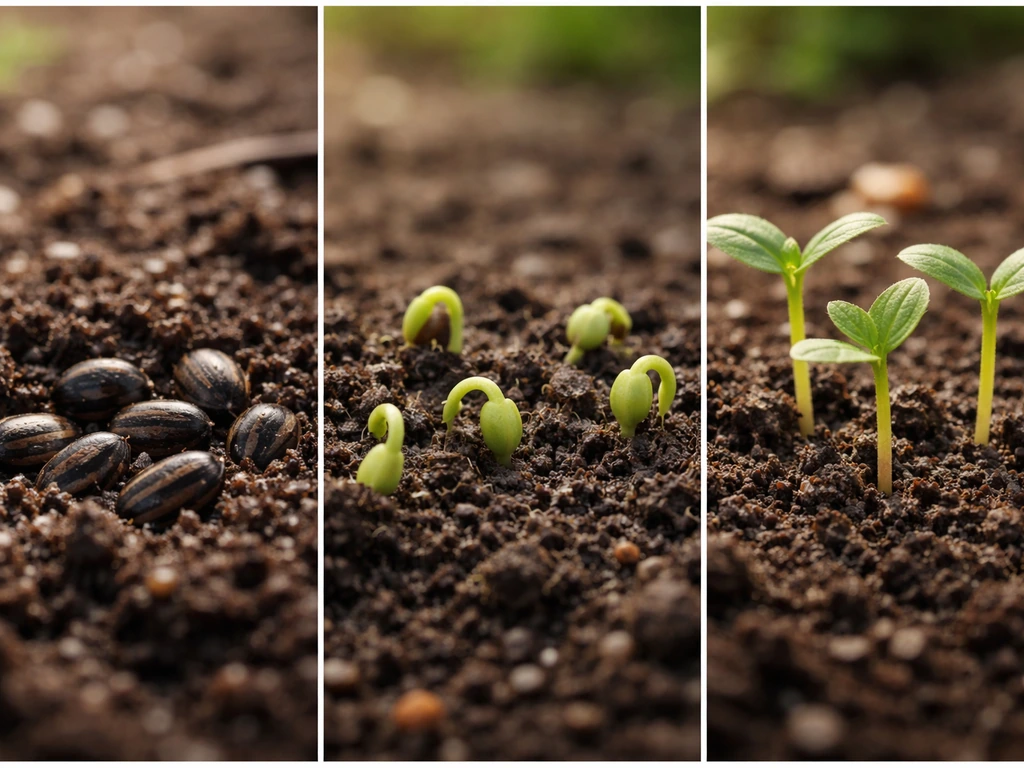
Ancient Seeds in Stardew Valley take 28 days to grow from the moment you plant them to your first harvestable Ancient Fruit. Plant on Day 1 of a season, and you won't see that first fruit until Day 1 of the following season. After that first harvest, the plant blank" rel="noopener noreferrer">keeps producing every 7 days without you replanting anything.
How Long Do Ancient Seeds Take to Grow in Stardew Valley
Marcus Henley
24 Apr 2026
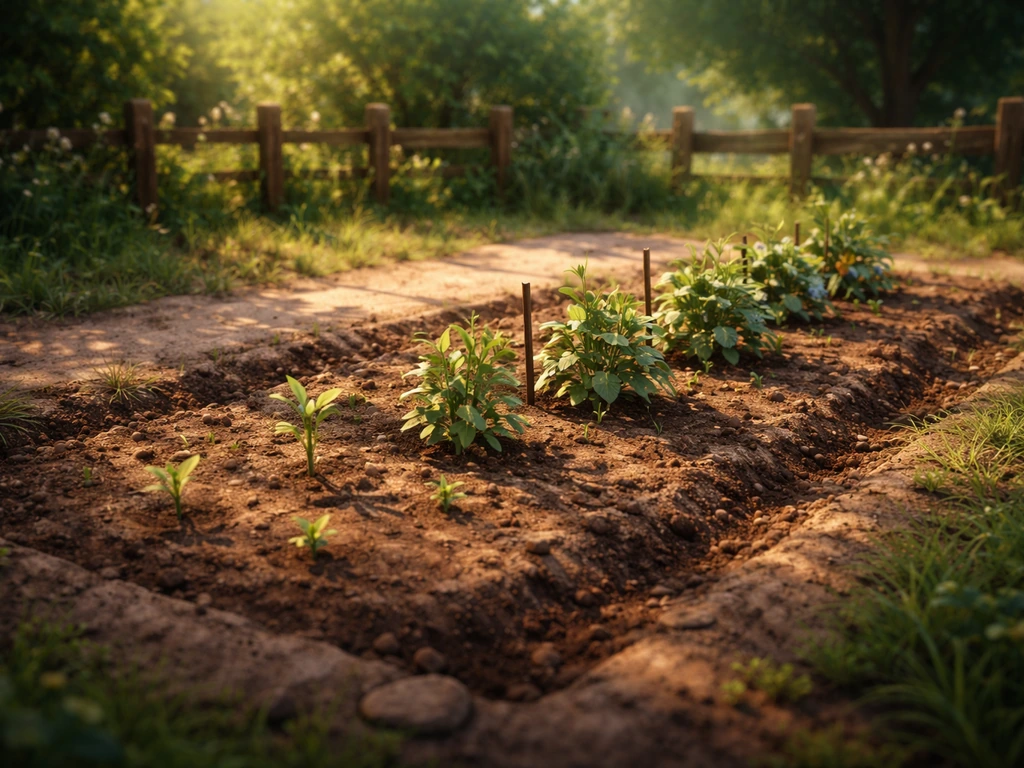
Ancient Seed growth timeline in Stardew Valley
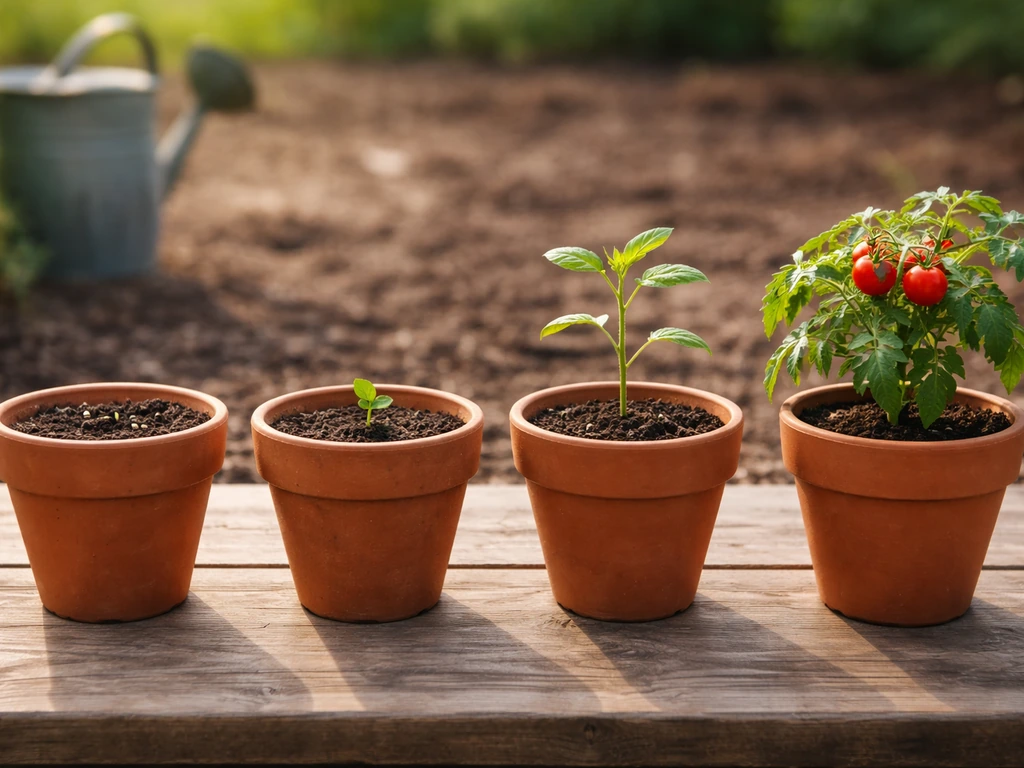
The Ancient Seed crop (grown from the Ancient Seeds item you either find or craft) has one of the longest growth windows in the game. That 28-day window isn't a rough estimate, it's the exact number baked into the crop's stage data. You plant, you water, you wait 28 full days, and then you harvest.
Here's the clean version of the timeline:
| Event | When it happens |
|---|---|
| Plant Ancient Seeds | Day 1 of any valid growing season |
| First Ancient Fruit ready | Day 29 (i.e., Day 1 of the next season) |
| Subsequent harvests | Every 7 days after the first |
For context, the Rare Seed crop takes 24 days to first harvest, pumpkins mature in 13 days, and wild seeds are ready in just 7 days. Wild seeds in Stardew mature much faster, so if you are comparing timelines, you can expect a shorter wait for first harvest than Ancient Seeds. Ancient Fruit has the longest runway of any standard crop, but it pays you back repeatedly without replanting, which is exactly what makes it worth the wait.
What "time to grow" actually includes
When players ask how long Ancient Seeds take to grow, they usually mean one of three different things, and it helps to be clear about which one you're tracking. When you track time to grow, make sure you are comparing the same stage, since the first harvest can differ from the ongoing production how long Ancient Seeds take to grow.
First is germination and early growth, which is the period from planting until the crop visibly matures through its growth stages. Second is first harvest, meaning the 28-day window until you actually pick fruit. Ancient Seeds have a total growth time of 28 days to first harvest, followed by a 7-day regrowth interval for subsequent harvests the 28-day window until you actually pick fruit.
Third is the full productive life of the plant, which includes all those repeating 7-day harvests afterward.
Think of it like real-world perennial fruit plants. A fruit bush takes a full season to establish before it yields anything, and then it produces year after year once it's mature. Ancient Fruit works the same way in Stardew's crop system. The 28 days is your establishment period. Everything after that is ongoing production.
Worth noting: fertilizers treat these two phases very differently. Speed-Gro only affects the initial 28-day growth window and can shorten your wait to first harvest. It has no effect on the 7-day regrowth interval between subsequent harvests. Quality fertilizers, on the other hand, improve fruit quality across all harvests, not just the first.
Day-by-day expectations and in-game planting conditions
Stardew Valley tracks crop growth through a stage system. Each day you water the crop, it advances through internal growth phases. You won't see dramatic visual changes every single day, but progress is happening. By around Day 7 you'll notice a small sprout, the plant continues developing through mid-stages around Days 14-21, and the fully mature plant appears just before harvest time around Day 28.
Ancient Fruit can be grown outdoors during Spring, Summer, and Fall. It cannot survive Winter outdoors. If you're growing it in a Greenhouse, seasons don't apply and the plant will grow and produce year-round, which is the most efficient setup in the game. Outside the Greenhouse, your biggest risk is planting too late in a season and running out of days before the 28-day window closes.
One thing that trips up a lot of players: even though Ancient Fruit can survive across multiple seasons outdoors, it still needs those 28 full days. If you plant on Day 1 of Spring, Day 29 is Day 1 of Summer, and you're fine. But if you plant even a few days late, you might be pushing the harvest into Summer, which is still fine since Ancient Fruit survives the season transition. The key is not letting the plant get caught heading into Winter without having already matured.
Factors that change how long it actually takes
The 28-day number assumes perfect conditions: planted on the right day, watered every day, and no interruptions. In practice, several things can stretch that timeline or cut it short.
- Watering: If you miss a day of watering, growth stops for that day. The plant doesn't die from a missed watering day (unless it's Winter), but you lose a day of progress. A rain day counts as automatic watering, which helps. Getting a Sprinkler system set up before planting is the most reliable fix.
- Season timing: Planting too close to Winter outdoors is the most common mistake. Ancient Fruit won't die when Fall turns to Winter if it's already mature and harvested, but if it hasn't completed its 28-day growth by the end of Fall, it will wither and die when Winter starts.
- Speed-Gro and Hyper Speed-Gro: These fertilizers reduce the time to your first harvest by speeding up the crop's growth stages. This is the only lever you have to get that first fruit faster than 28 days. Hyper Speed-Gro gives a stronger boost. Neither fertilizer affects the 7-day regrowth interval after the first harvest.
- Greenhouse vs. outdoor growing: In the Greenhouse, Winter doesn't exist for your crops. Ancient Fruit planted there will mature normally and produce indefinitely, making it the highest-value setup in the game.
- Crop stages and in-game mechanics: Each growth stage has a set number of days assigned to it internally. Speed-Gro reduces the days required in each stage, shaving time off the total. This is consistent with how germination acceleration works in real gardening too, where warm soil or starter nutrients can push a slow-establishing plant into active growth faster.
How to plan your planting schedule for the quickest harvest
The single best thing you can do is plant on Day 1 of Spring in the Greenhouse, if you have access to it. Outside the Greenhouse, Day 1 of Spring or Summer gives you the longest production window before Winter kills outdoor crops.
- Get your Ancient Seeds as early as possible. You can find an Ancient Seed artifact and donate it to the museum to receive a craftable packet, or occasionally find seed packets directly. Either way, the earlier you plant, the more 7-day harvests you'll squeeze in before the season ends.
- Till and fertilize the soil before planting. If you're using Speed-Gro, apply it before or immediately when you plant so it's active for the full 28-day growth window.
- Set up Sprinklers before Day 1. Basic Sprinklers, Quality Sprinklers, or Iridium Sprinklers eliminate the daily watering requirement and prevent missed-day growth pauses entirely.
- If you're planting outdoors, count 28 days forward from your planting date and make sure that date lands before Day 28 of Fall (i.e., before Winter). Ideally aim to plant no later than Day 1 of Fall so the 28-day clock lands right at the start of Winter when you've already harvested.
- After your first harvest, track the 7-day regrowth cycle. Mark Day 1 of each new harvest window so you can plan when to be at the farm to collect fruit before it sits too long.
If you're comparing Ancient Fruit's planning complexity to something like Mixed Seeds (where you don't even know the crop type until it's planted) or wild seeds (which mature in just 7 days with minimal planning), Ancient Fruit demands more calendar awareness upfront. For example, mixed seeds have a different growth schedule because the crop mix can change the days to harvest mixed seeds take to grow. But the payoff is a plant that keeps producing season after season in the Greenhouse.
Troubleshooting slow or failed Ancient Seed growth
If your Ancient Seed isn't progressing the way you'd expect, one of a handful of things is almost always the cause. Here's how to diagnose it:
- Plant withered or disappeared: This usually means Winter hit before the crop matured, or the crop went unwatered for an extended stretch. If you're playing outdoors and the season rolled over to Winter, the plant is gone. No recovery from this one. Replant in Spring.
- No growth visible after several days: Check whether you've been watering. The soil tile will look darker/wet on watered days. If it's dry every morning, the growth counter isn't moving. Grab your watering can or build a Sprinkler.
- It's been more than 28 days and nothing is ready: Count carefully from the actual planting day, not from when you got the seed. Also verify it's a valid growing season. Ancient Fruit doesn't grow in Winter outdoors regardless of how long you wait.
- Fruit isn't appearing after first harvest: The regrowth timer resets to 7 days after each harvest. If you harvested and then waited and nothing appeared, check that the plant is still watered daily. The same watering rules apply to the regrowth phase.
- You planted in the wrong spot: Crops need tilled soil (use the Hoe). If you accidentally placed it on an untilled tile, it won't grow. Check the tile state if growth seems completely stalled from Day 1.
Quick tips to improve results and avoid wasted planting
Ancient Seeds are rare and valuable, so wasting one on a bad plant or a Winter wipe stings. A few habits will protect your investment and squeeze more out of every seed.
- Always use Speed-Gro on your first Ancient Seed planting. It's the only way to shorten that 28-day window, and saving even a few days means one extra 7-day harvest cycle per season.
- Once you have a mature Ancient Fruit plant, use the Seed Maker on the harvested fruit to produce more Ancient Seeds. This is the fastest way to scale up your Ancient Fruit operation.
- Prioritize the Greenhouse for Ancient Fruit above almost every other crop. Its year-round growing conditions and the 7-day repeating harvest make it the highest-gold-per-day plant in the game once established.
- Don't plant outdoors after Day 1 of Fall without Speed-Gro. The math gets tight and the risk of a Winter wither isn't worth it.
- If you're early in the game and don't have the Greenhouse yet, treat your first Ancient Seed as a long-term investment. Plant it in Spring, expect the first fruit in Summer, and use that fruit in the Seed Maker to build your supply before the Greenhouse opens up.
FAQ
Do Ancient Seeds take 28 days only once, or every time I harvest?
It depends on when you count. If you mean the first harvest, it is 28 days from planting until you can pick the first Ancient Fruit. After that, it produces every 7 days without replanting, so the “time to grow” for the later harvests is 7 days between picks.
Does Speed-Gro make Ancient Fruit regrow faster than every 7 days?
No. Fertilizers only modify how quickly you reach the first mature stage (Speed-Gro speeds the initial 28-day establishment). The repeating production cycle stays on the 7-day interval, so you will still get harvests every 7 days after your first pick.
If I use quality fertilizers on Ancient Seeds, does it change the growth or regrowth timeline?
Fertilizer quality affects the fruit quality across harvests, but it does not reduce the 28-day establishment period or the 7-day regrowth timing. In other words, you can improve value per harvest, but you cannot “speed up” the plant’s schedule just by using quality fertilizers.
How should I plan my calendar if I use Speed-Gro on Ancient Seeds?
Fertilizer type matters. Speed-Gro can shorten the wait to your first harvest, but it does not change the 7-day rhythm afterward. If you are planning for multiple harvests in a season, you should still assume later picks follow the regular 7-day cadence.
What happens if my Ancient Seeds finish maturing during Winter?
If you plant outdoors and the 28 days end during or after Winter starts, you can lose the chance to harvest unless the plant survives long enough to reach maturity. To avoid that, plant early enough that the first harvest happens before the outdoor Winter wipe would remove the plant.
Why does my first Ancient Fruit show up later than I expected?
Planting too late in the season is the most common reason players feel the timeline is “wrong.” Even though Ancient Fruit can carry across the season transition, you still must complete that full initial establishment period, so late planting can push the first harvest into the next season or beyond the point where Winter stops outdoor growth.
Does missing a day of watering delay Ancient Seed harvest time?
You have to water every day to keep growth progressing. If you miss watering, the plant does not advance through its internal growth stages at the expected pace, which can delay the first harvest even though the crop normally matures in 28 days under perfect conditions.
Is the 28-day schedule different if I grow Ancient Seeds in a Greenhouse?
Yes, but only if you are growing in a Greenhouse. In the Greenhouse, you bypass outdoor season rules, so the plant can keep producing year-round, which is much more reliable than trying to schedule the 28-day establishment across Spring, Summer, and Fall outdoors.
Is the 28-day timer counted inclusively or exclusively from the planting day?
If you are calculating “time to first harvest,” it is 28 full days after the planting day. For example, planting on Day 1 of a season means you harvest around Day 1 of the next season. If you count fewer than 28 days in your planning (common mistake), your timeline will look off.
When should I plant Ancient Seeds outdoors to get the most harvests before Winter?
If your main goal is maximizing harvests outside a Greenhouse, you typically get the most reliable production window by planting on Day 1 of Spring outdoors, so the full establishment period completes with the widest margin before Winter. Planting later reduces the number of completed cycles you can harvest before outdoor crop survival ends.
Next Article
How Long Do Wild Seeds Take to Grow? Timelines Guide
Wild seed growth timelines for germination, seedlings, and maturity, plus why it varies and troubleshooting for delays.