Mixed seeds in Stardew Valley take anywhere from 4 to 13 days to fully mature, depending entirely on which crop they resolve into when you plant them. That range sounds wide, but once you understand how mixed seeds actually work, the timeline becomes very predictable. The short version: mixed seeds produce a random seasonal crop the moment you put them in the ground, and that crop follows the exact same growth schedule as its named seed counterpart. So the real question isn't just "how long do mixed seeds take" but "what did my mixed seeds turn into, and when did I plant them?"
How Long Do Mixed Seeds Take to Grow in Stardew Valley
Marcus Henley
15 Apr 2026
What mixed seeds and wild seeds actually are (and where to get them)
Mixed seeds are a random seed type you'll pick up from weeds, fishing treasure chests, and a handful of other sources. The key mechanic: the specific crop is locked in the moment you plant the seeds, not when you buy or find them. The game looks at your current season and rolls a random crop from that season's pool. Plant mixed seeds in spring, and you'll get a random spring crop. Plant them in summer, and you'll get a summer crop. This also applies inside the Greenhouse and in Garden Pots indoors, which follow their own seasonal rules.
Wild seeds are a separate category entirely. You craft them from foraged plants (Spring Seeds, Summer Seeds, Fall Seeds, and Winter Seeds), and each type always produces the same set of forageable plants rather than a random standard crop. If you've been wondering about how long winter seeds take to grow, for example, that's its own crafted wild seed type with its own fixed schedule. Don't mix the two systems up or you'll plan your harvest windows completely wrong.
The growth timeline: days to sprout and days to harvest
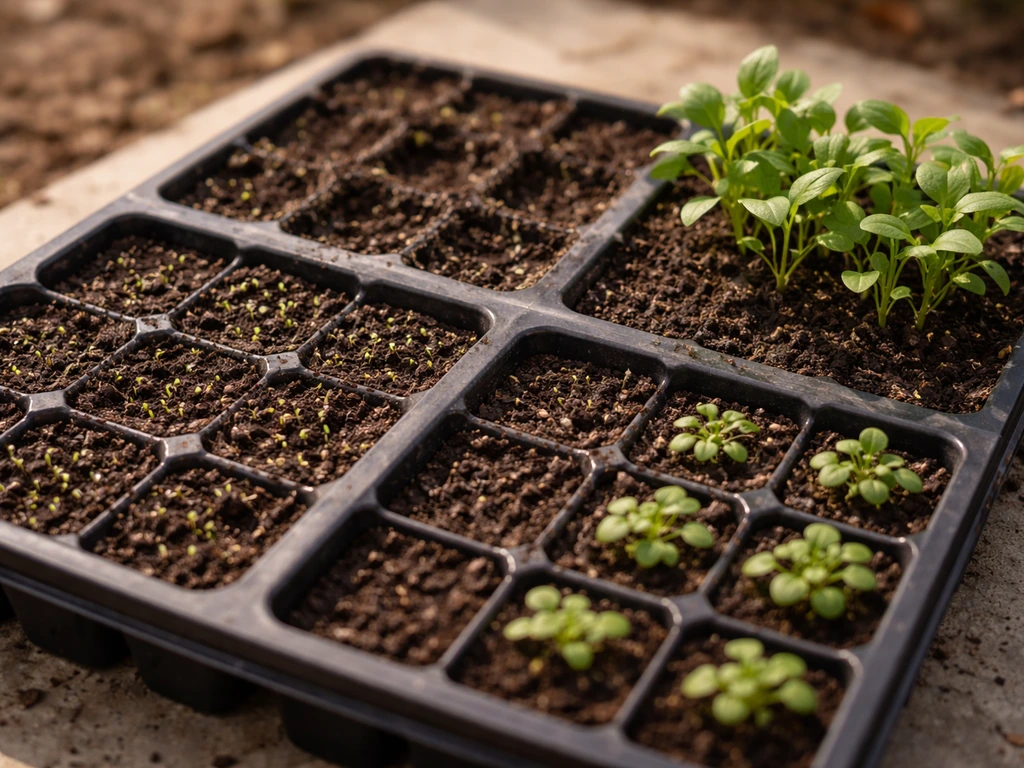
Because mixed seeds resolve into a standard seasonal crop, their growth timeline matches whatever crop they became. Most spring crops, for instance, fall in the 4 to 13 day range. Cauliflower takes 12 days, parsnip takes 4 days, and potato takes 6. Summer and fall crops have their own ranges. The day you plant does not count, so a 6-day crop planted on Day 1 is harvestable on Day 7. This is standard for all crops in the game.
Wild seeds, by contrast, follow a single unified rule: all wild seeds take exactly 7 days to mature, not counting the day you plant them. It doesn't matter which season's wild seeds you're using. Plant them on Day 1, harvest on Day 8. That consistency is actually one of the nicer things about wild seeds for planning purposes, since there's no guessing involved.
Mixed seeds vs wild seeds: separate schedules side by side
| Seed Type | Growth Time | Outcome | Best Use |
|---|---|---|---|
| Mixed Seeds | 4 to 13 days (varies by resolved crop) | Random seasonal crop (locked at planting) | Passive income, filler plots, early game variety |
| Spring Wild Seeds | 7 days (not counting planting day) | Daffodil, Dandelion, Leek, or Salmonberry | Foraging XP, crafting bundles, consistent harvest |
| Summer Wild Seeds | 7 days (not counting planting day) | Fiddlehead Fern, Red Mushroom, Spice Berry, or Sweet Pea | Foraging XP, consistent timing |
| Fall Wild Seeds | 7 days (not counting planting day) | Blackberry, Chanterelle, Common Mushroom, or Hazelnut | Foraging XP, consistent timing |
| Winter Wild Seeds | 7 days (not counting planting day) | Crystal Fruit, Holly, Nautilus Fossil, or Snow Yam | Foraging XP, off-season planting option |
The practical difference: wild seeds are predictable and repeatable, while mixed seeds carry more variance. If you're trying to plan around a specific harvest window, wild seeds are easier to schedule. If you're just trying to fill empty plots and don't mind a surprise, mixed seeds work fine. Just don't plant mixed seeds on Day 20 of a season expecting a full-grown crop before the season ends unless you happen to get one of the faster-growing crops.
How planting day and season change your real harvest window
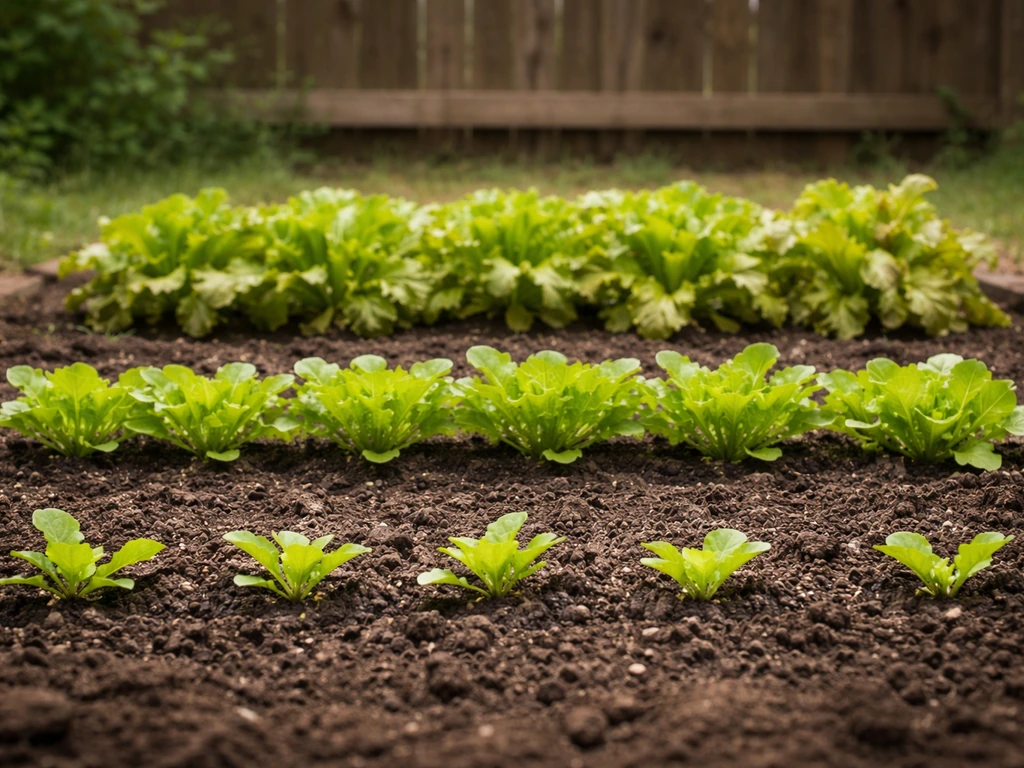
Each season in Stardew Valley is 28 days long, and crops die at the end of the season they belong to (with the exception of crops grown in the Greenhouse or Garden Pots, which ignore this rule). If you plant mixed seeds on Day 24 of spring and they resolve into cauliflower, which takes 12 days, you will not harvest it. The season ends before the crop matures, and it dies. This is one of the most common mistakes players make with mixed seeds.
A good rule of thumb: check the longest possible growth time for your current season's crop pool before planting mixed seeds late in the season. For spring, that's 12 days (cauliflower). This means you should plant mixed seeds no later than Day 16 of spring if you want a guaranteed harvest regardless of which crop they become. For wild seeds with their fixed 7-day schedule, the cutoff is simpler: plant by Day 21 of the season to guarantee harvest before Day 28.
If you're deep into planning spring plantings, it's worth cross-referencing the full breakdown in this guide on how long spring seeds take to grow in Stardew, since it covers the season-specific crop timelines that mixed seeds draw from.
What affects growth speed and what doesn't
Fertilizer matters a lot here. Speed-Gro and Deluxe Speed-Gro reduce the number of days to maturity, which can make a big difference with slower mixed seed outcomes like cauliflower or pumpkin. Speed-Gro shaves roughly 10% off growth time (rounded down), and Deluxe Speed-Gro cuts about 25%. If you're planting mixed seeds mid-season, always use Speed-Gro to give yourself the best chance of harvesting before the season ends.
Rain and watering don't affect growth speed, but an unwatered crop does not grow that day. So if you skip watering, you're effectively extending the growth time by however many days the crop went dry. Sprinklers solve this entirely. Basic Sprinklers water the 4 adjacent tiles, Quality Sprinklers cover 8 tiles, and Iridium Sprinklers cover 24. For a mixed seed farm where you might have scattered plots, Quality or Iridium Sprinklers are worth prioritizing.
One thing that does not change growth time: the quality of your farming skill level. Higher farming skill improves the quality of the harvested crop (more gold and iridium quality items), but it doesn't speed up maturation.
If your seeds don't seem to be growing on schedule
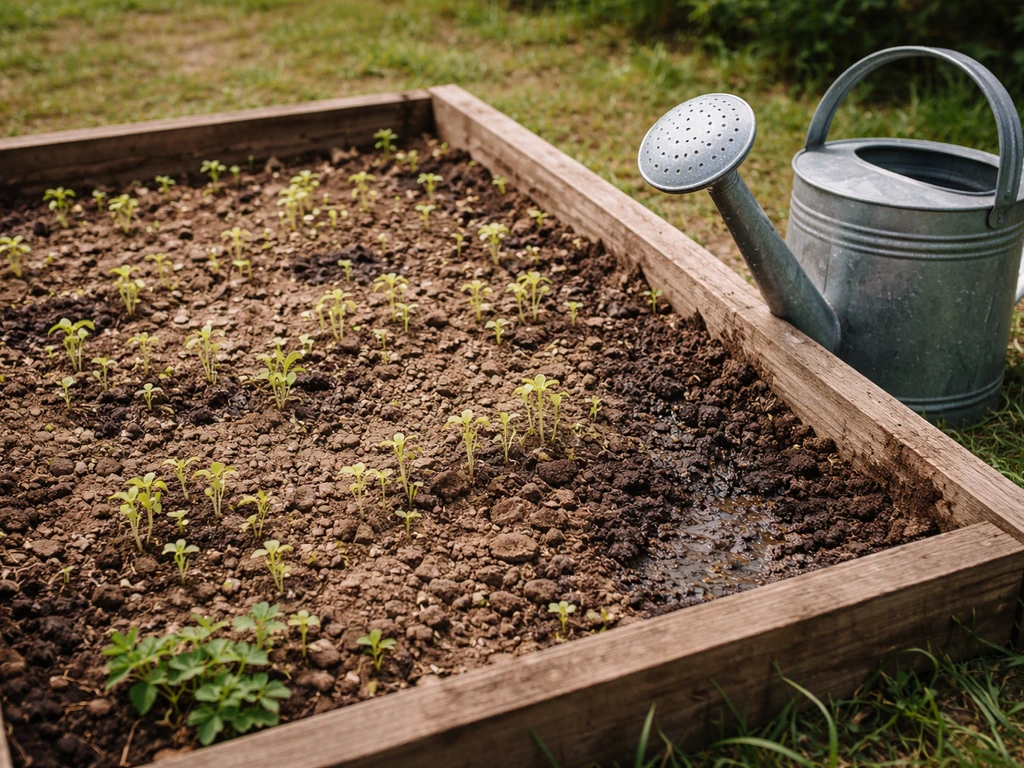
The most common culprit is a missed watering day. Check your crop's growth stage in the game and count back how many days it's been since you planted. If the number is higher than expected, you almost certainly skipped watering at least once. The crop's growth stage indicator in the tooltip is your best diagnostic tool.
The second most common issue is planting in the wrong season. A mixed seed planted on Fall Day 28 (the last day of fall, if the game even allows it) will not survive into winter. Similarly, if you're playing with mods or have somehow obtained mixed seeds outside normal gameplay, double check that the seed type is recognized in the current season's crop pool.
- Crop not growing at all: check if it was watered today. Unwatered crops don't advance.
- Crop died overnight: the season changed and the crop wasn't in the Greenhouse or a Garden Pot.
- Growth seems slower than expected: count planting day as Day 0, not Day 1. The game doesn't count the planting day.
- Mixed seed grew something unexpected: that's normal. The crop type is randomized at planting.
- Wild seeds not appearing as harvestable after 7 days: recount from the day after planting, not the day of.
If you've ruled all of that out and the crop still seems stuck, check whether you accidentally planted in a non-tilled tile or a tile that later got walked over by a character event. It's rare, but it happens.
Planning staggered plantings and harvest windows
Staggering your plantings is the single best way to avoid a situation where everything is ready at once and you spend three full in-game days doing nothing but harvesting. For wild seeds, it's straightforward: plant a batch every 7 days and you'll have a rolling harvest on the same schedule. Plant on Day 1, harvest Day 8. Plant another batch on Day 8, harvest Day 15. Plant again Day 15, harvest Day 22. That's three full harvest cycles per season with no gaps and no waste.
For mixed seeds, staggering is trickier because you don't know the exact harvest day until you plant and see what crop appears. The practical workaround: plant in small batches of 5 to 10 seeds at a time, spaced 3 to 4 days apart early in the season. This way, even if some batches resolve into slow-growing crops like cauliflower or pumpkin, you'll have earlier batches of faster crops (like parsnip or green bean) ready sooner. Think of it as hedging your harvest timeline across the full range of possible outcomes.
If you want to build a more disciplined planting calendar, it helps to understand the full growth spectrum by season. For instance, understanding how long spring seeds take to grow in general gives you the bookends (fastest and slowest) you need to build your planting schedule around.
For long-term planning, the Greenhouse changes everything. Without seasonal death pressure, you can plant mixed seeds any time and let them mature at their own pace. This is especially useful for slower-resolving crops and for running experiments with mixed seeds to see what they produce across seasons without the stress of a ticking calendar.
A few seed types worth knowing separately
If you're expanding beyond mixed and wild seeds, a couple of niche seed types have their own timelines that are easy to confuse with these. Ancient Seeds, for example, are one of the slowest-growing crops in the entire game. If you've stumbled onto one and are wondering what you're in for, the dedicated breakdown on how long ancient seeds take to grow is worth reading before you plant. And if you've ever encountered Fluix seeds from a crossover mod or are just curious, how long fluix seeds take to grow covers that timeline separately.
The bottom line on timing
Mixed seeds: expect 4 to 13 days depending on what they resolve into, with the actual crop determined at planting by your current season. Wild seeds: always 7 days, not counting the planting day, every time. Use Speed-Gro if you're planting late in a season, don't skip watering, and stagger your plantings in small batches to smooth out your harvest windows. Once you know these two schedules cold, mixed and wild seed farming becomes genuinely one of the more reliable passive income strategies in the early-to-mid game.
FAQ
Does the day I plant mixed seeds count toward the growth time?
No. The calendar day you plant does not count toward maturity. If the resolved crop needs 6 days, planted on Day 1 it becomes harvestable on Day 7 (assuming it has been watered every required day).
What happens if my mixed seed finishes growing after the season ends?
Mixed seeds only resolve into a crop that belongs to your current season at planting. If you plant late and the crop would finish after the season ends, it will die and you will not get a harvest unless you were growing it in the Greenhouse or Garden Pots.
How do I plan the harvest day once my mixed seeds resolve into an unknown crop?
Use the resolved crop’s specific day count, not the 4 to 13 “mixed seeds” range. For example, if your mixed seed becomes cauliflower, use 12 days as your planning number, even though you started with mixed seeds.
How can I tell whether I planted mixed seeds or wild seeds?
Sometimes players think they are doing mixed seeds planning but they actually have wild seeds. Wild seeds always take exactly 7 days (not counting planting day) regardless of season, while mixed seeds vary based on what crop they resolve into.
Do Speed-Gro or Deluxe Speed-Gro change how long mixed seeds take to grow?
Fertilizer changes maturity, so your “days to harvest” math should be adjusted. Speed-Gro reduces growth time by about 10% (rounded down), and Deluxe Speed-Gro by about 25%. That matters most for slow outcomes like cauliflower and pumpkin.
Does rain mean I can skip watering my mixed seed crops?
Rain does not speed growth, but it does not replace the need to water. If a crop dries out and you miss watering, growth effectively loses that day, which shifts harvest later. Sprinklers prevent this by watering automatically.
Which sprinkler type is best for farms planted with lots of mixed seed tiles?
If you use quality or higher sprinklers, you usually avoid skipped watering across multiple scattered plots. Basic sprinklers miss corners, so mixed seed farms laid out in less tight grids are where higher-coverage sprinklers pay off.
If my mixed seed crop looks behind schedule, what should I check first?
Yes for the reason above, and also because fertilizer and watering determine how many “effective growth days” occur. If you see the crop in the wrong stage compared to your day count, re-check whether any watering days were missed or whether you applied Speed-Gro.
How can I diagnose a mistimed mixed seed harvest using the growth stage indicator?
Stardew Valley reports growth stages, so you can count backward from the current stage to estimate whether you missed watering or whether your fertilizer is not what you assumed. If the stage implies more days than your planting date indicates, that strongly suggests missed watering rather than a game bug.
Is there a “safe last planting day” for mixed seeds in each season?
Do not assume you can plant mixed seeds on the last days of the season and still get a harvest. A common safe approach is to plant early enough that even the slowest possible outcome for that season would mature before the season ends (Greenhouse and Garden Pots are the main exceptions).
What’s the best way to stagger mixed seed planting when the resolved crop is random?
Staggering depends on whether you can tolerate variance. If you plant in small batches and spread them by a few days early, you reduce the chance that every batch resolves into the slowest crops at the same time.
Once I learn what my mixed seeds turn into, can I plan future plantings more precisely?
After you pick what the mixed seeds become, you can treat the result like the normal crop going forward. In practice, your planning becomes “crop name plus its days,” including whether the resolved crop is sensitive to season end and whether you need repeated replanting for later harvest waves.
Why might mixed seeds behave differently in my save or with mods?
Mods or unusual seed sources can change what “mixed seed” means. If your game does not follow the expected seasonal crop pool, verify that the item you planted is recognized as the standard mixed seed type and not a modded seed with different growth rules.
Does the season-end crop death rule apply to mixed seeds in the Greenhouse or Garden Pots?
Greenhouse and Garden Pots ignore the season death rule, so late planting is far less risky. You still must water and consider fertilizer for growth speed, but you do not lose the crop just because it would mature after the outdoor season would have ended.
Next Article
How Long Do Winter Seeds Take to Grow: Timelines & Tips
Winter seeds: sprout and maturity timelines plus troubleshooting for cold stratification, depth, temp, and moisture to h