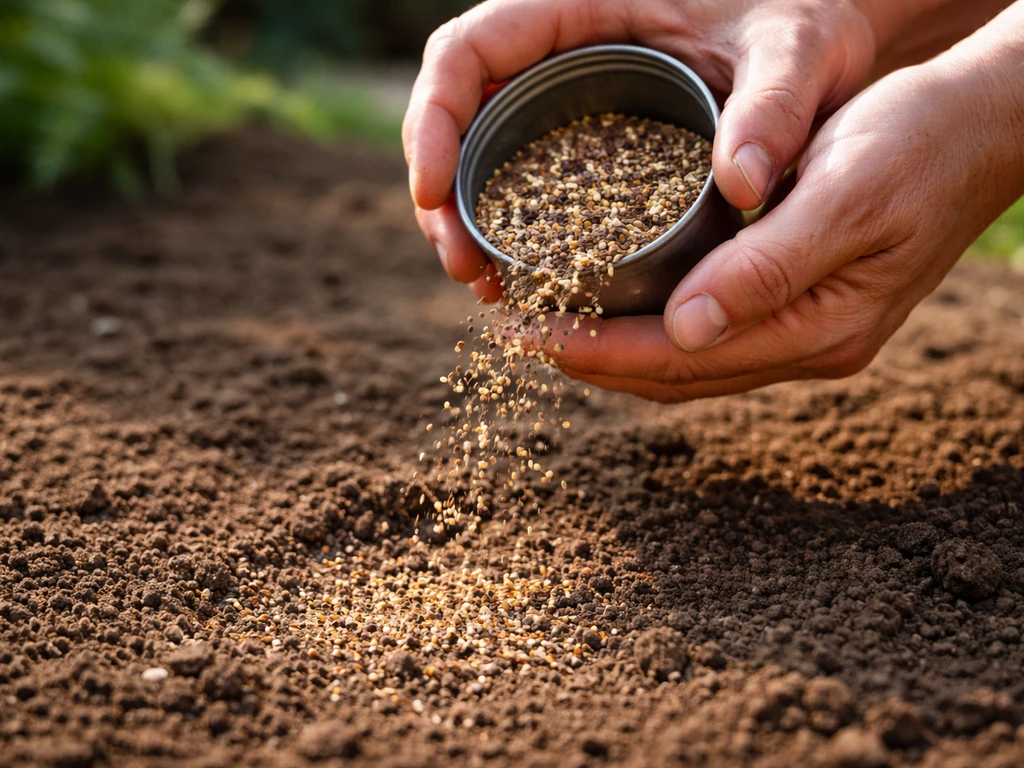
If you landed here after searching about Mario Odyssey seeds, the quick clarification is this: the in-game seed moons in Super Mario Odyssey take somewhere between 21 and 30 minutes of real time to fully grow (community estimates put it at around 21 to 25 minutes, with some players reporting up to 30). But given that this site focuses on real-world gardening, there's a good chance you're actually trying to figure out how long seeds take to sprout and mature in your actual garden. That's what this guide is really about, and the answer varies more than you'd expect: anywhere from 3 days for fast germinators like radishes to over 90 days for slow ornamentals, depending on seed type, soil temperature, moisture, and light.
Mario Odyssey How Long for Seeds to Grow Real Timelines
Marcus Henley
27 May 2026
How Mario Odyssey ties to real seed growth timelines
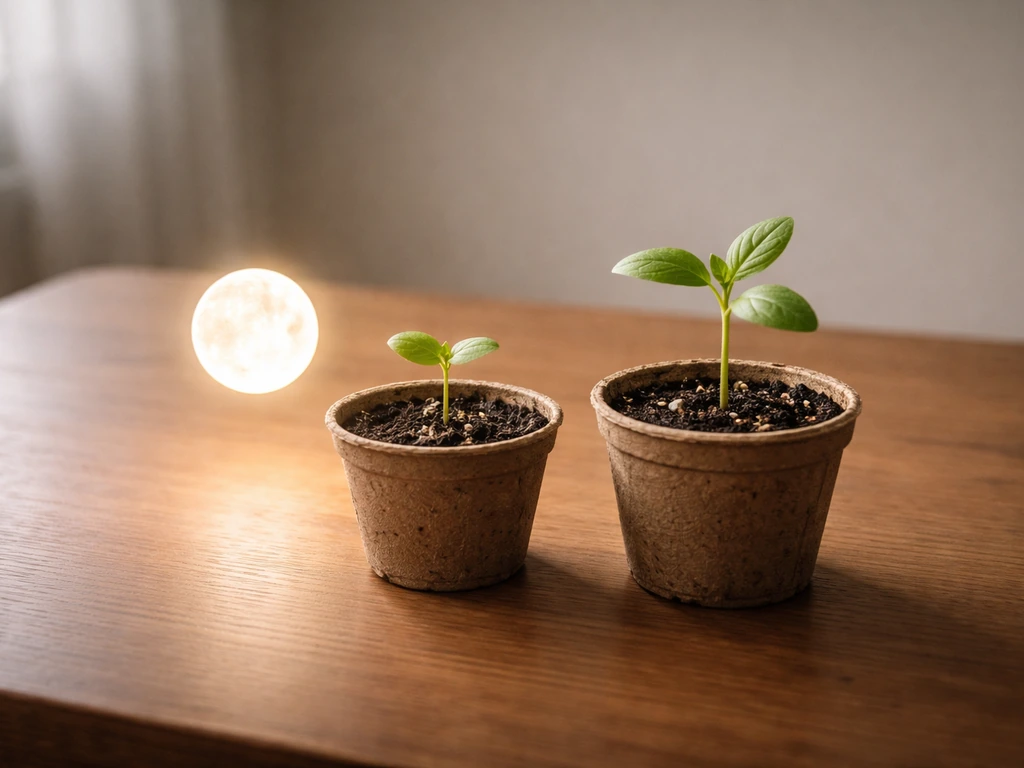
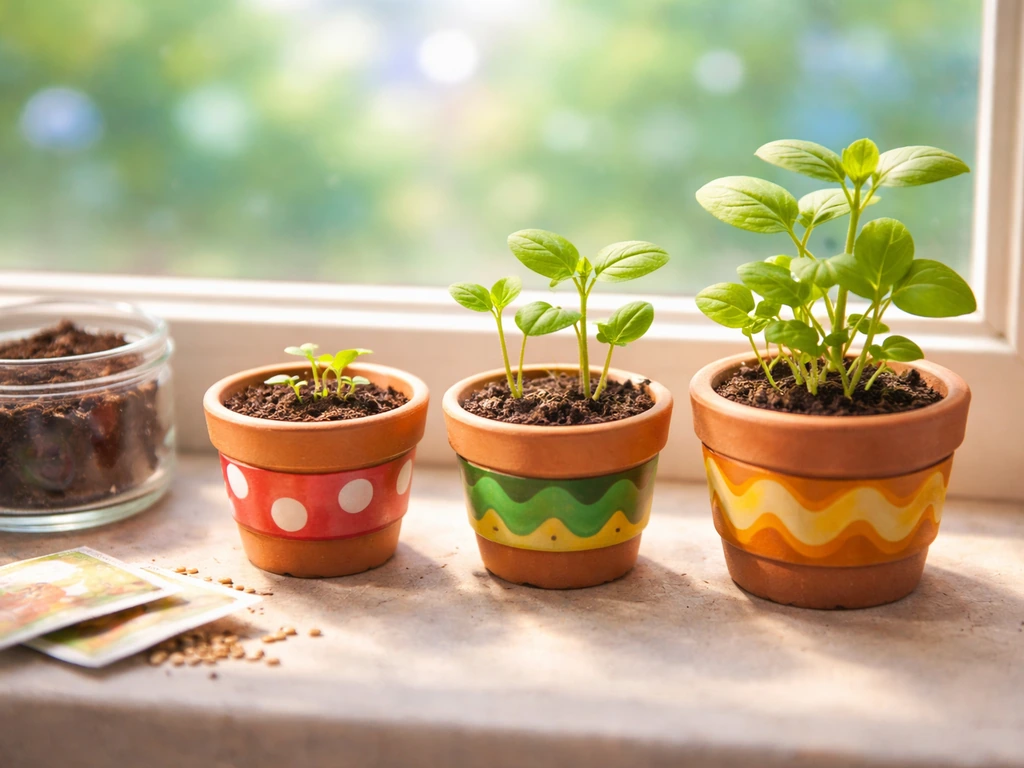
In Super Mario Odyssey, you plant a seed in a pot and wait in real time for it to grow through leaf stages before a Power Moon becomes available. Community reports suggest each set of three leaves takes roughly 3 minutes, and the full growth cycle runs about 21 to 30 minutes of real elapsed time. It's a neat mechanic, but it has nothing to do with how plants actually grow. Real seeds don't have a universal timer.
A basil seed might sprout in 5 days under ideal warmth, while a wildflower seed mix could take 2 to 4 weeks just to germinate if the soil is too cold. Wildflower seeds mix grow times vary because different species can have different dormancy requirements wildflower seed mix could take 2 to 4 weeks just to germinate.
Understanding real seed timelines matters a lot more before you spend money on seeds or plan a planting schedule, so that's what the rest of this guide covers in practical detail. (If you're also curious about how seeds work in other games, seed growth mechanics in Minecraft and Stardew Valley follow similarly simplified rules that differ quite a bit from reality. )
Germination timeframe: when seeds actually sprout
Germination is the moment a seed cracks open and sends out its first root and shoot. The timeframe varies enormously by species and by the conditions you're giving that seed. Most vegetable seeds will sprout somewhere between 5 and 14 days under good conditions. Some go faster, and some take considerably longer. Soil temperature is the biggest single factor, and most seed packets list an average range of days to germinate precisely because the spread is real.
| Seed Type | Germination Soil Temp (Optimum) | Typical Days to Germinate |
|---|---|---|
| Radish | 65–85°F (18–29°C) | 3–7 days |
| Lettuce | 60–75°F (16–24°C) | 7–10 days |
| Tomato | 70–85°F (optimum ~80°F) | 7–14 days |
| Basil (herb) | 65–85°F | 5–10 days |
| Marigold (flower) | 75–80°F | 4–7 days |
| Pepper | 80–90°F | 10–21 days |
| Carrot | 60–85°F | 10–17 days |
| Wildflower mix | Varies by species | 4–21+ days |
| Slow ornamentals (stratified) | After cold stratification 90 days | Highly variable |
Notice how marigolds at the right temperature (75–80°F) can pop in as few as 4 days, while peppers at the same conditions may take three weeks. Tomato seeds germinate across a wide range of 50–95°F, but the sweet spot is around 80°F. Drop below that and you'll wait much longer. Drop below 50°F and they may not germinate at all. These aren't rough guesses; they come from university extension research compiled across multiple growing environments.
Seedling stage: how long until growth is established
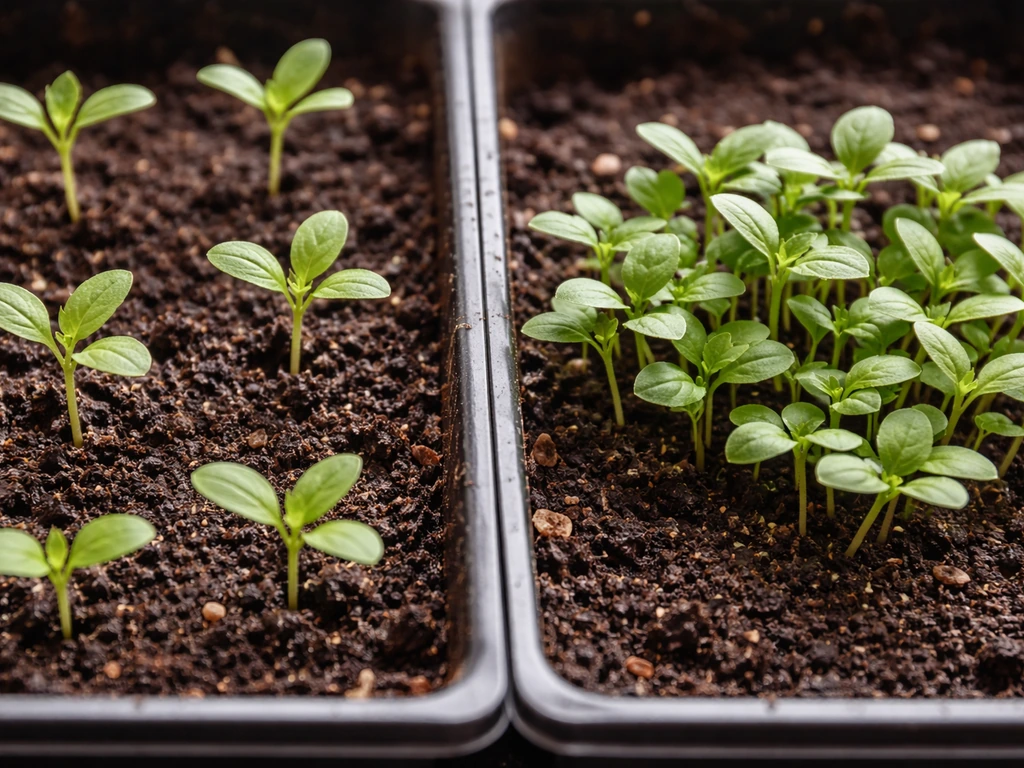
Germination is just the beginning. After a seed sprouts, you enter the seedling stage, which lasts until the plant has developed its first set of true leaves (not the initial seed leaves, called cotyledons, but the real foliage that looks like a miniature version of the mature plant). This stage typically takes 1 to 3 weeks after germination, depending on the crop. For basil, for example, you're looking at about 6 to 8 weeks total from seed sowing to a transplant-ready seedling. The true leaves stage is the milestone UNH Extension points to as the right moment to transplant, because that's when the plant has enough energy reserves and root development to handle a move.
Crowding matters a lot here. Once seedlings emerge, thin them so they aren't competing for light and moisture. Overcrowded seedlings stay weak and spindly, which drags out the time to reach a healthy established stage. I've made this mistake plenty of times, and the result is always the same: a tray of pale, leggy seedlings that take twice as long to catch up after transplanting.
Full maturity: when plants are ready to harvest or flower
The finish line looks different depending on what you're growing. For vegetables, maturity means harvest-ready. For flowers, it means first bloom. For ornamental grasses, it might mean a fully filled-in clump. The range is wide, and "days to maturity" on a seed packet always counts from the date of direct sowing or from transplant date (the packet should specify which).
| Crop/Plant Type | Approx. Days to Maturity (from seed) | Notes |
|---|---|---|
| Radish | 25–35 days | One of the fastest vegetables |
| Lettuce (leaf) | 45–60 days | Cut-and-come-again varieties on the shorter end |
| Basil | 60–90 days | Start indoors 6–8 weeks before last frost |
| Tomato | 70–100+ days | From transplant, add 6–8 weeks for indoor start |
| Pepper | 70–85 days from transplant | Needs long indoor head start (8–10 weeks) |
| Carrot | 70–80 days | Direct sow only; hates transplanting |
| Marigold | 50–60 days from transplant | Sow 8 weeks before desired bloom |
| Wildflower mix | 60–90+ days to first bloom | Depends heavily on species composition |
| Ornamental grass | 1–3 seasons | Many establish slowly from seed |
Tomatoes are a good example of why you need to plan backward from your target date. If your last frost is May 15 and you want ripe tomatoes by late July, you need to sow seeds indoors around early March, about 6 to 8 weeks before transplant date, and then count another 70 to 100 days from transplanting to harvest. The UNH Extension planning method of counting backward from your target garden date using those "seed to grow" estimates is genuinely one of the most useful frameworks for avoiding the frustration of planting too late.
What changes growth time
Four factors control almost everything about how fast (or how slowly) your seeds germinate and your plants grow. Get these right and you'll hit the textbook timelines. Get them wrong and you'll be waiting indefinitely or dealing with failed germination.
Temperature
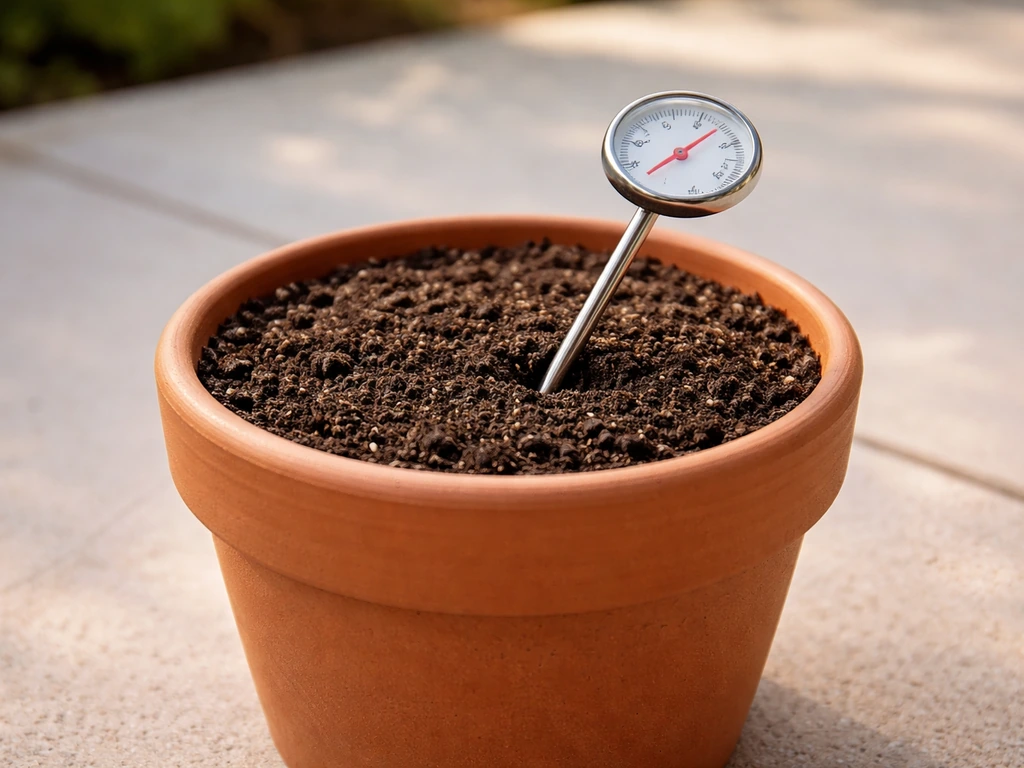
Soil temperature, not air temperature, is what seeds respond to. Each crop has a minimum temperature below which germination won't happen, an optimum range where germination is fastest, and a maximum above which it fails again. Warm-season crops like tomatoes, peppers, and basil won't reliably germinate if soil temperatures are below 50°F. Cool-season crops like lettuce and carrots can germinate at 40°F but prefer 60–75°F. A soil thermometer is one of the most useful tools I own for this exact reason.
Moisture
Seeds need consistent moisture to imbibe water and begin germination, but they also need oxygen. Waterlogged soil removes oxygen and can cause seeds to rot before they sprout. The practical approach is to keep the growing medium evenly moist but not saturated. Covering seed trays with clear plastic wrap holds humidity in until emergence. Bottom watering (setting the tray in a shallow dish of water and letting it soak up from below) avoids disturbing seeds and prevents dry spots from forming on the surface.
Light
Some seeds require light to germinate (lettuce, for example) and should be pressed onto the surface of the soil rather than buried. For seed depth, UMN Extension recommends planting seeds about two times as deep as their width, using vermiculite as a thin cover, and managing light by covering differently depending on whether seeds require darkness pressed onto the surface of the soil rather than buried.
Others need darkness. Most vegetable seeds are fine either way as long as they're at the right depth. Once seedlings emerge, light becomes critical for preventing the leggy, stretched growth that makes seedlings weak. Grow lights positioned 2 to 3 inches above seedlings make a real difference if you're starting seeds indoors without a very bright south-facing window.
Planting depth and soil contact
The standard rule of thumb is to plant seeds at a depth roughly two to four times their diameter. A tiny basil seed gets just a thin dusting of vermiculite. A bean seed goes in 1 to 2 inches deep. Poor soil contact (seeds sitting in an air pocket rather than touching moist medium) is a surprisingly common reason for germination failure. Press lightly after sowing to ensure the seed is actually in contact with moist soil.
Seed type and variability: why the answer always depends
There's no single answer to "how long do seeds take to grow" because the variation between seed types is enormous. A wildflower seed mix might include dozens of species, each with different dormancy requirements, optimal temperatures, and germination windows. For a question like mixed flower seeds in Stardew Valley and how long they take to grow, real-world timelines still come down to the species in the mix and your soil temperature and moisture wildflower seed mix.
Some wildflower seeds need cold moist stratification (a simulated winter period) of up to 90 days before they'll germinate at all. Hard-coated seeds like some legumes and ornamentals may need scarification, either mechanical abrasion or soaking in hot water, to allow moisture to penetrate the seed coat.
Vegetable varieties within the same species also vary. A fast-maturing cherry tomato might hit harvest in 55 days from transplant, while a large heirloom beefsteak needs 90 days or more. Herb germination times vary by family: mint-family herbs like basil germinate quickly, while parsley (carrot family) is notoriously slow at 14 to 28 days even under ideal conditions.
Flower seeds span an equally wide range: marigolds can sprout in 4 days, while seeds from slow ornamentals like some perennial flowers may take 30 to 60 days under the right stratification conditions. If you're exploring more specific scenarios, seed growth timelines in game-based contexts like Stardew Valley follow their own simplified systems that don't map onto real botany at all.
In Stardew Valley, rare seeds follow the game’s own growth rules, so the timeline you see in-game is what matters most Stardew Valley rare seeds.
Troubleshooting slow or no germination
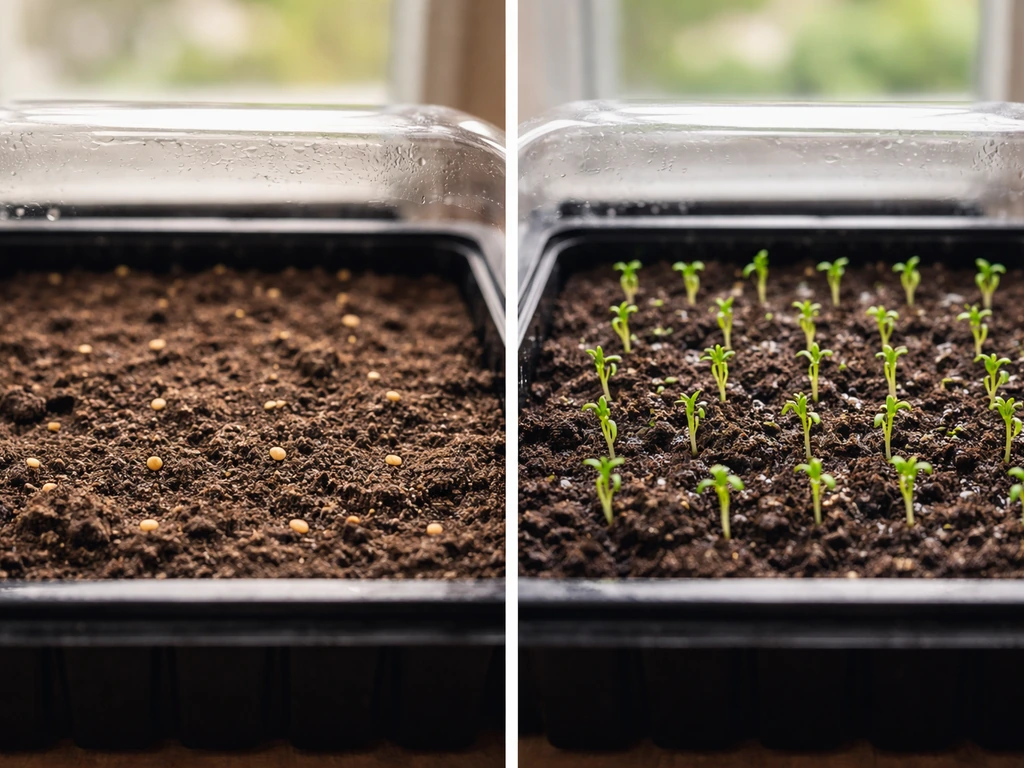
If your seeds haven't sprouted and you're past the expected window, here's how to think through what's happening and what to actually do about it right now.
- Check soil temperature first. This is the most common culprit. Use a soil thermometer. If the temperature is below the minimum for your crop, seeds may not germinate at all or will take much longer than expected. Move seed trays to a warmer location or use a heat mat.
- Assess moisture levels. Dig carefully near one seed with a toothpick. Is the soil bone dry an inch down? Seeds that dry out after initial moisture uptake will die. Water gently but thoroughly, then cover the tray to retain humidity. Is the soil waterlogged and smelly? Let it dry slightly and improve drainage.
- Consider seed viability. Old seeds germinate at much lower rates. Do a paper towel germination test: dampen a paper towel, lay 10 seeds on it, fold it over, place in a sealed bag at room temperature, and check after the expected germination window. If fewer than 5 of 10 sprout, your seed lot has poor viability.
- Check planting depth. Seeds buried too deep may exhaust their energy before reaching the surface. Seeds that are too shallow may dry out. If seeds haven't moved after twice the expected window, try resowing at the correct depth.
- Watch for damping-off. If seedlings are sprouting but then collapsing at the soil line, you're dealing with damping-off caused by soilborne fungi like Pythium or Rhizoctonia. Improve air circulation, reduce surface moisture, and use fresh sterile seed-starting mix rather than reused tray soil. Seedlings become more resistant once they develop mature leaves and a well-developed root system.
- Rule out dormancy for wildflower and ornamental seeds. Some seeds require cold stratification or scarification before they'll germinate. If you're planting a wildflower mix or perennial ornamental from seed and nothing is happening, check whether the species requires a cold period. Fall planting outdoors can substitute for artificial cold stratification for many species.
- Resow without waiting too long. If you're past double the expected germination window with no signs of life, resow with fresh seed in fresh medium. Waiting longer rarely helps at that point.
The most reassuring thing I can tell you is that slow germination is extremely common and usually fixable. Temperature and moisture solve the majority of germination problems. Give seeds the right conditions, test your seed viability if you're unsure, and don't be afraid to start over with fresh seed if needed. Most garden failures come from planting too early in cold soil or letting the growing medium dry out once or twice during that critical first week. Fix those two things and your success rate will improve dramatically.
FAQ
Why do my seeds take longer than the “days to germinate” number on the packet?
Packet numbers are usually based on ideal, steady soil temperatures and consistent moisture. If your soil is even a few degrees below the optimum, germination can stretch out by a week or more, or stall entirely for warm-season crops. Also check that the seeds are planted at the right depth, since poor contact with moist soil is a frequent cause of slow or uneven sprouting.
How can I tell if my seed failure is poor conditions or bad seed viability?
Do a viability test before you assume the conditions are wrong. A simple method is to count how many seeds show a healthy sprout in a moist paper towel over several days, then calculate a germination percentage. If the rate is very low, replacing seed is faster than continuing to wait, because some seeds will not recover even with perfect temperature and moisture.
My seeds sprouted, but growth is weak and leggy. What should I change first?
Leggy seedlings almost always point to insufficient light after emergence. Move to stronger light, or use grow lights and keep them close (about a few inches above the tops) with consistent daily exposure. Also ensure air movement around the seedlings to prevent damping off, and avoid overwatering since waterlogged media can worsen weak rooting.
Do I need to thin seedlings, and when is the right time?
Yes, thinning helps seedlings develop sturdier stems and stronger roots by reducing competition for light, water, and nutrients. Thin once you see true leaves (not just the cotyledons), and do it gradually if seedlings are crowded and fragile. If you transplant thinned seedlings, handle carefully and keep the soil lightly moist to reduce transplant shock.
How do I adjust timelines if I’m starting seeds indoors versus direct sowing?
Indoors, you can control soil temperature and moisture more reliably, often improving and stabilizing germination speed. Direct sowing is more weather-dependent, especially soil temperature and surface drying. When planning, count from when the seed is actually sown in soil, then add germination time plus the seedling period before transplant or harvest.
What’s the most common reason seeds still haven’t sprouted after a long wait?
Cold soil is the top cause for slow germination, especially for warm-season crops like peppers, basil, and tomatoes. The second most common issue is letting the medium dry out during the first week, or alternately keeping it so wet that oxygen drops. Using a soil thermometer and bottom watering can prevent both problems.
Should I bury every seed, or can some be planted on the surface?
Depth depends on the seed. Very small seeds often need to be pressed lightly onto the surface because they need light to germinate (lettuce is a common example). Larger seeds typically need burial at a depth related to their size. If unsure, follow the packet depth guidance, and remember that too deep planting delays or prevents emergence.
For seeds that require cold stratification, how do I schedule it practically?
Stratification usually means the seed must experience a period of cold, moist conditions before it will germinate. Practically, you can prepare the seed in a moist medium, then refrigerate for the required duration and sow right after finishing stratification. This shifts your timeline by weeks, so work backward from your planting date and local frost window.
Do flower seed mixes behave differently than single vegetable varieties?
Yes. A mix can contain multiple species with different dormancy rules and optimal germination windows, so you may see staggered sprouting over a longer period rather than one uniform emergence. If you want faster results, you can sort seeds by species or choose single-species packets, but with mixes you generally plan for extended germination spread.
If I’m growing tomatoes, how should I plan for failures at the transplant stage?
Tomato timelines depend on both germination speed and how quickly seedlings reach transplant size. If seedlings are slow due to cool soil or weak early growth, you can delay transplanting, but you must also watch out for seedling crowding and leggy growth. A good practical buffer is to start slightly earlier and use a soil-temperature-controlled setup indoors to reduce the chance of a late start.
Next Article
Wildflower Seeds Mix: How Long to Grow by Stage
Wildflower seed mix timing by stage: germination to first blooms, plus troubleshooting and steps to speed or re-sow.