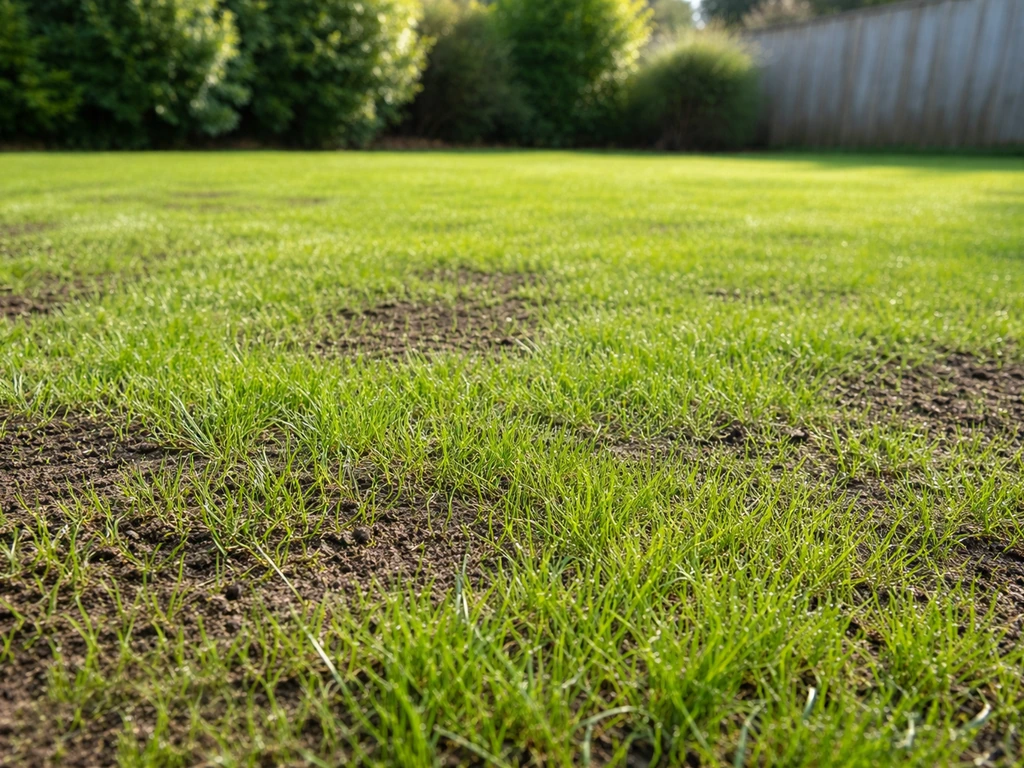
Most grass seed in Australia will show its first sprouts somewhere between 5 and 21 days after sowing, depending on the grass type and season. Cool-season grasses like ryegrass and fescue are the quickest, often sprouting in 5 to 14 days. Warm-season grasses like kikuyu and couch take longer, typically 12 to 21 days or more. Getting to a mowable lawn takes 4 to 8 weeks, and a thick, established lawn that handles real foot traffic is usually 3 to 6 months away. Those are the honest numbers.
How Long Does Grass Seed Take to Grow in Australia?
Marcus Henley
17 May 2026
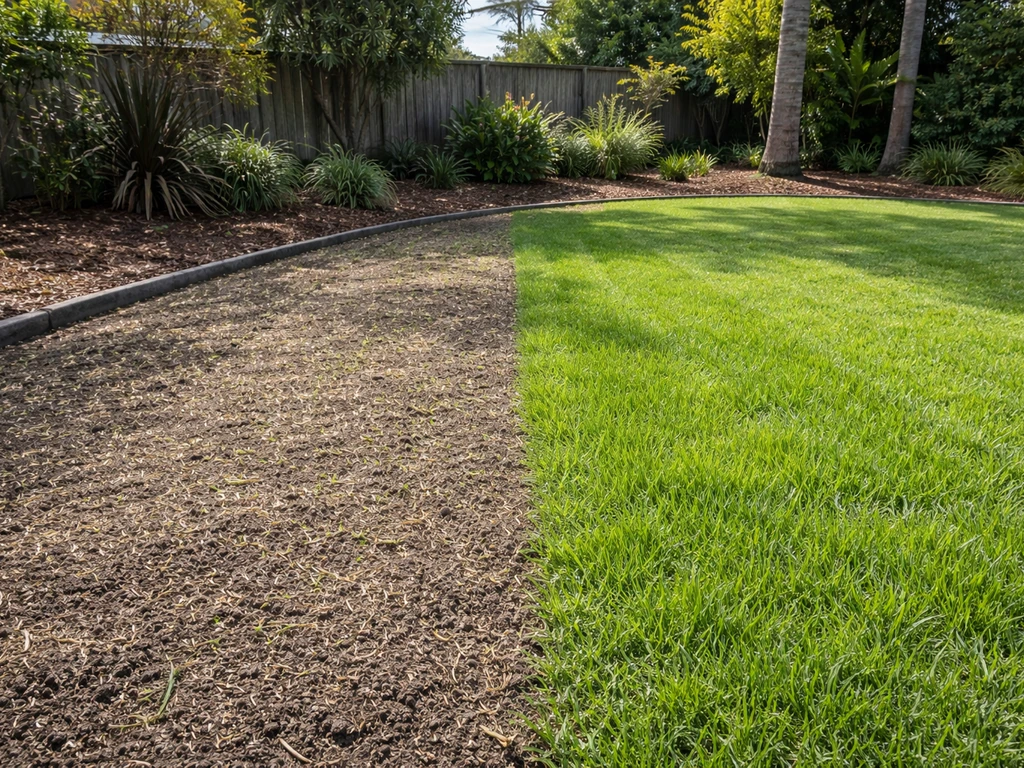
What 'taking to grow' actually means: sprouts vs lawn
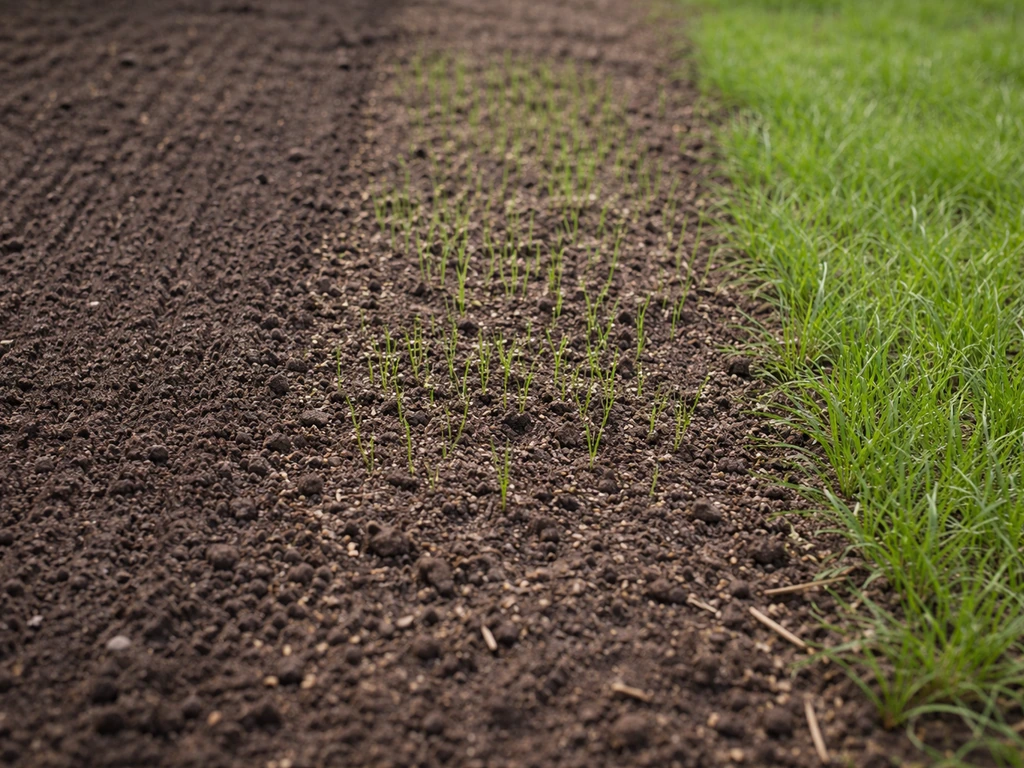
Before going any further, it helps to be clear about what stage you're actually waiting for, because the answer to 'how long does grass seed take to grow' is very different depending on which milestone you mean.
| Stage | What it means | Typical timeframe in Australia |
|---|---|---|
| First sprouts | Tiny green shoots breaking through soil surface | 5–21 days after sowing |
| Mowable height | Grass reaches 70–100 mm; ready for first cut | 4–8 weeks after sowing |
| Usable cover | Can walk on it occasionally without damage | 6–10 weeks after sowing |
| Established lawn | Dense, hardwearing, full coverage | 3–6 months after sowing |
Most people searching this question are usually asking about the first sprouts and whether they've done something wrong when nothing appears in week one. You almost certainly haven't. The ranges above are normal, and the lawn stage that really matters takes months, not days.
Germination timeline by grass type
Australian lawns and groundcover projects tend to use one of a handful of grass species. Each has its own germination window, and knowing which one you've sown helps you set honest expectations from day one.
| Grass type | Season preference | Germination (days) | First mow milestone |
|---|---|---|---|
| Perennial ryegrass | Cool season (autumn/winter) | 5–10 days | When grass reaches ~70–80 mm |
| Tall fescue | Cool season (autumn/winter) | 7–14 days | When grass reaches ~70–80 mm |
| Couch (common) | Warm season (spring/summer) | 12–14 days | ~18–21 days post-germination |
| Kikuyu | Warm season (spring/summer) | 14–21 days | When grass reaches ~10 cm |
| Summer blends (mixed warm-season) | Spring/summer | 10–21 days | When grass reaches ~40–50 mm |
Ryegrass is genuinely fast in the right conditions. I've seen it push through in under a week during a mild autumn in Victoria. Kikuyu, on the other hand, can sit there looking dormant for two weeks before you see anything, especially if it was sown a little early and the soil is still cool. Don't panic at the two-week mark with warm-season grasses.
From seedling to first mow: what to expect week by week
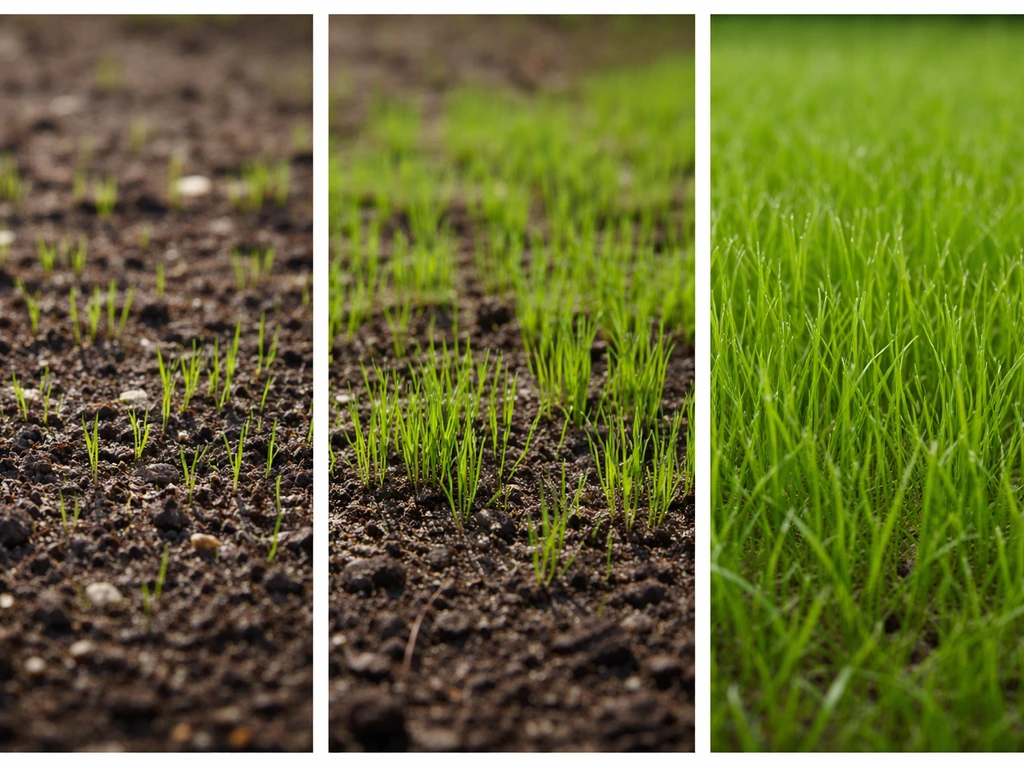
Once you see sprouts, the clock to your first mow starts. For cool-season blends like ryegrass and fescue, aim to mow when the grass hits roughly 70 to 80 mm tall. Summer blends and warm-season grasses like kikuyu and couch can be cut a little earlier, around 40 to 50 mm for mixed summer blends, or when kikuyu averages 10 cm. Never remove more than one-third of the blade height in a single mow. Going too hard too early is one of the most common mistakes people make with newly established grass.
After the first mow, you're usually looking at another 4 to 8 weeks before the lawn is genuinely usable for regular foot traffic. At the 6 to 10 week mark, most lawns have enough root depth that casual walking won't cause serious damage. A fully dense, hardwearing lawn that looks the way you imagined takes 3 to 6 months, sometimes longer if you're dealing with difficult soil or a shaded area.
What changes the timing
Grass type
As covered above, cool-season grasses germinate faster than warm-season types. If you're sowing ryegrass in a Melbourne autumn, five days is realistic. If you're sowing kikuyu in Queensland spring, give it two to three weeks before judging results.
Soil temperature
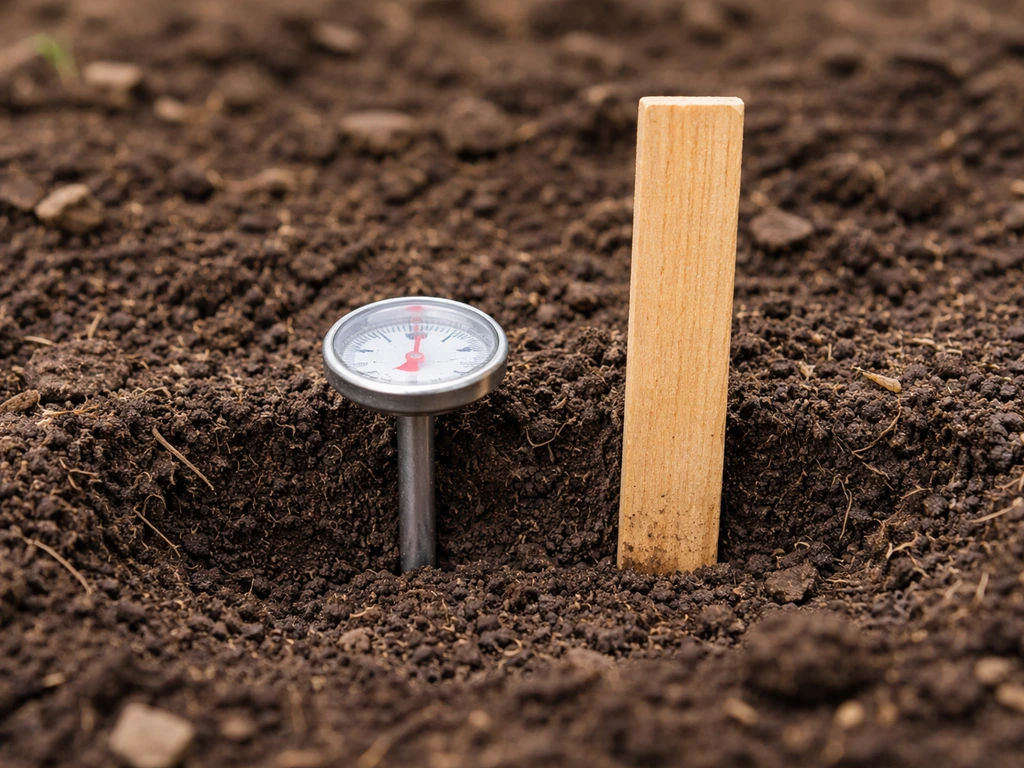
This is the single biggest factor most people overlook. It's not about air temperature. It's about what's happening at seed depth in the soil. Ryegrass and tall fescue have optimal germination somewhere between 20 and 30 degrees Celsius at seed depth. Kikuyu needs the soil temperature at 10 cm depth to be at least 12°C and rising before it's worth sowing. Ideally for warm-season grasses, soil temps are above 18 to 20°C. If you're sowing too early in spring and the soil hasn't warmed yet, seeds just sit there doing nothing. A cheap soil thermometer inserted to seed depth at 9 AM will tell you more than the weather forecast ever could.
Season and climate region
Australia's climate zones mean the 'right time to sow' varies dramatically. A Brisbane gardener sowing kikuyu in September is doing the right thing. A Hobart gardener doing the same is likely too early. Autumn is generally the best window for cool-season grasses across the southern states, while spring works best for warm-season grasses in subtropical and tropical zones. More on timing by season below.
Watering
Inconsistent moisture is responsible for more failed sowings than almost anything else. The top 5 cm of soil needs to stay consistently moist from sowing until the seedlings are established, without becoming waterlogged. In the first two to three weeks, depending on your grass variety and how hot it is, you're looking at watering two to three times daily. In peak summer heat, kikuyu lawns may need light watering three times a day for the first week. This isn't excessive. This is what germination actually requires in Australian conditions.
Soil prep and sowing depth
Sowing too deep is a really common cause of delayed or failed germination. Grass seed is small. It doesn't have the energy reserves of a cereal grain. The ideal sowing depth is 1 to 2 cm, with a loose soil cover and firm seed-to-soil contact. Kikuyu in particular should go no deeper than about 1.5 cm. If seeds end up buried at 3 to 4 cm because someone raked too enthusiastically, many simply won't make it to the surface.
How to speed up grass seed growth
You can't override biology, but you can absolutely stack the conditions in your favour. Here's what actually makes a measurable difference:
- Sow at the right time of year for your grass type so soil temperature is already in the optimal range when seeds go in.
- Prepare the seedbed properly: loosen the top 5 to 10 cm, break up clods, remove debris, and level the surface before sowing.
- Sow at 1 to 2 cm depth and press seeds gently into the soil with a roller or tamper to create firm contact. No gaps between seed and soil means faster moisture uptake.
- Cover with a thin layer of fine compost or seed-raising mix to lock in moisture and protect from birds, but keep it light. Too heavy a cover buries seeds too deep.
- Water immediately after sowing and maintain a consistent twice or three-times-daily light watering routine for at least the first two to three weeks. Use a gentle spray setting, not a jet that moves seed around.
- Avoid walking on the seeded area for at least one to three weeks after sowing. Root establishment is fragile, and compaction from foot traffic slows everything down.
- If sowing in a heat-exposed area, a light straw cover can reduce surface evaporation significantly, keeping moisture available at seed depth.
The mowing height for established kikuyu should sit around 20 to 50 mm in full sun and 50 to 70 mm in part shade. Getting your mowing regime right from the first cut onwards also directly affects how dense the lawn becomes.
Troubleshooting: nothing's sprouting, what now?
If you're past the expected germination window and seeing nothing, work through this before resowing. Most slow or failed sowings have a fixable cause.
- Soil temperature is too low: check it at seed depth with a thermometer at 9 AM. If it's below the species minimum, the seed isn't failing, it's just waiting. Warm-season grasses won't germinate in cold soil regardless of how well you water them.
- Seeds dried out: even one missed watering session during the first week can kill germination. If the surface has visibly dried and cracked between waterings, this is likely the problem.
- Seeds sown too deep: dig carefully in a small test area. If seeds are sitting at 3 cm or deeper, that's the issue. Resow on the surface and cover lightly.
- Old or low-quality seed: grass seed loses viability over time, especially if stored in warm or humid conditions. If you're using seed that's been sitting in the shed for over a year, do a paper towel germination test before committing to a full resow. Put 10 seeds on a damp paper towel, fold it over, seal it in a bag, and check after 7 to 10 days. If fewer than 6 or 7 germinate, the seed viability is too low to rely on.
- Birds or insects: cockatoos, pigeons, and other birds can strip a newly seeded area quickly. If you've noticed activity, cover the area with bird netting or shade cloth until germination.
- Waterlogged soil: overwatering is less common than underwatering but does happen. If the soil feels boggy, back off the frequency and check drainage.
- Compacted soil: if you skipped seedbed preparation and sowed into hard, compacted ground, the seed-to-soil contact needed for germination may not exist. Poor soil prep is almost impossible to compensate for with extra watering.
When to resow
If you're confident the cause was fixable (soil temp, watering, depth) and conditions are now right, you can resow immediately after addressing the issue. If you're approaching the wrong season for your grass type, wait rather than resow now and struggle. A kikuyu lawn sown in late autumn in southern Australia will underperform compared to one sown in spring. Sometimes the best move is to wait for the next ideal window and prep the soil properly in the meantime.
Planning your sowing schedule around Australian seasons
Getting the timing right from the start is the single best thing you can do for a successful result. Here's how to think about it by season across the main climate zones.
Autumn sowing (March to May)
Autumn is the prime window for cool-season grasses across southern Australia, including Victoria, Tasmania, South Australia, and the southern parts of NSW and WA. Soil temperatures are still warm from summer, days are mild, and the reduced evaporation load means watering is more manageable. Ryegrass sown in March or April in Melbourne can be mowable by late May and well established by winter. This is the easiest, lowest-maintenance time to establish a cool-season lawn in southern Australia.
Spring sowing (September to November)
Spring is the main window for warm-season grasses like kikuyu and couch, particularly in Queensland, Northern Territory, and northern NSW. Soil temperatures are rising through spring, which suits these species well. Be aware that spring rainfall in many parts of Australia is unreliable, so irrigation access is important if you're sowing warm-season grasses in spring. Don't sow kikuyu or couch too early in spring if the soil is still cold from winter. Wait until you're confident the soil temperature at 10 cm depth is at least 12°C and trending upward.
Summer sowing (December to February)
Summer is tough for new grass seed almost anywhere in Australia. Heat dries the soil surface rapidly, which means watering three times daily may still not be enough on a 35-degree day. If you must sow in summer, do it in the very early morning, keep the area shaded if possible, and manage expectations. Warm-season grasses can handle summer sowing if you have reliable irrigation. Cool-season grasses should not be sown in Australian summer at all, they'll struggle badly.
Winter sowing (June to August)
Winter works in subtropical and tropical regions of Queensland and the Northern Territory, where soil temperatures don't drop as sharply. In the southern states, winter sowing of cool-season grasses is possible but germination will be slow because of cold soil. Warm-season grasses should not be sown in winter in southern Australia. Germination will fail or be so patchy it isn't worth the effort.
If you're looking at how timing compares to other regions, the principles for Australian conditions share some similarities with New Zealand sowing schedules, particularly for cool-season grasses, though Australia's warmer summers and drier seasons create more distinct sowing windows than you'd see in a more temperate climate. In Ireland, the same basics apply, but your growing window will be set by Ireland's cooler conditions and weather patterns New Zealand sowing schedules.
Your realistic timeline from today
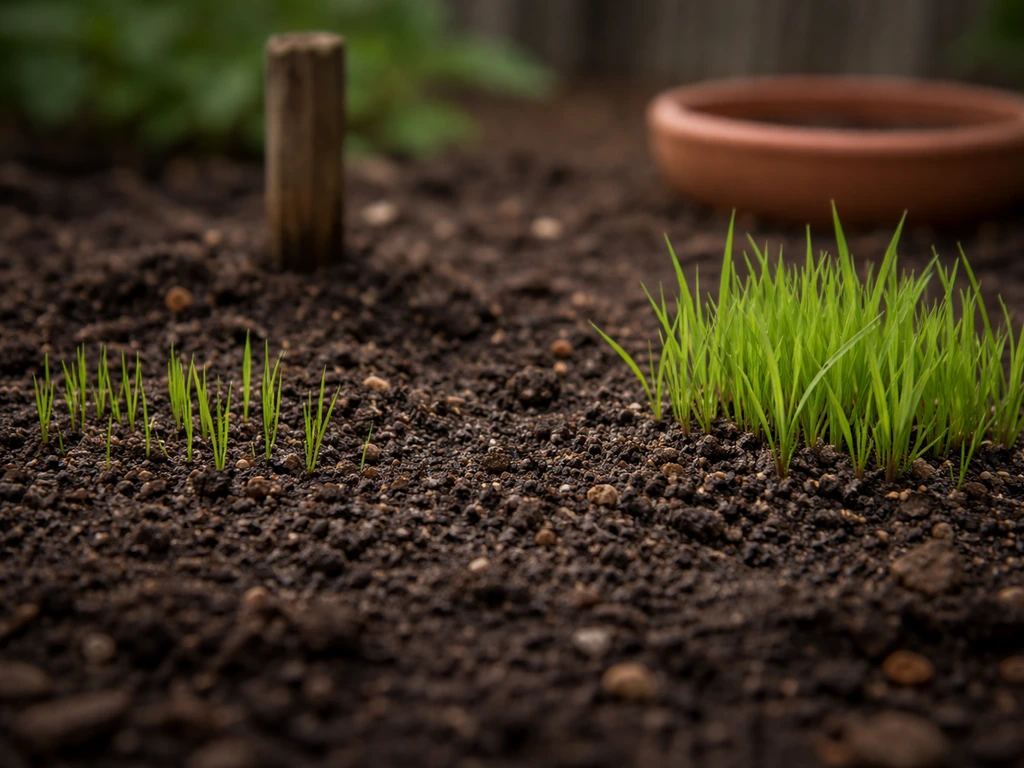
Here's the honest, plain-language version of what to expect if you sow today in the right conditions for your grass type:
| Milestone | Cool-season grass (ryegrass/fescue) | Warm-season grass (kikuyu/couch) |
|---|---|---|
| First sprouts visible | 5–14 days | 12–21 days |
| Ready for first mow | 4–6 weeks | 5–8 weeks |
| Can walk on it lightly | 6–8 weeks | 7–10 weeks |
| Dense, established lawn | 3–5 months | 4–6 months |
Set those expectations now, before you sow, and you'll spend a lot less time worrying about whether something has gone wrong. McKays Grass Seeds also recommends an accessible paper towel germination test at home to estimate seed viability before you sow. The most important thing after sowing is consistent moisture, appropriate depth, and patience during those first two to three weeks. Get that right and the rest follows naturally.
FAQ
What should I look for besides “no sprouts” after a week or two?
Measure progress by height and roots, not by day count alone. If you see green tips but the stand is patchy, give it another 7 to 14 days before taking action, because warm-season grasses (like kikuyu) can look sparse early while they build roots.
If nothing shows up, when is it actually too late to resow?
Wait until the grass has had at least a full germination window for your species, then reassess soil temperature, moisture consistency, and sowing depth. Resowing too early often repeats the same problem, especially if the soil is still below the warm-season threshold at 10 cm depth.
How do I know if I overwatered and should change watering rather than resowing?
If the soil was too wet, you may get a thin, weak stand or seed rot, and the fix is drainage and less frequent watering, not more water. For most lawns, aim for consistently moist at seed depth without puddling, and reduce watering if you see foul smells, crusting, or algae.
Can I reduce watering once the first sprouts appear?
Yes, but only if you still meet the early moisture rule. For example, even after germination, avoid letting the top layer dry out completely for the first 3 to 4 weeks, then gradually extend the interval between waterings.
Does rolling or raking after sowing change how long grass seed takes to grow?
Use a simple rule: the seed must be in light soil contact, not buried. Keep sowing depth around 1 to 2 cm, and if you’re using a rake or roller, stop once the soil is lightly covered and firmed, not deeply worked.
Why can the weather look fine but my grass still won’t germinate?
Timing changes your outcome more than air temperature. If it’s warm on the surface but cool at seed depth, warm-season seed can sit dormant for weeks. A soil thermometer at the depth you sow (about 10 cm for kikuyu) helps you decide whether to wait or start.
How long does it take when I’m overseeding an existing lawn, not starting from bare soil?
If you overseed a lawn, expect longer to look uniform because established roots compete for water and light. New seed may sprout on the usual timeline, but blending into a dense turf often takes the same 3 to 6 months timeframe.
Should I fertilise the area to make grass grow faster, and when?
Fertiliser can speed early growth, but too much too soon can stress seedlings or create a salt burn. If you use fertiliser, start after seedlings have established (after the first mow is a common safe point) and follow label rates for newly sown turf.
When is it safe to let people and pets on the new lawn?
Most new lawns should not be walked on heavily until roots knit the turf, typically around the 6 to 10 week mark for casual walking, and longer for heavy traffic. Use stepping boards or keep pets off to prevent patching while roots are still shallow.
Do shaded areas make grass seed take longer to grow?
Yes. If you’re in shade, germination might happen on schedule, but density and time to “mowable plus reliable” will stretch out. Plan for longer establishment and mow higher in shade to prevent stress.
Next Article
How Long Does Grass Seed Take to Grow in NZ?
NZ timelines for grass seed: germination, first green, established lawn and ready for walk or play, plus key factors and