
Most grass seed in New Zealand germinates within 7 to 21 days, and you can expect a lawn that's ready for light foot traffic somewhere between 6 and 10 weeks after sowing. The exact timing depends heavily on what grass type you're sowing, what season you're in, and whether you're keeping the soil consistently moist during those first critical weeks. Perennial ryegrass is the fastest of the common NZ varieties, often showing green within 5 to 14 days. Tall fescue typically takes 7 to 21 days. Couch can appear in as little as 6 days under warm conditions. Kikuyu is the slow one, taking around 6 weeks even in decent weather.
How Long Does Grass Seed Take to Grow in NZ?

Marcus Henley
17 May 2026
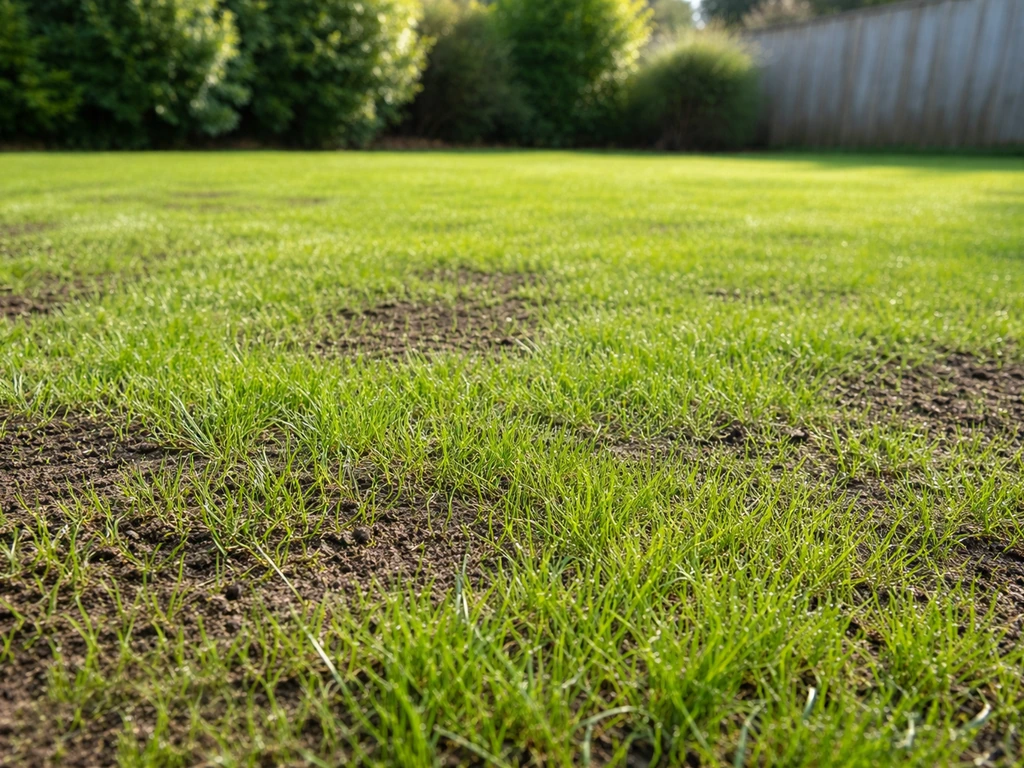
Typical NZ grass seed timelines from sowing to maturity
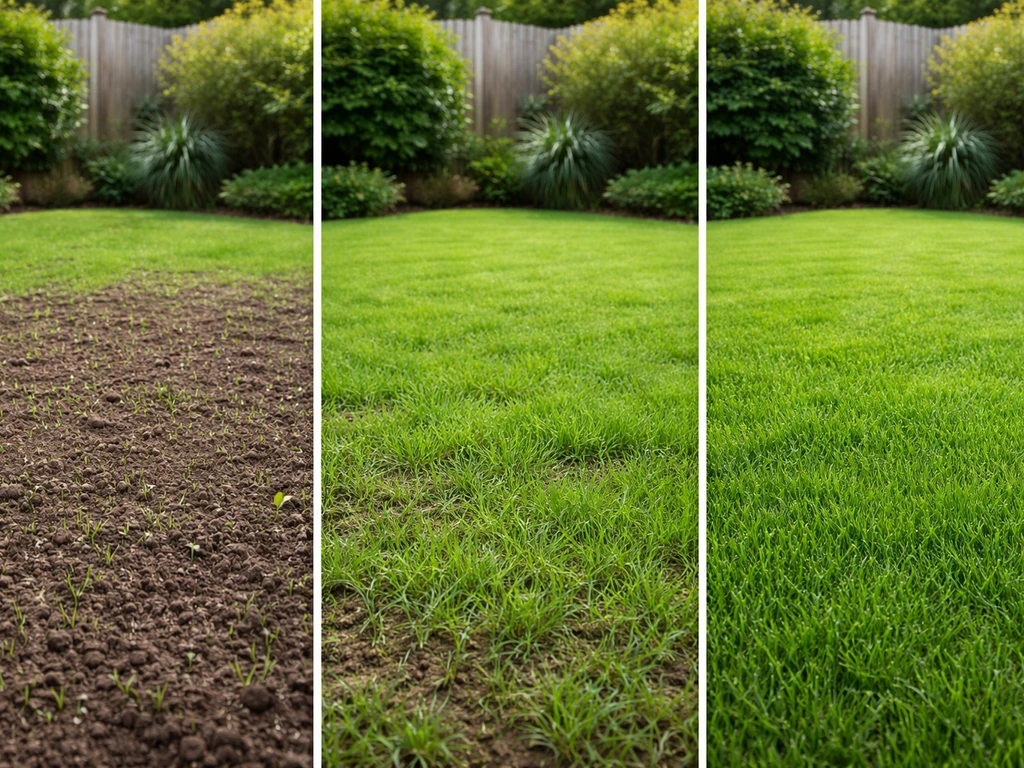
It helps to think of lawn establishment in three stages: germination (first visible sprouts), early coverage (seedlings filling in), and maturity (ready for mowing and regular use). Here's a realistic breakdown of what to expect at each stage.
| Stage | What it looks like | Typical timeframe |
|---|---|---|
| Germination | First tiny shoots visible above soil | 5–21 days (variety and season dependent) |
| Early green coverage | Seedlings spreading, lawn looks patchy but green | 3–5 weeks after sowing |
| First mow ready | Grass reaches 5–8 cm high | 4–6 weeks after sowing |
| Light foot traffic OK | Roots established, lawn looks even | 6–8 weeks after sowing |
| Full maturity (play/sport use) | Dense, resilient turf | 10–16 weeks after sowing |
These timelines assume reasonably good conditions: soil temperatures above 12°C, consistent moisture, and sowing during spring or autumn. In reality, sowing at the wrong time of year or into poorly prepared soil can push these milestones out by weeks. Conversely, a warm autumn sow into well-prepared soil with daily watering can have you mowing inside four weeks.
Which grass type you're growing changes everything
New Zealand lawns are dominated by a handful of grass species, and each one has a different germination personality. Knowing which you've sown (check the packet) will help you set realistic expectations rather than panicking that something's gone wrong.
| Grass type | Germination time | Notes for NZ conditions |
|---|---|---|
| Perennial ryegrass | 5–14 days | The most common NZ lawn grass; fast-establishing and cool-season friendly |
| Tall fescue | 7–21 days (typically ~12 days in ideal conditions) | Drought-tolerant once established; slower in cool soils below 10°C |
| Fine fescue / Superfine blends | 7–21 days | Used for ornamental lawns; similar pace to tall fescue |
| Couch (warm season) | ~6 days average under warm conditions | Needs warm soil (18°C+); don't sow in winter or early spring |
| Kikuyu | ~6 weeks | Much slower than cool-season types; needs sustained warmth to establish |
Most off-the-shelf NZ lawn seed products, like those from Tui, Kiwicare, or Scotts, are blends of perennial ryegrass and fescue. These give you the faster ryegrass germination speed combined with the durability of fescue. Bunnings NZ lists their ryegrass/fescue blend as germinating in about 7 days under ideal conditions and up to 14 days in less-than-ideal weather, which lines up with real-world experience pretty well. If you're using a kikuyu or couch seed product, set your expectations much lower and plan around warm-season sowing windows.
How NZ seasons shift your germination timeline

Soil temperature is the single biggest lever controlling how fast grass seed germinates. Most lawn grasses germinate best when soil temperature at around 10 cm depth sits between 12 and 25°C. In New Zealand, that sweet spot falls in spring (August to November) and autumn (March to May), which is why those are the recommended sowing windows.
- Spring (August–November): Soil warming from winter lows; germination starts slowly in August but picks up fast by October. Good sowing window with predictable moisture.
- Summer (December–February): Warm soils mean fast germination (sometimes 3–7 days), but moisture stress is the main risk. You need to water morning and evening without fail.
- Autumn (March–May): Often the best window overall. Soils are still warm from summer, moisture is more reliable, and there's less competition from weeds and heat stress.
- Winter (June–July): Soil temperatures often drop below 10°C, slowing germination to around 28 days or more, especially for tall fescue. Growth after germination is also very slow. Sowing in winter is possible but not recommended unless you're in a mild coastal area.
If you're sowing outside the ideal windows, don't abandon the project, just adjust your expectations. A winter sow in Auckland may still germinate within 2 to 3 weeks because winters there are mild. The same sow in Central Otago could take 4 to 6 weeks and produce patchy results. If you're unsure about your soil temperature, a cheap soil thermometer from any garden centre will tell you exactly where you stand.
Getting your conditions right to hit that timeline
Soil preparation

You want at least 50 to 60 mm of quality, loose topsoil for good root development. Break up any compaction, remove weeds and debris, and rake the surface to a fine, crumbly texture. Lumpy or compacted seedbeds mean poor seed-to-soil contact, which is one of the most common causes of patchy germination. After sowing, lightly rake the seed in and then roll or firm the area gently. After lightly raking to cover the seeds, a gentle roll helps ensure blank" rel="noopener noreferrer">good seed-to-soil contact, and you can start mowing once the grass reaches about 5 to 6 cm high. That physical contact between seed and soil makes a real difference to germination speed and evenness.
Sowing depth
Grass seed is tiny and doesn't need to be buried deep. Aim for around 5 to 10 mm depth. For ryegrass and white clover mixes, DairyNZ seedbed preparation guidance also recommends a sowing depth of about 5 to 10 mm to support optimal establishment Aim for around 5 to 10 mm depth.. Too deep and the seedling runs out of energy before it can reach the light. Grass seed germinates within the top 10 mm of soil, so covering it too heavily is a common and easy mistake. A light raking after broadcasting seed is usually enough to achieve the right depth.
Watering
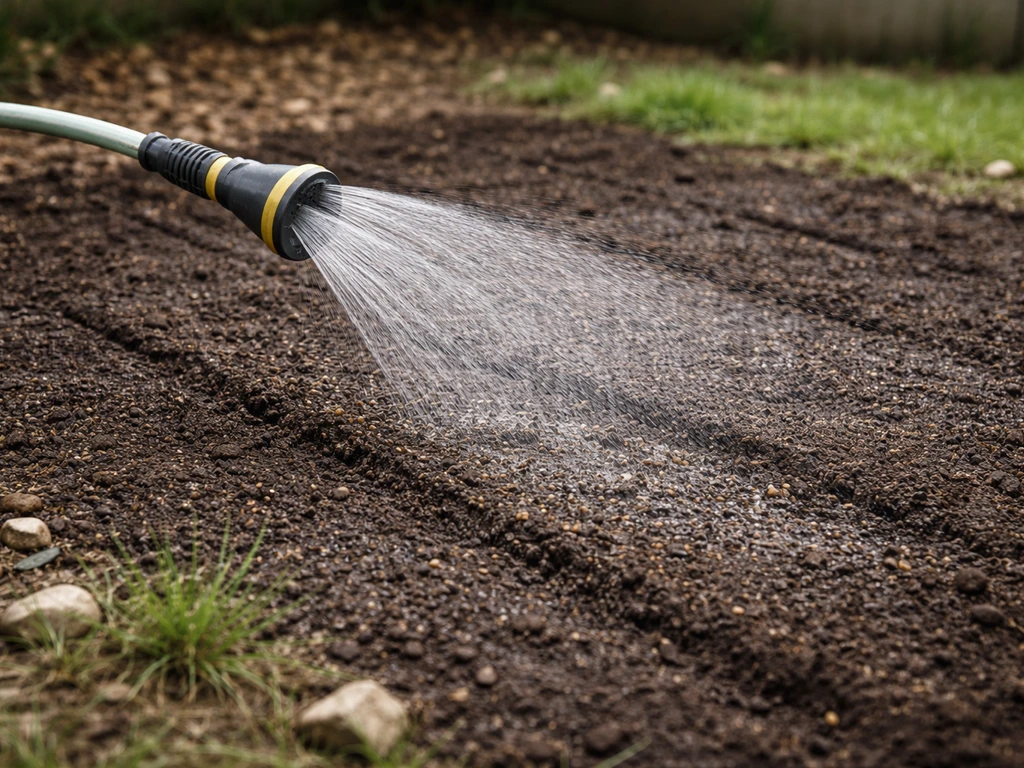
Watering is where most DIY lawn projects succeed or fail. During germination, you need the top 1 cm of soil to stay consistently moist, not waterlogged, but never allowed to dry out. A light mist morning and evening for the first two weeks is the standard approach. Once seedlings are visible, keep that moisture up for another 2 to 3 weeks while roots develop. After that, shift to deeper, less frequent watering to encourage roots to chase moisture downward, which is what builds drought tolerance later. Avoid watering so heavily that water pools, as this can wash seeds away or cause crusting when it dries.
Light
Most NZ lawn grasses want full sun to partial shade. If you're sowing into a heavily shaded area under trees, choose a shade-tolerant blend specifically labelled for that, and expect slower, thinner establishment regardless. Deep shade under established conifers or covered decks is genuinely difficult for seeded lawns, and no amount of preparation fully compensates for lack of light.
Checkpoints: what you should see and when
Use this as your week-by-week guide after sowing. If you're ahead, great. If you're behind by a week or so, don't panic, just check the troubleshooting section below.
- Days 1–7: Nothing visible yet. This is normal. Keep the soil surface moist with morning and evening watering. Don't dig or disturb the seed bed.
- Days 7–14: First tiny green shoots should start appearing, especially if you're sowing ryegrass in warm conditions. If you've sown a blend, you'll notice the ryegrass component emerging first.
- Days 14–21: Coverage should be patchy but spreading. Tall fescue and finer varieties may just be starting to show by the end of this window.
- Weeks 3–4: Green coverage is visible across most of the area. Seedlings are 2–4 cm tall. Keep watering and stay off the lawn as much as possible.
- Weeks 4–6: Grass reaches 5–8 cm. This is your first mow checkpoint. Cut on a high setting (don't remove more than one-third of the leaf at once) to encourage tillering and thicker coverage.
- Weeks 6–8: Lawn looks reasonably even. Light foot traffic (walking across to water or mow) is fine. Avoid heavy use, play, or furniture at this stage.
- Weeks 10–16: Full establishment. The root system is deep enough for regular mowing, moderate foot traffic, and at around 10–12 weeks, your first application of lawn fertiliser.
When it's not growing: troubleshooting slow or failed germination
Slow or patchy germination is frustrating, but most of the time it comes down to one of a handful of fixable causes. Work through this list before you assume the seed is bad.
- Soil too dry: This is the most common cause. Grass seed that dries out mid-germination dies. If you've missed even one or two watering sessions during the first two weeks, that's likely your problem. Increase watering frequency immediately.
- Soil too cold: If soil temperature is below 10°C, ryegrass and fescue will be very slow and may take 4 weeks or longer. Check your soil temperature and consider waiting for warmer conditions rather than fighting it.
- Seed planted too deep: More than 10–15 mm is too deep for most grass seed. The seedling can't push through. If you suspect this, very lightly scratch the surface with a rake and resow on top.
- Poor seed-to-soil contact: If you didn't firm the soil after sowing, seed may be sitting in air pockets. Roll or firm bare patches and water thoroughly.
- Old or low-quality seed: Germination rates drop with age. Always check the expiry or packed-for date on the bag. Seed that's more than a year old can have significantly reduced viability.
- Birds eating the seed: A classic problem in NZ. If you see birds congregating on your new lawn area, cover it with bird netting until germination is underway.
- Soil crust forming: In heavy soils, the surface can crust over after watering, blocking seedling emergence. Break this up very gently with a light rake if you see it forming.
- Fungal issues: If seedlings are appearing but quickly wilting or going brown at the base, damping off (a fungal disease) could be the cause. Improve drainage, reduce watering frequency slightly, and consider a fungicide appropriate for new lawns.
- Weed competition: Fast-growing weeds can outcompete seedling grass. Hand weed carefully around young seedlings. Avoid using any broadleaf herbicide until the lawn is at least 8 weeks old and well established.
If you've checked everything above and still have large bare patches at 4 to 6 weeks, the honest answer is usually to resow those areas rather than wait. Spot-resow with fresh seed, firm it in, and water consistently. Most NZ lawns that look rough at 6 weeks look genuinely good by week 10 to 12 with a bit of persistence.
Planning around foot traffic: when can you actually use the lawn?
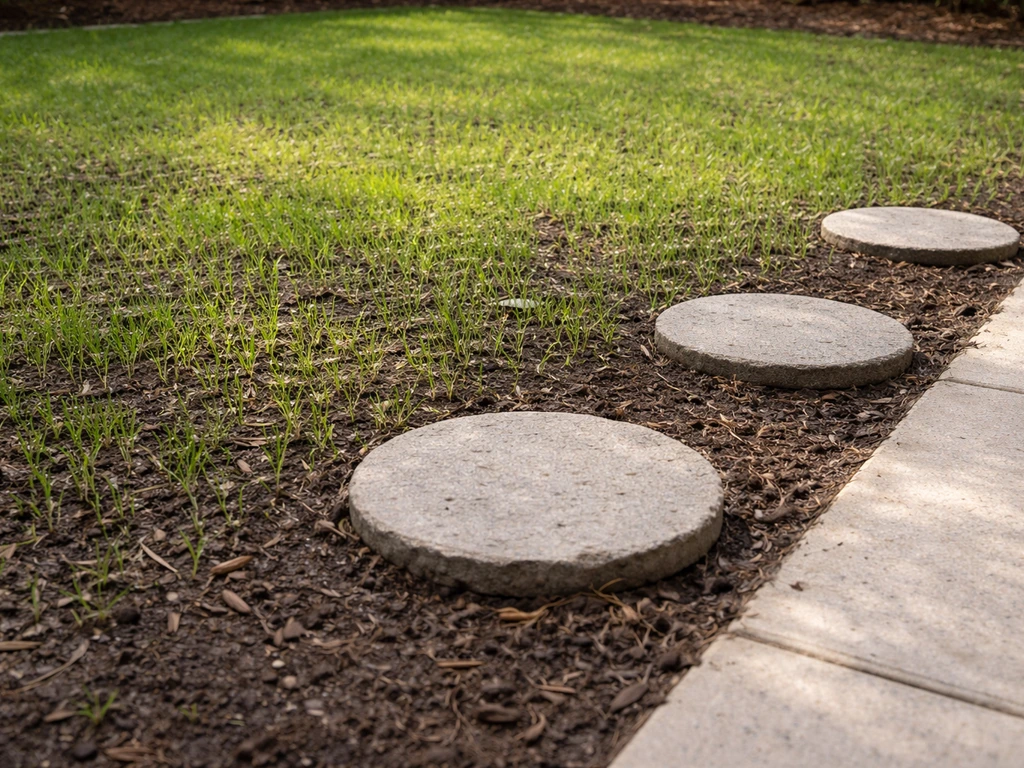
This is the question most people really want answered. If you're asking how long grass seed takes to grow in Australia, the same rule of thumb applies: temperatures and watering habits drive the timeline more than the seed alone how long does grass seed take to grow australia. You've sown the seed, the lawn is looking green, and the kids want to kick a ball around. The honest answer is: wait longer than you think you need to.
In general, seed typically takes several weeks to get established, while straw can also add early coverage but still relies on moisture and the same growth timeline how long does seed and straw take to grow. Young grass roots are shallow, and heavy traffic compacts the soil and shears off seedlings before they've had a chance to establish properly. That sets the whole lawn back significantly.
Here's a practical guide to foot traffic readiness based on NZ conditions and typical cool-season grass blends:
| Use type | Minimum wait after sowing | Notes |
|---|---|---|
| Walking across to water/mow | 4–6 weeks | Keep it minimal and spread your weight |
| Light foot traffic (family walking through) | 6–8 weeks | Avoid concentrated paths; rotate where you walk |
| Children's play (running, casual games) | 8–10 weeks | Fine for most NZ ryegrass/fescue lawns at this stage |
| Heavy sport or entertaining | 12–16 weeks | Wait for full root depth; earlier use risks bare patches and compaction |
| Pets with digging habits | 10–12 weeks minimum | Young lawns are very vulnerable to digging damage |
Your mowing schedule is actually your best guide to lawn readiness. Once you've mowed 3 to 4 times (mowing begins at 5 to 8 cm height on a high setting), the lawn has typically gone through enough root development to handle moderate use. Each mow also encourages the grass to tiller and thicken, so regular mowing from week 4 or 5 onward is genuinely one of the best things you can do for a healthy, dense lawn.
At around the 10 to 12 week mark, apply a quality lawn fertiliser to support continued root development and encourage the thick, resilient turf that handles foot traffic well long-term. By this point, a spring or autumn-sown NZ lawn should be looking genuinely good and holding up to normal family use without issues.
If you're comparing experiences with friends in other climates, worth noting that conditions in NZ sit somewhere between the warmer, drier Australian summer growing conditions and the cooler, wetter Irish growing seasons. Ireland's grass seed timelines are influenced by similar factors like soil temperature, moisture, and the season you sow, so expect differences from NZ how long for grass seed to grow ireland. Ryegrass performs similarly well across all three climates, but the seasonal windows and moisture management differ. Within NZ itself, the climate gap between Auckland and Queenstown is significant enough that timelines can vary by two to four weeks for the same grass type sown in the same month.
FAQ
Can I speed up grass seed germination in NZ?
You can, mainly by hitting the soil temperature and moisture targets together. If you can, sow when the soil is consistently above about 12°C (check at around 10 cm depth), keep the top 1 cm evenly moist for the first two weeks, and lightly firm after seeding so seed-to-soil contact stays high. Avoid heavy watering that causes pooling, it often slows or reduces emergence through wash-off and crusting.
What should I do if no grass shows after 3 weeks in NZ?
First confirm the seed type and whether you sowed inside the ideal spring or autumn window, then do a simple check: lift a small patch with a trowel to see if seed is still there and whether the topsoil is staying damp. If the soil is dry, re-wet consistently and wait a bit longer, cooler conditions can extend germination. If seeds are gone or the soil looks waterlogged and crusted, patch prep and spot-resow those areas rather than waiting for the whole lawn to catch up.
How deep should I plant grass seed in NZ, and does depth change the timing?
Aim for roughly 5 to 10 mm cover, just enough to protect the seed while allowing seedlings to reach the surface. Deeper sowing can delay or prevent establishment because seedlings burn energy pushing up. If you suspect you seeded too deep, lightly rake and firm again over the worst patches, but do not bury new seed too far to “fix” it.
Is it safe to walk on the lawn before it is established?
Only very lightly and briefly. Foot traffic before the seedlings have filled in and roots have developed can compact the soil, shear young shoots, and create bare zones that take weeks to recover. A practical limit is to avoid repeated traffic until you have mowed several times, because the first few mows usually align with better root anchoring and thicker tillering.
Does fertiliser help early, or should I wait?
For most seeded lawn setups, wait until the lawn is actively established, around the 10 to 12 week period mentioned in the article, unless your fertiliser product specifically instructs a different timing for seedling lawns. Early feeding can be wasted if roots are still shallow, and in some cases it can stress seedlings if watering is inconsistent.
Should I topdress or add compost after sowing grass seed in NZ?
Generally, no thick topdressing. Grass seed germinates within the top 10 mm, so heavy compost layers can bury seed too deep and reduce evenness. If you want to improve soil contact, use a light, thin top layer only where seed is exposed, and always keep total cover within that shallow range.
Why are my germination patches uneven even though I watered?
The most common causes are poor seed-to-soil contact (lumpy or compacted areas), inconsistent moisture, or birds and drying wind. Even if you watered, some spots may have dried out faster or seed was not raked in and firmed. The fix is usually to remove debris, rake to a fine crumbly surface, re-firm, then spot-resow and keep moisture consistent on those specific bare areas.
Can I use the same timeline for Auckland and for Central Otago?
No. The article notes that within NZ, climate differences can shift timelines by about two to four weeks for the same grass type sown in the same month. If you are in a cooler or shorter-season area, expect slower establishment and plan mowing and traffic later, or choose a blend suited to your conditions.
Do I need straw, or is seeding alone enough?
Seeding alone is often enough if you manage moisture, seed cover, and firming. Straw can help with early coverage, but it still depends on keeping the seedbed consistently moist and not smothering seed too deeply. If you use straw, apply lightly and ensure it does not create a thick mat that blocks light or prevents seed-to-soil contact.
When should I resow bare patches in NZ?
If you still see large bare areas around the 4 to 6 week mark, it is usually better to resow those patches rather than wait for them to fill in. Spot-resowing with fresh seed, firming, and consistent watering gives faster uniformity, and many lawns that look rough at 6 weeks still improve by weeks 10 to 12 once the overall root system develops.
Next Article
How Long for Grass Seed to Grow in Ireland Timeline
Ireland grass seed timeline: germination, coverage, light mowing and establishment ranges plus troubleshooting for delay