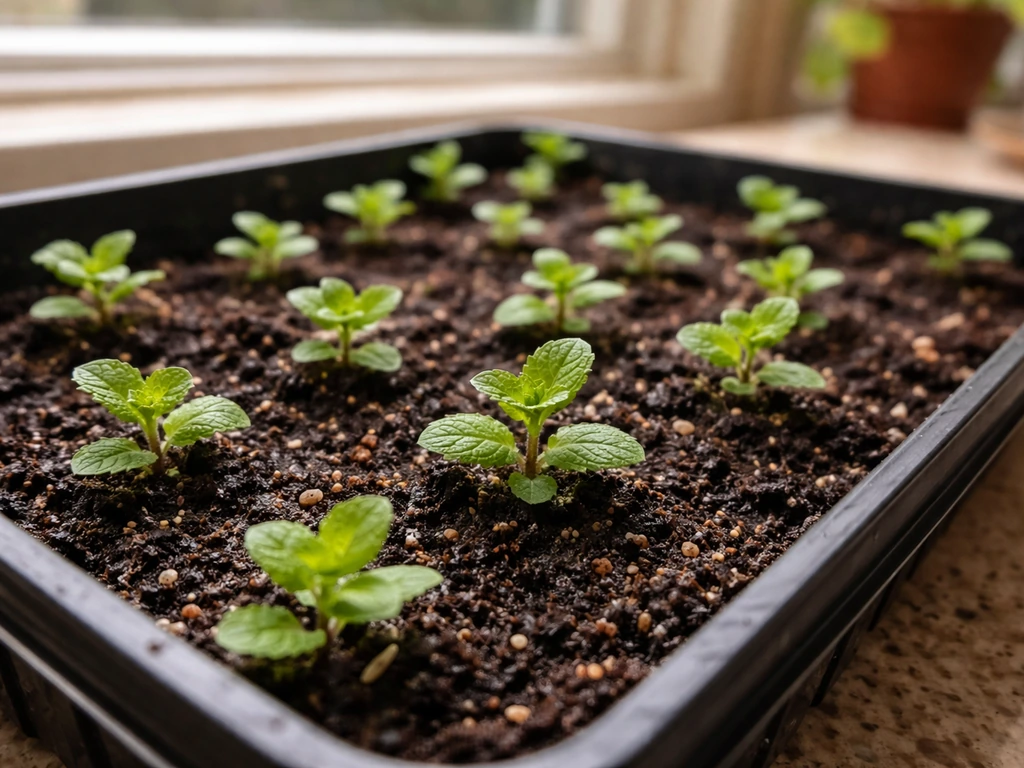
Stevia takes about 14 to 21 weeks from seed sowing to a plant with harvestable leaves, when you factor in germination, seedling development, transplanting, and establishment outdoors. Germination alone takes 10 to 21 days at the right soil temperature (70 to 75°F), and then you need another 6 to 8 weeks of indoor growing time before the seedling is ready to go outside. After transplanting, plants are typically producing usable leaves in about 40 days. That puts the full arc at roughly 3 to 4 months from seed to first real harvest, depending on your conditions.
How Long Does It Take to Grow Stevia From Seed
Marcus Henley
4 May 2026
The full stevia timeline at a glance
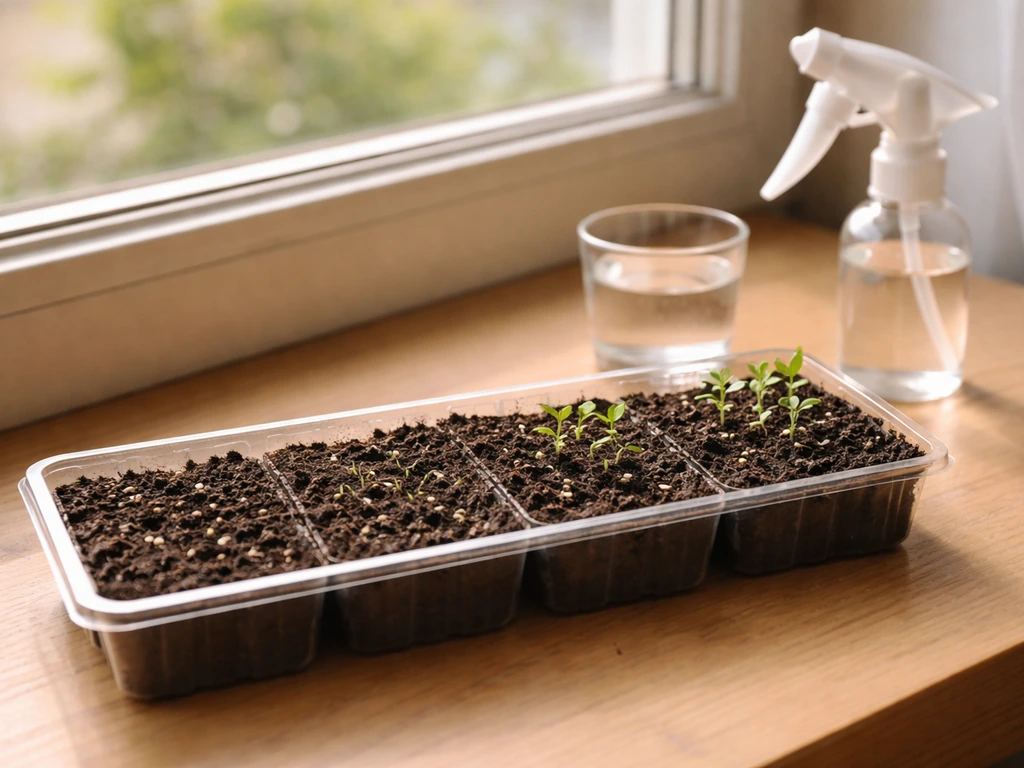
Here's how the stages stack up in a typical indoor-start scenario, which is by far the most reliable approach for stevia seeds:
| Stage | Typical Timeframe | Notes |
|---|---|---|
| Germination | 10–21 days | Needs surface sowing, warmth (70–75°F soil temp), and light |
| Indoor seedling growth | 6–8 weeks after germination | Grow on before transplanting outdoors |
| Hardening off | About 1 week | Gradual outdoor acclimation in a sheltered spot |
| Transplant to first harvest | ~40 days | Harvest before flowering for best sweetness |
| Total: seed to harvestable plant | 14–21 weeks (3–5 months) | Shorter in warm climates, longer with delays |
If you're in a warmer climate and transplanting into consistently warm soil, you'll land closer to 14 weeks. If your spring is cool, your germination was sluggish, or you had to wait longer for night temperatures to stabilize above 50°F, expect closer to 18 to 21 weeks before you're pulling usable leaves.
How long stevia takes to germinate (and why it's so unpredictable)
The 10 to 21 day range isn't just hedging. Stevia germination is genuinely variable because the seeds are notoriously fussy about a few specific conditions. Get them right and you'll see sprouts in 10 to 14 days. Get them wrong and you'll be staring at bare soil for three weeks or more.
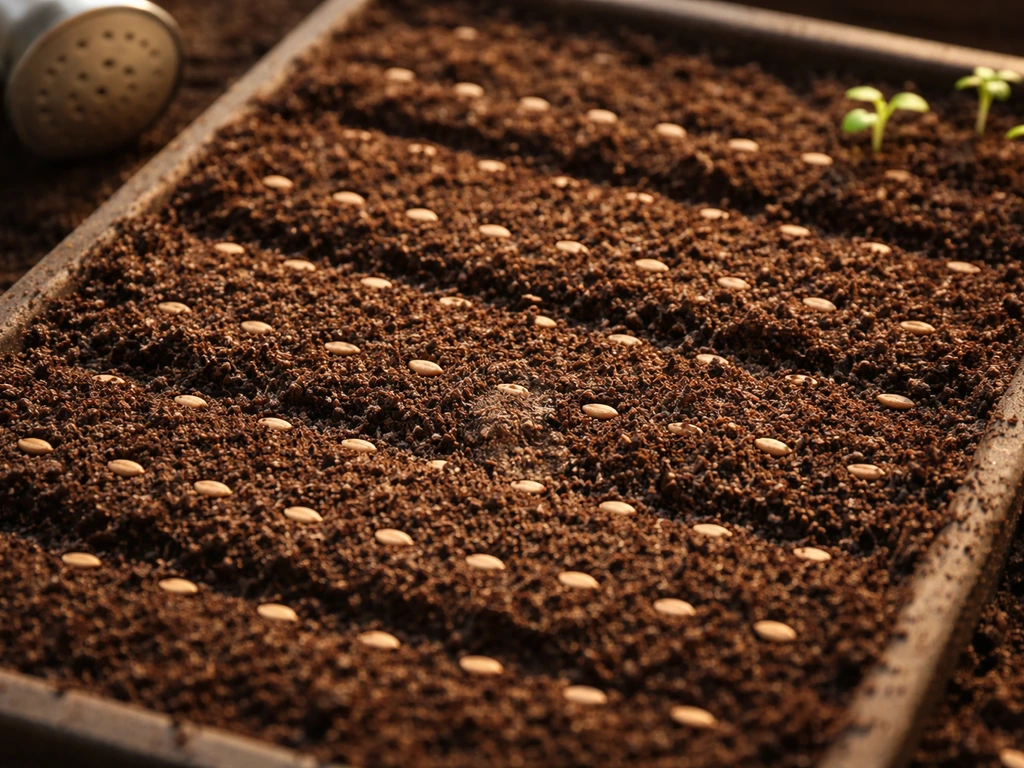
The three factors that matter most are temperature, light, and moisture. Stevia seeds need to be surface-sown (not buried) because they require light to trigger germination. Press them lightly into a moistened seed-starting mix so they make good contact with the surface without being covered. Soil temperature should sit between 70 and 75°F consistently. Drop below 60°F and germination slows dramatically. Some sources also recommend cold stratification before sowing to help break dormancy, particularly if you're working with seeds that have been stored for a while.
Moisture needs to be consistent but not soggy. Dry out and the seeds stall. Overwater and you risk fungal rot before they even get started. A humidity dome or plastic wrap over the tray helps hold moisture and heat without waterlogging. Remove it as soon as sprouts appear to prevent damping off.
One thing worth knowing: stevia seed germination rates are often lower than other herbs. Even under good conditions, don't expect 100% germination. Sow more seeds than you think you need, maybe 2 to 3 per cell, and plan to thin to the strongest seedling.
Seedling stage: what to expect and when to transplant
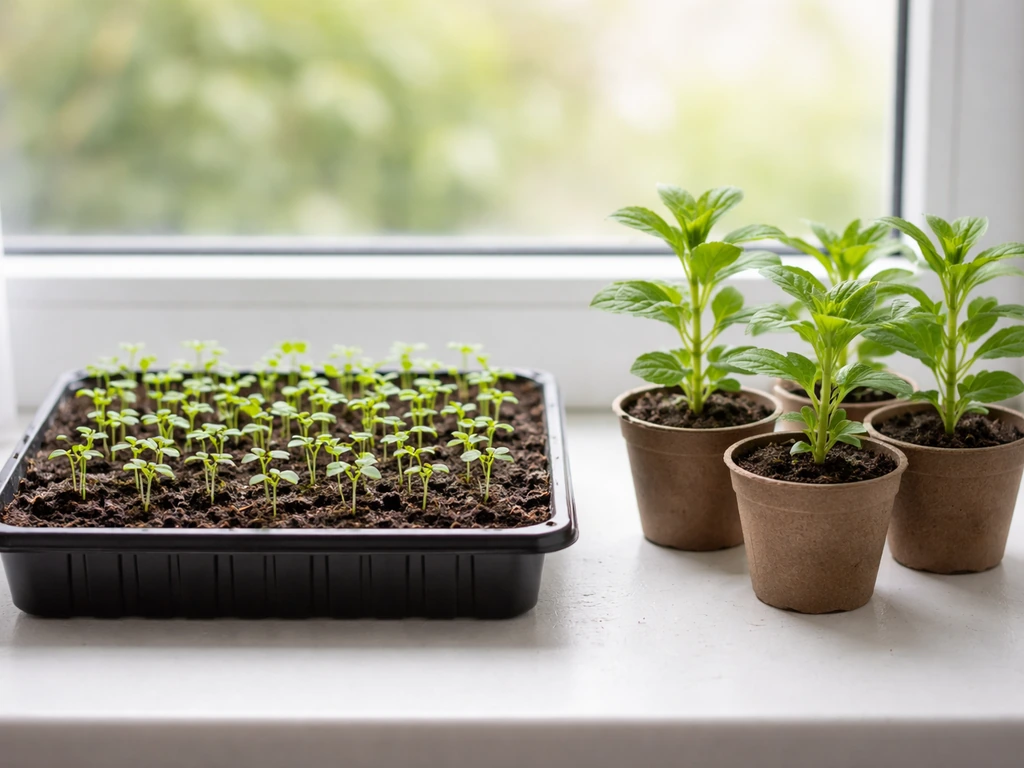
Once your seedlings emerge, they grow slowly at first. The first few weeks are mostly root development, and the above-ground growth can feel frustratingly modest. By week 3 to 4 after germination, you should see true leaves forming. University of Nevada, Reno Extension notes that when seedlings develop their second set of leaves, you can use that as a practical checkpoint for moving seedlings from the germination container toward transplanting or thinning true leaves forming. By week 6 to 8, seedlings are typically 3 to 4 inches tall with a healthy root system and ready for the transplant process.
Don't rush the transplant. Stevia seedlings pushed outside too early stall out and can even die if night temperatures dip below 50°F. That cold stress doesn't just risk frost damage, it slows root establishment and can set your whole timeline back by weeks. Wait until your nightly lows are reliably at 50°F or above before moving plants outside.
Before transplanting, harden off your seedlings over about a week. Start by setting them outside in a sheltered, partially shaded spot for a few hours, then gradually increase their outdoor time and sun exposure. This step is easy to skip and almost always causes problems when you do. Seedlings that go from a grow light to direct outdoor sun without transition will wilt and take longer to establish, adding delay to your harvest window.
When stevia starts producing usable leaves
Once transplanted outdoors into warm, well-drained soil, stevia grows much faster than it did indoors. You can expect harvestable leaves in roughly 40 days after transplanting, though some growers in ideal conditions report first harvests starting at 45 to 60 days after planting out. The plants should be several inches tall and bushy enough that you can pinch or cut stems without stressing the plant.
One timing detail that really matters: harvest before the plant flowers. Stevia's sweet compounds (steviol glycosides) are most concentrated in the leaves before flowering begins. Once the plant puts energy into flowering, leaf sweetness drops noticeably. In North American gardens, flowering is typically triggered by shorter days in late summer or early fall. Your window for peak-sweetness harvesting is essentially the whole growing season up until that point. Pinch out any flower buds you see to extend the harvest period.
When you do harvest, don't strip the plant bare. Take no more than a third of the foliage at a time and the plant will continue producing through the season. Stevia is a perennial in frost-free climates, so in zones 9 and above, plants can keep going for years. In colder zones, treat it as an annual and maximize your harvest before the first frost ends the season.
Conditions that speed up or slow down your timeline
Temperature
Warmth is the single biggest lever. Soil temps in the 70 to 75°F range at sowing time get you germination in 10 to 14 days. Cooler soil (below 65°F) can push that to 21 days or longer, and some seeds simply won't germinate at all below 60°F. After transplanting, consistently warm soil and air temperatures accelerate vegetative growth. A cool, wet summer will slow plants down noticeably compared to a warm one.
Light
Stevia needs light to germinate, so surface sowing isn't optional. Indoors, a grow light placed close to the tray (a few inches above) improves both germination rates and early seedling vigor. Once outside, stevia wants full sun, at least 6 to 8 hours of direct light per day. Plants in partial shade grow slower, produce fewer leaves, and may have lower sweetness. A journal study in Stevia rebaudiana found that light conditions affect both plant growth and steviol glycoside content, linking light management to harvest-quality outcomes blank" rel="noopener noreferrer">Plants in partial shade grow slower, produce fewer leaves, and may have lower sweetness.. If you're growing in a northern climate with shorter summer days, full sun placement is especially important to maximize your growing window.
Moisture and soil conditions
Stevia wants consistent moisture without standing water. Well-draining soil is important both indoors at the seedling stage and outdoors after transplanting. Waterlogged soil during germination is a common reason seeds rot rather than sprout. Outdoors, mulching around transplants helps retain moisture during dry spells and keeps soil temperature more stable, which supports steady growth. Think of basil or mint as a rough comparison: both also want warmth and consistent moisture, and stevia responds to similar care. If you are also growing basil, its timeline is usually faster than stevia, so it helps to know how long basil takes to grow from seed before planning your sowing dates how long does basil take to grow from seed.
Troubleshooting slow or failed germination
If you're past day 21 with no germination, work through this list before giving up or starting over:
- Check soil temperature. Use a thermometer, not just the room temperature. If your tray is sitting on a cold surface or near a drafty window, soil temps can be well below air temp. Move the tray to a warmer spot or use a seedling heat mat set to 70–75°F.
- Confirm the seeds weren't buried. Stevia seeds need light contact with the surface. If you pressed them in too deep or covered them with more than the faintest dusting of mix, they may not germinate. Start a fresh tray with a true surface sow.
- Assess moisture levels. The mix should feel like a wrung-out sponge: moist but not dripping. If it dried out at any point in the first two weeks, germination likely stalled. Re-mist and cover to restore humidity.
- Consider cold stratification. If your seeds came from a cold or older stock, they may need a brief cold treatment (a few days in a moist paper towel in the fridge at around 35–40°F) before sowing to break dormancy.
- Check seed age and quality. Stevia seed viability drops significantly after one or two years of storage. If you're working with old seeds, germination rates may simply be too low to be reliable. Fresh seeds from a reputable supplier give the best results.
- Rule out fungal issues. A white fuzzy growth or a sour smell from the tray points to mold or algae, often from overwatering or poor airflow. Remove any affected medium, improve ventilation, and start a fresh batch if the entire surface is affected.
Most germination failures come down to temperature or improper sowing depth. Fix those two things first, and you'll often find the second attempt goes much more smoothly.
Building your planting calendar around your climate
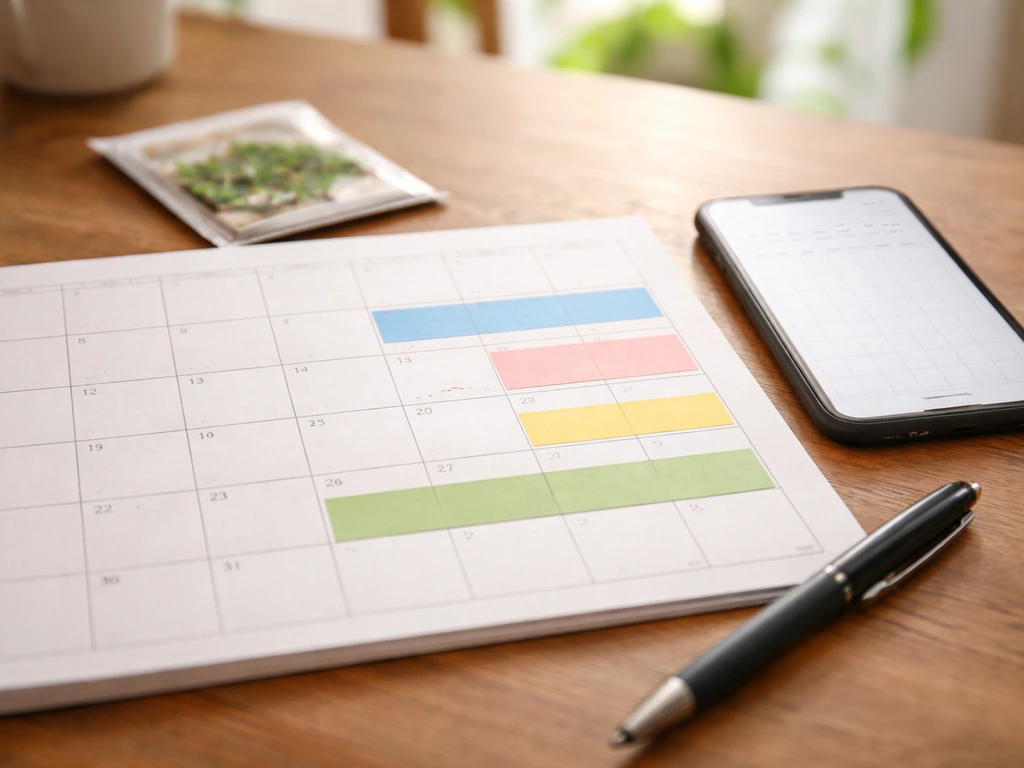
The most practical way to schedule stevia is to work backward from your last frost date, since transplant timing is the anchor point for the whole schedule. Here's how to set up your calendar:
- Find your last frost date. Search by zip code or check your local extension service for your average last spring frost date.
- Set your transplant date. Plan to move stevia outside about 2 weeks after the last frost date, once night temperatures are consistently above 50°F. For example, if your last frost is May 15, target a transplant around May 29 to June 1.
- Count back 8 to 10 weeks for your indoor sow date. If you're transplanting June 1, start seeds indoors around March 20 to April 1. This gives time for germination (up to 3 weeks) plus 6 to 8 weeks of seedling growth.
- Add a week for hardening off. Factor in 5 to 7 days of outdoor acclimation between when you bring seedlings outside and when you actually plant them in the ground.
- Mark your first harvest window. Count 40 days from transplant day to your earliest realistic harvest date. In the example above, that's around July 10.
Here's how that looks for a few common frost-date scenarios:
| Last Frost Date | Sow Indoors | Transplant Outside | First Harvest |
|---|---|---|---|
| April 15 | February 3–17 | April 29–May 1 | ~June 10 |
| May 15 | March 4–18 | May 29–June 1 | ~July 10 |
| May 30 | March 18–April 1 | June 13–15 | ~July 23 |
| June 15 | April 3–17 | June 29–July 1 | ~August 8 |
If you're in a warm climate (zones 9 to 11) where frosts aren't a factor, you have more flexibility. You can start seeds in late winter for a spring crop, or even start again in late summer for a fall harvest. Stevia grows as a perennial in those zones, so established plants will keep producing without you needing to start from seed each year. For everyone else, starting fresh from seed each spring is the routine, and getting that indoor start calendar right is the key to a productive season.
Compared to faster-growing herbs like basil or spinach, stevia does demand more patience up front, particularly during that slow germination window. If you are also growing arborvitae from seed, the timeline will be different because conifer seeds often take much longer to sprout and establish stevia does demand more patience up front. If you’re curious how that compares, spinach typically takes a much shorter time to grow from seed faster-growing herbs like basil or spinach. But once it's established in warm soil outdoors, it grows vigorously and rewards you with months of harvests if you stay ahead of the flowering trigger. Get your sow date on the calendar today, confirm your frost date, and stevia is very manageable from there.
FAQ
What’s the earliest I can expect a first harvest if everything goes perfectly?
If germination is fast (around 10 to 14 days) and you transplant into consistently warm conditions, many gardeners can start getting usable leaves roughly 40 to 45 days after transplanting (about 14 to 16 weeks from seed). The earliest leaves often come from the plant after it establishes new growth, not immediately after transplant day.
Can I grow stevia directly from seed outdoors instead of starting indoors?
You can try, but it usually takes longer and fails more often because the soil must stay near 70 to 75°F for germination, and night lows must be at least about 50°F before transplanting would even be possible. In cooler regions, direct sowing typically leads to slow, uneven sprouting or stalled seedlings.
How do I know whether a failed seed tray is truly done or just delayed?
If you are still within the expected germination window, don’t scrap the tray immediately. Keep surface conditions stable (warm soil, light contact, consistently moist but not soggy). If nothing appears by around day 21, review temperature and whether seeds were accidentally buried or allowed to dry out before deciding to resow.
Should I cold stratify stevia seeds before sowing, and does it change the timing?
Cold stratification can help some stored seeds, but it also adds a preparatory step before you even start the germination clock. If you stratify, you may shift the overall schedule later or earlier depending on when you start the stratification, but once warmth is applied, germination still tends to follow a 10 to 21 day range.
Do stevia seeds need light only for germination, or do I keep light on after they sprout?
Light is most critical for germination, but seedlings still need strong light after sprouting to grow sturdily. If you use a dome, remove it as soon as sprouts appear, then place seedlings under a grow light or in the sunniest spot you can, with close spacing to prevent leggy growth.
What temperature is risky for stevia seedlings after transplanting outside?
The biggest danger is sustained cool nights. Night temperatures below about 50°F can cause stalling and can even lead to plant death in some cases. If you expect a cold dip, use row cover or cloches during the coldest nights to protect establishment.
How should I thin seedlings, and does thinning affect how fast I harvest?
Thin to the strongest plant per cell, once seedlings have enough true leaves to identify the healthiest stem. Thinning itself usually does not delay harvest if done promptly, but leaving weak overcrowded seedlings can slow growth and reduce leaf production later.
Can I pinch stevia early, and when will that impact my harvest timeline?
Pinching can encourage bushier growth, but it is best to wait until plants are established after transplanting (often once they are several inches tall and actively growing). Light pinching may slightly redirect growth rather than delay it, but heavy early pruning can reduce leaf volume during the first harvest window.
When should I stop harvesting, and will the plant regrow after heavy cutting?
You can keep harvesting through most of the growing season, but harvesting should slow as flowering approaches. Avoid stripping more than about a third of the foliage at a time, since repeated severe cuts reduce regrowth potential. If you keep removing flower buds and maintain warmth, plants typically continue producing longer than those left to flower.
Does stevia take longer in partial shade or with fewer sun hours?
Yes. Even though stevia can survive partial shade, growth is generally slower with fewer leaves and potentially reduced sweetness. In practical scheduling terms, if you cannot provide at least 6 to 8 hours of direct sun, expect harvest timing to stretch beyond the typical 40-day after-transplant window.
Next Article
How Long Does Mint Take to Grow From Seed? Timelines
Mint from seed: germination to harvest timelines for green and peppermint, plus fast sowing tips and troubleshooting.