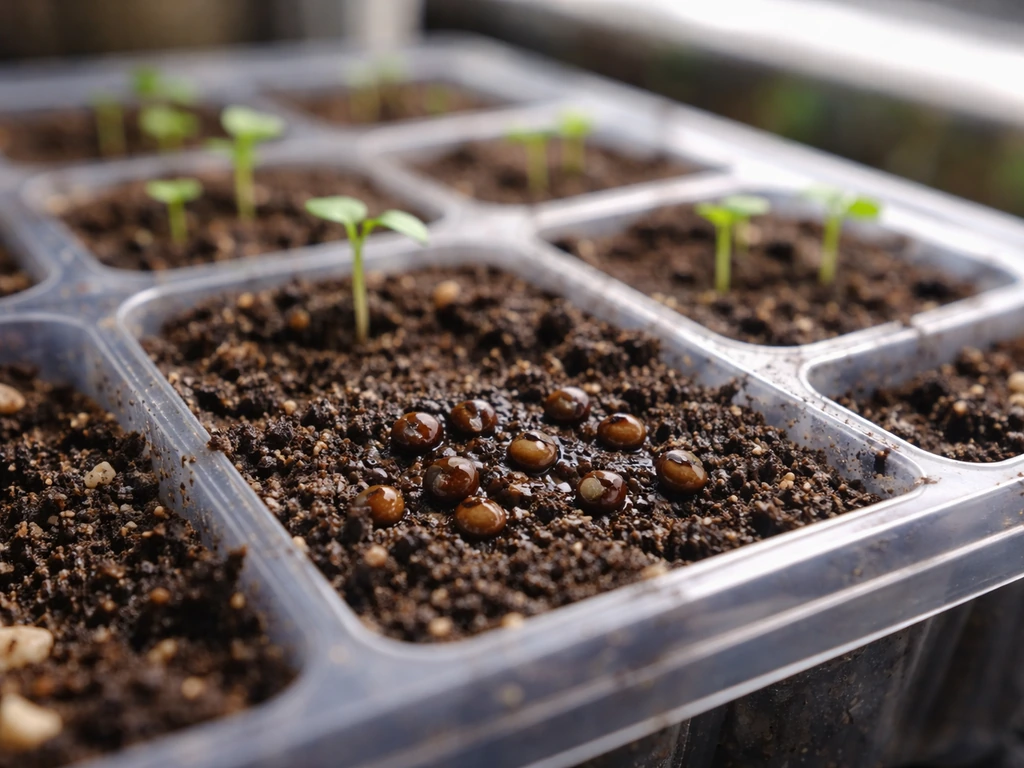
Vinca (Catharanthus roseus, also called Madagascar periwinkle) takes about 75 to 100 days from seed to first bloom under typical home conditions. Seeds germinate in as little as 3 to 7 days when soil temperatures stay between 75 and 85°F, seedlings are transplant-ready around 8 to 15 weeks after sowing, and flowers usually open 6 to 8 weeks after the seedlings go into the ground. After germination, the seedlings still need weeks to reach flowering, so total time from seed to blooms varies by temperature and light Seeds germinate in as little as 3 to 7 days. If you're starting today in late May, you're right at the edge of your window for direct sowing in warm climates or for setting out transplants that were started earlier in the season.
How Long to Grow Vinca From Seed: Full Timeline
Marcus Henley
21 May 2026
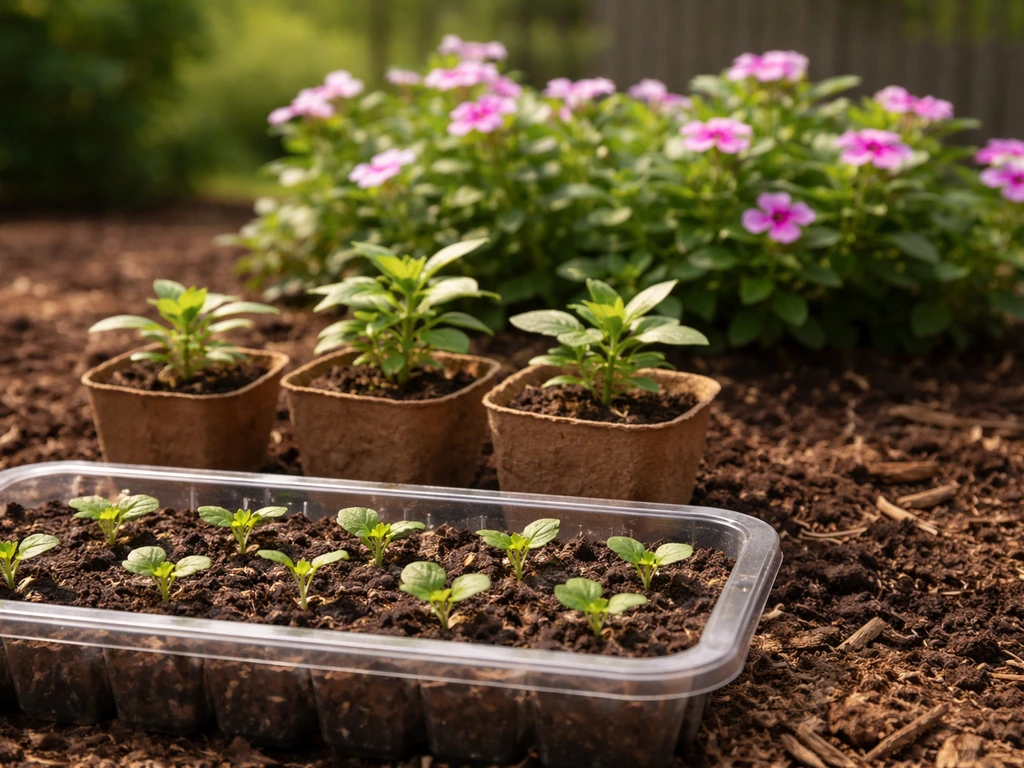
The full vinca timeline from seed to blooms
Here's how the stages stack up in real life. The ranges exist because temperature and light make a genuine difference, not just a theoretical one.
| Stage | Typical Timeframe | Key Condition |
|---|---|---|
| Germination (radicle emerges) | 3–7 days | Soil temp 75–85°F, seeds covered, no light needed |
| Visible seedling (cotyledons open) | 7–14 days after sowing | Consistent moisture, warm media |
| True leaves develop | 2–4 weeks after sowing | Strong light, 70–75°F air temp |
| Transplant-ready seedling | 8–15 weeks after sowing | Hardened off, 2–3 sets of true leaves |
| First blooms after transplant | 6–8 weeks in the garden | Full sun, regular fertilizing |
| Full bloom, mature plant | About 100–120 days from seed | Warm temps, consistent care |
Penn State Extension puts the seed-to-transplant window at 8 to 12 weeks, while Burpee recommends starting seeds 12 to 15 weeks before your last frost date. If you want the full end-to-end estimate, use this same timeline logic for how long to grow verbena from seed as your planning comparison. The spread between those numbers reflects real variation in growing conditions. If your home is warm and bright, you'll land closer to 8 weeks. If you're working with a cool basement and a south-facing window, expect closer to 12 to 15.
What controls how fast vinca seeds germinate
Temperature is the single biggest lever you have. UF/IFAS Extension reports vinca germinates in about one week at [70 to 75°F](https://ballseed. com/utility/seedcolumnpdf. aspx?
txtphid=013700506003393), and commercial growers push media temps up to 80 to 85°F (26 to 30°C) during Stage 1 to get germination in as few as 3 to 5 days. Ball Seed’s product information guide for Vinca (Catharanthus roseus) lists “Days to Germinate” as 3, 5 days under its Stage 1 temperature and conditions, and it indicates seed cover as “Yes” (covered seed) [Days to Germinate as 3–5 days](https://www. ballseed. com/PDF/ProductInformationGuide_ENG.
pdf). That's the difference between seed trays on a countertop in a 68°F house (expect 10 to 21 days) and seed trays on a heat mat set to 80°F (expect 3 to 7 days). Vinca is a heat-lover. It evolved in Madagascar and it shows.
Light is not needed for germination itself. Both AmeriSeed's culture guide and commercial grower protocols confirm vinca seeds sprout fine in the dark. What matters during germination is temperature and moisture. Cover the seeds with roughly 1/8 inch of seed-starting mix to keep them from drying out, and maintain steady moisture without letting the media get waterlogged. Once the first shoots emerge, get them under strong light immediately or they'll stretch and weaken fast.
- Optimal germination soil temp: 75–85°F (24–30°C)
- Minimum workable soil temp: 70°F (21°C) — germination just takes longer
- Below 65°F: germination becomes very slow or stalls entirely
- Light during germination: not required, but cover seeds to hold moisture
- Moisture: keep media evenly moist, never soggy, never dry
Starting indoors vs. direct sowing outside
In most of the US and similar temperate climates, starting vinca indoors is the right call. Vinca needs a long, warm season to perform well, and if you wait until outdoor soil is consistently warm enough to direct sow (usually late spring), you'll be chasing blooms into late summer at best. Starting indoors 12 to 15 weeks before your last frost date lets you have transplant-ready seedlings right when the weather is favorable.
Direct sowing outdoors does work if you're in a warm climate (USDA zones 9 to 11) where frost is essentially a non-issue and soil temps are already at 75°F or above by early spring. In those regions, direct sowing in late February through March is realistic. Everywhere else, the soil simply doesn't warm up fast enough early in the season, and vinca doesn't appreciate being rushed into cold ground.
| Method | Best For | Timeline to Transplant | Key Trade-off |
|---|---|---|---|
| Indoor seed starting | Most climates with cold winters | 8–15 weeks indoors | Requires grow lights or a very sunny window |
| Direct outdoor sowing | Zones 9–11, warm-spring climates | N/A — sow in place | Slower early establishment, more thinning needed |
| Purchasing transplants | Short-season or time-pressed gardeners | Skip to transplant day | Less variety selection, higher cost |
If you're reading this in late May and haven't started seeds yet, you have two realistic options depending on your zone. In warmer climates (zones 7 and above), you can still direct sow now and reasonably expect blooms by late July or August. In cooler climates, you're better off picking up nursery transplants this week and putting them in the ground rather than waiting on seeds.
Caring for seedlings to keep things moving
Once seeds germinate, growth speed depends almost entirely on what you give the seedlings. Vinca is not a slow grower by nature, it just grinds to a halt if it's cold, dim, or sitting in wet soil.
Light
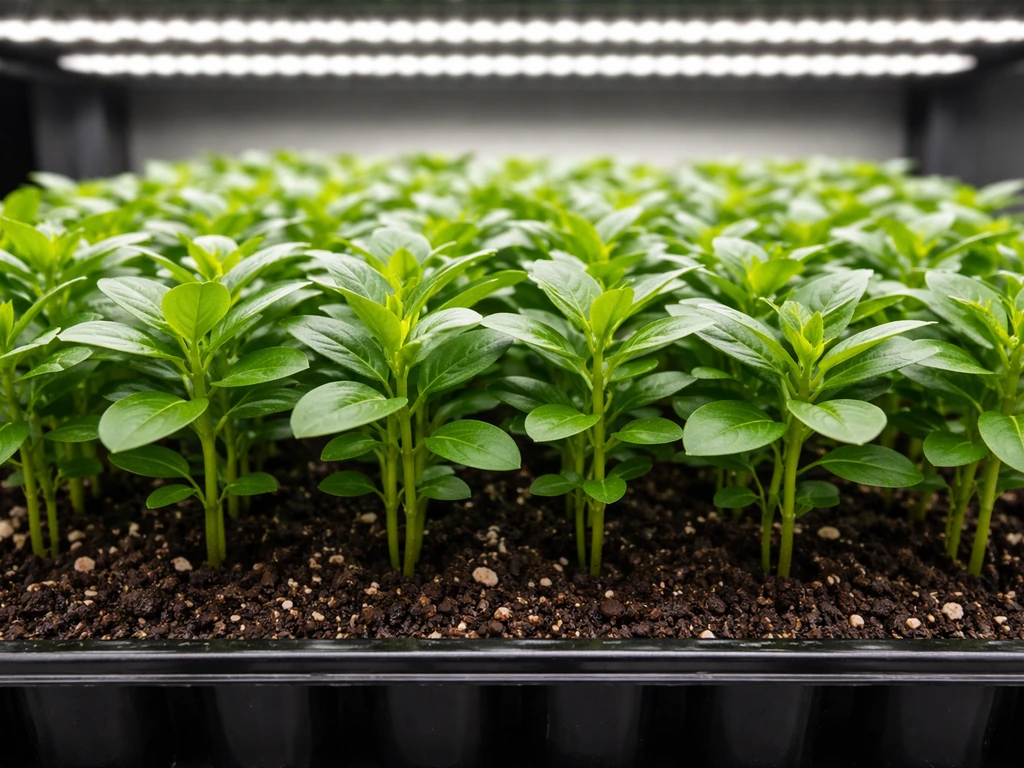
After germination, vinca seedlings need intense light immediately. A sunny south-facing window often isn't enough in late winter or early spring, and leggy, pale seedlings are the result. A grow light positioned 2 to 4 inches above the seedling tray for 14 to 16 hours a day will make a noticeable difference in how stocky and fast-growing the plants are. If your seedlings are stretching toward the window, that's your sign to add a light.
Temperature
Keep air temperature around 70 to 75°F during the day after germination. You can let it drop a few degrees at night, but anything below 60°F will slow growth noticeably. Vinca isn't in a hurry at cool temperatures and won't rush for you. If your seed-starting space is on the cool side, the plants will hit transplant size closer to 15 weeks than 8.
Watering
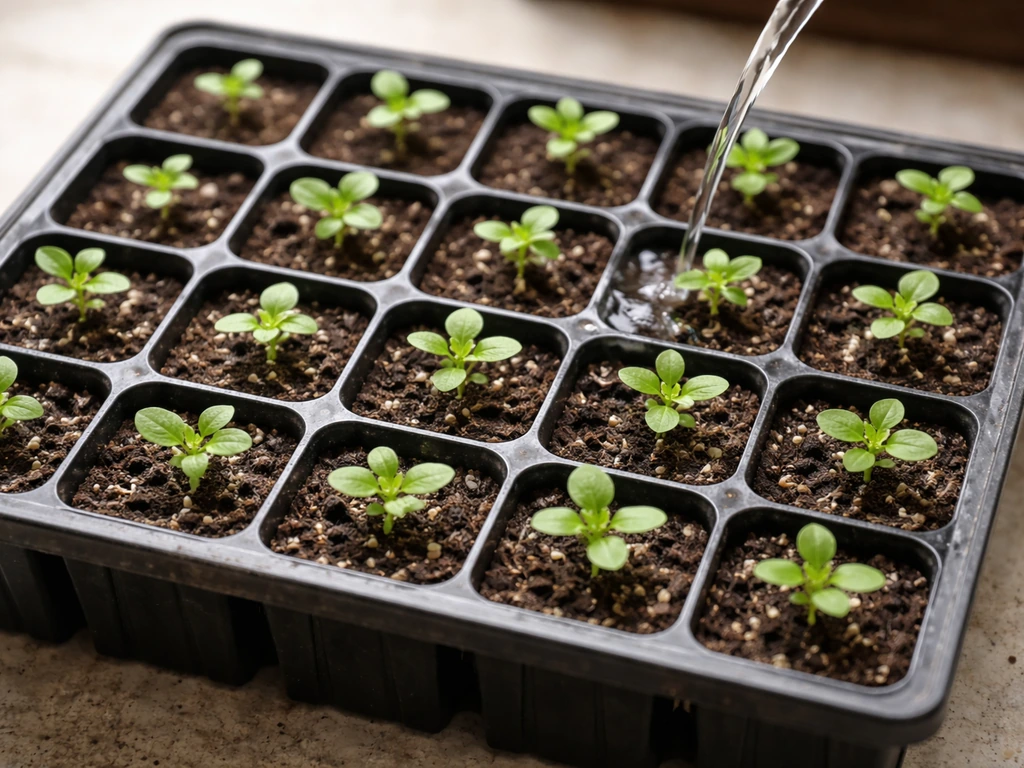
Vinca seedlings like moisture but are surprisingly prone to damping off (a fungal collapse at the soil line) if watered too heavily. Water when the top of the media starts to feel dry, and water from the bottom by setting trays in a shallow dish of water when possible. This keeps the stem base drier and reduces fungal risk.
Thinning
If you sowed more than one seed per cell or pot, thin to one seedling per cell once they reach about an inch tall. Use scissors to snip the extras at soil level rather than pulling, which disturbs the roots of the seedling you're keeping. Crowded seedlings compete for light and moisture and end up weaker and slower than a single seedling given full space.
Fertilizing
Start a diluted balanced liquid fertilizer (half strength is plenty) once the first set of true leaves is fully open, usually around 3 to 4 weeks after germination. Seed-starting mix has little to no nutrients on its own, and seedlings that stay in it too long without feeding will yellow and stall.
When to transplant and when flowers actually show up
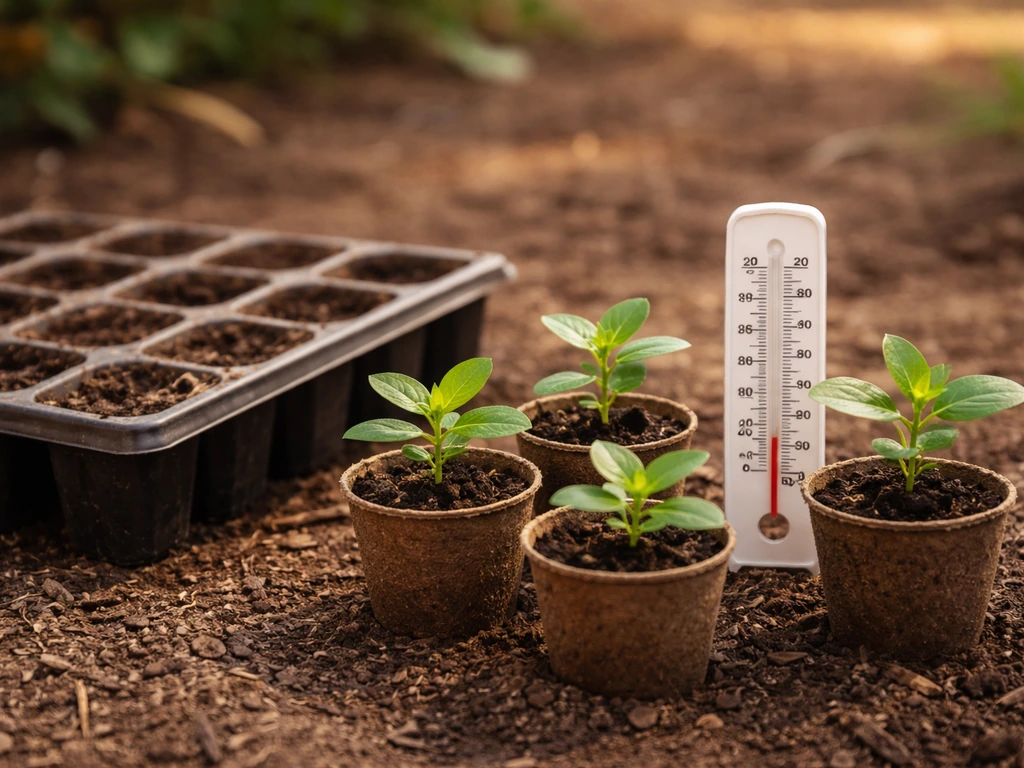
Vinca seedlings are ready to move outside when they have 2 to 3 sets of true leaves, outdoor nighttime temperatures are consistently above 55°F, and they've been hardened off for 7 to 10 days. Hardening off means gradually introducing the plants to outdoor conditions, start with an hour of morning sun and shelter from wind and heat, then increase exposure daily. Skipping this step often results in wilting, leaf scorch, or a major growth setback that delays flowering by weeks.
Once transplanted into full sun with warm soil, vinca typically begins flowering 6 to 8 weeks later. UF/IFAS Extension supports this window, noting blooms can appear about 6 to 8 weeks after sowing when conditions are ideal, though that accelerated timeline assumes very warm growing conditions throughout. In typical home garden conditions, expect blooms closer to 8 weeks post-transplant if the spring is cool, and closer to 6 weeks if the plant goes into warm, settled summer conditions.
One thing worth knowing: vinca is a prolific, self-branching bloomer once it gets going. You don't typically need to pinch it to encourage branching the way you would with petunias. Once the first flush of flowers opens, it tends to keep blooming continuously until frost.
When to sow based on your last frost date
Use this simple planning table. Find your approximate last frost date, count back, and that's your ideal indoor sowing window.
| Last Frost Date | Ideal Sowing Window (Indoors) | Expected Transplant Date | Expected First Blooms |
|---|---|---|---|
| March 15 | December 1 – January 1 | March 15 – April 1 | Late May – June |
| April 15 | January 1 – February 1 | April 15 – May 1 | Late June – July |
| May 15 | February 1 – March 1 | May 15 – June 1 | Late July – August |
| May 30 (approx. now) | Late February – early March (passed) | Now or very soon | Late July – August |
If today is May 21 and you're in a climate with a late May last frost, your indoor starting window has passed. Your best move right now is to check local nurseries for vinca transplants, or direct sow outdoors if your soil temperature is above 70°F, covering seeds lightly and keeping the bed consistently moist until germination.
Why vinca seeds sometimes just don't come up
Slow or failed germination is genuinely common with vinca, and it's rarely mysterious once you check the likely causes. Here's what to look at first.
Soil temperature is the most common culprit
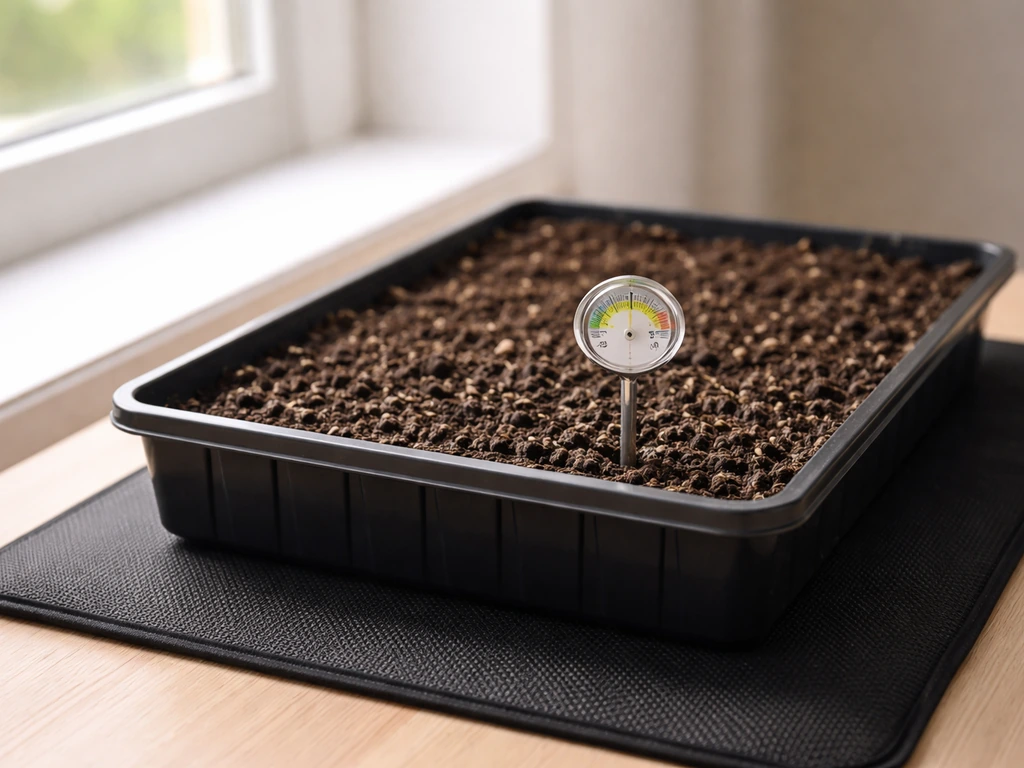
This is the number one reason vinca seeds sit there and do nothing. If your seed tray is sitting on a cool counter in a house that runs at 65 to 68°F, the media temperature might only be 62 to 65°F, well below the 70°F minimum. Get a soil thermometer and check. A seedling heat mat under the tray can raise media temperature by 10 to 20°F above ambient room temperature, which often makes the difference between 5-day germination and nothing at all.
Old or poor-quality seed
Vinca seed viability drops off as seeds age. OSU Extension and UVM Extension both note that older seeds germinate at lower rates, meaning you might get 40% germination from a two-year-old packet instead of 80 to 90% from fresh seed. If your seeds are from a prior season, do a quick germination test before committing: place 10 seeds between damp paper towels in a warm spot and check in a week. If fewer than 6 to 7 sprout, you need fresh seed or you need to oversow heavily.
Seeds not covered
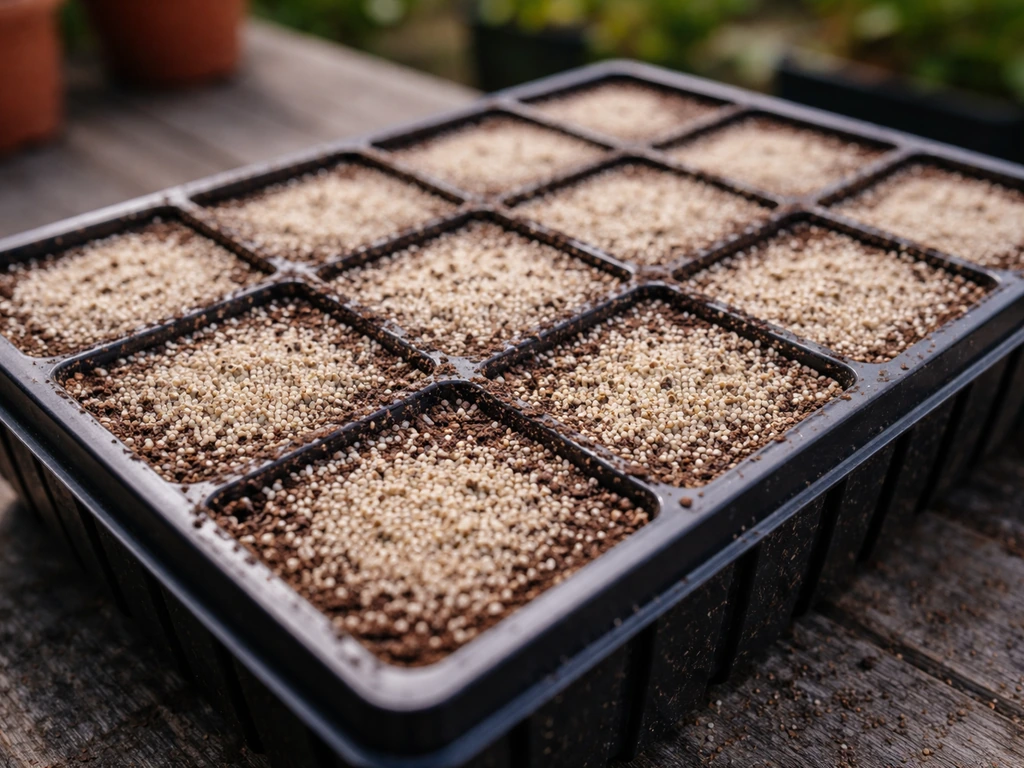
Vinca seeds need to be covered. Unlike some flowers that need light to germinate, vinca benefits from being buried about 1/8 inch deep. Uncovered seeds on the surface of moist media dry out quickly between waterings, and that drying-out is often fatal to the emerging radicle. If you surface-sowed and got nothing, try again with seeds covered and covered trays or a humidity dome to hold moisture.
Inconsistent moisture
Vinca seeds need steady, even moisture during germination. If the media dries out even once during the first week, you can lose germination that was already in progress. A clear plastic humidity dome over the seed tray is the easiest fix, it holds moisture in without waterlogging the media, and you only need to remove it once seedlings emerge.
Slow seedling growth after germination
If seeds sprouted but seedlings are barely growing, look at light first. Vinca under insufficient light becomes leggy, pale, and slow. Then check temperature, seedlings below 65°F essentially pause. Finally, consider feeding: seed-starting mix runs out of nutrients quickly, and a seedling that's been sitting in it for more than three weeks without fertilizer will stall even if light and temperature are fine.
What to do right now based on where you are today
Since it's late May, your next steps depend on your situation. Here's how to think about it quickly.
- Check your soil temperature outdoors with a thermometer. If it's 70°F or above, you can direct sow now in warm-climate zones and still get blooms by late summer.
- If your outdoor temps are warm but you have no transplants, visit a local nursery this week. Vinca transplants in late May go in the ground at exactly the right time in most US regions.
- If you do have seedlings you started indoors, begin hardening them off today if you haven't — 7 to 10 days of gradual outdoor exposure before planting.
- If your seeds haven't germinated yet, check media temperature first. Put a heat mat under the tray and check again in 5 days.
- Test old seed viability with a paper towel germination test before investing more time in a packet that may not perform.
- Once seedlings or transplants are in the ground, apply a balanced slow-release fertilizer and give full sun exposure. Vinca rewards warmth and light with continuous blooms from mid-summer until frost.
Vinca is one of the more forgiving annuals once it's established, and its tolerance for heat and drought makes it a reliable performer through the hottest parts of summer. The challenge is almost entirely front-loaded in the seed-starting phase. Get the temperature and moisture right during germination, give the seedlings strong light, and the rest of the season tends to take care of itself.
Malabar spinach has a different growth schedule than vinca, so timing your sowing based on its seed-to-harvest duration is key. If you've been struggling with other warm-season flower seeds, the same temperature principles apply across the board, flowers like verbena and violas have their own germination quirks, but heat requirements during germination are a common thread with many summer annuals.
If you're growing violas from seed, the timing is a bit different from vinca, so it's worth checking a viola-specific growth schedule for your conditions violass from seed. If you want to estimate how long to grow verbena from seed, it helps to compare its typical germination time and early seedling growth to the temperature and light you can provide flowers like verbena.
FAQ
Can I start vinca from seed later than the usual indoor window and still get blooms?
Yes, you can still start seeds in mid to late spring, but the key is whether you can provide warm media temperatures (around 75 to 85°F) and enough time for transplanting before summer heat peaks. If you are too late on time or light, you may get fewer or later blooms, and in some cases it is faster to buy transplants.
When should I start fertilizing vinca seedlings, and is it okay to feed immediately after germination?
If your goal is early blooms, start fertilizing only after the first true leaves fully open. Applying liquid feed earlier often burns tender seedlings or encourages weak, fast growth. Use half-strength balanced fertilizer and water normally between feedings.
What temperature is too cold to transplant vinca outdoors?
Wait until night temperatures stay consistently above 55°F, not just the daytime highs. Cool nights slow growth and can delay flowering, even if seedlings look fine during the day. If nights dip lower, protect the plants or postpone transplanting until the forecast stabilizes.
What should I do if only a few vinca seeds germinate?
If only one seed sprouts, that is normal, especially with older seed or less-than-ideal warmth. Replanting can work, but do not keep replacing immediately, first check the media temperature and coverage depth. In practice, it is best to fix the conditions, then sow more in a fresh tray rather than repeatedly disturbing the same pot.
How do I avoid damping off while still keeping vinca seed-starting mix moist?
For most gardeners, the biggest mistake is inconsistent moisture during the germination week. Water from the bottom when possible, keep the top of the mix slightly moist (not soggy), and consider a humidity dome only until seedlings emerge. Remove the cover as soon as sprouts show to prevent damping off.
My vinca seedlings are stretching, is it always a light problem or could it be temperature?
Vinca seedlings often stretch even with a sunny window if the light intensity is low, especially in winter or early spring. A practical test is to watch stem thickness and leaf color, pale and stretchy growth means you need stronger light. Use a grow light with consistent 14 to 16 hour days and keep it close enough to prevent reaching.
Do I need to thin vinca seedlings, and what is the best way to thin them?
Thin to one seedling per cell once they are about an inch tall by snipping at soil level, pulling can damage neighboring roots. Crowding causes weaker plants and slower growth, and it can also worsen disease conditions by limiting airflow at the soil line.
What are the most common reasons vinca seed fails even when I’m watering correctly?
If your seeds fail to germinate, prioritize media temperature, seed coverage, and seed age. Surface-sown seeds often dry out and fail, even if moisture seems adequate. For age, do a small germination test with paper towels and adjust your sowing rate if sprouting is low.
How long should I harden off vinca before planting them in full sun?
Do not move seedlings straight from indoors to full sun. Harden off for 7 to 10 days, start with morning sun and shelter from wind, then gradually increase exposure. Skipping hardening commonly leads to leaf scorch and a noticeable delay in flowering.
Why does the seed-to-bloom timeline vary so much between gardens?
In cool or overcast springs, flowering can land closer to the later end of the range because plants grow more slowly after transplanting. In very warm, stable weather it can be faster, but avoid overheating transplants during hardening off since stress can also delay flowering.
Next Article
How Long Do Violas Take to Grow From Seed? Timeline and Tips
Timeline from viola seed to transplant and bloom, plus fixes for fast, reliable germination in indoor or outdoor starts.