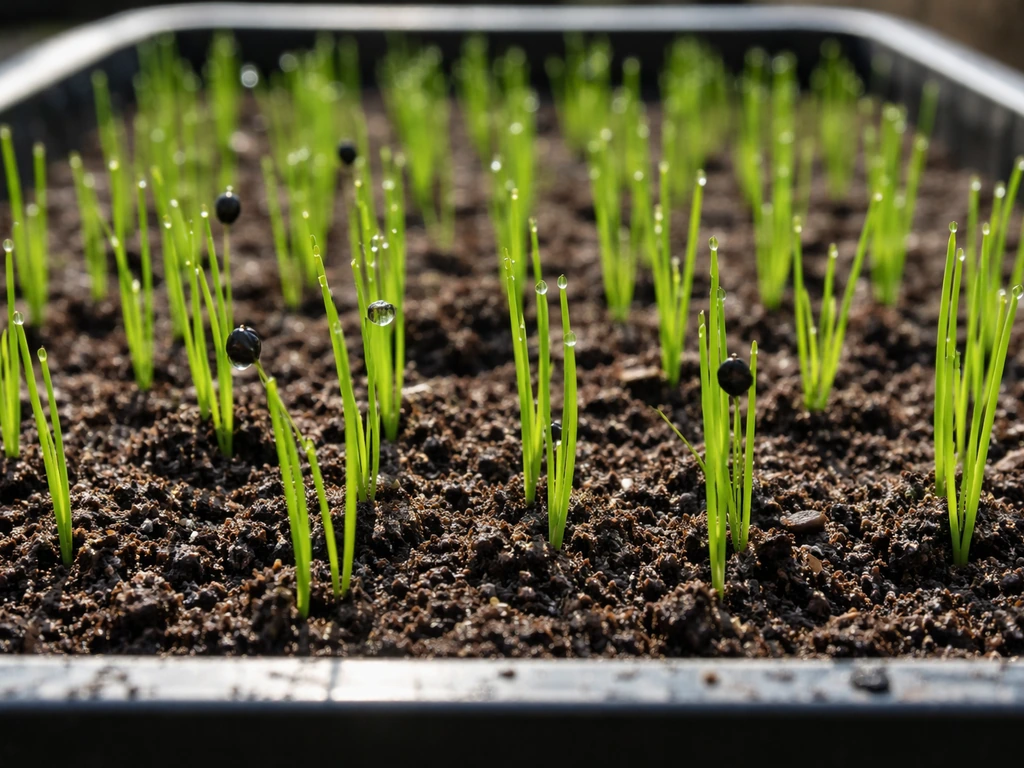
Anthurium seeds typically germinate in 5 to 7 days under warm, humid conditions, but getting from that first sprout to an actual flowering plant takes anywhere from 1 to 3 years. That wide range is the honest truth about growing anthurium from seed, and once you understand why, it becomes a lot easier to plan your timeline and keep your expectations grounded.
How Long Does Anthurium Take to Grow From Seed?
Marcus Henley
15 May 2026
Typical anthurium seed germination timeline
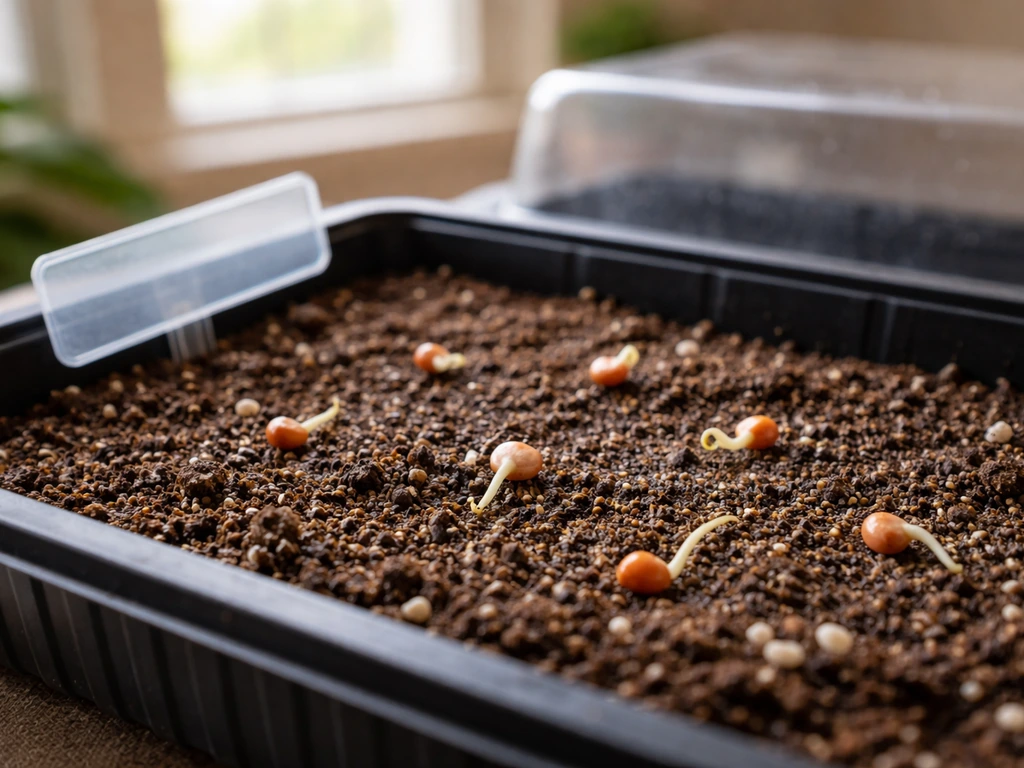
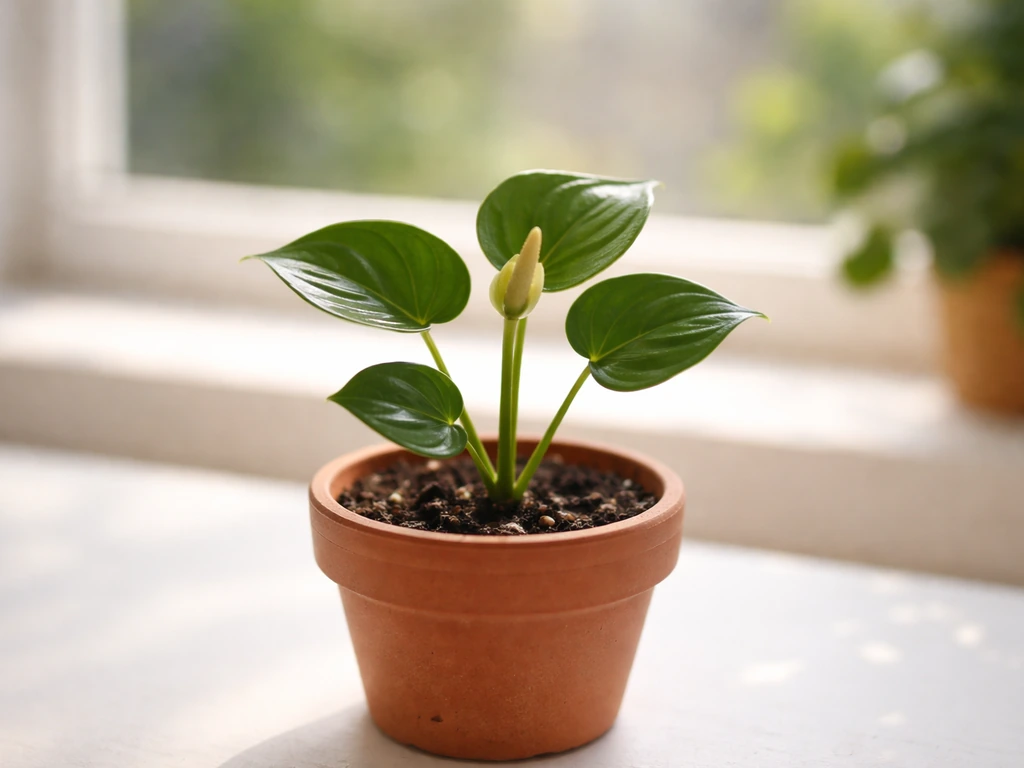
Under good conditions, most anthurium seeds will show signs of sprouting within 5 to 7 days of sowing. Some growers report seeing the first root tip emerge as early as 3 days, especially when seeds are extremely fresh and conditions are dialed in. On the slower end, seeds can take up to 40 days to germinate, which usually points to seeds that are older, temperatures that are too cool, or moisture that isn't consistent enough.
That 5 to 7 day range assumes you're working with fresh seed, warm temperatures (at least 70°F / 21°C), and a covered setup to hold in heat and humidity. The 40-day outlier isn't a myth, but if your seeds are taking that long and nothing has appeared, it's worth reassessing your conditions before waiting it out indefinitely.
One thing worth knowing upfront: anthurium seeds have an extremely short viability window. After about one month of storage, germination rates can drop to 50 to 70%. By three months, you might be looking at only 20 to 40% germination. After six months, expect less than 20%. Some sources put it even more bluntly, saying seeds are only viable for a few days after harvest. The bottom line is that if you have anthurium seeds, sow them now. Every day you wait matters more than with most other seeds you'll encounter.
From sprout to seedling: how long until established
Once germination happens, anthurium seedlings are slow and deliberate growers. Getting from that first tiny sprout to a well-rooted, established seedling with multiple true leaves typically takes 3 to 6 months. You'll notice the first true leaf appearing a few weeks after germination, and then growth continues at a pace that can feel frustratingly slow if you're used to faster ornamentals.
During this early stage, the seedlings are still fragile and need to stay in a humid, warm environment. Gradually weaning them off the humidity dome is important because a sudden drop in humidity can set them back significantly. Anthuriums are sensitive to humidity falling below 50%, and young seedlings are even more vulnerable than mature plants. An interiorscape guideline notes that anthuriums can lose shiny texture and may die if humidity drops below 50% for more than a few days humidity falling below 50%. Introduce more air slowly, opening the dome a little wider each day over a week or two before removing it entirely.
Root development during this phase is just as important as what's happening above the soil. Don't rush transplanting. Wait until the seedling has a few true leaves and the roots are clearly visible near the edges of the container before moving it to a larger pot. Disturbing roots too early can stall growth for weeks.
Time to first flowering and what affects it
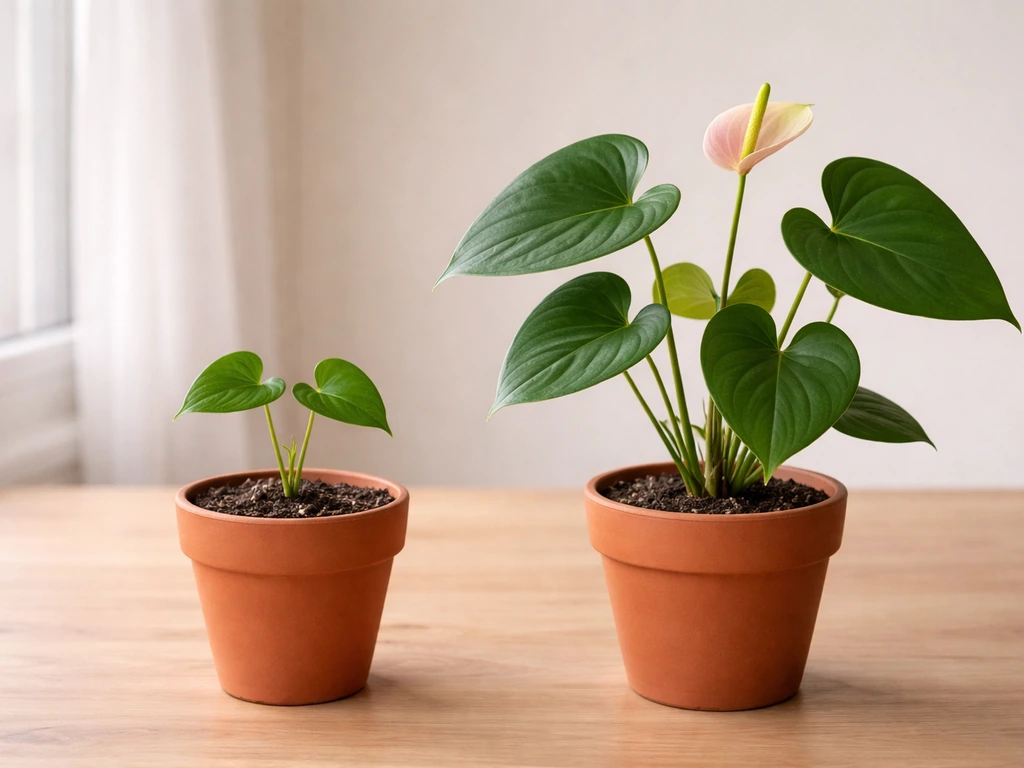
Here's the part most people want to know: when will it actually bloom? The realistic range for seed-grown anthuriums is 1 to 3 years from the day you sow the seed. University of Hawaii extension research puts the floor at no sooner than about 1 year, and the ceiling at roughly 3 years. A hobbyist growing in average home conditions should plan on 2 to 4 years to be safe, especially if light, temperature, or humidity aren't perfectly controlled.
This is a stark contrast to buying an established anthurium from a nursery, where flowering may happen within 6 to 12 months of bringing it home. Commercially grown plants are often produced through tissue culture and are much further along in maturity than anything you'll raise from seed. Seed-grown plants have to build their full root system, vegetative structure, and energy stores before they're ready to flower, and that simply takes time.
The biggest factors that push blooming earlier or later are light, temperature, and the overall health of the plant through its seedling years. A plant that experienced inconsistent watering, low light, or cold temperatures during its first year or two will consistently bloom later than one given steady, favorable conditions throughout. Think of it this way: every stressful week in the early stages adds time to the clock.
Best conditions to speed up growth
You can't make anthurium grow fast, but you can absolutely make it grow as fast as it's capable of. Getting the four key variables right from day one makes a measurable difference.
Temperature
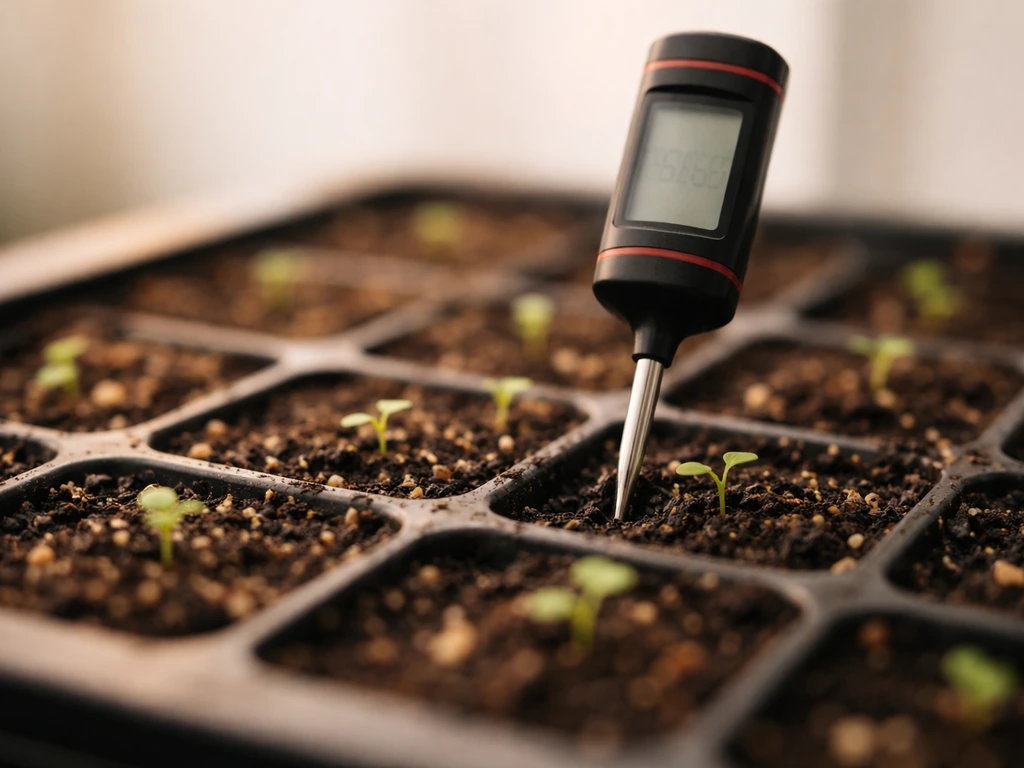
Warmth is non-negotiable. During germination, keep the growing environment at 70°F (21°C) minimum. For established seedlings and young plants, daytime temperatures between 78 and 90°F are ideal, with nights staying around 70 to 75°F. Anything below 50°F will stall growth and can cause yellowing. If you're growing in a cool house, a heat mat under the germination tray is one of the most effective investments you can make.
Light
Anthuriums want bright, indirect light, not direct sun. During germination, a spot near a light-filled window that doesn't receive harsh direct rays works well. As seedlings develop, consistent bright indirect light is what keeps growth moving. Research on interiorscape anthuriums found that plants maintained continuous flowering for over 1.5 years under around 100 foot-candles of interior light, which gives you a sense of how critical stable, adequate light is for long-term performance.
Humidity and moisture
Use a clear plastic humidity dome or plastic wrap over your germination tray to trap warmth and moisture during the sprouting phase. This single step dramatically improves germination consistency. After germination, keep humidity above 50% consistently. The growing medium should stay evenly moist but never waterlogged. Wet, soggy soil invites fungal issues and root rot that can kill seedlings quickly.
Growing mix
Use a light, well-draining mix that holds some moisture without compacting. A combination of orchid bark, perlite, and peat or coco coir works well for anthurium seeds and seedlings. Most importantly, use a pathogen-free medium. Anthurium is susceptible to soil-borne pathogens, and starting with sterile or fresh potting mix is one of the simplest ways to protect early growth.
Seed-to-seedling variability: why timelines differ
If you've read accounts of anthurium seeds sprouting in 3 days and others taking 6 weeks, both are real. Variability in anthurium seed germination comes from several overlapping factors, and understanding them helps you diagnose what's happening in your own setup.
- Seed freshness: This is the single biggest factor. Seeds sown within days of harvest germinate much faster and at higher rates than seeds that have been stored even for a few weeks.
- Pulp removal: Anthurium seeds are covered in a sticky, mucilaginous pulp that actively inhibits germination if not washed off completely. Thorough rinsing before sowing is essential, not optional.
- Temperature consistency: A heat mat that cycles on and off inconsistently or a room that gets cold at night will produce erratic germination timing.
- Moisture consistency: Letting the growing medium dry out between waterings, even briefly during germination, can delay sprouting or kill seeds that were just beginning to germinate.
- Cultivar differences: Some anthurium varieties are naturally slower to germinate and develop than others. Hybrid varieties in particular can behave unpredictably from seed.
- Sowing depth: Anthurium seeds are small and should be pressed lightly onto or just barely beneath the surface of the medium. Burying them too deep slows emergence significantly.
This variability is worth keeping in mind when comparing notes with other growers. Someone who sowed seed straight from a harvested berry and had it sprout in 5 days is having a completely different experience from someone who bought seeds online that had been stored for two months. Neither is doing anything wrong. The seeds are just starting from very different places.
This same principle applies to other slow ornamentals. If you've tried growing iris or hellebores from seed, you'll recognize the pattern: freshness, temperature, and patience are always the core variables. If you've tried growing iris or hellebores from seed, you'll recognize the pattern: freshness, temperature, and patience are always the core variables, which is also why people ask how long do hellebores take to grow from seed before they start.
If you've tried other plants like iris or hellebores from seed, you'll notice that timelines hinge on freshness and conditions, and a similar expectation applies to how long it takes to grow allium from seed. For iris, the time from sowing to a flowering-sized plant is also usually measured in years, depending on freshness, growing conditions, and how well the seedlings establish growing iris from seed. Anthurium just compresses the freshness issue more than most.
Troubleshooting slow or failed anthurium germination
If two weeks have passed with no sign of germination, don't panic, but do start troubleshooting systematically.
- Check your temperature first. Use a thermometer to confirm the actual temperature at soil level, not just the ambient room temperature. If it's below 70°F, add a heat mat.
- Inspect for mold or rot. If the medium smells sour or you see fuzzy growth, fungal contamination has likely taken hold. This often happens when the mix is too wet or wasn't sterile to start with. Remove affected seeds if any look viable, treat with a diluted fungicide, and re-sow in fresh sterile medium.
- Re-examine your seed freshness and source. If your seeds are more than 4 to 6 weeks old, low germination rates are expected and not necessarily fixable. Plan to re-sow with fresher seed.
- Check that the pulp was fully removed. If you didn't wash seeds thoroughly, residual mucilage can inhibit sprouting. If seeds haven't yet germinated, you can carefully rinse them again with lukewarm water and re-sow.
- Evaluate your humidity setup. If the dome is missing or has gaps, moisture is escaping and seeds may be drying out between checks. Seal the dome more effectively or mist more frequently.
- Consider whether seeds ever had viability. Seeds purchased from unknown sources or stored improperly may simply have low-to-zero germination potential. If you've optimized conditions and nothing has sprouted by day 30, re-sowing with fresh, reliably sourced seed is the most productive next step.
- Store spare seeds properly. If you have leftover seeds to try again, keep them in an airtight container in the refrigerator at 40 to 45°F (4 to 7°C). This slows (but doesn't stop) viability decline.
Planning your schedule: realistic milestones from sowing to bloom
Here's how to think about your anthurium journey as a series of milestones rather than one distant finish line. If you're also curious about how long azaleas from seed take, the timeline will be different but the same idea of planning milestones applies how long does it take to grow azaleas from seed. Having these markers in mind makes the slow periods feel purposeful rather than uncertain.
| Milestone | Typical Timeframe | Notes |
|---|---|---|
| Seeds germinate (first sprout) | 5–7 days (range: 3 days to 40 days) | Fastest with very fresh seed, 70°F+, humidity dome in place |
| First true leaf appears | 2–4 weeks after germination | Keep dome on; maintain humidity above 50% |
| Seedling established (multiple leaves, visible roots) | 3–6 months from sowing | Gradually harden off from dome; don't rush repotting |
| Young plant with active growth | 6–12 months from sowing | Repot when root-bound; increase light gradually |
| First flower (optimistic / best-case) | 12 months from sowing | Only under ideal conditions; uncommon in home settings |
| First flower (typical home conditions) | 2–3 years from sowing | Most realistic range for seed-grown plants indoors |
| First flower (slower conditions) | 3–4 years from sowing | Low light, inconsistent temps, or early stress delays bloom |
The most useful mindset for growing anthurium from seed is to treat each stage as its own success. If you're wondering how long it takes to grow lupine from seed, the key is similar: start with fresh seed and expect a longer timeline than you might get from faster ornamentals how long does it take to grow lupine from seed. A seedling that's two months old and has four healthy leaves is doing exactly what it should. A plant at the one-year mark with strong roots and vigorous new leaf production is on track, even if it's nowhere near blooming. Focus on keeping conditions stable and let the plant do its work.
If you want something to do during the long wait, use the time to optimize your growing environment. Check your light levels, invest in a humidity monitor, and make sure temperatures aren't dipping at night. Every improvement you make now contributes to whether your plant hits that 1-year bloom milestone or needs the full 3 years. The conditions you create in year one matter more than almost anything else you'll do later.
One last practical note: if you sow seeds today and nothing germinates within 30 days despite good conditions, re-sow immediately with the freshest seed you can source rather than continuing to wait. Elderberry has a similar patience requirement, so it helps to know the typical seed-to-plant timeline before you start how long does it take to grow elderberry from seed. Anthurium doesn't reward indefinite patience when seed viability is the underlying issue. Move on, get fresh seed, and try again. The process is slow enough already without spending months waiting on seeds that were never going to sprout.
FAQ
What should I do if my anthurium seeds have not germinated after 30 to 40 days?
If you do not see any signs of germination by 30 to 40 days, the most likely causes are old seed or conditions that are too cool or inconsistently moist. At that point, it is usually faster to re-sow with fresher seed rather than keep waiting for a late sprout.
Is there a safe way to make anthurium seed germination happen faster?
You can speed up the calendar slightly by sowing very fresh seed, keeping the medium evenly moist (not soaked), and using bottom heat only during the germination phase. Avoid raising temperatures drastically above the recommended range, because overheating can reduce viability and encourage mold.
How do I transition my seedlings from a humidity dome without stalling them?
After germination, focus on gradual humidity reduction. Use small daily increases in ventilation, then fully remove the dome only when seedlings are actively producing new growth, not just when they look larger. A sudden drop in humidity is a common reason seedlings stall for weeks.
When is the right time to transplant anthurium seedlings from seed-start trays to pots?
Plan to transplant based on root readiness, not seedling height. A good rule is transplant when roots are visible and the seedling has at least a couple true leaves, and handle the plug gently so you minimize root breakage and root drying.
Why are my anthurium seedlings rotting or collapsing even though the humidity is high?
If the potting mix stays wet and heavy, seedlings can develop root rot or damping-off. Choose a lightweight, airy medium, water only enough to keep it evenly moist, and make sure the container has drainage so excess water does not sit at the bottom.
Can too much light or sudden light changes slow down anthurium seed-grown plants?
Bright indirect light matters, but so does photoperiod consistency. Sudden moves from low light to brighter areas can stress seedlings, so increase light gradually and aim for steady conditions, especially during the first year.
When should I start fertilizing anthurium seedlings grown from seed?
Yes. Mature anthuriums can flower without perfect conditions, but seed-grown plants are building energy reserves and structure. If you fertilize too early or too strongly, you can burn roots or push weak growth, which often delays flowering.
What usually causes flowering to take the maximum 2 to 4 years instead of the minimum?
Look at temperature stability and light quality during the seedling years, not only the year you expect blooms. If your nights dip below recommended levels or light is inconsistent, blooming can slide toward the upper end of the 1 to 3 year range.
Do frequent repotting or root disturbance actually affect how soon anthuriums flower?
If you are aiming for earlier flowering, the most helpful lever is having a healthy, well-rooted plant by the end of the seedling stage. Keep temperatures in the target zone, maintain humidity above 50 percent, and avoid repeated transplant shocks that reset root growth.
Next Article
How Long Does It Take to Grow Allium From Seed?
Allium from seed timeline: germination to seedlings, transplanting and harvest, plus fixes for slow or failed sprouting.