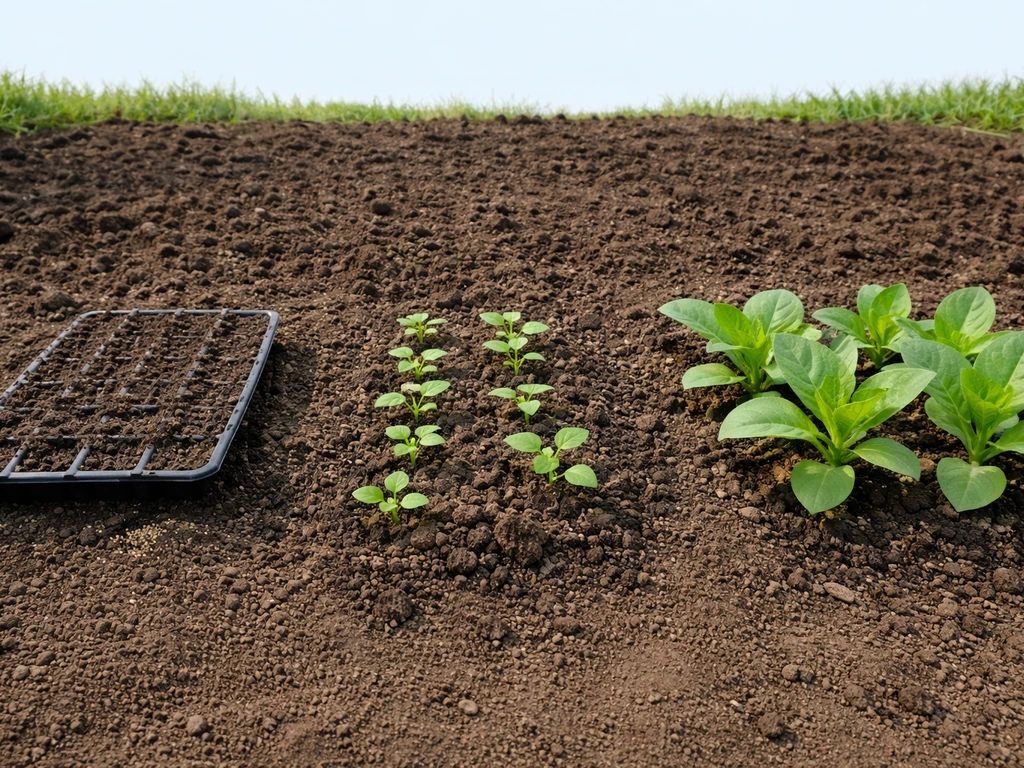
Feminized weed seeds typically take 3 to 5 months from germination to harvest indoors, or roughly 4 to 7 months outdoors depending on your local climate and when you start. Royal Queen Seeds’ indoor timeline similarly describes seed-to-harvest time as roughly 8 weeks up to 7+ months, depending on the cultivar and how the grow is managed 3 to 5 months from germination to harvest indoors.
How Long Does It Take to Grow Feminized Weed Seeds
Marcus Henley
4 May 2026
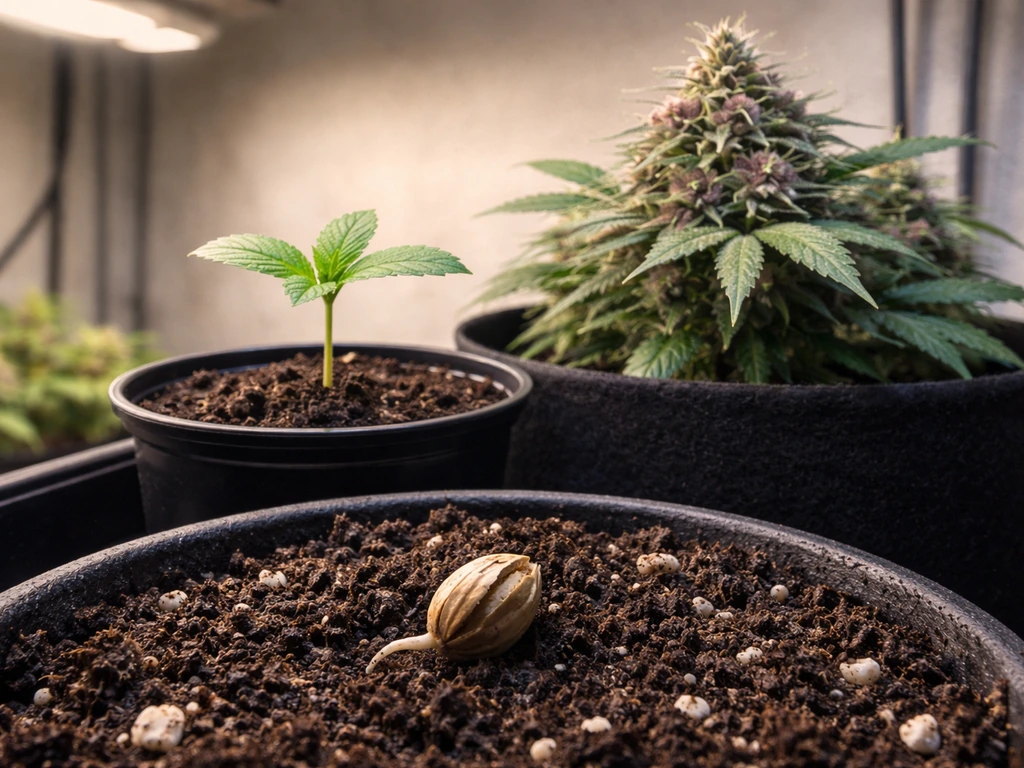
That range breaks down into a few distinct stages: germination takes 1 to 7 days, seedling establishment runs another 2 to 3 weeks, vegetative growth can last anywhere from 3 to 8 weeks (you control this indoors), and flowering takes 7 to 11 weeks depending on the strain. Add it all up and you're looking at a minimum of about 10 weeks for a fast autoflower-style grow, and up to 32 weeks for a long outdoor photoperiod season.
The full feminized seed timeline, start to harvest
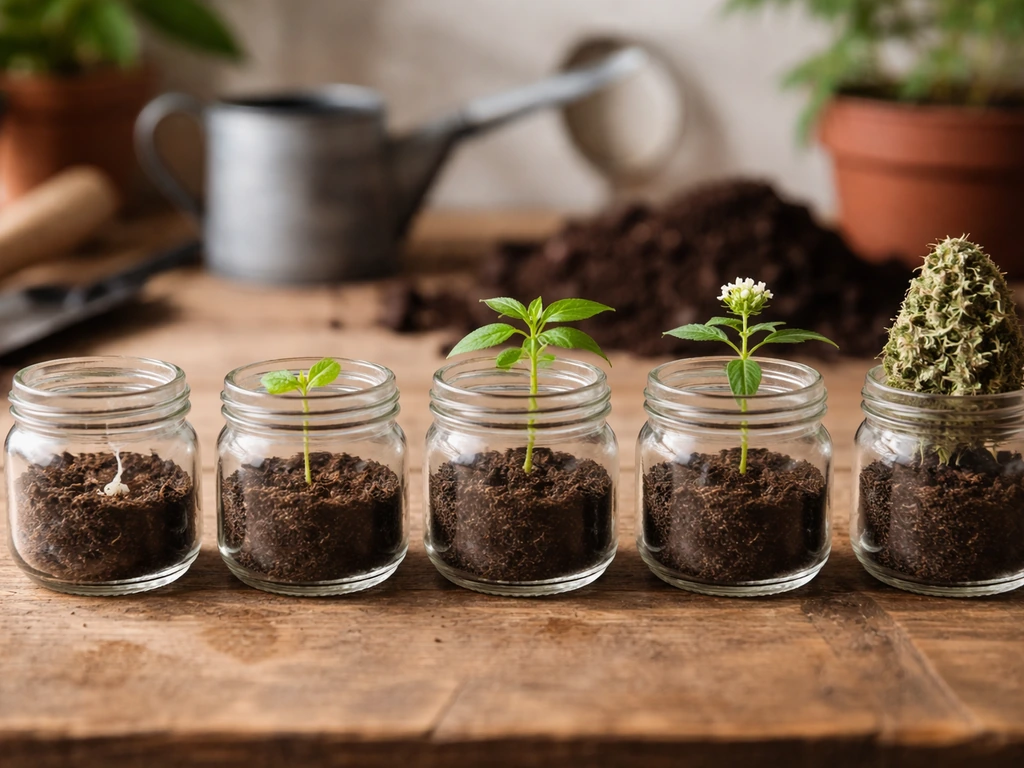
Here's the honest breakdown of what you're signing up for when you drop feminized seeds. Most home growers land somewhere in the 3 to 5 month window, which is consistent across multiple cultivation guides. GrowWeedEasy similarly notes that the journey from day 1 to a smokable harvest is typically around 2 to 6 months, and some autoflowers can be ready in as little as about 10 weeks from germination Most home growers land somewhere in the 3 to 5 month window. But '3 months' and '5 months' feel very different when you're watching plants in a tent every day, so let's make each stage concrete.
| Stage | Typical Duration | What's Happening |
|---|---|---|
| Germination | 1 to 7 days | Taproot emerges from seed shell |
| Seedling | 2 to 3 weeks | First leaves appear, root system establishing |
| Vegetative | 3 to 8 weeks (indoor) / 8 to 16 weeks (outdoor) | Rapid stem, leaf, and root growth |
| Flowering | 7 to 11 weeks | Bud sites form, trichomes develop, harvest window opens |
| Total (indoor) | 10 to 20 weeks (approx. 3 to 5 months) | Full cycle under controlled conditions |
| Total (outdoor) | 16 to 32 weeks (approx. 4 to 8 months) | Dependent on season length and strain |
One thing worth understanding early: with feminized photoperiod seeds (the most common type), you control when flowering begins indoors by switching your light schedule. That's why the total time is so variable. If you veg for 4 weeks, you finish faster. If you veg for 8 weeks to grow bigger plants, your timeline stretches. Outdoors, the plant makes that decision for you when the days naturally shorten in late summer.
Indoor vs outdoor: how the schedule actually changes
Growing indoors puts you in the driver's seat. You can start seeds any time of year, control how long plants stay in vegetative growth, and trigger flowering on demand by switching from an 18/6 light schedule (18 hours light, 6 dark) to 12/12. Most indoor growers run a 3 to 5 month total cycle and can fit two or even three harvests into a single year.
Outdoors, you're working around the sun. In most of the northern hemisphere, that means starting seeds indoors in late March or April, transplanting outside after the last frost (typically May), and harvesting in September or October when daylight hours drop enough to trigger and complete flowering. The vegetative phase is longer because the plant grows all summer, which usually means bigger plants and heavier yields, but you only get one shot per season. In warmer climates with longer growing seasons, some outdoor growers start earlier and finish later, pushing close to that 7 to 8 month upper end.
| Factor | Indoor | Outdoor |
|---|---|---|
| Start time | Any time of year | Spring after last frost |
| Vegetative control | You decide (flip lights to trigger) | Sun decides (shortening days in late summer) |
| Typical veg duration | 3 to 8 weeks | 8 to 16 weeks (all summer) |
| Flowering duration | 7 to 11 weeks | 7 to 11 weeks (same genetics) |
| Harvests per year | 2 to 3 possible | Usually 1 |
| Total cycle | 3 to 5 months | 5 to 8 months |
| Main variable | Your light schedule | Your local climate and latitude |
If you're trying to decide between the two, indoor growing gives you speed, control, and year-round access. Outdoor growing gives you potentially larger yields per plant and lower costs, but you're locked into one season and at the mercy of your weather. For a first-time grower focused on timing and predictability, indoor is the easier route.
What actually affects how fast your plants grow
Not all feminized seeds grow at the same pace, and not all grows go according to plan. These are the biggest variables that will speed up or slow down your timeline.
Strain genetics and flowering time
This is the single biggest factor. Indica-dominant strains typically flower in 7 to 9 weeks. Sativa-dominant strains can take 10 to 12 weeks or longer in flower. Hybrid strains split the difference, usually around 8 to 10 weeks. When you buy feminized seeds, the breeder almost always lists the expected flowering time on the packaging or product page. Take that number seriously. A strain listed at '10 weeks flowering' will genuinely take longer than one listed at '7 weeks,' and no amount of optimizing your tent will change that core genetics-based timeline.
Light intensity and spectrum
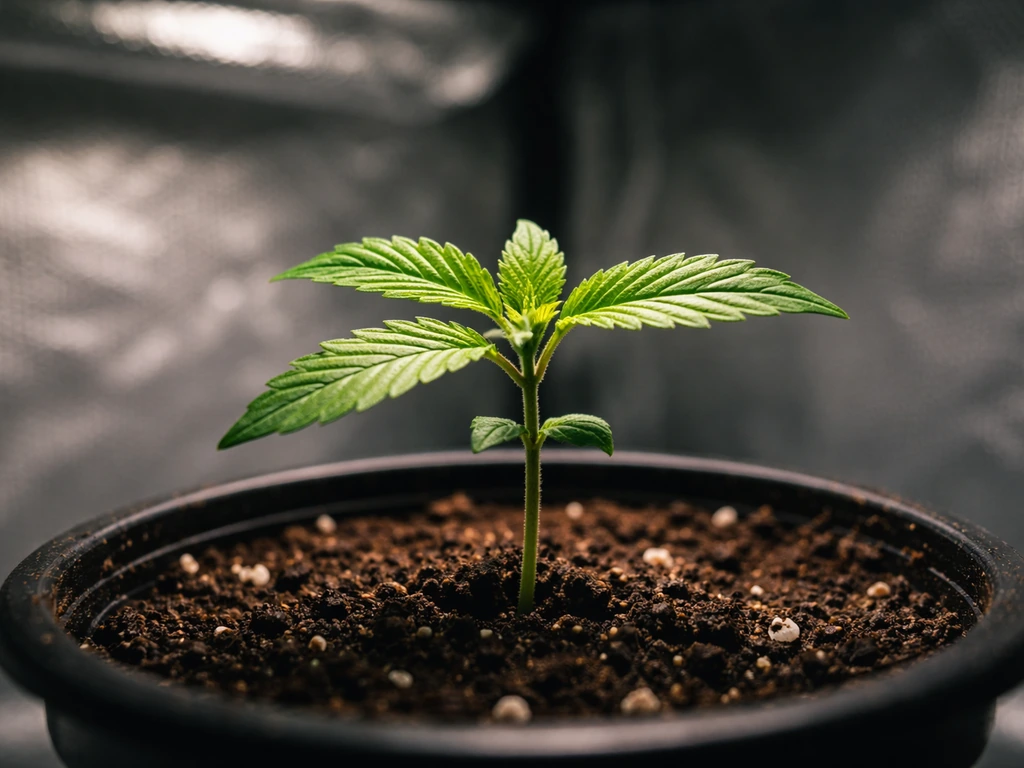
Plants grow faster under stronger, appropriate light. For seedlings and veg, blue-spectrum light (around 4000 to 6500K) encourages compact, vigorous growth. During flowering, red-spectrum light (2700 to 3000K) supports bud development. Running your lights too far from plants slows growth noticeably. Running them too close causes heat stress and bleaching. Most LED grow lights have a recommended hanging distance, and following it closely is one of the easiest ways to keep growth on schedule.
Temperature and humidity
Cannabis grows best between 70 and 85 degrees Fahrenheit (21 to 29 Celsius) during veg, and slightly cooler at 65 to 80F (18 to 27C) during flower. Consistent temps below 60F or above 90F will slow growth significantly and stress plants. Humidity matters too: seedlings like it around 65 to 70%, vegetating plants prefer 40 to 70%, and flowering plants do best at 40 to 50% to reduce mold risk. Getting both of these right is one of the fastest ways to tighten up your timeline.
Watering, nutrients, and growing medium
Overwatering is the most common mistake that slows growth, especially in the seedling stage. Roots need oxygen, and waterlogged soil starves them of it. The general rule: water when the top inch or two of soil is dry, not on a rigid schedule. A well-draining medium like quality potting soil mixed with perlite gives roots the air they need. Pot size also matters more than most beginners expect. A seedling crammed into a tiny pot will show stunted growth; transplanting to a 3- to 5-gallon container during veg gives roots room to expand and keeps the plant on pace.
Handling mistakes at germination
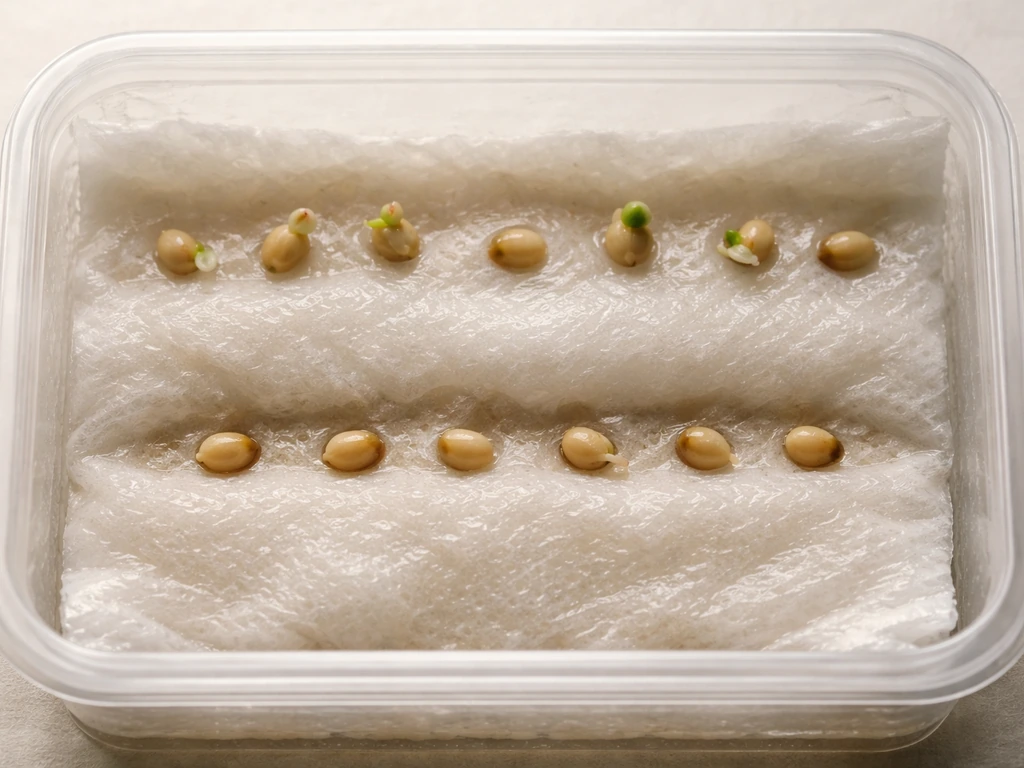
Planting seeds too deep is a surprisingly common delay. Seeds buried more than half an inch to one inch (1 to 2.5 cm) deep struggle to push through. Germination temps outside the 70 to 85F sweet spot also slow things down. Cold, dry conditions cause seeds to sit dormant; overly hot or wet conditions can rot them before they sprout.
Stage-by-stage checkpoints: what to expect and when
Here's what you should be seeing at each phase so you know your grow is on track.
Germination (Days 1 to 7)
Using the paper towel method or direct soil planting, most feminized seeds crack and show a white taproot within 24 to 72 hours under ideal conditions. By day 5 to 7, stragglers should also be sprouting. If you haven't seen any activity by day 7, it's worth investigating. Sprouts should emerge from soil within a day or two of the taproot appearing.
Seedling stage (Weeks 1 to 3)
Within the first week above soil, you should see the seed shell drop off and the first pair of round cotyledon leaves open up. By the end of week 2, the first set of true fan leaves should appear. By week 3, you should have 2 to 3 sets of true leaves and a visibly strengthening stem. At this point the seedling is ready to transplant into a larger container if it started in a solo cup or small pot.
Vegetative stage (Weeks 3 to 11 indoors)
Once transplanted and under 18 hours of light, plants shift into real vegetative growth. Expect noticeable height and leaf growth every few days. A healthy plant can grow an inch or more per day during peak veg. You can keep plants in this stage as long as you want indoors. Most growers run 4 to 8 weeks of veg before flipping to 12/12. You want plants to be roughly half their target final height before you flip, because they'll stretch 50 to 100% more during the first few weeks of flower.
Flowering stage (Weeks 8 to 19 from seed, roughly)
Within 1 to 2 weeks of switching to 12/12, you should see the first white hairs (pistils) forming at bud sites. By week 3 to 4 of flower, small bud structures are clearly visible. Week 6 onwards is when buds start to really swell. Harvest readiness is best judged by trichome color: clear trichomes mean not ready, cloudy white trichomes mean peak THC, and amber trichomes indicate THC is starting to degrade into a more sedative effect. A 30x to 60x jeweler's loupe or pocket microscope makes this check easy.
How to speed up germination and early growth safely
There's no magic trick to cut weeks off your grow, but you can absolutely lose time through avoidable early mistakes. These steps will get your seeds off to the fastest honest start.
- Soak seeds in plain, room-temperature water for 12 to 24 hours before planting. This softens the shell and jumpstarts the germination process.
- Use the paper towel method: place soaked seeds between two damp paper towels on a plate, cover with another plate, and keep in a warm spot (75 to 80F). Check daily. Taproots typically appear within 24 to 48 hours this way.
- Maintain a germination temperature of 70 to 85F consistently. A seedling heat mat set to 77F is a reliable, low-cost tool that speeds sprouting noticeably.
- Plant taproot-down at a depth of half an inch to one inch (1 to 2.5 cm) in moist, not saturated, seedling mix. Deeper than this slows emergence.
- Keep humidity high (65 to 70%) around seedlings for the first 2 weeks using a humidity dome or simple plastic bag tent over the pot.
- Start under a gentle light schedule (18/6) as soon as sprouts emerge. Don't put seedlings directly under a powerful light at close range; keep LEDs at 24 to 30 inches for the first week and lower gradually.
- Avoid overwatering at all costs during the seedling stage. Small plants drink very little. Water lightly around the seedling, not directly on top of it, and only when the top of the soil is dry.
When to expect harvest, and what to do when things go wrong
Setting a realistic harvest date
If you start seeds today (May 4, 2026) indoors with a 4-week veg plan and a strain that flowers in 8 weeks, you're looking at a harvest around mid to late August. If you choose a 6-week veg and a 10-week flowering strain, expect mid to late September. For an outdoor grow started now, germinate indoors, transplant outside in late May or early June, and most photoperiod feminized strains will be ready for harvest in September or October. Write out your expected dates for each stage before you start. Having those milestones written down makes it much easier to spot when something is off.
Troubleshooting slow or failed germination
If it's been 7 days and you're still not seeing a sprout, go through this checklist before you give up or replant.
- Temperature: Is your germination area actually hitting 70 to 85F? Many indoor environments are cooler than you think, especially at floor level. Check with a thermometer, not just a guess.
- Moisture: Is the medium damp but not soaking wet? Seeds sitting in waterlogged soil often rot before they sprout. Squeeze your medium: it should feel like a wrung-out sponge.
- Depth: Were seeds planted deeper than one inch? Carefully dig one out with a toothpick to check for taproot activity without damaging it.
- Seed age and storage: Old seeds or seeds stored in warm, humid conditions have lower germination rates. If you've had seeds sitting in a drawer for over a year, this could be the issue.
- Seed shell hardness: Some seeds have very tough shells. Try very gently scarifying the edge of the seed with fine sandpaper before a 24-hour soak to help moisture penetrate.
- Patience: Some seeds, especially older or naturally harder ones, can take 10 to 14 days. If the paper towel is staying moist and temps are right, give it a few more days before declaring failure.
When to restart
If you've hit 10 to 14 days with zero taproot activity and your conditions have been correct, it's fair to call it and start fresh. Seeds do fail, especially older stock. If multiple seeds in the same batch failed, the issue is likely the seeds themselves, not your technique. Order from a reputable source and try again. One failed germination is just gardening; several in a row from different batches suggests something in your environment needs adjusting.
For plants that are growing but slower than expected, check your light distance, water frequency, and temperature first. Those three factors account for the vast majority of unexplained slow growth. If a plant that should be showing 3 to 4 sets of leaves by week 3 is still on its second set, it's usually one of those three culprits. Fix the environment before reaching for a fertilizer or supplement; adding nutrients to a stressed, slow-growing plant usually makes things worse.
Your next steps right now
If you're planning your first grow or trying to get back on schedule after a slow start, here's the short version: feminized seeds take 3 to 5 months indoors and 5 to 8 months outdoors from germination to harvest. Write out your stage checkpoints before you plant, pick a strain with a flowering time that matches your schedule, and get your environment dialed in before you even drop seeds.
Germination and the seedling stage are the most fragile parts of the whole process, and the most likely place for a timeline to go sideways. Tobacco from seed can be started indoors, but the total time to transplant and then mature plants is longer and more variable than cannabis. Nail the basics there and the rest of the grow tends to take care of itself.
If you're exploring other plants with similarly detailed growing timelines, the schedule for growing general cannabis from seed follows the same framework, and it's worth comparing notes on how feminized strains differ from other cannabis seed types in terms of growth predictability and stage control.
FAQ
How long does it take to grow feminized weed seeds if I start indoors and finish outdoors?
Expect something close to the indoor part plus the outdoor part. Your total timeline usually stays within the indoor 3 to 5 month range only if you flip to flowering indoors and keep the plant on a stable light cycle. If you veg indoors then move outside during late spring, flowering timing becomes weather and daylight dependent, often stretching you toward the outdoor end (commonly 5 to 8 months from germination).
Do feminized seeds take longer than regular seeds?
Not usually. Feminized seeds affect sex expression (you get females), but the developmental pace is driven mainly by genetics (flowering duration), environment, and how long you veg. If two strains have the same listed flowering time, the harvest timeline from germination is generally similar regardless of seed type.
What is the fastest realistic timeline from germination to harvest?
The fastest case is when you keep germination clean (healthy taproot quickly), use strong appropriate light, and flower on schedule based on the strain’s genetics. For many indoor photoperiod feminized grows, the practical lower bound is around 3 months total, but only for the fastest-flowering genetics paired with a shorter veg.
Why does my flowering phase seem to be taking longer than the seed label says?
Most of the time it comes down to either strain differences (the label’s flowering time is often based on optimal conditions and harvest when trichomes mature) or environment stress. Consistently low temperatures, high heat, or light that is too far can delay bud development. Also, if you harvest early based only on pistil appearance, you may misjudge how long it takes to reach a trichome stage.
Should I harvest based on pistils or trichomes, and does it change the timeline?
Trichomes are the better guide. Pistils can darken or curl before the buds are fully mature, especially under stress or uneven light. Waiting for the trichome color shift (clear to cloudy to amber) can add days to a week or more, which effectively changes your real harvest date even if flowering started on time.
How long should I veg to avoid stretching and ruining my schedule?
A common timing rule is to flip when plants are about half of your intended final height, because the stretch during early flower often adds roughly 50 to 100% height. If you veg too long to “save time later,” you often lose time by needing an extra adjustment period (retraining, lowering/raising lights, or controlling canopy) to finish on schedule.
If I miss a few days on my light schedule indoors, will it add weeks to the grow?
A small slip usually doesn’t add weeks, but it can cause inconsistent development. With photoperiod plants, flowering should remain triggered, but irregular dark periods or light leaks can lead to stalled growth, hermaphroditic risk, or foxtailing. The safest approach is to keep the 12/12 schedule consistent once you flip.
What should I do if germination stalls, at what point should I replant?
If there’s no taproot activity by about day 7 under properly warm conditions, it’s worth troubleshooting immediately (temperature, moisture level, and whether seeds were planted too deep). If you reach roughly 10 to 14 days with no meaningful taproot and conditions were correct, replacing the batch is typically more time-efficient than waiting indefinitely, especially with older seed lots.
How do pot size and transplant timing affect how long the grow takes?
Pot size affects root speed and stability. A too-small container can slow growth by limiting root expansion, and frequent late transplants can temporarily pause growth as the plant reestablishes. For many growers, transplanting during veg into a larger container at the right time helps keep the plant moving on the intended schedule rather than forcing a delayed recovery.
Can overwatering or underwatering add weeks to my timeline?
Yes. Overwatering reduces oxygen to roots and can stunt seedlings and slow veg, while underwatering causes nutrient and water stress that similarly slows progress. If growth looks behind schedule, correcting watering and ensuring good drainage often helps more than adding nutrients, because stressed plants usually cannot use extra feed effectively.
Do autoflower feminized seeds follow the same timeframe as photoperiod feminized seeds?
No. Autos typically run on their own internal clock and do not respond to light schedule the way photoperiods do, so the veg control you have indoors is different. The article’s 3 to 5 month range discussed for fast cycles may fit some autos, but the real answer depends on the specific auto strain’s stated total grow time and whether germination and early conditions are ideal.
What environmental targets matter most for staying on schedule (temperature, humidity, light distance)?
Temperature stability and correct light intensity matter most. Seedlings and veg generally slow noticeably if conditions drop below the usual comfortable range, and flowering can stall or get riskier if humidity stays too high. Light distance also matters because too far reduces growth rate and too close can cause heat stress, both of which can extend flowering by delaying bud maturation.
Next Article
How Long to Grow Tobacco from Seed Full Timeline
Full tobacco seed timeline: germination, seedling growth, transplanting, and maturity to harvest, plus fixes for slow ge