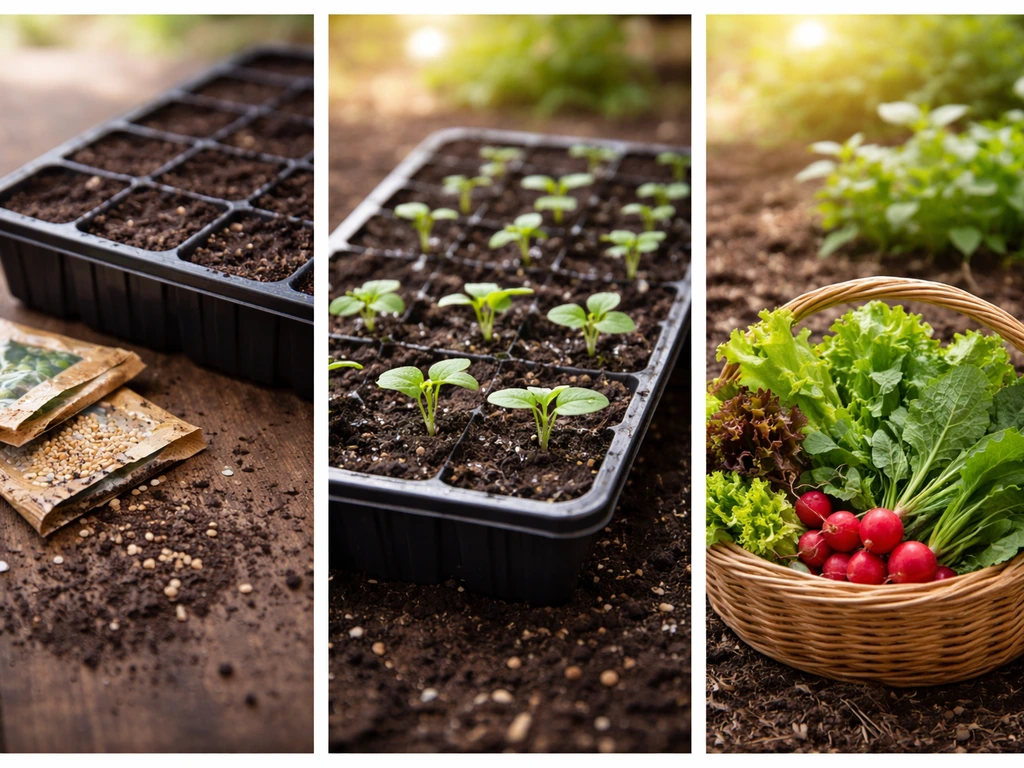
Most seeds sprout somewhere between 5 and 21 days after sowing, depending on the plant type and your soil temperature. From there, reaching a transplantable seedling takes another 4 to 8 weeks for most vegetables and herbs, while full harvest or flowering can take anywhere from 40 days (fast lettuce) to 5 or more months (peppers, some flowers). The wide range is real, but once you know your specific seed and conditions, you can nail down a pretty tight estimate.
How Long Does It Take to Grow Plants from Seeds
Marcus Henley
6 May 2026
The general seed-to-maturity timeline
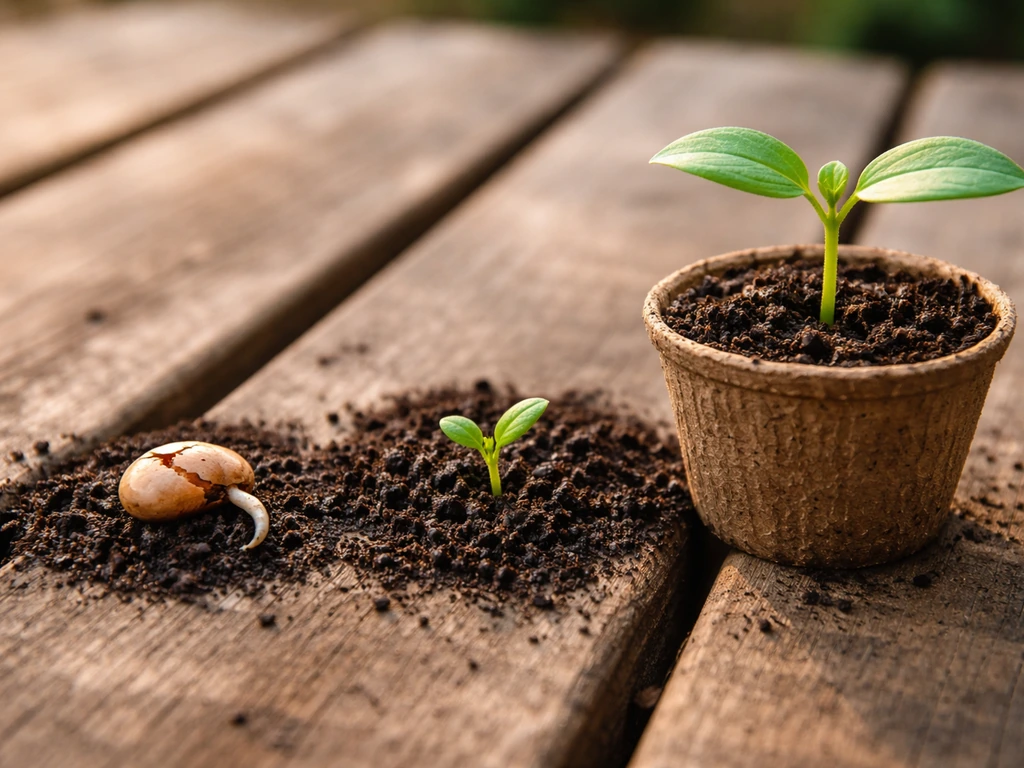
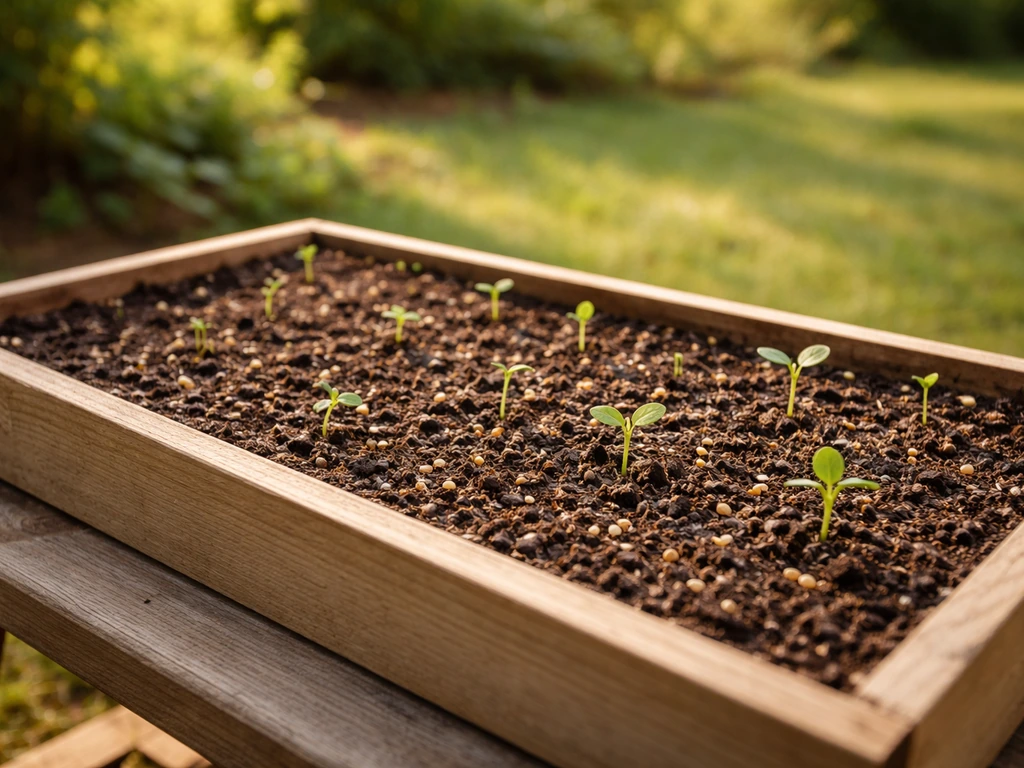
Growing a plant from seed happens in three distinct stages, and each one has its own clock. First is germination, which is when the seed cracks open and a sprout reaches the surface. Second is the seedling stage, where the plant puts on its first true leaves and builds enough root mass to survive transplanting or thinning. Third is maturity, whether that means harvest-ready vegetables, a plant in full flower, or a shrub that's reached its target size. Every gardening decision you make, from when to start seeds indoors to when to transplant outside, flows from understanding these three stages and how long each one takes for your specific plants.
The single biggest driver of how fast seeds move through these stages is soil temperature. A tomato seed sitting in 60°F soil can take two or three times as long to germinate compared to one in 75°F soil. Moisture, seed depth, light requirements, and seed freshness all play supporting roles, but temperature is the main lever. Keep that in mind as you read through the timelines below.
How long it takes by plant type
Different plant categories operate on very different schedules. Here's a practical breakdown of what to expect from vegetables, herbs, flowers, grasses, and ornamentals.
Vegetables
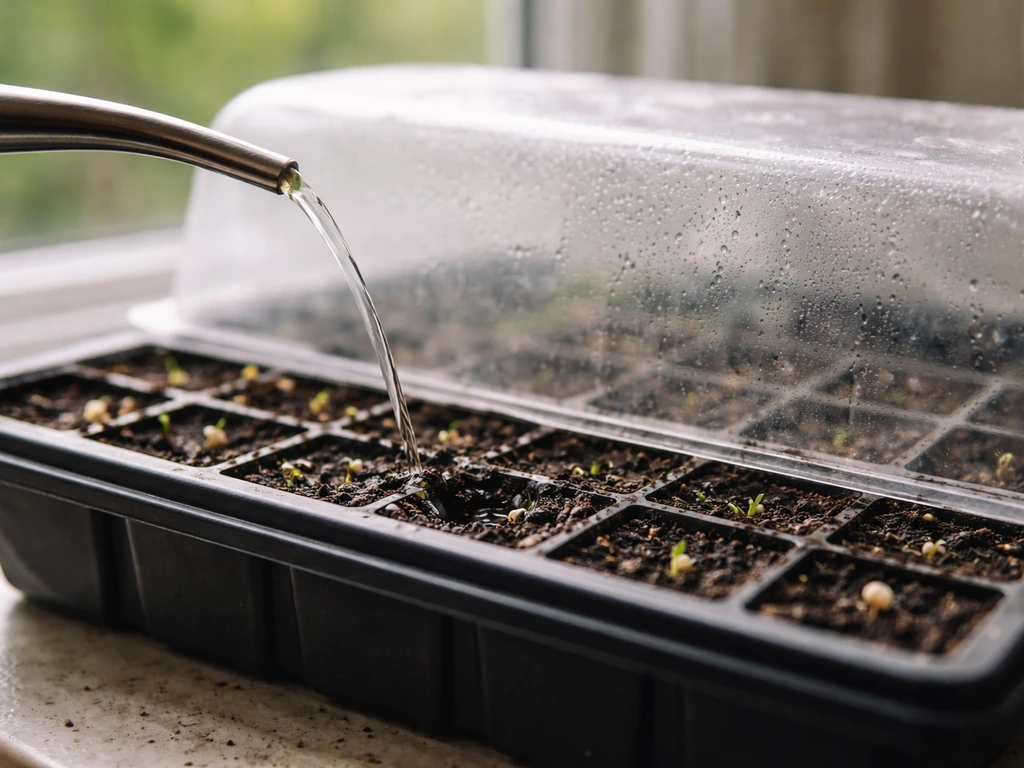
Vegetables cover the widest spread of any category. Lettuce is one of the fastest things you can grow: at 60 to 75°F soil temperature, it typically emerges in just 2 to 7 days, and many varieties are harvest-ready in 40 to 60 days from sowing.
For a quick answer, check the exact days listed for your seed packet and then add the germination time plus the seedling and maturity stages how long does it take to grow vegetables from seeds. On the slower end, peppers take 10 to 21 days to germinate and need to be started indoors 10 to 12 weeks before your last frost date because they need so long to reach a transplantable size.
Tomatoes usually germinate in 6 to 14 days at soil temperatures around 70 to 75°F, and from sowing to first harvest typically runs 60 to 85 days depending on variety. Cucumbers move quickly in warm soil, often sprouting in 3 to 10 days at 70 to 85°F and reaching harvest in 50 to 70 days.
Carrots are notoriously slow to germinate, often taking 10 to 21 days, and the seeds are so small that inconsistent moisture is the main reason they fail.
Herbs
Most common herbs germinate in 7 to 21 days and are ready to use (at least for light harvesting) within 6 to 8 weeks of germination. Basil is a warm-season herb that benefits from being started indoors about 6 weeks before your last frost date. It needs warm conditions to germinate well, and once it's established it needs at least 6 to 8 hours of bright light daily.
Herbs like cilantro and dill can be direct-sown and will germinate in 7 to 14 days at moderate soil temperatures. Parsley is famously slow, often taking 2 to 4 weeks just to germinate. If you're curious about specific herb timing, the differences between fast herbs like basil and slower ones like parsley are worth looking into in more detail.
Flowers
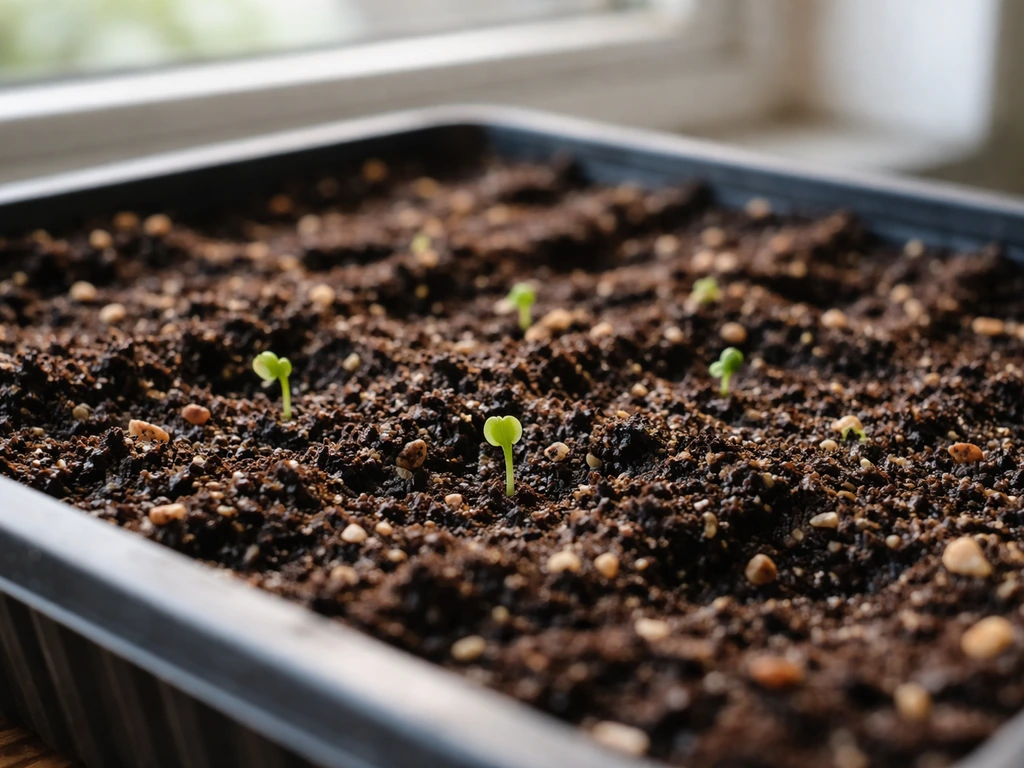
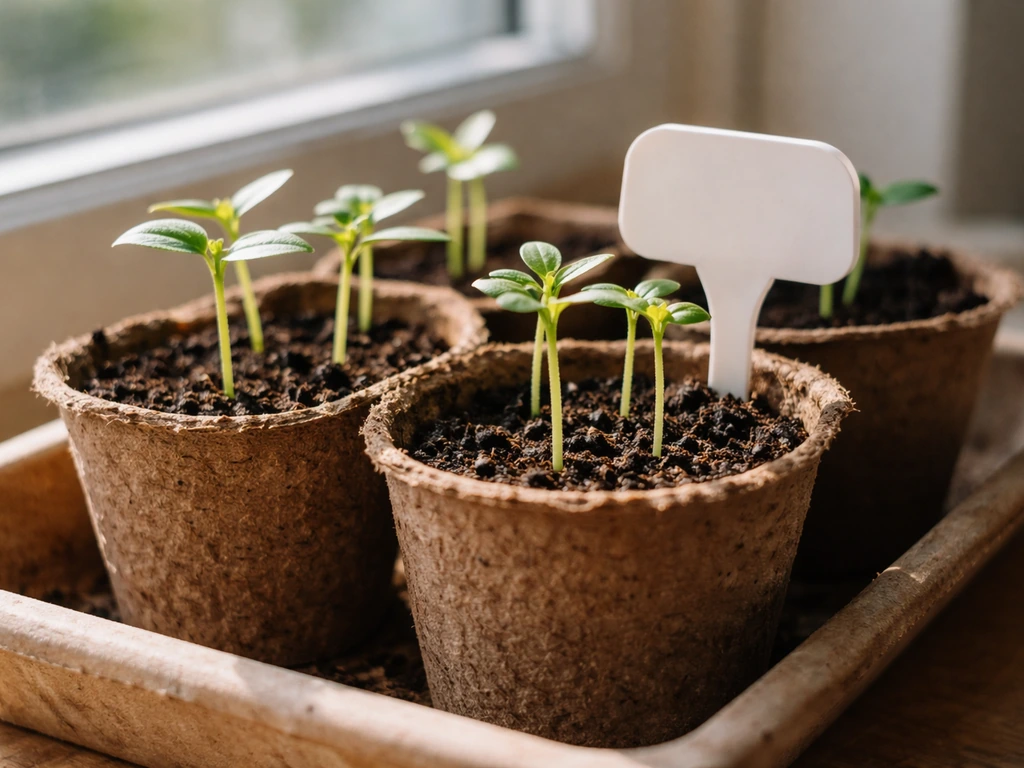
Annual flowers like zinnias, marigolds, and sunflowers typically germinate in 5 to 10 days and bloom within 8 to 12 weeks of sowing under good conditions. Perennial flowers often take longer to germinate, especially if they require cold stratification (more on that below). Some perennials, like lupines or columbines, may take 2 to 4 weeks to sprout and won't flower in their first year from seed. If you're growing flowers from seed for a specific event or season, starting 8 to 12 weeks indoors before your target outdoor planting date is a safe baseline for most annuals.
Grasses and ornamentals
Lawn grasses like tall fescue and Kentucky bluegrass typically germinate in 5 to 30 days depending on species and soil temperature, with warm-season grasses like bermuda on the slower end. Ornamental grasses grown from seed can take 2 to 4 weeks to germinate and a full season to reach a display-worthy size. Woody ornamentals and trees are in a class of their own: many require cold stratification (a period of cold, moist conditions to break dormancy), which can add 30 to 90 days before germination even begins. Once you factor that in, seed-to-garden-ready for a shrub or tree can be 1 to 2 years.
Typical time ranges by growth stage
| Plant Type | Days to Germinate | Weeks to Transplantable Seedling | Days to Harvest or Flower |
|---|---|---|---|
| Lettuce | 2–7 days | 3–4 weeks | 40–60 days |
| Tomato | 6–14 days | 6–8 weeks | 60–85 days from transplant |
| Pepper | 10–21 days | 10–12 weeks | 70–90 days from transplant |
| Cucumber | 3–10 days | 3–4 weeks | 50–70 days |
| Carrot | 10–21 days | Direct sow only | 70–80 days |
| Basil | 5–10 days | 5–6 weeks | 60–90 days |
| Parsley | 14–28 days | 6–8 weeks | 70–90 days |
| Annual flowers (e.g., zinnia) | 5–10 days | 4–6 weeks | 8–12 weeks from sowing |
| Perennial flowers | 14–28 days | 6–10 weeks | Year 2+ from sowing |
| Lawn grasses | 5–30 days | 3–6 weeks (establishment) | 6–12 weeks (coverage) |
| Trees/woody shrubs | 30–90+ days (after stratification) | Several months | Years |
How to estimate your own timeline
Your seed packet is the starting point. It will usually list days to germination and days to maturity, and often recommends a sowing depth and temperature range. Treat those numbers as the baseline for ideal conditions. Then adjust based on your actual situation using these four factors.
Soil temperature
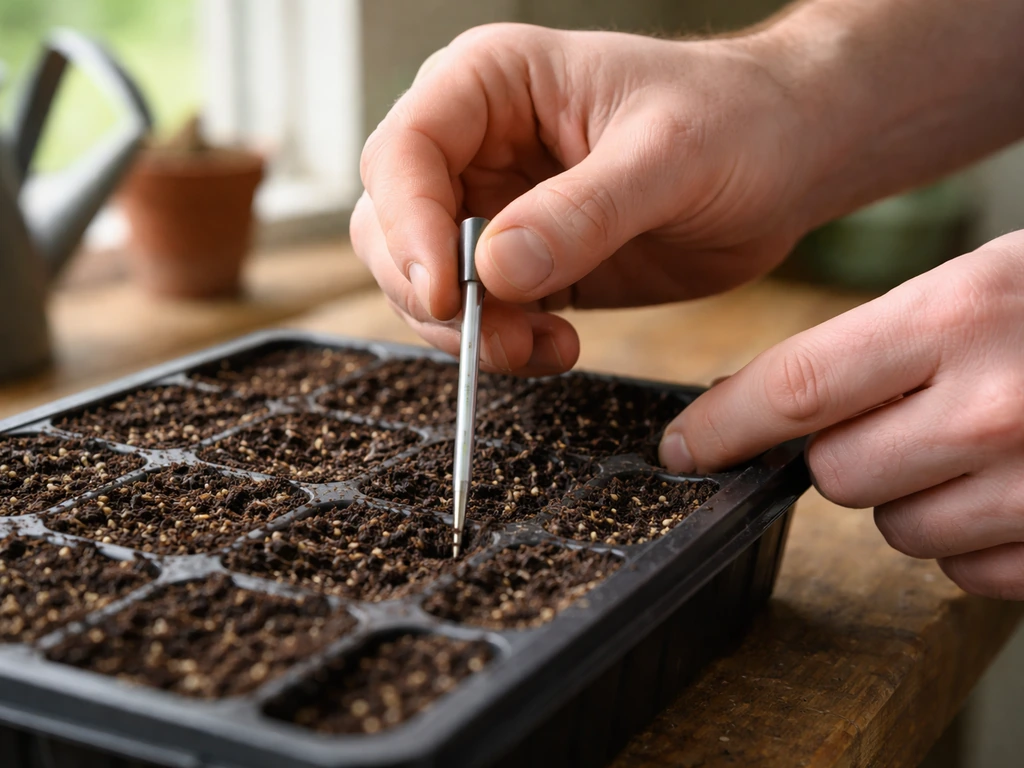
This is the factor most gardeners underestimate. Lettuce germinates in 2 to 7 days at 60 to 75°F but can go dormant entirely above 80°F. Tomatoes that take 7 days at 75°F might take 14 to 21 days at 60°F. A cheap soil thermometer (under $10) will tell you more than any calendar. If your soil is below a seed's minimum germination temperature, no amount of watering or waiting will help until it warms up.
Moisture
Seeds need consistent, even moisture to germinate. The growing medium should feel like a wrung-out sponge: damp throughout but not waterlogged. Letting it dry out even briefly can interrupt germination for seeds that have already started to crack open. At the same time, keeping it too wet increases the risk of damping off (a fungal problem that kills seedlings at the base). Water from the bottom whenever possible, especially for trays.
Sowing depth
A reliable rule of thumb: plant a seed about twice as deep as its width. Small seeds like carrot, lettuce, and onion go about 1/4 to 1/2 inch deep. Larger seeds like beans and squash go 1 to 1.5 inches. Some seeds (like certain flowers and herbs) actually need light to germinate and should be pressed onto the surface rather than buried. For those, a light covering of fine vermiculite lets light through while keeping moisture around the seed. If you bury a light-requiring seed or plant any seed too deep, it can exhaust its energy reserves before the seedling ever reaches the surface.
Light after germination
Once seedlings emerge, they need plenty of light immediately or they'll stretch and flop (called etiolation). If you're growing indoors under artificial lights, keep them no more than 4 inches above the tops of seedlings, and closer to 2 inches is ideal. Running lights for 12 to 16 hours per day prevents the leggy, weak seedlings that struggle after transplanting. A bright windowsill can work for sun-loving plants, but a south-facing window in late winter often isn't bright enough without supplemental lighting.
Why seeds grow slowly or fail
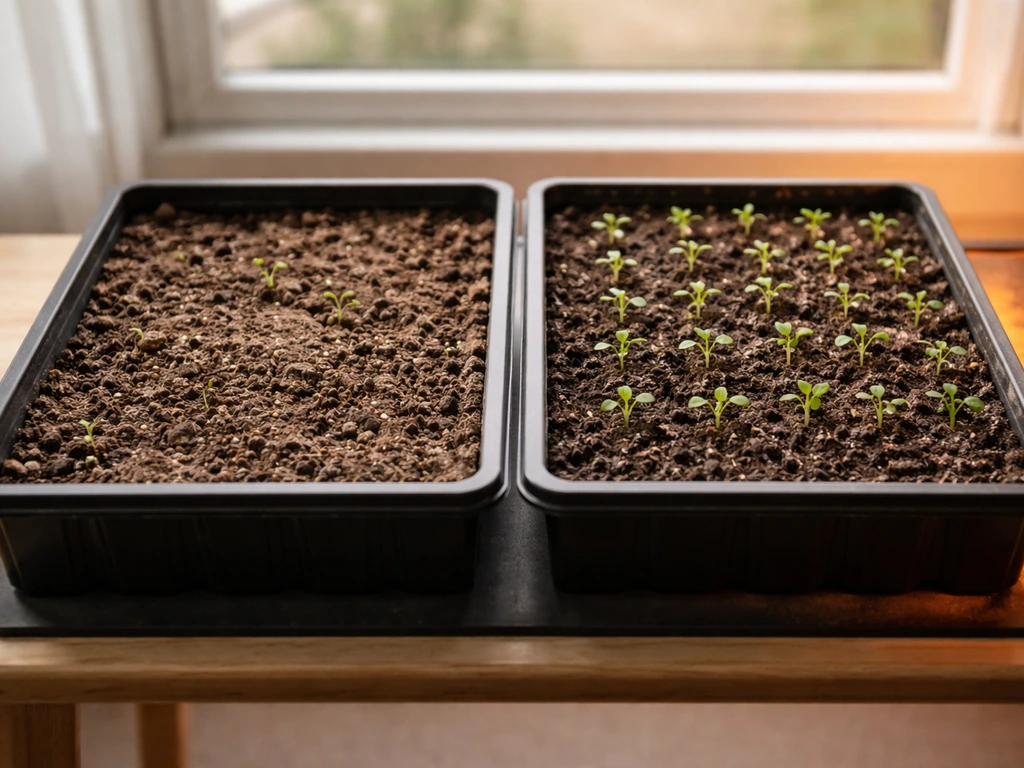
Slow or failed germination almost always comes down to one of a handful of fixable causes. Here's what to look for and what to do about each one.
- Soil too cold: This is the most common culprit. Check with a thermometer. Use a heat mat to bring indoor seed-starting mix to 70 to 75°F for warm-season crops.
- Seeds buried too deep: If seedlings haven't emerged after three weeks and conditions seem right, dig gently to check. A seed may have sprouted but run out of energy. Resow at the correct depth.
- Drying out between waterings: Even one day of dryness can stop a germinating seed. Bottom watering with a tray helps maintain consistent moisture without disturbing the surface.
- Overwatering and damping off: Soggy medium encourages fungal pathogens. Improve airflow with a small fan and let the surface dry slightly between waterings once seeds are up.
- Old seeds with low viability: Seeds lose germination rate every year in storage. A 3-year-old packet of parsley might only germinate at 30 to 40% instead of 80 to 90%. Sow more seeds than you think you need, or do a simple germination test: place 10 seeds on a damp paper towel and count how many sprout in the expected timeframe.
- Light-requiring seeds covered too deeply: Seeds like some lettuces and many flowers need light to trigger germination. If you've buried them, they may never sprout.
- Seeds requiring stratification that didn't get it: Perennial flowers, native plants, and many trees have built-in dormancy that needs cold-moist stratification (30 to 90 days in moist sand or a damp paper towel in the refrigerator) before they'll germinate. Skipping this step means zero germination no matter how warm your soil is.
Planning your sowing dates and catching up if you're behind
The most practical way to build a seed-starting schedule is to work backwards from a target date. If you want to transplant tomatoes outdoors on a specific date, count back 6 to 8 weeks and that's your indoor sowing date. For peppers, count back 10 to 12 weeks. UMN Extension recommends starting pepper seed indoors about eight weeks before planting outside and also checking “days to maturity/harvest” on the seed or plant description [count back 10 to 12 weeks](https://extension.
umn. edu/vegetables/growing-peppers). A common example: if you want to plant outdoors around Memorial Day (late May), start tomatoes in late March and peppers in mid-February. UNH Extension describes this exact backwards-counting method, and it works for any crop once you know the 'weeks to transplantable seedling' for your variety.
If you want to set your dates, UNH Extension recommends working backwards from your intended planting or transplant date to choose when to start seeds indoors work backwards from a target date.
If you're already behind your ideal start date, here's the honest picture. For fast crops like lettuce, cucumbers, and annual flowers, you can still direct sow or start seeds and catch up with little penalty because they move quickly from germination to harvest. For slow crops like peppers or perennial flowers, you're better off buying transplants from a nursery this season and starting fresh from seed next year with a proper timeline. There's no shame in that. The goal is a productive garden, not a perfect seed-starting record.
If your seeds are already sown but germination is slower than expected, resist the urge to give up too early. Most seeds need the full window listed on the packet plus a few extra days. Check soil temperature first. If it's below the recommended minimum, add a heat mat or move containers to a warmer spot. If moisture seems fine and temperature is right, give it a few more days before you resow. Many seeds that look like failures at day 10 will surprise you by day 18.
As you build out your schedule, it helps to keep notes on what you actually observe: when seeds went in, when they sprouted, when they hit transplantable size, and when you harvested or saw first flowers. That record becomes more useful than any chart over time, because it reflects your specific soil, your climate, and your growing style. The first season is about learning your own baseline. After that, your estimates get much more accurate.
If you're planning seed-to-harvest timelines for specific crops, it's worth digging into the detail for individual plants. Tomatoes and peppers have their own nuances around indoor starting, hardening off, and the long gap between transplant and first fruit. Herbs like basil and tulsi behave differently from each other even though both are warm-season plants. The more specific you get about the plant, the more precisely you can plan, and the less likely you are to be caught off guard when something takes longer than you expected.
FAQ
How long should I wait before assuming a seed has failed to germinate?
Check the seed packet for the “days to germination” range, then add several extra days, especially if your soil is on the cooler end. If soil temperature is below the seed’s minimum, assume it cannot finish germinating yet, even if the seed is alive. Also verify moisture and seed depth, because incorrect depth can delay emergence or prevent it entirely.
Does seed freshness change how long it takes to grow plants from seeds?
Yes. Older seed often germinates more slowly and unevenly, even if it eventually sprouts. If germination is delayed compared with the packet, test a small batch for viability and adjust your schedule by counting from the actual first sprout date rather than the sowing date.
If my seeds sprouted, how long until they are ready to transplant?
Sowing to transplantable size depends on the seedling stage duration for that species, not just time. Look for practical transplant readiness signs like enough true leaves and sturdy stems, and harden off gradually before moving outdoors. Two seedlings from the same packet can reach readiness on different days if their early conditions differed.
Can I speed up germination without changing the plant variety?
The fastest lever is warming the soil into the recommended range, using a heat mat for indoor starts or moving containers to a warmer location. Keep moisture consistent, but avoid soaking, because overly wet media increases damping-off risk. Beyond warmth and moisture, light usually matters only for light-requiring seeds, not most vegetables.
Why did my seeds germinate but seedlings keep dying?
This is commonly damping off, which is often driven by staying too wet, poor airflow, or overly cool conditions after sprouting. Let the top layer of the mix dry slightly between waterings, increase ventilation, and ensure seedlings are not overcrowded in the tray.
How does hardening off change the timeline after germination?
Hardening off adds time between indoor growth and outdoor planting, typically about 7 to 14 days. Even though it is not part of germination or maturity, it affects your total “seed-to-garden” schedule. Plan your back-counting schedule to include the hardening window and weather delays.
What’s the difference between “days to maturity” and “harvest-ready”?
Days to maturity usually counts from sowing to a specified harvest stage under ideal conditions, but some crops are harvested earlier as “baby” or “cut-and-come-again” depending on variety. If your goal is a particular size or form, use the packet’s specific harvest guidance, not only the maturity number.
How can I estimate the total time for my garden if I’m not starting indoors?
If direct sowing, germination timing still depends on soil temperature and moisture, but you can bypass the transplantable-seedling stage. Your total time to harvest becomes germination plus the maturity period, with an added buffer for weather since seedlings are exposed to temperature swings and pests.
Why are some seeds slow even when conditions look right?
Common causes are cold soil, incorrect depth, and seeds with special requirements, such as those needing stratification. Small-seeded crops are also sensitive to drying out during the early cracking period. If temperature and moisture are correct, confirm whether the seed type needs cold treatment or light exposure.
Do light requirements affect how long seeds take to sprout?
Yes for light-requiring seeds. If those seeds are buried too deep, they may take much longer or fail to emerge because they need light cues to trigger germination. For light-requiring types, press seeds lightly onto the surface and cover only with a thin, breathable layer that does not block light.
Should I resow if germination is late?
Wait if you are within or just slightly past the packet’s germination range, because many seeds can sprout later than expected. First confirm soil temperature and moisture, then give a few additional days. Resowing too early often leads to uneven stands because any already-viable seeds may still emerge.
Next Article
How Long Does It Take to Grow Vegetables From Seeds?
Seed to harvest timing for common vegetables, with germination, seedling weeks, and fixes for slow or failed growth.