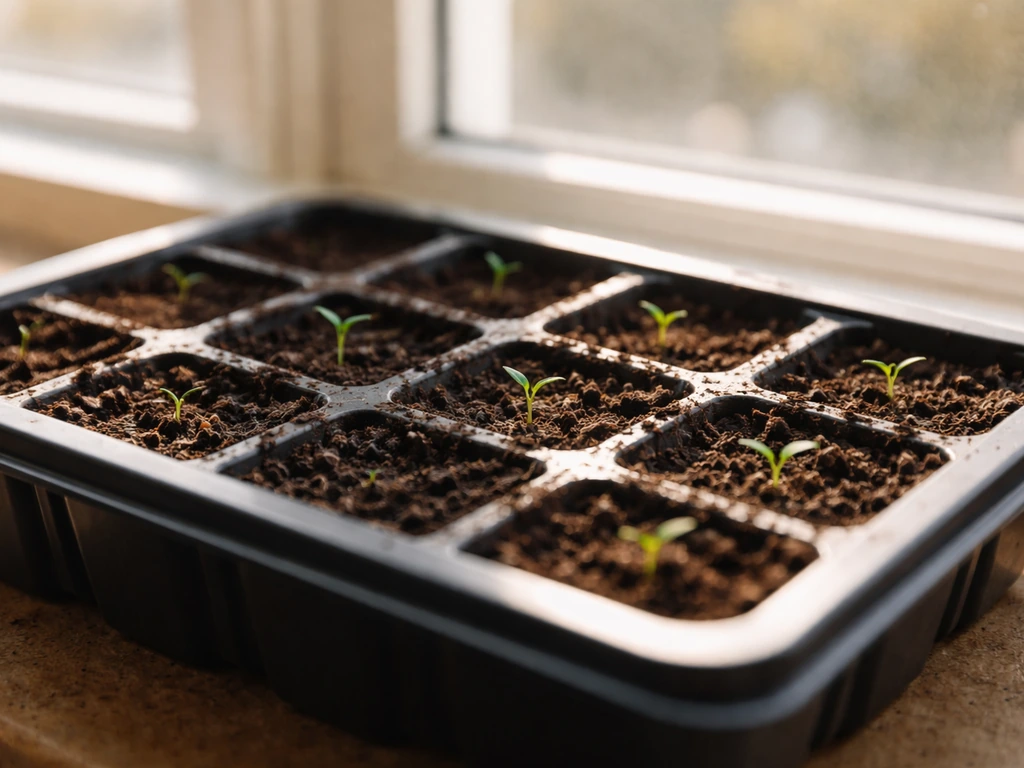
Most herbs take 7 to 21 days to germinate from seed, and you can usually start harvesting somewhere between 60 and 90 days after sowing, depending on the herb. That said, the range is real: a pot of dill can sprout in 5 days under the right conditions, while parsley stubbornly sits in the soil for three weeks before showing any signs of life. Knowing what to expect for each herb, and what to adjust when things stall, is the difference between a thriving herb garden and a tray of disappointment.
How Long Does It Take to Grow Herbs From Seeds?
Marcus Henley
12 Apr 2026
The herb seed growth timeline from start to harvest
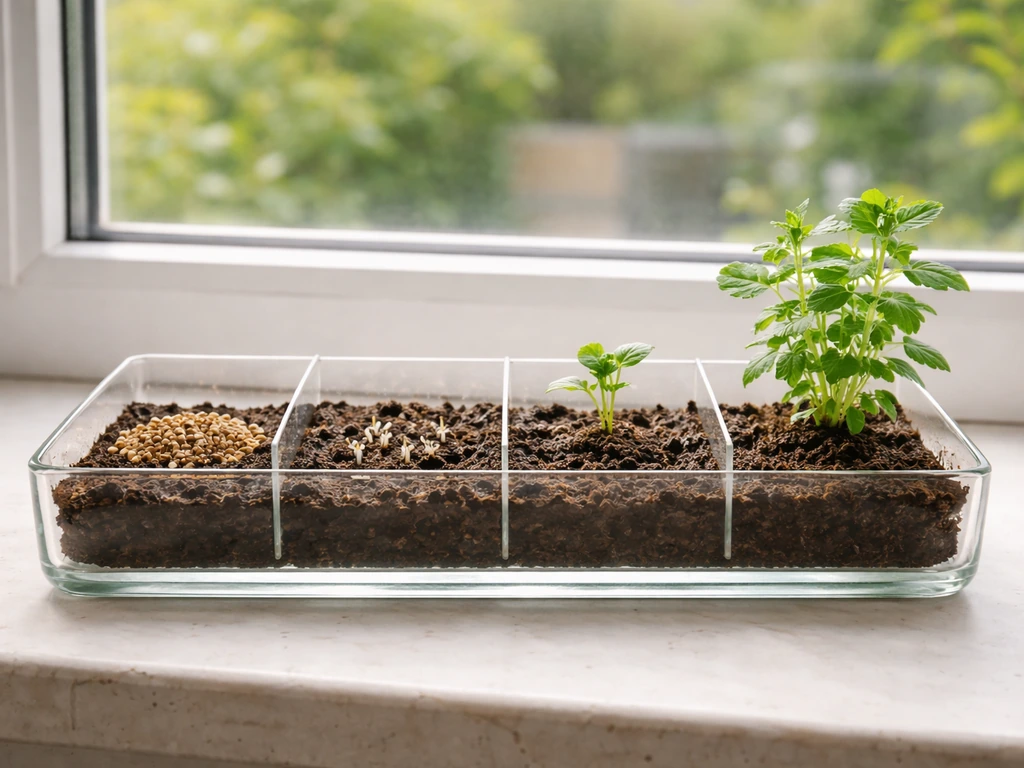
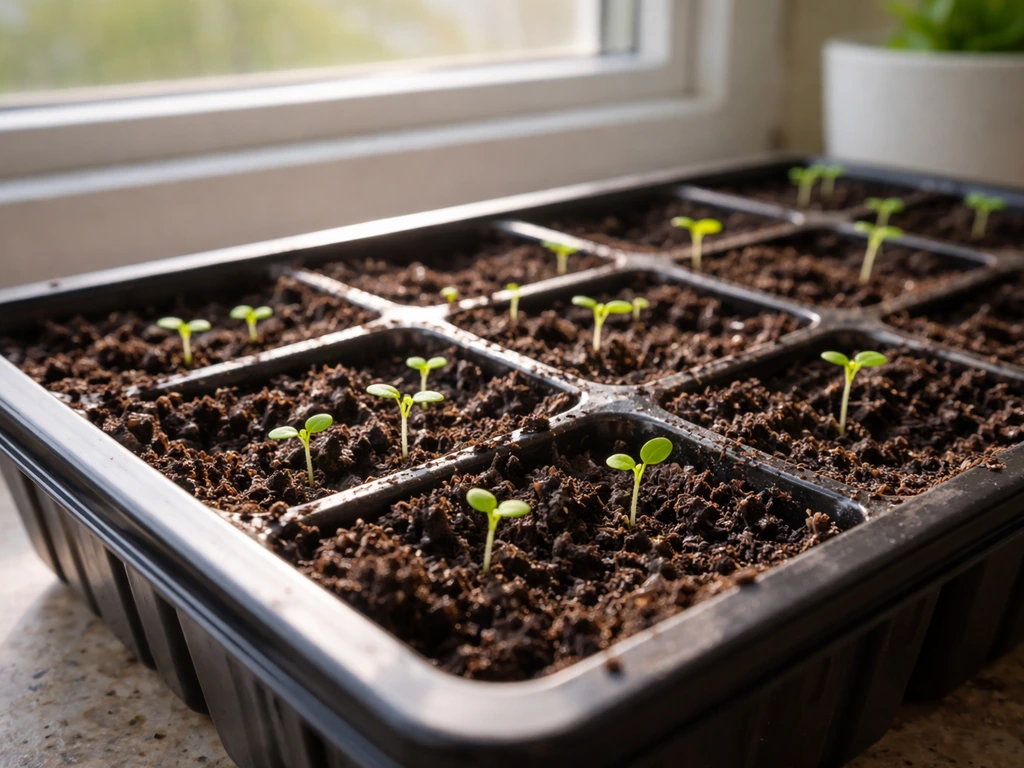
Growing herbs from seed has three distinct checkpoints. Understanding each one helps you plan better and stress less when things don't happen overnight.
- Germination (days 1 to ~21): The seed absorbs moisture, cracks open, and sends up a tiny sprout. This is the stage most people watch impatiently.
- Seedling establishment (weeks 2 to 6): The sprout grows its first true leaves and starts developing a real root system. During this phase, seedlings are fragile and need consistent moisture, warmth, and light.
- First harvest and maturity (days 40 to 90+): Most soft herbs like basil and chives are ready for light harvesting once they reach 6 to 8 inches tall. Woody perennials like rosemary and thyme take longer to establish before you should harvest heavily.
The full timeline from seed to a productive plant is longer than most seed packets suggest. A packet might list "14 days to germination," but that doesn't tell you when you can actually use the herb. Think of germination as just the starting gun, not the finish line.
How long common herb seeds take to germinate
Here's a practical look at germination windows for the herbs most home gardeners grow. These ranges assume adequate moisture, soil temperatures in the right zone, and appropriate light. Cooler soil or dry conditions will push you toward the longer end of every range.
| Herb | Germination (Days) | Optimal Soil Temp | Notes |
|---|---|---|---|
| Basil | 12–18 days | 70–85°F (21–29°C) | Needs warmth; cold soil causes major delays |
| Chives | 7–10 days | 60–70°F (15–21°C) | One of the more reliable germinators |
| Dill | 5–7 days | 60–70°F (15–21°C) | Among the fastest herb seeds to sprout |
| Oregano | 3–10 days | 70°F (21°C) | Wide range; light not critical but helps |
| Parsley | 12–21 days | 65–75°F (18–24°C) | Notoriously slow; patience required |
| Rosemary | 14–21 days | 65–70°F (18–21°C) | Needs light to germinate; don't bury seeds deeply |
| Sage | 10–21 days | ~70°F (21°C) | Broad range depending on seed freshness |
| Thyme | 7–14 days | 65–75°F (18–24°C) | Some sources report as wide as 2–20 days |
| Mint | 10–15 days | 65–70°F (18–21°C) | Surface sow; light aids germination |
Oregano is one of the most variable in my experience. At exactly 70°F, you'll often see sprouts at the 10-day mark, but in a cooler tray it can creep past two weeks. Thyme is similarly unpredictable: the range of 2 to 20 days isn't a typo, it really does depend that heavily on conditions.
From seedling to first harvest: realistic timelines by herb
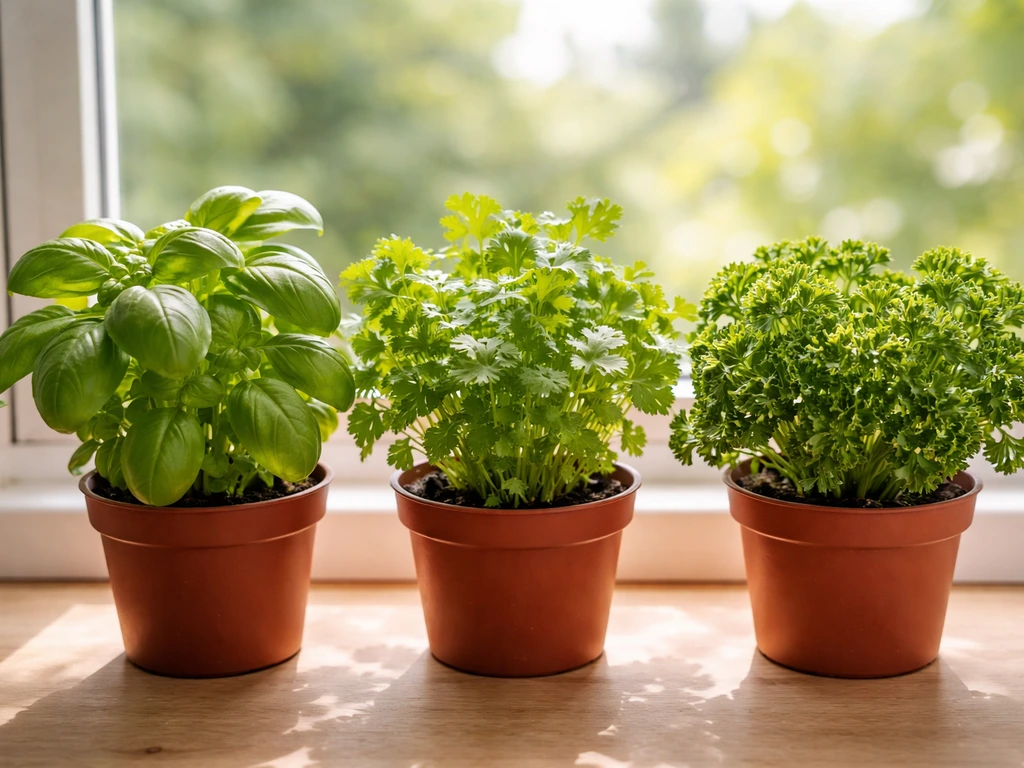
Germination is only part of the story. Here's how long it takes from sowing to your first real harvest for the most common culinary herbs.
| Herb | Days to First Harvest | Notes on Harvest |
|---|---|---|
| Basil | 60–75 days | Harvest leaf tips once plant is 6–8 inches; pinch flowers to extend season |
| Chives | ~60 days from seed | Snip leaves down to 1–2 inches from base; regrows quickly |
| Dill | 40–60 days (leaves) | Leaf (dill weed) harvest is early; seed heads take 90+ days |
| Oregano | 80–90 days | Best flavor after full establishment; light harvests okay at 60 days |
| Parsley | 70–90 days | Slow start, then productive for a long season |
| Rosemary | 80–100+ days | Harvest any new growth once plant is established; don't cut into woody stems |
| Sage | 75–90 days | Pick outer leaves once plant reaches 8+ inches |
| Thyme | 70–90 days | Trim stems, not just leaves; encourages bushy growth |
| Mint | 60–75 days | Spreads fast once established; harvest before flowering for best flavor |
Chives are one of the most rewarding herbs to start from seed precisely because of that 60-day window. You sow them, and two months later you have a clump you can clip repeatedly all season. Growing vegetables from seeds follows a similar staged timeline, so if you're planning a full kitchen garden, the habit of thinking in phases (germination, establishment, harvest) applies across the board.
Why some herb seeds sprout fast and others drag their feet
Temperature is the single biggest variable. Optimum germination happens when the soil is in the herb's preferred temperature range, and even a 10-degree drop can add several days or more to the wait. Basil is a perfect example: sow it in soil that's 60°F instead of 75°F and what should take 14 days can take 25 or more, if the seeds germinate at all.
Light also matters more than most people realize. Rosemary seeds need light to germinate, which is why you should cover them only lightly (or not at all) and not bury them under a thick layer of mix. Mint and creeping thyme are similar: surface sow these and let light reach the seeds. Covering light-dependent seeds with even a quarter inch of dense mix can significantly slow things down or prevent germination entirely.
Moisture is the third lever. Seeds need consistent dampness to trigger germination, but soggy conditions cause their own problems. Covering seedling trays for several days can trap excess humidity, which promotes stretching in young seedlings and raises the risk of damping-off, a fungal condition that kills seedlings at the soil line. This risk is higher when garden soil is used in trays instead of sterile seed-starting mix, since garden soil can introduce the pathogens responsible.
Seed age and freshness
Older seeds germinate less reliably and more slowly. Herb seeds are generally viable for 2 to 3 years when stored cool and dry, but germination rates drop noticeably in year two. If you're using seeds from last season and wondering why your sage tray looks dead after 14 days, seed age might be the culprit. A simple float test (place seeds in water; sinkers tend to be more viable) can give you a rough read before committing to a full tray.
Indoor vs outdoor planting: when to start and what to expect
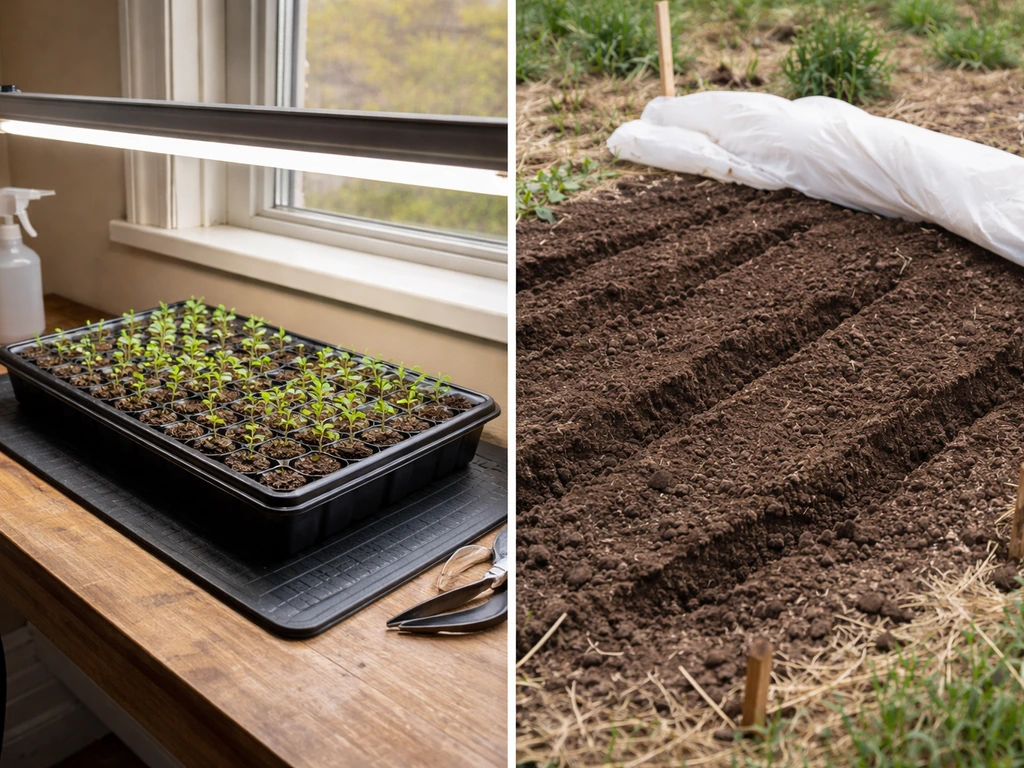
Most annual herbs (basil, dill, cilantro) can be direct-sown outdoors once the soil has warmed and frost risk has passed. Perennial herbs (thyme, rosemary, sage, oregano) are often started indoors 6 to 8 weeks before the last expected frost date so they have time to establish before moving outside. Starting indoors gives you more control over temperature and moisture, which is especially valuable for slow germinators like parsley and rosemary.
Indoors, you control the variables. A seedling heat mat can hold soil at the ideal 70–75°F consistently, and supplemental grow lights running 14 to 16 hours a day can make up for low natural light in winter or early spring. Outdoors, you're working with soil temps that fluctuate day to night, which can widen the germination window unpredictably.
For chives specifically, direct seeding works well: sow about a quarter inch deep as soon as the soil begins to warm in spring. They're cold-tolerant enough that you don't need to wait for summer temperatures the way you do with basil. Dill is another easy direct-sow candidate, and because it dislikes transplanting, starting it outdoors where it will grow is usually the better call anyway.
If you're planning a season of both herbs and other crops, it helps to look at the full picture: how long it takes to grow plants from seeds varies widely across plant categories, and syncing your herb starts with your vegetable starts can simplify your indoor growing space considerably.
A rough indoor start schedule for common herbs
- 8–10 weeks before last frost: Rosemary, parsley, sage, thyme (slow to establish)
- 6–8 weeks before last frost: Basil, oregano, mint (moderate starters)
- 2–4 weeks before last frost or direct sow: Chives, dill (faster germinators; dill prefers direct sowing)
- After last frost, direct sow outdoors: Basil (once soil is reliably warm), dill, cilantro
When germination is slow or nothing is sprouting
Before you assume your seeds are dead, run through this checklist. Most cases of "failed" germination turn out to be a condition problem, not a seed quality problem.
- Check soil temperature: Use a soil thermometer. If your tray is below 65°F, basil, oregano, and rosemary will barely move. A heat mat set to 70–75°F often fixes this immediately.
- Look at moisture: The mix should feel like a wrung-out sponge: damp but not wet. If the surface looks crusty and dry, seeds can't absorb enough water to germinate. If it's soggy, you may already have fungal problems.
- Review your planting depth: Light-dependent seeds (rosemary, mint, thyme) should barely be covered. If you buried them under half an inch of mix, dig a few up and check whether they've swelled or cracked.
- Count the actual days: Parsley takes up to 21 days. Thyme can take up to 20. Give slow herbs the full range before concluding something went wrong.
- Assess seed viability: Very old seeds germinate unevenly or not at all. If your seeds are more than 2 to 3 years old, low germination rate is likely the issue.
- Rule out damping-off: If seedlings sprouted and then collapsed at soil level, damping-off is the probable cause. This is driven by soilborne fungi and is worsened by overwatering and warm, stagnant air. Improve drainage and airflow immediately.
Damping-off can be misleading because it looks like the seeds failed, but what actually happened is that young seedlings germinated and then were killed by fungal pathogens in the soil or mix. Using sterile seed-starting mix instead of garden soil, and avoiding covering trays too tightly, goes a long way toward preventing it. Penn State Extension also warns that damping-off can kill seedlings, including decay before germination and rot just below the soil line, and it recommends using sterile soilless mixes or flats to reduce the risk Using sterile seed-starting mix instead of garden soil.
If you're growing something like tulsi (holy basil), which has its own quirks compared to sweet basil, knowing what's normal is half the battle. Growing tulsi from seeds follows a similar general timeline to other basils, but the plant behaves somewhat differently as it matures.
Practical ways to speed up herb seed germination
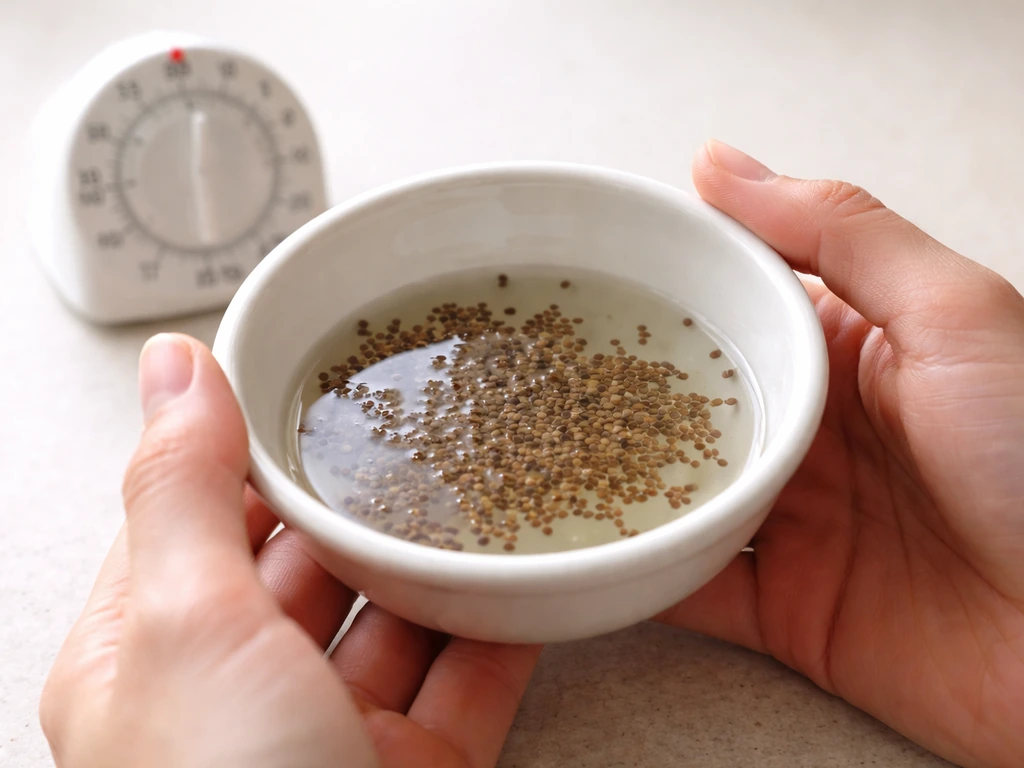
There's no magic trick, but a few adjustments make a meaningful difference, especially for the slowest herbs.
- Soak seeds overnight before sowing: An 8 to 12 hour soak in room-temperature water softens the seed coat and can cut days off germination time, especially for parsley and other thick-coated seeds. Don't soak for longer than 12 hours or seeds may rot.
- Use a seedling heat mat: Maintaining consistent soil temperature at 70–75°F is the single most reliable way to speed up germination across nearly every herb. It's especially impactful for basil, rosemary, and sage.
- Surface-sow light-dependent seeds: Mint, rosemary, and thyme should be pressed gently onto the surface of moist mix rather than buried. This alone can dramatically improve germination speed and rate.
- Cover trays with a humidity dome (briefly): A dome holds moisture and warmth during the germination window. Remove it as soon as you see sprouts to prevent stretching and reduce damping-off risk.
- Use sterile seed-starting mix: Not just for disease prevention. Quality seed-starting mix has the right texture and moisture retention to support even, faster germination compared to dense garden soil.
- Provide adequate light immediately after germination: Once sprouts appear, get them under light (14 to 16 hours daily with grow lights or a very bright south-facing window). Poor light after germination slows seedling development even if germination itself was successful.
The heat-plus-light combination is what I come back to every time. A heat mat under the tray during germination, then a grow light set to 14 hours once sprouts appear, consistently produces the fastest, strongest herb seedlings with the fewest problems.
Herbs vs other crops: how the timelines compare
Herbs are generally faster from seed to harvest than most fruiting vegetables, but slower than many salad greens. If you've ever tried growing tomatoes from seed, you already know that tomatoes need 6 to 8 weeks just to reach transplant size, with harvest many weeks beyond that. Most herbs reach usable size faster, making them a great choice for gardeners who want quicker results while longer-season crops develop.
Similarly, growing peppers from seed requires a long lead time, often 8 to 10 weeks of indoor growing before they're ready to transplant. By comparison, basil and chives started at the same time will be harvestable much sooner, which is a useful planning point if you're managing a shared grow-light setup.
What to expect realistically as a home grower
If you're planting herb seeds for the first time, here's the honest version: some trays will disappoint you. A flat of parsley might only sprout 40% of what you planted. A rosemary tray might take three weeks to show any sign of life. This is normal. Herb seed germination rates in home conditions are rarely as high as commercial operations achieve, and that's okay. Sow more seeds than you think you need, expect variability, and don't pull a tray that's still within its germination window.
The payoff is real, though. A handful of started-from-seed herbs, harvested fresh through the growing season, is one of the most satisfying returns in a home garden. Once you learn what each herb's seedlings look like and how they respond to your particular conditions (your windowsill, your basement with a heat mat, your outdoor raised bed), the whole process gets faster and more intuitive every year.
FAQ
How can I tell the difference between “slow germination” and “my seeds are failing”?
Use the herb’s expected germination window as your guide, but also check for early signs first, even if you do not see full sprouts. If you consistently keep the mix evenly moist, seeds may swell and you might see tiny radicle movement before true seedlings appear. If you see nothing after you pass the upper end of the window and conditions were within the herb’s preferred temperature range, then it is likely a failure mode like seed age, light issue, or a drying event.
Should I keep the tray covered to hold moisture, or does that slow herb germination?
A clear lid can help during the first days, but remove or vent it once you see sprouts. Keeping trays sealed too long often traps excess humidity, which increases damping-off risk and can also encourage stretched, weak seedlings. If your mix stays wet and heavy on the surface, reduce coverage and use lighter misting rather than soaking.
Do herbs need light to germinate, and how do I know if my specific herb is light-sensitive?
Some herbs are light-dependent, meaning you should not bury them. Rosemary, mint, and creeping thyme are common examples, and even a small amount of covering mix can noticeably delay or prevent germination. If you are unsure, follow the “no deeper than the seed’s own thickness” approach and prioritize surface sowing with gentle pressing, then adjust only if your first attempt fails.
What is the best soil temperature target for fastest germination, and why does 10°F matter so much?
Aim for the herb’s preferred range and keep it stable, especially during the germination phase. In many common home setups, a 10°F swing can move you from optimal enzyme activity to slower metabolism, so seeds take longer to break dormancy and root. A heat mat set to maintain the target range (not just the air temperature) is one of the simplest ways to reduce that variability.
How deep should I sow herb seeds to avoid covering them incorrectly?
For most herbs, a shallow sowing is safer than a deep one. A practical rule is to sow at about a seed depth or just slightly deeper, then water in gently. Light-dependent seeds should be surface sown or covered only with a very thin dusting, because thick mix can physically block light and also reduce oxygen at the seed level.
Is it better to direct sow outdoors or start herbs indoors, based on how long they take?
Direct sowing works well for quick or cold-tolerant annuals like dill and chives, especially when soil temperatures are consistently warm enough and you have the right season window. Start slower or more finicky perennials indoors, about 6 to 8 weeks before the last frost, so they can establish before outdoor conditions become less stable. If your main goal is faster harvest and you have grow lights, indoor starting often wins for slow herbs like parsley and rosemary.
My parsley hasn’t sprouted yet, is there a technique to speed it up?
Focus on consistency rather than tricks. Keep the mix evenly moist (not soggy), maintain stable warm soil temperatures, and ensure parsley is not buried too deeply. If you repeatedly let the mix dry out between waterings, parsley often responds by stalling longer than expected. Also, be patient, parsley commonly sits near the longer end of germination windows in typical home conditions.
How do I improve germination if my seeds are older or from last season?
Older seed is more likely to germinate slowly and unevenly, so increase your sowing rate and expect staggered emergence. If you want a quick decision aid before committing to a whole tray, do a simple float test (sinkers tend to be more viable). Even with viable seeds, plan for a longer timeline and avoid rushing to discard a tray that is still within or just beyond the typical germination range.
If my seedlings look stretched, what should I change first?
Stretching usually points to insufficient light or a too-warm setup. Once sprouts appear, switch to grow lights and use a longer photoperiod (commonly 14 to 16 hours) with the light close enough to keep seedlings compact. Also reduce excess humidity if you had the tray sealed, because stretched seedlings plus damp conditions can raise disease risk.
When should I thin herbs, and does thinning affect how fast I can harvest?
Thin once seedlings are large enough to handle and you can clearly see the spacing pattern. Crowded seedlings compete for light and moisture, which can slow establishment, especially for slow herbs. Thinning does not shorten germination, but it can accelerate the “get to harvestable size” stage by improving growth conditions for the remaining plants.
Next Article
How Long Does It Take to Grow Peppers From Seed
Timeline from pepper seed germination to harvest, including bell and long pepper, plus indoor or outdoor planning tips.