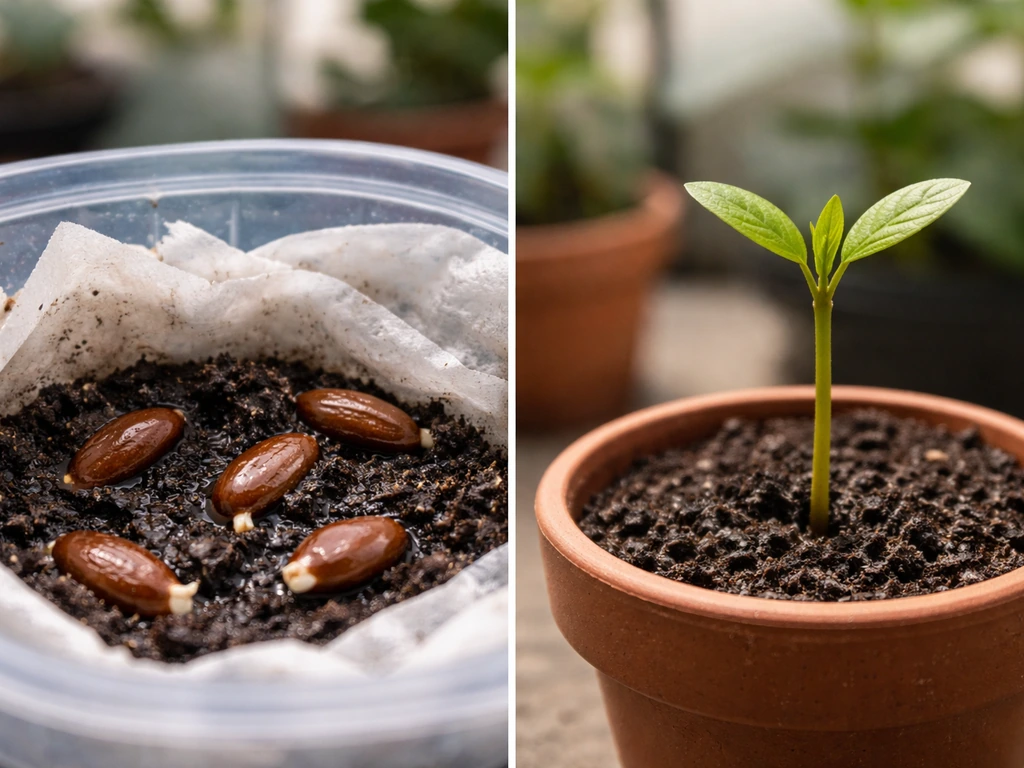
Zucchini is one of the fastest-growing vegetables you can start from seed. From the day you drop a seed in warm soil, you can expect your first harvest somewhere between 45 and 65 days later, depending on the variety and your growing conditions. Germination itself happens fast: under ideal conditions, you'll see the radicle (the first root) emerge in just 2 to 4 days, with seedlings pushing up through the soil within a week. If you're starting indoors and transplanting, you can shave roughly 14 days off that total timeline compared to direct seeding. That's the short answer. Everything below will help you dial it in for your specific setup.
How Long Does It Take to Grow Zucchini From Seed?
Marcus Henley
14 Apr 2026
The full timeline: seed to harvest
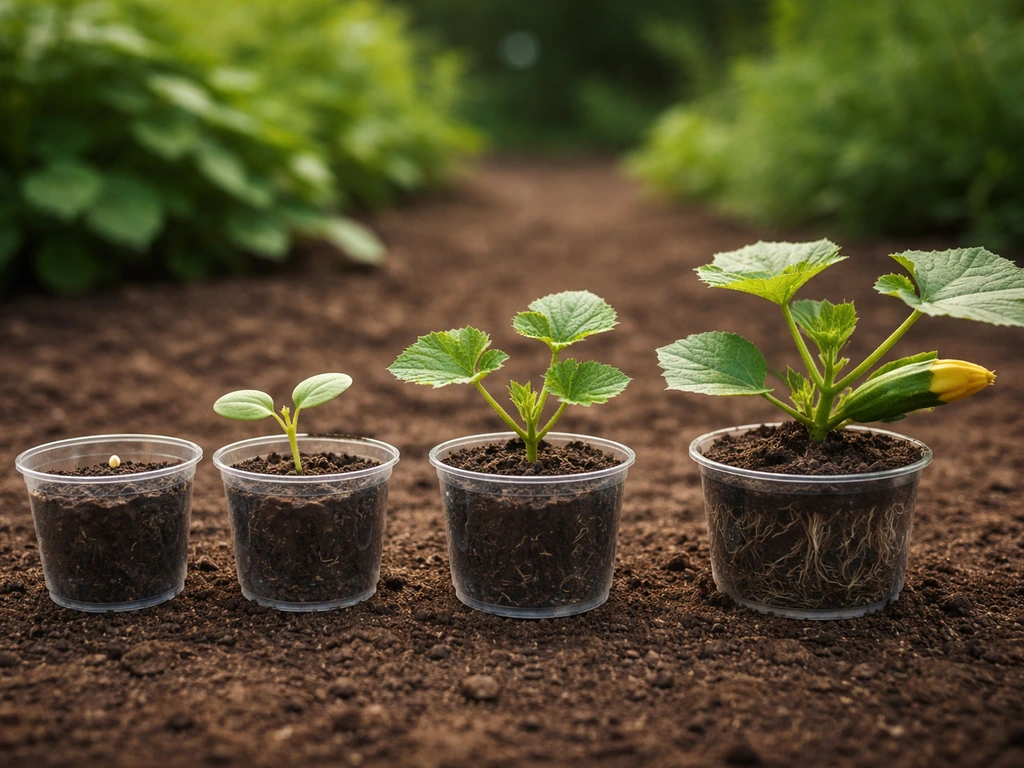
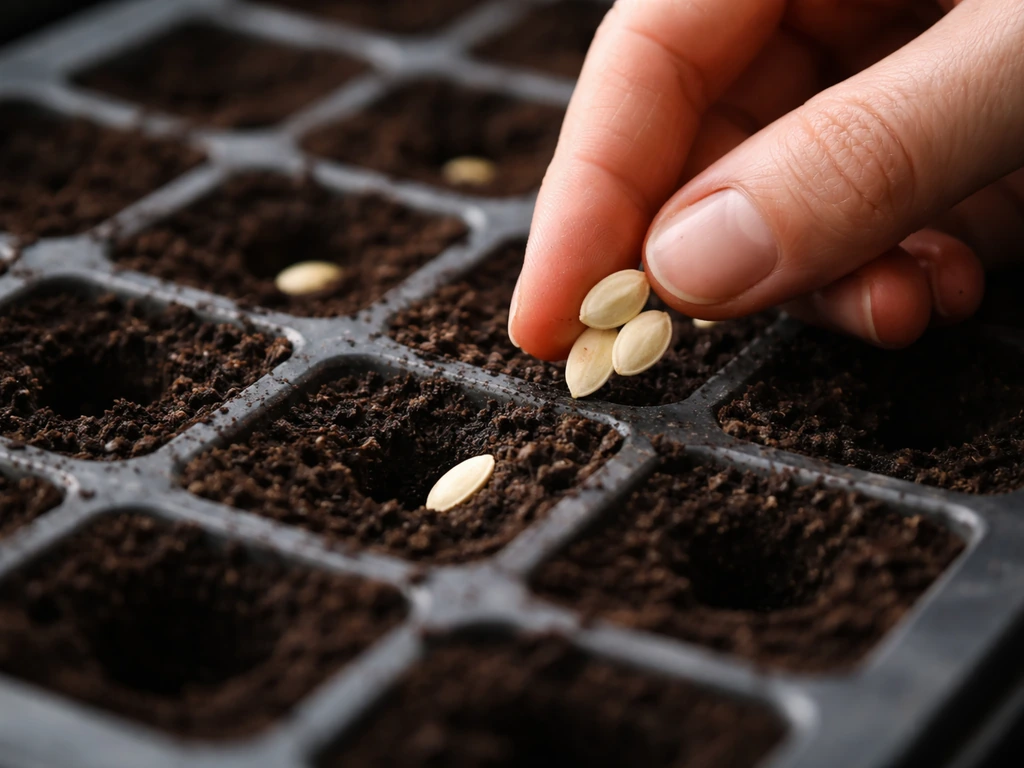
Here's how the zucchini journey breaks down in real numbers. These are the stages every seed goes through, and knowing how many days each one takes lets you count forward on a calendar and figure out exactly when you'll be eating zucchini.
| Stage | Typical Timeframe | Notes |
|---|---|---|
| Radicle emergence (germination) | 2–4 days | Soil temp 70–75°F (21–24°C) needed for fast germination |
| Seedling emergence (above soil) | 5–10 days from sowing | Slower in cool soil; faster with bottom heat |
| Transplant-ready size (indoors) | ~3 weeks from sowing | Per MSU Extension transplant timing guidance |
| First harvest from direct seeding | 45–65 days from sowing | Varies by variety; most average around 60 days |
| First harvest from transplant | 50–65 days from transplant | University of Maryland Extension benchmark |
| Ready after first flower | ~7 days after flowering | Old Farmer's Almanac; harvest young for best flavor |
Some hybrids are on the fast end: Gurney's Pride Improved, for example, lists 45 days to maturity, and the Burpee Richgreen Hybrid is ready to harvest 50 days after sowing. More traditional or open-pollinated varieties tend to fall in the 55 to 65-day range. The Old Farmer's Almanac puts most varieties at an average of 60 days to maturity, with fruit ready about a week after flowering. Plan for that 45 to 65-day window and you'll be well covered regardless of what's on your seed packet.
What does 'grow' actually mean here?
This is worth clarifying because people mean different things when they ask how long zucchini takes to grow. If you're asking when you'll have a seedling to work with, that's about 5 to 10 days from sowing indoors. If you're asking when the plant is big enough to move outside, that's roughly 3 weeks from sowing. If you're asking when you'll actually pick a zucchini and eat it, that's 45 to 65 days from sowing, or 50 to 65 days from transplant. University of Maryland Extension specifically frames their days-to-maturity figure as starting from transplant, so keep that in mind when reading seed catalog numbers, since most catalogs (including Johnny's Selected Seeds) count from direct seeding, not transplant.
It's a different conversation than, say, trying to figure out how long it takes to grow grapes from seed, where the timeline stretches over years and the term 'maturity' means something entirely different. With zucchini, you're measuring in days and weeks, not seasons and years. That's part of why it's such a satisfying crop for impatient gardeners.
How your conditions shift the timeline
Soil temperature is the biggest variable
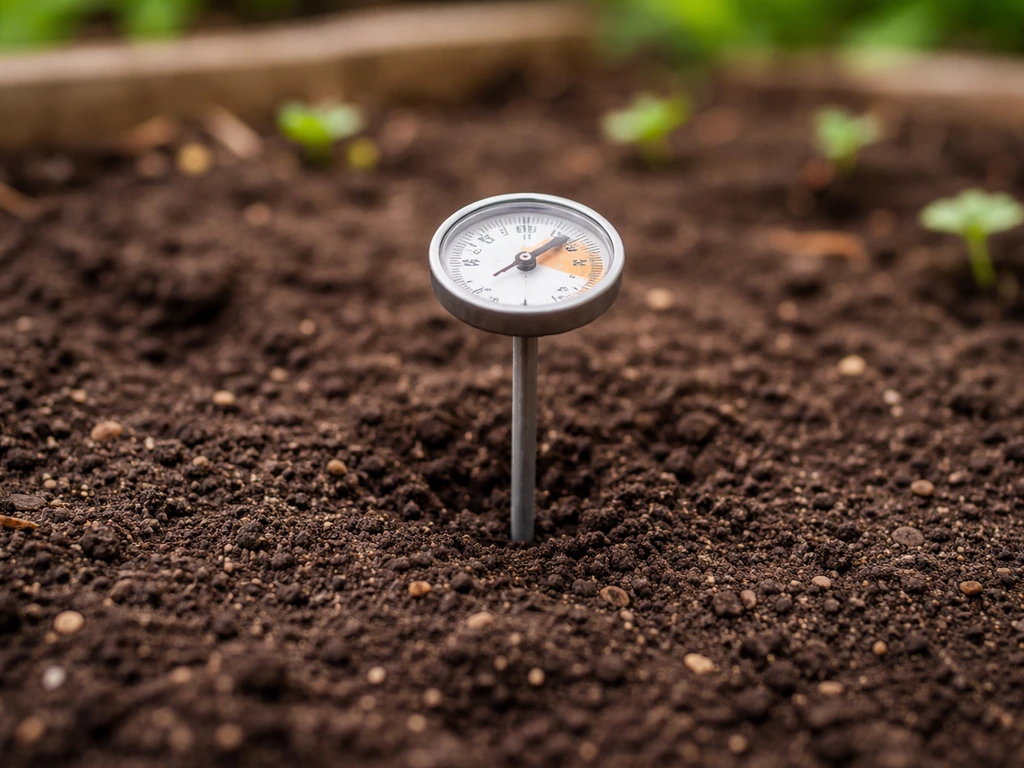
Oregon State University Extension research makes it clear that soil temperature is the single biggest control on how fast seedlings appear after sowing. At the ideal range of 70 to 75°F, radicle emergence happens in 2 to 4 days and seedlings pop up within a week. Drop your soil temperature to 60°F and that timeline stretches out noticeably. Below 60°F, germination gets patchy and slow. If your soil isn't warm enough yet, your seeds will just sit there. I've made that mistake in early spring, sowing too eagerly in cold ground and then waiting three weeks for uneven germination. A soil thermometer is genuinely worth owning.
Light, watering, and spacing
Once your seedlings are up, light becomes the key driver. Zucchini wants full sun, at least 6 to 8 hours a day. Plants growing in partial shade will still produce, but they'll take longer to flower and the fruit will develop more slowly. Consistent moisture matters too: uneven watering stresses the plant at critical stages and can delay flowering by several days. Spacing also plays a role. University of Maryland Extension recommends 2 to 3 feet between single plants and 3 to 4 feet between hills, with 3 to 5 feet between rows. Crowd your plants and you'll slow them down through competition for light and airflow, and you'll increase disease pressure on top of that.
Season-extension tricks
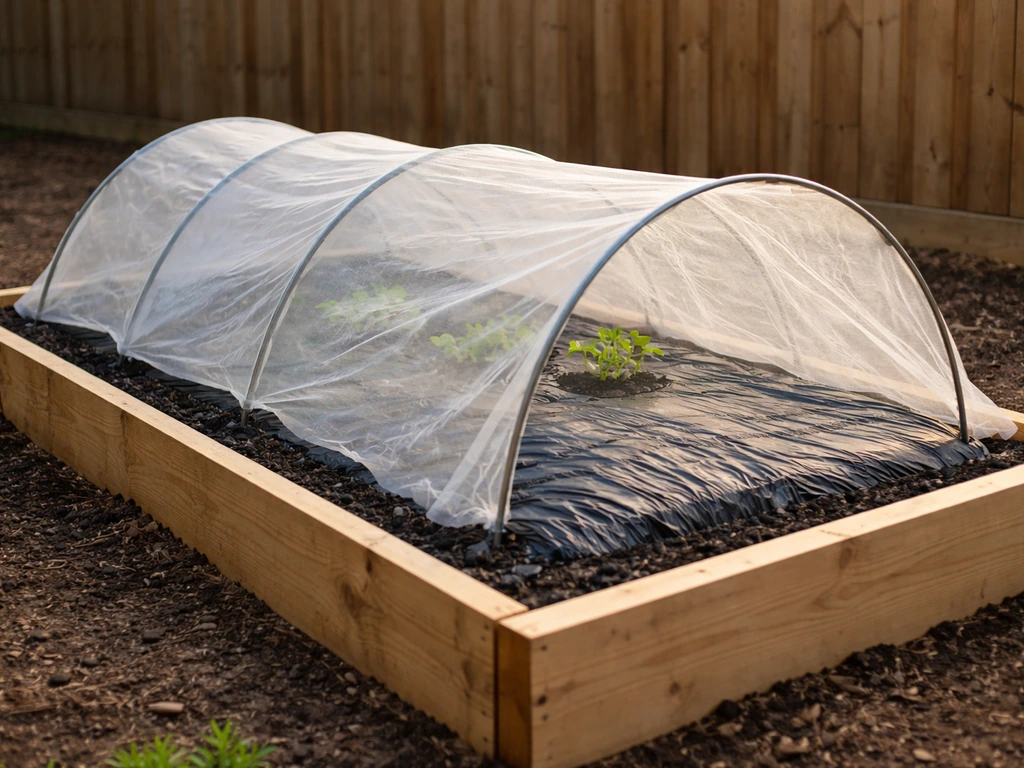
If you want to get ahead of the calendar, Utah State University Extension points out that using plastic mulch and row covers lets you set seeds or plants out 2 to 3 weeks before your last frost date. That's a real advantage in short-season climates. The mulch warms the soil, the row covers protect against frost, and you end up with a harvest window that starts significantly earlier than your neighbor planting at the traditional time.
Spring vs. fall planting and succession scheduling
For spring planting, count backward from your last frost date. Zucchini needs to go outside after the last frost (or 1 to 2 weeks after, per MSU Extension, for transplants). If you're starting indoors, sow seeds 3 weeks before your intended transplant date. If you're direct seeding, wait until soil hits at least 65°F. Add 45 to 65 days to that date and you have your projected first harvest window.
For fall planting, work backward from your first fall frost date instead. Count back 65 days (to be safe), then add a couple of weeks for buffer. In many parts of the country, that means a late June or early July sowing for fall zucchini. The plants will have plenty of warm summer days to establish, and you'll get a second harvest wave before frost shuts things down.
Succession planting: spreading your harvest
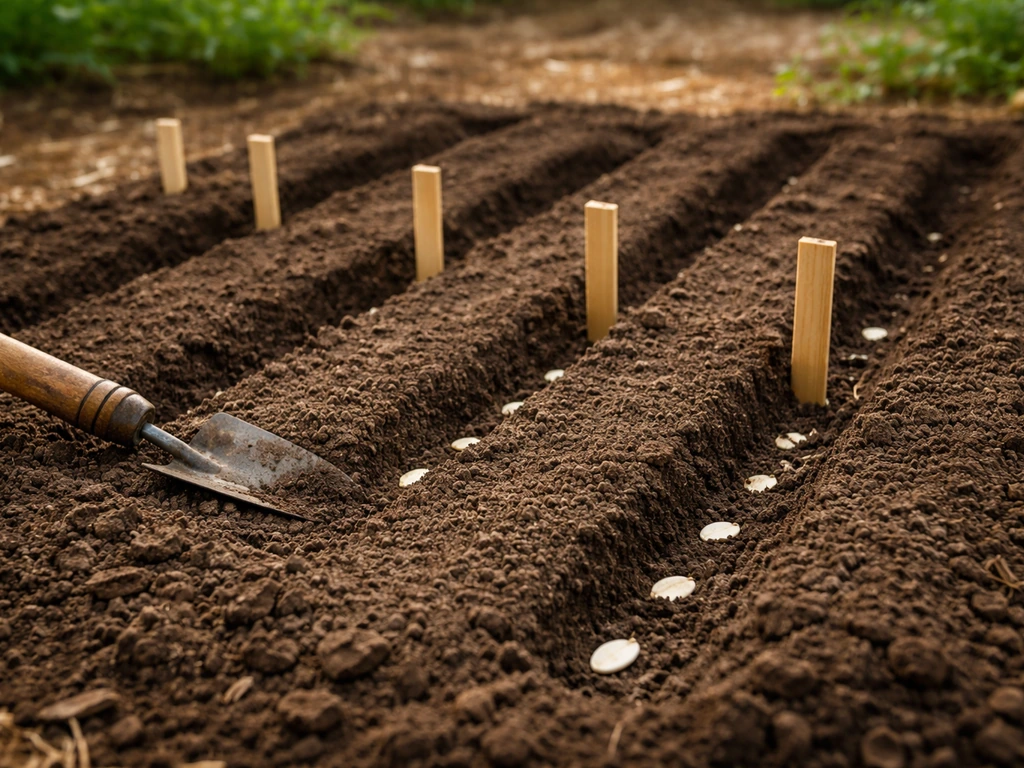
Zucchini has a notorious productivity peak, and if you sow everything at once you'll be drowning in squash for two weeks and then done. Succession planting solves this. UMN Extension recommends a practical approach for home gardeners: seed only part of your planned crop first, then finish the planting three weeks later. For farmers managing larger production, their planning tools suggest a 21 to 28-day interval between plantings for summer squash and zucchini, with multiple plantings in a season to keep supply steady.
West Virginia University Extension frames succession planting as the most reliable way to extend your harvest duration over a long period rather than getting it all at once. The logic is simple: if each sowing takes 50 to 65 days to reach harvest, stagger your sowings by 3 weeks and you'll have fresh harvests rolling in across an extended window instead of a single overwhelming flush. UF IFAS (Gardening Solutions) describes the same practice: plant new batches over time rather than all at once for a continuous supply. For a home garden, two or three succession sowings spaced 3 weeks apart is usually plenty.
Zucchini varieties and whether starting from a plant changes anything
Most common zucchini varieties fall within a fairly tight maturity window, but there are real differences between the fastest hybrids and slower open-pollinated types. Here's a quick comparison of how different categories stack up:
| Variety Type | Days to Maturity (from seed) | Examples | Notes |
|---|---|---|---|
| Fast hybrid | 45–50 days | Pride Improved, Richgreen Hybrid | Best for short seasons or impatient growers |
| Standard hybrid | 50–55 days | Most catalog hybrid zucchinis | Reliable, widely available |
| Open-pollinated / heirloom | 55–65 days | Black Beauty, Cocozelle | Slightly longer but often better flavor |
| Specialty types (round, yellow) | 50–60 days | Eight Ball, Golden Egg | Timing similar to standard; harvest size differs |
As for starting 'from plant' versus 'from seed,' the difference is mainly about where your days-to-maturity clock starts. If you buy a 3-week-old transplant from a nursery, you're skipping those first 21 days of seed-to-seedling growth. That's a meaningful head start in a short season. Johnny's Selected Seeds puts a number on it directly: subtract about 14 days from the direct-seeded maturity figure when you're transplanting. So a variety listed at 60 days from direct seed becomes roughly a 46-day wait from transplant. The plant still needs to go through the same developmental stages, you've just pre-loaded the early ones.
When your zucchini is behind schedule: what to check
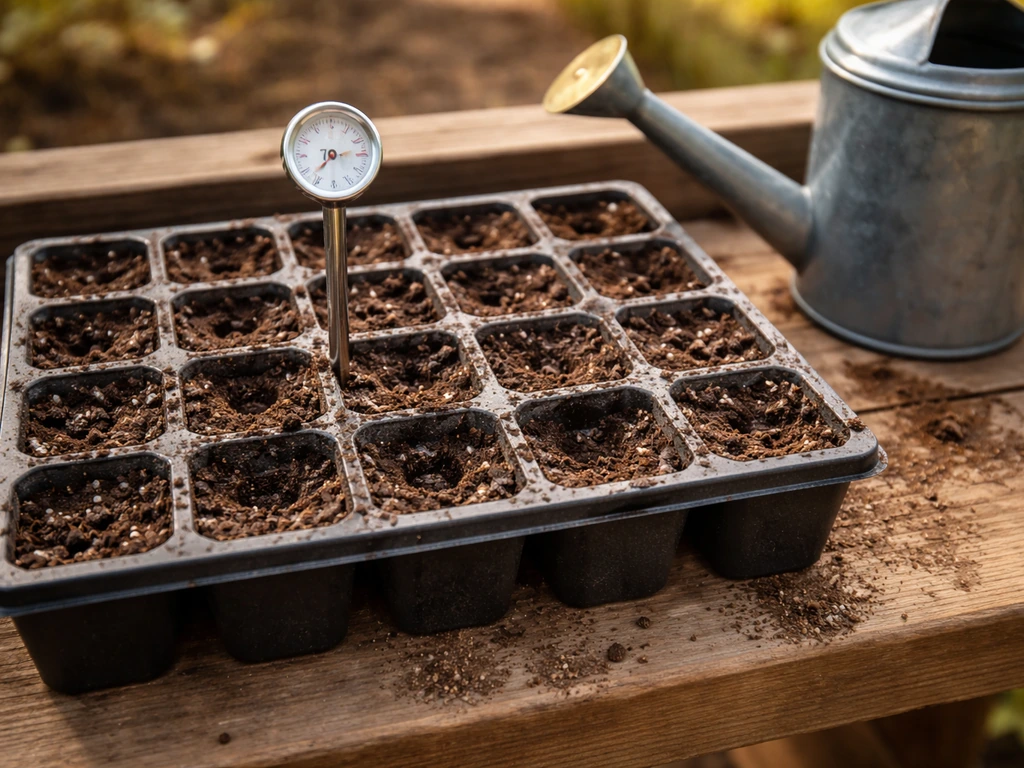
Slow or failed germination is usually one of a few fixable problems. If it's been more than 10 days and nothing has emerged, run through this checklist before giving up:
- Soil temperature too low: check with a soil thermometer. Below 65°F will dramatically slow germination; below 60°F can prevent it almost entirely.
- Seeds sown too deep: zucchini seeds should go in about 1/2 to 1 inch deep. Deeper than that and they may exhaust their energy trying to reach the surface.
- Overwatering or waterlogged soil: zucchini seeds need moisture but will rot in soggy conditions. Make sure your soil drains well.
- Old or poorly stored seeds: viability drops with age. If your seeds are more than 2 to 3 years old, germination rates can fall significantly. Do a quick paper-towel germination test before sowing a whole bed.
- Pest damage: wireworms, pill bugs, and other soil dwellers eat seeds. If you dig up the planting spot and find nothing where seeds should be, pests may have gotten to them.
If your seedlings are up but growth seems stalled, the most common culprits are cold nights (zucchini slows dramatically below 55°F), inconsistent watering, or insufficient light. Seedlings started indoors under weak artificial light often look fine but are slightly stunted, and they'll lag behind outdoor-started plants once transplanted. Harden them off properly over 7 to 10 days before moving them outside, and give them a week to settle in before you start counting days toward your harvest date. A transplant that's been shocked by sudden outdoor exposure can set your timeline back by a week or two.
Keep in mind that zucchini's relatively quick turnaround makes it forgiving to restart. If a planting fails completely, you can resow and still hit your harvest window without too much calendar damage, especially compared to longer-term crops. It's a very different situation from something like growing persimmon from seed, where a failed start costs you years, not weeks.
Your practical next steps for today
Today is April 14, 2026. Depending on where you live, you're either right at or approaching prime zucchini sowing time for spring. Here's how to act on everything above:
- Check your last frost date. If it's within the next 3 weeks, start seeds indoors now at about 1/2 inch deep in warm conditions (aim for soil temperature around 70–75°F using a heat mat if needed).
- If your last frost is already past and soil is warm, direct sow outside today. Plant seeds 1/2 to 1 inch deep, spaced 2 to 3 feet apart for single plants or 3 to 4 feet for hills.
- Count forward 50 to 60 days on your calendar from your expected transplant date or sowing date. Mark that as your first harvest window.
- Plan a second sowing 3 weeks after your first. This single step will double your productive harvest period and prevent the zucchini feast-or-famine cycle.
- If you're in a warm climate or using row covers and plastic mulch, you can push that first sowing earlier by 2 to 3 weeks and gain a meaningful head start on the season.
Zucchini really is one of the most rewarding crops to grow from seed because the timeline is short enough that you can see results quickly and adjust if something goes wrong. The planning principles are similar to many other fast crops. For instance, growing a bean seed follows a comparable rhythm of quick germination, a few weeks to establishment, and a relatively fast run to harvest. Understanding that rhythm makes you a better planner across the whole garden, not just for zucchini.
It's also worth contrasting the zucchini timeline with slower crops you might be growing alongside it. If you've ever wondered about how long it takes bamboo to grow from seed, or tried your hand at growing bonsai from seed, you know that patience is sometimes the whole game. Zucchini is the opposite of that. Plant it in warm soil, keep it watered and in full sun, and 50 to 65 days later you'll be picking fruit. The seed does most of the work.
And if you're the type who likes to stretch the growing season in both directions, whether for zucchini or longer-horizon crops like growing dates from seed, the same logic applies: know your temperature windows, plan your sowing dates backward from your desired harvest or maturity point, and give your plants the conditions they need to hit each developmental stage on schedule.
FAQ
Do “days to maturity” mean from direct seeding or transplanting?
Count from sowing only if your packets or notes say “days to maturity from sowing.” If you’re using transplant guidance, adjust by roughly 14 days (transplants skip the early seedling period). When in doubt, label your calendar with both dates, the day you sowed and the day you transplanted, then compare which definition your source uses.
Can I harvest zucchini sooner than the 45 to 65 day window?
You can still harvest early, pick when fruits are small to medium (often when they’re tender and the skin is easily pierced), but the total timeline to your first pick can shrink slightly only if you picked sooner at the first viable size. Your plant will still require the same overall development time to reach flowering and then usable fruit.
What if the weather is cooler than expected, will it delay the harvest by a lot?
Zucchini usually needs warmth, so the biggest scheduling risk is planting too early when nights are cold or soil is under about 65 to 70°F. If your plants are already in and growth is sluggish, expect slowed flowering rather than a complete loss, then plan your first harvest date based on conditions after they stabilize.
How do I plan around an odd week of cold or heat during flowering?
Yes. If temperatures swing or your plants are stressed, zucchini may flower later and produce irregularly. A practical workaround is to start with more than one succession sowing (for example, two to three batches 3 weeks apart) so you still get steady picking even if one batch runs slow.
Why did my zucchini stop producing after the first flush?
Try to avoid picking all fruit at once. Instead, harvest frequently (often every 1 to 3 days during peak production) because leaving overgrown fruit can slow new flowers from forming. Frequent picking helps keep the plant in “production mode.”
My soil is borderline warm, how can I avoid losing time with direct seeding?
If you direct sow, use a temperature check before counting days. For many gardens, germination is most reliable when soil is at least around 65°F. If you sow anyway in cooler ground and wait, also plan a backup resow window rather than waiting passively for much longer than about a week to see emergence.
What causes the timeline to slip after I transplant zucchini seedlings?
Zucchini is sensitive to transplant stress and cold exposure after planting out. Harden off over 7 to 10 days, transplant on a mild day if possible, and avoid sudden nights that are near or below about 55°F. If you get hit by a shock, expect roughly a week or two delay in your harvest timeline.
At what point should I give up on germination and resow?
If germination fails, resow quickly because zucchini’s turnaround is fast enough to recover. A good decision rule is if you have no emergence after about 10 days under your conditions, stop troubleshooting as the main plan and restart so your season calendar still works.
How do I maximize how early I can get zucchini from seed?
The “first harvest” estimate assumes plants reach good size and start flowering, then fruit develops. If you want the earliest possible harvest, combine early soil warming (plastic mulch) with frost protection (row covers) and ensure full sun once weather allows, since shade can delay flowering.
Does planting too close together really change the timeline, not just the yield?
Spacing affects airflow and how quickly plants can develop. If you crowd plants, they can mature slower and be more prone to disease, which can indirectly add days to harvest. Follow the common spacing of a couple of feet between plants and wider spacing between rows or hills to keep the schedule on track.
Next Article
How Long to Grow Persimmon From Seed: Timeline Guide
Get a realistic timeline for growing persimmon from seed, from stratification to germination and full tree growth.