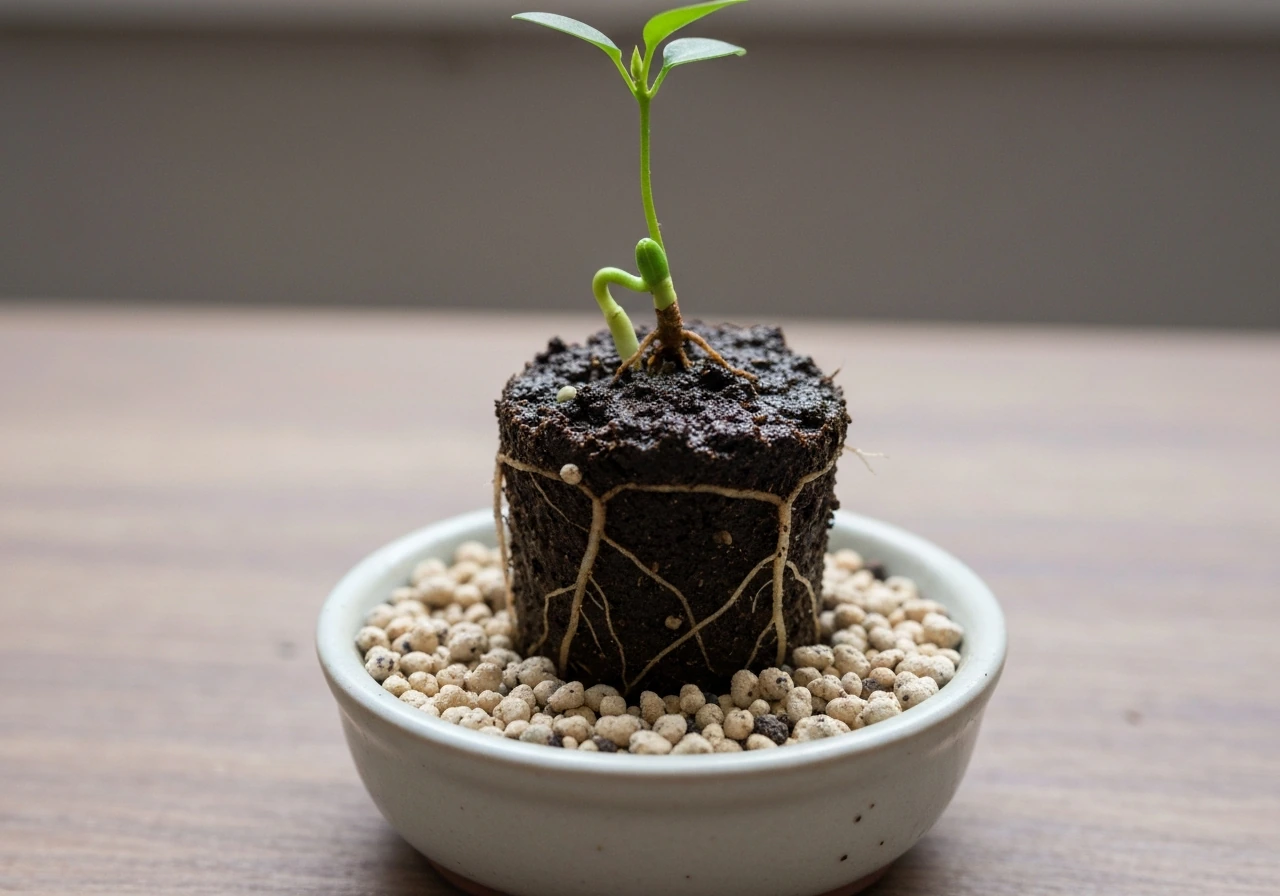
Growing grapes from seed takes a long time. From the day you sow a seed to the day you pick your first real cluster of fruit, expect anywhere from 4 to 7 years, sometimes longer. That's not a typo. Germination alone can take 3 to 5 months just to get started, and vines grown from seed don't typically flower and fruit until their third to fifth year at the earliest. If you're still on board with that timeline, great. This guide will walk you through every stage, what to expect, and how to keep things moving in the right direction.
How Long Does It Take to Grow Grapes from Seed?
Marcus Henley
11 Apr 2026
The full seed-to-harvest timeline at a glance
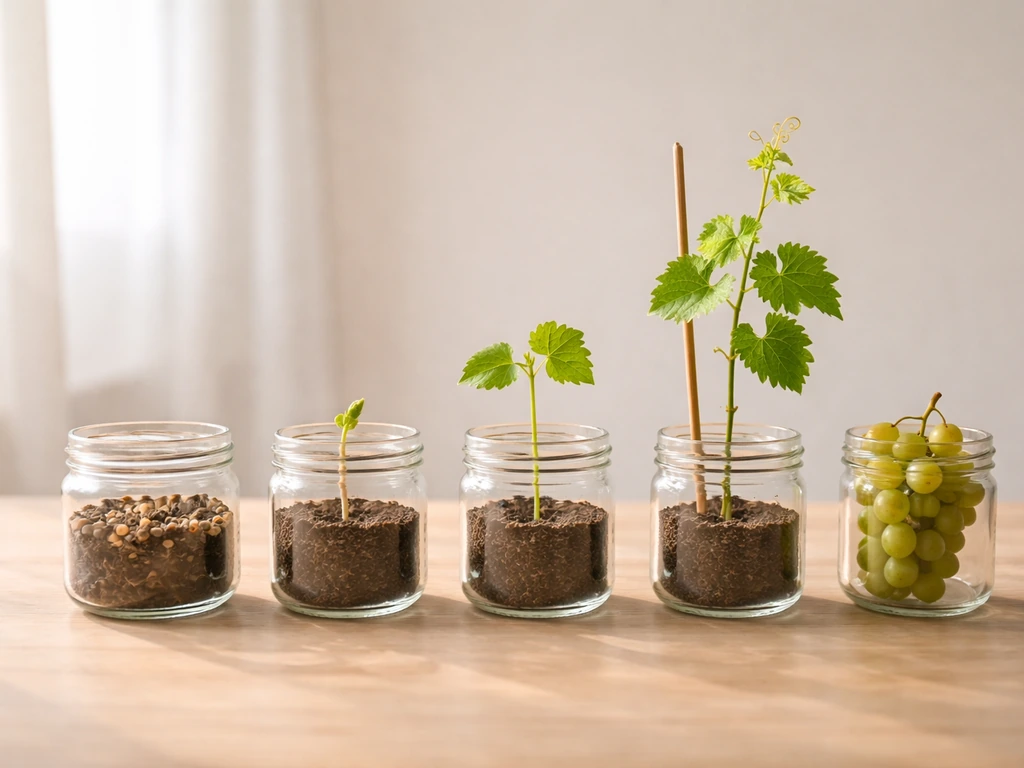
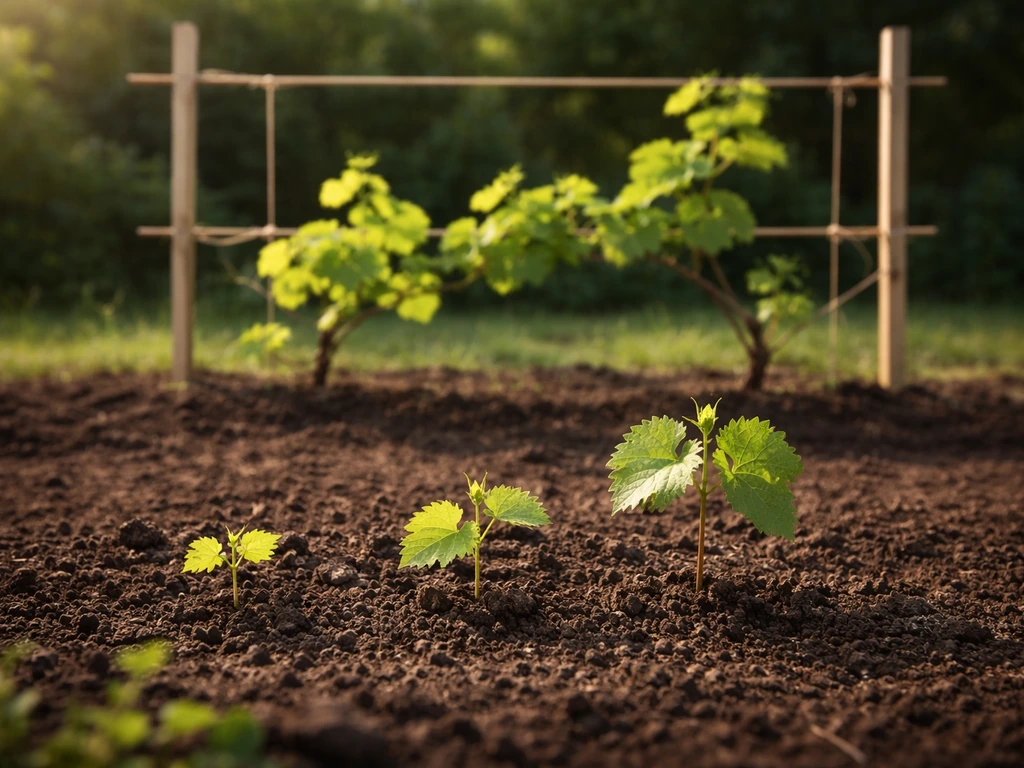
Before getting into the details, here's the big picture laid out stage by stage. Every phase has a range rather than a single number, because grape seed growth is genuinely variable depending on species, conditions, and how well you manage each step.
| Stage | Typical Duration | What 'Done' Looks Like |
|---|---|---|
| Cold stratification | 90–140 days at 37°F (some seeds: 20–40 days) | Seed is chilled, moist, and ready to germinate |
| Germination (sprouting) | 2–8 weeks after stratification ends | Radicle (root tip) emerges, seedling breaks soil surface |
| Seedling establishment indoors | 8–16 weeks | True leaves present, sturdy stem, roots filling small pot |
| Hardening off and transplant | 1–2 weeks transition | Seedling adapted to outdoor conditions, ready for ground |
| First growing season (vine establishment) | 1 full season | One strong upright shoot trained to stake or trellis |
| Trunk and arm development | 2–3 growing seasons | Vine reaches training wire, arms forming, no heavy fruit load |
| First meaningful flowers and fruit | 3–5 years from transplant | Small clusters appear, may be removed in early years to build structure |
| Full production | 5–7+ years from transplant | Vine carrying a real crop load each season |
That table covers seed-grown vines specifically. Vines started from cuttings skip the germination phase and can reach fruit a year or two sooner, which is why most commercial growers and home vineyard guides push cuttings over seeds. But if you're growing from seed for breeding purposes, rootstock, or just the experience of it, knowing this roadmap is essential.
Germination: what actually affects it and how to plan your schedule
Grape seeds don't germinate the moment you plant them. They have a built-in dormancy that mimics what would happen naturally over winter. To break that dormancy, seeds need to be chilled at around 37°F for an extended period. Once that cold requirement is met and seeds are moved back to warm conditions, germination can begin within a few weeks. The entire pre-germination window, from when you start stratification to when seedlings appear, usually runs 4 to 6 months.
Four factors control whether and when germination actually happens: water, oxygen, light, and temperature. During stratification, seeds need to stay consistently moist but not waterlogged, and they need some air circulation to avoid rot. Once stratification ends and seeds are moved to warm, well-lit starting conditions, temperature becomes the main driver. Shoot for a consistent warm environment around 68 to 75°F for germination, and use supplemental light if you're starting indoors during shorter days. Fluorescent grow lights positioned 6 to 12 inches above the seeds running about 16 hours per day will give seedlings the light intensity they need when natural daylight is limited.
Germination rate also varies by seed lot and how viable your seeds are. Fresh seeds from ripe, healthy fruit tend to perform better than seeds that were stored dry for months without care. If you're working with seeds from purchased dried fruit or uncertain sources, expect lower germination rates and plan to sow more seeds than you think you'll need.
Cold stratification vs. skipping it: what grapes actually need
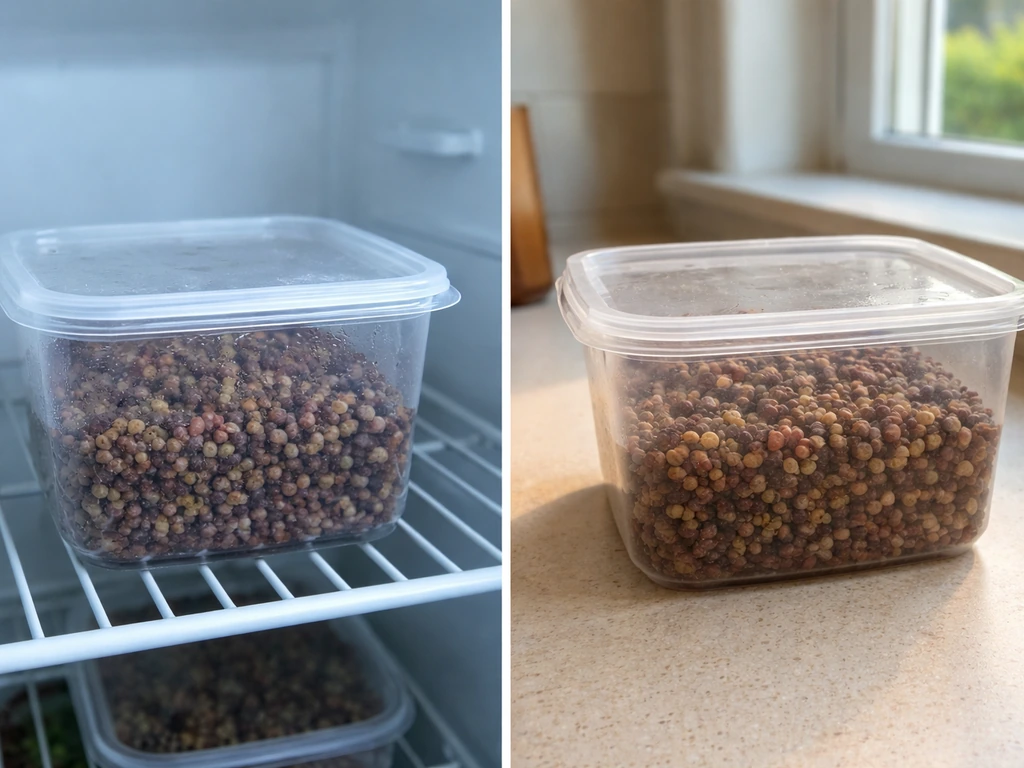
Grape seeds need cold stratification. That's the short answer. The longer answer is that how much stratification they need depends on the variety and even where and how the mother plant was grown. Research from ASHS (American Society for Horticultural Science) confirms that different Vitis vinifera cultivars can have meaningfully different cold stratification requirements, and even the maternal plant's growing environment during seed development influences what the seed needs to germinate. This is one reason why germination results can vary even when you're following the exact same protocol with seeds from different sources.
The standard recommendation from Oklahoma State University Extension is to stratify grape seeds at 37°F for 90 to 140 days. That's your planning baseline. Keep seeds in a sealed bag with moist peat moss or a damp paper towel in the refrigerator, check them monthly for moisture and signs of rot, and count your days from there. Some seed lots, particularly certain muscadine types or seeds from mild-winter regions, may break dormancy with as little as 20 to 40 days of chilling. But don't count on the short end unless you've successfully grown that specific seed before. The safe move is to plan for the full 90 to 140-day range.
The alternative to controlled stratification is fall planting of unstratified seeds directly in the ground, letting winter do the work naturally. This can be effective, especially in climates that deliver consistent cold winters, but it introduces more variables: soil moisture, freeze-thaw cycles, rodent pressure, and the possibility of seeds rotting before spring. If you're in a region with reliable winters and you have plenty of seeds to spare, fall planting is worth trying alongside an indoor stratification batch. If you only have a few seeds, stick with the controlled refrigerator method.
From seedling to transplant-ready vine
Once your seeds germinate and break the soil surface, you're in the seedling phase. This is a slow and somewhat delicate period. Grape seedlings don't race out of the ground the way something like zucchini grows from seed. Expect 8 to 16 weeks of indoor growing time before a seedling is ready to even think about going outside. During this time, keep the seedlings under strong light, water consistently but don't waterlog, and resist the urge to transplant too early.
Transplant readiness isn't about hitting a specific height. It's about the overall quality of the plant. A transplant-ready grape seedling has a sturdy (not floppy) stem, at least two or three sets of true leaves, and roots that are filling the current pot without being desperately rootbound. If the stem bends easily under its own weight or the leaves look pale and thin, give it more time and better light before moving it out.
Before moving seedlings outdoors, harden them off over 1 to 2 weeks. Start with an hour or two of outdoor shade per day and gradually increase both light exposure and duration. This toughens the stem and cuticle so the plant doesn't go into shock when it hits direct sun and wind for the first time. Skipping hardening off is one of the most common reasons seedlings collapse right after transplant.
Training, first flowering, and when you'll actually see fruit
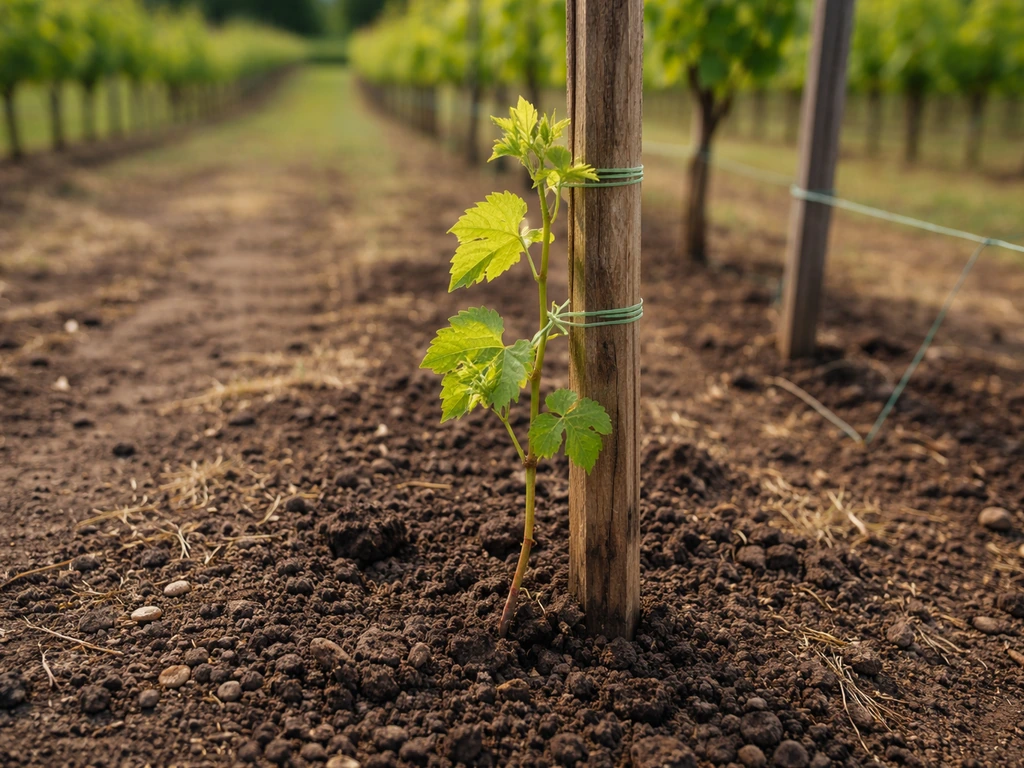
Once your seedling is in the ground, the goal for the first season is simple: grow one strong, upright shoot and train it to a stake or trellis. UNH Extension's home vineyard guidance describes exactly this approach. During the planting year, prune newly set plants to two strong buds so you channel all energy into the strongest one. One year after planting, prune to one or two strong upright stems that will become the main trunk. Don't rush this. If your vine doesn't reach the training wire in the first season, that's normal. It just means trunk training extends into year two, which shifts everything downstream by a season.
USU Extension training guidance reinforces this: select the strongest shoot early and train it vertically to the stake. If it reaches the top trellis wire late in the first growing season, topping can wait until the dormant season in February or March. This year-by-year structure is how experienced growers build a vine that will eventually carry a real crop. Rushing the training process or letting the vine sprawl in early years creates structural problems that slow fruiting later.
As for fruit, Oregon State University Extension is direct about this: grapevines require several years from planting to the first harvested crop, and vines don't typically reach full production until the fifth or sixth year. With seed-grown vines, add the seedling establishment time on top of that. If you're wondering how long bamboo takes from seed, the timing is different because bamboo grows and establishes on its own schedule how long does it take bamboo to grow from seed. A realistic window for seeing your first small clusters from a seed-grown vine is 4 to 7 years from when you originally sowed the seed.
Some growers see flowers in year 3 from transplant; others wait until year 5. When flowers do appear in early years, many grape growers remove the clusters intentionally to push more energy into building vine structure, which ultimately shortens the road to consistent full harvests. During the training period, USU Extension recommends removing fruit clusters early to encourage strong root and shoot development and to slow fruiting while you establish vine structure [remove the clusters intentionally](https://extension. usu.
edu/yardandgarden/research/grape-trellising-training-basics).
Why your timeline might look different from someone else's
Grape species and cultivar matter enormously. European wine grapes (Vitis vinifera), American grapes (Vitis labrusca), and muscadines (Vitis rotundifolia) all have different cold hardiness requirements, different stratification responses, and different rates of vegetative growth. Muscadine grapes, for example, are cold-limited: OSU notes that muscadine vines shouldn't be planted where temperatures drop below about 10°F, and their growing range and seasonal timing are different from northern table grape varieties. Choosing a grape type suited to your climate is one of the most important decisions you'll make, and it directly affects whether you reach each milestone on schedule or get stuck.
Planting timing also matters more than most people realize. OSU recommends a planting window of February 1 to March 20 in Oklahoma for spring planting, with fall planting (October to mid-November) in the state's southeast region. These dates are tied to how vines interact with cold dormancy cycles, and planting outside your regional window can set vines back by a full season. If you're in a different zone, check local extension guidance for your specific planting dates.
Container growing vs. in-ground growing also affects pace. Containers warm up faster in spring, which can speed early growth, but they also dry out faster and limit root volume, which can slow overall vine development. In-ground vines typically establish more robustly after the first season. Similarly, if you're interested in how other long-timeline seed projects compare, the experience of growing persimmon from seed has a lot of parallels to grapes: both require patience, cold-breaking dormancy, and several years before fruiting begins.
Soil quality, irrigation consistency, sunlight (grapes want full sun, at least 6 to 8 hours per day), and local microclimate all layer on top of these factors. Two gardeners following the same protocol can have timelines that differ by a full year or more, and both can be doing everything right. Variability is just part of growing woody perennial plants from seed.
Troubleshooting slow or failed grape seed growth
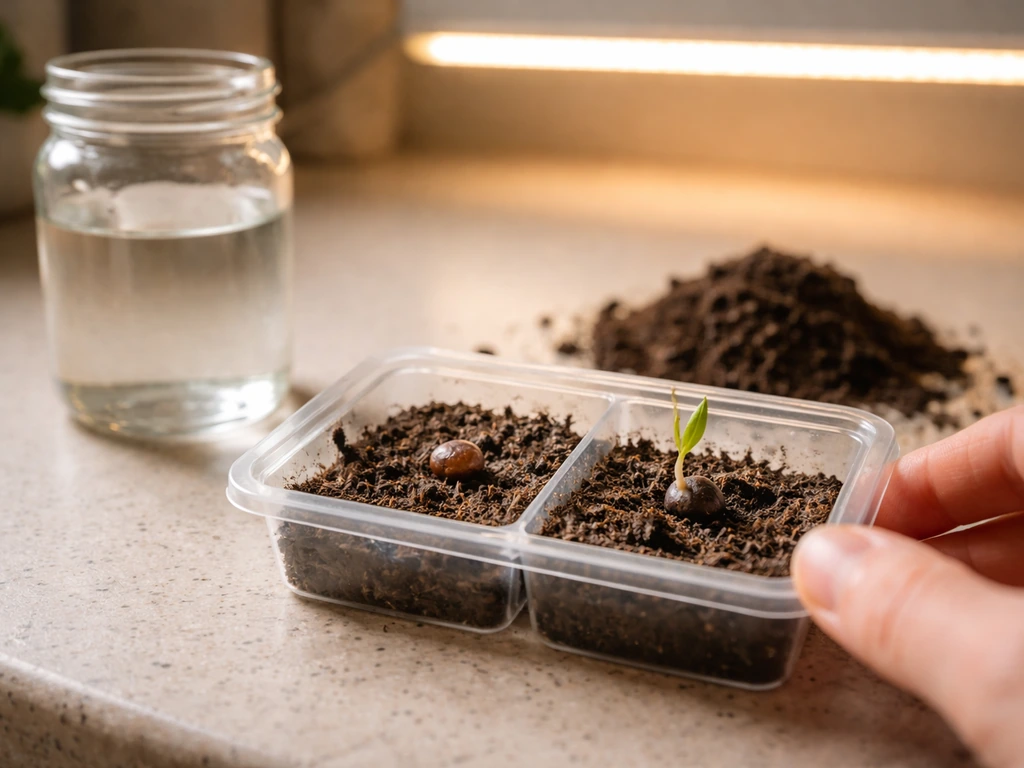
If your seeds haven't germinated after you completed stratification and moved them to warm conditions, the most common culprits are under-chilling (less than 90 days at 37°F), seeds that dried out during stratification, or seeds with low viability to begin with. Check that your refrigerator is actually holding 37°F, not 45°F. Even a few degrees warmer can significantly reduce stratification effectiveness. If seeds dried out, they may still germinate if you re-moisten them and wait, but success rates drop once seeds have been stressed.
Slow seedling growth after germination usually comes down to insufficient light, inconsistent moisture, or temperatures that are too cool. Remember, germination is just the starting gun. After sprouts appear, seedlings still need warm temperatures (65 to 75°F), strong light for 16 hours a day if you're indoors, and steady but not waterlogged moisture. These are the same core levers that control all seedling development: water, oxygen, light, and temperature.
If you're seeing mold on the soil surface or the base of the seedling, that's a sign of overwatering or poor air circulation. Improve drainage, reduce watering frequency slightly, and make sure there's some airflow around the seedlings. Damping off (where seedlings suddenly collapse at the soil line) is caused by fungal pathogens encouraged by wet, stagnant conditions. It's fast and usually fatal for the affected seedling, but adjusting conditions can protect the others.
If stratification and germination went fine but your vine is barely growing in the first season outdoors, check soil drainage first. Grapes hate waterlogged roots. They also respond poorly to heavy clay soils without amendment. In early vine years, a little benign neglect is often better than overwatering or overfertilizing, both of which push leafy growth at the expense of the root system development you actually need for long-term vine health.
One thing worth keeping in mind when you feel impatient: other long-growing perennial plants have similarly demanding timelines. If you've ever looked into how long it takes to grow a bonsai from seed, you already know that the most rewarding long-term plant projects are almost never quick. Grapes fit that same mold. The early years of slow, structural growth are what make possible a productive vine that fruits reliably for decades.
Practical next steps you can take right now
If it's currently spring and you just sourced grape seeds, start stratification immediately. Put seeds in a sealed bag with moist (not wet) peat or a damp paper towel, label the bag with today's date, and set your refrigerator to 37°F. Count out 90 to 140 days and mark both ends of that window on your calendar. That's your expected germination window. Plan to sow seeds into warm starting mix as stratification ends, which for an April start puts germination attempts in July to September. That's late in the season for transplanting, so you may overwinter seedlings indoors and transplant the following spring, which is perfectly fine.
If it's fall, consider direct-sowing some seeds in the garden at the same time you start a refrigerator batch indoors. You'll learn a lot from running both approaches in parallel, and you double your chances of getting germination from at least one batch. Mark outdoor seed locations clearly so you don't lose track of them over winter.
While you're waiting on germination, set up your trellis or support structure now. Grapes need a strong, well-anchored system: a simple T-post and wire setup works well for home growers, but whatever you build needs to last 20 to 30 years. The vine will outlive most garden infrastructure if the training goes well. Getting that infrastructure in place before your vine needs it keeps the training schedule on track and avoids the common problem of a vine flopping around for a season while you scramble to build a support system.
Finally, set realistic expectations for this whole project. Growing grapes from seed is a multi-year commitment, much more demanding than fast-maturing crops. It's a different kind of project than understanding how long it takes to grow a bean from seed (where you're thinking in weeks, not years) or tracking how long it takes to grow dates from seed (another multi-year woody perennial with its own long game). Grapes from seed sit in the same category as projects like growing bamboo from seed, where the early patience pays off in a plant that can produce prolifically for decades once established. Plan well, manage your stratification carefully, don't rush the training phase, and the timeline takes care of itself.
FAQ
Can I make grapes fruit sooner if I use cuttings instead of growing from seed?
Yes. You can shorten the calendar for the first fruit by using cuttings instead of seed, since you skip the dormancy and seedling establishment stages. Seed still gives you genetic variation, but if the goal is earlier clusters, plan on cuttings as the faster path.
How should I count the timeline if I stratify seeds in the refrigerator?
Not exactly. Start counting from when the seed is first placed on cold stratification, because the chilling period is a major part of the overall timeline. If you stratify, then germinate, then transplant, your “first fruit” date is best estimated as stratification time plus germination and seedling time, then several more years for vine structure and cropping.
What if my stratification finishes late in the season, can I still transplant right away?
Spring planting from seed can work, but it often forces late germination and late outdoor conditions. If stratification ends too close to or after your local transplant window, it is usually better to grow the seedlings indoors through winter and transplant the following spring rather than trying to push them outside too late.
How much does refrigerator temperature matter during cold stratification?
Aim to keep stratification conditions close to target rather than “good enough.” A refrigerator that runs slightly warm, for example around 45°F instead of 37°F, can reduce how much dormancy gets broken and lead to poor germination. Use a fridge thermometer and confirm the temperature rather than trusting the setting.
What should I do if I’m not sure my grape seeds are fresh or viable?
Check viability before you commit to a full run. For example, fresh seeds from ripe fruit generally perform better than seeds from dried, uncertain sources. If you are buying seeds with unknown storage history, sow extra seeds because the germination rate can be much lower even when your stratification protocol is correct.
What are the most common reasons grapes fail to germinate after stratification?
If seeds never germinate after you move them to warmth, the most common issues are insufficient chilling, seeds drying out during stratification, or low viability. Also verify that the warmth stage is actually warm enough and well lit, because cool temperatures and weak light can slow sprouting.
What does it mean if I see mold during stratification or on seedlings?
Mold is usually a sign of excess moisture plus limited airflow. Let the surface dry slightly between checks, improve ventilation, and avoid soaking conditions. If mold appears on the media, reduce watering frequency and ensure the setup is not stagnant and wet.
How do I know when a grape seedling is actually ready to move outdoors?
Yes. Many grape seedlings can be transplanted successfully, but “ready” is about plant quality, not a particular height. If stems are floppy or pale, or roots are not filling the pot, delay transplanting and fix light and growth conditions first, because weak seedlings are more likely to struggle outdoors.
Do I really need to harden off grape seedlings, and what’s the risk if I skip it?
Hardening off is especially important if your seedlings were indoors under controlled conditions. Increase outdoor sun exposure gradually over 1 to 2 weeks, starting with shade and shorter time outside, so the plant acclimates to direct light, wind, and temperature swings.
Should I fertilize grape seedlings heavily to speed growth?
In early years, avoid overfeeding. Too much nitrogen or frequent fertilizing can encourage leafy growth while roots and trunk structure lag behind, which can slow long-term training. Use restraint until the vine has established a strong framework.
What’s the biggest support-related mistake that delays fruiting?
A flopped vine in early training is a red flag. Grapes need stable support and a clear vertical leader so structure develops correctly. If your trellis is weak or not installed before planting, the vine can grow “wrong,” which typically adds time to reaching a proper trunk and later fruiting.
How does choosing the wrong grape type for my climate affect the timeline?
It depends on the cultivar and whether it is adapted to your winter lows. Some groups, especially muscadines, are more limited by colder temperatures, so choosing a variety suited to your climate can prevent repeated setbacks and improve the odds of staying on schedule for trunk training and eventual crop.
Next Article
How Long Does It Take to Grow Bonsai From Seed
Timelines for growing bonsai from seed: germination, seedling stage, and first true bonsai, plus tips to speed results.