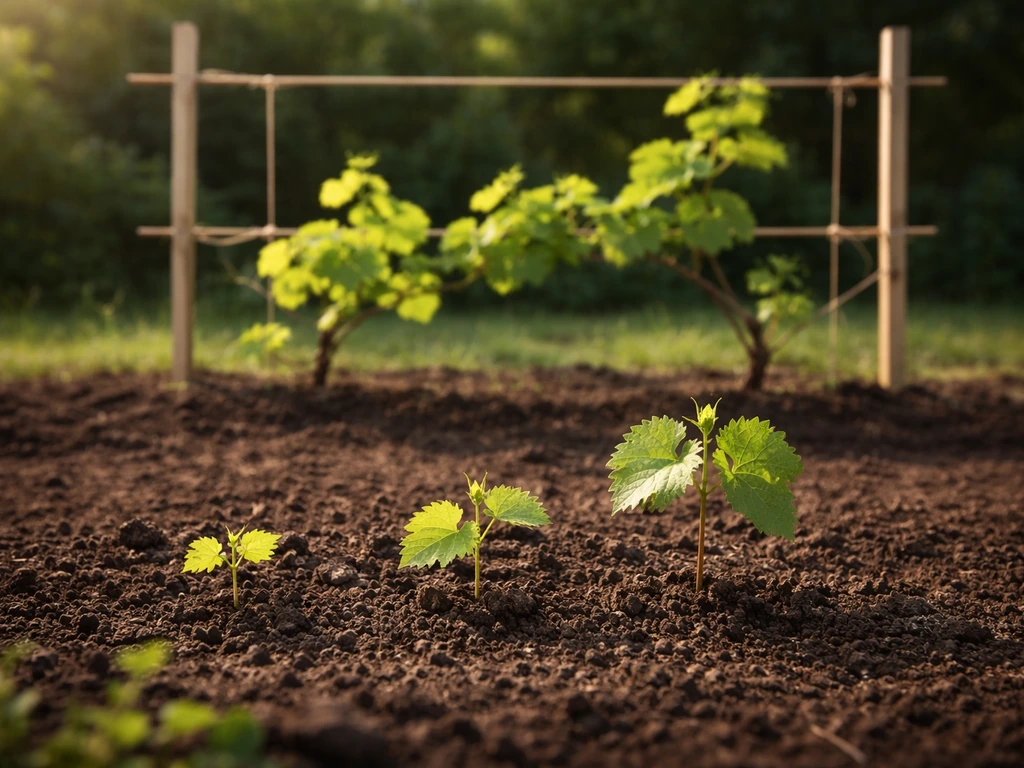
Growing a persimmon from seed is a long game, but it is absolutely doable if you go in with realistic expectations. Here is the short answer: from planting a stratified seed to seeing it sprout, you are looking at about 3 to 4 weeks. From sprout to a young tree with real structure, expect 2 to 3 years. And from seed to fruit? That is where patience really gets tested, because it can take anywhere from 7 to 15 years depending on the type of persimmon and the growing conditions. This article breaks down every stage so you know exactly what to expect and what to do at each point.
How Long to Grow Persimmon From Seed: Timeline Guide
Marcus Henley
13 Apr 2026
The full timeline from seed to fruit
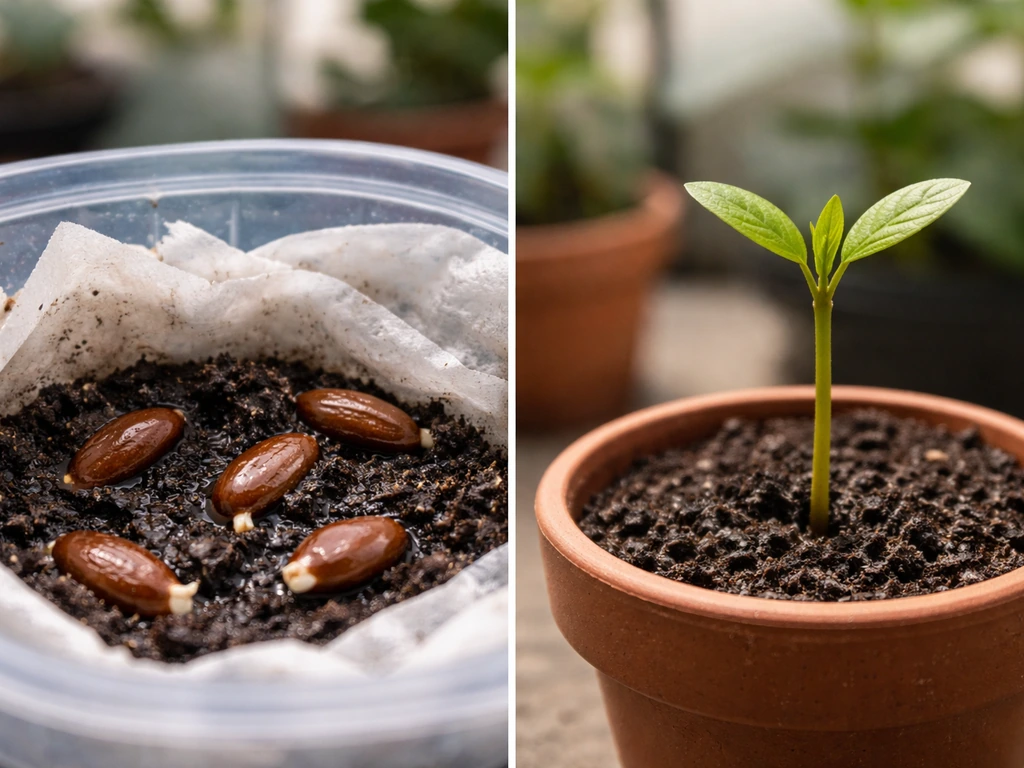
There are four distinct stages to think about, and each one has a different timeframe. Lumping them together is what leads to confusion when people search for 'how long do persimmon trees take to grow,' because the answer genuinely depends on which stage you mean.
| Stage | Timeframe | What to Watch For |
|---|---|---|
| Cold stratification (dormancy break) | 60–90 days at 33–45°F | Seeds swell slightly; no visible sprout yet |
| Germination (after planting stratified seed) | 3–4 weeks at 70–85°F soil temp | Cotyledons (seed leaves) emerge from soil |
| Seedling to young tree | 2–4 years | Steady upward growth; root system establishing |
| First fruit (from seed) | 7–15 years | Flowering begins around year 5–10; fruit follows |
The frustrating part for most growers is that persimmon is a genuinely slow-growing tree, something the USDA Forest Service flags clearly in its species review. There is no shortcut around that. What you can control is making sure the seed is properly prepared so you do not lose months to a preventable delay right at the start.
Cold stratification: the step most people skip
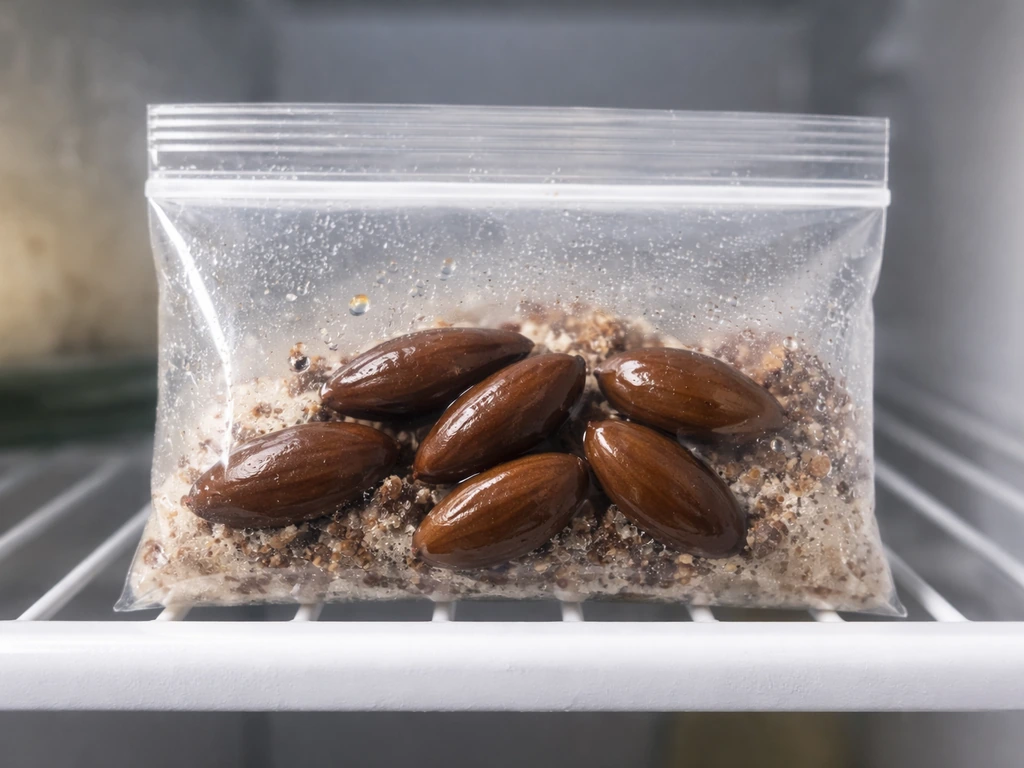
This is the single most important thing to understand before you plant a persimmon seed. Unlike fast-sprouting vegetables, persimmon seeds have a hard dormancy that mimics what they would experience over a winter in the ground. If you skip stratification and just drop the seed into warm soil, it is very likely to sit there and do nothing, possibly for an entire season.
The standard method backed by USDA Forest Service and UC ANR research is to stratify persimmon seeds under moist conditions for 60 to 90 days at roughly 33 to 45°F (1 to 4°C). A practical way to do this at home is to mix the seeds into barely damp peat moss or sand, seal them in a zip-lock bag, and put them in the back of your refrigerator. Check every few weeks to make sure the medium has not dried out completely.
Oklahoma State University Extension also notes that a shorter cold period of 20 to 40 days can be enough in some cases, or you can skip stratification entirely by doing a fall planting and letting the seeds overwinter naturally in the ground. That outdoor method works well in USDA zones 4 through 9 for American persimmon (Diospyros virginiana), but it comes with less control over what happens to the seeds.
Once stratification is done, move the seeds to warmth. UC ANR recommends germinating in boxes at around 70°F after stratification. The seeds need soil temperatures of 70 to 85°F to germinate reliably, which is why natural germination in the ground happens in April or May after soils have had a month or more above 60°F.
Planting conditions that actually move things along
Depth, soil, and containers
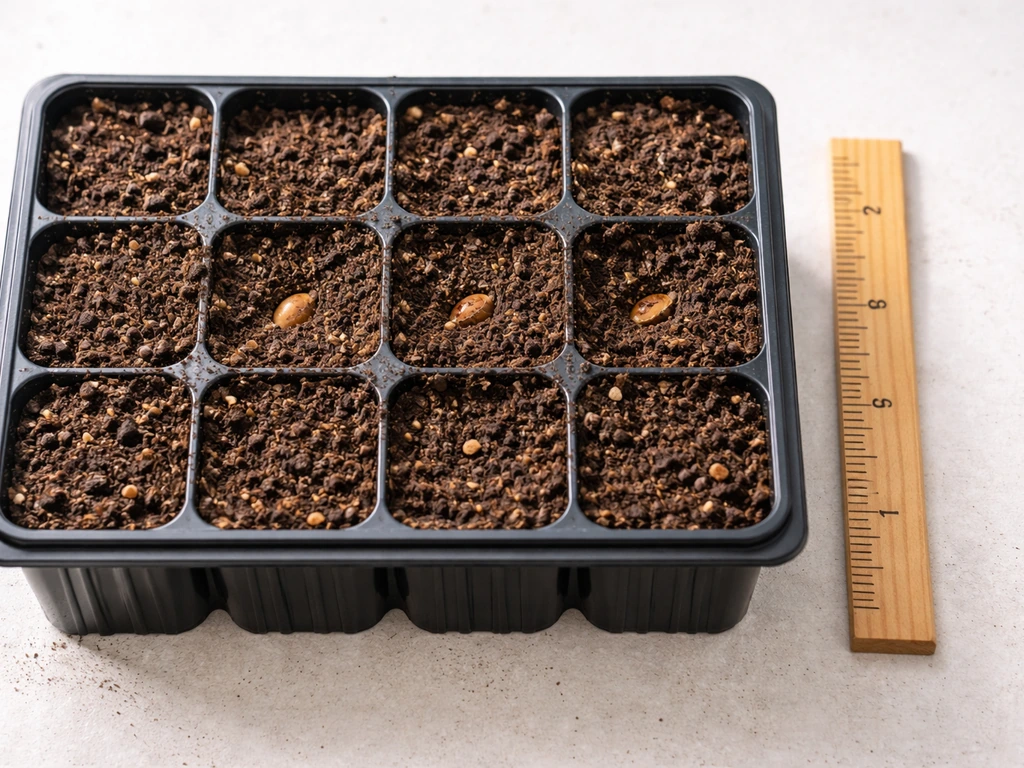
Plant persimmon seeds about 2 inches deep, as recommended by UF/IFAS. If you are starting in seed beds or raised rows outdoors, mulch over the top to retain moisture and moderate soil temperature swings. For container starts, use a deep pot because persimmon seedlings develop a taproot quickly and they really do not like being root-bound or transplanted carelessly.
A well-draining loamy mix works best. Persimmons are adaptable trees that tolerate a range of soils in maturity, but seedlings are more sensitive to waterlogged roots. Keep the mix moist but not soggy in those first weeks after planting.
Light and temperature for seedlings
Once the cotyledons appear (usually about 3 weeks after planting, according to Rutgers NJAES research), move the seedling to full or partial sun. Young persimmon seedlings handle partial shade during their first summer, which can actually help prevent moisture stress if you are growing in a hot climate. But long-term, these trees want full sun to develop properly and eventually flower.
Indoors, a south-facing window or a grow light on a 14 to 16 hour cycle keeps young seedlings from getting leggy. Once nighttime temperatures are consistently above 50°F, you can start hardening them off for outdoor planting.
Watering through the early years
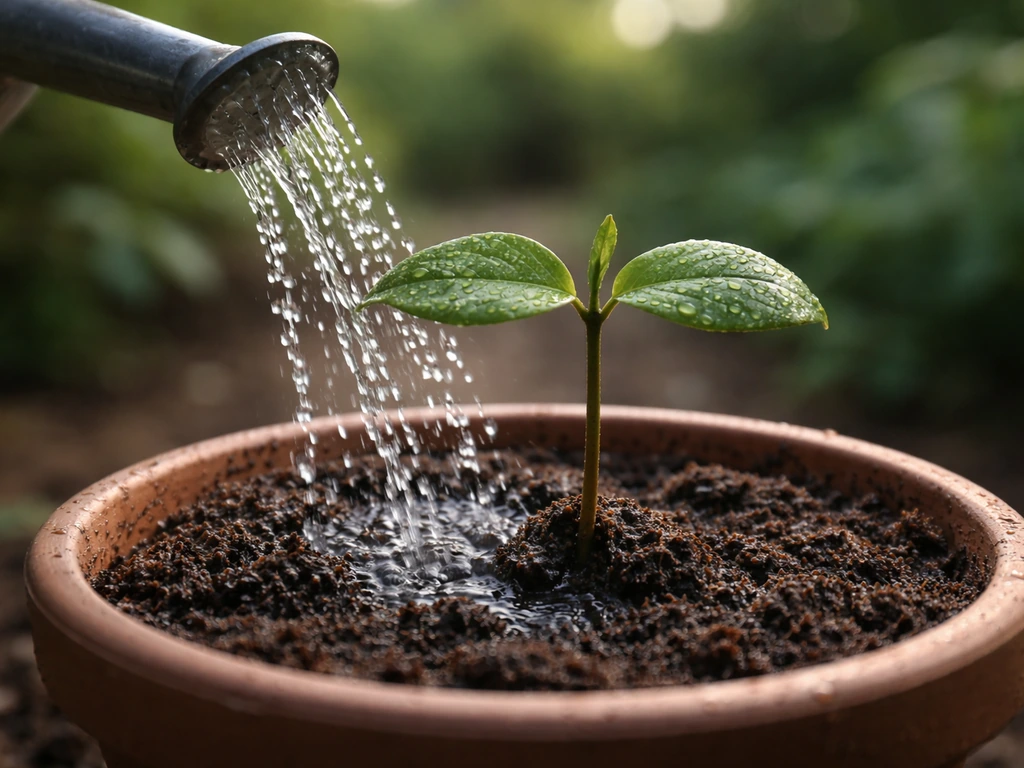
Consistent moisture matters most in year one. After that, persimmons are surprisingly drought-tolerant once established. During the germination window and first growing season, water when the top inch of soil feels dry. Letting seedlings dry out completely before they have a real root system is the fastest way to lose them.
How long to wait before you start troubleshooting
After planting a properly stratified seed into warm soil, give it a full 6 to 8 weeks before assuming something went wrong. Three weeks is the typical time to cotyledon emergence, but variability in seed viability, soil temperature fluctuations, and depth can push that to 5 or 6 weeks without there being a real problem.
If you are past 8 weeks with no sign of life, here are the most common culprits:
- Stratification was too short or the temperature was not cold enough (above 50°F does not count as cold stratification)
- Seeds dried out completely during the stratification period
- Soil temperature after planting was too low (below 60°F slows germination dramatically; below 50°F can stall it completely)
- Seeds were planted too deep or too shallow, or the soil crust hardened over the top
- Low seed viability from seeds that were stored too long or dried out before you got them
- Rotting from overwatering in cold soil before germination begins
One thing worth noting: if you are also working with other long-timeline woody plants, you will recognize this kind of patience. If you have ever looked into how long it takes to grow bonsai from seed, you know that slow-developing tree species tend to reward careful prep work at the start more than any other intervention later on. Persimmon is no different.
American vs. Asian persimmon: how type changes your timeline
There are two main types home growers deal with: American persimmon (Diospyros virginiana) and Asian persimmon (Diospyros kaki). They share a lot of traits but differ in important ways for timeline planning.
| Factor | American Persimmon (D. virginiana) | Asian Persimmon (D. kaki) |
|---|---|---|
| Cold hardiness | Zones 4–9 (very hardy) | Zones 7–10 (less cold-tolerant) |
| Stratification needed | Yes, 60–90 days at 33–45°F | Yes, similar cold stratification recommended |
| Time to flower from seed | 5–10 years | Around 7 years |
| Time to fruit from seed | 8–15 years (sometimes earlier) | ~7 years reported |
| Tree sex / pollination | Typically dioecious (male and female trees separate) | Often dioecious; some cultivated varieties monoecious |
| Optimum fruiting age | 25–50 years (though 10-year trees sometimes fruit) | Earlier productive window typical |
The sex issue is a real wrinkle for American persimmon growers in particular. Diospyros virginiana is typically dioecious, meaning individual trees are either male or female. You cannot tell which you have until the tree flowers, which does not happen until somewhere between 5 and 10 years in. If all your seedlings turn out to be the same sex, you will not get fruit. That is one of the main reasons OSU Extension calls seed propagation of persimmon 'difficult and uncertain.' For serious fruit production, most growers eventually graft a known fruiting variety onto seedling rootstock. Grafted trees can fruit in 3 to 5 years.
Asian persimmon has similar dioecious tendencies, though some cultivated varieties are monoecious and do not need a pollinator. If your goal is reliably getting fruit, selecting a known self-fertile Asian variety and grafting it is genuinely the smarter path. Seeds are better suited for rootstock production, experimentation, or situations where you have time and space to grow multiple trees and can accept some uncertainty.
This kind of multi-year fruit tree commitment is in the same category as other long-lead crops. If you have read about how long it takes to grow grapes from seed or how long it takes to grow dates from seed, you are familiar with this kind of patience-versus-reward calculation. Persimmon falls into the same bracket, only with even more variability in the fruiting outcome.
Your planting schedule based on climate
Timing the stratification period is where most home growers get tripped up. Work backwards from when you want to plant outside, which is ideally after your last frost when soil temps are approaching 70°F.
Cold-winter climates (zones 4–6)
Start stratification in early to mid-January. After 60 to 90 days in the fridge, you will be ready to plant stratified seeds indoors in late March or early April. Move seedlings outside after last frost, usually May. Alternatively, do a fall planting directly in the ground in October or November and let winter do the stratification work for you.
Moderate climates (zones 7–8)
Begin stratification in December. By late February or March your seeds are ready to plant. Soil temperatures in these zones often hit the 70°F germination window earlier in spring, so you may see cotyledons by early April if you started indoors. Direct outdoor planting after stratification works well in these zones since late frosts are mild.
Warm climates (zones 9–10)
You will need to use your refrigerator for stratification since natural winters do not provide adequate chilling. Start the cold treatment in November or December, then plant in February. Shade cloth during the first summer can protect seedlings from heat stress while the root system develops. American persimmon is less suited to zone 10, so most growers in the warmest regions work with Asian persimmon varieties instead.
What the first few years actually look like
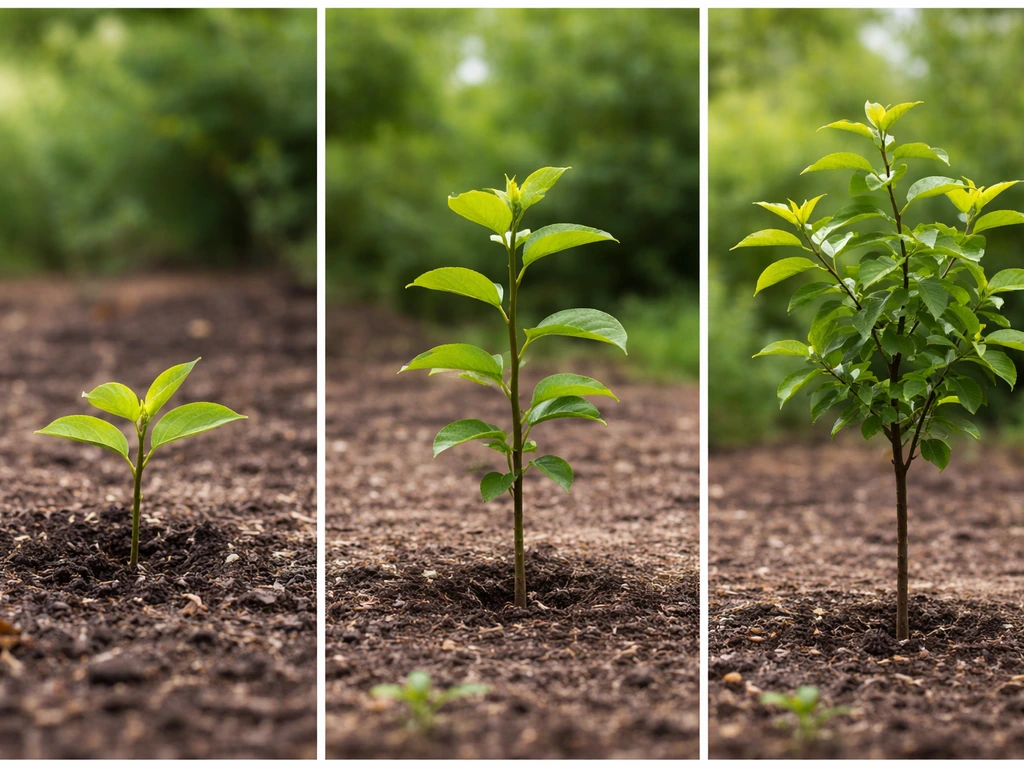
Year one is mostly about root establishment. Above ground, do not expect much more than a single stem with a few leaves by end of the first growing season. That is normal. Persimmons put energy into their taproot first, which is a good thing for long-term drought tolerance but underwhelming to watch.
By year two and three, you will start to see the tree take shape with more branching and noticeably faster height gains. Common persimmon flowers bloom between March and June once the tree matures, and fruit ripens September through November. But those seasonal milestones are still many years out from a seedling. If you planted your stratified seed this spring, think of year one through three as infrastructure-building, year three through seven as establishing the canopy, and year seven-plus as when fruiting becomes a realistic possibility.
This is a very different experience from fast growers. If you also have short-season crops going, the contrast is striking. Something like how long it takes to grow zucchini from seed feels almost instant by comparison, and even a moderately fast-establishing plant like a bean seed growing to harvest wraps up in weeks. Persimmon is a multi-decade relationship, and the sooner you make peace with that, the more satisfying it becomes.
Comparing persimmon to other long-growth woody plants
Persimmon is far from unique in requiring years of patience. Bamboo grown from seed has its own notoriously unpredictable timeline, though for different reasons. The common thread across slow-establishing woody plants is that the seed prep stage is where you have the most leverage. A properly stratified persimmon seed in warm soil will germinate reliably in 3 weeks. A skipped stratification period might mean no germination at all that season, wasting an entire year.
Practical next steps before you plant
- Source fresh seeds from a ripe persimmon fruit in fall, or order from a reputable native plant nursery. Older stored seeds have lower viability.
- Clean the seeds thoroughly to remove fruit pulp, which can harbor mold during stratification.
- Mix seeds into barely damp peat moss or sand, seal in a labeled zip-lock bag, and refrigerate at 33–45°F for 60 to 90 days.
- Check the bag every 3 weeks to make sure the medium has not dried out or gotten waterlogged.
- After stratification, plant 2 inches deep in deep containers or prepared seedbeds. Keep soil at 70–85°F for best germination results.
- Mulch outdoor seedbeds to retain moisture and moderate soil temperature.
- Wait at least 6 to 8 weeks after planting before deciding germination has failed.
- If you want reliable fruit, plan to grow at least 2 to 3 seedlings to increase the odds of having both male and female trees, or graft a known fruiting variety onto your seedling rootstock at year 2 or 3.
Persimmon from seed is a rewarding project if you are realistic about the timeline. You will not be harvesting fruit in a few years from a seed start, but you will have a beautiful, tough, long-lived tree that can eventually produce reliably for decades. Get the stratification right, plant at the right time for your climate, and give the seedling the deep container and consistent moisture it needs in year one. After that, the main job is patience.
FAQ
If I planted my persimmon seed, when should I start worrying that it will not sprout?
For persimmon, the “right” target is not 3 to 4 weeks total, it is whether germination starts within about 6 to 8 weeks after planting into warm soil. If you have not seen anything by then, assume the seed did not germinate and troubleshoot depth, soil temperature, and moisture (not just viability).
Can I skip the refrigerator and plant persimmon seed right away?
Yes, but only if the seed was properly chilled first and the soil stays warm. If you put persimmon seed in cold outdoor soil without the fridge treatment, it often sits through the season. A practical approach is to plant only when your soil is consistently in the 70 to 85°F range, otherwise you are likely to delay emergence.
What if my stratified seeds are ready, but it is still too cold to plant outside?
A reliable workaround is to stratify in the fridge, then sow as soon as your planting window matches warm soil conditions. In other words, do not wait for summer weather if you are already within the 70°F soil range, but also do not plant in late cold spells expecting instant results.
How can I tell if my persimmon seed is alive before it sprouts?
The best sign to use is new growth, not callus or swelling. Even so, the seed can remain inactive while the taproot develops underground. You can gently check once (by carefully unearthing in a small area) if you are at the 6 to 8 week mark, since repeatedly disturbing seedlings earlier can reduce survival.
How deep should I plant persimmon seeds, and does depth change the timeline?
Depth matters because persimmons can fail when buried too deep in cool, wet media. Using about 2 inches is a good rule for outdoor planting and many containers, and if your conditions are very cold or heavy, err a bit shallower rather than deeper to avoid rot risk.
How much should I water persimmon seedlings during the first weeks?
Keeping the media evenly moist, but not waterlogged, is key. If you consistently let the top of the soil dry out completely during the germination and first year, seedlings often die before they establish. A helpful tactic is to water in smaller amounts more frequently rather than soaking, especially in containers.
Do I need a deep container, or can I pot up later?
If you are starting indoors, you want a deep pot from day one, because transplanting a taproot can set growth back or kill the seedling. A practical choice is a tall container that you can keep outdoors later, so you minimize root disturbance during the move.
Will putting my seedlings under stronger light make them fruit sooner?
Sunlight timing affects the rate of later growth, but it does not usually speed up the germination step. After cotyledons appear, giving sun (full or partial initially) supports sturdier growth and reduces leggy indoor plants, but the “years to fruit” timeline is still mostly driven by variety and tree sex.
Why might my persimmon seedling never produce fruit, even after many years?
Persimmon sex and variety determine whether you get fruit. For American persimmon, seeds typically produce unknown male or female trees, and fruiting requires a female tree plus pollination. For reliable fruit sooner, many growers graft known fruiting scions onto seedlings, which can cut the wait compared with seedling fruiting.
What conditions most commonly delay persimmon germination beyond 4 weeks?
Temperature shifts can extend the emergence window, especially when soil repeatedly dips below the reliable germination range. If your soil swings a lot, it can be better to use controlled indoor germination after stratification or wait until spring conditions are stable rather than forcing early planting.
If fruit is my goal, when is the best time to graft persimmon onto rootstock?
Yes. Grafted trees can fruit in about 3 to 5 years, which is noticeably faster than waiting for a seedling to mature. If your main goal is fruit (not experimentation or rootstock), consider grafting once your seedling has a sturdy root system and appropriate growth.
Does fall planting work everywhere, or only in colder climates?
In zones where winters are mild, fall outdoor planting may not provide enough chilling to break dormancy. If your winters do not chill reliably, fridge stratification is the safer bet, and it keeps your timeline more predictable.
Next Article
How Long Does It Take to Grow Grapes from Seed?
Timelines for growing grapes from seed: from stratification and germination to trained vines and first harvest.