Bamboo seeds typically germinate in 1 to 4 weeks, with many growers seeing their first sprouts in as little as 3 to 7 days under good conditions. But germination is only the beginning. Getting bamboo from seed to a genuinely planting-worthy size takes 8 to 12 months in the nursery at minimum, and reaching true mature size in the ground can take several more years after that. If you are planning a bamboo planting and expecting quick results, this guide will help you set realistic expectations and actually get there faster.
How Long Does It Take Bamboo to Grow From Seed?
Marcus Henley
8 Apr 2026
How long bamboo seeds take to germinate (days to first sprouts)
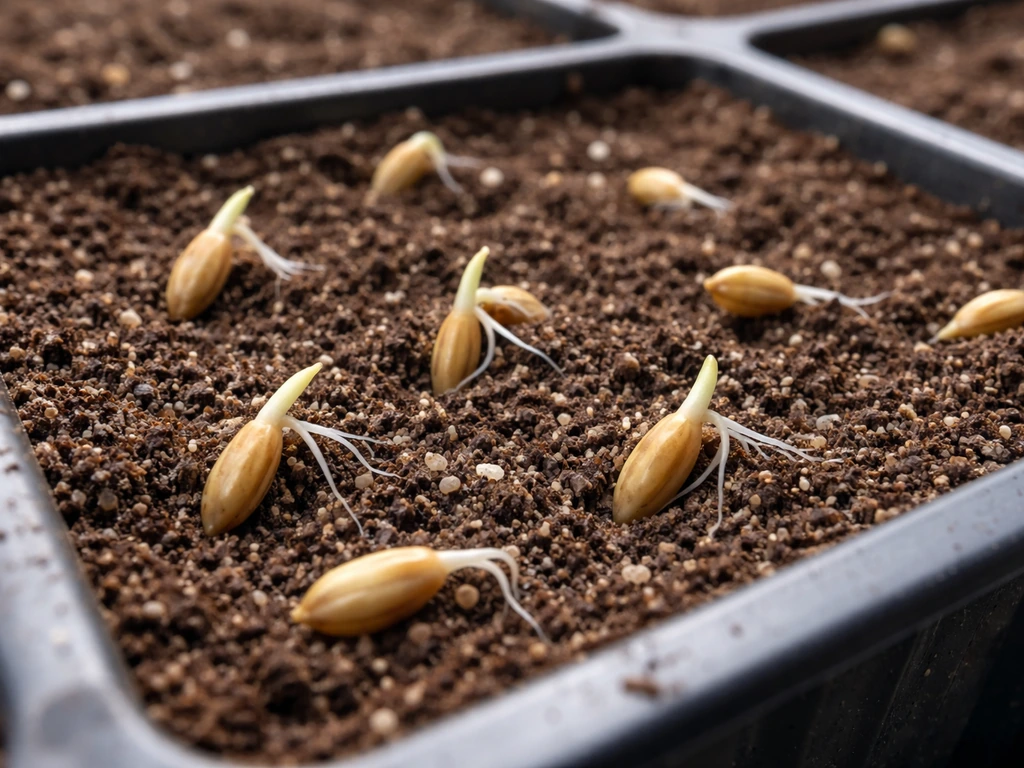
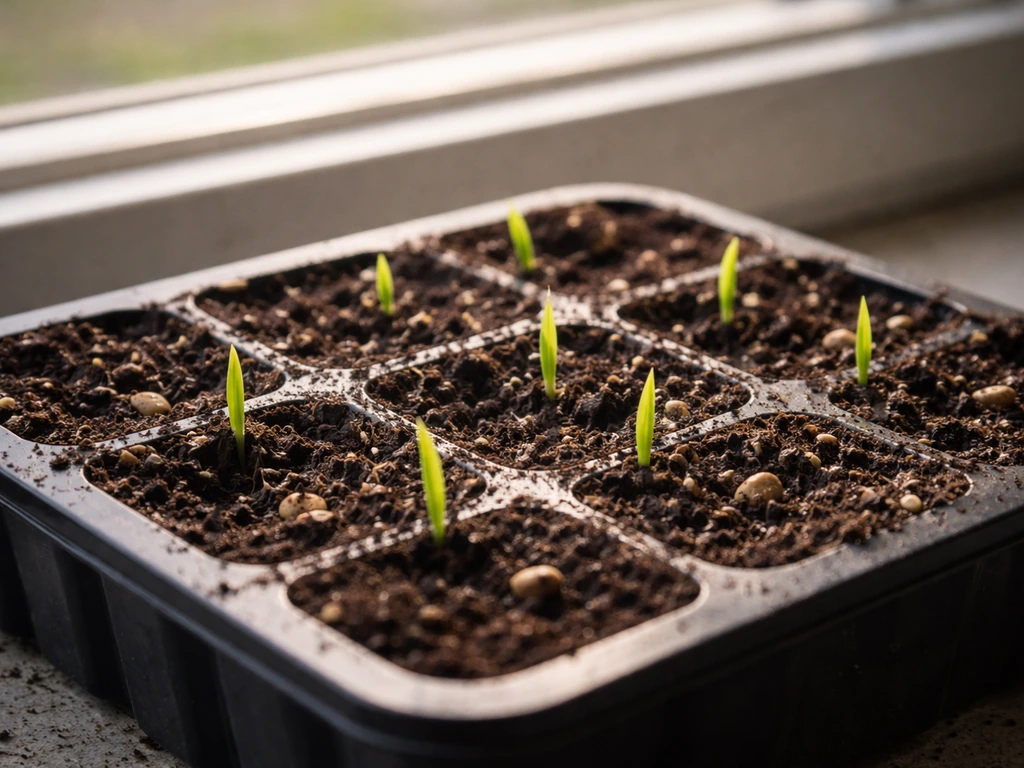
The honest answer is that germination timing is a range, not a fixed number. ICFRE research shows bamboo seeds can begin germinating within 3 to 7 days of sowing under good conditions, and the plumule (the shoot tip) starts elongating rapidly once it breaks. A specific field protocol from a North East India technical session recorded germination appearing at day 18, which is fairly typical for nursery conditions that are not perfectly controlled. A commercial listing for Phyllostachys pubescens (Moso bamboo) gives a window of 10 to 15 days. Across the scientific literature, the consensus from a ScienceDirect review is that bamboo seeds begin to germinate within 1 to 3 weeks depending on species and conditions.
What trips people up is expecting all the seeds in a batch to sprout at once. They will not. Research in the Journal of Applied Horticulture (JABSv05) shows individual seeds within the same batch can germinate as much as a month apart. Bamboo-seeds.com confirms this, stating that seeds will continue to germinate for up to 4 weeks after the very first one in the tray sprouts. So if you see one seedling on day 10, do not give up on the rest of the tray on day 14. Keep the conditions going.
| Source / Context | Germination Timing |
|---|---|
| ICFRE field conditions (best case) | 3–7 days |
| North East India nursery protocol | ~18 days |
| Phyllostachys pubescens (commercial listing) | 10–15 days |
| Phyllostachys pubescens (exotic-seeds.com) | 2–4 weeks |
| ICFRE emagazine (general range) | 2–4 weeks |
| ScienceDirect review (species range) | 1–3 weeks |
| Full batch completion (after first sprout) | Up to 4 weeks more |
What happens in the first weeks: seedling establishment
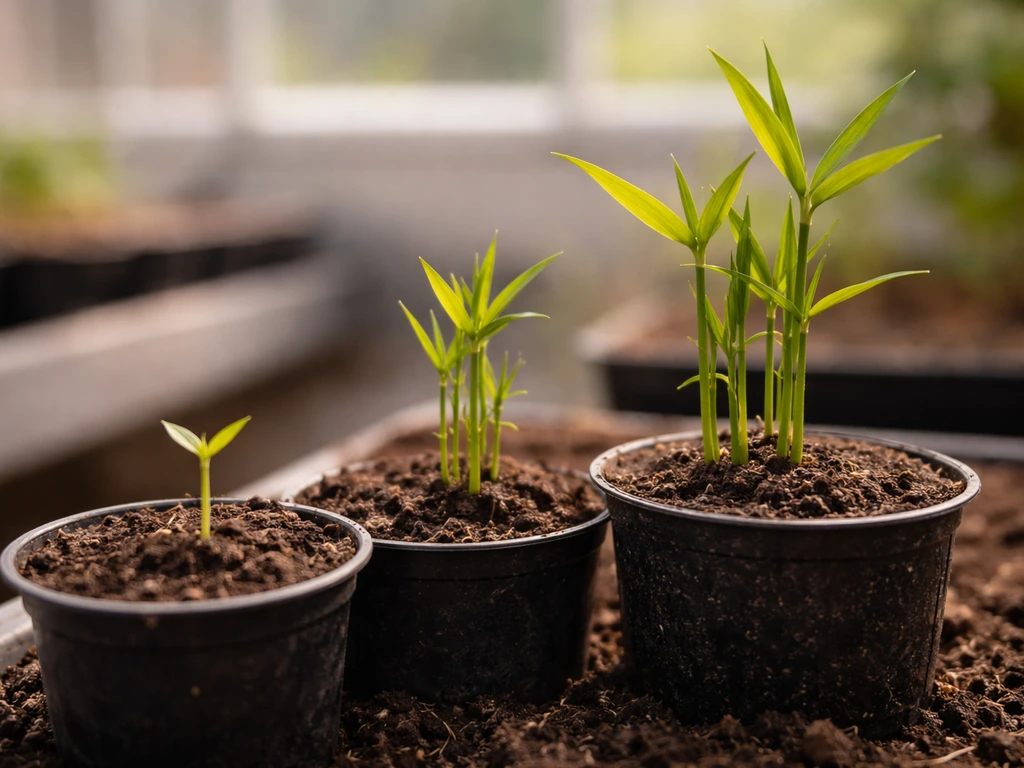
Germination is not the same as establishment, and that distinction matters a lot with bamboo. Once the seed sprouts, the taproot goes to work first. JABSv05 notes the taproot grows 1 to 2 times faster than above-ground growth in the earliest phase, which means the plant is building its underground system before you see much happening above the soil line. The first true leaf typically appears at around 21 days after germination. That small green blade is a good sign, but the plant is still fragile.
Around 1 to 2 months after germination, ICFRE research marks an important milestone: rhizome development begins. This is when the plant starts building the lateral root network that will eventually support mature bamboo. From a practical standpoint, this is also around the time you should be thinking about container staging. An Earth Exponential toolkit recommends sowing into poly bags initially and then moving seedlings to larger containers as the root system fills out. Rushing transplanting before this rhizome development is underway is one of the main reasons seedlings fail to thrive.
The long game: years to reach mature bamboo size
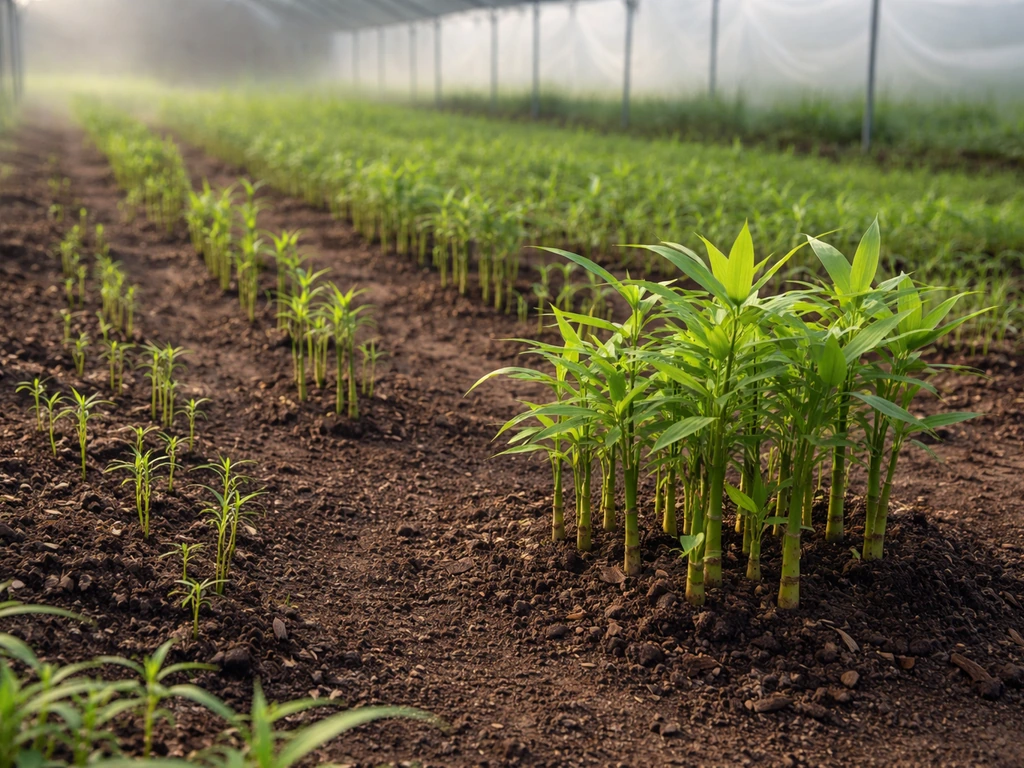
This is the part most people underestimate. Plantations International gives a practical benchmark of 8 to 12 months in the nursery before seedlings are ready for field planting at operational scale. That is just to get to transplant-ready size, not mature size. Once in the ground, bamboo grown from seed typically takes several more years to reach meaningful height and spread, depending on species. Clumping tropical species tend to establish faster than cold-hardy running bamboos, but neither is quick when started from seed rather than division or culm cuttings.
To put this in perspective: if you sow bamboo seeds today in April 2026 under ideal conditions and get germination within 2 weeks, you might have a transplant-ready seedling by early 2027. A genuinely established bamboo clump producing full-height culms could realistically take until 2029 or 2030 depending on species and site conditions. This is a long-term investment, not a season project. Growing other long-lived plants from seed follows a similar logic. For instance, growing a persimmon from seed also requires years of patience before the plant reaches maturity, and bamboo is no different in that respect.
What actually affects how fast bamboo grows from seed
Seed viability is the biggest variable
Bamboo seeds are notoriously short-lived. A peer-reviewed review article on PMC reports that bamboo seeds are short-lived and commonly germinate within about 3 to 7 days, with germination potential that depends on the season Bamboo seeds are notoriously short-lived.. Bamboo Info reports that most species lose viability within one to two months of collection, and that prompt sowing gives the best germination percentage. ICFRE's agroforestry resources state that viability drops drastically after just 3 to 4 months. If you are buying seeds that were collected months ago and stored at room temperature, you may be starting with seriously compromised material. ICFRE recommends sowing seeds immediately after collection whenever possible, or at least using shade-sown fresh seed. This is not a crop where you can let seeds sit in a drawer for a season and expect normal results.
Species makes a real difference
Moso bamboo (Phyllostachys pubescens) is one of the most commonly available bamboo seeds and tends to germinate within 10 days to 4 weeks under good conditions. Tropical clumping species often germinate faster because they do not require cold stratification. Cold-hardy running bamboos can be slower and more temperamental. If you are growing bamboo primarily as a long-lived ornamental feature, you might want to also consider how bonsai grows from seed, since many of the same patience and care principles apply to slow-maturing woody plants.
Temperature, moisture, and humidity
Bamboo seeds germinate best in warm, consistently moist conditions with high humidity around the seed tray. Cool soil slows or stops germination entirely. Most species perform best with soil temperatures between roughly 20 and 30 degrees Celsius (68 to 86 degrees Fahrenheit). Fluctuating temperatures or drying out between waterings will delay germination significantly. This is why controlled indoor setups with a humidity dome or lidded tray consistently outperform outdoor sowing in variable weather.
Best practices to speed up bamboo germination
- Soak seeds before sowing: Hydropriming (soaking seeds in water before sowing) is supported by the ScienceDirect review as a reliable way to promote faster and more uniform germination. Soak seeds overnight or for up to 24 hours in clean water at room temperature before placing them in your germination medium.
- Use a warm, humid setup: Keep a lid on the tray to maintain humidity, and open it twice a week for fresh air. Bamboo-seeds.com specifically recommends this open-and-close venting routine to balance moisture and oxygen.
- Maintain consistent warmth: Aim for soil temperatures of 20 to 30°C. A seedling heat mat under the tray helps stabilize this, especially indoors in spring.
- Use well-draining seed mix: Waterlogged conditions cause root rot and anaerobic failure. Bamboo Info recommends drainage plus partial shade (a shade net is ideal outdoors) during the nursery germination phase.
- Sow fresh seed whenever possible: If you have a choice, sow seeds within a few weeks of collection rather than months later. Viability drops fast.
- Consider scarification for hard-coated species: For any bamboo species with a hard seed coat, a brief hot-water soak (as described in Cooperative Extension guides) or light scarification can help water penetrate and trigger germination more quickly.
These acceleration techniques are well worth applying from day one. Germination in the 3 to 7 day range is achievable with fresh seed, warm temperatures, and proper soaking prep. Without them, you are more likely looking at 3 to 4 weeks or longer, which gives more time for problems to develop.
When germination is slow or not happening: what to check
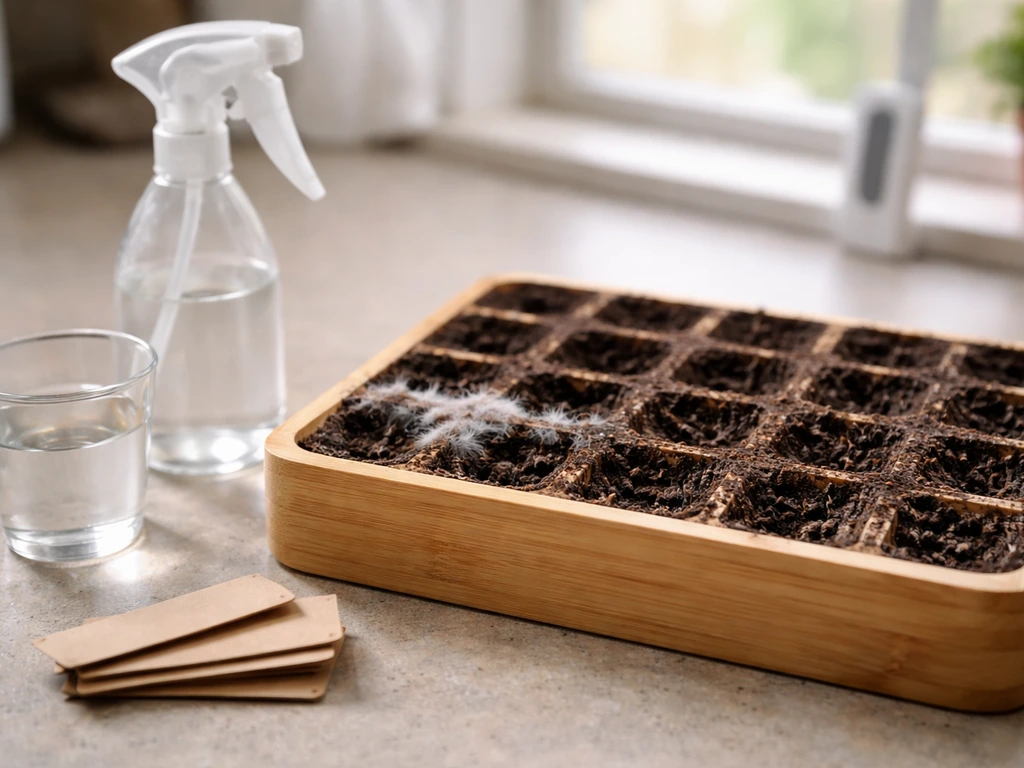
Slow germination is not automatically a sign of failure, but it does warrant investigation. The most common culprits are old or poorly stored seed, temperatures that are too cool, or a mix that is either too wet or drying out between checks. If you are using older seeds, Reddit users also warn that mold or fungal problems can arise when moisture is not managed well during germination blank" rel="noopener noreferrer">mold or fungal issues during germination. If you have been waiting more than 4 to 5 weeks with no sign of germination, it is worth checking all three before deciding to re-sow.
- Mold on the tray: Dilute hydrogen peroxide spray (4 parts water to 1 part 3% peroxide) is a practical fix recommended by The Bamboo Seed. Spray lightly and increase ventilation. Mold does not automatically mean your seeds are dead, but it does mean conditions are too stagnant.
- No germination after 4 weeks: Check your soil temperature first. If it is below 18°C, germination will be very slow regardless of seed quality. Add a heat mat or move the tray somewhere warmer.
- Waterlogged soil: If the medium stays soggy and has no drainage, roots cannot establish even if the seed sprouts. Repot into a mix with better drainage and reduce watering frequency.
- Old or stored seeds: JABSv05 notes that after about eight months in storage, germination rates drop nearly to zero. If your seeds were stored at room temperature for more than 3 to 4 months, re-sowing with fresher material is a better use of your time than waiting longer.
- Uneven germination across the tray: Completely normal. Individual seeds in a batch can germinate a month apart. Keep the conditions going for the whole batch even if some are already sprouting.
If you decide to re-sow, try to source seeds that were harvested recently. Pre-treat them with an overnight soak and, if fungal issues were a problem in the first attempt, Bamboo Info recommends applying a dilute fungicide or biological treatment before sowing to reduce fungal incidence from the start.
Planning your sowing schedule realistically
The best time to sow bamboo seeds is when you can provide consistently warm conditions, either in late spring when indoor temperatures are stable, or year-round under grow lights with a heat mat. In most temperate climates, sowing indoors from March through May gives seedlings the full growing season to establish before any winter stress. If you are in a tropical or subtropical climate, bamboo seeds can be sown almost any time as long as you avoid the hottest, driest period without supplemental irrigation.
For planning purposes: expect 2 to 4 weeks to germination, keep up nursery conditions for 8 to 12 months to reach transplant-ready size, and then plan several more years in the ground before you have mature, productive bamboo. ICFRE’s bamboo propagation PDF also describes blank" rel="noopener noreferrer">seed propagation as a common multiplication method and outlines practical sowing timing and workflow steps. Gardeners used to fast-growing annual crops sometimes find this timeline hard to accept. But it is worth comparing to other notoriously patient crops: growing grapes from seed takes years before fruiting, and growing dates from seed requires a decade or more of patience. Bamboo is actually faster than many of those long-term investments.
If you need plants faster than seed-growing allows, consider sourcing established divisions or container-grown bamboo from a nursery and using your seed project as a parallel experiment. Seeds are inexpensive and the process teaches you a lot about bamboo's growth habits. Just do not plan your privacy screen or erosion-control planting around seed-grown bamboo arriving on a tight schedule.
Bamboo from seed vs. other slow-growing plants
For context, bamboo sits in a middle ground among slow-to-start plants. It germinates much faster than woody trees, but takes far longer than fast vegetables to reach a useful size. If you enjoy growing things from seed over long timelines, you might find a similar rhythm in projects like growing zucchini from seed for the short-season contrast, or a slower parallel project like watching a bean seed develop as a companion in the nursery while your bamboo seedlings establish. Growers who like seeing consistent early progress sometimes find that running a few fast crops alongside a slow bamboo project keeps the gardening momentum going.
The short version for quick reference
| Growth Stage | Realistic Timeline |
|---|---|
| First germination (best conditions) | 3–7 days |
| Typical germination window | 2–4 weeks |
| Full batch germination complete | Up to 4–5 weeks after first sprout |
| First true leaf visible | ~21 days after germination |
| Rhizome development begins | 1–2 months after germination |
| Transplant-ready seedling (nursery) | 8–12 months from sowing |
| Established clump in the ground | 2–5+ years from transplant (species-dependent) |
Bamboo from seed is absolutely doable, but it rewards growers who go in with their eyes open about the timeline. Sow fresh seed, keep conditions warm and humid, do not panic when germination is uneven, and give your seedlings a full year in the nursery before expecting field-ready plants. That combination of patience and good setup is what actually produces results.
FAQ
Why do my bamboo seeds germinate at different times, and is that normal?
Yes. A single batch can stagger by weeks, sometimes close to a month. The practical fix is to keep the tray conditions stable for at least the full germination window (up to 4 weeks after the first sprout) and only discard seeds after that point.
If none sprout by 4 weeks, should I assume the seeds are dead?
Not automatically. Before re-sowing, verify soil temperature (aim for roughly 20 to 30 C), check moisture consistency (never let the mix dry out, but avoid soggy, oxygen-poor media), and consider that very old or room-stored seed often fails even if conditions are right.
How long does bamboo take to become safe to pot up or transplant without stunting?
Treat the timing as a stability issue, not just a calendar one. Wait until seedlings have a healthy shoot plus an active root system, and avoid major disturbance before rhizome or lateral root development begins, which is typically around 1 to 2 months after germination in good nursery conditions.
What happens if I transplant too early from the germination tray?
You often get slow, fragile growth because the plant’s underground development is interrupted. Early transplanting is a common failure point, especially if the container mix dries faster than the tray or if roots are damaged during potting.
Can I speed up bamboo from seed beyond the usual nursery timeframe?
You can sometimes improve speed for germination and early establishment, but you cannot realistically compress the nursery period to “months.” The limiting factor is root system development, so the best you can do is use fresh seed, warm consistent conditions, and avoid setbacks like drying, cold shock, or transplant stress.
Does species choice change how long bamboo takes from seed to maturity?
Yes. Clumping tropical types often establish quicker than cold-hardy running bamboos, and some species also respond differently to seed-age and temperature. If your goal is height and density, choose species that match your climate and intended timeline rather than relying on generic seed-starting expectations.
How long should bamboo seedlings stay indoors or in containers before going outdoors?
Plan for a full growing season of nursery establishment, then move gradually to outdoor conditions. The key is that seedlings should not be exposed to winter cold or prolonged temperature swings before their root network is well established in the container.
Will bamboo grown from seed ever become as productive as bamboo started by division or cuttings?
Seed-grown bamboo can reach full performance, but it usually takes longer to get there because it starts with a small root system and must build rhizome and culm potential from scratch. Divisions or culm cuttings typically shorten the timeline to an established clump.
How long do I need to keep seeds in moisture and humidity before I give up?
Maintain humid, consistently moist conditions throughout the entire germination window for your seed batch. Because not all seeds germinate together, stopping early (for example, removing the humidity dome at the first sign of slow growth) can delay or prevent the later-germinating seeds from emerging.
Are there clear signs that germination is happening even if I do not see sprouts yet?
Yes. In the early phase, the first growth is often below the surface as the taproot develops, so you may not see much above soil until later. If the seed tray conditions have been stable and time has passed, the plant may still be progressing underground even before a visible leaf appears.
Next Article
How Long Does It Take to Grow Chrysanthemums from Seeds
Timeline for growing mums from seeds: sowing to germination, transplant readiness, flowering and maturity, plus key vari