Comfrey takes about 14 to 21 days to germinate from seed under good conditions, but here's the catch: without cold stratification, many seeds will sit in the soil doing nothing for weeks or even fail entirely. Once germinated, seedlings become established enough to manage in roughly 6 to 10 weeks, and plants are ready for a first light harvest around 3 to 4 months after sowing. Full, reliable regrowth cycles begin in year two. That's the honest timeline, and everything below will help you hit it.
How Long Does Comfrey Take to Grow From Seed?
Marcus Henley
21 Apr 2026
Quick answer: comfrey from seed to harvest, step by step
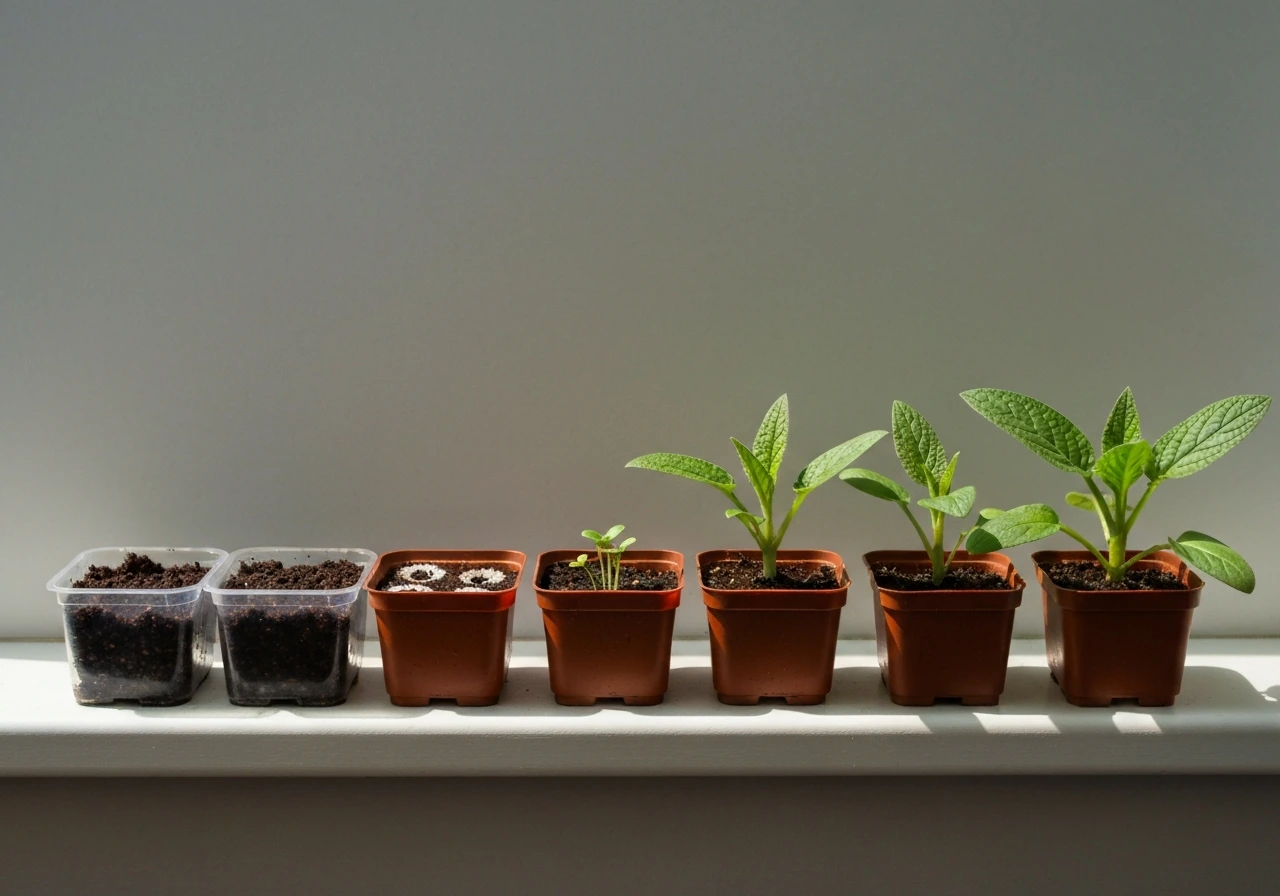
| Growth Stage | Expected Timeframe | Notes |
|---|---|---|
| Cold stratification (if needed) | 4 to 6 weeks before sowing | Refrigerate seeds in moist medium at around 41°F (5°C) |
| Germination | 14 to 21 days after sowing | Requires soil temps of 60 to 70°F; irregular without cold prep |
| Seedlings 2 to 3 inches tall | 4 to 6 weeks after sowing | Thin or transplant at this stage |
| Established seedlings | 6 to 10 weeks after sowing | Roots developing; plant managing on its own |
| First light harvest | 3 to 4 months after sowing | Cut lightly; leave plenty of foliage to recover |
| Full productive maturity | Year 2 and beyond | Regrowth cycles of 10 to 30 days per cutting once established |
These timelines assume spring sowing with stratification already done. Skip the cold treatment and your results will be slower and patchier, which is the number one reason people think comfrey seed is difficult. It's not difficult, it just has a specific requirement that most seed packets don't explain clearly.
Germination time and what actually changes it
Under ideal conditions, comfrey (Symphytum officinale) germinates in 14 to 21 days. Earthcare Seeds puts the sweet spot at 60 to 70°F (15 to 21°C) soil temperature, and that range is consistent with what I've seen work reliably. Below 60°F, germination drags out and becomes irregular. Above 75°F or so, you can actually suppress it. Moderate warmth is the goal, not heat.
The bigger variable is cold stratification. Comfrey seeds have a dormancy requirement, meaning they are wired to expect winter before they'll sprout. Benjis Seeds describes the need for exposure to cold around 0°C (32°F) for 5 to 6 weeks. Magic Garden Seeds uses a two-phase approach: a warm period of about 2 to 4 weeks at roughly 20°C (68°F), followed by cold chilling at around 5°C (41°F) for 5 to 6 weeks, then back to warmth to trigger sprouting. Grow Organic recommends a simpler version: just 4 to 6 weeks of cold, moist refrigeration before sowing. Any of these approaches works. What doesn't work well is sowing fresh, unstratified seed in spring and expecting textbook 14-to-21-day germination.
Beyond temperature and stratification, a few other factors matter a lot. Sowing depth should be around 1/4 inch (0.5 cm), lightly covered with seed-starting mix. Too deep and seedlings can't push through; too shallow and the seed dries out. Seed viability drops with age, so older or poorly stored seed will show lower and more irregular germination rates. Soil moisture needs to stay consistent throughout germination: not waterlogged, not dry. And if you're using garden soil rather than a light seed-starting mix, crusted or compacted soil can physically block emergence even after germination has begun.
When seedlings become established
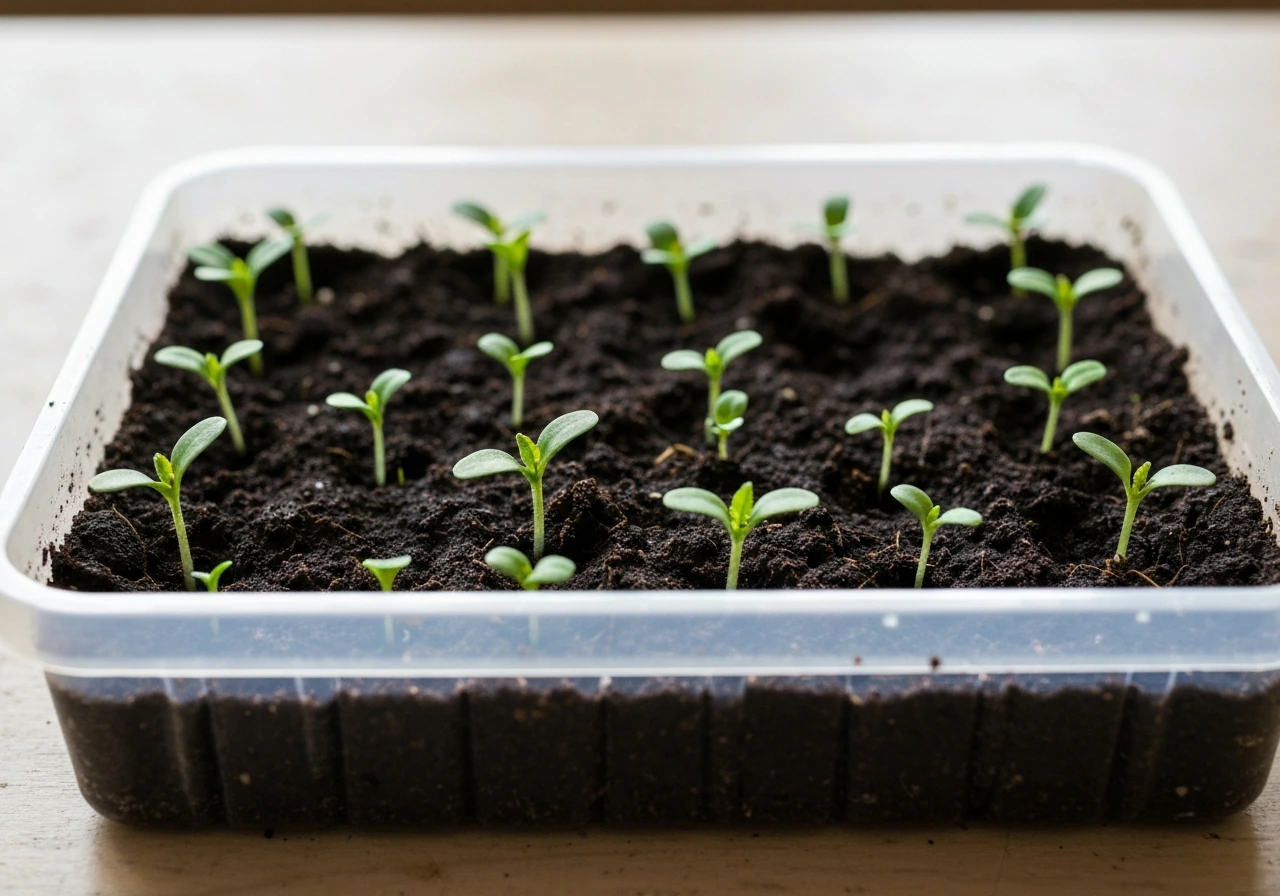
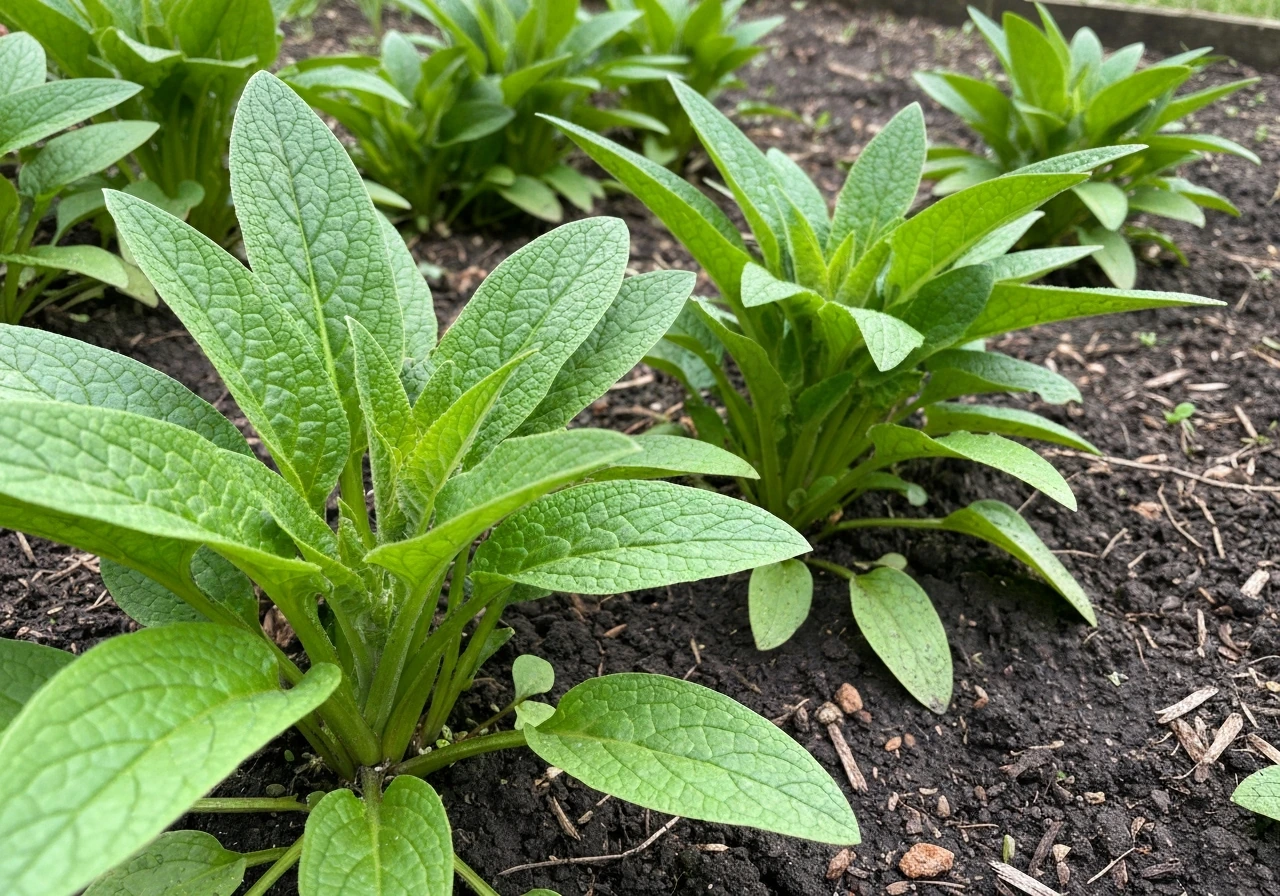
Once you see sprouts, comfrey moves at a moderate pace. The Almanac recommends thinning seedlings when they reach 2 to 3 inches tall, which typically happens 4 to 6 weeks after germination. At that stage, they're small but identifiable and strong enough to handle light handling or transplanting.
True establishment, meaning the plant has a developing root system and can manage without constant attention, comes closer to 6 to 10 weeks from sowing. Corn typically takes about 60 to 100 days from planting to harvest, depending on the variety and growing conditions 6 to 10 weeks from sowing. This is when comfrey starts doing what it's famous for: pushing roots down and putting on foliage quickly. You'll notice the growth rate accelerating noticeably during this window. If you started indoors (which OutsidePride recommends doing 6 to 8 weeks before your last frost date), plants transplanted to the garden at this stage usually settle in well and take off.
One thing worth knowing: seedlings grown from seed are a bit slower to establish than plants grown from root cuttings or crowns, which is why many commercial growers propagate comfrey vegetatively. That doesn't mean seed-grown comfrey isn't worth it, it just means you should plan for a slightly slower first season compared to root-propagated plants.
From seedling to full size: what 'harvest-ready' really means
Comfrey Shop recommends waiting about 3 to 4 months from planting before taking a first light harvest. That timeline lines up with spring sowing and a late-summer first cut, which is realistic. For first-year plants, the advice across most sources is consistent: harvest lightly, leave plenty of foliage, and don't stress the plant. Garden Organic suggests only one cut in late spring during the first year, then leaving the plant to recover through to the following season.
Comfrey Shop also recommends using plant height as your harvest trigger. When plants reach roughly 18 to 24 inches tall, they're ready to cut. Removing flower stalks during the first year is worth doing too, since it redirects energy into leaf and root development rather than seed production.
By year two, comfrey really hits its stride. Once the root system is deep and established, regrowth after cutting can happen in as little as 10 to 30 days depending on conditions, according to Coe's Comfrey. Multiple cuts per season become possible, and the plant becomes much more forgiving. Think of year one as the investment and year two as when you start collecting the returns.
How to speed up growth (and what slows it down)
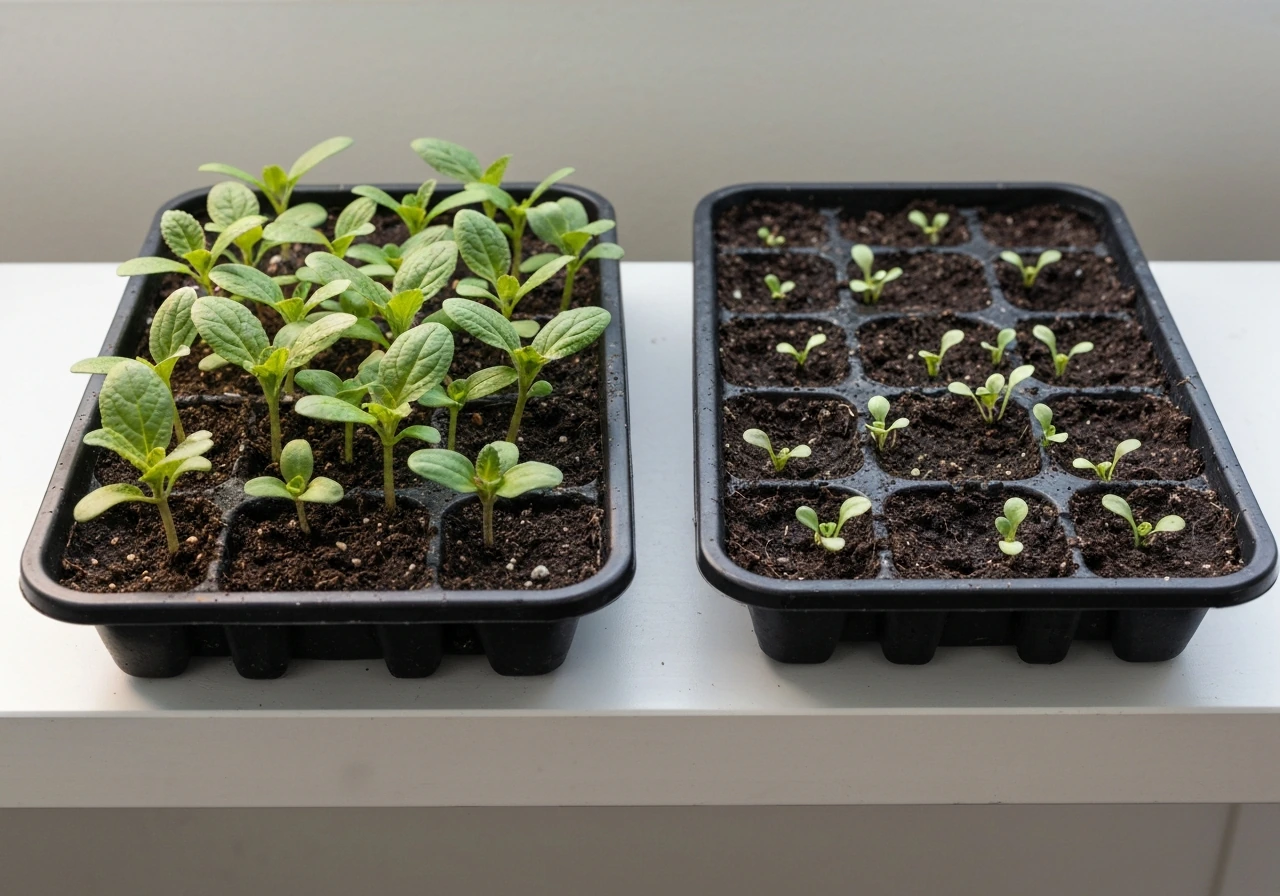
Things that help comfrey grow faster
- Stratify seeds before sowing: 4 to 6 weeks in a sealed bag with moist peat moss or a paper towel in the fridge at around 41°F (5°C). This is the single biggest lever you have.
- Start indoors 6 to 8 weeks before your last frost date. Controlled warmth and moisture give seeds the best germination environment.
- Use a quality seed-starting mix, not garden soil. It holds moisture evenly, drains well, and won't crust over.
- Keep soil temperature in the 60 to 70°F (15 to 21°C) range. A seedling heat mat is helpful for early indoor starts.
- Sow at the right depth: about 1/4 inch deep, lightly covered. Don't bury seeds deeper than 1/2 inch.
- Water gently and consistently. Soil should stay moist but never soggy. Uneven moisture stalls germination.
- Use fresh seed from a reputable source. Comfrey seed viability declines with age and poor storage.
Common reasons comfrey is slow or fails
- No cold stratification: the most common reason for poor germination, especially with spring-sown seed that was stored and never chilled.
- Cold soil at sowing time: soil below 55°F slows germination significantly and increases the chance of seed rot.
- Sowing too deep: anything beyond 1/2 inch makes it hard for seedlings to emerge.
- Inconsistent watering: letting the seed bed dry out even once during germination can kill developing seedlings.
- Old or poorly stored seed: viability drops fast. Seed kept in a warm, humid spot will underperform badly.
- Crusted or heavy soil: a compacted surface physically blocks emergence even when the seed has germinated below.
- Damping off: a fungal issue common in overly wet indoor starts. Using sterilized seed-starting mix and not overwatering prevents it.
Spring vs fall sowing: what to expect from each
Spring is the most common time to start comfrey from seed, and it works well if you've stratified seeds in advance. The goal is to get seeds in the ground or into pots once soil temperatures are consistently above 60°F and frost risk has passed. OutsidePride recommends starting indoors about 6 to 8 weeks before the end of frost season, which gives you a jump on the season and lets you transplant established seedlings rather than nursing direct-sown seed through unpredictable spring weather. For region-specific timing, Almanac’s planting calendar recommends start dates that reflect local last-frost patterns and can include guidance to start seeds indoors for a head start.
Fall sowing is actually a very natural fit for comfrey because the seeds get their cold stratification requirement met by winter naturally. Sow in late fall before the ground freezes, and seeds will sit through winter and germinate in spring without any intervention from you. Germination timing will be irregular since you can't control when soil temperature hits the right window, but the overall success rate can be good and the whole process is hands-off. The trade-off is that you're waiting until the following spring to see anything, so fall sowing is a patience play.
If you're in a mild-winter climate where soil rarely stays cold long enough, fall sowing won't provide adequate stratification. In that case, artificial fridge stratification before a spring sow is your best option.
Troubleshooting when comfrey isn't germinating
If it's been 4 weeks and nothing has happened, don't give up. Hampshire Seed Company specifically notes that if germination hasn't occurred after about 4 weeks, the right move is to cold stratify for a few weeks and then return the seeds to warm conditions. That's not a failure, it's just a reset. Seeds that haven't had enough cold will often respond once they get it, even after the fact.
Here's a quick checklist to work through if you're troubleshooting a stalled comfrey sow:
- Check your soil temperature. If it's below 60°F, germination will be very slow or won't happen. A cheap soil thermometer fixes this guessing game.
- Ask yourself if these seeds were stratified. If not, move the pot or seed tray to the fridge in a sealed bag with slightly moist mix for 4 to 6 weeks, then bring back to warmth.
- Check your sowing depth. If you planted deeper than 1/2 inch, you may need to re-sow at a shallower depth.
- Assess moisture. Dig gently near a few seeds. Is the soil bone dry? Is it waterlogged? Either extreme stops germination cold.
- Consider seed age and source. If you're working with old seed or seed stored in warm/humid conditions, low germination rates may just reflect poor viability. Fresh seed from a reliable supplier is worth the investment.
- Look for crust or compaction at the soil surface. Even if seeds germinate, a hard crust can prevent emergence. Break it up gently and keep the surface moist.
- If you're starting indoors, check for damping off: seedlings that sprout and then collapse at the soil line. This is a fungal issue caused by overwatering and poor airflow. Reduce watering frequency and add a small fan for circulation.
The irregular germination behavior of comfrey is well documented, and it's worth knowing that even under good conditions, seeds in the same batch may sprout over a span of several weeks rather than all at once. That's normal. Don't pull a seed tray just because half the seeds haven't appeared yet.
Indoor vs direct sowing: which is better for comfrey?
For most home gardeners, starting comfrey indoors gives you better control and a faster path to established plants. You control temperature, moisture, and depth, and you can give seeds the warm conditions they need after stratification without depending on unpredictable spring soil. Transplanting a 6 to 8 week old seedling into the garden means the plant hits the growing season with a head start.
Direct sowing works fine too, especially for fall planting or in climates with reliable warm springs. Sow at about 1/4 inch deep in a prepared bed, keep the surface moist, and be patient. The main risk with direct sowing in spring is that soil temperature may lag behind air temperature, keeping germination slow or erratic. If you're direct sowing in spring, wait until soil is genuinely warm, not just frost-free.
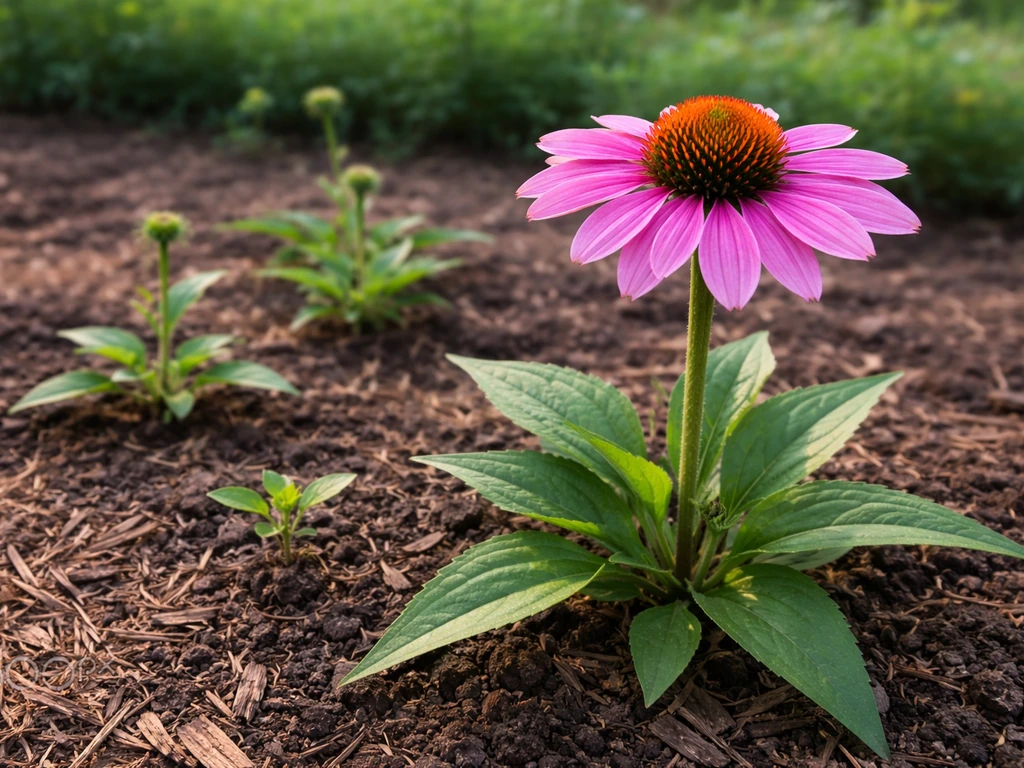
It's also worth noting that comfrey is often compared to other long-season perennial herbs and flowers when it comes to starting from seed. Like coneflowers and cornflowers, which also benefit from cold stratification and patience in year one, comfrey rewards growers who set realistic expectations for the first season and plan for a bigger payoff from year two onward. Coneflowers also take time and often benefit from cold stratification, so plan on a longer first-season timeline when starting from seed Like coneflowers. Cornflowers have their own growth timeline too, so it helps to plan around typical germination and early seedling establishment from seed.
What to expect in year one vs year two and beyond
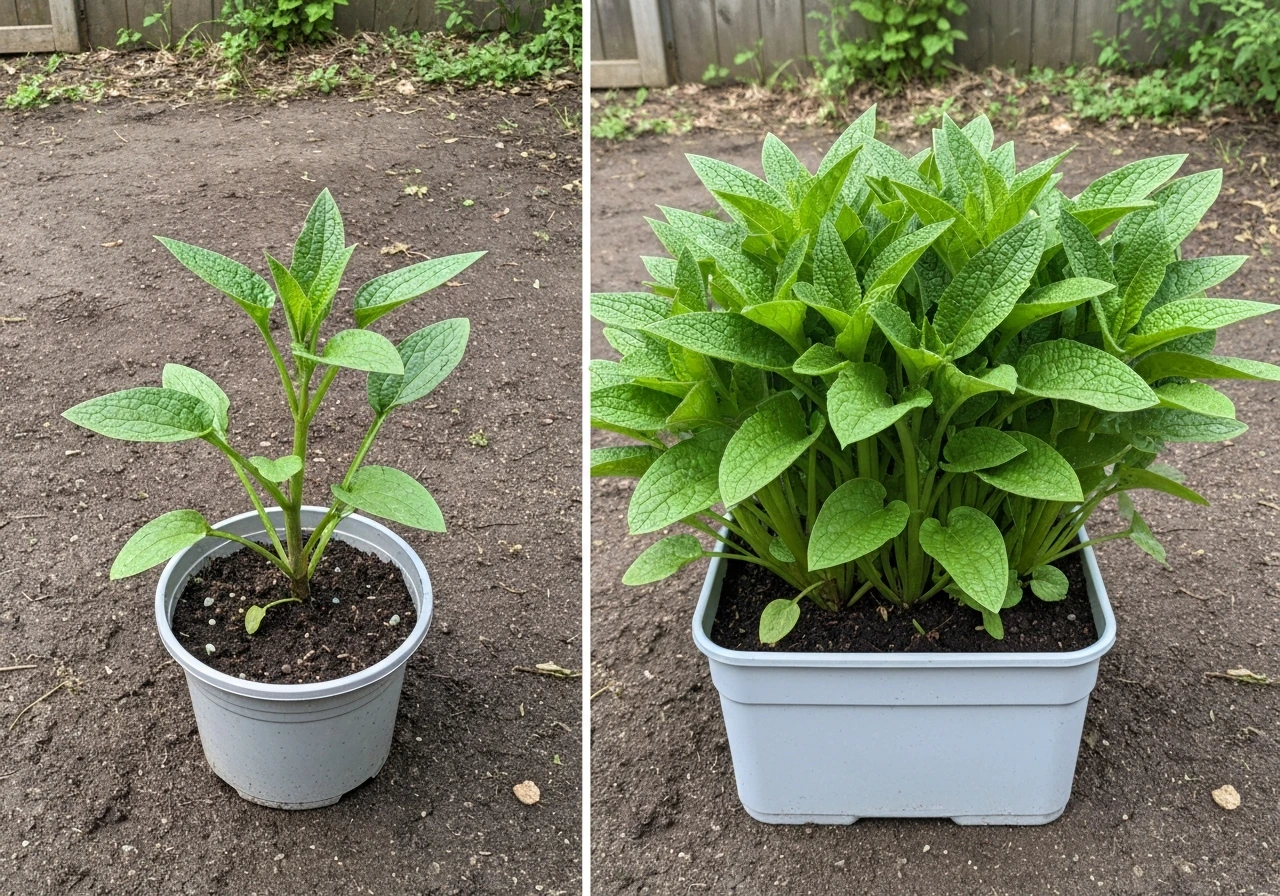
Year one from seed is about establishment, not productivity. You'll get foliage, probably one light harvest around the 3 to 4 month mark, and a developing root system that will carry the plant through its first winter. Don't over-harvest, don't let the plant run to seed if you want foliage output, and water consistently especially during dry spells to help roots go deep. Grow Organic recommends regular watering throughout the first year specifically to encourage that deep root development.
Year two is when comfrey becomes the productive plant people talk about. The root system is deep, regrowth after cutting is fast (10 to 30 days depending on conditions), and you can take multiple harvests per season. Plants can reach 3 to 5 feet tall in a good growing season and will come back reliably year after year. That long-term payoff is exactly why getting the seed-starting process right in year one is worth the effort.
FAQ
Can I grow comfrey from seed, or is it only good from root cuttings?
Yes, comfrey can be grown from seed, but the first cutting schedule is usually slower and lighter than plants started from root cuttings or crowns. Plan on 3 to 4 months for a first light harvest, and treat year one as root and foliage establishment rather than maximizing yield.
What should I do if my comfrey seeds have not sprouted after 4 weeks?
If it has been about 4 weeks with no sprouts, don’t assume the seed is bad. The practical move is to apply the correct cold, moist stratification for a few weeks, then move back to warm conditions (rather than extending warm waiting indefinitely).
When people say comfrey takes a long time, are they talking about germination or establishment?
Timing is different for germination versus usable growth. Germination is typically 14 to 21 days once stratification and temperatures are right, but seedlings usually need about 6 to 10 weeks to become established enough to manage with less fuss.
If I direct sow in spring, when is it actually warm enough for comfrey seeds?
For direct sowing in spring, the biggest cause of slow germination is soil that is still too cool. Wait until soil temperatures are consistently above about 60°F (15 to 21°C), not just until frost risk has passed.
Why are my comfrey seeds sprouting at different times, and should I remove “failed” ones?
If you see uneven sprouting, it’s often normal for comfrey to sprout over a window of several weeks. Avoid clearing the tray early, because pulling everything before the final wave can permanently reduce your stand.
How deep should comfrey seeds be planted?
Aim for about 1/4 inch (0.5 cm) depth. Deeper planting delays or prevents emergence, and very shallow sowing can dry out quickly, especially in trays or crusty beds.
How do I water comfrey seeds during germination without causing problems?
Keep moisture consistent during germination, lightly moist rather than soaked. Waterlogged soil can reduce oxygen around the seed, while drying out even briefly can reset germination or prevent it entirely.
When should I thin comfrey seedlings?
Yes. Comfrey seedlings can be thinned when they reach around 2 to 3 inches tall, typically 4 to 6 weeks after germination, which gives remaining plants enough room to form stronger roots and foliage.
Will fall sowing work in a mild-winter climate?
In mild-winter climates, fall sowing may not provide enough cold exposure because the ground may not stay cold long enough. If winter warmth is the issue, use fridge stratification before spring sowing.
Why do I only get one small harvest in the first year from seed?
Comfrey year one is mainly establishment, so you’ll likely only get one light harvest around 3 to 4 months, plus slower regrowth afterward. Multiple harvests and faster regrowth are more dependable starting in year two.
How do I know when my first comfrey cut is ready?
Use plant height as a simple trigger for the first light cut, around 18 to 24 inches tall. Also avoid letting the plant go to seed in year one if your goal is leaf and root growth.
If germination is slow but seeds look viable, should I restart or keep troubleshooting?
Even if the timeline seems slow, comfrey can still catch up once conditions improve. If you performed stratification correctly but germination was delayed, focus on consistent moisture, correct depth, and stable warm temps rather than replanting everything right away.
Next Article
How Long Do Coneflowers Take to Grow From Seed?
Timelines for coneflowers from seed: germination, seedling size, and first blooms plus factors and fixes for slow growth