Portulaca seeds typically germinate in 7 to 14 days when soil is warm, with the first tiny root emerging as early as 2 to 3 days after sowing under ideal conditions. From there, seedlings are ready to thin or carefully transplant around 3 to 4 weeks after germination, and most plants hit their peak flowering display 8 to 10 weeks from seed. So if you sow today in warm weather, expect real blooms in about two to two and a half months.
How Long Does It Take to Grow Portulaca From Seed?
Marcus Henley
24 May 2026
Typical timeline from sowing to germination
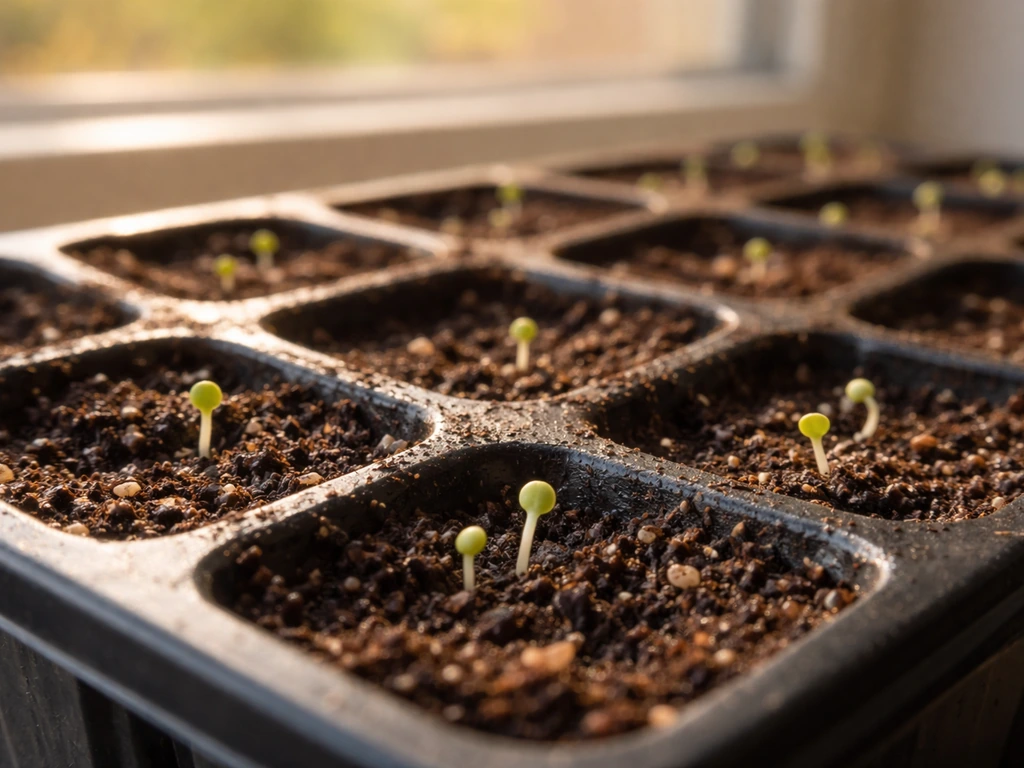
Under warm conditions, portulaca is genuinely one of the faster-germinating annuals you can grow. The radicle (the first root) can push out as early as 2 to 3 days after sowing when soil temperatures are consistently in the 75 to 85°F (24 to 29°C) range. Visible green sprouts usually show up a few days after that, so you can realistically expect to see something happening within a week. In cooler soil, or if temperatures dip at night, that window stretches to 14 days, sometimes a little longer. If nothing has appeared by day 14 to 16, that's your signal to investigate.
The ideal germination temperature range is 70 to 85°F (21 to 29°C). Below 65°F, germination slows dramatically and seeds can just sit dormant. This is the single biggest variable in portulaca timing, and it's why growers in cooler climates who rush the season often feel like their seeds "aren't working" when really the soil just isn't warm enough yet.
| Soil Temperature | Expected Germination Window | Notes |
|---|---|---|
| Below 65°F (18°C) | Very slow or none | Seeds may rot before sprouting |
| 65–70°F (18–21°C) | 14–21 days | Inconsistent, patchy germination |
| 70–75°F (21–24°C) | 10–14 days | Reliable but not fastest |
| 75–85°F (24–29°C) | 5–10 days | Ideal range, best results |
| Above 90°F (32°C) | May stall | Excessive heat can inhibit sprouting |
Seedling stage to first transplanting or flowering
Once those tiny sprouts appear, portulaca seedlings grow pretty quickly in warm, sunny conditions. The first true leaves (not the seed leaves) show up around 10 to 14 days after germination. At 3 to 4 weeks post-germination, seedlings are roughly half an inch to an inch tall and sturdy enough to thin in place or very gently transplant if you started them in a tray. I always handle portulaca seedlings at this stage with more patience than I think I need. They're delicate, and they hate having their roots disturbed.
First flower buds usually appear around 6 weeks after germination when conditions are warm and sunny. You can realistically expect the first open blooms between weeks 6 and 8, with the plant filling out into a real show by weeks 8 to 10. If you started indoors and transplanted out into hot, sunny conditions, things can move even faster once the plant settles in.
Full maturity timing for different portulaca uses
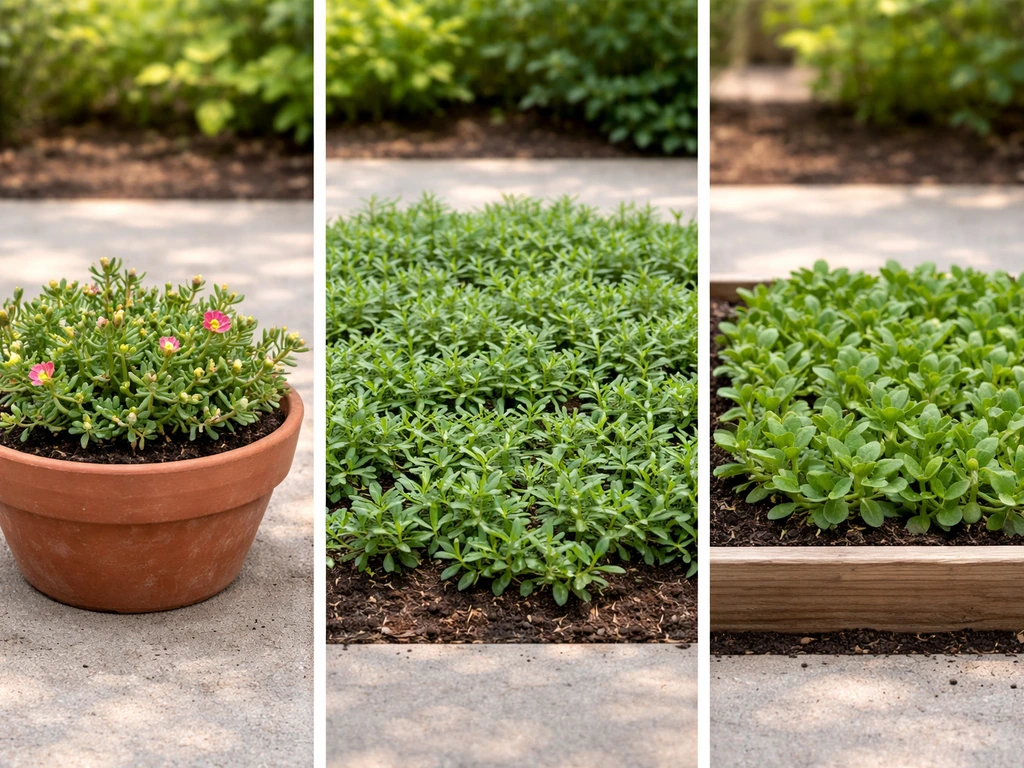
What "mature" means for portulaca depends on what you're growing it for, and the timelines shift a bit depending on your goal.
- Ornamental container blooms: First flowers open at 6 to 8 weeks from seed, with peak bloom density around weeks 8 to 10. Plants continue blooming all summer with deadheading or in self-cleaning varieties.
- Ground cover or mass planting: Individual plants spread 12 to 18 inches wide by mid-summer when started in late spring. Full coverage of a bed typically happens 10 to 14 weeks from sowing, depending on spacing and variety.
- Rock garden or border filler: Plants are filling their space and looking intentional by weeks 8 to 12, especially in fast-draining, lean soil where portulaca really thrives.
- Edible use (purslane types): Portulaca oleracea grown for greens is ready to harvest young leaves at 4 to 6 weeks from sowing, long before flowering.
One thing worth knowing: portulaca flowers close at night and on cloudy days. First-time growers sometimes think their plants have stopped blooming when the weather turns overcast. It's completely normal. The plant is just doing what it does.
Factors that speed up or slow down germination
Temperature is the biggest lever, but it's not the only one. Here's what actually moves the needle:
- Soil temperature: As covered above, anything below 65°F is working against you. A heat mat set to 75–80°F indoors speeds germination reliably.
- Light: Portulaca seeds need light to germinate. Covering them with soil is one of the most common reasons germination fails entirely. The seeds should sit on the soil surface or have only the thinnest possible contact with growing medium.
- Moisture: Soil needs to stay lightly moist but not wet. Portulaca seeds are tiny and can be washed away or rot quickly if overwatered. Misting is better than pouring.
- Seed freshness: Old seed (more than 2 years) germinates poorly. If you're using seed from a packet that's been sitting in a hot garage, expect lower rates.
- Seed-to-soil contact: The seeds need to be pressed lightly against the soil surface. Just scattering them and walking away often leads to patchy results because some seeds dry out before they can root.
- Air circulation: Stagnant, humid air encourages damping off in seedlings. A small fan on a low setting helps indoors.
- Direct sun after sprouting: Portulaca seedlings need full sun. In low-light conditions indoors, they get leggy fast and don't develop well.
How to sow portulaca for the best germination rate
The technique here really does matter more than it does for a lot of other seeds. Because portulaca needs light to germinate and the seeds are so fine, small mistakes in sowing make a big difference in what comes up.
- Start with a fine-textured, well-draining seed-starting mix or a sandy, lean outdoor bed. Rich, moisture-retentive soil works against portulaca at every stage.
- Moisten the medium before sowing, not after. You want the soil damp but not wet when seeds go on.
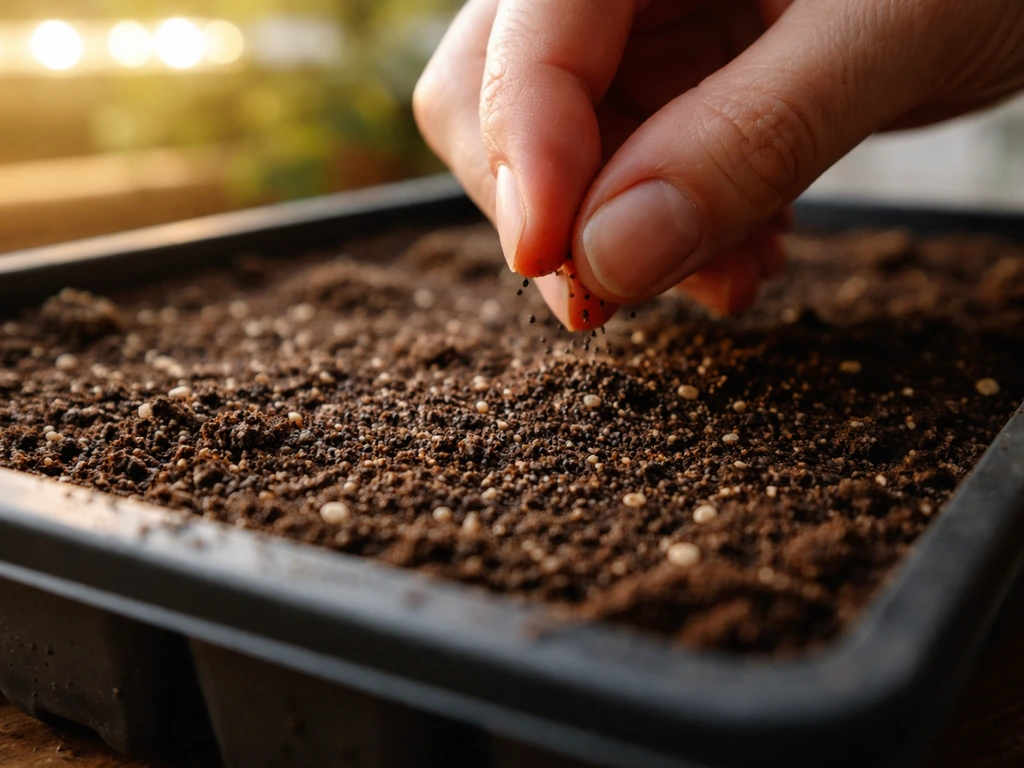
- Scatter seeds on the surface and gently press them in with a flat board or your fingertips. Do not cover them with soil.
- If you want to keep seeds from blowing or washing away, a very thin dusting of vermiculite (not soil, not perlite) is acceptable. Just enough to hold them in place, not enough to block light.
- Place in a spot with bright light or under grow lights. Keep soil temperature at 75–85°F, using a heat mat indoors if needed.
- Mist to keep the surface from drying out, but let the medium dry slightly between waterings. A humidity dome helps for the first few days without trapping excess moisture.
- Expect to see first sprouts in 5 to 10 days under ideal conditions. Remove the humidity dome once sprouts appear.
One trick that works well for outdoor direct sowing: mix the tiny seeds with a small amount of dry sand before broadcasting. It helps distribute them more evenly and makes it easier to see where you've sown.
When to start indoors vs direct sow outdoors
Whether you start indoors or direct sow comes down to your climate and how impatient you are. Portulaca is a heat-lover that genuinely does not want to be in the ground until both air and soil are reliably warm.
For direct sowing outdoors: blank" rel="noopener noreferrer">wait until soil temperature is at least 75°F and all frost risk is gone. The Royal Horticultural Society also recommends sowing Portulaca grandiflora in mid-spring at about 13 to 18°C and planting out after frosts blank" rel="noopener noreferrer">wait until soil temperature is at least 75°F and all frost risk is gone. In most of the US, that's late May through early June in cooler zones, and April or earlier in warm zones like the Southeast or Southwest. Direct sowing is perfectly fine if you're not in a rush and your summers are long. Portulaca self-seeds readily, so once you grow it in a spot, it tends to come back on its own in subsequent years.
For starting indoors: begin 6 to 8 weeks before your last expected frost date, with the plan to transplant out once soil is warm and settled. Keep in mind that portulaca seedlings don't love being transplanted, so use individual cells or small peat pots to minimize root disturbance. Harden off seedlings over 7 to 10 days before moving them outside permanently.
If you're in a cooler climate where summer is short, starting indoors gives you a meaningful head start. In warmer zones with a long warm season, direct sowing is simpler and portulaca usually catches up quickly anyway. Unlike slower-growing flowers (columbine, for instance, which can take well over a year from seed to first bloom), portulaca moves fast enough that direct sowing rarely puts you at a real disadvantage in a temperate climate. Collards are slower than portulaca, so you may need to plan for additional time from sowing to harvest when growing them from seed columbine.
| Method | Best for | When to sow | Transplant risk |
|---|---|---|---|
| Direct sow outdoors | Warm climates, long summers, self-seeding goals | When soil hits 75°F | None |
| Start indoors | Cool climates, short seasons, container use | 6–8 weeks before last frost | Moderate (handle gently) |
Troubleshooting slow or failed germination
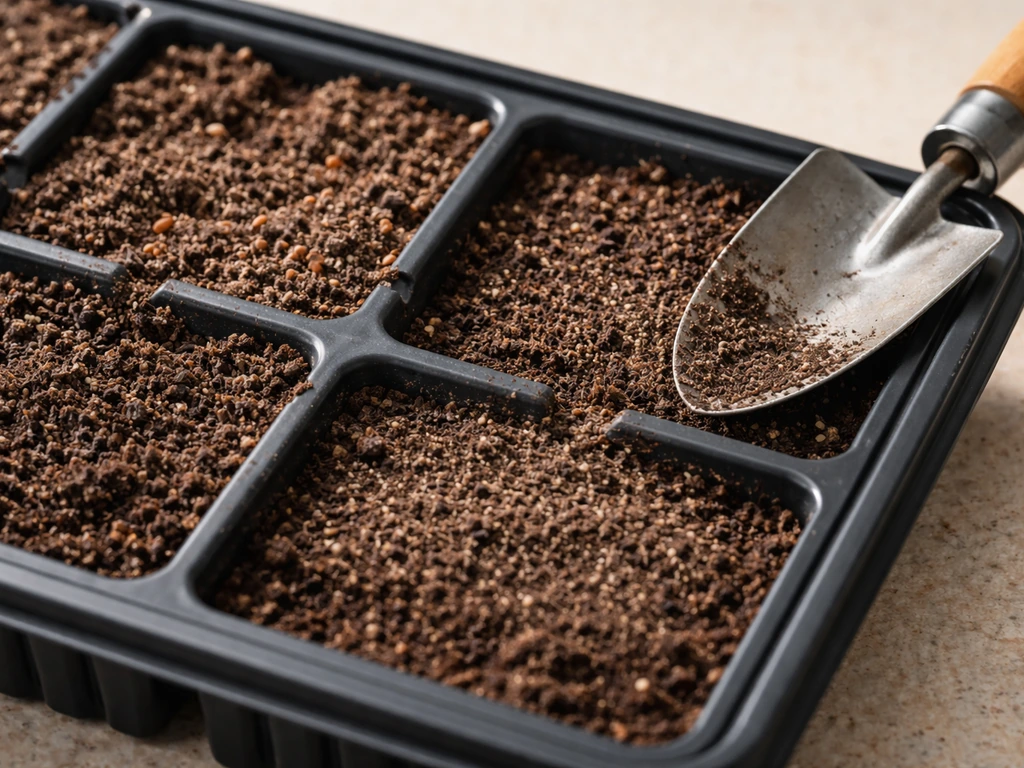
If your portulaca seeds haven't sprouted by day 14 to 16 under what you think are good conditions, work through this checklist before giving up or re-sowing.
- Soil temperature too cold: This is the most common culprit. Check actual soil temp with a thermometer, not just air temp. Nighttime drops matter.
- Seeds were covered too deeply: Even a thin layer of soil can block enough light to prevent germination. Dig gently and look. If seeds are buried more than 1/8 inch, they may never come up.
- Overwatering: Tiny portulaca seeds and seedlings rot fast in soggy soil. If the medium smells musty or stays wet for days, drainage is the problem.
- Insufficient light: Seeds on a windowsill in a north-facing room won't germinate well. Move to a bright south-facing window or under a grow light 2 to 3 inches away.
- Old or low-quality seed: If your germination rate is very low across many seeds, seed viability is suspect. Try a paper towel test: put 10 seeds on a damp towel in a warm spot and check in a week.
- Soil dried out: If the surface dried out completely even once before germination, those seeds may be lost. Portulaca seeds need consistent surface moisture during the critical first few days.
- Wrong species expectation: Portulaca oleracea (common purslane) and P. grandiflora (moss rose) have similar needs, but P. oleracea germinates even faster and more aggressively. If you're growing the wrong species for your goal, results will feel off.
If you've checked all of the above and still nothing has happened past 3 weeks, re-sow. It's faster to start over with fresh seed and correct conditions than to keep waiting. Portulaca grows quickly enough that a re-sow in late spring or early summer still gives you a full season of blooms. The good news: once the conditions are right, this plant rewards you fast. Compared to slower flowers that take months just to establish, portulaca is one of the most satisfying seeds to grow exactly because the payoff comes so quickly.
FAQ
How long does it take portulaca to germinate if I’m not getting warm soil temperatures?
If soil stays below about 65°F (21°C), germination can slow dramatically or stall. In that situation seeds may sit for 2 to 4 weeks without sprouting, so timing targets assume consistent warmth, ideally 70 to 85°F (21 to 29°C).
Do portulaca seeds need light to sprout, and what if I covered them?
Yes, portulaca needs light to germinate. If you cover the fine seeds too deeply (even slightly), germination can fail entirely or be much slower, which is one of the most common reasons people think their seed “isn’t working.”
How deep should I plant portulaca seeds so they sprout on time?
Plant them essentially on the surface. A light dusting of soil or a very shallow press into the medium is usually enough, but avoid burying them, since depth reduces light and delays or prevents germination.
My portulaca sprouted, but it’s slow getting true leaves. Is that normal?
It can be. True leaves typically appear around 10 to 14 days after germination, and warm, sunny conditions speed growth. If sprouts are present but leaves lag, the usual culprits are cooler nighttime temperatures, low light, or letting the medium dry out between waterings.
Should I thin portulaca right away, and does thinning affect how long it takes to bloom?
Thin at about 3 to 4 weeks after germination when seedlings are sturdy enough, then avoid disturbing roots as much as possible. Proper spacing helps plants flower on schedule, but heavy or rough handling can set growth back slightly because seedlings resent root disturbance.
How fast can I expect first blooms if I direct sow outdoors?
First buds commonly show up around 6 weeks after germination, with open flowers roughly between weeks 6 and 8. The fastest schedules happen when germination starts in warm soil and plants get steady sun once they emerge.
Why are my portulaca flowers not open during cloudy weather or at night?
Portulaca flowers naturally close at night and on cloudy or overcast days. This is normal behavior, so don’t treat it as a sign the plants stopped flowering.
What should I do if nothing sprouts by day 14 to 16?
Use a quick diagnostic first: check soil temperature (are you below 65°F?), confirm the seeds were on the surface (light access), and verify moisture is consistent (not waterlogged, not fully dry). If conditions were truly suitable and there is still no sprouting after about 2 to 3 weeks, re-sowing with fresh seed is usually faster than waiting longer.
If I re-sow, will I still get flowers in the same season?
Usually yes, as long as you re-sow in time for warm weather. Portulaca’s payoff is quick once conditions are right, so restarting in late spring or early summer often still produces a full season of blooms.
Is starting indoors always better in cooler climates?
Starting indoors can help you beat the short-summer problem, especially when outdoor soil rarely reaches germination temperatures. However, because seedlings are sensitive to root disturbance, using individual cells or small peat pots and transplanting carefully matters a lot for keeping timing on track.
Next Article
How Long Does the Seed of Memories Take to Grow?
Get a realistic timeline for how long the seed of memories takes to grow, from germination to maturity and fixes.