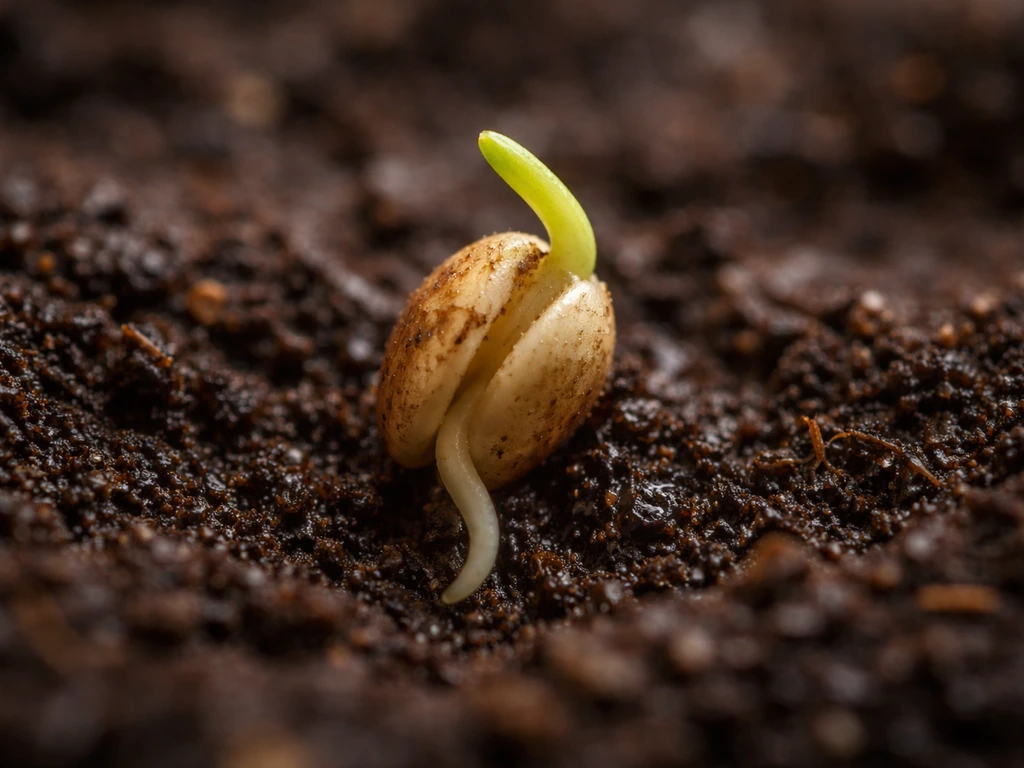
Pechay seeds typically germinate in 3 to 10 days under good conditions, with the sweet spot being around 5 to 7 days when soil temperature sits between 65°F and 75°F (18–24°C) and moisture is consistent. In warmer tropical conditions (which is where most pechay is grown in the Philippines and Southeast Asia), you'll often see the first tiny sprouts peeking through in as little as 3 to 5 days. From there, seedlings are usually ready to transplant within 10 to 14 days after germination, and you can expect to harvest baby leaves in about 30 to 35 days from sowing, or a full semi-mature head in 45 to 70 days depending on the variety.
How Many Days Pechay Seeds Grow Germination to Harvest
Marcus Henley
22 May 2026
What 'growth' actually means: germination vs. seedling vs. harvest
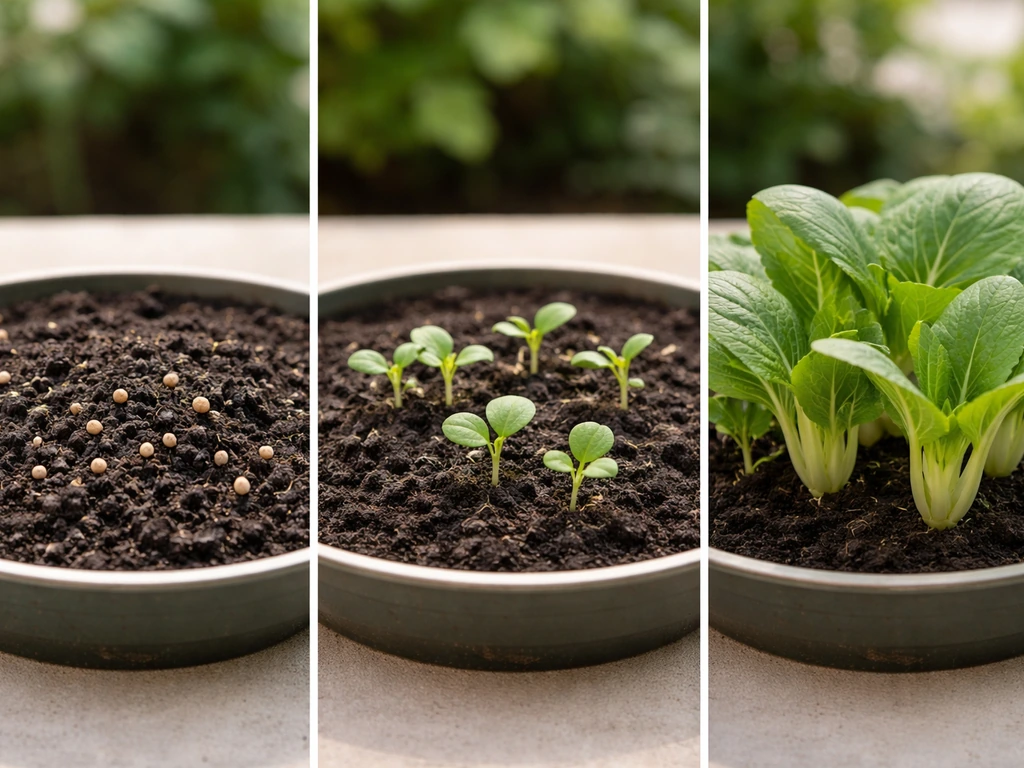
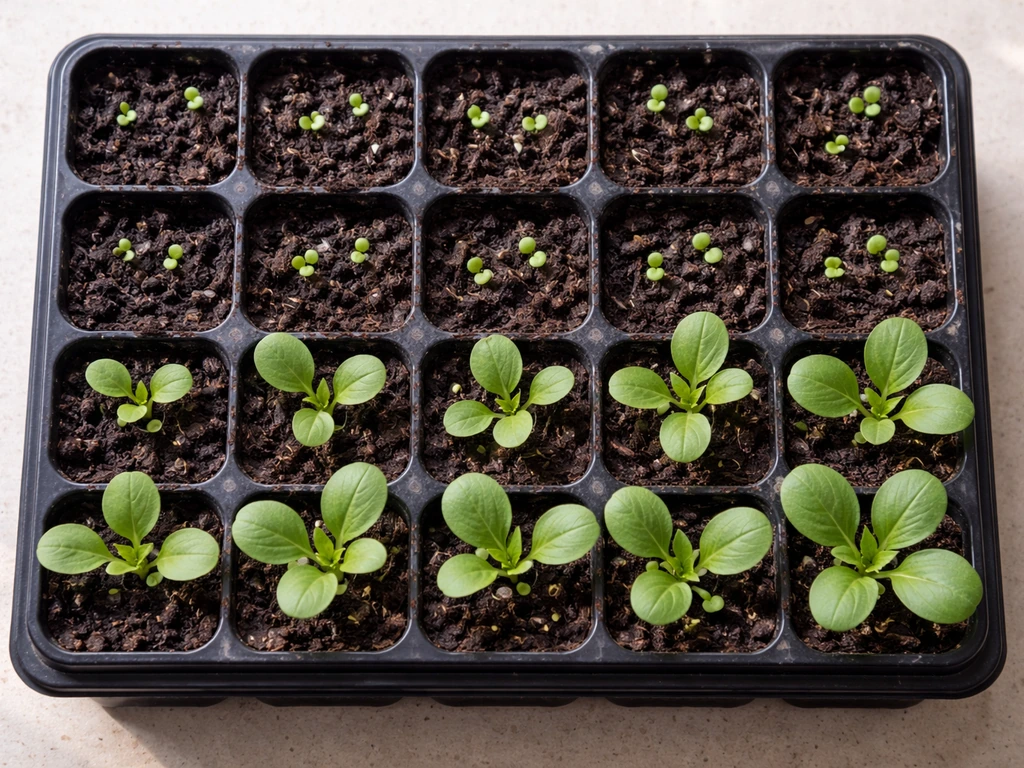
When someone asks how many days pechay seeds grow, they could mean a few different things, and the answer changes a lot depending on which stage you're asking about. It helps to break the timeline into clear milestones so you're not left wondering whether you're behind schedule or right on track.
| Growth Stage | What You See | Days from Sowing (Typical) |
|---|---|---|
| Germination (radicle emergence) | The seed cracks open and a tiny root appears — usually underground | 1 to 10 days |
| Seedling emergence | The first shoot breaks through the soil surface | 3 to 15 days |
| True leaves appear | First set of true leaves distinct from seed leaves | 7 to 14 days after emergence |
| Transplant-ready seedling | 3–4 leaves, sturdy stem, about 3–4 inches tall | 10 to 14 days after germination |
| Baby leaf harvest | Tender young leaves, often cut-and-come-again | 30 to 35 days from sowing |
| Semi-mature / full harvest | Full plant, compact head, ready to pull | 45 to 70 days from sowing |
The ECHO cultivation guide actually notes that pak choi seeds can germinate in as few as 1 to 2 days in ideal tropical warmth, with seedlings ready to transplant within 10 to 14 days of germination. That's the fast-track scenario. On the other end, Territorial Seed lists emergence as anywhere from 2 to 15 days, which covers the range from perfect conditions all the way to slow, cool-weather germination. Don't panic if your seeds take closer to 10 days in cooler weather, that's completely normal.
How conditions change the timeline
Temperature is the biggest lever
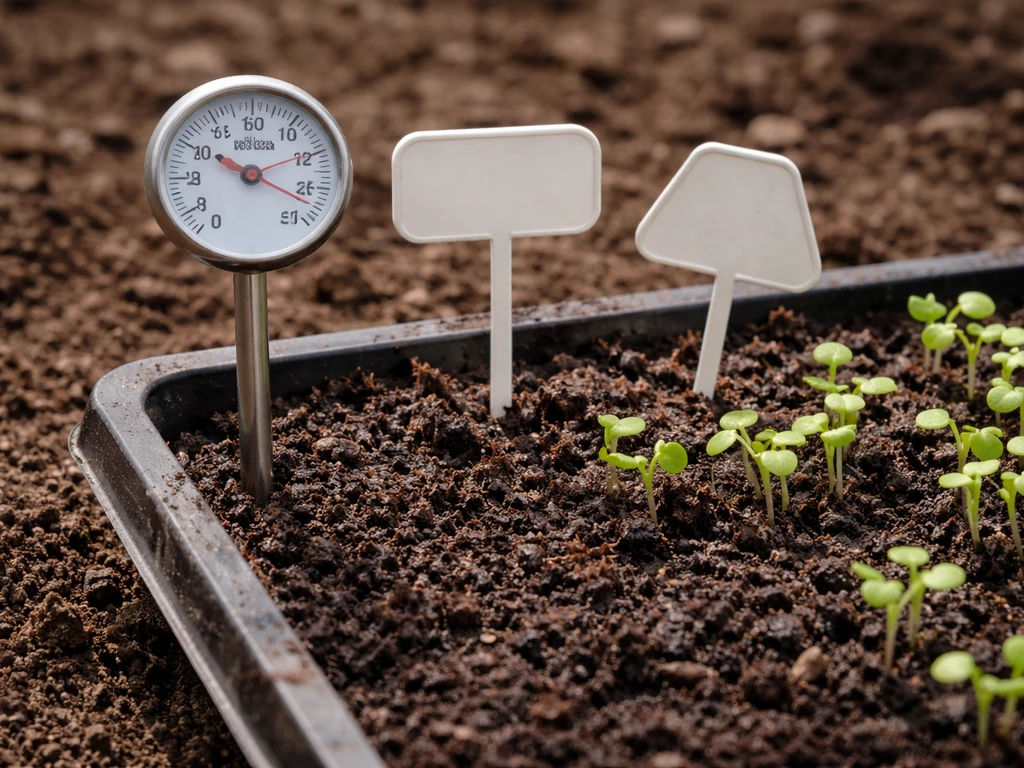
Pechay is a cool-season crop that prefers air temperatures between 60°F and 73°F (16–22°C) with an ideal soil temperature for germination between 65°F and 75°F (18–24°C). You can still get germination with soil temps as low as 45°F and as high as 80°F, but outside the sweet spot things slow down noticeably or become inconsistent. If your soil is cold (below 50°F), expect germination to stretch past 10 days or fail entirely. If it's blazing hot (above 85°F), germination can also stall, and seeds that do sprout may bolt quickly once they're a few weeks old.
Moisture consistency matters just as much
Pechay needs soil that stays evenly moist from the moment seeds go in until they've established a root system. If the surface dries out and re-wets repeatedly, you'll get uneven, slow germination. The RHS recommends amending soil with compost or well-rotted manure to help retain moisture, which is especially useful during hot, dry periods. Watering lightly and frequently is better than deep, infrequent soaks during the germination window. One practical tip from Ball's crop guidance: irrigate in the morning so the surface and foliage dry out before evening, which reduces damping-off risk.
Light and soil cover
Pechay seeds don't need light to germinate, but seedlings need good light as soon as they emerge. In indoor setups or seedling trays, position your container where it gets at least 6 hours of bright indirect or direct light daily. Covering seeds lightly with coarse vermiculite (as recommended in commercial growing protocols) helps maintain surface moisture without forming a hard crust that blocks emergence, which is a surprisingly common problem with heavy or clay-like soils.
Planting best practices: depth, spacing, soil, and pot vs. direct sow
Sowing depth
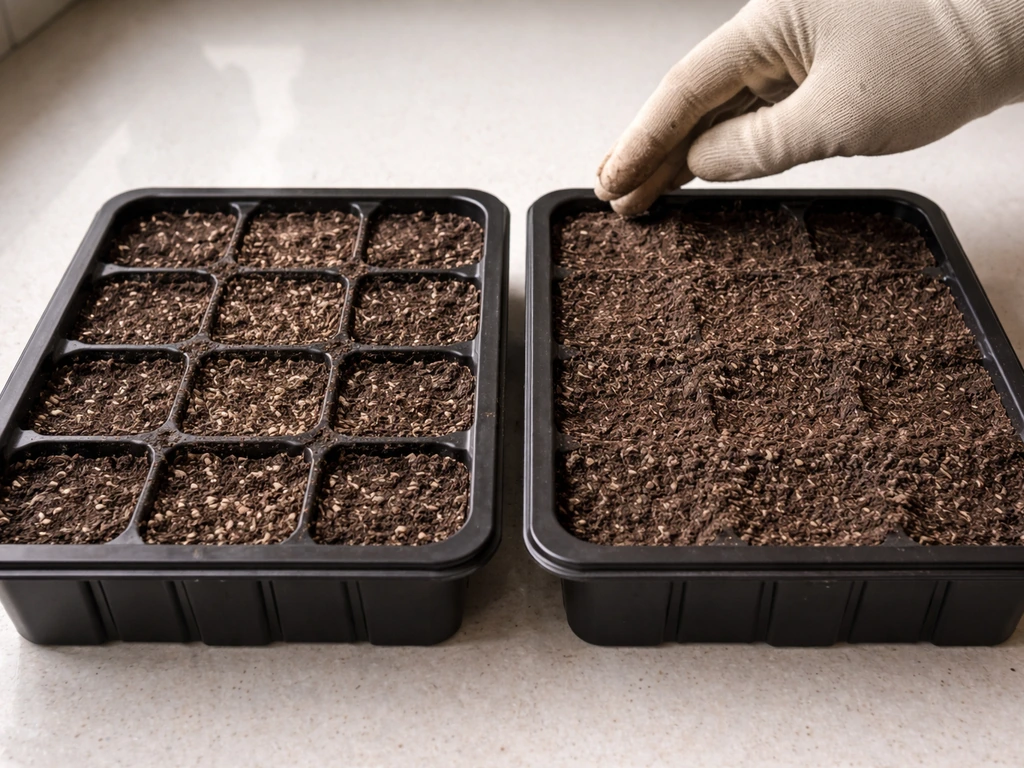
Plant pechay seeds at about 0.5 to 1.5 cm deep (roughly 1/4 inch to just over 1/2 inch). The RHS recommends 2 cm (about 3/4 inch) for outdoor direct sowing, while most seed producers target closer to 6 mm (1/4 inch) for trays and pots. The takeaway: don't bury them too deep. Seeds planted deeper than 2 cm will take longer to emerge and may not make it at all. If you're pressing seeds into seedling mix in a tray, cover them with just a thin layer, roughly 0.5 cm, of fine mix or vermiculite.
Spacing
For direct sowing, space seeds about 3 to 4.5 cm apart in rows and thin later to your final spacing (which depends on your harvest goal). For baby leaf harvests, you can sow more densely and cut whole rows. For full-head pechay, thin seedlings to about 15 to 20 cm apart once they're a few inches tall. Crowded plants compete for nutrients and moisture, and they tend to take longer to mature.
Soil prep
Pechay prefers fertile, well-draining soil that holds moisture without becoming waterlogged. Work in compost or aged manure before sowing. Loose, fine-textured soil at the surface makes germination faster and more uniform because seeds make better contact with the growing medium and moisture moves evenly around them. If your native soil is compacted or heavy clay, growing in raised beds or containers is genuinely worth the effort.
Pots and trays vs. direct sowing
Both work well for pechay. Seedling trays give you more control over temperature and moisture during germination, which is useful if outdoor weather is unpredictable. Sow in trays, grow seedlings for 10 to 14 days after germination, then transplant to the garden or a larger pot. Direct sowing into beds skips the transplant step and reduces root disturbance (pechay can bolt if roots are disturbed at the wrong time), but you're more exposed to soil temperature swings and pest pressure on vulnerable seedlings. In tropical growing conditions, direct sowing is common and works well as long as you keep the seedbed consistently moist.
One extra trick: pre-soaking
If you want to shave a day or two off germination time, soak your pechay seeds in room-temperature water overnight before sowing. This softens the seed coat and can speed up initial radicle emergence noticeably, especially with older seeds or in slightly cool conditions.
Nothing sprouting? Here's how to troubleshoot it
If it's been more than 10 to 15 days and you're seeing nothing, don't just assume the seeds are bad. In most cases, there's a fixable environmental cause. Work through these common problems one by one.
| Problem | Likely Cause | Fix |
|---|---|---|
| No sprouts after 10+ days | Soil temperature too cold (below 50°F/10°C) | Move containers indoors or to a warmer spot; wait for soil to warm above 60°F before resowing outdoors |
| Soil surface crusted and hard | Soil dried out and formed a crust blocking emergence | Gently break the crust, mist the surface, and cover with fine vermiculite for next sow |
| Seeds rotting in the soil | Overwatering or poor drainage | Let soil dry slightly between waterings; ensure containers have drainage holes; avoid waterlogging |
| Germination is very patchy | Old or poor-quality seeds with low viability | Run a paper towel germination test (see below); source fresh seeds if viability is below 70% |
| Seeds disappear without sprouting | Pests (ants, birds, slugs) eating seeds | Cover seedbed with fine mesh or thin layer of vermiculite; inspect at night for slugs |
| Sprouts emerged then collapsed | Damping-off (fungal) | Improve airflow, water in the morning, avoid splashing soil on seedling stems |
How to check if your seeds are still viable
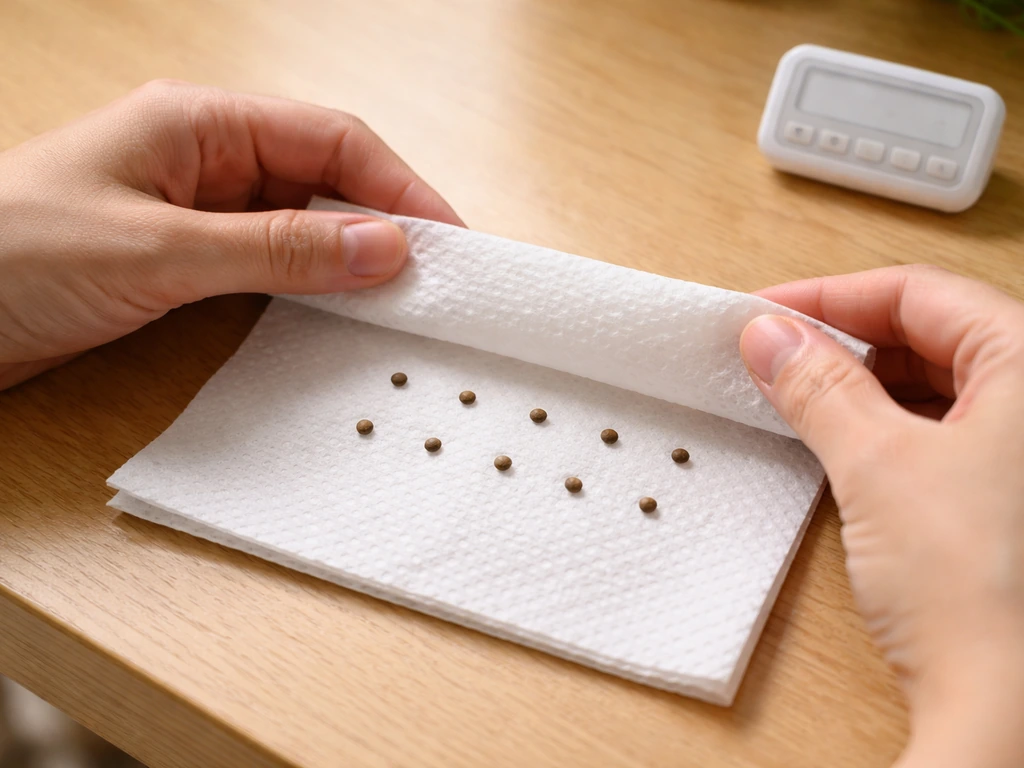
If you're not sure whether your seeds are still good, the paper towel test is the most reliable method. Place 10 seeds on a damp (not soaking wet) paper towel, fold it over, and seal it in a plastic bag or container at room temperature. Check after 5 to 10 days and count how many have germinated. If 7 out of 10 sprouted, your viability is around 70%, which is acceptable.
If fewer than 5 germinated, your seeds are likely past their prime and you'll want fresh stock. Pechay seeds typically stay viable for 3 to 5 years if stored in a cool, dry place, but viability drops faster in heat and humidity. Skip the sink/float test, seed buoyancy doesn't reliably predict whether seeds will germinate.
Day-by-day planting schedule cheat sheet
Here's a practical timeline to tape to your garden wall or screenshot for reference. These ranges assume good soil temperature (65–75°F), consistent moisture, and healthy seeds. For mongo (mung) seeds, the grow time depends on temperature and moisture, but you can use the same kind of germination and seedling timeline to estimate when sprouts and leaves will be ready how many days does a mongo seed grow.
- Day 0 (Sowing day): Sow seeds 0.5–1.5 cm deep, water gently, cover with fine vermiculite or thin layer of soil. Optional: pre-soak seeds overnight before planting.
- Days 1–3: Keep soil surface consistently moist. No need to water heavily — a mist or gentle sprinkle once or twice daily is ideal. Nothing visible yet; germination is happening underground.
- Days 3–7: Expect first sprouts to break the surface. In warm tropical conditions, you may see emergence as early as day 3. In cooler climates, day 7 to 10 is normal. If nothing by day 7, check soil moisture and temperature.
- Days 7–14: Seedlings develop their first true leaves. Plants in trays or seedling pots should be growing steadily. Thin overcrowded seedlings in direct-sown beds, keeping the strongest ones.
- Days 10–14 after germination: Seedlings are ready to transplant if you started in trays. Look for 3 to 4 leaves and a sturdy 3–4 inch tall plant.
- Day 15 onwards: Reduce watering frequency slightly as roots establish. Watch for yellowing (nutrient deficiency, especially nitrogen), slug damage on lower leaves, or bolting in heat.
- Day 30–35: Baby leaf harvest window opens. Cut outer leaves or whole plants at the base for a tender, mild crop.
- Day 45–70: Semi-mature to full harvest, depending on variety. Compact heading types take closer to 45 days; larger varieties may need 60–70 days.
What to watch each week
- Week 1: Soil moisture and surface condition (avoid crusting or drying out)
- Week 2: Emergence rate and seedling color (pale yellow seedlings need more light or nutrients)
- Week 3: Root establishment and thinning (crowded plants will stunt each other)
- Week 4 onward: Leaf size, color, and any signs of bolting (elongating central stem in hot weather is a warning sign to harvest soon)
A note on pechay varieties and timing differences
Not all pechay types behave exactly the same. The term 'pechay' covers a range of pak choi and bok choy cultivars, and the timeline can vary by a week or more depending on which type you're growing. Dwarf or baby varieties (like Baby Choi types) often germinate and mature faster, with [harvest possible at around 35 days](https://www. gulleygreenhouse.
com/browse/baby-choi-bok-choy-seeds/). Fenugreek seeds grow at a different pace, but you can estimate timing by checking typical days to germination under your conditions fenugreek seeds grow in how many days. Larger heading varieties typically land in the 45 to 70 day range from sowing to full harvest, as Thompson & Morgan's guidance for pak choi confirms.
If your seed packet gives a specific 'days to maturity' number, use that as your anchor and work backward from it to plan transplanting and harvest dates. When in doubt, go with the conservative end of the range and plan your garden schedule around that.
If you're curious about how pechay compares to other fast-growing seeds, it's actually one of the quicker options in the leafy green world. Seeds like mongo (mung bean) and mustard also germinate within a similar short window, and like pechay, they're very sensitive to temperature and moisture during those first few days. The principles for getting reliable, fast germination are largely the same across these crops: warm soil, consistent moisture, and good seed quality. Mandevilla seeds follow similar principles, so if you match warmth and consistent moisture, you can get a reliable idea of how long it takes them to grow how long does it take mandevilla seeds to grow.
FAQ
When I ask how many days pechay seeds grow, do I count from sowing or from germination?
“How many days” usually means one of three stages, so pick the one you care about: germination (first sprouts) is typically 3 to 10 days, transplant-ready seedlings come about 10 to 14 days after germination, and harvest is about 30 to 35 days for baby leaves or 45 to 70 days for fuller heads. If you tell me which stage you’re measuring, I can narrow the estimate.
Why do my pechay seeds take much longer than expected to sprout?
Yes, pechay can stall even if you planted correctly. The most common reason is surface drying followed by re-wetting, which creates uneven emergence. Check soil moisture 1 to 2 cm down, and keep it evenly moist during the germination window, not just the top crust.
What should I do if my pechay seeds show no germination after 10 to 15 days?
After 10 to 15 days with no sprouts, it is usually a temperature or moisture problem, not necessarily “bad seeds.” Recheck soil temperature, confirm the bed never went cold below about 50°F, and avoid letting the surface dry out. Then run the paper towel viability test to decide whether you should replant.
Does the days-to-germination change if I grow pechay indoors instead of outdoors?
For indoor trays, temperature stability matters more than you might think. Use bright light once seedlings emerge, and keep watering light and frequent to avoid drying, but do not keep the medium constantly saturated. Soggy conditions after sprouts start can increase damping-off.
How deep should I plant pechay seeds if I’m trying to speed up sprouting?
Most pechay growers should not use deep burial. As a rule, stay around 0.5 to 1.5 cm (about 1/4 to 1/2 inch) for typical sowing, and thinner coverage in trays. Going beyond about 2 cm can delay emergence or prevent it.
Will soaking pechay seeds change how many days they take to grow?
Older seeds can germinate more slowly and unevenly. Soak overnight in room-temperature water to help, then consider starting in a tray so you can control temperature and moisture, and plan extra time for emergence and uniformity.
Do pechay seeds need light to germinate, and what if seedlings look weak?
Light affects seedlings after they emerge, not germination itself. If you keep germination dark but then place trays in low light, you can get weak, leggy seedlings. Aim for at least about 6 hours of bright light daily once sprouts appear.
How does harvesting baby leaves versus full heads affect timing?
If you harvest too early while plants are tiny, you may delay the overall “calendar” of full heads, but baby leaf harvest timing is usually the fastest payoff. For baby leaves, plan around 30 to 35 days from sowing; for fuller harvest, allow the longer window since variety affects maturity.
Can I choose a pechay variety to reduce the total growing time?
If your goal is a faster schedule, choose dwarf or baby-type cultivars, since they often mature sooner (baby types can be around 35 days). For larger heading varieties, assume the longer end of the 45 to 70 day window for full heads.
How do I know if slow pechay growth is from poor seeds or from bad conditions?
Yes. Seeds can be viable for about 3 to 5 years in cool, dry storage, but heat and humidity reduce viability faster. If your paper towel test shows fewer than about half of seeds germinated, it is typically worth buying fresh seed or increasing sowing density.
What’s the difference between germination delay and later problems like bolting?
It helps to think in “windows.” If sprouts have not appeared by around 10 to 15 days, investigate conditions and seed viability. If sprouts appear but plants bolt quickly, that often points to heat stress or root disturbance issues during early establishment.
Next Article
How Many Days Seeds Take to Grow: Timelines by Type
Get seed sprout and seedling timelines by type, typical vs slow ranges, and quick troubleshooting to re-sow fast.