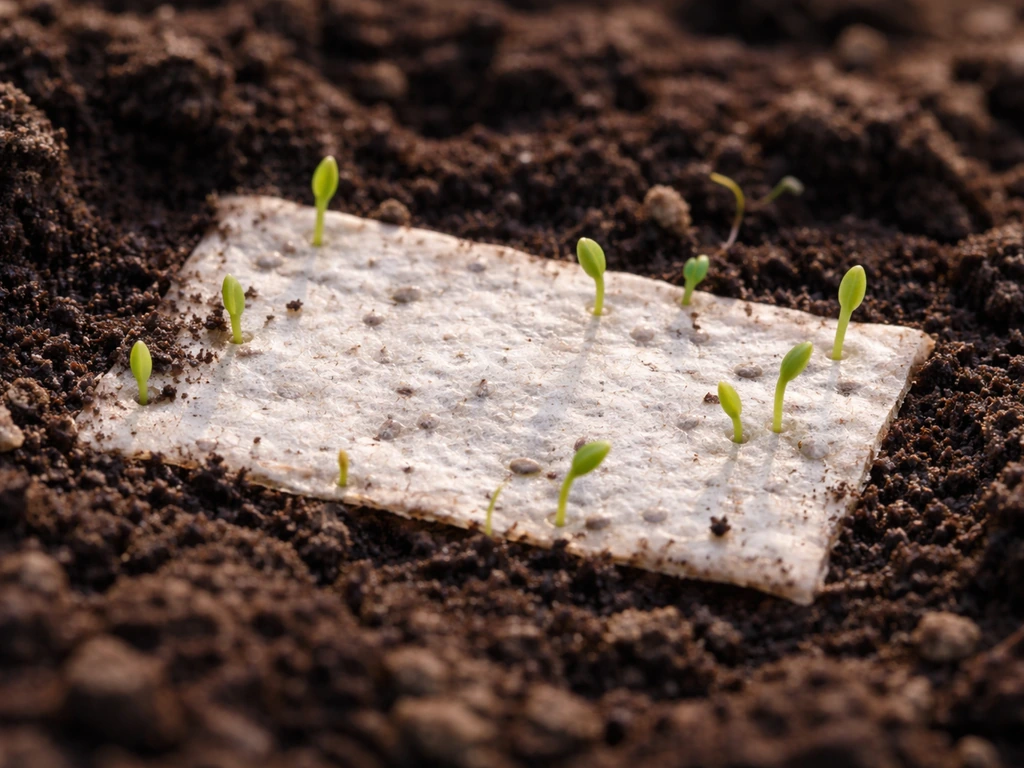
Several seeds can show visible sprouts within 7 days: radishes, mustard greens, arugula, and bean sprouts are your best bets for a genuine one-week result. Mississippi State University Extension also notes that mustard greens are “quick and easy” to grow in spring and fall. If you want something edible within a week, sprouts (grown in a jar, not soil) are the only truly reliable answer. But if you want a seedling pushing up through soil, radishes and fast leafy greens will usually deliver a visible shoot by day 5 to 10 under decent conditions. Everything else tends to take longer, and that gap between "germinated" and "actually growing in your garden" trips up a lot of new growers.
What Seed Will Grow in a Week: Fast Options
Marcus Henley
7 May 2026
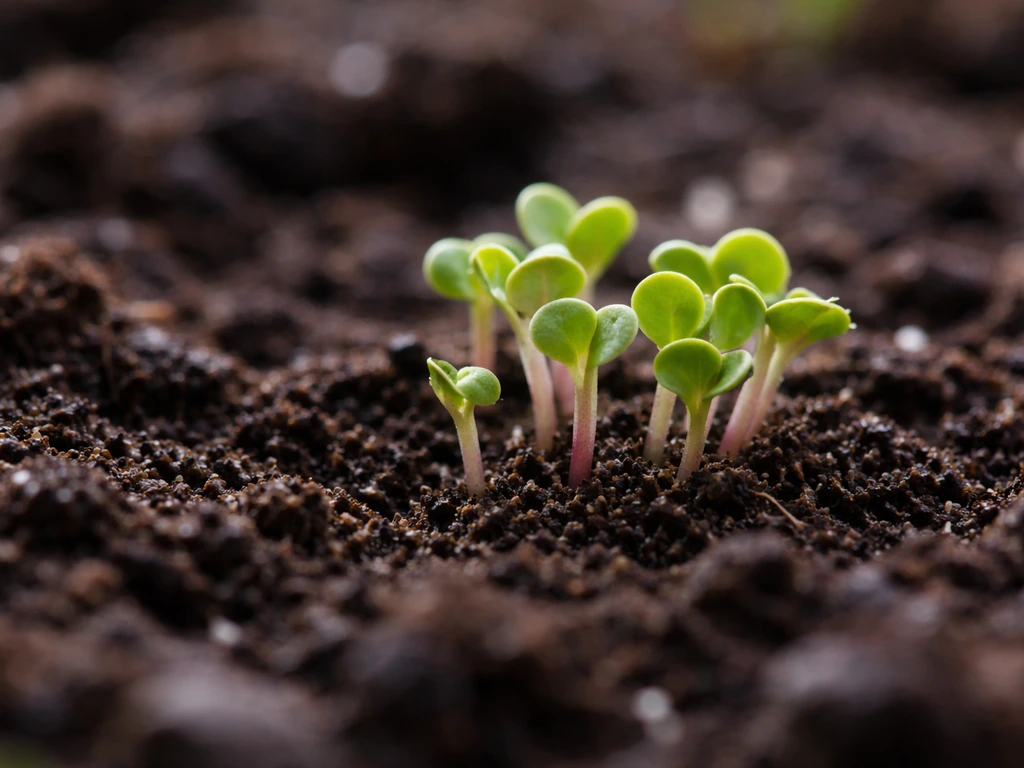
Germination vs. a visible seedling: they're not the same thing
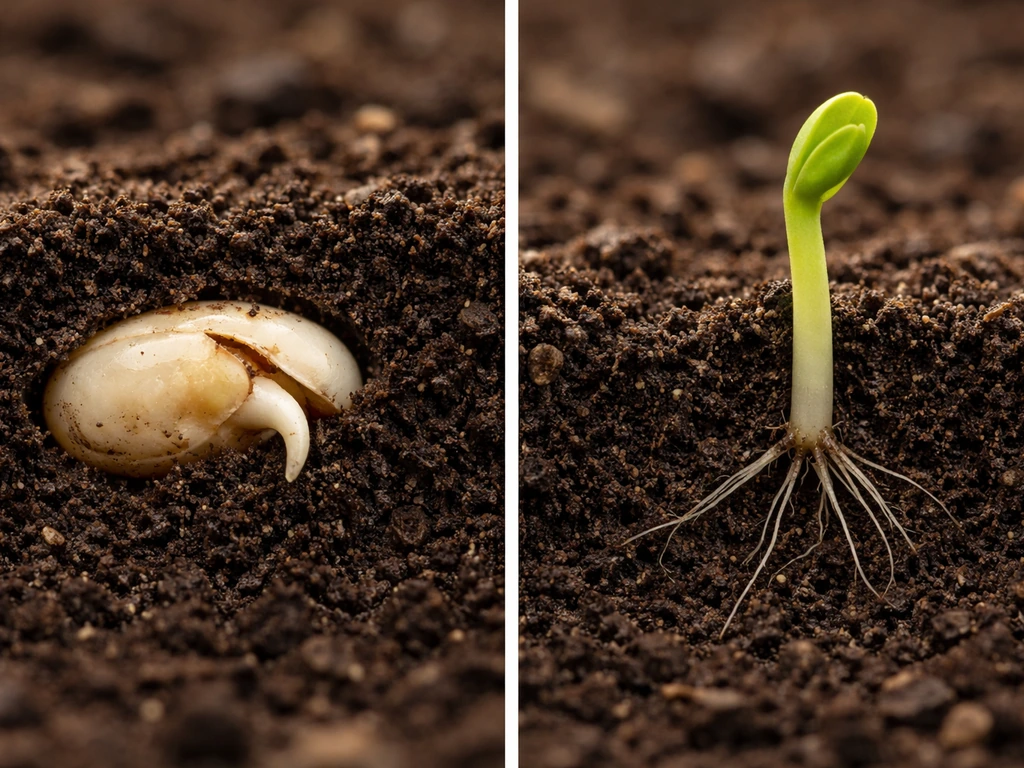
Germination is what happens underground. The seed absorbs water, the coat splits, and a tiny root called a radicle pushes out. That process can happen in 24 to 72 hours for the fastest seeds. But a seedling, meaning a shoot you can actually see above the soil, takes a few more days on top of that.
So when people ask "what seed grows in a week," the honest answer is that germination itself happens fast for many seeds, but the visible seedling moment depends on planting depth, soil temperature, and moisture. A seed germinating at 1 inch deep takes longer to break the surface than one at a quarter inch.
This is why radishes planted shallow at half an inch frequently show their first leaves within 5 to 7 days, while something planted an inch deep in cool spring soil might not appear until day 10 or 12.
Seeds most likely to show growth within 7 days
These are the categories I'd reach for if I needed something visible by the end of the week. Each one has a track record of fast emergence when conditions are even reasonably close to ideal.
| Seed Type | Days to Visible Sprout/Seedling | Ideal Soil Temp | Notes |
|---|---|---|---|
| Radish | 5–10 days | 55–65°F | One of the most reliably fast garden seedlings; can germinate at 40°F |
| Arugula | 5–7 days | 55–65°F | Germinates quickly even in cool spring soil |
| Mustard greens | 4–7 days | 55–70°F | Very fast; often up before other leafy greens |
| Cress (garden cress) | 3–6 days | 55–65°F | Sometimes called a "week crop"; sprouts reliably fast |
| Mung bean sprouts (jar method) | 3–5 days | 65–75°F | Edible sprouts, not soil seedlings; ready fastest of all |
| Bush beans / snap beans | 6–10 days | 65–85°F | Needs warm soil; cold soil dramatically slows emergence |
| Cucumber | 6–10 days | 65–90°F | Fast in warm soil; slow in anything below 60°F |
| Sunflower | 6–10 days | 65–75°F | Large seed, fast germinator in warm conditions |
| Lettuce | 6–10 days | 40–75°F | Wide temp tolerance; can be slow above 80°F |
| Annual ryegrass | 5–10 days | 50–65°F | Fastest commonly available grass seed |
Radishes deserve special mention here. University extension research consistently puts radish emergence at around 5 to 10 days, and in my own beds, shallow-planted radishes in slightly warmed spring soil have been up by day 6 almost every time. They're the benchmark for "fast garden germination" for a reason.
Sprouts in a jar vs. seedlings in soil: plant the right thing for your goal
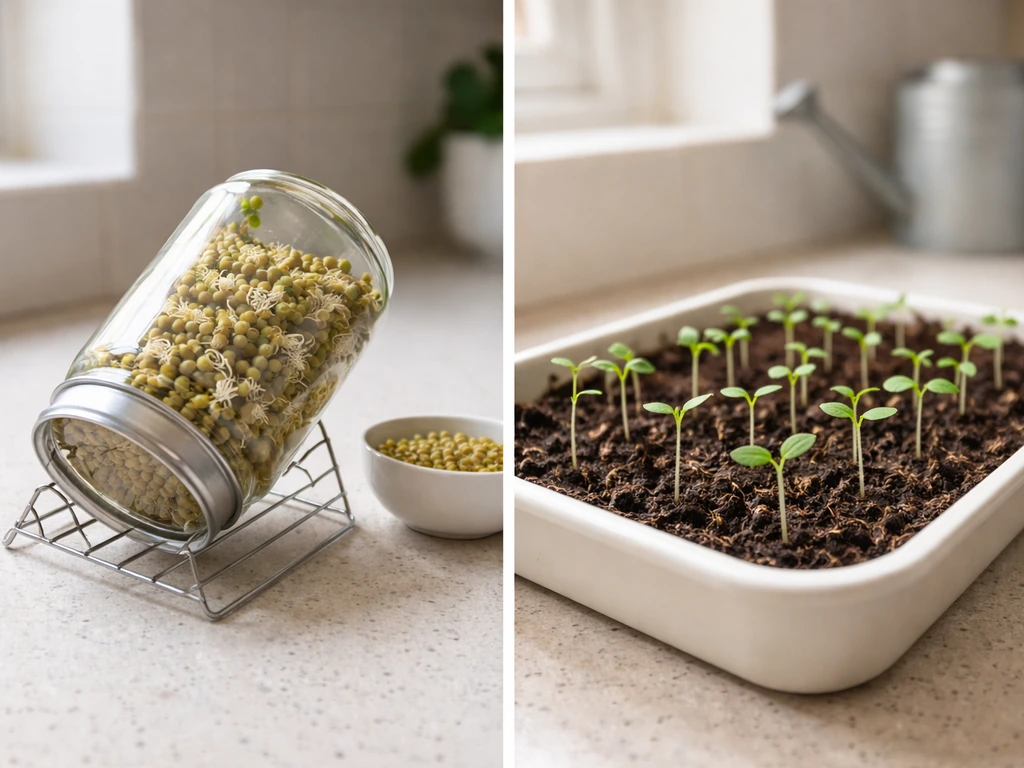
This is where it's worth being blunt: if you want something you can eat in 7 days, grow sprouts, not garden seedlings. Mung beans, lentils, radish seeds, and broccoli seeds rinsed twice daily in a mason jar will give you edible sprouts in 3 to 5 days. On a Reddit sprouting troubleshooting thread, contributors note that factors like jar crowding and soak-and-rinse frequency can affect whether mung bean sprouts progress on schedule. No soil, no outdoor space, no waiting on weather. That's a completely different process from germinating seeds in the ground, and conflating the two leads to a lot of disappointment.
If your goal is a garden plant, including something you'll eventually harvest as a vegetable or flower, then you're working with soil seedlings. The week-one payoff is just a tiny shoot and maybe two seed leaves (cotyledons). You won't be harvesting anything from a soil-grown plant in 7 days, with the sole exception of microgreens grown in trays, which can be cut in about 7 to 14 days depending on the variety. It helps to know which category you're in before you plant.
| Goal | Best Approach | Edible In | Space Needed |
|---|---|---|---|
| Eat something fast | Sprouts in a jar (mung bean, lentil, radish seed) | 3–5 days | Countertop, no soil |
| Cut-and-come-again greens soon | Microgreens in a tray (sunflower, pea shoots, radish) | 7–14 days | Indoor tray, shallow soil or medium |
| Garden seedling to grow out | Fast garden seeds (radish, arugula, mustard) in soil | 5–10 days to emerge | Garden bed or pot outdoors/indoors |
Conditions that make one-week germination actually happen
Soil temperature is the single biggest variable most gardeners underestimate. Air temperature is not soil temperature. In May, your air might be 70°F but the soil in a shaded bed could be 52°F, which is still workable for radishes and leafy greens but will dramatically slow beans and cucumbers. Snap beans are warm-season crops, and UConn notes they grow best when mean temperatures are roughly 70, 85°F, which explains why cold soil slows emergence slow beans. If you want fast germination and it's early in the season, use a soil thermometer. Anything below the crop's preferred range adds days to your timeline. Beans planted in 55°F soil might sit there for two weeks before doing anything obvious.
Moisture consistency matters just as much. Seeds need steady moisture from the moment they're planted through germination. A single dry spell, even one day of dried-out surface soil, can halt germination mid-process. That doesn't mean waterlogged: soggy, compacted soil cuts off oxygen and causes rot. The sweet spot is soil that feels like a wrung-out sponge, consistently moist but never puddled.
Seed age is something people overlook. Old seeds have lower germination rates, which means even if some sprout in a week, others in the same packet won't. A packet of radish seeds from three seasons ago might germinate at 50% instead of 90%, so you see sparse, slow results and assume something's wrong with your technique.
When in doubt, do a quick paper towel germination test before committing to a bed: dampen a towel, fold 10 seeds inside, seal in a bag at room temperature, and check in 5 to 7 days. If you are trying to figure out how long seed paper takes to grow, start with the same idea and confirm germination before planting it in your bed paper towel germination test. If fewer than 7 of 10 sprout, buy fresh seed.
Exactly how to plant for the fastest possible emergence
Planting depth
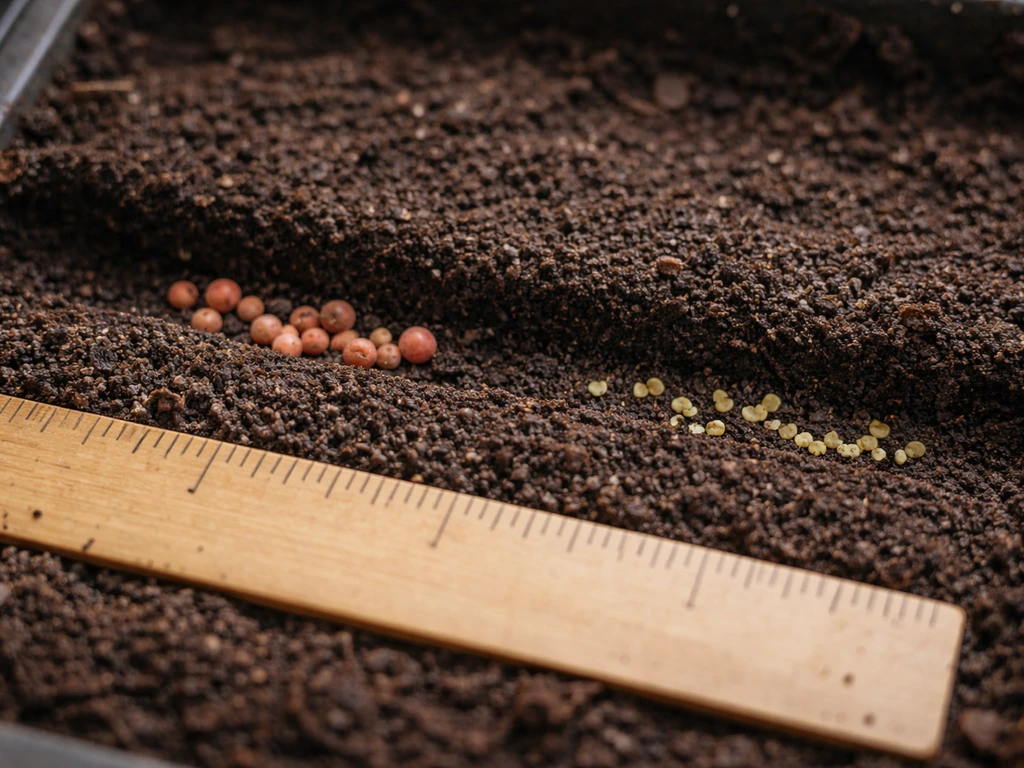
Shallower is faster, up to a point. Radishes do well at half an inch deep, and smaller-seeded leafy greens like arugula and mustard can go as shallow as a quarter inch. The general rule is to plant at a depth of about 2 to 3 times the seed's diameter. Planting too shallow risks drying out before the radicle establishes; too deep means more distance for the shoot to travel before it sees light, which adds days.
Spacing
For week-one germination, spacing matters less than it will later. You can plant radishes 1 inch apart and thin to 2 inches once they're up. Crowding at the seedling stage won't stop germination, but it will become a problem in week two and beyond. For leafy greens like arugula, scatter-sowing in a small band and thinning after emergence is a perfectly valid approach when speed is the goal.
Watering
Water gently at planting to settle the soil without compacting it. After that, check moisture at least once a day, twice a day in warm or dry conditions. A light misting of the surface is often enough for shallow-planted seeds. Avoid blasting with a hose, which can wash seeds to one corner of your pot or displace them from the soil. If you're starting indoors, a spray bottle on the mist setting is your best tool.
Light
Most seeds don't need light to germinate, but they need it the moment the shoot breaks the surface. If you're starting indoors, have your light source ready before the first seedlings appear. A south-facing windowsill works for leafy greens and radishes, but a grow light positioned 2 to 4 inches above the tray will give faster, stockier seedlings. Leggy seedlings stretching toward a dim window in week one are already at a disadvantage.
Indoors vs. outdoors
Starting indoors gives you control over temperature and moisture, which translates directly into faster and more reliable germination. If outdoor conditions are already warm (soil consistently above 60°F), direct sowing outside is fine for fast crops. But for anything heat-loving like beans or cucumbers, starting indoors in May and transplanting once soil warms up is the smarter move if you want quick visible results.
When nothing shows up by day 7
Don't panic and don't replant yet. Go through this checklist first before assuming the seeds are dead.
- Check soil temperature. If it's below the crop's minimum, seeds may just be sitting dormant waiting for warmth. Cover with black plastic or row cover to warm the soil before replanting.
- Check moisture. Gently probe an inch below the surface. Bone-dry soil at that depth means seeds stalled. Remoisten carefully without washing seeds away.
- Check for soil crusting. After watering, some soils form a hard crust that physically blocks seedling emergence. Gently break it with a finger or a pencil without disturbing seeds.
- Check planting depth. If you planted deeper than recommended, give it another 3 to 5 days. Deep-planted seeds are often fine, just slower.
- Check seed viability. If you used old seed and did no germination test, this is the most likely culprit. Try the paper towel test on remaining seeds from the same packet.
- Check for pests. Pill bugs, slugs, and fungus gnats can consume seeds and seedlings before you see them. Look for slime trails or insect activity in the top inch of soil.
- Wait until day 10 to 14 for crops that list a 7 to 14 day germination window. The window is a range, not a deadline.
If day 14 passes with nothing, it's safe to replant. Scratch the soil surface gently to see if seeds rotted (soft, discolored) or simply didn't germinate. Rotted seeds point to overwatering or poor drainage. Intact but ungerminated seeds usually mean temperature or viability issues. Fix the underlying problem before sowing a fresh batch.
From week-one sprout to actual harvest: what to realistically expect
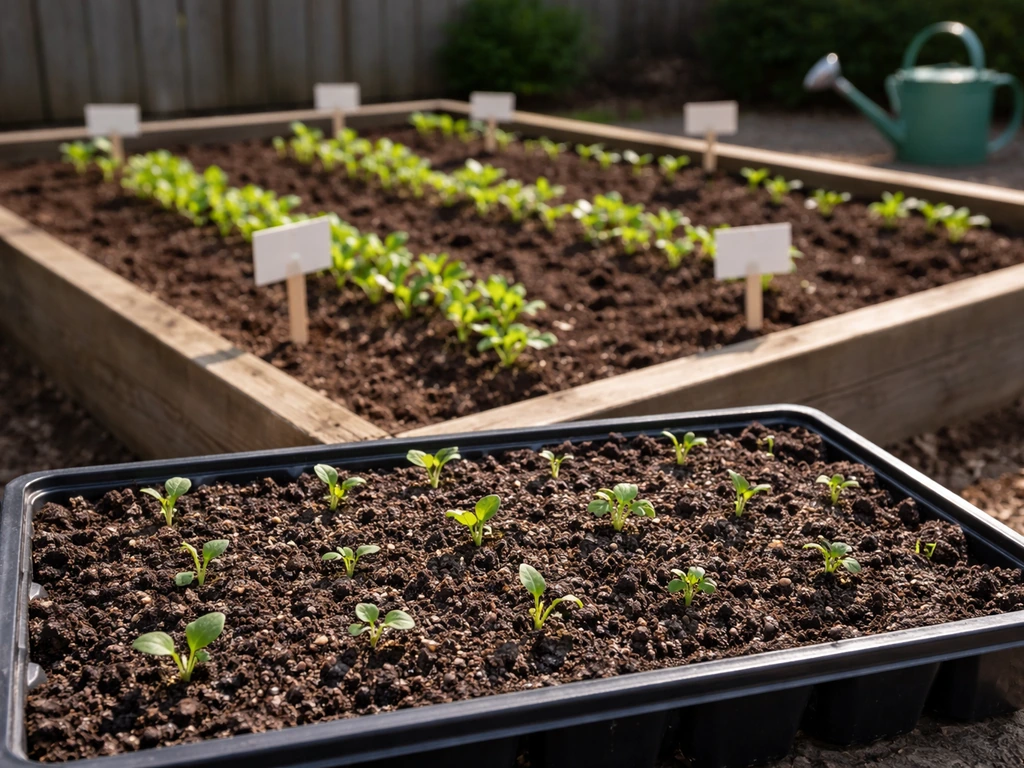
Seeing a seedling in week one is genuinely exciting, but it helps to know where that seedling is headed. Here's a quick timeline concept for the fastest crops, so you can plan the next few weeks after germination.
| Crop | Days to Germinate | Days to First Harvest | Notes |
|---|---|---|---|
| Radish (small variety) | 5–10 | 22–30 from sowing | One of the fastest root-to-harvest cycles in vegetable gardening |
| Arugula | 5–7 | 35–40 from sowing (baby leaf sooner) | Cut baby leaves at 4–6 inches for fastest harvest |
| Mustard greens | 4–7 | 30–40 from sowing | Baby leaves harvestable around 25–30 days |
| Bush beans | 6–10 | 50–60 from sowing | Needs warm soil throughout; don't rush transplanting |
| Cucumber | 6–10 | 50–70 from sowing | Lots of variability by variety; warm season only |
| Lettuce (leaf type) | 6–10 | 45–60 from sowing | Baby leaf harvest possible around 30 days |
| Sunflower | 6–10 | 70–100 from sowing | Quick germination but long season to bloom |
| Mung bean sprouts | 3–5 | 3–5 days (sprout is the harvest) | No further growing time needed |
Radishes stand out here because the gap between germination and harvest is the smallest of any garden vegetable, usually under 30 days total. If your goal is to see both a quick sprout and a reasonably fast harvest, radishes are the clearest answer. If you're wondering how long does speedy seed take to grow, the same factors like temperature, moisture, and planting depth will determine whether you see quick sprouting or slower progress.
For everything else, week one is just the starting line. Apple seeds generally take much longer than radishes or leafy greens, so expect a wait of weeks before you see steady growth. The germination sprint is satisfying, but the rest of the growing season is a slower, steadier process.
If you're curious about seeds that take the opposite extreme, some varieties can stay in the ground for weeks before showing anything, and a handful of crops represent the absolute fastest germination times across all seed types, which is worth knowing for planning purposes. For the longest delays, slow-germinating seeds like carrots often take much longer than a week to show noticeable growth above the soil.
The practical takeaway: plant radishes or fast leafy greens for the best chance of a visible seedling by day 7, use the jar sprout method if you want something edible in a week, keep your soil consistently moist and above 50°F, and give yourself until day 14 before declaring failure. A week in the garden rarely tells the whole story, but it's usually enough to know you're on the right track.
FAQ
If I plant radishes or arugula outside today, will I definitely see something by day 7?
In soil, expect “visible” by day 5 to 10 for radishes and fast leafy greens, but the exact day depends on planting depth and how warm the soil is. In a sprouting jar, you can usually see edible sprouts in 3 to 5 days because you are controlling moisture and using a no-soil method.
Can I get something I can actually eat in 7 days from soil-grown seedlings?
Yes, but it changes the outcome. The fastest and most reliable edible result in a week comes from jar sprouts, not garden seedlings. If you want a shoot in the ground, you are mostly aiming to see cotyledons and the first true leaves, not a harvest-ready vegetable.
How do I know if my soil is moist enough for week-one germination?
Don’t trust “soil surface looks dry” as your only signal. For shallow seeds, moisture can drop quickly even if the pot is mostly fine, and that can stall germination. Check moisture at least once daily, and water gently to keep the top layer consistently moist but not puddled.
Do seeds need light to germinate, and what should I do once they sprout?
Light becomes important only after the shoot reaches the surface. If seedlings appear pale or stretched, they are usually reaching toward light, not failing to germinate. Move indoor starts closer to a light source or use a grow light positioned a few inches above the tray once you see emergence.
I saw no sprouts by day 7, should I replant right away?
Yes, but it can backfire if you re-sow too early or too aggressively. The article recommends waiting until day 14 before concluding failure. Before replanting, inspect for rot (soft, discolored) versus intact but inactive seeds, because rot points to overwatering or poor drainage, while intact seeds suggest temperature or seed viability issues.
Is starting indoors the best way to speed up what seed grows in a week?
You can, and it often improves speed, but success depends on timing and temperature. Transplant only after indoor seedlings are established and the outdoor soil is warm enough, ideally consistently above about 60°F for fast direct-sown crops. Harden them off briefly to avoid shock.
Will planting too close together ruin my chances of a week-one seedling?
Spacing is mostly a speed issue only after emergence. Crowding doesn’t typically stop germination, but it increases competition and can slow growth later. If you want fast results, thin after emergence to avoid dense, tangled seedlings that take longer to become robust.
How can I tell if my seeds are too old to get a week-one result?
Old seed commonly produces patchy and slow emergence even if your technique is perfect. A simple paper towel germination check for 10 seeds helps you decide whether to plant that packet, and if fewer than 7 sprout, it is usually worth buying fresher seed.
Why does my garden look warm but seeds still take longer than a week to sprout?
For outdoor sowing, soil temperature matters more than air temperature. If your air feels warm but the bed is shaded or cool, germination can stall well past a week, especially for beans and other warmer-season crops. Use a soil thermometer when you are trying to hit a specific timeline.
What planting depth should I use to maximize my chance of seeing seedlings within a week?
Avoid deep planting for fast emergence. As a practical rule from the article, plant at about 2 to 3 times the seed diameter, with radishes typically around half an inch and smaller leafy greens such as arugula and mustard around a quarter inch. Too deep slows emergence, too shallow can dry out before the radicle establishes.
Next Article
How Long Does Seed Paper Take to Grow? Timelines
Seed paper growth timeline by plant type, from germination to harvest, plus troubleshooting and next steps.