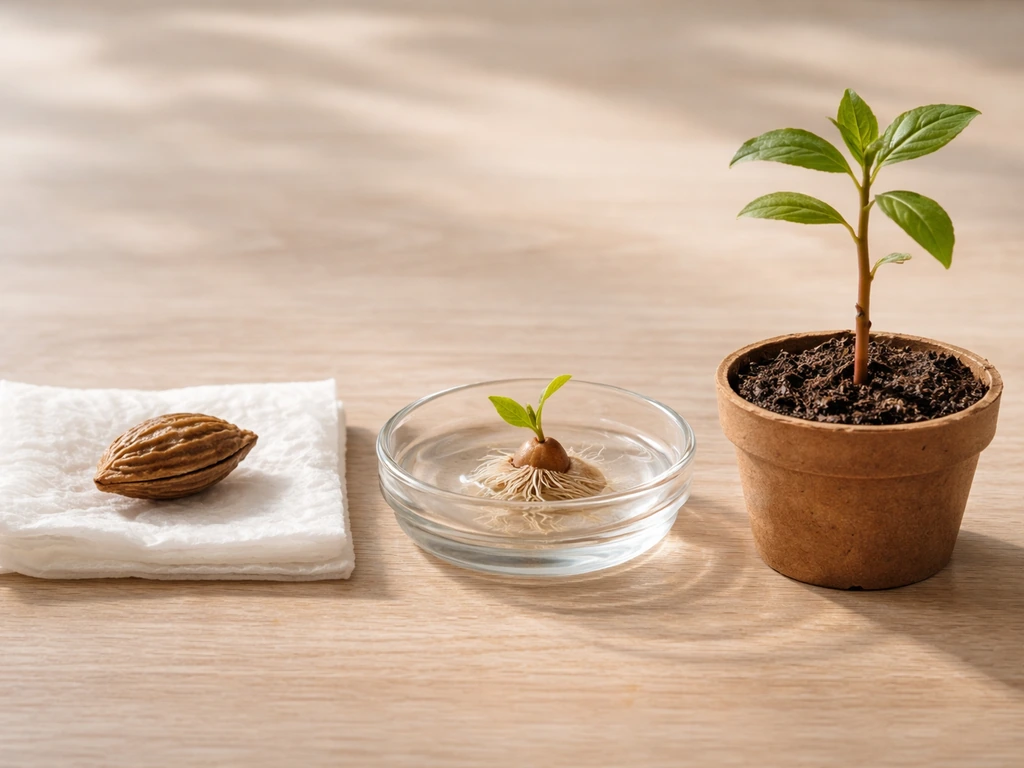
Grapefruit seeds typically sprout in 12 to 15 days when sown in a warm, moist, sterile mix. Getting a seedling established takes another few months. But here is the part most people do not expect: a grapefruit tree grown from seed can take 7 to 10 years to produce its first fruit, and if you are growing it in a container, it may never fruit at all. That is the honest timeline, and knowing it upfront will help you plan smarter and avoid years of frustration.
How Long to Grow Grapefruit From Seed Timeline
Marcus Henley
16 May 2026
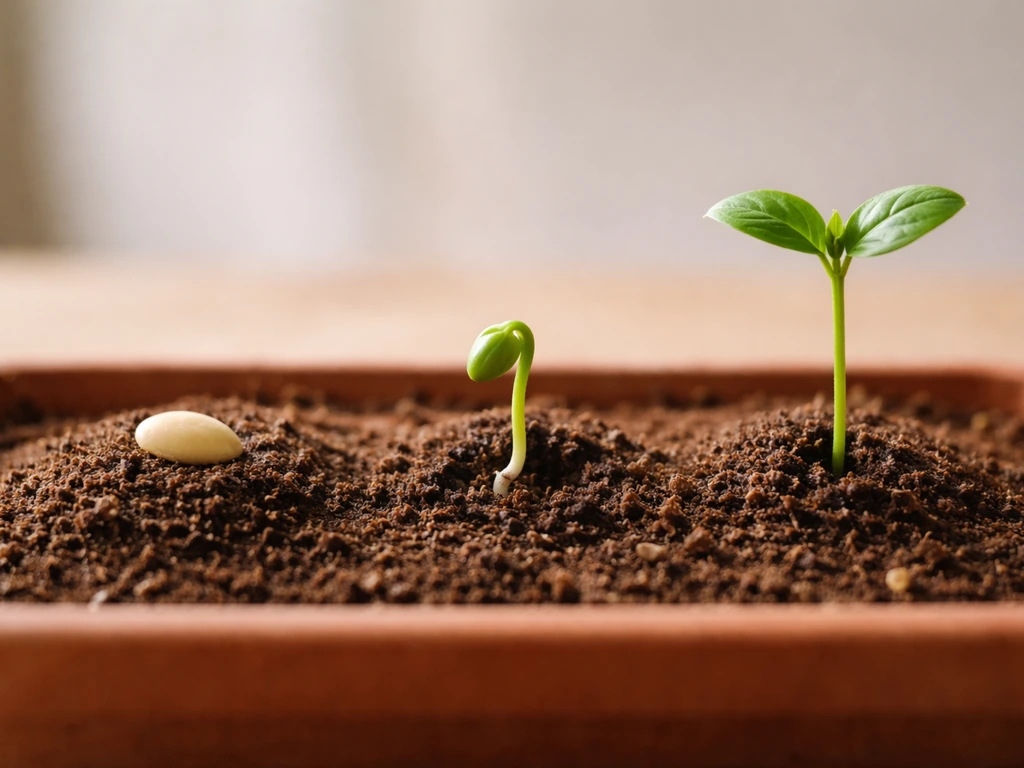
From seed to sprout: the germination window
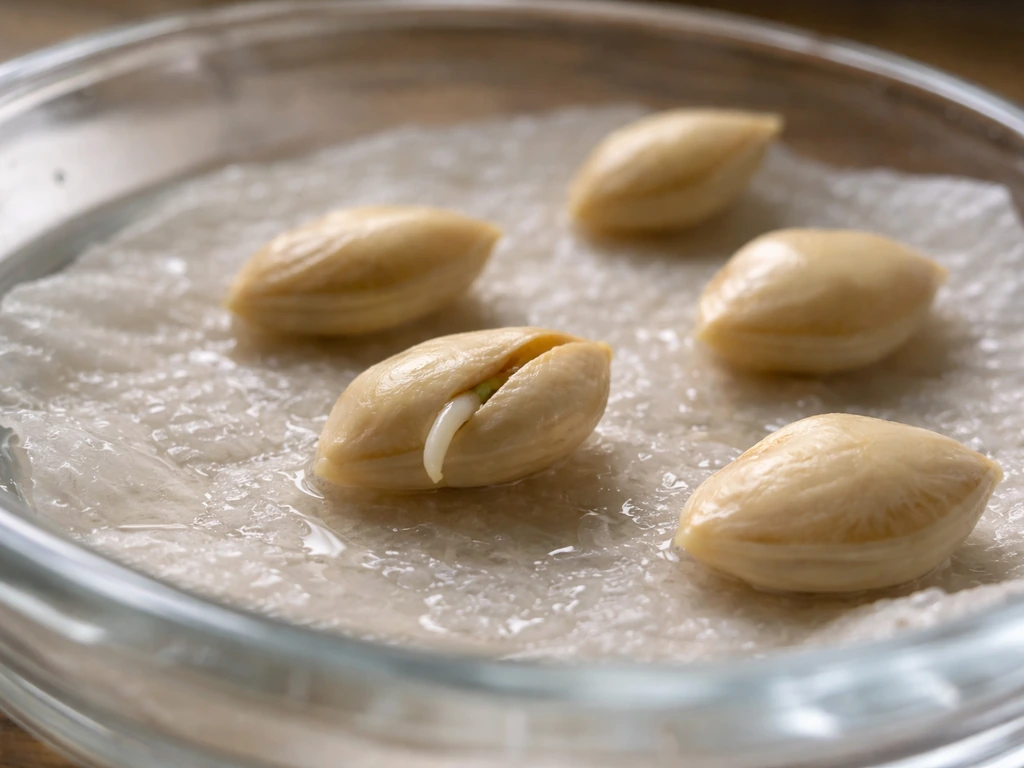
Under good conditions, grapefruit seeds germinate in about 12 to 15 days. That is the benchmark from UC Cooperative Extension, and it lines up with what most home growers see when they get the basics right: warmth, moisture, and a clean starting mix. Germination can stretch to 3 or even 4 weeks if your soil temperature is on the low side or if the seeds dried out between fruit and planting.
One thing worth knowing: citrus seeds, including grapefruit, do not go truly dormant the way apple or peach seeds do. They are recalcitrant, meaning they stay viable by staying moist. If a seed dries out completely, germination rates drop significantly. Fresh seeds pulled directly from a ripe grapefruit and planted the same day will almost always outperform seeds that have been sitting in a paper envelope for weeks.
The seedling stage: getting established
Once the seed cracks open and the first sprout pokes through, you are entering the seedling stage. For the first 4 to 6 weeks, the seedling is fragile: it is running on seed energy and just starting to develop its own root system. During this window, your job is to keep it alive, not push it. Overwatering is the biggest killer at this stage. Cornell greenhouse guidance also notes that damping-off can be driven by water molds such as Pythium, especially when mixes or peat components carry pathogens Overwatering is the biggest killer at this stage..
By around the 3-month mark, a healthy grapefruit seedling under good light and warm temperatures will have developed a small but real root system and several sets of true leaves. It is still a baby, though. Expect the seedling to grow slowly and steadily through its first full year. True establishment, where the plant can handle minor stress and start putting on meaningful woody growth, typically takes 12 to 18 months from germination. Growth pace picks up in year two, especially if conditions are favorable.
The long wait: when will your grapefruit actually flower and fruit?
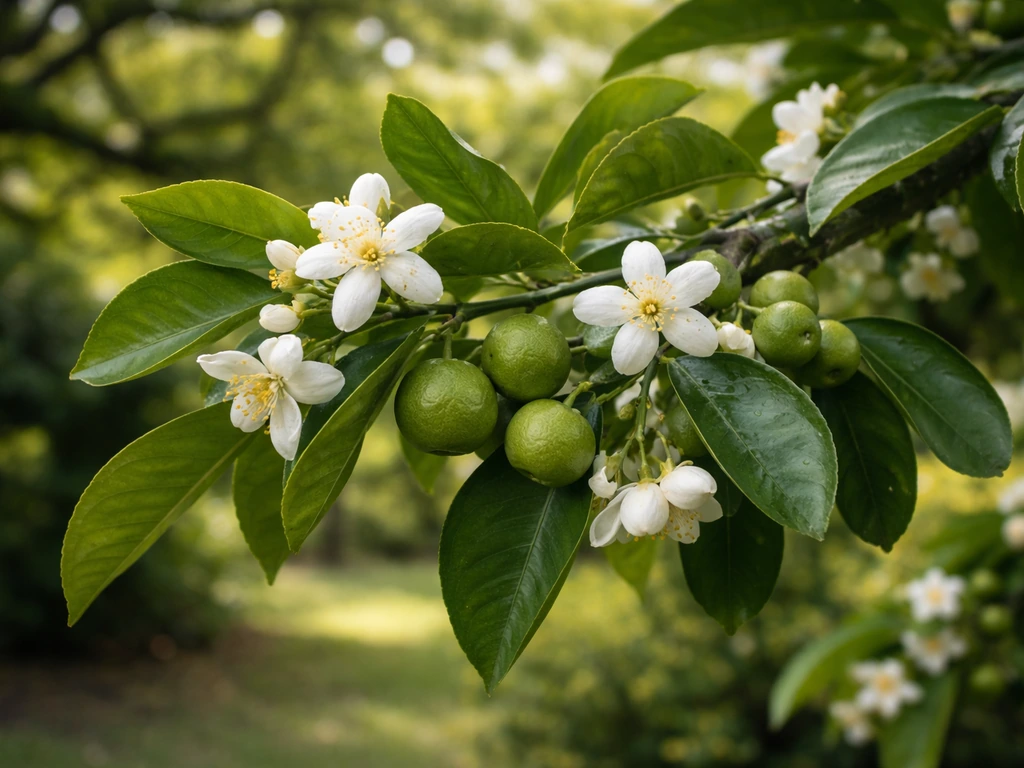
This is where grapefruit from seed really tests your patience. Citrus seedlings go through a juvenility phase, a period where the tree is biologically incapable of flowering regardless of how well you care for it. During this phase, you will notice the tree tends to grow upright and thorny. It is not a problem with your growing conditions. It is just how the plant works. Gradually, over years, the tree grows out of this phase and into flowering maturity.
In field conditions, Mississippi State University Extension puts the seed-to-fruit timeline at about 7 to 8 years. Other sources, including Growstuff, note it can stretch to 10 years. The wide range reflects real variability in climate, care, and the individual seedling. If you are growing the tree in a container indoors, the timeline can be even longer, and according to Mississippi State Extension, container-grown citrus seedlings may never form flowers or fruit at all. That is not meant to discourage you, but it is a fact worth building your expectations around.
It is also worth knowing that seed-grown grapefruit does not always come true to the parent fruit. Grafted trees at the nursery are consistent because propagators control the genetics. With seeds, you can get off-types that look like grapefruit trees but produce fruit that tastes different, or in some cases, does not produce at all. If your goal is to reliably harvest grapefruit, a grafted tree is the practical choice. Growing from seed is a rewarding project, but go in knowing you are rolling the dice a little on the end result.
What actually changes the timeline
Several factors have a real, measurable effect on how quickly your grapefruit seed moves from planting to a healthy seedling. Understanding them lets you stack the deck in your favor.
Seed freshness and viability
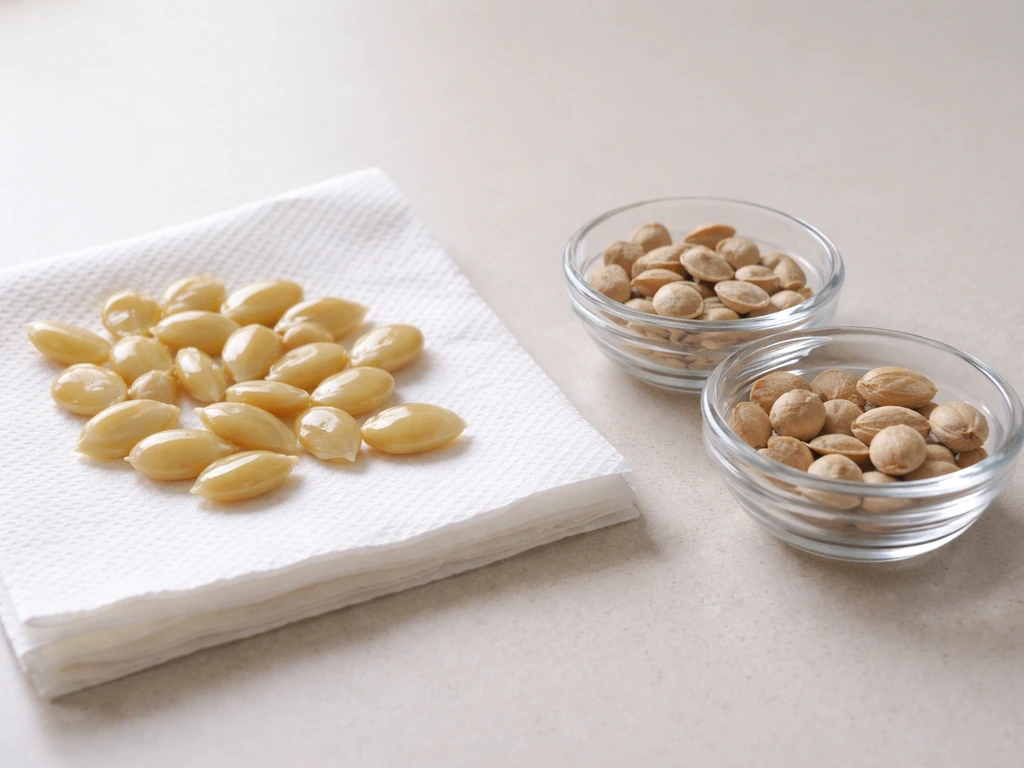
Fresh seeds win every time. Grapefruit seeds pulled from a ripe fruit and planted immediately germinate faster and at higher rates than seeds that have been stored dry. If you do have dried seeds, UF/IFAS recommends soaking them in aerated water at around 85°F (29°C) for about 24 hours before planting. This rehydrates the seed and can shorten germination time noticeably. For fresh seeds, even a shorter soak of about 8 hours helps.
Temperature
Citrus seeds want warmth. A soil temperature in the range of 75 to 85°F (24 to 29°C) is the sweet spot for germination. Below 65°F, germination slows dramatically and the seed becomes vulnerable to rot before it sprouts. A heat mat under your seed tray makes a real difference if you are starting seeds indoors in a cool room or during winter.
Potting mix and container
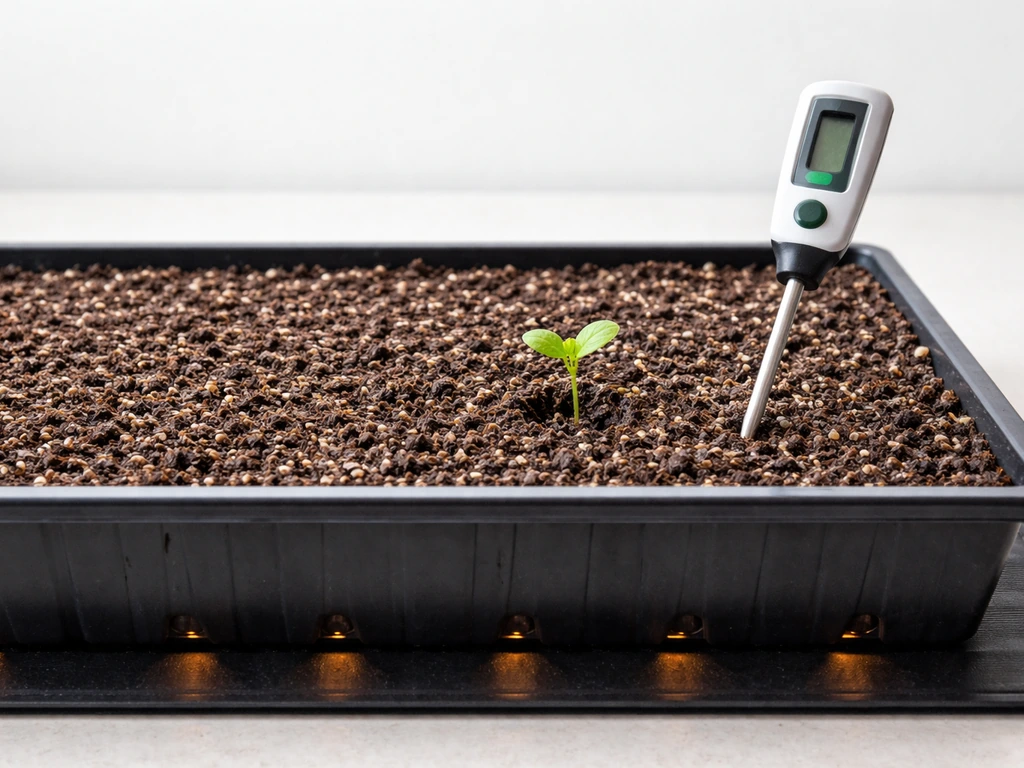
Start in a sterile, well-drained commercial potting mix. UC Cooperative Extension specifically recommends a shallow container (like a nursery flat or pan) with drainage holes. Drainage matters because soggy soil at the seed stage is the fastest path to damping-off, a fungal problem that rots seeds and collapses seedlings right at the soil line. Sterile mix reduces the pathogens that cause it.
Sowing depth
Plant grapefruit seeds at about 1/4 to 1/2 inch deep. For a typical grapefruit seed that is about 1/4 inch long, going about 1/2 to 3/4 inch deep works well. Too shallow and the seed dries out. Too deep and the sprout runs out of energy before it reaches light.
Cultivar differences
Not all grapefruit varieties behave identically from seed. Some are more polyembryonic than others, meaning a single seed can produce multiple shoots, most of which are genetic copies of the mother plant. This improves your odds of getting true-to-type fruit eventually. Check whether your variety is known to be polyembryonic if fruit quality matters to you.
Light
After germination, seedlings need bright, consistent light. Insufficient light produces leggy, weak seedlings that are more susceptible to disease and slower to establish. A south-facing window or supplemental grow lights work well indoors. Aim for at least 8 hours of bright light per day once the seedling emerges.
Step-by-step setup to give your seed the best start
- Choose a fresh grapefruit and extract seeds the same day you plan to plant. Rinse the fruit in a 20% bleach solution (one part bleach to four parts water) before cutting it open. This reduces the chance of introducing disease pathogens.
- If seeds are fresh, soak them in warm water (around 85°F) for 8 hours before planting. If seeds are dried, extend the soak to 24 hours in aerated warm water.
- Fill a shallow container or nursery flat with sterile commercial potting mix. Make sure the container has drainage holes.
- Plant seeds 1/4 to 1/2 inch deep, or up to 3/4 inch for larger seeds. Space them at least 2 inches apart if planting multiple seeds in one flat.
- Water gently and thoroughly until water drains from the bottom. Do not waterlog the mix.
- Place the container in a warm spot where soil temperature stays between 75 and 85°F. A seedling heat mat speeds this up significantly.
- Cover loosely with a clear plastic dome or plastic wrap to retain humidity, but vent daily to prevent fungal buildup.
- Check moisture every 1 to 2 days. The mix should stay evenly moist but not wet. Water lightly when the top half-inch feels dry.
- Expect sprouts in 12 to 15 days. Once seedlings emerge, remove the cover and move to a bright light source.
- When seedlings have 2 to 3 sets of true leaves and fill their current cell or container, pot up individually into a 4- to 6-inch container with fresh sterile mix and good drainage.
Troubleshooting: seeds not sprouting or seedlings struggling
Seeds not sprouting after 3 weeks
First, check your soil temperature. If it is below 65°F, germination will stall or fail. Get a cheap soil thermometer and add a heat mat if needed. Second, check seed freshness. Seeds that dried out completely before planting may have very low viability. If you are past the 4-week mark with nothing emerging, it is worth replanting with fresh seeds.
Seedlings collapsing at the soil line
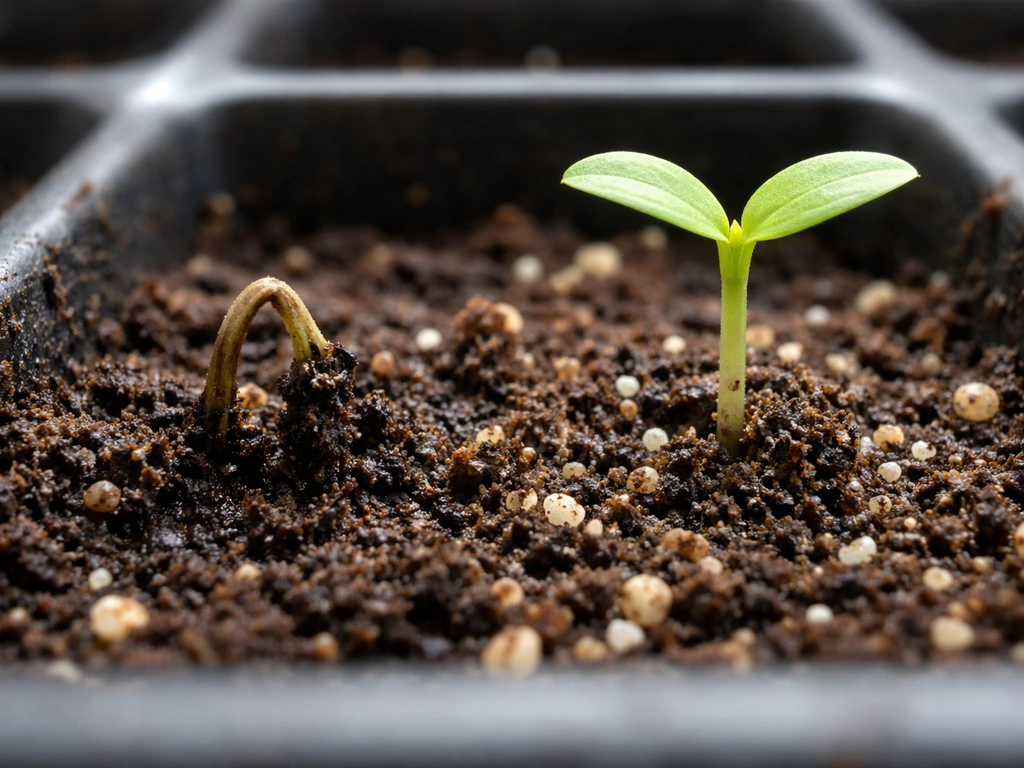
This is damping-off, caused by soilborne fungi like Pythium. It tends to strike when conditions are too wet and the potting mix is not sterile. Penn State Extension explains that damping-off is caused by fungi that rot seeds and destroy newly emerged seedlings, so starting in pasteurized soil or a soilless sterile mix helps prevent it It tends to strike when conditions are too wet and the potting mix is not sterile.. Unfortunately, once damping-off takes hold in a seedling, it cannot be reversed. Prevention is the only real strategy: use sterile mix, avoid overwatering, ensure good drainage, and keep air moving around your seedlings. Do not reuse old potting soil for seed starting.
Leggy, pale, or weak seedlings
This is almost always a light problem. If your seedling is stretching toward the window and its stem is thin, it needs more direct light. Move it closer to a south-facing window or add a grow light positioned 4 to 6 inches above the plant. Rotate the pot every few days so growth stays even. Leggy seedlings can recover once light improves, though they will never be as stocky as a well-lit seedling from the start.
Slow growth after the seedling stage
Grapefruit is genuinely slow in its first couple of years. If your seedling looks healthy but just is not growing fast, it is probably fine. Check that it is not root-bound (roots circling the bottom of the pot are a sign it needs potting up) and that it is getting consistent warmth and at least 8 hours of good light. A diluted citrus fertilizer applied monthly during the growing season can help once the seedling is a few months old, but do not push fertilizer in the first 8 weeks.
When and how to transplant, and what to expect long-term
Grapefruit is cold-sensitive, so outdoor transplanting is only an option if you live in a climate that stays reliably frost-free, like USDA zones 9 through 11. If you are in a marginal zone or moving a container plant outdoors for summer, acclimate it gradually over 1 to 2 weeks. Start in a sheltered, partly shaded spot and slowly move it into full sun. Jumping straight from indoors to direct afternoon sun causes sunburn and can trigger significant leaf drop.
For container growers, plan to repot into a larger container every 3 to 5 years as the tree matures. Go up in pot size gradually rather than jumping to a very large container too quickly, which can hold excess moisture around the roots. A well-draining citrus or potting mix designed for containers works best. Terracotta pots help with drainage but dry out faster than plastic, so factor that into your watering schedule.
For outdoor planting, the best time is spring, after any frost risk has passed and soil temperatures are warming. Choose a full-sun location with well-drained soil. Grapefruit trees planted in the ground in the right climate can reach fruiting age in roughly 7 to 8 years, though you may see sporadic flowering before that.
Here is a simple way to think about the full arc of growing grapefruit from seed:
| Stage | Typical Timeframe | What to Focus On |
|---|---|---|
| Germination | 12 to 15 days | Warmth, sterile mix, consistent moisture |
| Seedling establishment | 3 to 18 months | Light, drainage, avoid overwatering |
| Juvenile tree phase | Years 1 to 5+ | Steady growth, potting up as needed |
| First possible flowering | Year 5 to 7+ | Full sun, mature growth out of juvenile phase |
| First fruit (field conditions) | Year 7 to 10 | In-ground preferred, frost-free climate |
| Container fruiting | Uncertain, may never occur | Manage expectations; consider grafted tree |
If you want to compare the wait, it is similar in some ways to growing a pomelo from seed, another large citrus that shares the long juvenility phase. Stone fruits like nectarines and plums also have long juvenile periods from seed, though typically shorter than grapefruit. Stone fruits like nectarines and plums also have long juvenile periods from seed, though typically shorter than grapefruit, and if you are comparing timelines, see how long does it take to grow plums from seed. Nectarines generally take several years to reach fruiting age when grown from seed, so plan on a long wait similar to other stone fruits nectarines from seed. The common thread across all of these is that seeds give you a tree, but they rarely give you a fast path to fruit.
Growing a grapefruit from seed is a genuinely satisfying project if you go in with realistic expectations. Plumeria from seed also takes significant time to reach maturity, so plan for a long wait beyond sprouting. You will have a sprout in two weeks, a real little tree in a year, and a growing citrus that smells amazing when the leaves are brushed. The fruit? That part takes patience. But every year the tree matures, you are one step closer, and there is something deeply satisfying about a tree you grew entirely from scratch.
FAQ
If my grapefruit seed sprouted, does that mean I will get fruit in about 7 to 10 years?
Not necessarily. The 7 to 10 year range assumes the tree reaches flowering maturity at the typical pace, but flowering can be delayed by light, root health, or slow establishment. A seed that sprouts quickly can still take longer if the seedling stays leggy, gets stressed, or remains rootbound in a small container.
What is a realistic timeline for when I should expect my first blossoms?
For most seed-grown grapefruit, flowering is usually much later than the seedling stage, often years into growth, not within the first 1 to 2 years. If you do see any flowering earlier, treat it as sporadic, because juvenility is a biological phase, not a sign you are “done.”
Will every grapefruit seed from the same fruit produce the same type and quality of grapefruit?
No. Seed-grown citrus often differs from the parent fruit, even when grown under identical conditions. To improve your chances, consider saving seed only from the best fruit you can access, and plant multiple seeds so you can select any seedlings that show better vigor and more desirable traits later.
Do polyembryonic seeds guarantee true-to-type grapefruit fruit?
They improve the odds of getting a genetic copy of the mother plant, but they do not remove all variability. You can still end up with off-types, so treat polyembryony as a probability boost, not a guarantee.
How many seeds should I plant if I am hoping one will eventually fruit?
Plant more than one. A practical approach is to start with several seeds (for example, 3 to 8 depending on space), then keep only the strongest seedlings after the early fragile stage. This hedges against low viability, damping-off, and slower growers.
My seedlings look healthy but growth is very slow, what should I check first?
Start with warmth and light. If soil temperatures are under about 65°F, growth stalls even if the leaves look fine. Next, confirm you are providing at least around 8 hours of bright light, because leggy, stretched plants often lag in establishment.
Can I speed up fruiting by fertilizing more heavily?
Usually no, especially early. Excess fertilizer during the first couple of months can stress roots and increase salt buildup. A safer strategy is light feeding later, such as using diluted citrus fertilizer only after the seedling is a few months old, then adjusting based on leaf color and growth rate.
What watering mistake most affects whether my seedling survives long-term?
Overwatering during the first 4 to 6 weeks. Seedlings can look fine for a short time, then collapse when damping-off develops. Use a sterile, well-drained mix, water only when the surface begins to dry, and ensure airflow and drainage holes are working properly.
Is it better to grow grapefruit from seed outdoors or indoors if I want it to fruit?
If you are in a cold-sensitive area, container growing indoors or in a frost-free setup may be safer for survival, but it can still reduce or even prevent flowering. The biggest indoor factor is consistent bright light, since reduced light is a common reason seed-grown citrus struggles to flower.
When should I pot up my seedling, and could repotting delay fruiting?
Repot when roots outgrow the container or the plant shows persistent slow growth despite good light and warmth. Avoid jumping to a very large pot, which can hold excess moisture and raise disease risk. A smooth transition supports root development, which indirectly helps the tree reach maturity sooner.
My seedling is turning thin and leggy, what is the best fix?
Increase direct light quickly. Move it closer to the brightest window or raise the grow light so it is roughly 4 to 6 inches above the plant. Rotate the pot every few days to prevent one-sided stretching, and do not compensate with extra fertilizer.
What should I do if nothing sprouts after a month?
First, verify soil temperature is consistently warm (about 75 to 85°F). Also confirm seeds were fresh or properly rehydrated if dried. If there is no emergence by around the 4-week point, it is usually more productive to replant with fresh viable seeds rather than waiting indefinitely.
Does seed storage affect how long it takes to sprout?
Yes. Fresh seeds can germinate faster and more reliably, while stored dry seeds often have reduced viability and slower germination. If you are working with dried seeds, rehydrating in warm aerated water for a full day can improve both germination success and speed.
How cold is too cold for a grapefruit seedling?
Grapefruit seedlings are vulnerable to cold stress, and low temperatures can stall germination and slow later establishment. If moving outdoors seasonally, acclimate over 1 to 2 weeks and start in a sheltered, partly shaded area to avoid shock and leaf drop.
Will a grapefruit grown from seed smell or grow normally before it ever fruits?
Yes. Even without fruit, citrus foliage can be healthy and fragrant, but flowering is tied to juvenility and long-term establishment. Normal, vigorous leaf growth does not mean fruiting maturity is near, so plan for a long wait regardless of how good it looks in year one.
Next Article
How Long to Grow Nectarine From Seed: Timeline
Learn the seed-to-fruit timeline for nectarines, from cold stratification to germination and years until first fruit.