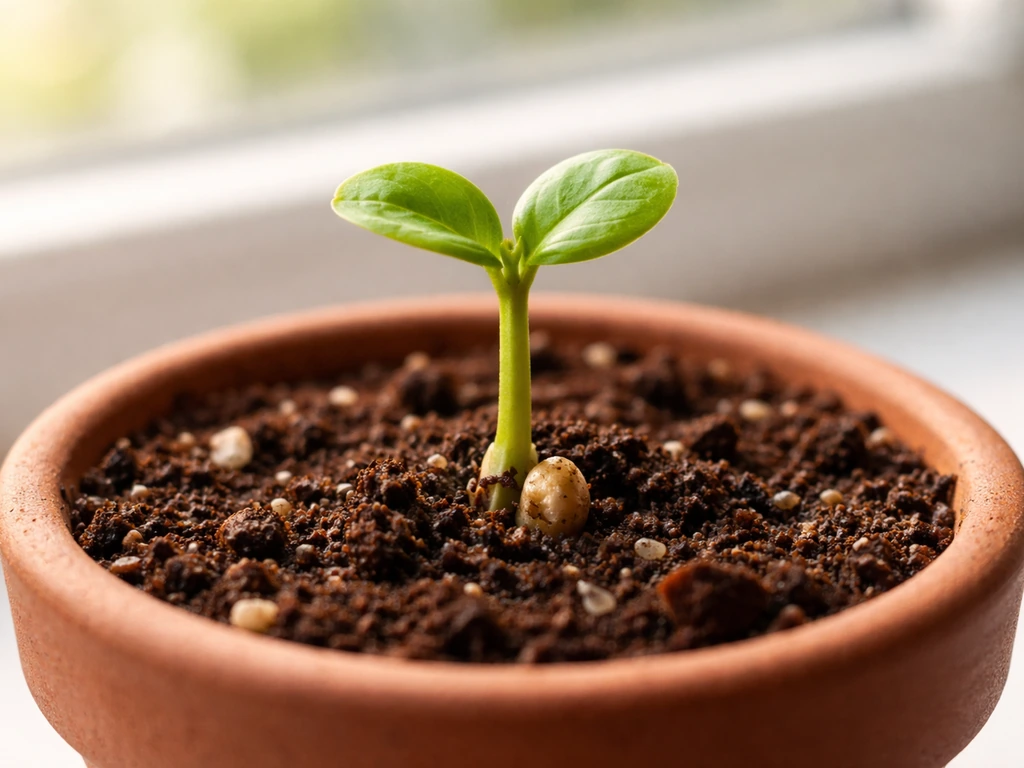
Growing an olive tree from seed takes patience measured in years, not weeks. Germination alone can take 25 to 50 days once conditions are right, but getting conditions right first requires 30 to 90 days of cold stratification. After that, you're looking at another 6 to 18 months before you have a seedling sturdy enough to transplant outdoors. Fruit? That's where things get humbling: olive trees grown from seed go through a juvenile phase lasting anywhere from 4 to 9 years, and some cultivars won't flower until 12 or more years after germination. If you're committed to starting from seed, that's the honest timeline upfront.
How Long to Grow an Olive Tree From Seed: Timeline
Marcus Henley
24 May 2026
Realistic timeline: seed to seedling to mature tree
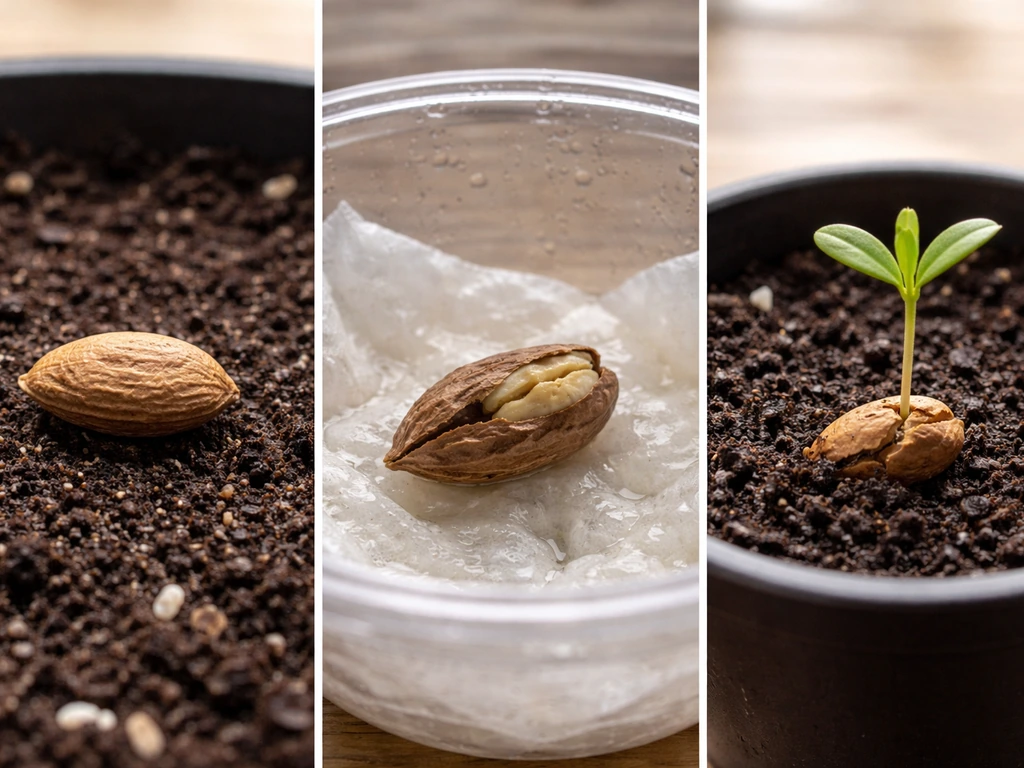
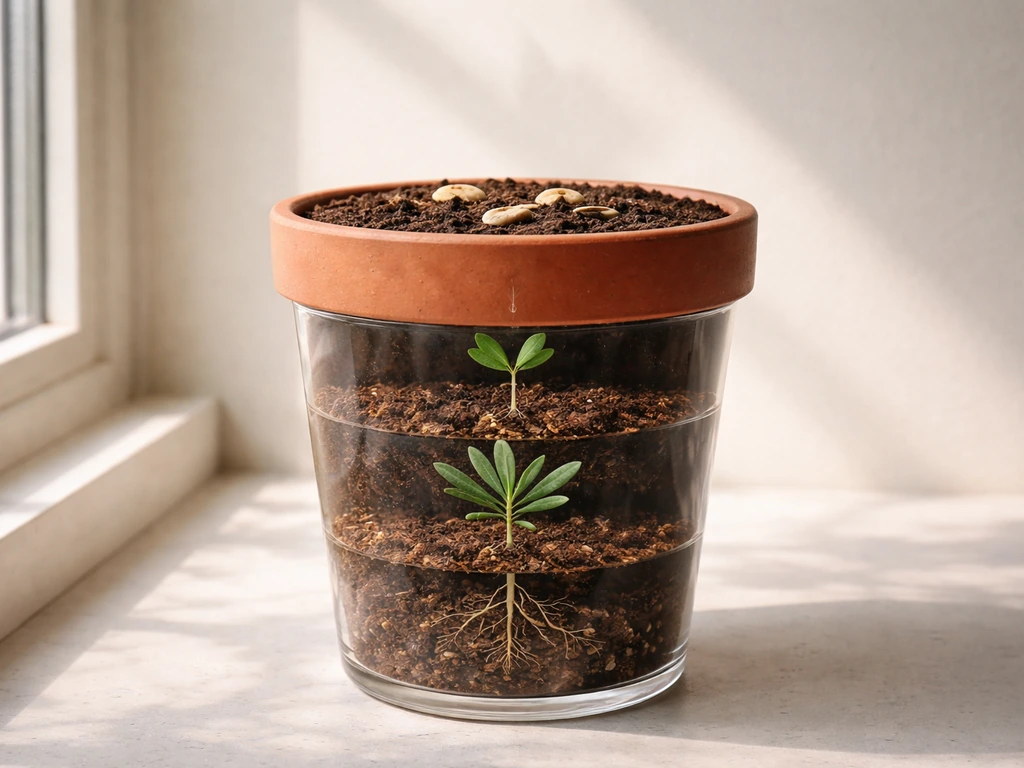
Here's how the stages stack up in real time, assuming you do everything right. Each phase has its own requirements, and delays at any one stage add up quickly. Citronella is also slow to start from seed, so checking the timeline and best starting conditions helps you plan when to expect sprouting and early growth how long to grow citronella from seed.
| Stage | Typical Time Range | Notes |
|---|---|---|
| Cold stratification | 30–90 days | Required before sowing; skip this and germination rate drops sharply |
| Germination (sprouting) | 25–50 days after sowing | Highly variable; some seeds take longer or fail entirely |
| Seedling establishment | 6–18 months | Slow early growth is normal; keep conditions consistent |
| Transplant-ready size | 1–2 years from germination | Depends on pot size, light, and root development |
| First flowering (juvenile phase) | 4–9 years minimum | Many seed-grown trees take 12+ years; cutting-grown trees flower in 3–7 years |
| Reliable fruiting | 8–15+ years from seed | Requires adequate chill hours each winter in addition to maturity |
Compare this to something like growing a lime tree from seed, which shares the long juvenile-phase challenge common to woody fruit trees. If you're wondering how long to grow lime tree from seed, expect a similarly slow early timeline before you get meaningful growth and fruit potential. Olives are particularly slow because of their deep dormancy and the fact that seeds from cultivated varieties often have low viability to begin with. The good news is that once an olive tree is established, it can live and fruit for centuries. You're playing the long game, and knowing that upfront helps you plan realistically.
Seed preparation: stratification and scarification
This is the step most beginners skip, and it's why so many olive seeds never sprout. Olive seeds have a hard endocarp (the pit) and a natural dormancy that mimics what they'd experience through a Mediterranean winter. You have to replicate that chill period artificially before the seed will germinate reliably.
Cold stratification
The standard protocol is to cold-stratify olive seeds at 35 to 45°F for 30 to 90 days. I typically aim for 60 days, which seems to hit the sweet spot between what research supports and what's practical. The method is simple: wrap cleaned seeds in a damp paper towel, seal them in a zip-lock bag, label the bag with the start date, and put it in the back of your refrigerator.
Check every week or two to make sure the paper towel is still barely moist (not soaking wet) and to watch for any early sprouting. University extension recommendations for tree seeds generally point to 35 to 41°F for 5 to 8 weeks as a baseline, but olives often benefit from the longer end of that range.
Scarification
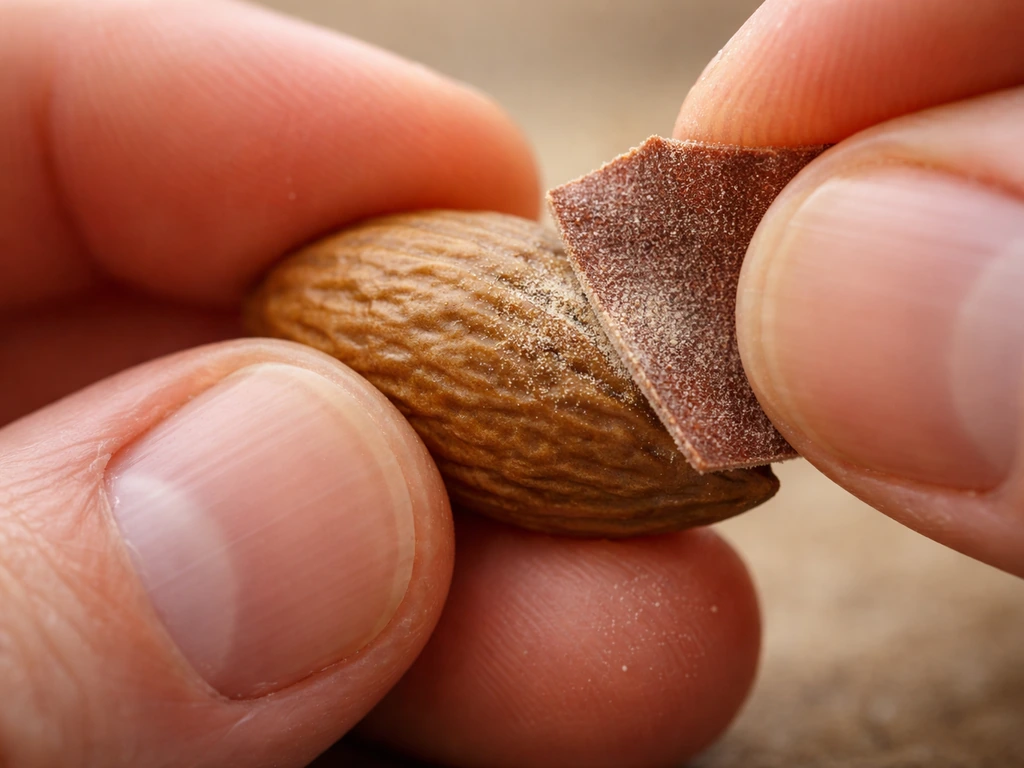
Scarification helps water penetrate the hard seed coat faster. For olives, light mechanical scarification works well: gently nick or sand the outer surface of the pit with fine-grit sandpaper or carefully crack the tip of the endocarp with a nutcracker (not enough to damage the inner seed). Some growers skip this step entirely and rely on stratification alone, but if you've had seeds sit for months without sprouting, trying scarification on the next batch is worth it. Commercial olive seed sellers often list it as a recommended step for improving germination rates.
Seed cleaning and soaking
Before any of this, clean the olive pit thoroughly to remove all fruit flesh, which can harbor mold and inhibit germination. Soak the cleaned pits in room-temperature water for 24 hours before starting stratification. This softens the seed coat slightly and helps wake up the embryo. Discard any seeds that float consistently, as these tend to have low or no viability, something that's especially common with cultivated olive varieties.
Germination conditions and troubleshooting delays
After stratification, move seeds to warm, moist growing conditions. Research on olive germination shows temperature is the single biggest variable: seeds germinate most reliably between 65 and 75°F. Studies have tracked germination responses at temperatures from 5°C all the way up to 30°C, and the takeaway is that cool or fluctuating temperatures significantly slow things down. A seedling heat mat set to around 68 to 70°F under your seed tray makes a real difference.
Moisture and air exchange
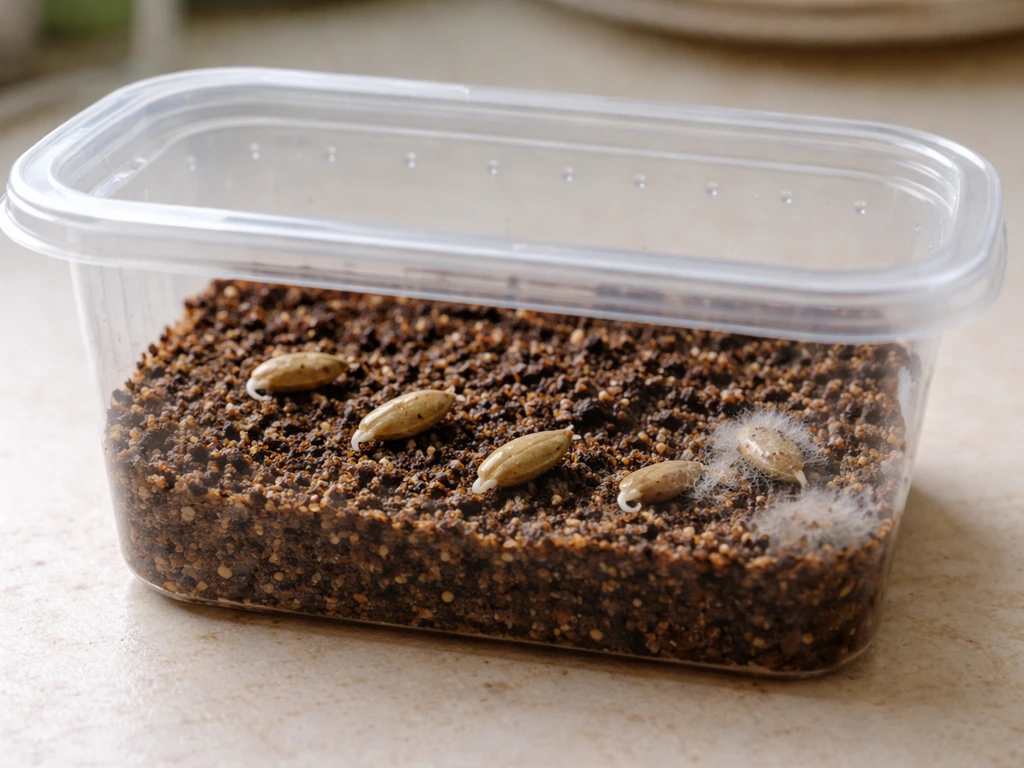
Olive seeds need consistent moisture but absolutely cannot sit in waterlogged soil. Use a well-draining germination mix, water until it feels like a wrung-out sponge, and let the top surface dry slightly between waterings. If you're using a humidity dome, lift it for 10 to 15 minutes daily to allow fresh air exchange. Stagnant, overly humid conditions are a fast track to mold.
Common causes of germination failure
- Old or low-viability seeds: cultivated olive seeds are notorious for poor viability, so always source fresh seeds and test multiple at once
- Skipping or shortening stratification: even 30 days is the absolute minimum; 60 to 90 days gives you better odds
- Too-wet conditions: mold will kill the embryo before it sprouts; germ-free germination soil and good drainage are non-negotiable
- Temperature swings: keep your germination setup somewhere with stable warmth, not a windowsill that gets cold at night
- Insufficient scarification on very hard pits: if seeds aren't sprouting after 8 weeks of warmth post-stratification, try scarification on the next round
- Fungal issues: a very light dusting of powdered cinnamon or a dilute hydrogen peroxide soak before planting can help suppress mold without harming the seed
Variability is completely normal. Even under ideal conditions, not every seed will sprout, and the ones that do may take anywhere from 25 to 50 days or longer. Don't give up on a tray until you've waited at least 10 to 12 weeks after sowing.
How long each growth stage actually takes
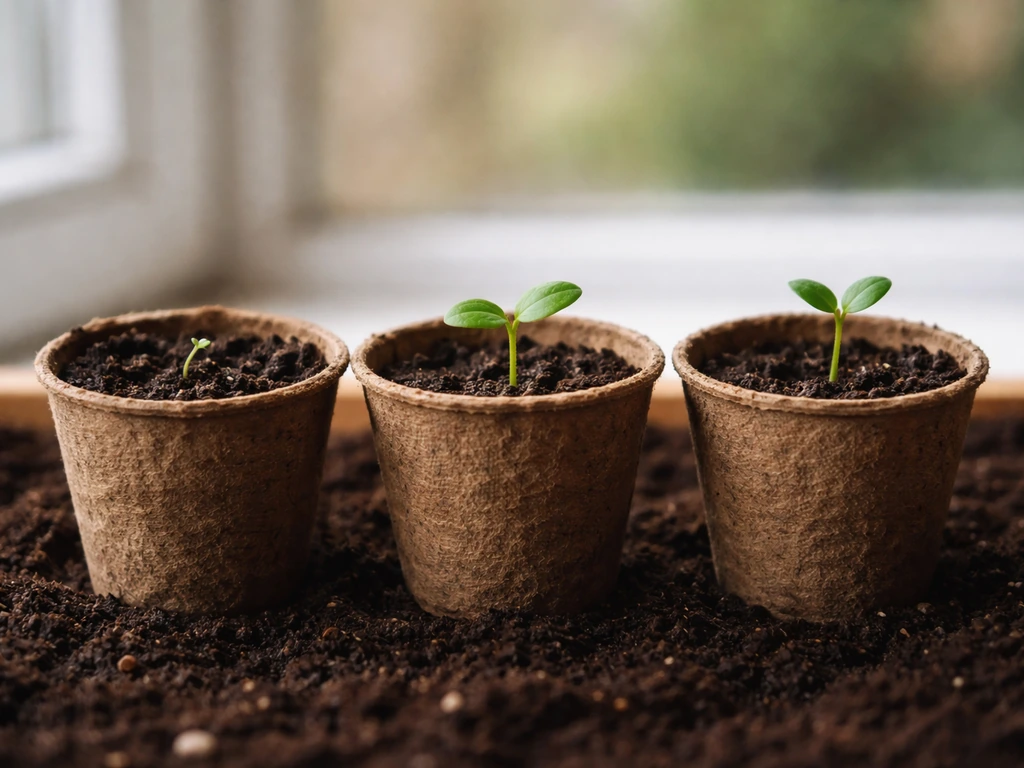
Once you see the first sprout pushing through the soil, here's what the next stages typically look like:
- Sprout to first true leaves: 2 to 4 weeks after germination. The seedling will produce a set of seed leaves (cotyledons) first, then its first true olive leaves. Growth is slow at this stage.
- Seedling with 3 to 5 sets of true leaves: roughly 2 to 4 months from germination. This is when the plant starts looking like a real olive seedling. Keep it in bright light and resist the urge to fertilize heavily.
- 4 to 6 inches tall (sturdy enough to pot up): 4 to 6 months from germination. The root system is now developed enough to handle a move to a slightly larger container.
- Transplant-ready seedling (12+ inches, established root ball): 12 to 24 months from germination. At this point the plant can handle outdoor conditions gradually, with proper hardening off.
- Young tree, established outdoors: 2 to 4 years from seed. Still in juvenile phase, still far from flowering.
Early olive seedling growth is genuinely slow. If you're used to starting fast-sprouting seeds like cantaloupes or herbs, the pace of an olive seedling can feel alarming. It isn't. Olives put a lot of energy into root development early on, and the above-ground growth reflects that slow-and-steady strategy.
Growing on after germination: pots, soil, light, and water
Olives want as much sun as they can get. Full sun is the standard recommendation, and indoors that means a south-facing window supplemented with a grow light if your natural light is limited. Stretched, pale, weak seedlings are almost always a light problem. You should sow olive seeds in germ-free cultivation soil and then blank" rel="noopener noreferrer">keep seedlings as bright as possible to prevent weak, stretched growth. Keep seedlings as bright as possible from day one.
Soil and containers
Use a germ-free, well-draining mix for germination, then transition seedlings to a sandy or loam-based mix with excellent drainage as they grow. Olives are adapted to poor, rocky Mediterranean soils and will struggle in heavy, water-retentive potting mixes. Add perlite or coarse sand to improve drainage if needed. Start seeds in small cells or 4-inch pots, then pot up gradually as roots fill the container. Don't rush to a large pot early; olive seedlings do better with snug root conditions.
Watering
Water deeply and then let the soil dry out somewhat between waterings. Olives are drought-tolerant trees and their seedlings, while more sensitive than mature trees, still resent constantly wet roots. The most common mistake at this stage is overwatering. If the top inch of soil feels dry, water thoroughly. If it's still damp, wait another day.
Pots vs. ground
For the first two years, containers give you control over temperature, soil conditions, and mobility, which matters especially if you're in a climate with cold winters. Olives are damaged at temperatures below 29°F, so young seedlings in pots can be moved indoors during freezes. Once the tree is 2 to 3 feet tall and your climate is reliably suitable (USDA zones 8 to 11 for most cultivars), ground planting makes sense. In the ground, olive trees establish faster and will eventually grow larger and more productive than container-grown specimens.
When to expect fruit (and what changes the timeline)
This is where the honest answer gets harder to hear. If you're wondering how long to grow calamansi from seeds, expect a similarly long timeline from sowing to your first real fruiting, depending on light, temperature, and seed viability. Olive trees grown from seed spend years in a juvenile phase, during which they grow vigorously but don't flower.
Research places this juvenile period at 4 to 9 years at minimum, and some studies note that certain cultivars may not flower until 12 to 13 years after germination. Contrast that with trees propagated from cuttings, which often flower within 3 to 7 years after field planting because they skip the juvenile phase entirely. This is the single biggest reason most commercial and serious home growers propagate olives from cuttings rather than seed.
Even after a seed-grown tree matures past its juvenile phase, it still needs adequate chill hours each winter to flower and fruit. The Florida Olive Council’s research similarly emphasizes that Florida’s challenge is finding cultivars that will reliably bloom and fruit under low-chill conditions [Even after a seed-grown tree matures past its juvenile phase, it still needs adequate chill hours each winter to flower and fruit. ](https://floridaolive. org/wp-content/uploads/2021/04/2021-Low-Chill-Olive-Report.
pdf). Research from Florida defines chill hours as time spent between 32°F and 45°F to 47°F, and most productive olive cultivars need 200 to 300 or more such hours annually. A vernalization period of 6 to 11 weeks below 9°C (about 48°F) ending 40 to 60 days before bloom time is what triggers flower initiation.
In warm climates with mild winters, getting enough chill hours is a real obstacle, and trees in those regions may grow beautifully but bloom inconsistently or not at all.
Factors that can speed up or slow down fruiting
- Cultivar genetics: some varieties have shorter juvenile phases than others; if you can identify the variety of your seed source, research its fruiting habits
- Climate and chill hours: trees in zones with adequate winter chill (200–300+ hours between 32°F and 47°F) will flower and fruit much earlier in their maturity cycle
- Growing conditions during juvenility: trees grown with good light, proper soil drainage, and consistent care move through the juvenile phase faster than stressed trees
- Grafting option: if you grow a seedling to a decent size and graft a mature cultivar onto it as rootstock, you can dramatically shorten the wait for fruiting
- Seed source viability: trees grown from wild olive (Olea europaea var. sylvestris) seeds often have longer juvenile phases than those grown from cultivated varieties
Planning around seasonality and setting realistic expectations
The best time to start your stratification is late fall, so that your 60 to 90 days of refrigerator chill aligns with late winter or early spring sowing. If you start stratification in early November, you're ready to sow in January to February, giving seedlings the warming days of spring to establish. You can also do winter sowing, where you mimic outdoor stratification by sowing into protected outdoor containers through winter, letting natural cold and moisture do the stratification work before spring warmth triggers germination. This approach works well in climates with reliably cold (but not brutally freezing) winters.
Timelines vary because seeds vary, climates vary, and individual growing setups vary. If your seeds are taking longer than 50 days to germinate after sowing, don't pull the tray. Keep conditions stable, check for mold, and wait. If you hit the 12-week mark with nothing, consider whether your stratification was long enough, whether your seeds were fresh, and whether your germination temperature has been consistent. Those three things account for the vast majority of olive germination failures.
Milestones to track: first sprout visible, first true leaves, seedling reaching 4 inches, seedling reaching 12 inches, first winter outdoors survived, and eventually, first flower buds. Each milestone tells you the tree is progressing normally. If you're in a hurry to have a productive olive tree sooner rather than later, the practical advice is to start the seedling from seed for the experience and rootstock potential, and consider grafting a proven cultivar onto it once the trunk is pencil-thick. That's exactly what commercial Florida olive growers do to get around both the juvenile phase and chill-hour challenges. For everyone else, though, the slow road from seed is its own reward, and olives are famously worth the wait.
FAQ
If my olive pit floats after soaking, should I throw it out right away?
It usually is, but not always. If you sow and wait 10 to 12 weeks without any sprout, the two most common causes are insufficient cold exposure (stratification too short or too warm) and inconsistent germination temperature (cool nights, frequent chilling, or a tray that runs too low). Before assuming the seeds are dead, confirm the paper towel stayed barely moist, discard any that show fuzzy mold, and re-check your temperature range for the next round.
My olive pit floated during the 24-hour soak, can it still sprout?
Not necessarily, but floaters are higher risk. Seeds that consistently float tend to have low viability, especially for cultivated varieties, but a one-time float during soaking can happen if the pit trapped air. If it’s floating throughout the 24-hour soak, discard it. If it settles, proceed with cleaning and stratification.
How can I tell if my refrigerator stratification is too wet and will cause mold?
Yes. If you place the bag in the back of the fridge, condensation can build and the towel can stay overly wet, which encourages mold and can kill the embryo before it ever warms up. The fix is to keep the towel barely moist, inspect weekly or every 1 to 2 weeks, and replace the towel if it turns slick or develops any smell or visible growth.
What’s the biggest mistake that slows olive seed germination after stratification?
Aim to keep it stable and avoid cycles. For reliable germination, use a warm setup around 65 to 75°F, with minimal daily swings. A heat mat under the tray usually helps, but also keep airflow consistent. If your room is cool and you rely on sunlight or a window, temperatures fluctuate and can slow or stall germination.
Can I use a humidity dome the whole time to prevent drying out?
Yes, and it’s a common one. Olive seedlings resent soggy roots, so water deeply only when the top layer starts to dry (for many mixes, about the top inch). If you’re unsure, wait one more day rather than watering again immediately, and ensure your germination or seedling mix drains freely.
Do I need to change my light setup right after stratification, or can I wait until sprouting?
You can, and it’s often smart, but use a “mild” transition rather than flipping from fridge-cold to full indoor sun at once. After stratification, start sowing soon, keep the tray warm, and use bright light from day one once sprouting begins. Hardening off to outdoors is gradual, especially if nighttime temperatures drop below freezing risk.
At what point should I stop waiting on a slow sprouting olive tray?
A delayed or uneven sprout does not always mean failure, but there is a point where you should reassess. If nothing appears by the 10 to 12 week window after sowing, check whether the seeds actually received the full cold period, whether the warm phase stayed in range, and whether the seeds were viable or already compromised by mold.
Should I start olive seeds in a large pot to reduce repotting later?
You don’t need to, and often you shouldn’t. During early germination and seedling stages, oversize containers can stay wet too long, raising mold and root-rot risk. Small cells or about 4-inch pots help you control moisture, then pot up gradually as roots fill the container.
My olive seedlings are tiny and leggy, is that normal juvenile growth?
Even slow growth can be normal because olives build roots first, but extreme stretching is usually a light problem. If seedlings look pale, lanky, or bent toward the window, increase light immediately (south-facing window plus a grow light if needed). Growth that stays small but sturdy can be fine, especially in cooler rooms.
When should I graft my seed-grown olive to get fruit sooner, and will chill hours still matter?
Grafting is a practical way to shorten the “years to fruit” timeline, but timing matters. For most seed-grown olives, wait until the seedling has enough trunk thickness (the article’s “pencil-thick” milestone) so the graft has a good chance to take. Also consider local chill requirements, because grafting a productive cultivar still needs enough winter chilling to flower reliably.
What’s the best way to protect a young olive tree during winter cold snaps?
They should be protected, but the key is temperature plus drainage. Olive seedlings can be damaged below 29°F, so during cold snaps, bring containers indoors or into a protected area. In the ground, risk is higher, so many growers keep young trees in pots for the first couple of years to manage freezes and to avoid winter wet soils.
Next Article
How Long to Grow a Lime Tree From Seed: Timeline
Timeline for growing lime from seed: germination to transplant and first fruit, plus fixes for slow or failed sprouting.