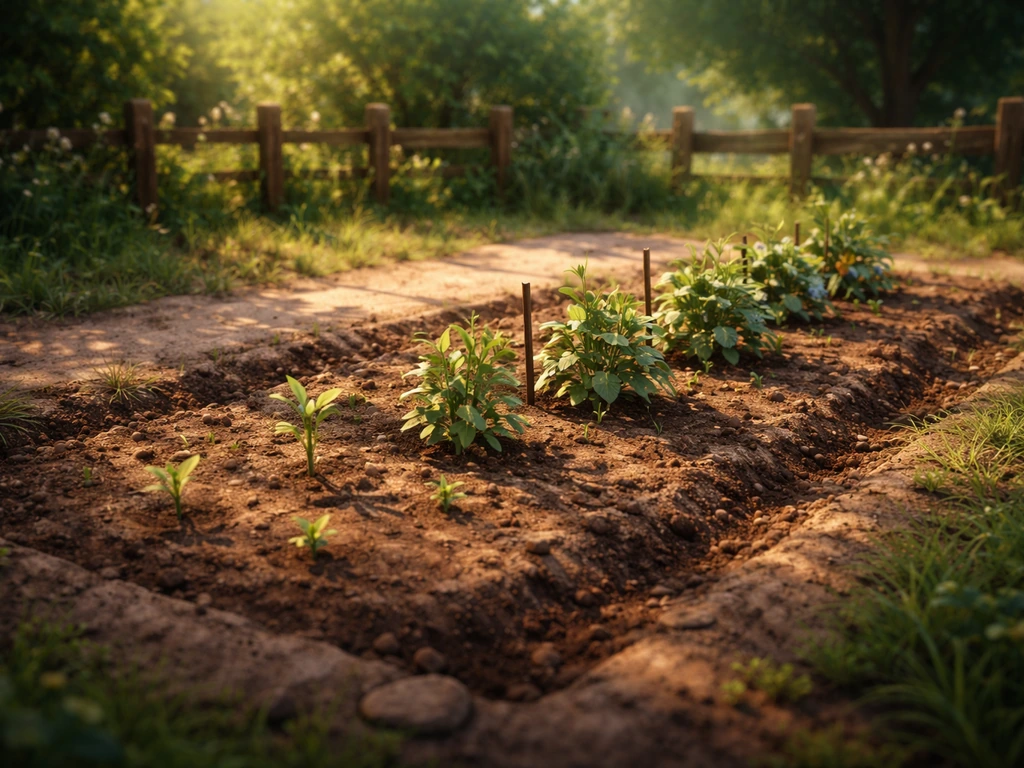
Most rare seeds take anywhere from 7 to 30 days to germinate under good conditions, then another 4 to 16 weeks to reach a harvestable or mature plant, depending on what you're growing. That range is wide on purpose, because 'rare seed' covers a huge variety of plants, and the single biggest factor controlling your timeline is the seed's own biology: whether it needs cold stratification, scarification, darkness, or a specific temperature window before it will sprout at all. Once you know what your seed actually needs, you can pin down a realistic schedule in about five minutes using the seed packet.
How Long Does Rare Seed Take to Grow? Real Timelines
Marcus Henley
26 Apr 2026
What 'rare seeds' really means and why timing is all over the map
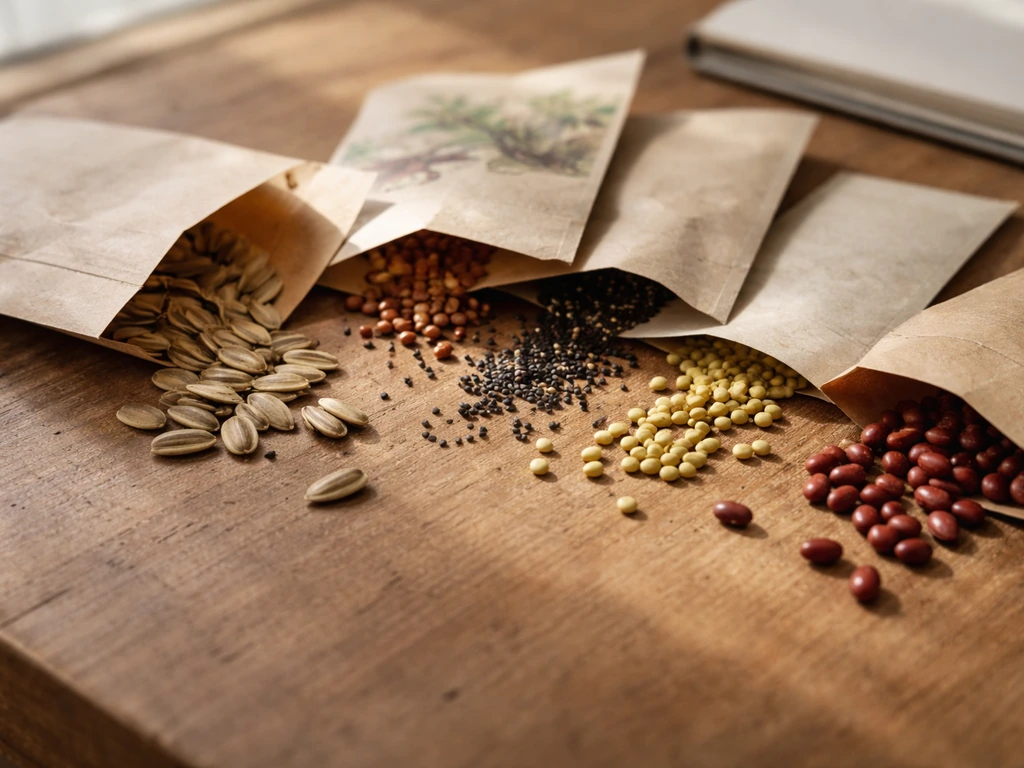
When most gardeners search for 'rare seeds,' they're usually talking about specialty, heirloom, or uncommon varieties that aren't sitting on the shelf at the garden center. That might be an unusual herb, a heritage vegetable, a native wildflower, or a slow-maturing ornamental. Unlike common crops where you can find germination data on any extension service website, rare seeds often come with limited information, which is exactly why the timing question feels so uncertain.
The main reason timelines vary so much comes down to dormancy. Many rare seeds, especially perennials, natives, and woody plants, are in a physiological state that blocks germination even when moisture and temperature are perfect. A pawpaw seed, for example, needs weeks of cold moist chilling (stratification) before it will break dormancy and sprout. Without that, you can give it ideal warmth and water all season and get nothing. This dormancy period is largely independent of the conditions around the seed, meaning the seed is working on its own internal clock, not yours.
Other rare seeds skip dormancy entirely and behave just like a fast lettuce or radish. The point is: two seeds that both get labeled 'rare' can have wildly different requirements. Identifying what category your seed falls into is the first and most important step before you plan anything.
Typical timelines: germination, seedling stage, and full maturity
Here's a practical framework for how most rare seeds move through their growth stages. These aren't guarantees, but they're realistic ranges based on how seed biology actually works across categories.
Germination (sprouting)
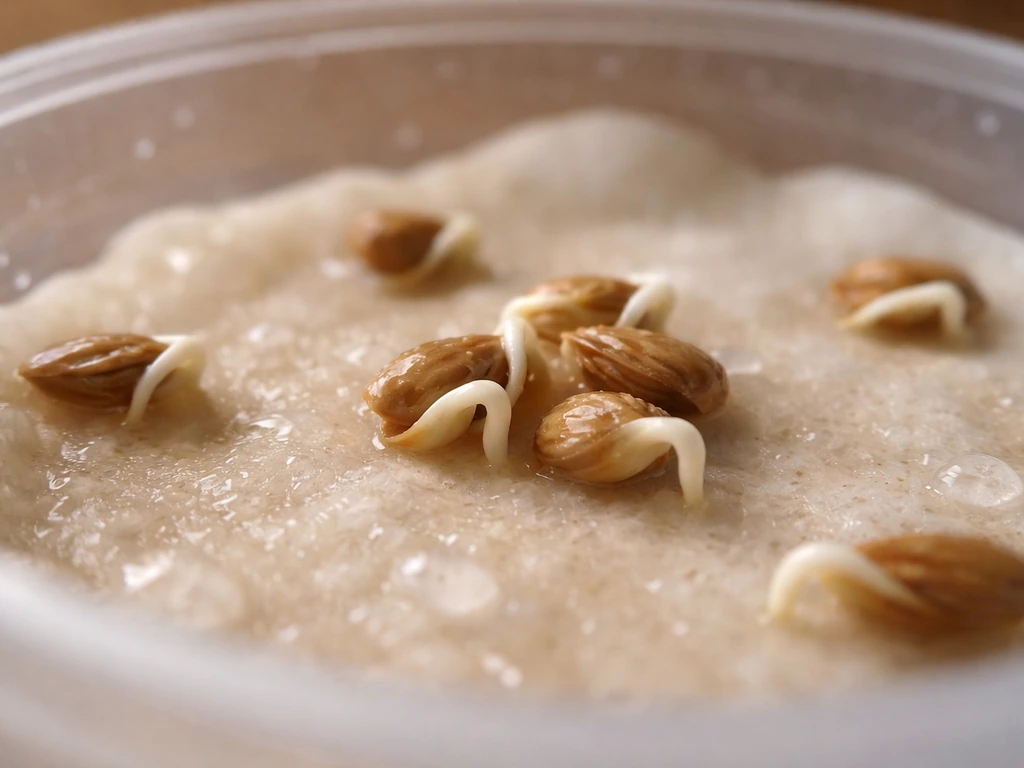
For seeds with no dormancy requirements, germination typically happens within 7 to 21 days at optimal temperatures. Fast germinators like radishes can pop in 3 to 4 days. Slower specialty crops and many flowers take 10 to 21 days. Some perennials and woody ornamentals with dormancy requirements won't sprout until after a stratification period of 4 to 12 weeks, so the true 'germination window' can span months when you count the prep time.
Seedling stage
After germination, most seedlings spend 3 to 6 weeks developing their first true leaves and building enough root mass to handle transplanting or outdoor conditions. Fast annuals move through this stage quickly. Slow perennials and ornamentals may spend 6 to 12 weeks as seedlings before they're ready to go outside.
Full maturity (harvest or flowering)
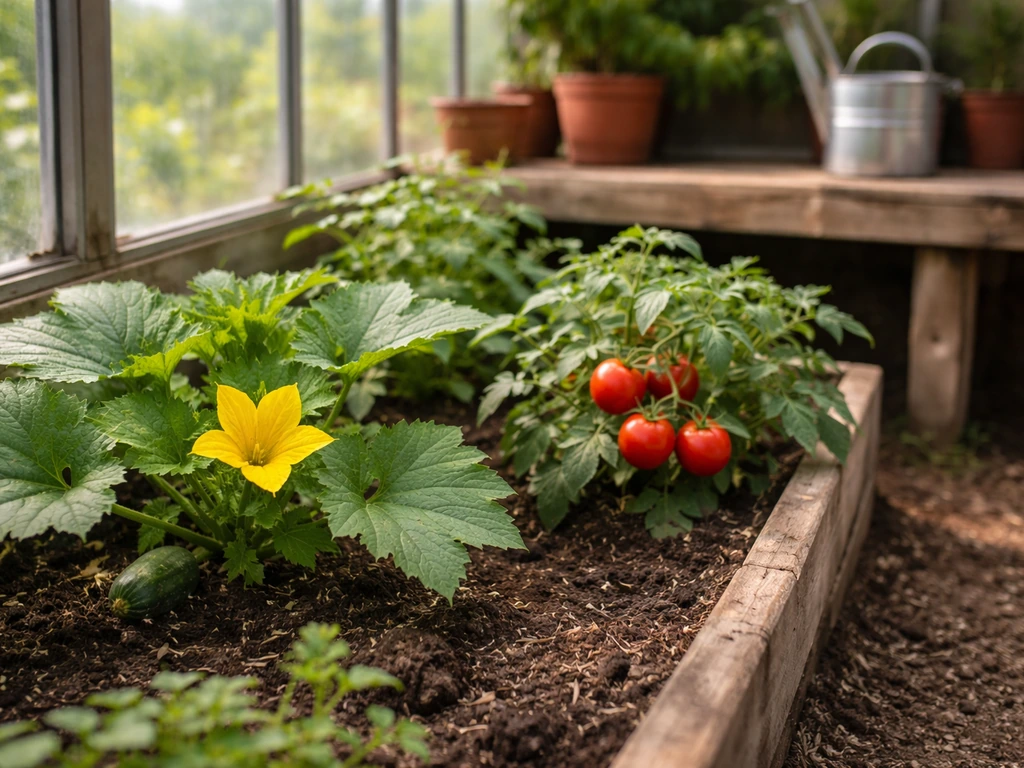
This is where the real variation shows up. 'Days to maturity' on a seed packet counts from outdoor planting (or transplant) to first harvest or bloom, not from the moment you drop the seed in soil. For seed bombs, that means you should count from the planting time to first sprouts and then again to a harvestable size how long do seed bombs take to grow.
In Stardew Valley, ancient seeds follow the same idea of counting from planting to harvest, but the in-game growth stages make the total time much longer than most standard crops how long do ancient seeds take to grow stardew valley. A fast annual flower like gomphrena germinates in about 10 to 14 days and reaches blooming size in roughly 9 to 10 weeks from transplant.
An annual phlox germinates in 6 to 10 days but needs about 10 to 11 weeks of crop time before it flowers. Rare vegetable crops commonly need 60 to 120 days to maturity from outdoor planting. Woody perennials and ornamentals started from seed can take a full growing season or more before they're established.
How to estimate your specific rare seed's timeline today
You don't need to guess. Here's the method I use every time I get an unfamiliar seed, and it takes about five minutes.
- Identify the plant to species level. Common names are unreliable. Look for the Latin genus and species on the packet or from the seller. This is what you'll use to look up accurate growing data.
- Find the seed packet details or the supplier's growing notes. Reputable seed companies always list days to germination, optimal germination temperature, any stratification or scarification requirements, and seeding depth. If your packet is bare, search the Latin name plus 'germination requirements' on any university extension site.
- Separate 'days to germination' from 'days to maturity.' These are two different clocks. Days to germination tells you when you'll see a sprout. Days to maturity tells you when you'll get a harvest or bloom, and that clock usually starts at outdoor transplanting, not at seed sowing.
- Check whether the packet's maturity count starts from direct sowing or from transplant. For seeds sown directly outdoors, the days-to-maturity clock typically starts at germination. For seeds started indoors and transplanted, the clock resets at transplant. Knowing which clock your packet uses prevents you from miscalculating by 4 to 8 weeks.
- Factor in any dormancy prep time. If your seed needs cold stratification (typically 3 to 12 weeks at around 40°F in moist conditions), add that to your timeline before germination begins.
- Build your calendar. Work backward from your target date using the count-back method: decide when you want mature plants, subtract the days to maturity, subtract the seedling weeks if starting indoors, subtract the germination days, and subtract any stratification time. That's your sowing date.
As a rule of thumb for planting depth when the packet gives no guidance: plant the seed roughly two to three times as deep as its widest diameter. Planting too deep is one of the most common reasons rare seeds fail to emerge, because the seedling runs out of stored energy before it can reach light.
Conditions that speed up or slow down germination
Temperature is the biggest lever you have. Most vegetable and annual flower seeds germinate fastest between 65°F and 80°F soil temperature. For germinating most seeds, UGA Extension notes that 65, 75°F is a good rule of thumb 65–75°F is a good rule of thumb for germinating most seeds. Push below that range and germination slows dramatically or stalls: carrots and lettuce, for example, show little to no germination when soil temperatures drop to around 49 to 51°F. Some rare cool-season crops do prefer cooler soil, so always match temperature to the specific seed, not to a general rule.
Moisture matters just as much as temperature, but the relationship isn't 'wetter is better.' Seeds need consistent moisture to absorb water and trigger germination, but waterlogged soil cuts off oxygen, which is essential for the germination process. In a Reddit thread about cold stratifying native plant seeds, people discuss that using damp paper towels in a plastic bag is a common approach but moisture level needs to stay consistent throughout the chilling period. Flooded soil can halt germination entirely and cause seeds to rot within days. Cold, wet soil is especially brutal because it combines low temperature with low oxygen and creates ideal conditions for seed-rot fungi.
Light requirements are easy to overlook and can silently kill your germination rate. Some seeds, like annual phlox, require darkness to germinate, meaning a thin layer of soil covering is essential. Others need light and should barely be pressed into the surface. If your packet specifies a light condition, treat it as non-negotiable rather than a suggestion.
Soil compaction is an underrated problem. Compacted or cloddy soil limits oxygen availability around the seed and physically blocks the emerging root and shoot. Raised beds and loose, well-aerated starting mix consistently produce faster, more uniform germination than heavy native soils.
Troubleshooting slow or failed germination
If your rare seed hasn't sprouted within the expected window, don't panic and don't immediately start over. Work through this checklist first, because most failures have a fixable cause.
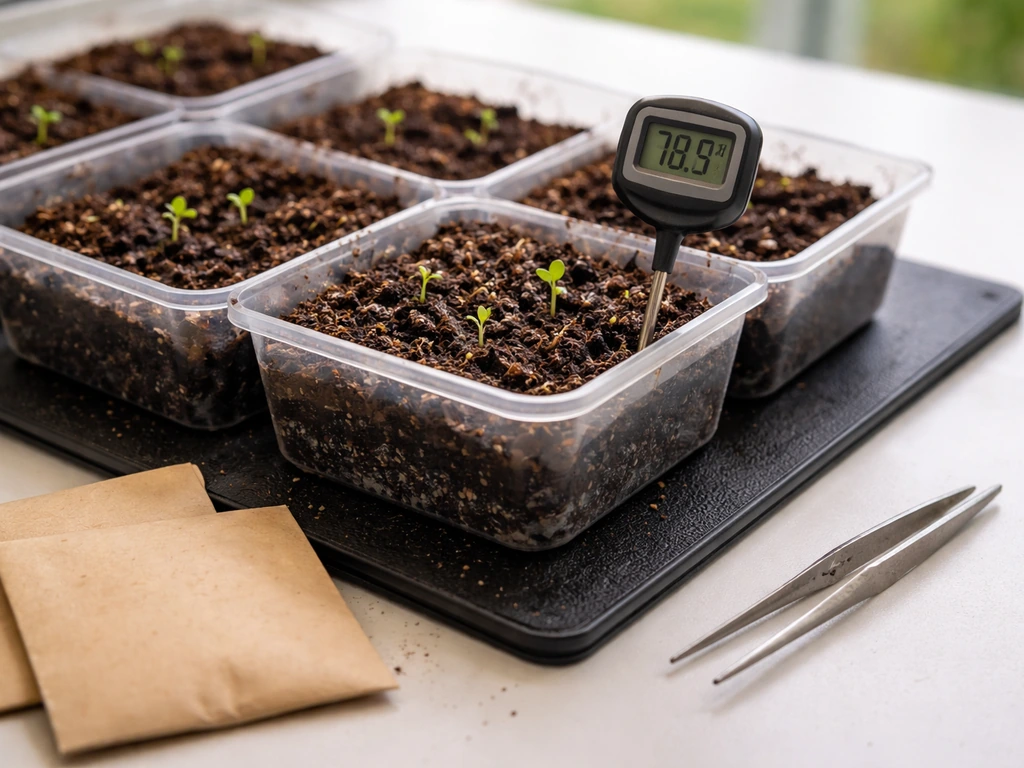
- Check soil temperature, not air temperature. Soil runs cooler than air, sometimes 10°F cooler on a windowsill. Get a soil thermometer if you don't have one. If it's below the seed's optimum range, that's almost certainly your issue.
- Review the dormancy requirements again. If your seed needed stratification and you skipped that step, it simply won't germinate. Cold moist stratification typically means 3 to 6 weeks at around 40°F. Some seeds need up to 12 weeks.
- Check your planting depth. Too deep is the most common mechanical failure. Seeds planted deeper than two to three times their width often exhaust their energy before reaching the surface.
- Look at moisture levels honestly. Soil should feel like a wrung-out sponge, consistently moist but never soggy. Lift the tray or pot and check that drainage is working. Standing water at the bottom of a container spells trouble.
- Consider light conditions. If your seed requires darkness, any light exposure through a clear dome or thin soil covering can delay or prevent sprouting.
- Check seed viability and age. Rare seeds from specialty suppliers are often fresh and viable, but old or improperly stored seeds lose germination rates fast. If your seeds came from storage or an unknown source, expect lower germination rates and sow extra.
- Wait the full window before restarting. Many rare seeds, especially perennials and natives, take 21 to 30 days or more to sprout even under good conditions. Giving up at day 14 and starting over wastes time and seeds.
If you've checked all of the above and nothing has sprouted after twice the expected germination window, then it's reasonable to try again with a fresh batch. Before restarting, adjust one variable at a time, usually temperature first, then moisture management. Overcorrecting everything at once makes it hard to know what actually worked.
Planning your planting schedule by season and growing window
The most common scheduling mistake with rare seeds is starting too late and then rushing the plant through stages it needs time to complete. Building your calendar around your last and first frost dates gives you a realistic framework.
For warm-season rare seeds (most unusual vegetables, tender annuals, and tropical ornamentals), start indoors 6 to 10 weeks before your last expected frost date, then transplant outdoors only after frost risk has passed. Tomatoes are typically started 5 to 6 weeks before transplant as a reference point. Apply similar logic to rare warm-season crops.
For cool-season rare seeds, you often have two windows: an early spring sowing 4 to 6 weeks before last frost, and a late summer sowing (in many climates, early August) to get a fall harvest before your first fall frost. Fast crops like specialty radishes or unusual salad greens can be succession sown every 2 to 3 weeks through their season.
For rare perennials and ornamentals that need stratification, you have two practical options: sow outdoors in fall and let winter provide the cold conditioning naturally, or stratify indoors in your refrigerator in late winter and sow in early spring for that season's growth. Either approach works; the choice depends on your climate reliability and whether you want to control the process.
Use the count-back method: decide your target outdoor planting date, count back the weeks for indoor seedling development, count back the days for germination, and add stratification time if needed. That final date is when you prepare and sow your seeds. Write it on the calendar rather than keeping it in your head.
Quick reference timelines by seed category
These ranges reflect typical growth stages across broad categories. Individual varieties within each category can fall outside these ranges, especially if they have unusual dormancy requirements or specific climate needs. Always treat the seed packet as the primary source and use these numbers as a sanity check.
| Seed Category | Days to Germinate | Weeks to Transplant-Ready Seedling | Days to Maturity (from outdoor planting) |
|---|---|---|---|
| Rare/specialty vegetables | 7–21 days | 4–8 weeks | 55–120 days |
| Rare herbs | 10–21 days | 4–6 weeks | 60–90 days |
| Annual flowers (specialty) | 6–14 days | 4–6 weeks | 9–12 weeks from transplant |
| Perennial flowers (no dormancy) | 14–28 days | 6–10 weeks | First bloom often in year 2 |
| Perennial flowers (with stratification) | 14–30 days after dormancy break | 8–12 weeks | First bloom often in year 2 |
| Ornamental grasses (specialty) | 14–28 days | 6–10 weeks | Full size in 1–3 growing seasons |
| Woody ornamentals/natives | 30–90+ days (after stratification) | 12–20+ weeks | Multiple seasons to establish |
For context: common annual vegetables like radishes (3 to 4 days to germinate) and basil (10 to 14 days) sit at the fast end of this spectrum, which is worth knowing when you're calibrating your expectations for a slower, rarer variety. If you're also working with specialty game seeds or unusual mixed collections, the same core principles apply, because germination biology doesn't change based on how a seed is marketed. Mixed seeds can take longer to sort out because each variety germinates and matures on its own schedule, so plan using the slowest plants in the mix how long do mixed seeds take to grow.
The honest takeaway on rare seed timing
Rare seeds are not inherently harder to grow than common ones. They're just less documented, which makes the planning feel harder. Once you identify your seed to species level, find its germination requirements, and build a calendar backward from your target date, you're working with the same straightforward process that applies to any seed.
Inferium seeds follow the same basic dormancy and growth logic, so once you match their requirements you can estimate a realistic timeline using this process how long does it take for inferium seeds to grow. Pumpkin seed growth time follows the same germination and maturation logic, so you can estimate your schedule using the steps above pumpkin seeds. The biology is consistent: temperature, moisture, oxygen, light, and dormancy status drive everything.
Get those right and rare seeds reward you with plants you genuinely can't find anywhere else.
FAQ
If the seed packet doesn’t list “days to maturity,” how can I estimate how long rare seed will take to grow to harvest?
Use days to transplant or days to first true leaves (if provided), then add the typical crop time for that plant type (leafy greens, fruiting vegetables, ornamentals). If you have no schedule at all, start by timing only germination plus seedling establishment (about 3 to 6 weeks), then expect the remaining time to be dominated by whether it’s a fast annual or a perennial/woody plant that needs an extra growing season.
Does “days to germination” start when I plant the seed, or when it’s in my final growing spot?
In most guidance, it starts at planting (when the seed is given the required moisture, temperature, and light condition). If you start in trays and then transplant, transplanting delays are separate, so add 7 to 14 days of adjustment for many seedlings unless the plant is especially transplant-tolerant.
What should I do if rare seeds sprout but the seedlings stall and never look healthy?
Stalling after emergence is often a temperature or oxygen problem rather than a lack of water. Let the surface dry slightly between waterings, and confirm seedlings are getting the correct light level (especially if the seed requires darkness to germinate but then needs light after sprouting). If you see pale, leggy growth, increase light and reduce heat before you add fertilizer.
Can I speed up germination by soaking rare seeds before planting?
Soaking can help some seeds start more evenly, but it can also trigger premature decay or uneven germination in seeds that need dormancy steps. For dormancy-breaking seeds (like many that need cold stratification), soaking is usually unnecessary and can interfere with the intended process. If you soak, keep it short (often overnight) and avoid letting seeds sit warm in stagnant water.
How do I know whether my rare seed needs stratification or scarification if the packet is vague?
Look up the plant genus or species name, not just the common name on the packet. As a rule, seeds from woody plants, many perennials, and many natives commonly need cold stratification, while seeds with hard coats often need scarification. If you can’t identify it, test with the slowest-category approach (plan extra time and avoid pushing temperature too high too early).
Is it better to start rare seeds indoors first or sow them directly outside?
Direct sowing is usually best for plants that dislike transplanting (some tap-rooting species), while indoor starting helps you control temperature and moisture for species that need careful conditions. If stratification is required, fall outdoor sowing or controlled fridge stratification are often easier and more reliable than trying to improvise dormancy requirements mid-season.
If my first attempt fails, when is it reasonable to restart with new seeds?
A practical trigger is waiting until you’ve passed twice the expected germination window for that specific seed requirement set. Before replacing, adjust one variable at a time, commonly temperature first, then moisture management, and avoid repeatedly disturbing the soil because that can damage seeds already starting to germinate.
Why do some rare seeds sprout unevenly, even in the same tray?
Uneven emergence is common with dormancy and varying seed maturity. Some seeds may be slower because they require longer cold or a specific temperature cycle, and a mix of multiple varieties (common in “rare seed” collections) can also stagger timelines. Consider thinning only after you can confidently identify seedlings rather than pulling anything that hasn’t emerged yet.
What’s the safest planting-depth approach when I’m unsure, and how deep can I go before it becomes a problem?
When depth isn’t specified, plant about 2 to 3 times the seed’s widest diameter. Going much deeper is a common reason seedlings fail, because the sprout may run out of stored energy before it reaches light. If the seed is very small (fine or dust-like), err toward a very light cover or surface planting if the packet says light is required.
Next Article
How Long Do Ancient Seeds Take to Grow in Stardew Valley
Ancient Seed grows in Stardew Valley after X days to first harvest, with how maturity, watering, weather, and season aff