Most seeds germinate within 5 to 21 days, and straw used alongside them is a mulch layer, not a plant waiting to sprout. If you're wondering how long before you see results after seeding a lawn, a vegetable bed, or a flower border with straw cover on top, here's the honest answer: grass seed shows sprouts in 7 to 21 days, vegetables range from 5 days (radishes) to 3 weeks (parsley and carrots), and flowers land somewhere in between. Straw sits on top to hold moisture and protect seeds, and it doesn't 'grow' in the traditional sense. From there, the time to full harvest or bloom depends heavily on what you're growing, your soil temperature, and how well you keep things watered.
How Long Does Seed and Straw Take to Grow
Marcus Henley
27 May 2026
What 'seed' and 'straw' actually mean here
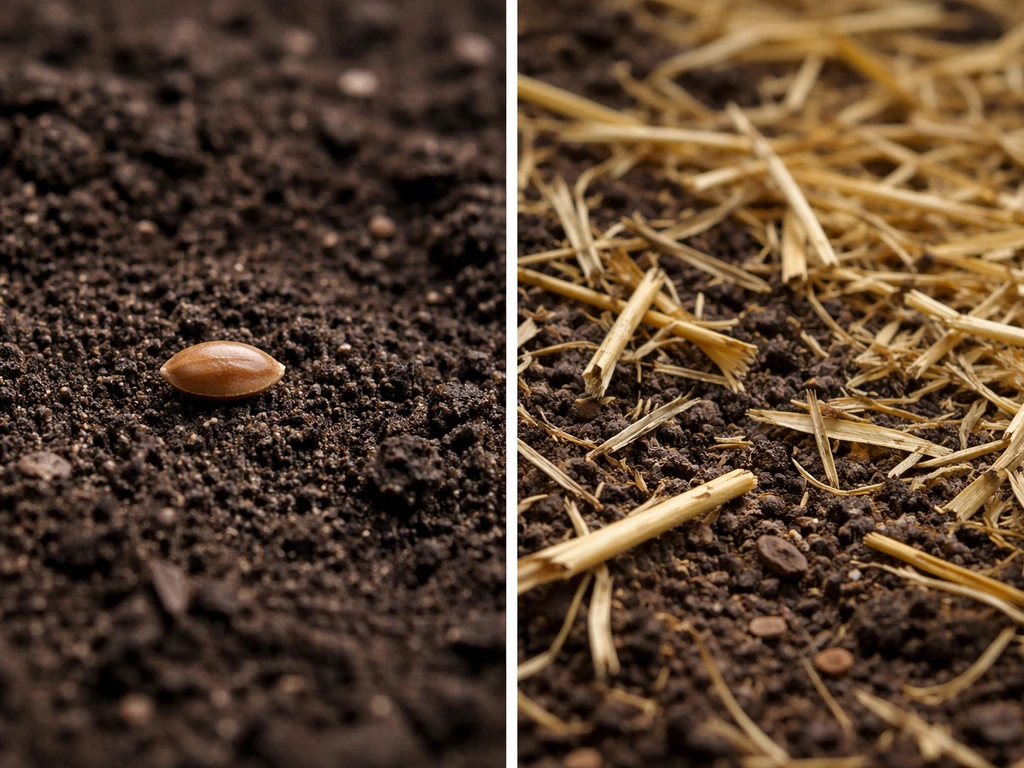
There's a bit of terminology worth clearing up before diving into timelines, because these two words get used in very different ways depending on the context.
Seeds are the embryonic plants you sow into soil. They germinate, produce a seedling, and eventually grow into a mature plant that produces food, flowers, or ground cover. That's the part with a timeline.
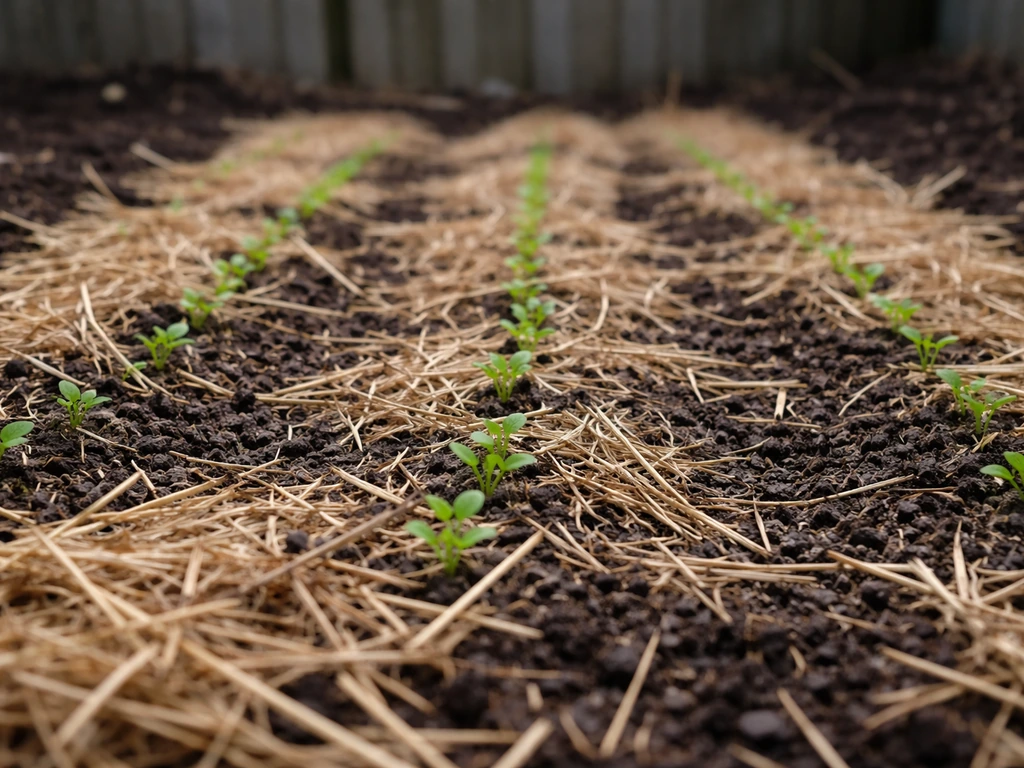
Straw, on the other hand, is the dried stalks left over after grain crops like wheat, oat, or barley have been harvested. In gardening, it's used as a mulch layer spread over newly seeded areas, bare soil, or vegetable beds. Its job is to lock in moisture, regulate soil temperature, suppress early weed growth, and protect seeds from birds or heavy rain washing them away. Straw doesn't grow. It breaks down slowly over a season and gets worked into the soil as organic matter. Some straw bales do contain a handful of viable grain seeds, which can sprout, but that's a minor nuisance rather than a feature. If you're seeing tiny grain seedlings coming up through your straw mulch, that's what's happening.
The combination of seed and straw is especially popular for lawn overseeding, hillside erosion control, and vegetable bed preparation. You seed the area, then layer straw loosely on top. The straw helps the seed germinate faster and more evenly because it keeps the surface from drying out between waterings.
What affects how fast seeds sprout
Germination speed isn't random. Four factors control almost everything: temperature, moisture, oxygen, and light. Get those right and you'll almost always see sprouting within the expected window. Get one wrong and you can wait weeks for nothing.
- Temperature: This is the biggest lever. Most vegetable seeds germinate best between 65°F and 85°F (18°C to 29°C) soil temperature. Lettuce and tomatoes can show little to no germination in cold soil, even if the air above feels warm. A soil thermometer is worth the $10 investment.
- Moisture: The soil surface needs to stay consistently moist, not waterlogged. This is where straw mulch earns its place. Without it, the top inch of soil can dry out within hours on a warm day, stalling germination completely.
- Oxygen: Seeds need air in the soil to germinate. Compacted soil, waterlogged ground, or burying seeds too deep all reduce oxygen availability and slow or stop sprouting.
- Light: Some seeds need light to germinate and should be sown at or near the surface (think lettuce, basil, and many wildflowers). Others are fine covered. The general rule of thumb is to plant at a depth about twice the seed's diameter, and check your packet for light-sensitive varieties.
- Seed viability: Older seeds or those stored in warm, humid conditions lose germination rates fast. The germination percentage printed on your seed packet was tested under ideal conditions, so real-world results can be lower, especially if the packet has been sitting around for more than a year.
One practical tip worth repeating: if you're in early spring and your soil is still cold, pre-warming it with a cloche or row cover fleece for a week or two before sowing makes a measurable difference. The RHS also notes that pre-warming soil in spring, such as with cloches or fleece, can speed growth and help germination earlier than usual pre-warm soil with a cloche or row cover fleece for a week or two before sowing. The RHS recommends this specifically for getting a jump on the season, and I've found it moves germination forward by 5 to 10 days easily.
Realistic germination and maturity timelines by plant type
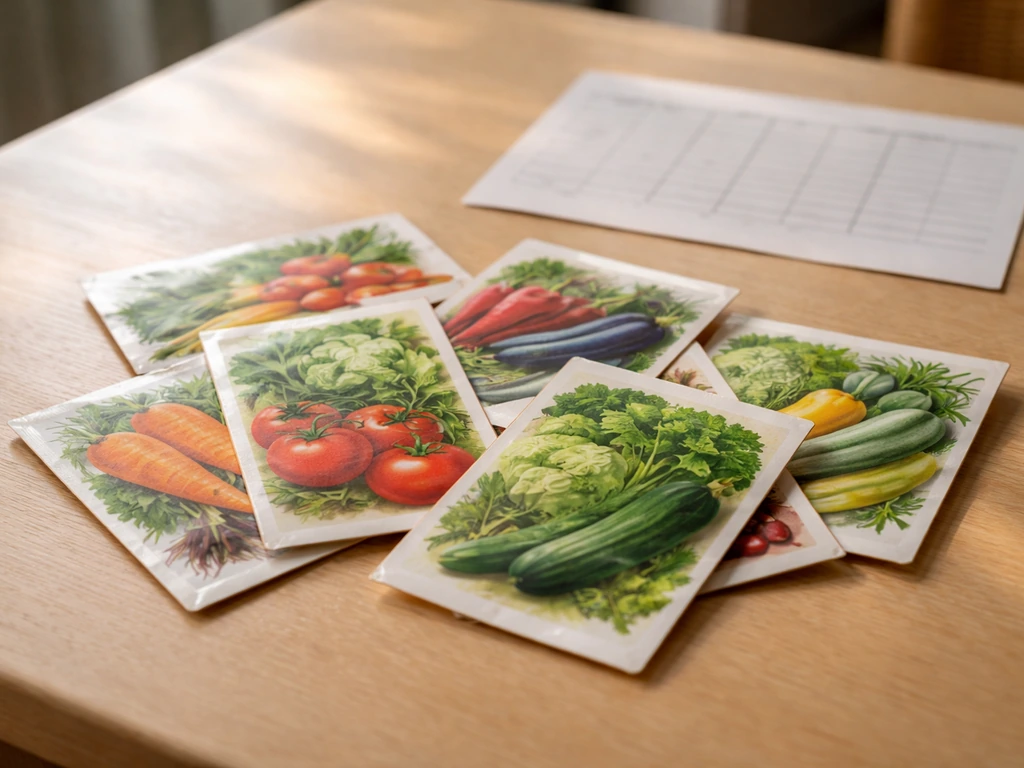
Here's where most people want to land: actual numbers. Keep in mind these are ranges based on typical conditions. Your climate, your soil, and the specific variety you're growing all shift things.
Vegetables
| Vegetable | Germination (days) | Days to Harvest |
|---|---|---|
| Radish | 3–7 | 25–35 |
| Lettuce | 7–10 | 45–65 |
| Spinach | 7–14 | 40–50 |
| Bean (bush) | 7–14 | 50–60 |
| Carrot | 14–21 | 70–80 |
| Tomato (transplant-ready) | 5–10 | 60–85 after transplant |
| Pepper | 10–21 | 70–90 after transplant |
| Parsley | 14–28 | 70–90 |
| Cucumber | 7–14 | 50–70 |
| Pumpkin/Squash | 7–14 | 75–100 |
Tomatoes and peppers are almost always started indoors 6 to 8 weeks before the last frost date, then transplanted out. That's why the harvest timeline is counted from transplant, not from seed. If you're direct-sowing outdoors, add those extra weeks to the total.
Herbs
| Herb | Germination (days) | Ready to Use |
|---|---|---|
| Basil | 5–10 | 4–6 weeks |
| Cilantro | 7–10 | 3–4 weeks |
| Dill | 7–14 | 4–6 weeks |
| Parsley | 14–28 | 8–10 weeks |
| Chives | 10–14 | 8–10 weeks |
| Thyme | 14–28 | 8–12 weeks |
| Lavender | 14–21 | 3 months+ |
Parsley is notorious for slow germination and there's a persistent old wives' tale about it. It's not magic, it's just that parsley has a tough seed coat and genuinely takes 3 to 4 weeks. Soaking seeds in warm water for 24 hours before planting shortens that window noticeably.
Flowers
| Flower | Germination (days) | Days to Bloom |
|---|---|---|
| Sunflower | 7–10 | 70–100 |
| Zinnia | 5–7 | 60–70 |
| Marigold | 5–7 | 50–60 |
| Cosmos | 7–14 | 60–90 |
| Wildflower mix | 10–21 | 60–120 (varies by species) |
| Sweet pea | 10–14 | 90–110 |
| Black-eyed Susan | 7–21 | 90–120 |
| Poppy | 10–15 | 60–90 |
Grasses (lawn and pasture)
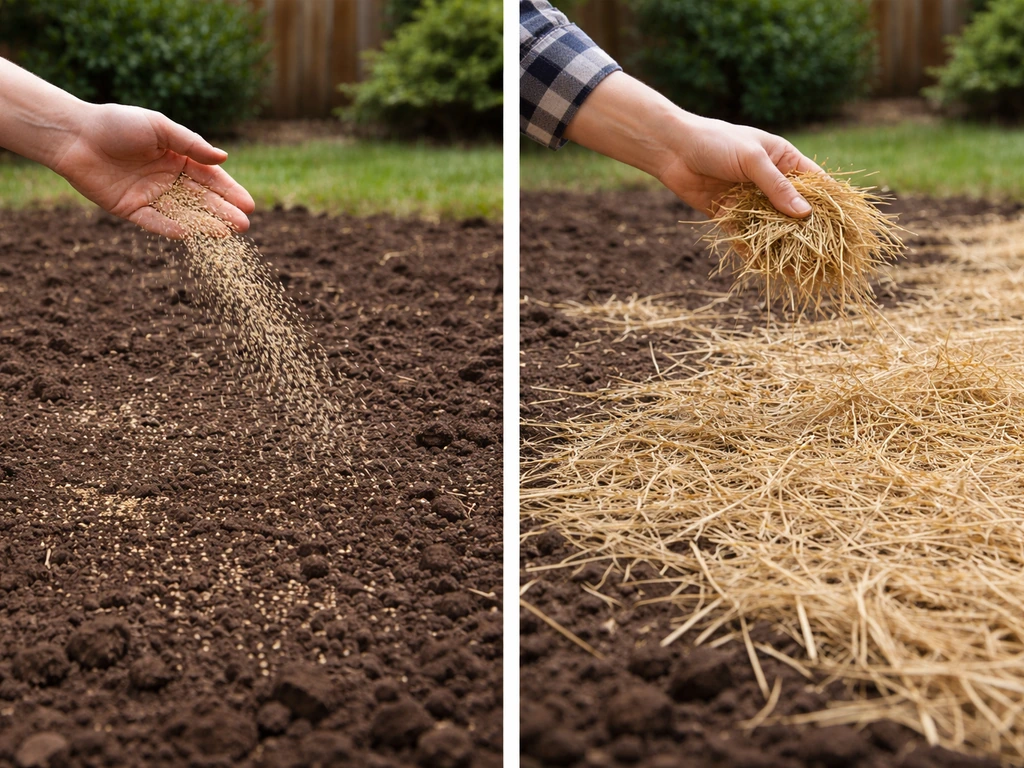
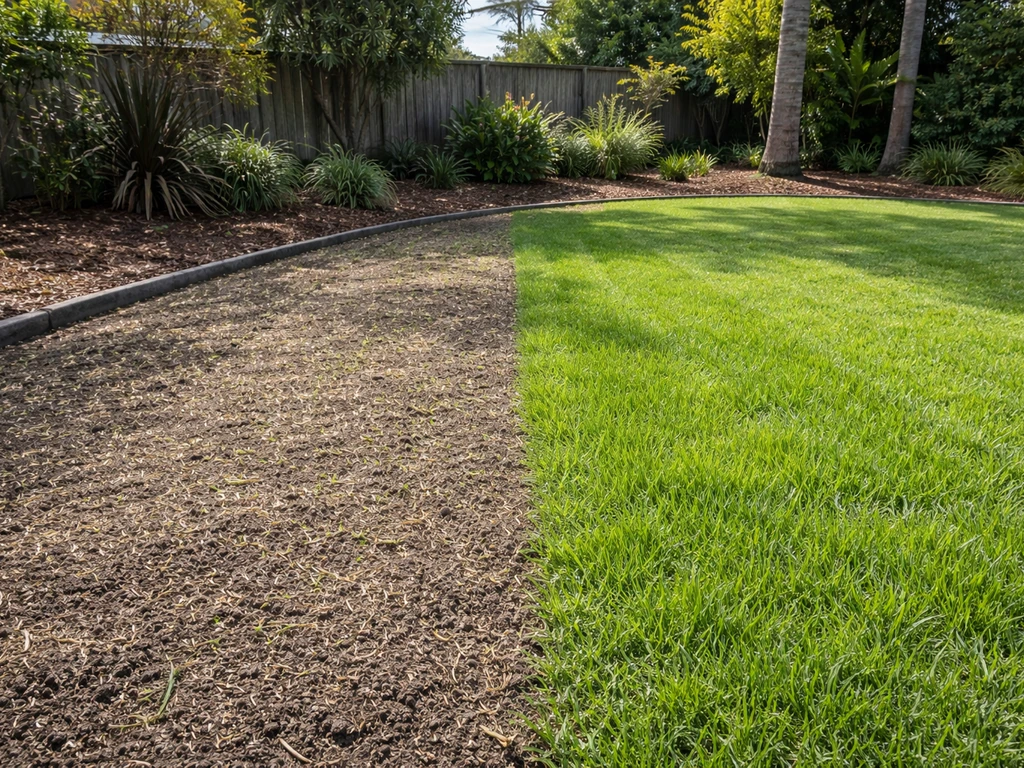
Grass seed is where the seed-and-straw combination is most commonly used, and timelines here vary quite a bit by species. Cool-season grasses like tall fescue, Kentucky bluegrass, and perennial ryegrass germinate best when soil temperatures are between 50°F and 65°F (10°C to 18°C). For perennial ryegrass specifically, you can typically expect germination within the same 7 to 21 day window, assuming the temperature and moisture are right. For lawn seed in Australia, the exact timing depends on whether you are growing cool-season or warm-season grass and what the soil temperatures are when you sow how long does grass seed take to grow in Australia. Warm-season grasses like Bermuda and Zoysia prefer soil above 65°F (18°C).
| Grass Type | Germination (days) | Established Lawn |
|---|---|---|
| Perennial ryegrass | 7–10 | 6–8 weeks |
| Tall fescue | 10–14 | 8–10 weeks |
| Kentucky bluegrass | 14–30 | 10–14 weeks |
| Bermuda grass | 10–30 | 8–12 weeks |
| Zoysia | 14–21 | 12–18 weeks |
| Bahia grass | 21–28 | 10–14 weeks |
If you're seeding in a specific climate, germination speed changes based on local conditions. Cooler, wetter climates like Ireland, New Zealand, and parts of Australia can extend germination windows for warm-season grasses significantly, while ryegrass tends to perform reliably across a wide range of those environments.
Ornamentals and trees from seed
Ornamental plants started from seed are a longer game. Most annual ornamentals (impatiens, petunias, snapdragons) take 10 to 21 days to germinate and 10 to 16 weeks to reach blooming size. Perennials often take a full growing season to establish before blooming in their second year. Trees and shrubs from seed can take years, and most gardeners use cuttings or nursery stock instead for practical timelines.
From sprout to harvest or bloom: the two stages people forget
Germination is just step one. Once you see that first green thread poking up, you're at the seedling stage, which is actually the most vulnerable window. Seedlings need consistent moisture, protection from extreme temperatures, and enough light to build strong stems. Weak, leggy seedlings grown in low light or high heat will be slow to mature and more susceptible to disease.
After the seedling stage comes establishment, when the plant builds its root system and starts serious leaf development. This is where growth starts to visibly accelerate. Then comes the productive stage, where vegetables set fruit, flowers bloom, and grasses form a proper turf canopy. These three stages are distinct, and gardeners who expect harvest speed to equal germination speed often get frustrated unnecessarily.
- Germination: seed sprouts, first root and shoot visible (days 5 to 30 depending on plant)
- Seedling: cotyledons (seed leaves) open, first true leaves develop (weeks 1 to 4)
- Establishment: root system expands, stem thickens, rapid vegetative growth begins (weeks 3 to 8)
- Maturity: flowering, fruiting, turf coverage, or harvestable size (weeks 6 to 24 depending on plant type)
The jump from seedling to establishment is where straw mulch continues to matter. Keeping soil moisture consistent through this window lets roots develop without stress, and that pays off in faster, more uniform maturity.
What to do when germination is slow or your stand looks patchy
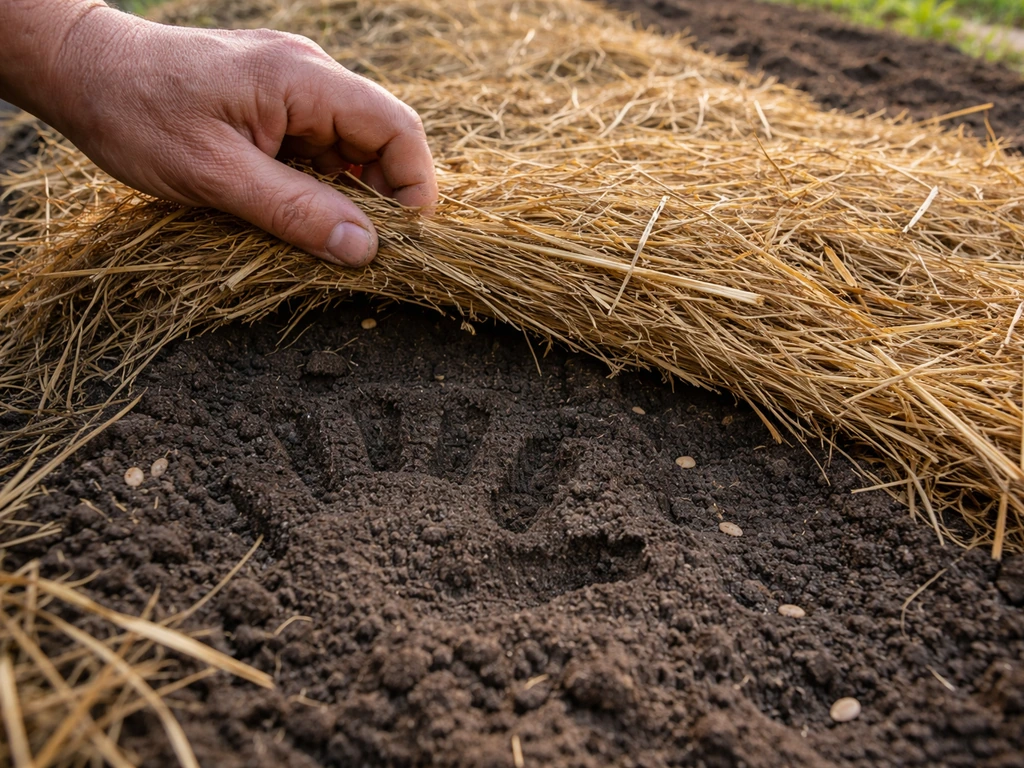
Slow germination is normal a lot of the time, and the worst thing you can do is dig things up to check after a week. Most seeds need 2 full weeks before you should start worrying. That said, here are the actual culprits worth investigating if things look genuinely wrong.
- Check your soil temperature, not just air temperature. Soil in shade or in early spring can be 10 to 15°F colder than the air. A thermometer probe solves this instantly.
- Check your watering consistency. If the top inch of soil has dried out even once per day during germination, you may have killed emerging radicles (the first root). You won't see evidence of this until nothing comes up. Add more straw or water more frequently.
- Dig up a few non-germinated seeds gently and look at them. If they're soft and dark, they've rotted from overwatering or poor drainage. If they look exactly as you planted them, they're either too cold, too dry, or not viable.
- Check seed viability if the packet is more than a year old. Do a quick test: place 10 seeds between damp paper towels in a warm spot and check in 5 to 7 days. If fewer than 6 or 7 germinate, your seed batch has low viability and you should sow more densely or buy fresh seed.
- Look at your straw layer thickness. More than 1 inch of straw can block small seeds from reaching sunlight once they sprout, especially tiny flower and grass seeds. Rake it back lightly if your layer is thick.
- If only patches are thin or bare, check for soil compaction, pooling water after rain, or pest damage (birds, slugs). These are often more localized problems than a germination failure across the board.
- Wait the full window before reseeding. Reseeding too early over areas that are still germinating creates an uneven stand and wastes seed.
One thing I remind myself every season: seed packets test germination under lab conditions. If your packet says 85% germination rate, that's under ideal moisture, temperature, and light. Real-world results are usually 60 to 75% of that. Sowing a bit more densely than the label suggests is not a mistake.
Planning your planting schedule by season
The single most useful thing you can find out before you plant anything is your average last frost date in spring and first frost date in fall. Everything else hangs off those two anchors.
Spring planting
Cool-season crops (lettuce, spinach, peas, carrots, and cool-season grasses) can go in as soon as soil reaches 45°F to 50°F (7°C to 10°C). That's typically 4 to 6 weeks before your last frost date. Warm-season crops (tomatoes, peppers, beans, squash, Bermuda grass) need soil above 60°F to 65°F (15°C to 18°C) and shouldn't go in until after last frost risk has passed. Pre-warm soil under cloches for 1 to 2 weeks if you're eager to push the season forward.
Summer planting
Summer is excellent for warm-season crops already in the ground and for succession sowing of fast-growing vegetables like beans, radishes, and summer squash. It's a tough time for starting cool-season crops from seed because soil temperatures above 80°F (27°C) actively inhibit germination in many leafy greens. Grass overseeding in summer works well for warm-season species but should wait for fall for cool-season mixes. Straw mulch becomes especially valuable in summer to keep soil temperature down and moisture in.
Fall planting
Fall is one of the best times to seed lawns with cool-season grasses, because soil is warm from summer but air temperatures are dropping, which is exactly what Kentucky bluegrass and tall fescue love. It's also the right time for planting garlic, winter cover crops, spring bulbs, and any perennials you want established before next year. Aim to get seeds in 6 to 8 weeks before your first expected hard frost so plants have enough time to establish roots before the ground freezes.
A simple seasonal planning table
| Season | Best for | Soil Temp Target | Use Straw Mulch? |
|---|---|---|---|
| Early spring | Cool-season vegetables, cool-season grasses, perennials | 45°F–60°F (7°C–15°C) | Yes, for moisture retention |
| Late spring | Warm-season vegetables, herbs, annual flowers | 60°F–75°F (15°C–24°C) | Yes, especially in dry climates |
| Summer | Warm-season crops, warm-season grasses, succession crops | 65°F–85°F (18°C–29°C) | Yes, to keep soil cool and moist |
| Early fall | Cool-season grasses, garlic, perennials, cover crops | 50°F–65°F (10°C–18°C) | Yes, to protect and insulate |
Your realistic next steps
Before you plant, take 10 minutes to look up your last and first frost dates, check soil temperature, and read the back of your seed packet for the germination window and any special requirements like light sowing or pre-soaking. Those three things will tell you 90% of what you need to know about your timeline.
If you're using straw, spread it about half an inch to one inch thick over seeded areas and keep it damp alongside your soil. A common rule of thumb for starting vegetable seeds indoors is to plant them about twice as deep as the seed’s diameter and keep moisture uniform to support good germination keep it damp. Remove or rake it back lightly if you're growing tiny seeds that need light to germinate, like many wildflowers and grasses.
Then wait. Give every seed type its full advertised germination window plus a few extra days before you decide something has failed. Uneven germination is normal, thin patches can be filled with additional seed after the first round has established, and slow starters are usually still alive underground doing what seeds do. The most common mistake is giving up on a planting too early.
FAQ
Can straw prevent seeds from germinating because it blocks light?
Yes. If the straw is spread too thick, it can block light for seeds that require light to germinate (many wildflowers and some fine grass types). A practical fix is to use a lighter layer (about 1/2 inch) and gently rake it back once sprouts start appearing, or skip straw on the few seed types labeled “lightly cover” or “do not bury.”
How long should I wait before I dig or re-sow if nothing has sprouted?
Usually, no, at least not in the first few days. Seeds form roots first, then green growth follows, so you should avoid repeatedly lifting straw to “check.” As a rule of thumb, wait until you’ve reached the later end of the seed’s germination window (for many lawn seeds, that can be closer to 3+ weeks) before concluding it failed.
Should I keep the straw soaking wet or just lightly moist?
Most of the time you should keep straw damp but not waterlogged. If it stays soggy, you can encourage algae or fungal issues at the surface, and the straw can mat, reducing airflow to seedlings. Aim for evenly moist soil underneath, and water in a way that wets the soil layer rather than soaking straw until it drips.
When should I remove or rework straw after seeds have germinated?
For straw, the main target is consistent soil moisture, not keeping the straw “in place forever.” Let it sit through germination and early establishment, then lightly work or rake it back in once seedlings are established so it can break down into organic matter instead of forming a thick layer that can interfere with mowing or cultivation later.
Why are other “volunteer” seedlings growing through my straw?
It can happen. Occasionally, viable grain kernels in straw will sprout as small seedlings that look like grasses or weeds. They usually appear on a different schedule than your intended seed, and you can distinguish them by their leaf shape and growth habit, then spot-remove once you can identify them.
Will using a cloche or row cover work in summer heat as well as early spring?
Pre-warming helps when soil is cold, but it is not a guarantee in hot weather. If soil is above the recommended range for your crop, even cloches or covers may not fix germination because some seeds are inhibited by high temperature (for example, many leafy greens struggle above about 80°F / 27°C). In that case, adjust timing or choose a season-appropriate variety.
My seed packet says high germination, but my results are low, what could explain that?
You generally should not rely on it. Lab germination percentages on the packet are best-case conditions, and real results are often lower. The safe approach is to sow slightly more densely than label rates if you are working in less ideal conditions (cool soil, uneven moisture, or birds in outdoor areas).
Can soaking seeds shorten germination time for all seeds?
Yes, but only for seeds that tolerate it. Soaking can speed up germination for some species with hard seed coats (parsley is a classic example), but soaking can harm seeds that are sensitive to oversaturation. The best decision aid is to follow your packet instructions; if it does not mention soaking, do not assume it helps.
Once sprouts appear, how do I know whether they are just seedlings or actually “on track” to thrive?
There’s no single best number, but a useful method is to observe the stage, not just time. When the first green thread appears, you are in the seedling stage, and you should shift your focus to gentle, consistent moisture and adequate light. Expect the biggest visible change in vigor after seedlings form roots and start establishment.
What if seeds are alive but sprouting is delayed, how do I troubleshoot with temperature?
Yes. If the temperature stays outside the seed’s preferred range (cool-season grasses near 50°F to 65°F, warm-season grasses above about 65°F), germination can pause even though seeds are alive. Check soil temperature with an actual soil thermometer, not just air temperature, because soil can lag or lead by several degrees.
Next Article
How Long Does Grass Seed Take to Grow in Australia?
Australia grass seed timeline: germination, seedlings, first mow, and full lawn dates by season and grass type plus fixe