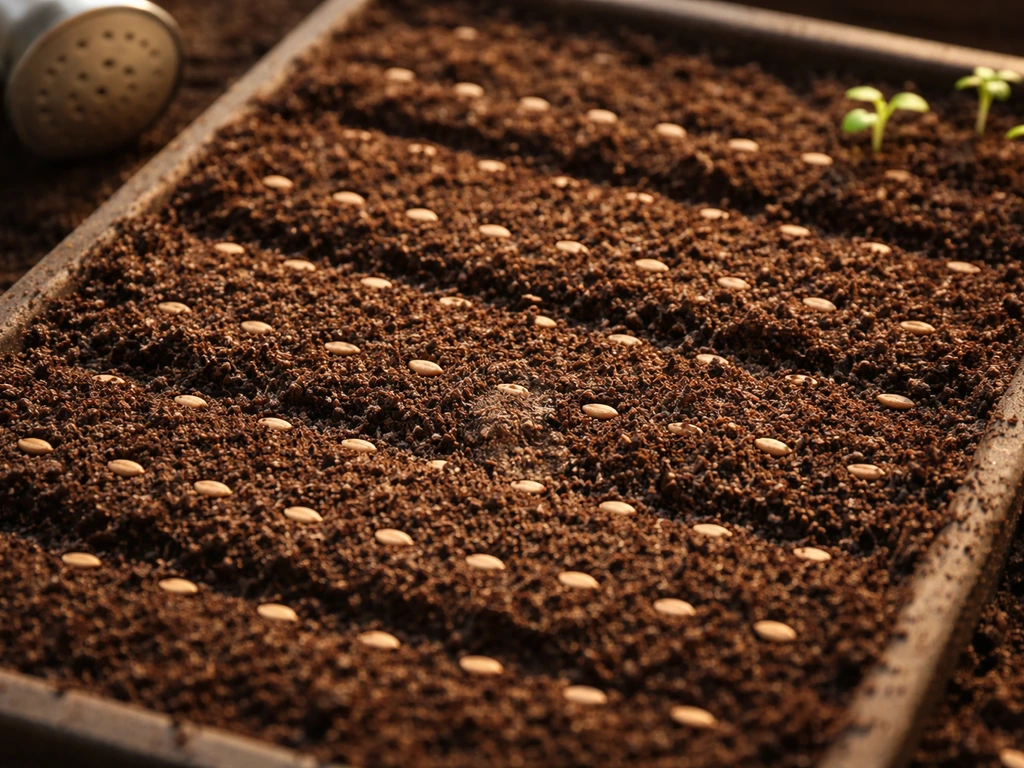
Growing arborvitae from seed takes patience: expect 2 to 8 weeks for germination after proper preparation, another 1 to 3 years before seedlings are large enough to transplant outdoors, and anywhere from 5 to 15+ years to reach a useful landscaping height depending on the species. Stevia from seed usually takes weeks to germinate and more time to reach transplant size, so planning ahead helps you get good results how long does it take to grow stevia from seed.
How Long to Grow Arborvitae From Seed: Timeline Guide
Marcus Henley
5 May 2026
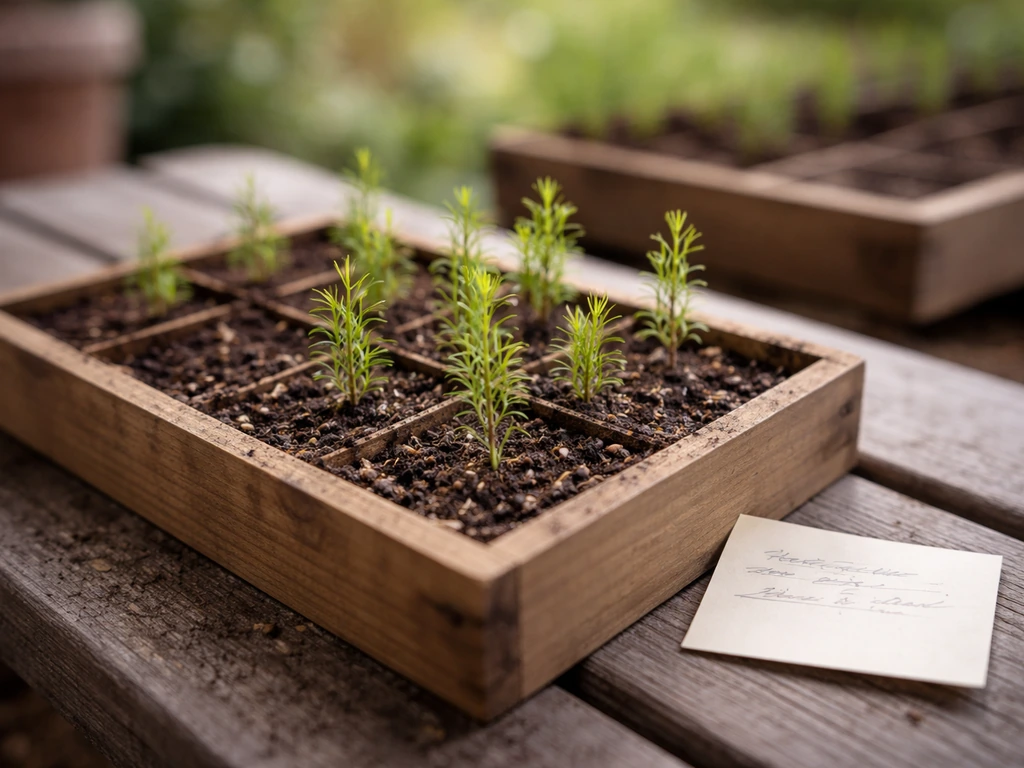
Thuja 'Green Giant' grows much faster (3 to 4 feet per year once established) than the classic Thuja occidentalis, which averages closer to 3 inches per year in its early years. If you're planning a privacy hedge for next season, buying nursery-grown transplants will serve you better. But if you're in this for the long game or just love growing things from scratch, starting arborvitae from seed is absolutely doable with the right prep.
If you are also growing herbs, basil has a much quicker timeline, so you may want to check how long does basil take to grow from seed before planning your kitchen garden.
How long until seeds actually germinate
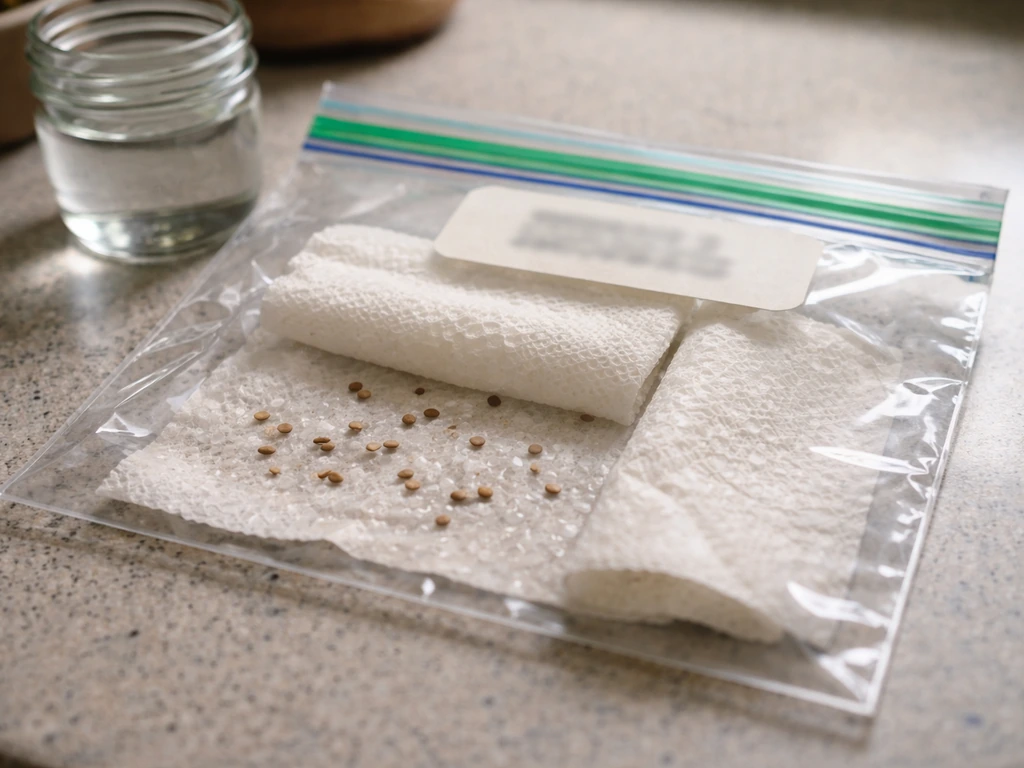
Germination timing depends a lot on which arborvitae species you're working with and whether you've given the seeds the conditions they need. For Thuja plicata (western red cedar), germination can happen in as little as 14 days under ideal conditions and typically completes within 42 days.
A published Thuja plicata propagation protocol also supports direct surface sowing, with seeds pressed into soil and covered with shade material, and reports first germination counts around 7 days with a last count near 21 days under its conditions pressing seeds into soil and covering with shade material.
For Thuja occidentalis (northern white-cedar, the classic arborvitae), germination is heavily triggered by warm daytime temperatures, specifically around 84°F (29°C). In natural settings, this means seeds often germinate in May or June. If your spring stays cool, germination can push all the way to late July or early August.
The good news is that Thuja occidentalis doesn't strictly require cold stratification to germinate. However, stratification almost always improves germination rates and speed, especially with seeds of uncertain age or storage history. Most growers recommend 4 to 12 weeks of cold stratification as a standard precaution. Iowa State Extension notes that northern white-cedar seeds have a cold stratification requirement, with guidance commonly around 4 months at roughly 34, 40°F (1, 4°C) blank" rel="noopener noreferrer">Thuja occidentalis seeds often benefit from cold stratification. So from the moment you start prep, you're looking at roughly 1 to 3 months before you see any sprouts depending on whether you stratify and how warm your conditions are during sowing.
Seed prep and sowing conditions that change everything
How you treat the seeds before they ever touch soil has a huge impact on when and whether they germinate. Skipping prep on arborvitae seeds often leads to spotty, slow germination or nothing at all.
- Soak seeds in room-temperature water for 24 hours before stratification. This softens the seed coat and gets moisture into the seed.
- Cold stratify for 30 to 60 days (up to 12 weeks for Thuja occidentalis). Mix seeds with barely damp perlite or vermiculite, seal in a zip bag, and store in the refrigerator at 33 to 40°F. The medium should be evenly damp but never wet.
- Sow seeds at about 1/8 inch deep and tamp the surface gently. Don't bury them deeper than that.
- Light is required for germination in both Thuja occidentalis and Thuja plicata. Surface sow or barely cover the seeds, and make sure your setup gets adequate indirect light.
- Maintain warm daytime temperatures around 84 to 86°F for Thuja occidentalis. Thuja plicata germinates at cooler temps, with an ideal range of about 64°F (18°C).
- Keep the growing medium consistently moist but not waterlogged. This is the most critical ongoing task after sowing.
The medium you choose also matters. A well-draining seed-starting mix or a blend with perlite helps prevent waterlogging, which is one of the main causes of pre-germination rot. Avoid heavy potting soil right out of the bag. Covering your tray with a humidity dome helps retain moisture during early germination, but crack it open daily once sprouts appear to keep air moving.
Seedling growth stages and when to transplant
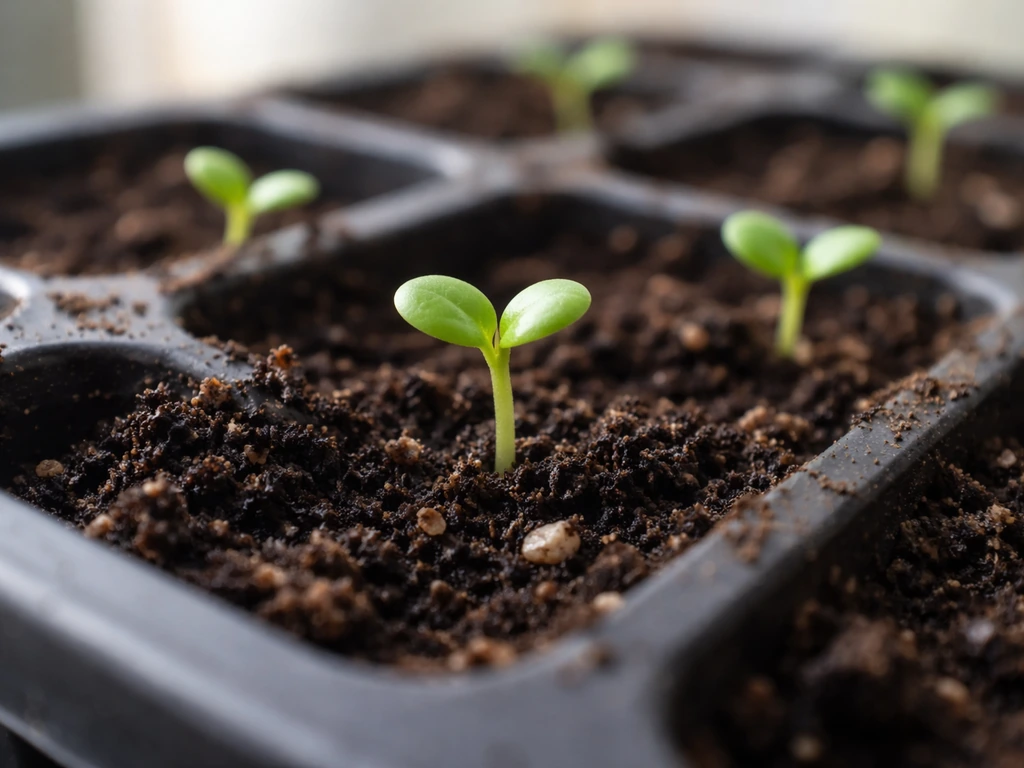
Arborvitae is what's called an epigeal germinator, meaning the seed leaves (cotyledons) push up above the soil surface. Once you see those first tiny green sprouts, the seedling phase begins and things slow down noticeably. In the first growing season, Thuja occidentalis seedlings average about 3 inches (8 cm) of height growth. That's not a typo. These are genuinely slow-growing trees in their earliest years.
Thuja 'Green Giant' seedlings grow faster, but they're typically only available as cuttings or nursery plants rather than open-pollinated seeds, so most home growers working from seed are dealing with Thuja occidentalis or Thuja plicata timelines. Here's a rough look at what to expect stage by stage:
| Stage | Timeframe | What to Expect |
|---|---|---|
| Germination | 2 to 8 weeks after sowing (post-stratification) | Cotyledons emerge above soil surface |
| First-year seedling | End of Year 1 | Roughly 3 to 6 inches tall; delicate and drought-sensitive |
| Second-year seedling | End of Year 2 | 6 to 12 inches tall; more established root system |
| Ready for outdoor transplant | Year 2 to 3 | Seedling is 8 to 12 inches tall and has a good root ball |
| Young landscape plant | Year 3 to 5 | 12 to 24 inches; visible as a real plant but still small |
| Usable hedge or screen height | Year 8 to 15+ (T. occidentalis) | 4 to 6+ feet depending on species and conditions |
Transplanting too early is one of the most common mistakes. Wait until your seedlings have a genuine root system and are at least 8 to 10 inches tall before moving them outdoors. Harden them off over 7 to 10 days by gradually increasing their outdoor exposure. Drought stress is a leading cause of seedling death both in containers and after transplanting, so keep moisture consistent especially through that first outdoor summer.
Why growing arborvitae from seed takes so long compared to buying nursery stock
This is the honest conversation every arborvitae seed grower needs to have with themselves upfront. A nursery-grown Thuja occidentalis that's already 2 to 3 feet tall has had 3 to 5 years of professional growing conditions behind it. If you're curious about a different herb, you may also be wondering how long mint takes to grow from seed, since timelines vary by species and growing conditions mint take to grow from seed. You're not just buying a plant, you're buying years of time. Starting from seed doesn't skip that time, it just moves it to your garden.
Thuja occidentalis grows about 3 inches per year in its first few years. Even under optimal nursery conditions with long photoperiods, seedlings hit roughly that same benchmark in about 140 days of active growth. The species just isn't built for speed early on. In natural forest settings, these trees can live 800+ years, so they're playing a long game from the start.
Thuja 'Green Giant' is a different story once established. Nursery records show 3 to 4 feet of growth per year under good conditions, reaching around 30 feet by year 30. But even Green Giant starts slowly from seed (when seeds are even available and viable), and its first-year above-ground growth typically runs 1 to 2 feet at best. The fast growth rates you see advertised kick in during years 2 through 5 after transplanting established plants. The takeaway: if you want arborvitae for a privacy screen in the next few years, buy established nursery stock. If you want to grow arborvitae from seed, plan for a decade-long project and enjoy the process.
When to start seeds based on your climate
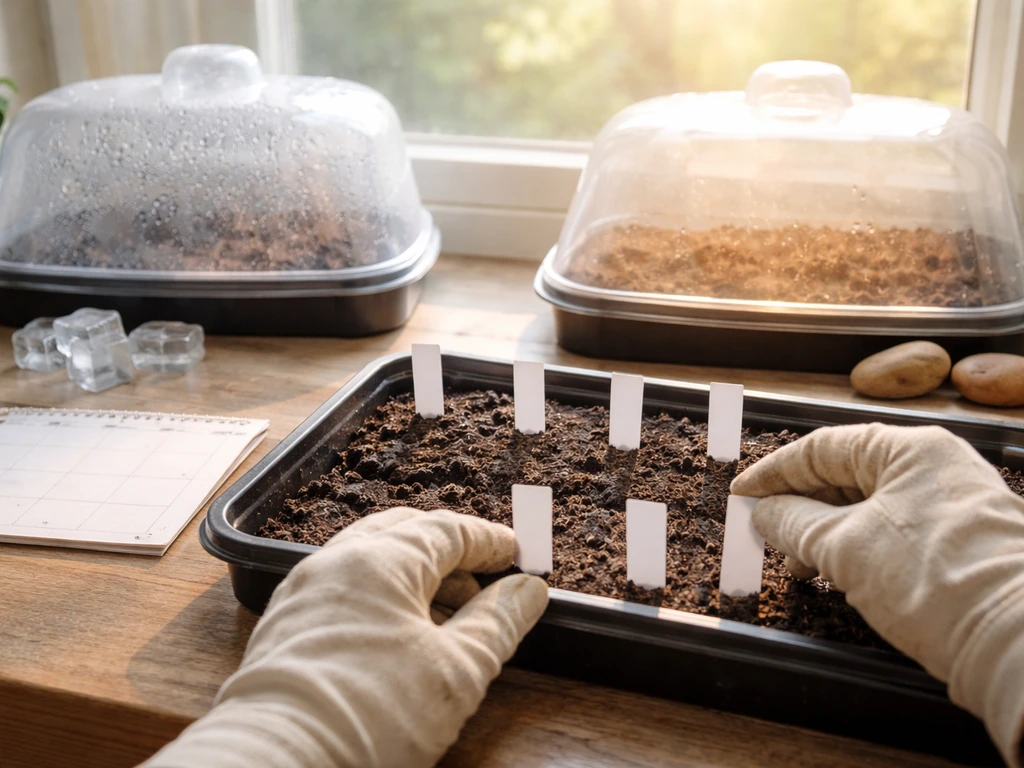
Because arborvitae germination is so temperature-dependent, when you start seeds matters a lot. Here's how to think about timing based on where you are:
| Climate Zone / Region | Start Stratification | Sow Indoors | Expected Germination Window |
|---|---|---|---|
| Cold climates (USDA Zones 3–4) | November to December | February to March | April to May under grow lights |
| Moderate climates (Zones 5–6) | December to January | February to March | March to May indoors |
| Mild/warm climates (Zones 7–8) | January to February | March | April to June |
| Direct outdoor sowing (cold climates) | Fall sow (natural stratification) | N/A | May to June when soil warms |
The simplest approach in cold climates is fall sowing: scatter seeds in a prepared outdoor seedbed in October or November, let winter do the blank" rel="noopener noreferrer">stratification naturally, and watch for germination the following May or June when daytime temps warm up. This mimics exactly what the seeds would do in the wild. If you're starting indoors, count backward from your expected last frost date by about 3 months to schedule your stratification start. Give seedlings their first full growing season indoors or in a sheltered spot before trying outdoor transplants.
Why your seeds might not be germinating (and what to do)
Slow or failed germination with arborvitae seeds is frustrating but usually traceable to one of a handful of causes. Here are the most common problems and how to fix them:
- Temperature too low: Thuja occidentalis needs daytime warmth around 84°F to trigger germination. If you're sowing in a cool basement or unheated space, germination will stall. Use a heat mat set to the right temperature and check with a soil thermometer.
- Insufficient stratification: Seeds that haven't been properly cold-conditioned often germinate slowly and unevenly. If you skipped stratification or cut it short, return seeds to the fridge for another 4 to 6 weeks.
- Seeds buried too deep: Arborvitae seeds need light to germinate. If you covered them more than 1/8 inch, carefully scratch the surface and move seeds closer to the top.
- Inconsistent moisture: Letting the seedbed dry out even once can kill pre-emergent seedlings. Check moisture daily. The surface should feel like a lightly wrung-out sponge.
- Old or low-viability seed: Arborvitae seeds don't store indefinitely. Seed from the previous season (2025 or earlier) may have significantly lower germination rates. Always do a quick float test: discard seeds that float after 24 hours, as they're usually not viable.
- Damping off: This fungal problem shows up as seedlings that sprout and then collapse at the soil line, or seeds that rot before emerging. It's more common when humidity is too high, airflow is poor, or soil stays too wet. Sow thinly, improve air circulation, avoid overhead misting, and use sterile seed-starting mix. Pre-emergence damping off (seed rot) is often caused by Pythium or Phytophthora; post-emergence collapse (stem rot at soil level) usually involves Rhizoctonia. Both are worsened by cold soil temps before germination and high soil temps after sprouting.
- Too much direct sun or drying heat after sprouting: Seedlings need bright indirect light but not scorching conditions. Move them away from direct south-facing windows in peak summer.
If you've been waiting more than 8 weeks with no signs of germination and conditions have been correct, it's worth checking seed viability by carefully cutting one open. A viable seed will have firm, white interior tissue. If it's shriveled or hollow, the seed lot may have been stored poorly before you bought it.
Your practical planning checklist
Whether you're starting seeds this week or planning for next season, here's everything organized into a clear sequence:
- Confirm your arborvitae species: Thuja occidentalis, Thuja plicata, or another. Each has slightly different temperature and stratification needs.
- Check seed freshness: Use seeds from the current or most recent season when possible. Older seeds have lower viability.
- Soak seeds for 24 hours in room-temperature water before stratification.
- Cold stratify in a damp, sealed bag of perlite or vermiculite at 33 to 40°F in the refrigerator for 30 to 60 days (or up to 12 weeks for Thuja occidentalis).
- Sow seeds at 1/8 inch depth in sterile, well-draining seed-starting mix. Press gently and do not deeply cover.
- Place under grow lights or in a bright, warm location. Aim for daytime temps around 84°F for Thuja occidentalis, slightly cooler (64°F) for Thuja plicata.
- Keep moisture consistent from day one. Check daily and never let the medium dry out fully.
- Provide good airflow after sprouts emerge to prevent damping off. Remove humidity domes and thin crowded seedlings.
- Keep seedlings indoors or in a protected spot through their first full growing season.
- Harden off and transplant outdoors in spring of Year 2 or 3, once seedlings are 8 to 12 inches tall.
- Plan for a multi-year project: 5 to 15 years to meaningful landscaping height from seed, depending on species and conditions.
Growing arborvitae from seed isn't the fastest path to a finished landscape, but it's genuinely rewarding if you go in with honest expectations. The slow germination, the careful first-year tending, the gradual growth, it all teaches you things about these trees that buying a 6-foot nursery specimen never will. If you enjoy the process of watching something grow from almost nothing, arborvitae seed growing is worth every bit of the wait. If you’re also planning to grow spinach at home, you’ll want to know how long it takes from seed to harvest process of watching something grow. Just don't try to rush it.
FAQ
Should I start arborvitae seeds indoors or sow outdoors, and how does that change the timeline?
Indoor starting lets you control temperature and moisture, so you may see sprouts sooner if you can maintain consistent conditions. Outdoors (especially fall sowing) relies on natural winter stratification, so germination is more synchronized with spring warming, usually in May or June, even though it can feel slower at first.
How long should I keep waiting before I assume my arborvitae seeds will not germinate?
After you’ve done proper prep and provided appropriate warmth for the species, extend patience to at least the full expected window (often up to about 8 weeks). If nothing appears, check a few seeds for viability by opening them, rather than discarding the entire batch too early.
Does cold stratification always guarantee faster germination?
It improves speed and consistency, but it does not override bad storage or unsuitable temperatures after sowing. If your seeds were old or poorly stored, stratification can still lead to low germination rates, even if a few sprout.
What temperature should I aim for once the seeds are in the soil?
Temperature strongly drives germination, especially for Thuja occidentalis, which is triggered by warm daytime conditions around the high-70s to low-80s °F. If your spring is cool or your indoor setup runs chilly, expect germination to stretch later into summer.
Do I need light or darkness for arborvitae seed germination?
Arborvitae is an epigeal germinator, so the cotyledons need access to the air once they push up. Practically, avoid burying too deeply and use light coverage rather than packing soil on top, which can slow emergence and reduce uniformity.
How big do seedlings need to be before I pot them up or move them outdoors, and why does size matter?
Plan on moving outdoors only when you have a real root system and seedlings are about 8 to 10 inches tall. Small transplants are more likely to fail due to drought stress, even if they looked fine indoors.
Can I transplant arborvitae seedlings earlier if I keep them well-watered?
Even with consistent watering, early transplanting increases failure risk because roots are not yet developed enough to handle outdoor drying and temperature swings. The better approach is hardening off for about 7 to 10 days and waiting for adequate seedling height and root mass.
How do I prevent rot or fungal problems during early germination?
Use a well-draining mix, avoid heavy potting soil, and control moisture so the medium is damp, not waterlogged. A humidity dome can help initially, but crack it daily after sprouting so airflow reduces damping-off issues.
Why are my seedlings so slow after sprouting, and is that normal?
Yes, it is normal. During the first growing season, arborvitae seedlings commonly grow only a few inches, around 3 inches for Thuja occidentalis, because the tree prioritizes root establishment over fast top growth.
Is it worth growing from seed if I need a privacy hedge soon?
If you need screening next season, seedlings from seed are usually not practical. The article’s recommendation to buy nursery-grown transplants is because a typical nursery plant already represents years of growth that seeds will not compress, even if germination is successful.
How can I tell if my seeds are too old to bother with?
The most reliable check is a small viability test. Cut or open a few seeds, if the interior is shriveled or hollow the lot likely stored poorly. This saves time by preventing months of waiting on non-viable seed.
What is the best way to schedule seed starting by my last frost date?
Count back about 3 months from your expected last frost date to begin stratification if you are starting indoors. Then plan for one full protected growing season before attempting outdoor transplants, especially in climates with variable spring weather.
Next Article
How Long Does It Take to Grow Stevia From Seed
Timeline for growing stevia from seed: germination, seedling stage, transplant readiness, and first leaf harvest.