blank" rel="noopener noreferrer">Most salvia seeds germinate in 5 to 21 days when kept warm and moist, and seedlings reach transplant-ready size in about 4 to 6 weeks from sowing. If you’re wondering how long roses take from seed, the timeline depends heavily on temperature and how you handle germination 5 to 21 days. From there, expect first blooms roughly 5 to 10 weeks after transplanting outdoors. If you're starting indoors, plan to sow 9 to 12 weeks before your last frost date, and you'll have solid plants ready to go out right on schedule.
How Long Do Salvias Take to Grow From Seed?
Marcus Henley
25 Apr 2026
Typical salvia growth timeline from seed
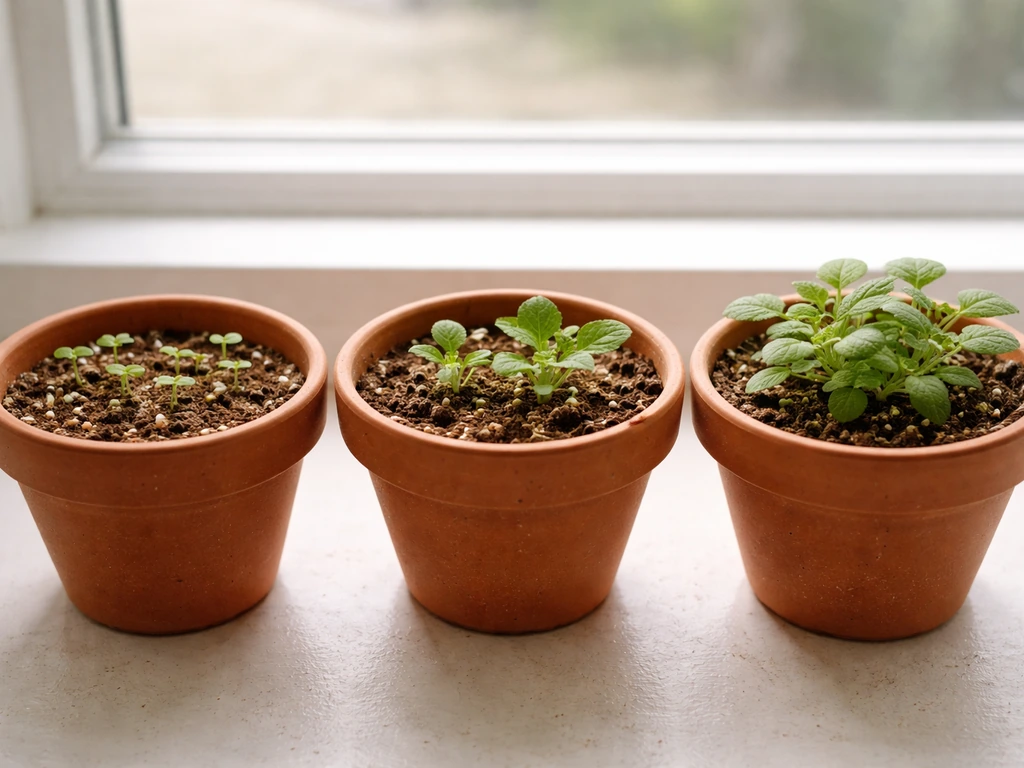
The honest answer is that timing depends a lot on which salvia you're growing. Annual salvias like Salvia splendens (scarlet sage) and Salvia farinacea (mealycup sage) move faster than perennial types like Salvia nemorosa, which can take weeks or even months longer to germinate under cooler or less controlled conditions. But here's a practical breakdown you can actually plan around:
| Stage | Annual Salvias (e.g., splendens, farinacea) | Perennial Salvias (e.g., nemorosa) |
|---|---|---|
| Germination | 5–14 days (optimum warmth) | 3–4 days (warm, controlled) to 90 days (cool/stratified) |
| First true leaves | 1–2 weeks after sprouting | 1–3 weeks after sprouting |
| Transplant-ready size | 33–42 days from sowing | 6–10 weeks from sowing |
| Transplant to first bloom | 35–55 days after transplanting | Variable; often longer first season |
| Total sow to bloom (indoors) | 10–16 weeks | 12–20+ weeks |
For Salvia farinacea specifically, commercial growers at Johnny's report germination in about 5 to 10 days under ideal conditions, while Buzzy Seeds puts the full home-garden germination window at 7 to 21 days. That wider window reflects real-world variability in temperature and humidity. Annual types like Salvia splendens are closer to 5 to 7 days under warm production conditions (soil temps of 75 to 78°F / 24 to 26°C).
Salvia nemorosa can sprint to germination in 3 to 4 days if soil temps are right around 68 to 72°F, but the RHS notes it can take up to 90 days when conditions are cooler or less controlled. So when someone says salvias are slow germinators, they're usually talking about the perennial types grown in suboptimal conditions.
Indoor start vs direct sowing: what changes the timing
Starting salvias indoors gives you a controlled head start that dramatically compresses the time from sowing to bloom in your garden. Direct sowing outdoors works for some annual salvias in warm climates, but in most of North America it delays bloom time significantly because seeds sit in cool, variable soil while you wait for temperatures to stabilize.
Starting indoors
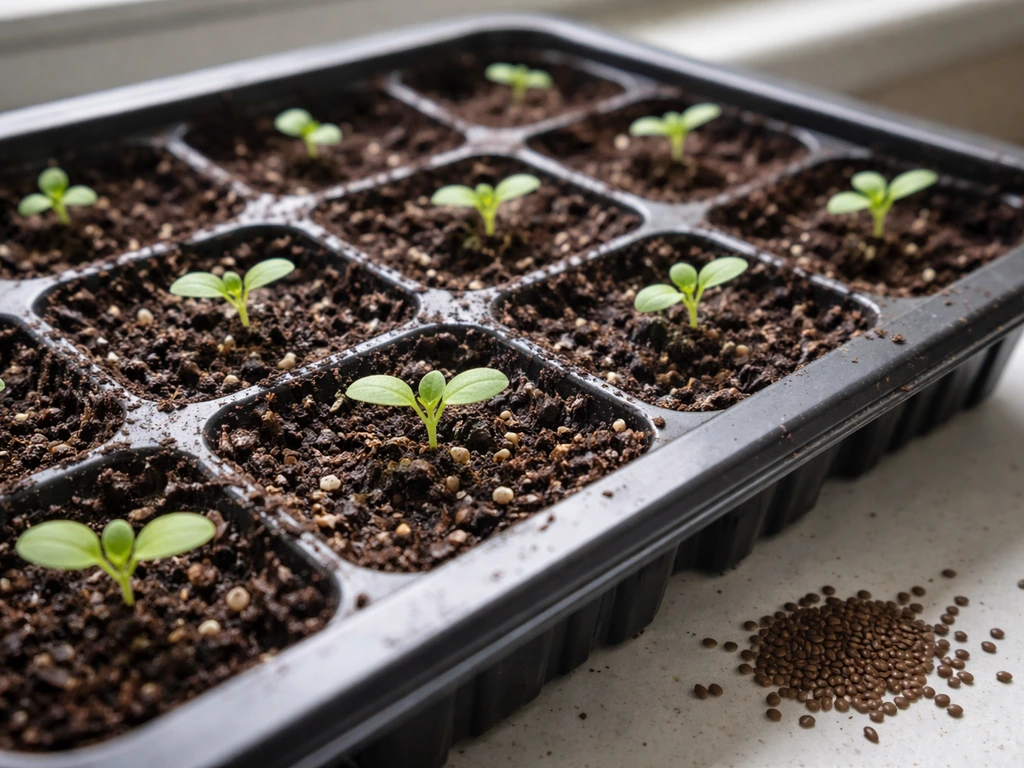
UMN Extension recommends starting salvia seeds indoors about 9 weeks before your anticipated outdoor planting date. Iowa State's seed library puts it at 10 to 12 weeks before last frost, and Johnny's recommends sowing Salvia farinacea 6 to 8 weeks before planting out. I'd lean toward 9 to 10 weeks for most annual types: that gives you 1 to 2 weeks for germination, another 4 to 6 weeks to reach a robust transplant-ready size, plus a buffer for hardening off.
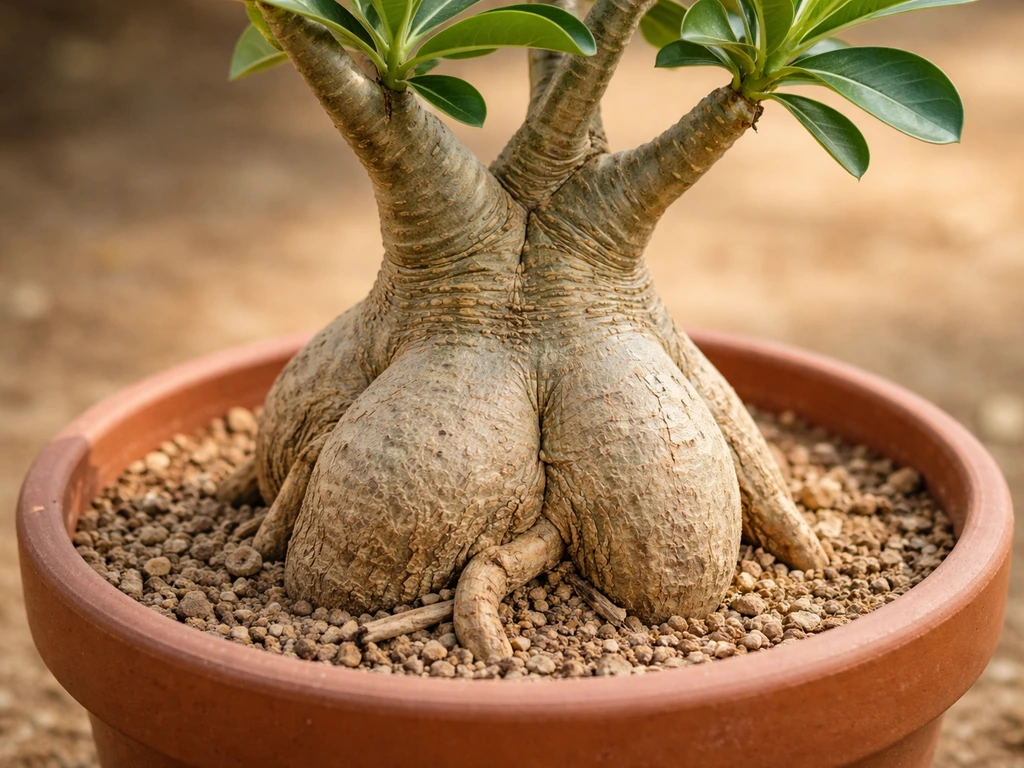
Indoors you control temperature, moisture, and light, which means faster and far more even germination than you'll get from a direct-sown outdoor bed in spring. Desert rose (Adenium) is different from salvia, but this same idea of starting conditions and timing helps you estimate how long it will take from sowing to a transplant-sized plant how long to grow desert rose from seed.
Direct sowing outdoors
Direct sowing works best in warm climates where soil temperatures reliably hit 70°F or above. In those conditions, annual salvias will germinate within the same 7 to 14 day window you'd expect indoors. The catch is that direct-sown plants start several weeks behind transplants, so your bloom window shifts later into summer. For perennial salvias in warmer zones, a fall direct sowing after temperatures cool can work well, allowing natural stratification to break dormancy over winter. In colder zones, direct sowing in spring means unpredictable germination and a bloom delay of weeks.
Factors that speed up or slow down salvia germination
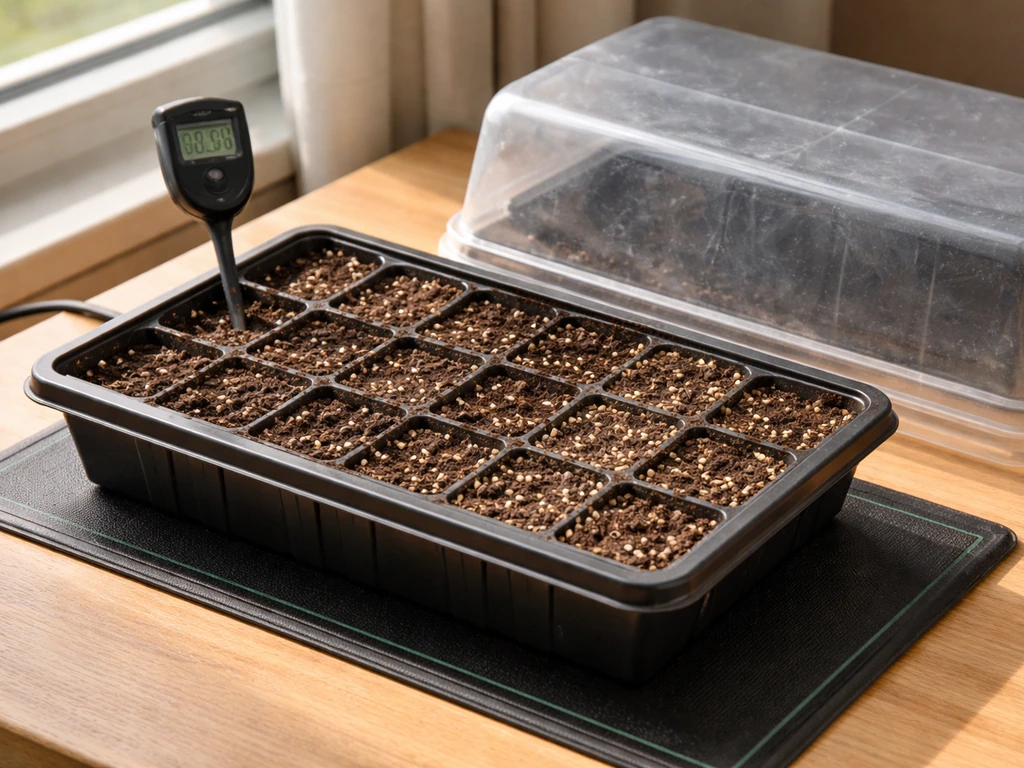
Temperature is the biggest lever you have. Lantana is also best started from seed with warmth and a light seed-surface approach, so the timing usually depends on temperature and whether you keep the mix moist but not waterlogged. Annual salvias want soil temps of 75 to 78°F for fastest germination. Drop below that and things slow down noticeably. Perennial types like Salvia nemorosa prefer slightly cooler soil, around 68 to 72°F. In both cases, soil temperature matters more than air temperature, which is why a seedling heat mat is genuinely worth using.
Light is the second major factor, and it trips up a lot of gardeners. Many salvias, including Salvia farinacea and Salvia viridis, need light to germinate. That means you should press seeds gently into the surface of your mix and not cover them with soil. Baker Creek, Johnny's, and Buzzy Seeds all say the same thing: press in, don't bury. If you cover these seeds even lightly, you may get little to nothing. That said, some cultivar lines don't require light for germination (Syngenta notes light is not necessary for some of their salvia series), so it's worth checking your specific seed packet.
Here are the main factors that cause slow or uneven germination:
- Soil temperature too low (below 68°F): the single most common reason for stalled germination in home settings
- Seeds buried too deep: even a thin layer of soil over light-dependent seeds can prevent sprouting
- Inconsistent moisture: letting the surface dry out after sowing causes seeds to abort mid-germination
- High fertilizer salts in the mix: salvias are sensitive to salt levels during germination; use a low-EC seed-starting mix, not potting soil loaded with nutrients
- Old or low-viability seed: salvia seed viability drops off faster than many annuals; fresh seed is noticeably better
- Dormancy in perennial types: Salvia nemorosa and some native salvias may need cold moist stratification (60 to 90 days) before they'll germinate reliably
- Insufficient light after germination: salvia seedlings stretch and weaken fast in low light, which can look like a germination problem but is actually a growth problem
How long until transplant-ready and when first blooms arrive
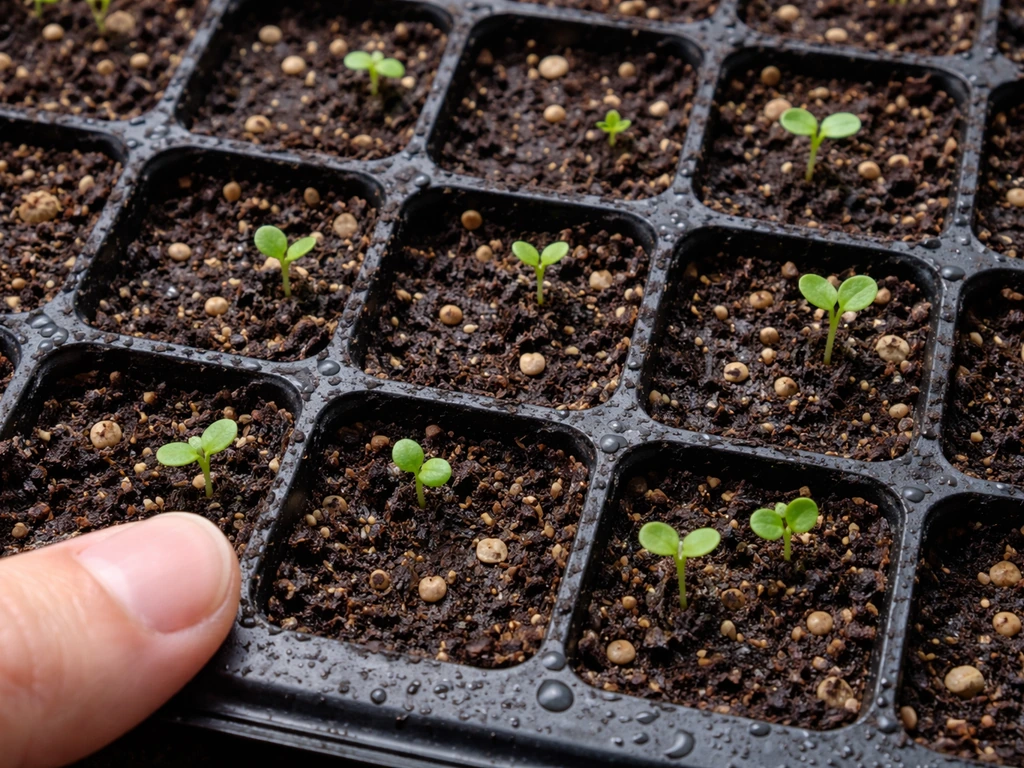
For annual salvias started indoors under good conditions, PanAmerican Seed's production data puts the sow-to-transplant window at 33 to 42 days. That lines up closely with what I see at home: seedlings have their first set of true leaves within a week or two of germination, and they're large enough to prick out or pot up into individual cells by week 4 to 6. At that point they're not yet transplant-ready for the garden, but they're stable enough to move.
From transplanting outdoors (after hardening off), AmeriSeed puts Salvia splendens at 35 to 55 days to first flower and Salvia farinacea at roughly 35 to 40 days. PanAmerican Seed's spring crop schedule shows about 8 weeks from transplant to flowering under production conditions. At home, with outdoor weather variability, I'd plan for 6 to 10 weeks from transplant to reliable bloom for most annual types.
Perennial salvias like Salvia nemorosa are a longer game. Plants started from seed often won't bloom heavily until their second season, especially when germination is slow or late. Some will push a few flowers in their first year if started early and given long days, but don't be surprised if your first-year nemorosa just makes a nice rosette of foliage and saves its energy for year two.
One more thing worth knowing: salvia is a long-day plant. Syngenta's grower guidance notes that extending daylength to at least 14 hours (using supplemental lighting at the true-leaf stage) speeds uniform growth and moves plants toward flowering faster. PanAmerican Seed confirms the same critical daylength for Salvia nemorosa. If your seedlings are sitting under shop lights for 16 hours a day, they'll grow and transition to blooming faster than plants in a window getting 10 to 12 hours of natural light.
Troubleshooting slow, uneven, or failed germination
If it's been more than 21 days and you're seeing little or nothing, work through this checklist before you give up and re-sow:
- Check soil temperature: stick a thermometer into the mix. If it's below 68°F, get a heat mat under the tray immediately. Most salvia germination problems I've seen come down to cold soil, even when the room feels warm.
- Check seed depth: if you covered your seeds even lightly, try a fresh sowing with seeds pressed onto the surface only. Light-dependent seeds simply won't germinate under soil.
- Check moisture consistency: the surface of your mix should feel like a wrung-out sponge at all times during germination. If it's been drying out, germination will be erratic. Cover the tray with clear plastic to hold moisture until sprouts appear.
- Switch to bottom watering: top watering can displace or bury tiny salvia seeds. Set your tray in a shallow dish of water and let it soak up from below.
- Check your seed source and age: if you're using last year's leftover seeds or an old packet, germination rate drops. Fresh seed from a reputable supplier makes a real difference.
- For perennial salvias: if you're growing Salvia nemorosa or a native species, consider whether cold stratification is needed. Sowing outdoors in fall or placing seeds in a damp paper towel in the fridge for 4 to 6 weeks before sowing can break dormancy.
- When to re-sow: if you've corrected conditions and still see nothing by day 28, start fresh. Don't wait longer than that or you'll lose your planting window.
Uneven germination (where some seeds sprout and others don't for weeks) is common with salvias and usually reflects temperature variation across your tray or inconsistent seed-to-soil contact. Try pressing seeds more firmly into the surface next time, and rotate your tray 180 degrees every few days if one end of your heat mat runs hotter than the other.
Planning your sowing dates for your climate and season
For spring planting in most of the US and Canada, the math is simple: take your last expected frost date and count back 9 to 12 weeks. That's your indoor sowing window. If your last frost is May 15, you're sowing in late February to early March. If your last frost is April 15, you're sowing in late January to early February. That feels early, but it gives you transplant-ready seedlings right when outdoor conditions are safe.
UNL Extension includes salvia specifically in its mid-March indoor start list for Midwest growers, which aligns with a mid-to-late May transplant window after hardening off. In warmer zones (USDA zones 8 to 10), annual salvias can be direct sown in spring once soil is consistently above 65°F, or started indoors as early as January for a late March or April planting.
For fall sowing of perennial salvias, aim to sow outdoors 6 to 8 weeks before the ground freezes hard. This gives seeds time to settle in and experience natural chilling over winter, then germinate on their own schedule in spring. It's a lower-maintenance approach than cold stratification in the fridge and often produces more even germination because the temperature transitions are gradual.
If you want salvias blooming by mid-summer (say, late June or July), work backward from your target bloom date. Allow 6 to 10 weeks from transplant to bloom, then add 6 to 8 weeks for indoor seedling development, and you have your sowing date. For most gardeners in zones 5 to 7, that puts sowing in February or early March for a mid-summer bloom.
Salvia is in good company as a flower that rewards planning: similar timing logic applies when you're scheduling other garden annuals and perennials from seed. For amaryllis, you can use a similar seed-to-flower planning approach when timing your sowing how long to grow amaryllis from seed.
If you're also trying gazanias, the question of how long does it take to grow gazania from seed is similar, but you will want to check its specific temperature and light needs how long to grow amaryllis from seed. You can use the same kind of seed-to-flower timing to plan how long to grow a desert rose from seed how long to grow desert rose from seed.
Snapdragons also need an indoor head start for the best odds of getting to flowering on time. Snapdragons typically take several weeks from sowing to transplant, then continue on to bloom in the following months, so you will want to plan your seed-start date ahead of your last frost how long do snapdragons take to grow from seed. Snapdragons, for example, also need a solid indoor head start and don't love warm soil temperatures, while lantana (another sun-lover) follows a comparably long seed-to-bloom schedule. Lantana also has a fairly predictable seed-to-bloom timeline, so planning your sowing dates around temperature and indoor head start can help you get flowers sooner.
Best practices to get the fastest, most reliable results
After growing salvias from seed for several seasons, these are the practices that make the biggest consistent difference:
- Use a dedicated seed-starting mix, not potting soil: salvias are salt-sensitive during germination, and heavy mixes with high fertilizer levels cause problems. A fine-textured, low-EC mix gives you cleaner germination.
- Use a heat mat: set it to hold soil temps at 75 to 78°F for annual types, 68 to 72°F for perennials. Room temperature alone is rarely warm enough.
- Press seeds onto the surface and don't cover them: for light-requiring varieties (most annual salvias), this single step is the difference between 80% germination and 20%.
- Cover the tray with clear plastic until sprouts appear: this holds moisture without you having to water daily and prevents the surface from drying out.
- Bottom water or mist only: top watering dislodges tiny seeds. Set trays in shallow water and let them soak up from below.
- Move to bright light immediately after germination: as soon as you see sprouts, remove the cover and get seedlings under grow lights at 2 to 4 inches or in a very bright south-facing window. Salvia seedlings stretch fast in low light.
- Run lights for 14 to 16 hours per day: this mimics long-day conditions that push faster, more uniform growth and earlier flowering.
- Pot up when roots fill the cell: don't let seedlings sit root-bound. Moving to a slightly larger container around weeks 4 to 5 keeps growth steady before outdoor transplanting.
- Harden off for 7 to 10 days before final transplanting: don't skip this step; salvias that go straight from indoors to full sun often stall or scorch, adding weeks to your bloom timeline.
One last note: buy fresh seed each season if you can. Salvia seed viability declines meaningfully after a year or two, and starting with high-quality, current-year seed is genuinely the easiest way to speed up your germination timeline without changing anything else.
FAQ
My salvia seeds germinated, but everything is very uneven. Is there a way to fix this without re-sowing?
Check the variety on your packet, then use soil temperature as your main decision point. Many salvias will not reliably germinate if the mix stays below about 65°F (18°C) for long stretches, even if air is warm.
Do I really need a heat mat, and how can I tell if it is warming the tray enough?
If you are using a heat mat, confirm it is warming the seed tray, not just the room. Heat mats often create a temperature gradient, so rotating the tray helps, and you may need to move the tray to even out hot spots.
Some sources say “press in, don’t bury.” What if my seed packet says something different?
It depends on the seed packet and the cultivar line. Some salvia types need light, but a few lines have different germination requirements, so if your packet does not clearly say to sow on the surface, follow that wording rather than generic advice.
What’s the most common reason “surface sowing” still fails?
Yes. Keep them shallow and avoid covering, but make sure the seed has consistent contact with the mix. A common failure is letting the surface dry out, then lightly watering in a way that dislodges seeds.
How does seed age affect how long salvias take to grow from seed?
Salvia seed viability drops with age, so very old seed can look like a temperature problem. If your seeds are more than 1 to 2 years old, expect lower germination rates and longer delays, and consider starting a fresh batch before troubleshooting further.
After germination, what should I do to keep the timeline on track for transplanting?
Once you see germination, the fastest path to a strong transplant is steady moisture and adequate light. Do not let seedlings stretch by moving them too slowly from low light to brighter conditions, and keep watering light but frequent.
Why isn’t my perennial salvia flowering in year one, even though it germinated?
A seedling that only forms a rosette is normal for many perennial salvias in their first year. If your goal is flowers, plan on at least a second growing season, especially for types known to bloom late or slowly like Salvia nemorosa.
Should I prick out or pot up salvias before transplanting, and when?
For indoor starts, re-potting into individual cells around the time of true leaves helps prevent tangling and improves airflow. Let plants become sturdy first, then harden off gradually over about a week before planting outside.
Can sowing earlier than recommended ever delay flowering or cause problems?
Yes, and the direction matters. If you sow far too early, seedlings can become root-bound or leggy, and hardening off can set them back. If you sow too late, you simply miss the window for transplant size, so target your sowing date based on your last frost and the typical 4 to 6 week growth period after germination.
If I want flowers by mid-summer, what should I prioritize, faster germination or getting them outside on time?
If you are chasing a mid-summer bloom, plan around transplant readiness rather than just germination speed. Even with fast germination, flowering still depends on daylength and sufficient growth, so prioritize the transplant date and keep light levels high once seedlings have true leaves.
Next Article
How Long to Grow Desert Rose From Seed: Timelines
Real timelines for desert rose seed growth: sprout, transplant, seedling, and mature caudex plus troubleshooting tips.