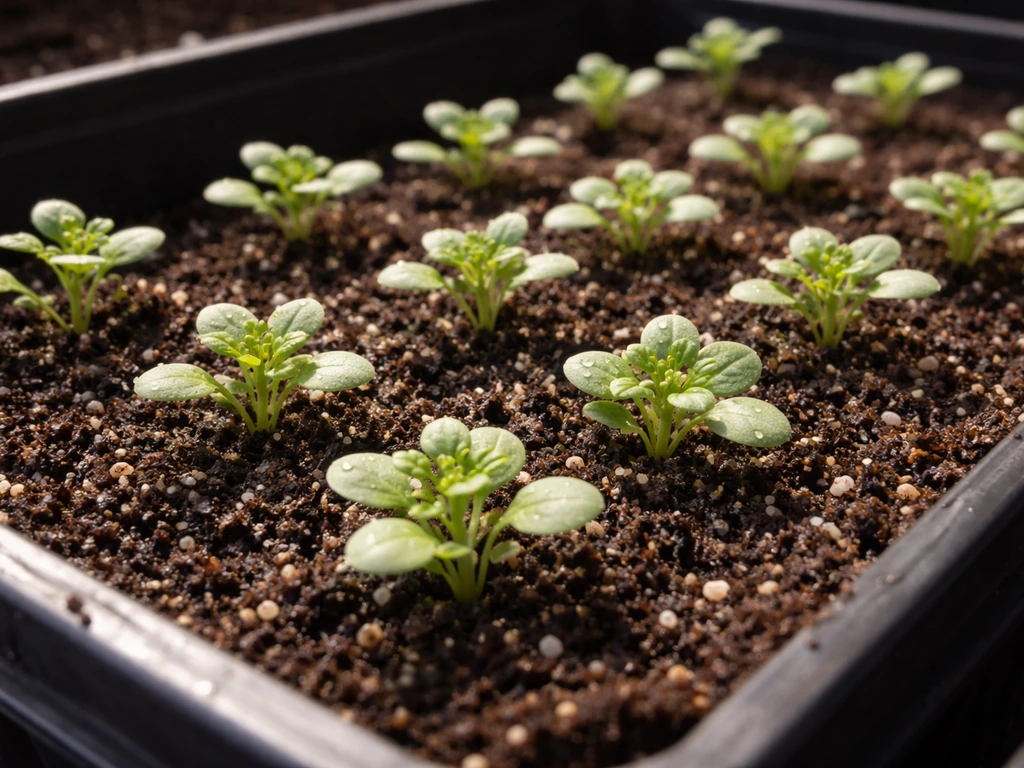
Growing hostas from seed takes patience. From the moment you sow, expect around 2 to 4 weeks to see sprouts under good conditions, 6 to 8 weeks before seedlings are ready for their first transplant, and at least 2 to 3 years before a plant starts looking like a proper hosta. For giant or slower varieties, you're really looking at 5 to 7 years to reach full potential. That's the honest answer. If you're okay with that timeline, growing hostas from seed is one of the most rewarding things you can do in a shade garden. If you need results faster, divisions are the better route.
How Long Does It Take Hostas to Grow From Seed?
Marcus Henley
17 Apr 2026
Typical timeline from seed to first sprout
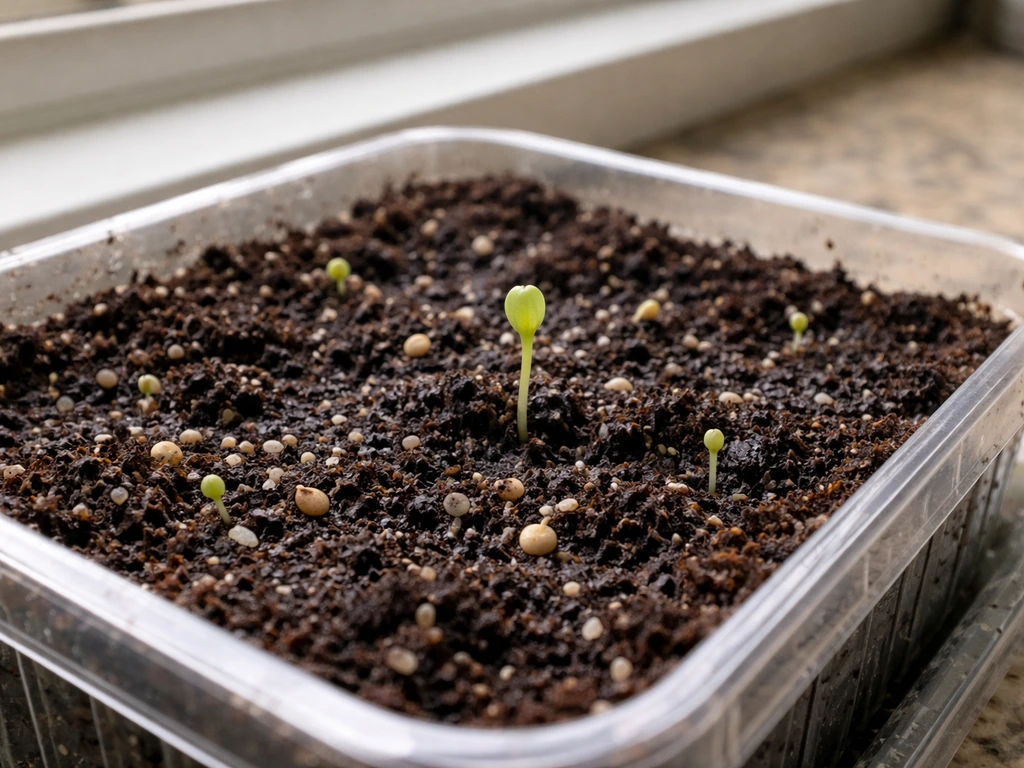
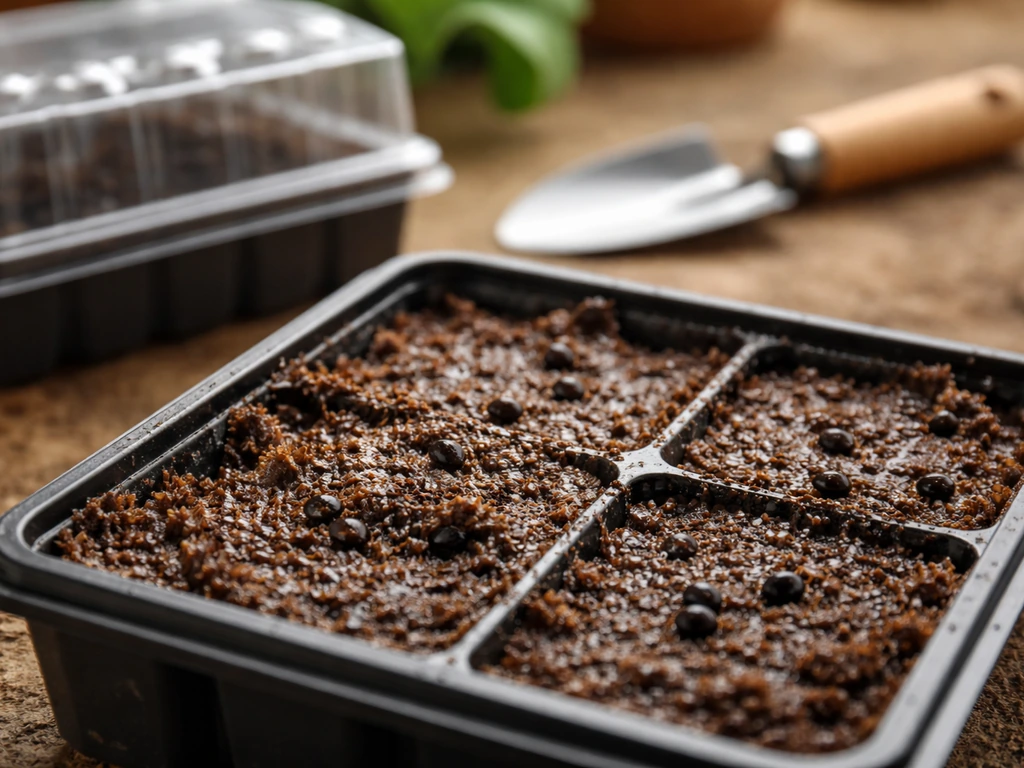
Under good conditions, hosta seeds typically show their first sprouts around two weeks after sowing, give or take a few days depending on freshness and temperature. That said, "good conditions" is doing a lot of work in that sentence. Hosta seeds prefer cool germination temperatures in the range of 50°F to 61°F (10°C to 16°C). Push above that consistently and germination stalls. Drop below and it also slows considerably.
The bigger wildcard is stratification. Hosta seeds often benefit from a cold, moist stratification period before they'll reliably germinate, especially if the seeds aren't freshly harvested. In general seed-starting guidance, cold stratification is used as a cold treatment to help break dormancy so stored seeds germinate more reliably blank" rel="noopener noreferrer">cold stratification as a cold treatment to break dormancy. Up to 8 weeks at around 40°F with consistent moisture can significantly improve germination rates. If you skip stratification and sow dry, stored seeds, don't be surprised if almost nothing happens or if germination drags out much longer than two weeks. Some gardeners report waiting 60 to 90 days or more before seeing movement, which aligns with the RHS guidance that lists hostas as needing more than 90 days under their standard germination framework. Fresh seed sown immediately after harvest often sidesteps this issue entirely.
Seedling growth pace and early stages
Once that first sprout breaks the surface, growth is slow but steady. The initial leaf that appears is a cotyledon (a seed leaf), not a true hosta leaf. Don't get too excited yet. Over the next few weeks, the seedling puts energy into developing its root system while pushing out its first true leaves. This is the most fragile phase. Seedlings are small, easily overwatered, and sensitive to drying out.
Constant moisture is critical during this stage. The seedling needs consistent soil moisture from the moment it germinates until it has several leaves and a reasonably developed root system. But here's the balance: you need moisture without waterlogging. Excess water around those fragile stems cuts off air circulation and invites rot. I've lost more hosta seedlings to soggy soil than to drought. A well-draining seed-starting mix and a humidity dome that you gradually open for acclimation (rather than pulling off all at once) gives you the best of both worlds.
Light matters just as much as moisture at this stage. Seedlings grown under adequate artificial light, like metal halide grow lights, develop noticeably stronger and healthier than those sitting in a dim window. If you're starting seeds indoors, place them under proper grow lights rather than relying on a south-facing windowsill.
When are seedlings ready to transplant?
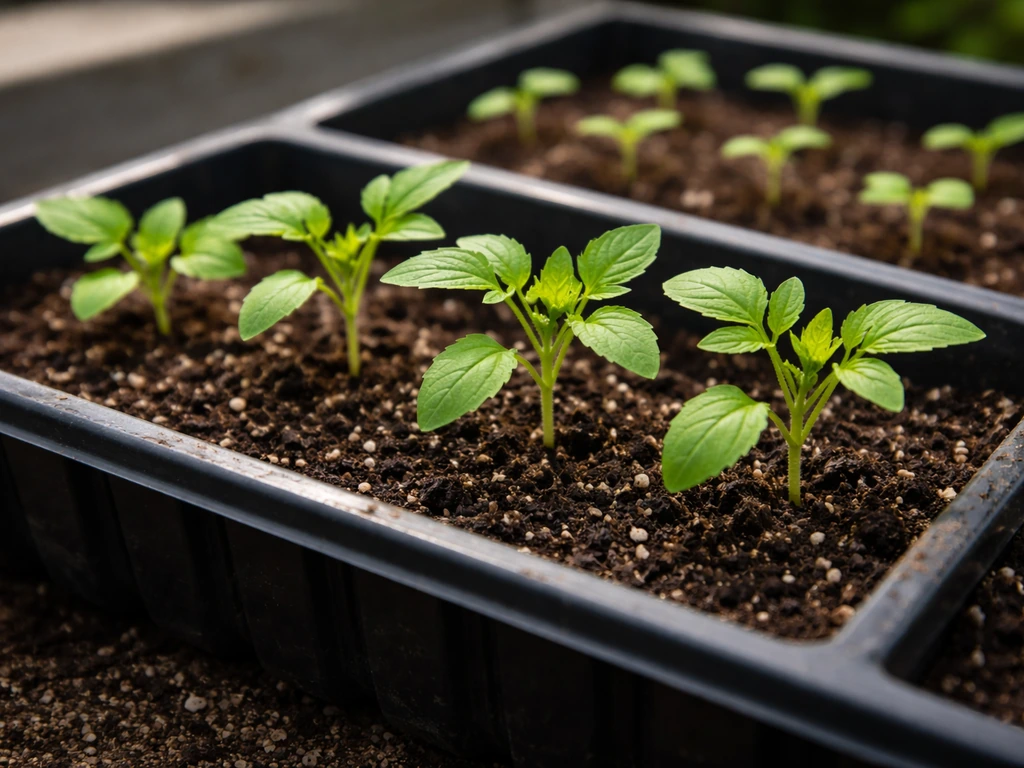
Most growers use two true leaves as the minimum threshold for thinning or first transplanting. Practically speaking, though, waiting until seedlings have three to four true leaves gives you a stronger, more transplant-tolerant plant. That point typically arrives around six to eight weeks after sowing. At that stage the root system is established enough to handle being moved into a larger cell or small pot without collapsing.
Don't delay the first transplant longer than needed. Seedlings left crowded in a tray too long compete for nutrients and light, and overcrowded roots become a tangled mess. Move them promptly once they're ready, and transplant as gently as possible to avoid disturbing roots. If you're planning your outdoor transplanting schedule, much like growing lavender from seed, you'll want to time indoor sowing so seedlings are large enough to harden off by late spring.
When hostas start looking established
This is where timelines get humbling. A hosta seedling in its first year in the garden looks almost nothing like the mature plant on the label or in the parent. You'll see a few small leaves, maybe a modest little clump. Year two looks better but still underwhelming. By year three or four, the plant's true characteristics start to show: leaf texture, color variegation, and the mounded form that gives hostas their signature look in a shade garden. If you're growing a giant variety, full potential takes even longer, often 5 to 7 years from seed.
This long maturity timeline is one of the things that sets hostas apart from faster-maturing ornamentals. Compare it to something like hibiscus grown from seed, which can bloom in its first season, and you get a sense of just how patient a hosta grower needs to be. The payoff is a plant that can live for decades and grow into an impressive, weed-suppressing mound in a shaded border.
What makes hostas grow faster or slower from seed
Several factors have a real, measurable impact on how quickly you move through each stage. Understanding these lets you optimize the process rather than just hoping for the best.
- Seed freshness: Fresh seed sown right after harvest germinates more reliably and often faster than stored seed. Hosta seed viability drops off over time, so if you have old, dry-stored seed, expect lower germination rates and longer waits.
- Stratification: Providing up to 8 weeks of cold (around 40°F), moist stratification before sowing substantially improves germination for stored or older seed. Skipping this step with non-fresh seed is the most common reason for failed or very delayed germination.
- Temperature: Germination stalls outside the 50°F to 61°F sweet spot. Too warm is actually a bigger problem than slightly cool. Heat encourages fungal issues and suppresses germination.
- Moisture consistency: Drying out kills young seedlings fast. Inconsistent watering during germination and early seedling growth is the second biggest cause of failure after temperature issues.
- Light quality: Strong, consistent light from germination onward speeds up early leaf development and produces sturdier seedlings. Weak light means leggy, fragile plants that struggle at transplant.
- Variety: Giant hostas are inherently slower to mature than miniature or small varieties. Even within the same growing conditions, some varieties just take longer.
- Soil and drainage: A well-draining seed-starting mix avoids the rot issues that plague hosta seedlings. Heavy or compacted soil delays root development and can set plants back months.
Troubleshooting slow or failed germination
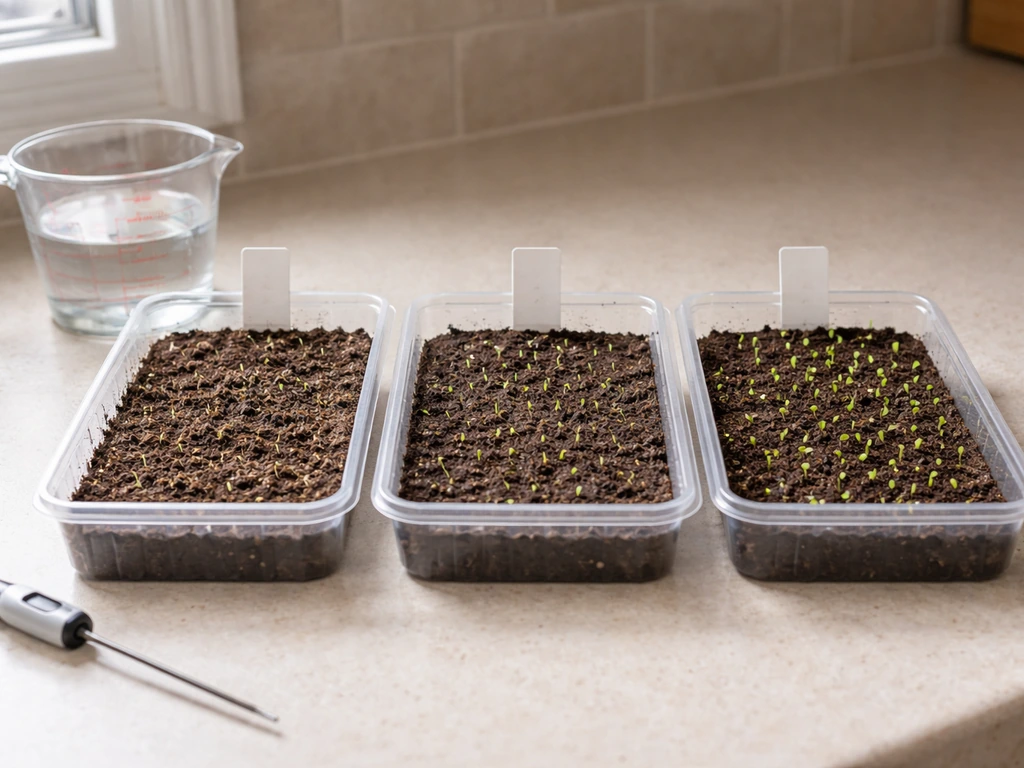
If you're two to three weeks past sowing and seeing nothing, or if germination is patchy and weak, here's how to work through it systematically rather than just waiting and hoping.
- Check your temperature. If your germination area runs warmer than about 65°F, move seeds somewhere cooler. A cool basement shelf or a refrigerator-to-counter cycle can help. Hostas are not tropical germinators.
- Assess whether stratification was done. If you're working with stored seed and skipped cold stratification, wrap the seeds in a damp paper towel, seal them in a plastic bag, and refrigerate at around 40°F for 4 to 8 weeks, then re-sow. It sounds tedious but it genuinely works.
- Check moisture levels honestly. Dig a finger into the mix. If the top layer is dry, germination is likely stalled or the new sprouts dried before you saw them. Cover with plastic wrap or a dome and maintain even moisture without waterlogging.
- Re-evaluate seed age and source. Old seed from uncertain storage conditions may simply have poor viability. If you've done everything right and still see nothing after 8 to 10 weeks, the seed itself is likely the problem. Source fresh seed for your next attempt.
- Rule out rot. Lift a few ungerminated seeds gently with a toothpick. If they're soft, brown, or mushy, they rotted rather than germinated. This usually means the mix stayed too wet. Improve drainage and reduce watering frequency.
- Give it more time before giving up. Some hosta seeds, especially without proper stratification, can sit dormant for 60 to 90 days before germinating. If the seeds look firm and viable and conditions are right, wait it out. Mark your tray with the sow date so you know exactly how long they've been in.
Hosta seed vs. other ornamentals: a realistic comparison
It helps to put hosta's timeline in context with other ornamentals you might be growing alongside them. The table below compares germination onset, transplant readiness, and approximate time to an established-looking plant for hostas and a few commonly grown ornamentals.
| Plant | Germination onset | Transplant-ready | Established/mature look |
|---|---|---|---|
| Hosta | 2–4 weeks (fresh seed); up to 90+ days (stored seed without stratification) | 6–8 weeks from sowing | 3–4 years for most; 5–7 years for giant varieties |
| Hydrangea | 2–3 weeks under good conditions | 8–10 weeks from sowing | 2–3 years for a flowering plant |
| Lavender | 2–3 weeks with warmth | 6–8 weeks from sowing | 2–3 years for a full, established shrub |
| Hibiscus | 1–2 weeks with warmth and scarification | 4–6 weeks from sowing | Can bloom in first season from seed |
| Alyssum | 5–10 days | 3–4 weeks from sowing | Blooms within 6–8 weeks of germination |
Hostas are among the slowest ornamentals to reach visual maturity from seed. That's just the reality. If you're used to the quick turnaround of growing alyssum from seed, the pace of hostas will feel like watching paint dry. But for long-term garden planning, that patience pays off in decades of low-maintenance ground cover.
A note on seed-grown hostas and variety trueness
Before you invest years into growing hostas from seed, there's one thing worth knowing upfront: most hosta cultivars do not come true from seed. The seedlings will look different from the parent plant. That's not a defect, it's just how hostas work genetically. If you're growing species hostas or deliberately hybridizing to create new plants, seed growing makes complete sense. If you're trying to reproduce a specific named cultivar with exact coloring and leaf shape, divisions or tissue culture plants are the only reliable path.
This variability isn't necessarily a bad thing. Many gardeners who grow hostas from seed end up with genuinely interesting plants that no nursery sells. Some hosta hybridizers treat this unpredictability as the whole point. Think of it similarly to growing hydrangeas from seed, where genetic variation means each plant is essentially a surprise. You just need to walk in with the right expectations.
Planning your sowing schedule by season
Timing your sow date to the season matters more for hostas than many other seeds because of their cool-temperature germination preference and the stratification needs of stored seed.
Sowing in late winter (January to February)
This is the most popular indoor sowing window. Start stratification in November or December, then sow in late January or early February under grow lights. Seedlings reach transplant size (3 to 4 true leaves) by March or April and can be hardened off for outdoor placement after the last frost. This gives them a full growing season to establish before winter.
Sowing fresh seed in late summer or fall
If you have fresh seed from your own plants or a seed swap, sow it immediately in late summer or early fall. Fresh seed often doesn't need stratification. Sow outdoors in a sheltered spot or in cold frames. The seeds will experience natural cold stratification over winter and sprout in spring. Iowa State University Extension notes that winter weather can fulfill stratification requirements when perennials are planted outdoors in a nursery bed, helping seeds germinate in spring natural cold stratification over winter. This mimics what happens in the wild and is probably the most reliable method for species hostas.
Sowing in spring without stratification
If it's already spring and you have stored seed, you can still sow, but expect slower and patchier germination without prior stratification. Keep temperature cool (not warm), maintain consistent moisture, and be patient for up to 90 days. This approach works but is the least predictable of the three.
What to expect across different hosta varieties
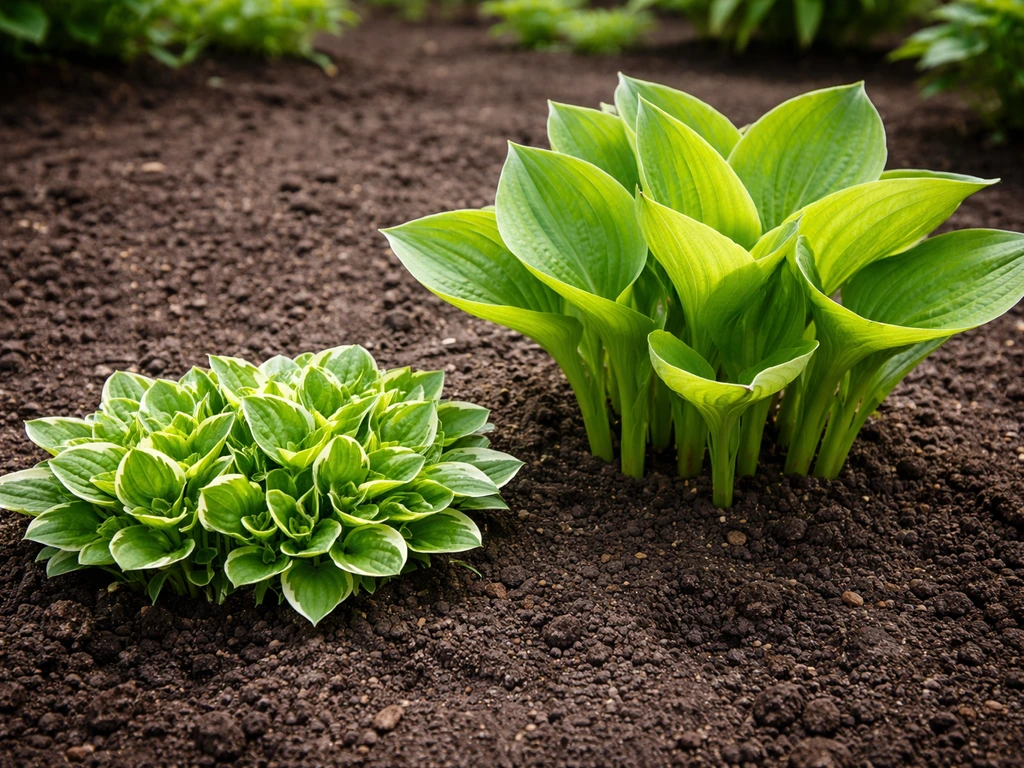
Not all hostas mature on the same schedule, and variety type makes a real difference to your long-term timeline expectations.
- Miniature and small hostas (like 'Blue Mouse Ears' types): Faster to reach their characteristic look, often showing recognizable features by year 2 or 3.
- Medium hostas: The most common type. Expect true characteristics to emerge by years 3 to 4 and a full, established clump by years 4 to 5.
- Giant hostas (like 'Sum and Substance' types): Genuinely slow. Budget 5 to 7 years for anything that resembles the mature plant. Worth it, but only if you plan accordingly.
- Species hostas from seed: Generally more predictable for appearance since they do come reasonably true from seed, unlike most hybrid cultivars.
Some growers treat the multi-year wait as part of the hobby, tracking how seedlings change year over year. If you enjoy that kind of long-game growing, hostas from seed are genuinely fascinating. It's a bit like growing gunnera from seed, another slow-burn ornamental where the end result is spectacular but the journey requires real commitment. Similarly, borage grown from seed gives you a useful comparison at the other end of the spectrum as a fast-germinating annual that reminds you just how different plant timelines can be.
The realistic bottom line on hosta seed timelines
Here's the full timeline condensed: Germination starts around 2 weeks with fresh seed and ideal conditions, or up to 90 days with stored seed lacking stratification. Seedlings reach transplant size at 3 to 4 true leaves, which takes about 6 to 8 weeks from sowing. The first year in the garden produces a small, unimpressive plant. Years 2 and 3 see real growth. Years 3 to 4 reveal true characteristics. For giant varieties, full maturity is a 5 to 7 year project. Every variable, from seed freshness to temperature to moisture consistency, can push that faster or slower. The best thing you can do is get fresh seed, stratify stored seed properly, keep temperatures cool during germination, and then step back and let the plants do their thing.
FAQ
Why do my hosta seeds take longer than 2 to 4 weeks to sprout?
Most delays come from warm germination temperatures or skipping cold, moist stratification (especially with stored seed). If your germination area stays above about 61°F (16°C), you can see stalled or patchy emergence, even when moisture seems fine.
If I stratify, do I still need to keep the seeds cold after they germinate?
No. Once sprouts start, keep temperatures cool but avoid prolonged cold exposure that slows early leaf and root expansion. The key is stable moisture and good light, not continued chilling.
How can I tell the difference between a dead seed and one that is just slow?
Look for swelling or slight color changes over time, not just darkness. If there is no sign of moisture uptake or movement after the expected window (up to about 90 days for poorly stratified, stored seed), gently check a few seeds in the tray to assess whether they are moldy, collapsed, or simply delayed.
Do hosta seeds need light to germinate?
They generally do not need direct light to start sprouting. What matters more is correct temperature and consistent moisture, but once seedlings emerge, insufficient light can lead to weak, leggy growth that slows transplant success.
What is the safest watering approach for newly sprouted hosta seedlings?
Water to keep the medium evenly moist, not wet. A common mistake is frequent light misting that dries the surface while leaving little usable moisture lower down, or overwatering that causes waterlogged conditions and rot. Use a well-draining mix and remove any standing water in trays.
Should I use a humidity dome the whole time, even after seedlings appear?
You can use a dome early, but you should gradually acclimate once seedlings emerge. Leaving it closed too long increases humidity and reduces airflow, which raises the risk of damping-off in small seedlings.
When should I transplant hosta seedlings into larger pots or cells?
Use the number of true leaves as your guide, 3 to 4 true leaves is a practical threshold for stronger survival. If you transplant at only cotyledon stage, failure rates rise because the root system is still fragile.
How long can I keep hosta seedlings crowded in a tray before moving them?
Avoid letting them sit too long once they have a few true leaves. Crowding reduces airflow and makes roots tangle, which makes separation more traumatic and can set plants back for weeks.
If my hostas look nothing like the parent after a year, is that normal?
Yes, for most cultivars. Hostas rarely come true from seed, so seedlings can differ in leaf shape, variegation, and color. Treat early years as a sorting and selection phase, not a sign of failure.
Do giant hostas really take 5 to 7 years from seed, even with ideal care?
Often, yes. Giant and slow-growing varieties can take longer than standard timelines because they allocate more growth to bulk and root development first. Extra patience is usually required, especially if you start with less-than-fresh seed.
What’s the most reliable way to get faster, more predictable germination?
Start with fresh seed when possible, then match temperature needs (cool germination) and use proper cold, moist stratification for stored seed. Without that, it can drift into long, inconsistent windows.
If it’s spring now and my stored seed is not stratified, can I still salvage a season?
You can sow with careful temperature control and consistent moisture, but expect slower, patchier germination (sometimes approaching the longer end of the timeline). Plan for hardening off later, because delayed seedlings will reach transplant size later.
Next Article
How Long Does Alyssum Take to Grow From Seed?
Alyssum and sweet alyssum seed timeline: germination, when to expect blooms, and tips to speed or troubleshoot growth.