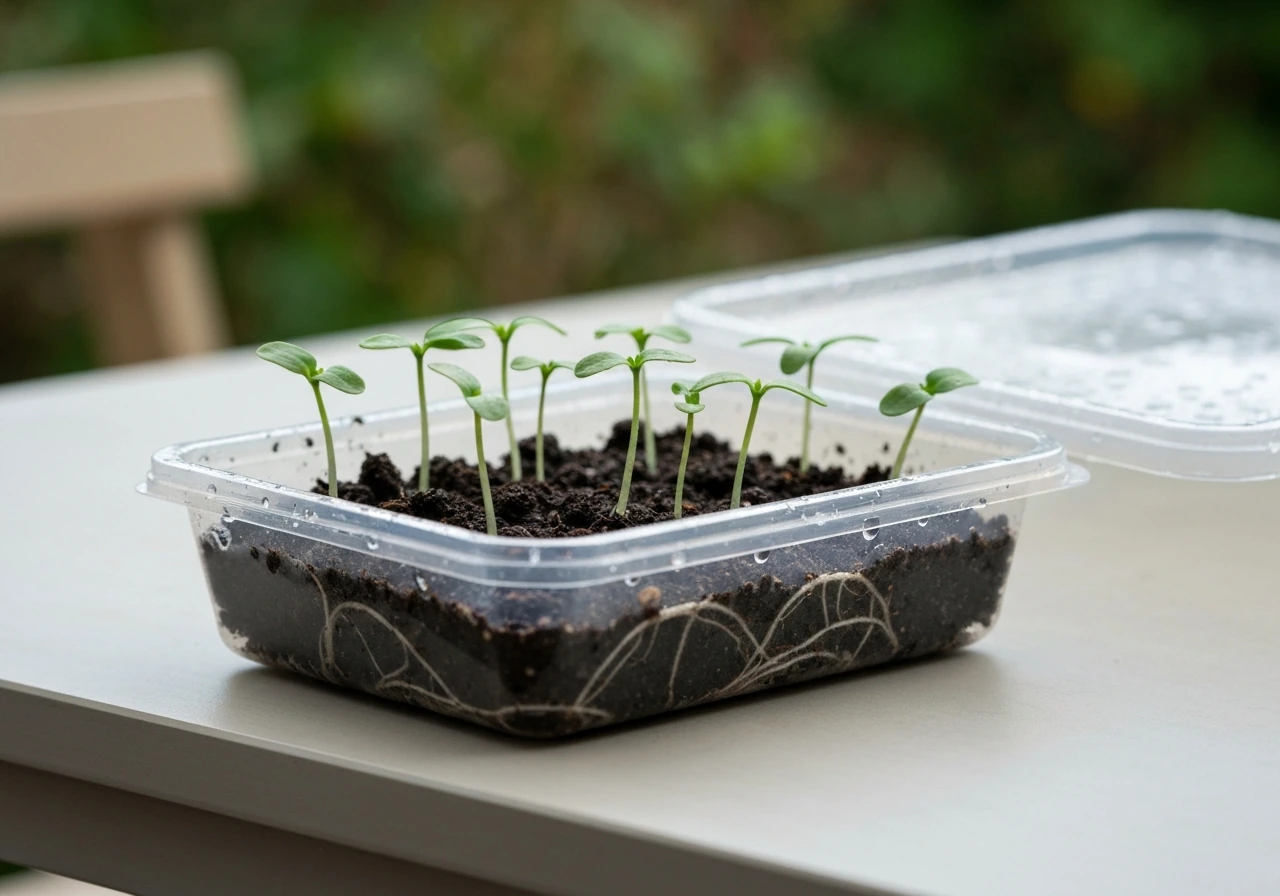
Growing hydrangeas from seed takes patience, but here's the honest answer: from the moment you sow the seed to the day you see your first blooms, you're looking at anywhere from 2 to 3 years in most cases. That's the full journey. Germination alone can take anywhere from 2 weeks on the fast end to more than 90 days if your conditions aren't dialed in. Once seedlings emerge, it usually takes several more months before they're strong enough to transplant, and then another full growing season or two before they flower. It's a long road, but it's doable and genuinely rewarding if you go in with realistic expectations.
How Long Does It Take to Grow Hydrangeas From Seed
Marcus Henley
10 Apr 2026
Hydrangea-from-seed timeline at a glance
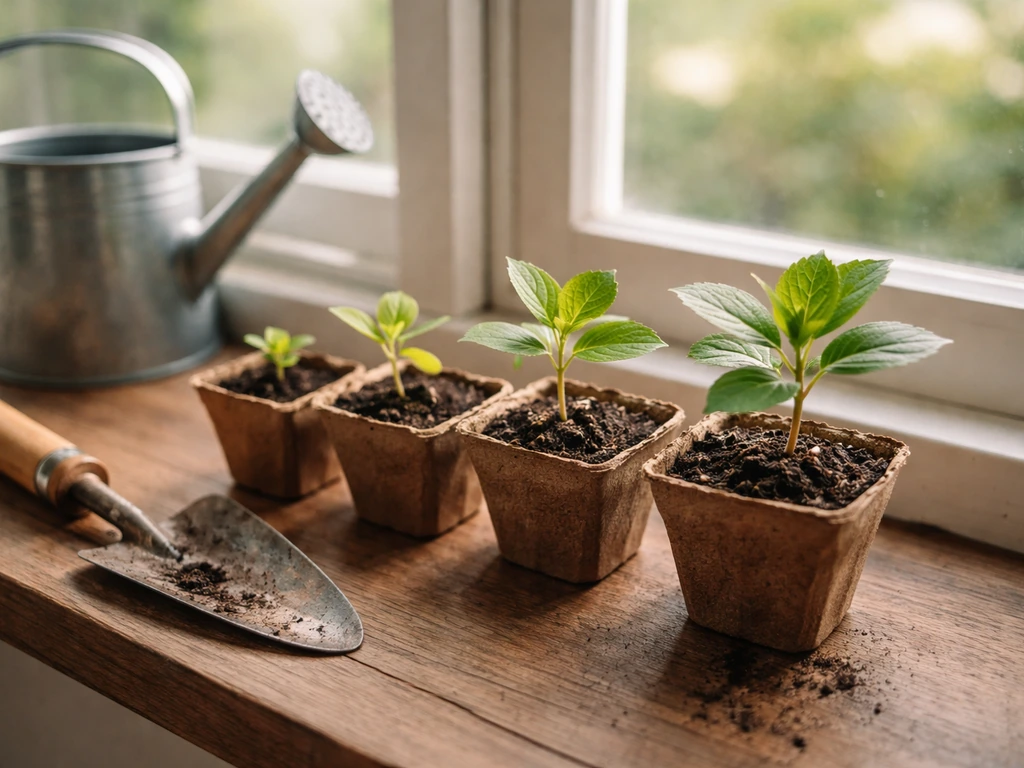
Here's the condensed version for anyone who just needs the numbers before diving deeper into the details.
| Stage | Typical Timeframe | Notes |
|---|---|---|
| Stratification (if needed) | 30–90 days | Cool-moist treatment before sowing; not required for all species |
| Germination | 2 weeks to 90+ days | Varies widely by species, temperature, and seed freshness |
| Seedling to transplantable size | 2–4 months after germination | Depends on root fill, not a fixed calendar date |
| Transplant to first blooms | 1–2 growing seasons | H. paniculata may flower in year one; others take longer |
| Full maturity | 2–3 years from seed sowing | Most home growers see first real blooms in year 2 or 3 |
The biggest variables are species and whether your seeds need cold stratification. Hydrangea paniculata is the fastest mover of the bunch, sometimes flowering in its first year under good conditions. Bigleaf hydrangea (H. macrophylla) tends to be slower and more demanding. Keep that in mind as you plan.
Germination timing: temperature, light, and stratification
The RHS germination guidelines list hydrangea seeds as needing a cool temperature range of 13°C to 16°C (55°F to 61°F), and they flag germination time as "more than 90 days" under those conditions. That's their standard guidance for the genus, and it reflects real-world experience: hydrangeas are not fast germinators. If you sow seeds and nothing happens in two or three weeks, don't panic and don't toss the tray. It may still be completely normal.
That said, some sources report faster results. H. arborescens seeds have been documented to germinate in as little as two to three weeks under warmer, controlled production conditions. Gardeners working at home have reported germination in about two weeks when seeds are kept evenly moist and warm. The honest range is two weeks to three months or more, depending on species and how well you've matched the conditions the seeds want.
Temperature is the most important lever. If your germination area is warmer than 16°C (61°F), you're pushing outside the recommended range, which can extend timelines or reduce germination rates. A cool windowsill, a basement shelf, or a temperature-controlled propagation setup is ideal. Too warm and the seeds may either stay dormant longer or germinate poorly.
Light and sowing depth also matter. Hydrangea seeds should be lightly covered rather than buried, and surface sowing directly onto moist medium is a well-established approach. They don't need darkness, but they do need consistent moisture. Covering your seed tray with a plastic dome or plastic wrap (as UNH Extension recommends for small seeds generally) keeps humidity up and prevents the surface from drying out between waterings, which is one of the most common ways germination gets derailed.
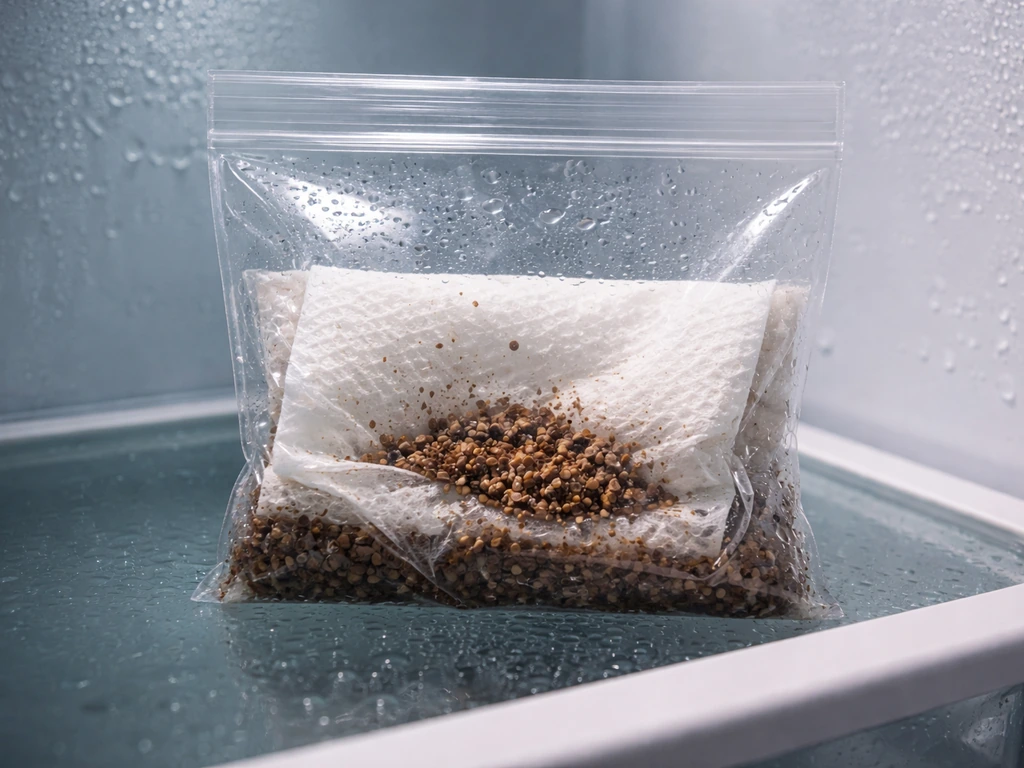
On stratification: not every hydrangea species needs it, but many benefit from a period of cool, moist chilling before sowing. The RHS outlines dormancy release for seeds, including using heat and cold periods (stratification) as part of propagation when seeds require it period of cool, moist chilling before sowing. H. paniculata is noted as not requiring pretreatment in some production protocols. For other species, 30 to 90 days of stratification at around 34°F to 41°F (1°C to 5°C) is used in practice to break dormancy. If you're working with species-specific seeds or seeds you've collected yourself, stratification is worth doing if you're not getting germination results after several weeks.
Seedling growth: how long until strong transplants
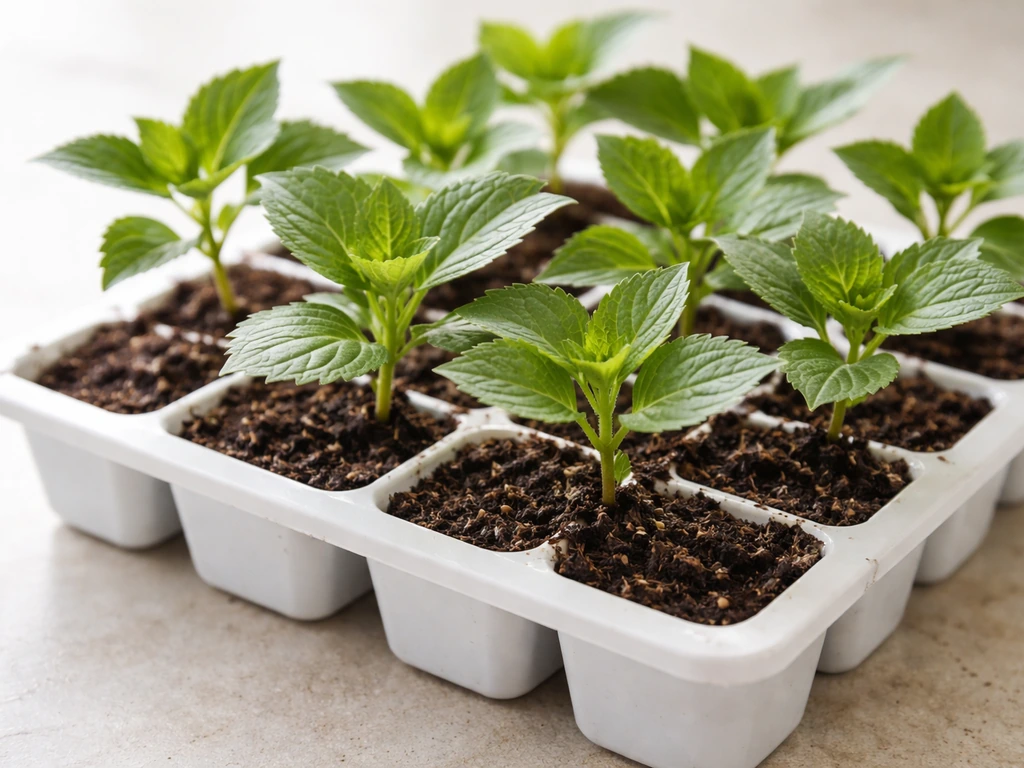
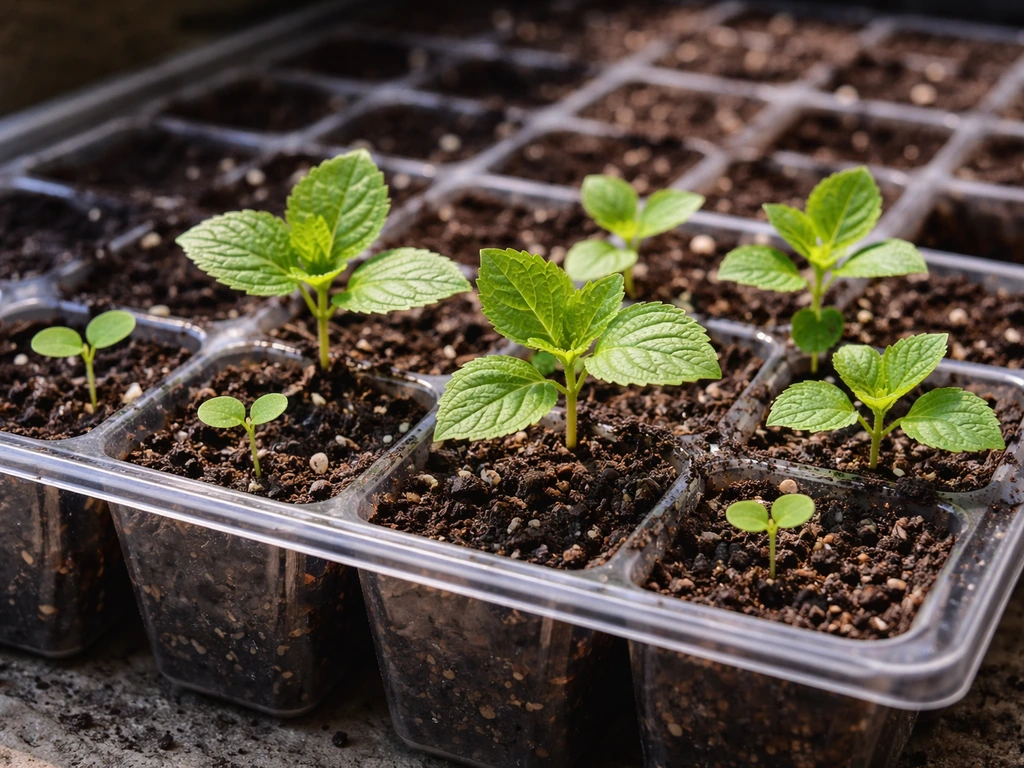
Once germination happens, you'll see tiny, fragile seedlings that need gentle handling and consistent care. The transition from germinated seedling to something sturdy enough to transplant typically takes two to four months, but it's more accurate to judge readiness by root development than by calendar dates. Commercial nursery practice moves hydrangeas from smaller to larger containers when roots have filled the current container, not based on a fixed number of weeks. The same logic applies at home: when roots are visible through drainage holes or the seedling looks root-bound in its cell, it's time to pot up.
During the seedling stage, keep watering consistent but not waterlogged. Seedlings are still establishing and are sensitive to both drought and overwatering. Transplanting depth matters too: when you move seedlings to larger containers or into the ground, plant them at the same depth they were growing during germination. Going too deep can slow growth noticeably, especially with young seedlings that haven't built up much stem thickness yet.
If you started seeds indoors, plan on hardening off seedlings over roughly two weeks before moving them outside full-time. This gradual transition prevents the growth setback that comes from sudden exposure to outdoor conditions like wind, direct sun, and temperature swings.
Time to maturity and first blooms (why it can take years)
This is the part that surprises most people: hydrangeas from seed don't bloom fast. For most species grown from seed at home, you should expect to wait until year two or year three before you see real flowers. The exception worth noting is H. paniculata, where plants can flower in the same year they're propagated from seed under ideal nursery conditions. For the rest, especially bigleaf hydrangea, the first season is almost entirely vegetative, and blooming often begins in the second or third growing season.
The reason it takes this long is that hydrangeas need to build a substantial root system and enough woody stem structure before they can support flowering. Unlike annuals or fast-maturing vegetables, hydrangeas are perennial shrubs that invest their early energy in establishment. A seedling that looks healthy but small in year one is typically doing exactly what it should be doing, building the foundation for years of flowering ahead.
This long timeline is actually part of why so many gardeners skip seed propagation and opt for cuttings or nursery plants instead. But if you're growing from seed for the experience of it, or because you've collected seeds from a beloved plant, knowing that blooms are still two or three years away is helpful for planning your garden rather than frustrating you midway through.
To put this in perspective alongside other flowering perennials: lavender grown from seed also takes one to three years to reach a good flowering size, so hydrangeas aren't uniquely slow in the perennial world. And like lavender, the wait is worth it once plants are established.
What makes hydrangeas grow slower or faster from seed
Several factors have a real, measurable impact on how quickly your seeds move through the timeline. Here's what matters most and why.
Species and cultivar
This is the single biggest variable. H. arborescens (smooth hydrangea) and H. paniculata tend to germinate faster and reach bloom stage sooner. H. macrophylla (bigleaf) is slower and more treatment-dependent. If you're not sure which species you're growing, expect the longer end of any timeline estimate.
Seed freshness and viability
Hydrangea seeds don't store well for long periods. Fresh seeds, ideally collected and sown in the same season, give significantly better germination rates than seeds that have been sitting in a packet for a year or more. Old seeds aren't necessarily dead, but germination will be slower, patchier, and more unpredictable.
Temperature management
Keeping germination temperatures in the 13°C to 16°C (55°F to 61°F) range is important. This is cooler than the warm temperatures many gardeners use for other seeds, so it's worth checking your setup rather than assuming a warm propagation mat is the right tool here.
Stratification
Skipping stratification when a species needs it is one of the most common reasons seeds fail to germinate at all. If you've been waiting more than six to eight weeks with no sign of life, consider whether your seeds may need a cold treatment before you retry. A 30 to 90 day period in cool, moist conditions in the refrigerator can make a significant difference.
Moisture consistency
Letting the growing medium dry out even briefly during germination can halt the process or kill newly germinated seeds before they're visible. Surface-sown seeds are especially vulnerable because they're not protected by soil depth. A humidity dome or plastic wrap cover is your best tool for maintaining consistent moisture without overwatering.
Pot vs. ground conditions
Seedlings grown in containers can be monitored and adjusted more precisely than those planted directly in the ground. In-ground conditions vary more: soil temperature, drainage, and competition from other plants all affect seedling growth rate. For home gardeners starting from seed, containers give you more control during the critical early months.
How to speed up results and troubleshoot slow germination
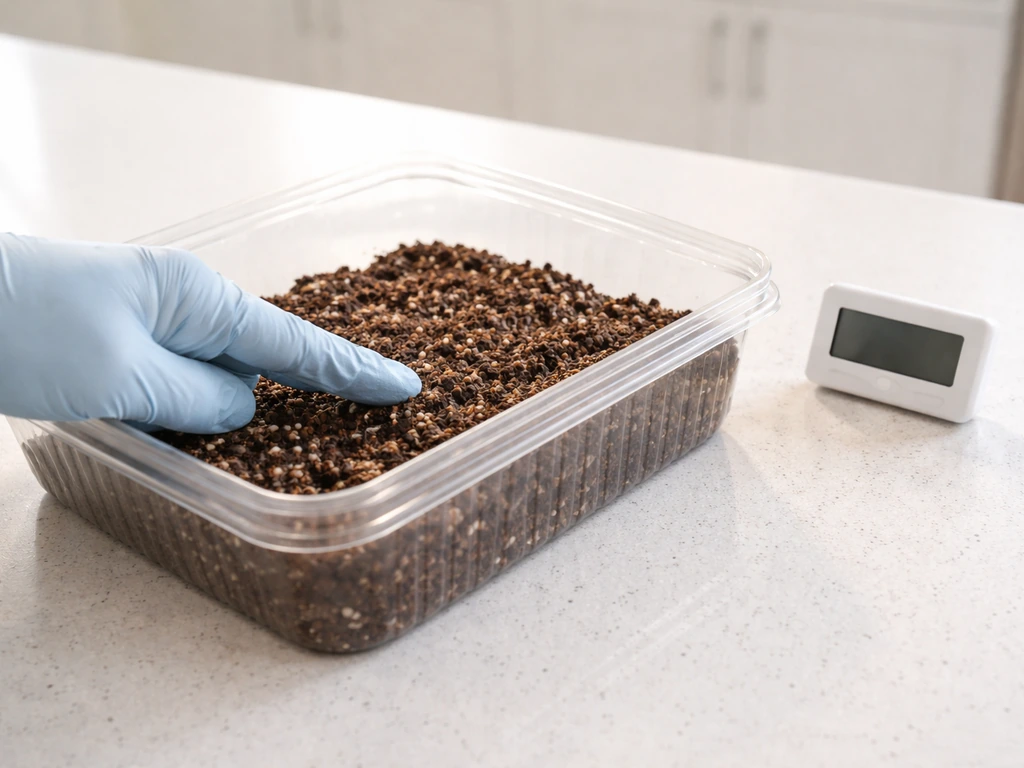
If you're getting slow or failed germination, run through this checklist before starting over. Most problems trace back to a small number of causes.
- Check your temperature: if your germination space is above 16°C (61°F), move it somewhere cooler. Hydrangeas don't want the warmth that tomatoes or peppers do.
- Try stratification: if you haven't cold-treated your seeds, put them in a sealed bag with a little damp paper towel and leave them in the refrigerator for 30 to 60 days before re-sowing.
- Surface sow properly: seeds should be barely covered with fine medium or left on the surface entirely, not buried. Burying them too deep is a common mistake with small seeds.
- Maintain humidity: cover your tray with a clear plastic dome or plastic wrap to lock in moisture. Check daily and mist if the surface looks dry.
- Give it more time: if it's been less than 10 to 12 weeks, your seeds may not have failed. The RHS notes that hydrangea germination can exceed 90 days, so patience is genuinely part of the process.
- Use fresh seeds if possible: if your seeds are more than a year old, germination rates will likely be low. Starting fresh with a new batch is often more productive than troubleshooting old seed.
- Start indoors early: indoor starting gives you a head start on the season. The general principle of starting indoors six to eight weeks before your last frost date applies, and vigorous indoor-started plants typically reach transplantable size and, eventually, bloom stage faster than outdoor-direct-sown equivalents.
Hydrangeas respond well to the same patient, consistent approach that works for other slow-to-germinate flowering plants. If you've grown hibiscus from seed, which also requires warm, moist conditions and can be slow to germinate, some of the same habits carry over: consistent moisture, indirect light, and not giving up too soon.
Planning your schedule by season and growing zone
For most gardeners in temperate zones (USDA zones 4 through 9, where most hydrangeas are grown), the standard approach is to sow seeds indoors in late winter or early spring, targeting germination before your last frost date. If your seeds need stratification, count backward from when you want to transplant outdoors and start the cold treatment 30 to 90 days before your planned sowing date. That often means beginning stratification in mid to late winter.
Once germinated and growing strongly, seedlings can be hardened off in spring and moved to larger containers or garden beds after your last frost date. In warmer zones (8 and 9), you have more flexibility and can sometimes start earlier or overwinter seedlings outdoors. In colder zones (4 and 5), focus on getting as much indoor growing time as possible before transplanting, since the outdoor growing season is shorter.
Year one for most gardeners is mostly about keeping seedlings alive and growing steadily. Year two is when you start to see meaningful shrub development. Blooms in year two are possible but not guaranteed; year three is a safer expectation for a genuinely good first flowering. Marking your sowing date and tracking progress across seasons helps you stay realistic and recognize progress that's actually on schedule.
If you're building out a full shade or woodland garden and want to pair hydrangeas with other slow-growing ornamentals, it's worth knowing that hostas grown from seed follow a similarly long timeline, often taking two to four years to reach a presentable flowering size. Planting a mix of fast and slow bloomers helps you have something to look at while the longer-term investments mature.
For gardeners who want low-maintenance companions to fill in while hydrangea seedlings establish, fast-germinating annuals or short-lived perennials are a good option. Alyssum grows quickly from seed and works well as a ground-level filler around taller, slower-establishing plants. Similarly, borage germinates fast and adds color to beds where perennials are still finding their feet.
On the opposite end of the scale, if you're thinking about truly large-scale structural plants alongside your hydrangeas, gunnera grown from seed requires a similar multi-year commitment and shares some of the same patience-demanding qualities. Knowing what you're signing up for with each plant type makes the whole garden planning process less frustrating and more intentional.
The bottom line: hydrangeas from seed are a two to three year project from sowing to first real blooms. Germination takes anywhere from two weeks to over 90 days depending on species, temperature, and stratification. Seedlings need two to four months to reach transplantable size. And then you wait one to two more growing seasons for flowers. That's a lot of patience, but with the right setup and realistic expectations, it's completely achievable for a home gardener willing to put in the time.
FAQ
If my hydrangea seeds do not sprout after 6 to 8 weeks, what should I do next?
First, confirm the temperature is staying in the cool 13°C to 16°C (55°F to 61°F) range and the medium has not dried out at the surface. Then check whether your species typically needs cold, moist stratification, and if you are outside that window, start (or restart) a 30 to 90 day cool-chilling cycle before trying a new batch of sowing.
Can I speed up hydrangea germination by using a warmer heat mat?
Usually not. Warmer conditions can push seeds out of the genus’s preferred cool range and lead to slower or patchier germination. If you want extra control, aim for a stable cool environment rather than “warm and wet,” and keep the medium evenly moist with a humidity cover.
Do I have to stratify every hydrangea species before sowing?
No, not every species has the same requirement. Many home gardeners will skip stratification only if they have a reliable production-style seed source for that specific species, like cases where some protocols note no pretreatment for certain types. If you do not know the species or you have slow results, stratification is the safer next step.
How can I tell when my seedlings are ready to pot up or transplant?
Don’t rely only on time. Use root cues, for example roots beginning to circle or showing through drainage holes, and handle the seedling to check that it is not just a fragile green sprout. Pot up when the root system is actively filling the container, then keep the planting depth the same as it was at germination.
What is the correct planting depth for hydrangea seedlings when moving them outdoors?
Keep them at the same depth they were growing during the seed-start stage. Planting too deep can slow growth because the seedling’s stem has not built much woody tissue yet, so depth changes can noticeably delay establishment.
Should I fertilize hydrangea seedlings during the first year?
Light feeding is sometimes helpful once seedlings are actively growing, but avoid heavy fertilizer during early establishment. If you fertilize, use a weak solution and prioritize consistent watering, because overfeeding or salt buildup can stress small seedlings and stall growth.
Why do my seedlings look healthy but never flower in the first or second year?
That pattern is common with seed-grown hydrangeas, especially bigleaf types. Seedlings often invest the first season and part of the second in roots and stem structure, so lack of blooms in year one is expected and year two blooms may still be inconsistent.
Will older hydrangea seeds still sprout if they are a year or two old?
They can, but expect lower germination rates and more uneven sprouting. If the seeds are past their prime, plan for a longer timeline, keep conditions stable, and consider stratifying if the species benefits from cold chilling rather than assuming old seeds are “dead.”
How long should I keep a humidity dome or plastic wrap on my seed tray?
Keep it on during the germination window to prevent the surface from drying out, then gradually vent once you see sprouts so seedlings acclimate. The goal is consistent moisture, not permanently sealed conditions, because prolonged stagnation can increase mold risk.
Is it better to start hydrangea seeds indoors or outdoors?
For most gardeners in temperate climates, indoors is usually easier because you can maintain the cool germination range and control moisture. Outdoor sowing is possible in milder areas, but it is harder to match temperature targets and you may lose surface-sown seeds to drying or weather swings.
Next Article
How Long Does Hibiscus Take to Grow From Seed?
Hibiscus from seed timeline: germination in days and typical months to maturity, with tips to speed growth and fix slow/