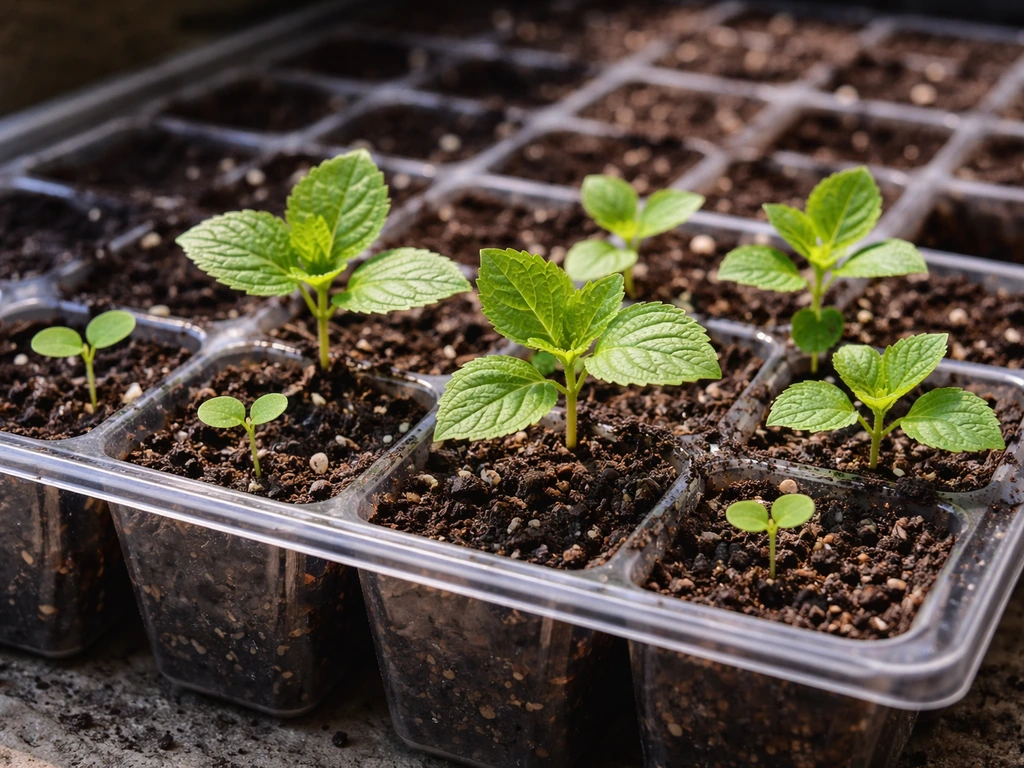
From seed, alyssum (especially sweet alyssum, Lobularia maritima) typically germinates in 5 to 15 days and starts flowering within 6 to 8 weeks of sowing. That is the honest, practical answer. The exact numbers depend on your temperature, light setup, and how you sow, but if you give this plant what it needs, you will see tiny seedlings within two weeks and blooms well before the end of a growing season. Here is everything you need to plan your schedule and actually hit those targets.
How Long Does Alyssum Take to Grow From Seed?
Marcus Henley
11 Apr 2026
The full alyssum timeline, seed to bloom
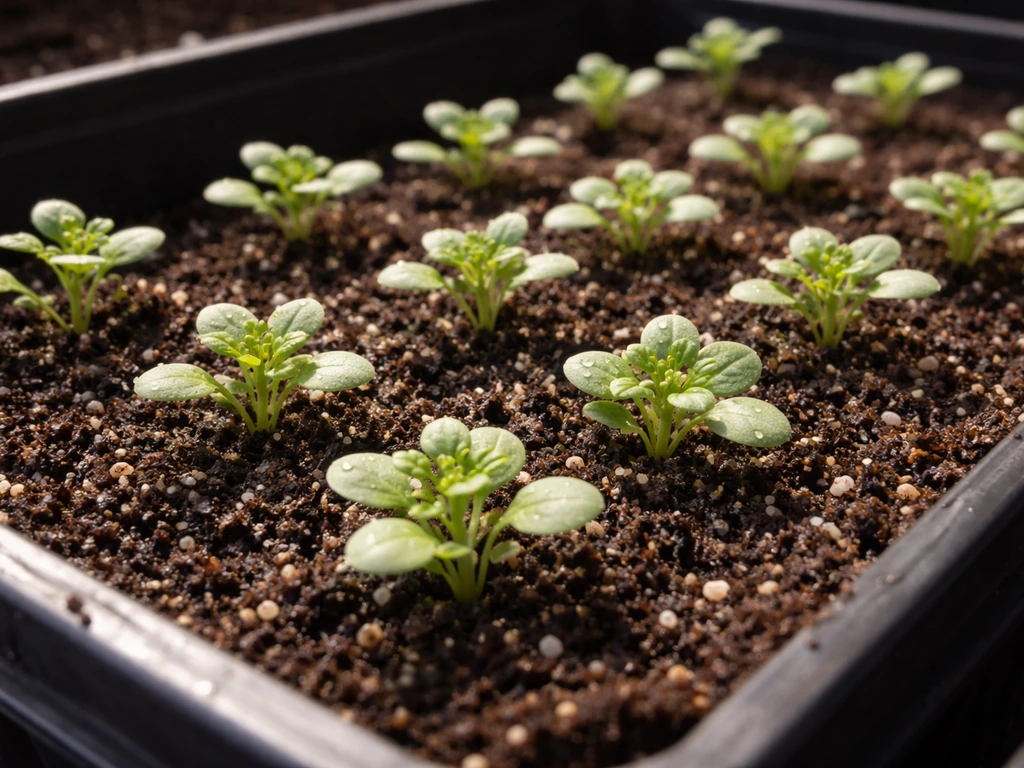
Most home gardeners want a simple week-by-week picture before they commit to a planting plan. Here is a realistic baseline for sweet alyssum started indoors and moved outside when conditions are right.
| Stage | Typical Timeframe | Notes |
|---|---|---|
| Germination | 5–15 days | Faster at 65–70°F; can be as quick as 2–4 days in ideal controlled conditions |
| Seedling establishment | 1–2 weeks after germination | Roots in, first true leaves visible |
| Transplant-ready size | 4–5 weeks from sowing | Johnny's recommends sowing 4–5 weeks before planting out |
| First flowers | 6–8 weeks from sowing | Wisconsin Master Gardener baseline for seed-started plants |
| Full, spreading mound in bloom | 8–12 weeks from sowing | Peak display; continues from spring to first frost in cool temps |
K-State recommends starting alyssum about 8 weeks before your last frost date if you want blooms ready to go as soon as outdoor conditions allow. That lines up perfectly with the 6-to-8-week flowering window. If your last frost is mid-April, start seeds indoors in late February or early March.
Germination vs. what happens after sprouting
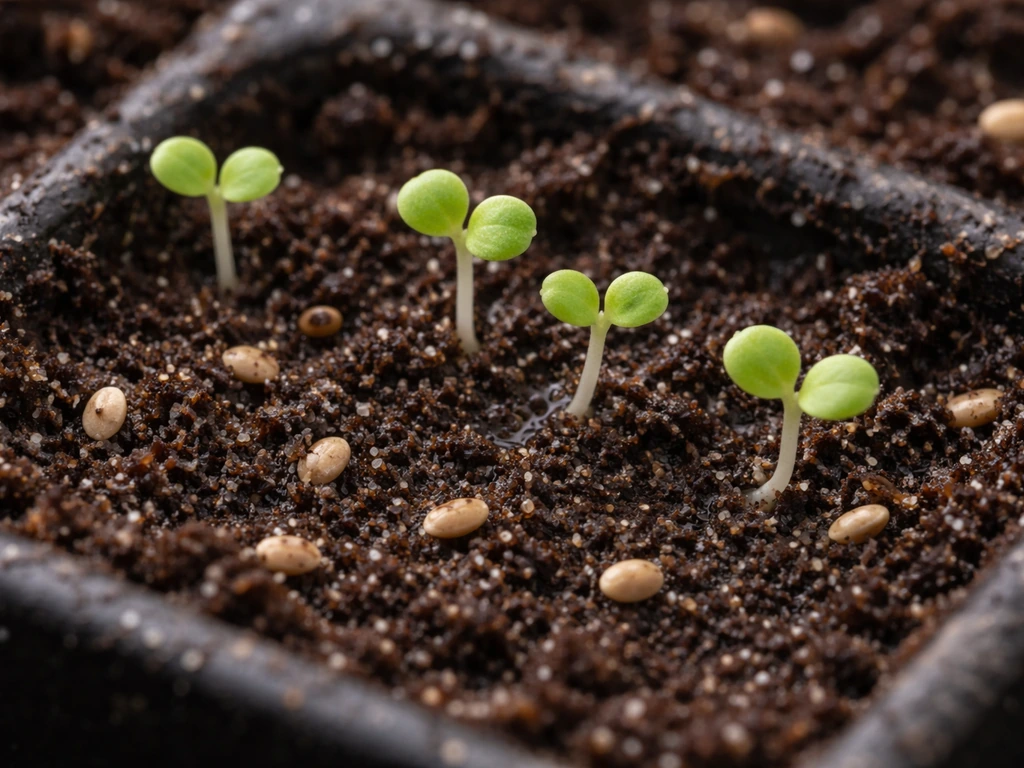
Germination is the fast part. Under good conditions, you should see sprouts in roughly 5 to 10 days at around 70°F (21°C). Benary reports as few as 2 to 4 days for Lobularia maritima in controlled professional growing environments. UF/IFAS puts the window at 8 to 15 days for typical home conditions, and Southern Exposure lists 5 to 15 days at 70°F. A reasonable middle-ground expectation for most gardeners is about 7 to 12 days, which matches what Pro-Mix's seed-starting calendar lists for alyssum.
The slower part is what comes after germination. Once your seedlings poke through, they need another week or two to put down roots and grow their first set of true leaves. Then another few weeks of steady growth before the plant has enough energy to push out flowers. In total, plan for about 6 weeks at a minimum from sowing to first bloom, and 8 weeks to get a plant that really looks like something in the garden. I have had sweet alyssum flower in as little as 45 days from sowing under a grow light setup, but 55 to 60 days is a more realistic target for a kitchen-windowsill start.
Sweet alyssum (Lobularia maritima) timing specifics
When people search 'sweet alyssum from seed,' they almost always mean Lobularia maritima, the classic fragrant, mat-forming annual with tiny honey-scented flowers. This is the most commonly grown alyssum in home gardens, and its timeline is what most of the research data covers. The good news: it is one of the faster flowering annuals you can grow from seed.
Johnny's Selected Seeds instructs you to sow 4 to 5 weeks before planting out, which means the plants reach transplant size quickly. Add the outdoor establishment time and you are looking at blooms around the 6-to-8-week mark from first sowing, consistent with Wisconsin Master Gardener data. Sweet alyssum then blooms continuously from spring until first frost, though flowers tend to slow down significantly during hot mid-summer stretches. NCSU Extension notes this behavior specifically: expect peak blooms in spring and fall, with a natural dip when temperatures climb high. If your summer heats up, shear the plant back lightly and it can rebound to bloom again within one to two weeks.
For a longer-season perspective, sweet alyssum is not a slow-to-mature plant the way something like growing hydrangeas from seed can be, where you might wait years for mature blooms. Alyssum rewards you in a single season.
What speeds up or slows down growth
Temperature
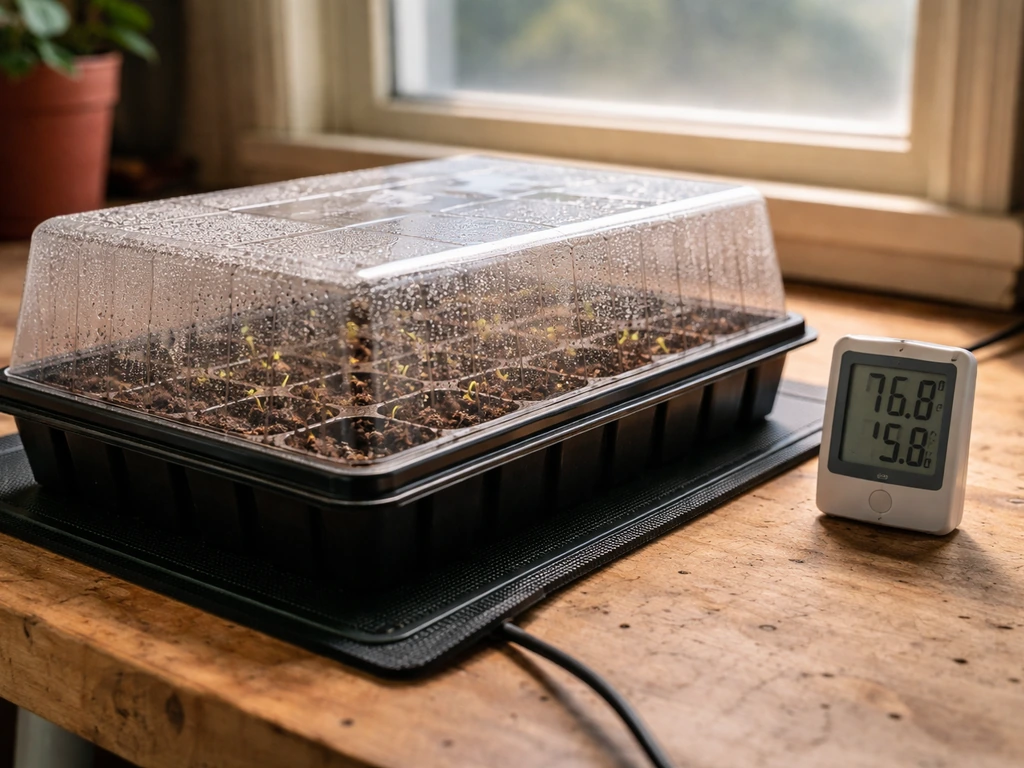
Temperature is the single biggest variable. The germination sweet spot is 65 to 70°F (18 to 21°C) according to Johnny's, or about 70°F per K-State and Southern Exposure. Too cold and germination stretches well past 15 days. Too hot and germination drops off sharply. For seedling growth after sprouting, Benary's production guidelines suggest cooler night temperatures of 50 to 55°F (10 to 13°C) and day temperatures of 55 to 60°F (13 to 16°C), which aligns with sweet alyssum's preference for cool growing conditions. A warm germination environment followed by cooler growing temps is the professional approach.
Light
Light is non-negotiable for germination. Every major source agrees: do not cover sweet alyssum seeds. Light is required for germination, and covering the seed even lightly can delay or prevent sprouting. Once the seedlings are up, sweet alyssum grows well in full sun to part shade. UF/IFAS notes it as a part-sun plant, and that flexibility means you have options for where it goes in the garden, though expect fuller and faster blooming in brighter spots.
Moisture and airflow
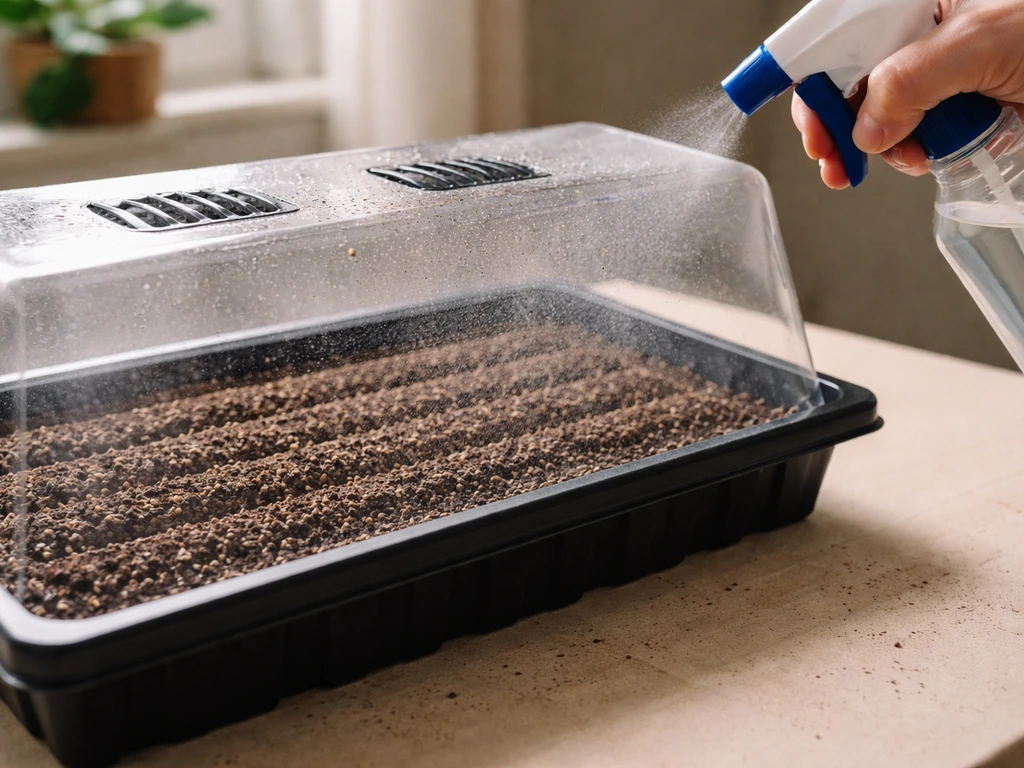
Keep the surface consistently moist during germination, but do not let it stay waterlogged. UF/IFAS flags damping off as a real risk with sweet alyssum, meaning too much moisture at the stem base can kill seedlings before they even get going. Use a fine mist to water, avoid overhead drenching, and make sure your seed-starting mix drains well. Good airflow around seedlings cuts the damping-off risk significantly.
Soil and sowing method
Use a fine-textured seed-starting mix rather than garden soil. Surface sow the seeds, press them lightly into the mix so they make contact with the medium, and leave them uncovered. Pro-Mix's seed-starting calendar specifically lists surface sowing for alyssum. Garden soil tends to compact and crust over, which slows germination and is especially problematic for surface-sown seeds that need light.
How to plant alyssum seeds for the fastest germination
- Fill a tray or small cells with a pre-moistened, fine-textured seed-starting mix. It should feel like a wrung-out sponge, not soaking wet.
- Scatter sweet alyssum seeds on the surface. These are tiny seeds, so aim for a thin, even spread rather than dumping a pile.
- Press seeds gently into the surface with your fingertip or a flat piece of cardboard so they make good contact with the mix. Do not cover them.
- Place the tray under a grow light or on a bright windowsill. A clear plastic dome or plastic wrap helps hold humidity during germination, but lift it slightly or add ventilation holes to reduce damping-off risk.
- Maintain soil temperature around 65 to 70°F. A seedling heat mat helps if your home runs cool.
- Mist the surface with water when it begins to dry out. Never let it fully dry during germination.
- Expect sprouts in 5 to 15 days. Remove the dome once most seeds have sprouted.
- Sow seeds indoors 4 to 8 weeks before your last expected frost date, depending on how early you want flowering plants ready to go outside.
If you are direct sowing outdoors, wait until soil temperatures are consistently around 65°F and all frost risk has passed. Rake the bed lightly, scatter seeds, press them in, and water gently. Outdoor germination typically takes longer than indoor starts under grow lights because conditions are less controlled. This is why many gardeners, especially those with short growing seasons, prefer the indoor-start route that UW Extension recommends for sweet alyssum.
When alyssum is slow or refusing to sprout
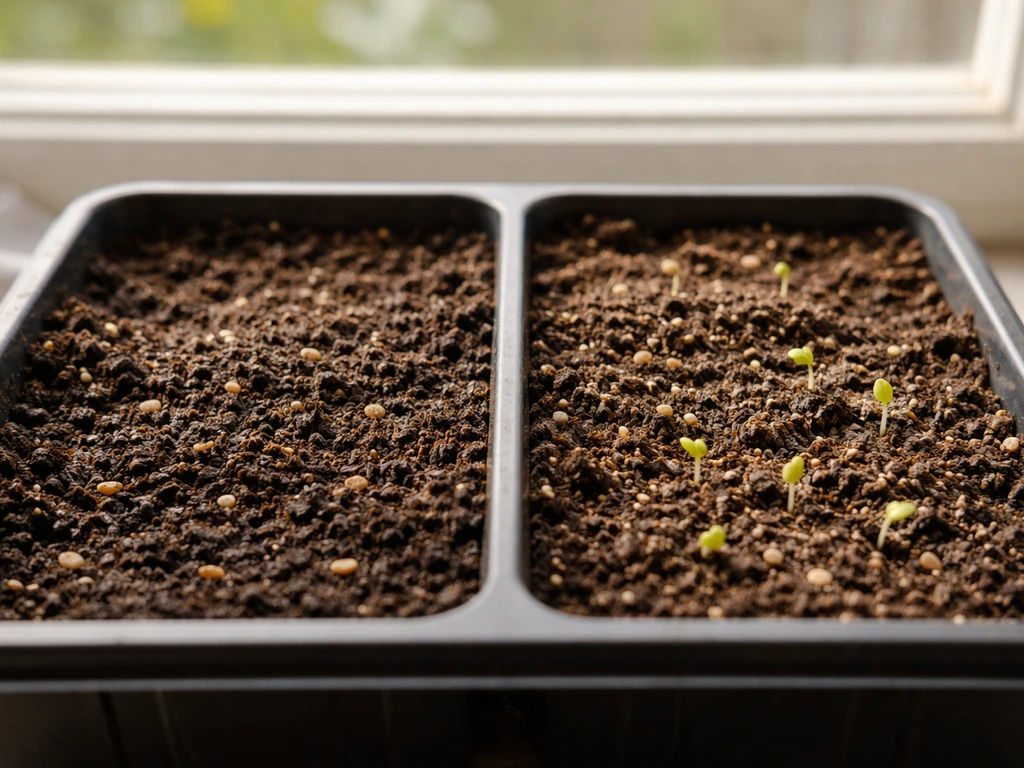
If you are past the 15-day mark and still seeing nothing, it is time to troubleshoot rather than panic. Most germination failures with sweet alyssum trace back to a small handful of fixable causes.
- Seeds were covered: This is the most common mistake. If you buried the seeds even a few millimeters, light cannot reach them and they may not germinate. Start a fresh tray and this time press seeds onto the surface only.
- Temperature is too low or too high: Below 60°F, germination slows dramatically or stalls. Above 80°F, viability drops. Check your actual soil temperature with a thermometer, not just the room temperature.
- Mix dried out: Even one dry spell during germination can kill seeds that have already started to wake up. They cannot recover from drying out mid-germination. Keep the surface evenly moist throughout.
- Old or poor-quality seeds: Alyssum seed viability drops over time. If your seeds are more than two or three years old and stored in warm or humid conditions, germination rates will be low. Fresh seed is always more reliable.
- Damping off killed seedlings: If you saw sprouts briefly and then they collapsed at the soil line, that is damping off. Improve airflow, reduce watering frequency, and use a sterile mix. You may need to start over.
- Waterlogged mix: Soggy conditions suffocate seeds. Make sure your tray has drainage holes and you are not sitting it in standing water.
One thing I do when germination seems stalled is gently move the tray to a warmer spot, like on top of the refrigerator or near a heat source, for 24 to 48 hours while keeping the surface misted. Sometimes that small temperature boost is enough to kick things into gear. If nothing has happened after 20 days, it is honestly faster to resow than to keep waiting.
Sweet alyssum is genuinely forgiving once it gets going, and the short time from seed to bloom means a failed first attempt is not a disaster. You can resow and still have flowering plants within two months. Compare that to something like growing lavender from seed, where a failed germination can set your whole season back significantly because the timeline to mature plants is so much longer.
Planning your sowing schedule around your season
Because sweet alyssum blooms best in cool weather and slows down in summer heat, timing your sow date strategically gives you the best display. If you want early spring blooms, start seeds indoors 6 to 8 weeks before your last frost. If your summers are brutal and you want a fall show, sow again in late summer about 8 weeks before your first expected fall frost.
Gardeners in warm-winter climates can often direct sow in fall for a winter-to-spring blooming cycle. In those regions, sweet alyssum essentially acts like a cool-season annual that performs opposite the calendar of northern gardeners. The 6-to-8-week seed-to-bloom window applies regardless of the season, so just count back from when you want flowers and sow accordingly. Hostas take much longer from seed than alyssum, so plan on a longer timeline before you see mature plants 6-to-8-week seed-to-bloom window.
If you are planning a mixed pollinator border or cottage garden this season and want to stagger bloom times, you might also look at how long borage takes to grow from seed, since it pairs well with alyssum as a companion plant and has a similarly satisfying quick-return timeline. For those interested in other flowering plants with longer seed-to-bloom journeys, understanding how long hibiscus takes to grow from seed or how long hostas take to grow from seed can help you appreciate just how fast and rewarding alyssum actually is by comparison. And if you are curious about slower-growing ornamentals that require real patience, growing gunnera from seed represents the far end of that spectrum.
Bottom line: sweet alyssum is one of the most beginner-friendly flowering plants you can start from seed. Get the surface sowing right, keep the temperature in the 65 to 70°F range for germination, and maintain consistent moisture without overdoing it. Do that, and you should have sprouts within 10 days and blooms within 6 to 8 weeks. For Gunnera, the seedling timeline can be much longer than alyssum, so plan for extended growing time from sowing to a sizable plant. It really is that reliable.
FAQ
Does the timeline change if I start alyssum indoors versus direct sow outdoors?
Sweet alyssum is usually fastest from indoors-started seed, because you can hold germination near 65 to 70°F, keep the seed surface exposed to light, and avoid outdoor temperature swings. If you direct sow outdoors, expect germination and early growth to stretch out, so your first blooms often land closer to the longer end of the 6 to 8 week window, sometimes a bit beyond if soil stays cool or wet.
What should I do if my alyssum seedlings sprout but take too long to bloom?
If your seedlings are up but look slow, the most common cause is temperature and light. Aim for cool, steady conditions after sprouting (cooler nights help), and give bright light or full sun once they are large enough. If seedlings are reaching for light or getting leggy, growth will lag and bloom will be delayed.
Will alyssum always bloom 6 to 8 weeks after sowing in summer?
Yes, heat can reset the schedule. During hot mid-summer, flowering often slows or pauses even if the plant is otherwise alive. A light shear after a heat stretch can trigger regrowth, with new bloom activity starting within about 1 to 2 weeks, so your “seed to bloom” timing may effectively extend in the warmest months.
How do I avoid delays when transplanting sweet alyssum outdoors?
For a reliably compact, bloom-ready plant, transplanting too late is a common mistake. Don’t wait until the seedlings are large and overcrowded, and try to move them outdoors as soon as frost risk is gone and outdoor temps are suitable. If you delay hardening off, cold snaps after transplant can also slow flowering.
I accidentally covered the alyssum seeds. Can I fix it, or should I resow?
If you covered the seed even lightly, germination can take much longer or fail, because alyssum needs light to sprout. For future sowings, surface sow and press for seed-to-mix contact, then keep the top layer evenly moist. For seeds that were already covered, removing the cover is usually not practical, so the best fix is resowing with correct light exposure.
At what point should I stop waiting and resow alyssum seeds?
A useful decision point is: if you are past roughly 15 to 20 days with no sprouts, treat it as a low-probability germination situation and consider resowing. Keep in mind that cool conditions can extend germination, but alyssum is typically not this slow when the setup is right, so long waits usually mean something is off (temperature, moisture level, or light).
What are the most common watering mistakes that affect germination and seedling survival?
Moisture issues often show up as either crusty dry surfaces or damping-off from overwatering. Use a fine mist, water from below when possible, and ensure the mix drains well with airflow around seedlings. Consistent surface moisture helps germination, but constantly wet conditions at the stem base can kill seedlings.
What’s the quickest way to get alyssum blooms for a specific outdoor planting date?
If you want earlier flowers, a grow light setup and slightly warmer germination, then cooler growth afterward, is the fastest route. You can also count back from your outdoor planting date, aiming to start indoors about 8 weeks before last frost for early spring blooms, rather than relying on outdoor conditions to stay warm quickly.
Next Article
How Long Does It Take to Grow Hydrangeas From Seed
Timeline for growing hydrangeas from seed: germination, seedling growth, transplant size, and first blooms, plus what ch