Growing iris from seed takes patience: expect 1 to 4 months for germination (sometimes longer), and plan on waiting 2 to 3 years from sprouting before you see your first bloom. That's the honest answer, and it's the main thing most gardeners don't know before they start. The good news is that once you understand the timeline and do the prep work correctly, iris from seed is very doable and genuinely rewarding.
How Long to Grow Iris From Seed: Timelines and Tips
Marcus Henley
16 May 2026
The realistic iris-from-seed timeline
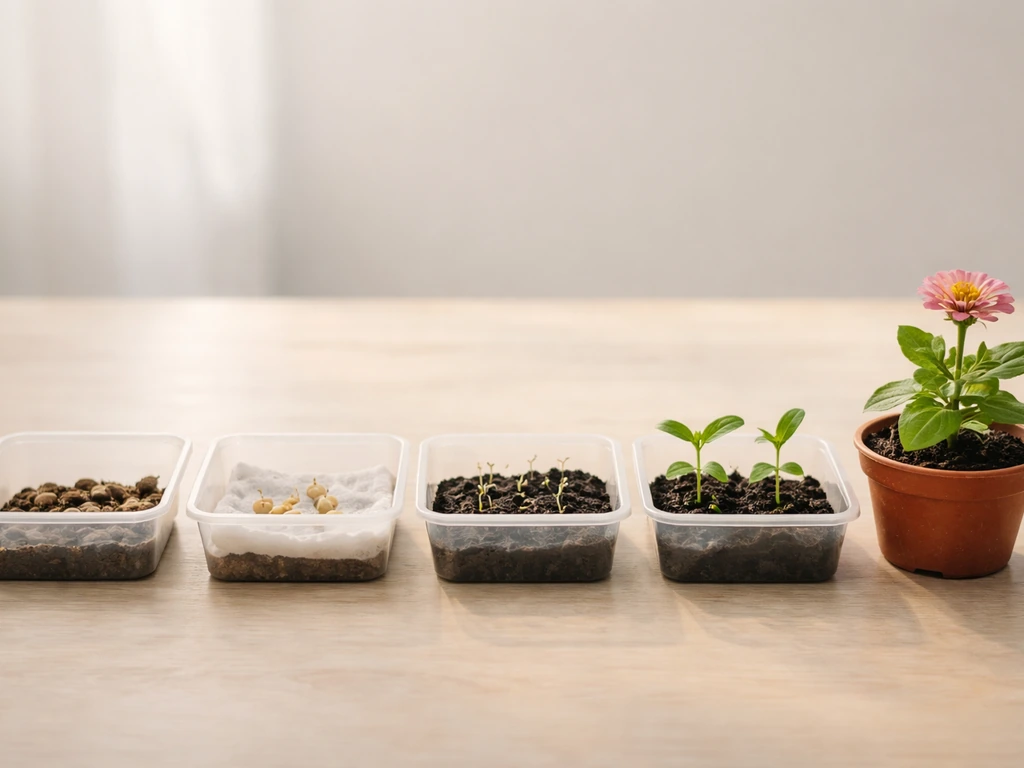
Here's how the journey typically breaks down from the moment you sow to the moment you finally see a bloom:
| Stage | Typical Timeframe | Notes |
|---|---|---|
| Stratification (prep) | 4–12 weeks | Warm then cold treatment; some types skip this |
| Germination | 1–4 months after sowing | Can be delayed to the following fall or spring |
| Seedling establishment | First growing season | Thin, grass-like leaves; fragile stage |
| First year growth | Year 1 | Building root system; no bloom expected |
| Maiden bloom (warm climates) | First spring after sprouting | Possible but not guaranteed |
| First bloom (cooler climates) | 2–3 years after sprouting | Most common realistic expectation |
| Established clump | 3–4 years from seed | Plant fills out and blooms reliably |
The single biggest surprise for new growers is that gap between germination and flowering. You're not doing anything wrong when your seedlings just sit there growing leaves for a year or two. That's exactly what they're supposed to do. Think of it like growing a hellebore or an elderberry from seed: multi-year timelines are just the nature of some plants, and iris is firmly in that club.
How species and cultivar affect your timeline
Not all irises behave the same from seed. The group your seeds belong to has a real impact on how quickly they germinate, how they need to be treated, and when they'll bloom.
Tall bearded iris
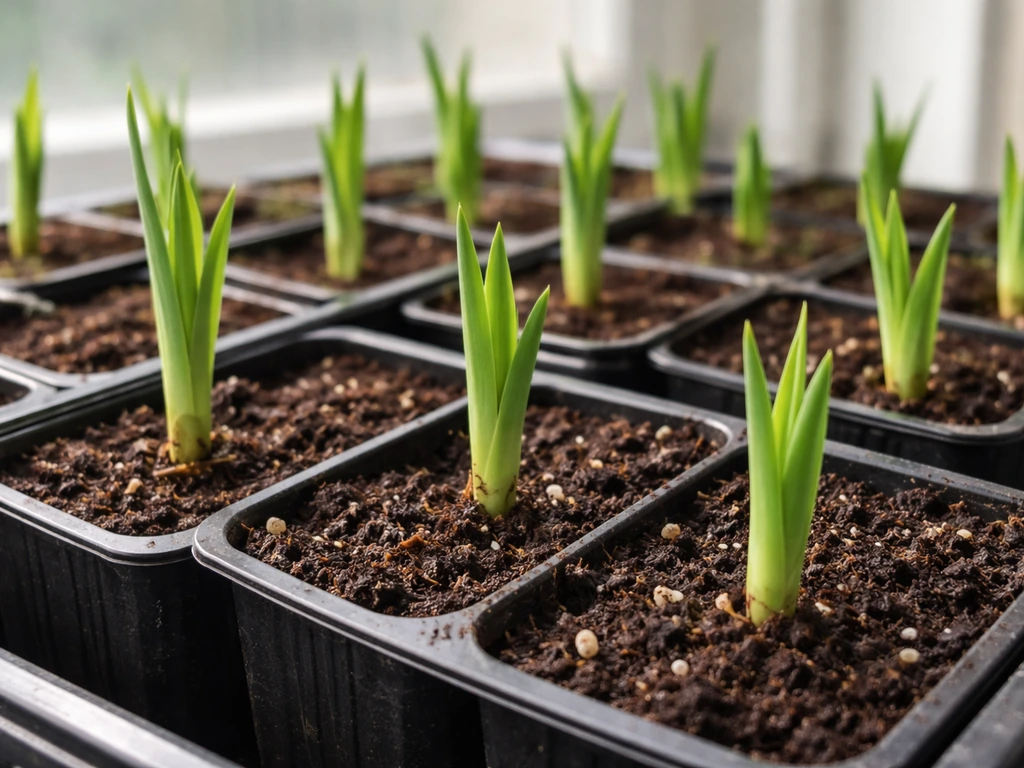
These are the classic garden iris most people picture. From seed, tall bearded types typically take 2 to 3 years to bloom, sometimes edging toward 3 years in cooler climates. They often benefit from a cold stratification period to break dormancy. Starting them indoors gives you a head start, potentially shaving a full year off the time to first evaluation.
Siberian and Japanese iris
These beardless types are often started indoors and also take 2 to 3 years before they bloom. They tend to be a bit more straightforward with cold stratification, responding well to a refrigerator treatment followed by indoor germination. Similar to growing lupine from seed, they can be slow starters but ultimately produce impressive plants. If you're wondering how long it takes to grow lupine from seed, the timing can vary by dormancy and temperature just like iris growing lupine from seed.
Pacific Coast Iris (PCI)
Pacific Coast Iris seeds are famously tricky. Research has shown that cold stratification isn't strictly required for germination, but dried seeds seem to need a couple of months of moisture exposure before they'll sprout. Fresh seed sown in fall and left outdoors can often germinate naturally through winter, letting nature handle the chilling. Iris tenax and Iris innominata are among the hardiest PCI species and are more forgiving for growers outside the West Coast. Germination rates improve significantly with a warm moist phase followed by a cool phase.
Yellow flag iris (Iris pseudacorus)
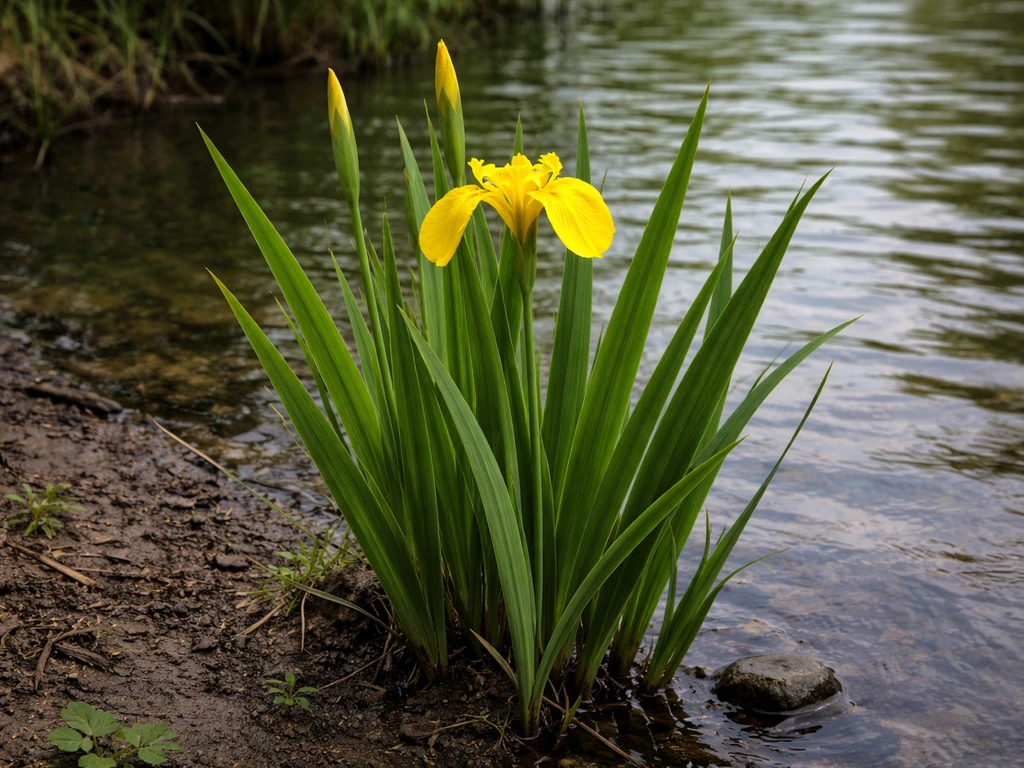
Yellow flag iris is one of the slower species to mature. Plants typically begin flowering around 3 years of age, with blooms appearing in late May through July depending on your region. If you're growing this one from seed, plan accordingly and don't expect flowers before year three.
Seed dormancy and stratification: what it is and how to actually do it
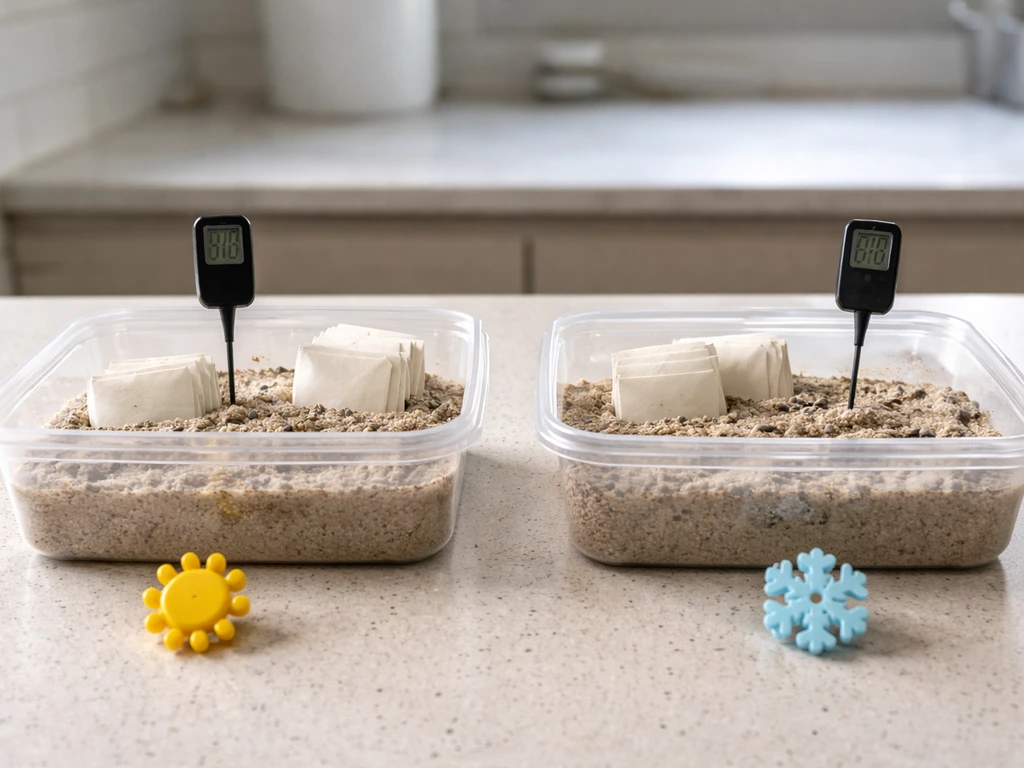
Stratification is just mimicking what happens naturally when a seed overwinters in the ground. Iris seeds often have a built-in dormancy that prevents them from sprouting until conditions are right. If you skip this step with a species that needs it, your seeds may just sit there doing nothing, or germinate sporadically over the next 1 to 2 years as they experience natural temperature cycles.
For most iris types, research points to a two-phase approach as the most effective. For Iris tenax, for example, 4 weeks of warm moist stratification at around 68–86°F (20–30°C) followed by 6 to 12 weeks of cold stratification at about 40°F (5°C) produced germination rates of around 63%. That's a solid result for a notoriously variable seed type.
How to stratify iris seeds step by step
- Soak seeds in room-temperature water for 24 to 48 hours, changing the water daily. This softens the seed coat and helps with moisture uptake.
- For seeds with a hard coat, lightly scarify the edge of each seed with a nail file before soaking. Don't cut deeply, just nick the outer layer.
- Warm stratification (optional but recommended for PCI and some beardless types): place seeds in a damp paper towel inside a sealed bag and keep at 68–86°F for 4 weeks.
- Cold stratification: move the sealed bag to your refrigerator at around 40°F (4–5°C) for 6 to 12 weeks. Eight to ten weeks is the sweet spot for most species based on germination studies.
- Check the bag every couple of weeks for any signs of sprouting or mold. If mold appears, rinse seeds in a mild fungicide solution and re-bag.
- After cold treatment, move seeds to your germination setup at room temperature (around 65–70°F) or sow outdoors if conditions are right.
One important thing to keep in mind: even after you've done everything correctly, some seeds won't germinate until the following fall or the spring after that. This is completely normal for iris. Don't toss your flats or pots if nothing has sprouted. Keep them moist and in a sheltered spot, and check again in a few months.
Best growing conditions for iris seedlings
Temperature
During germination, a daytime temperature around 68°F (20°C) with a slight overnight drop to about 60°F (15°C) works well. This temperature fluctuation actually helps trigger germination in many iris types. Once seedlings are up, they're fairly adaptable but prefer cool to moderate temperatures during establishment.
Light
Iris seeds don't need light to germinate, but seedlings need it immediately once they emerge. If starting indoors, get them under a grow light or in a bright south-facing window as soon as the first green shoots appear. Weak, leggy seedlings are a sign they're not getting enough light early on, and a stretched seedling is harder to establish outdoors.
Moisture
Keep the growing medium consistently moist but never waterlogged. Iris seeds and seedlings are prone to rot if they sit in soggy conditions. A well-draining mix is essential. Bottom watering (setting the container in a tray of water and letting it soak up from below) works well and reduces the risk of disturbing tiny seeds or seedlings.
Containers vs. direct sowing outdoors
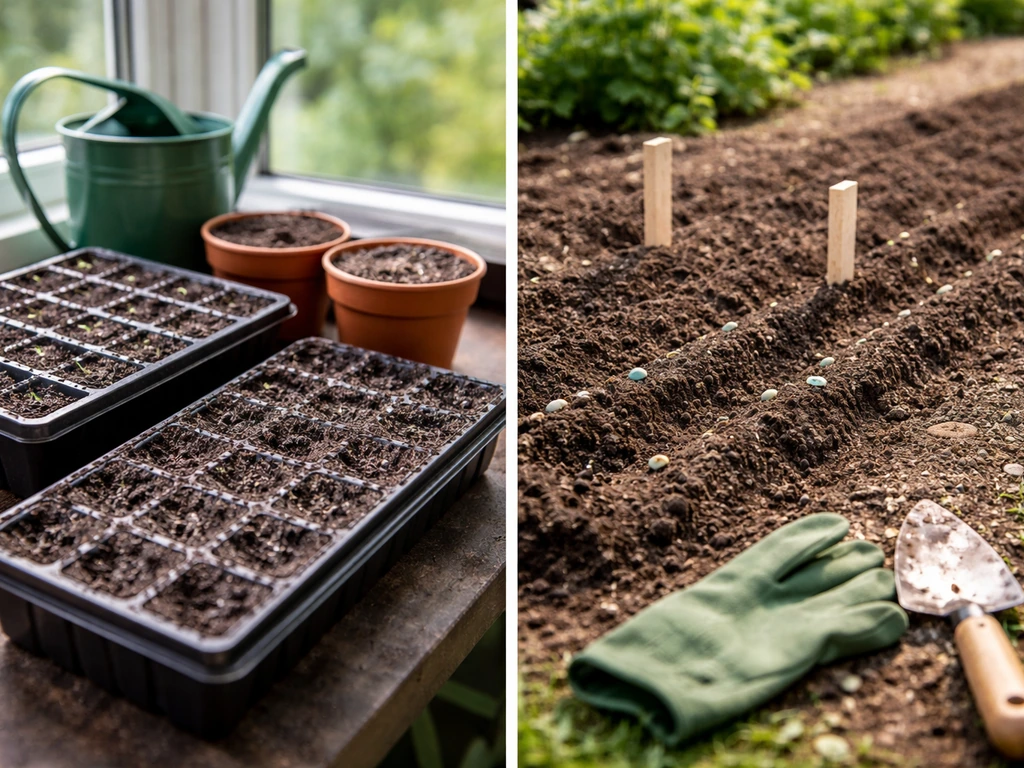
For most iris types, starting in containers gives you much better control over moisture, temperature, and the multi-month germination window. Use seed trays or 4-inch pots with a mix of seed-starting medium and perlite for drainage. Sow seeds about half an inch deep. If you're in a mild climate and growing PCI, direct outdoor sowing in fall is actually a great option: just sow in a protected spot and let the winter do the stratification work naturally. In colder climates, containers that can be moved indoors or into a cold frame give you the most flexibility.
Your step-by-step starting plan for right now (May 2026)
Since it's mid-May, you're in an interesting position. Spring sowing season is wrapping up, but you can still get seeds started now with an eye toward fall and next spring germination. Here's the most practical path forward:
- Get your seeds now and assess freshness. Fresh iris seed has a much higher germination rate than old, dry seed. If your seeds are more than a year old, plan for longer or more intensive stratification.
- Scarify lightly and soak seeds for 24–48 hours, changing the water daily.
- Start warm stratification in a damp paper towel bag at room temperature (68–75°F) for 4 weeks. Keep this on your kitchen counter or in a warm spot.
- Move to cold stratification in the refrigerator for 8–10 weeks. This puts you into late summer/early fall.
- Sow into containers in late summer or early fall (August–September). Use a well-draining seed mix, sow half an inch deep, and water well.
- Place containers in a sheltered outdoor spot or cold frame for fall. Seeds that don't germinate this fall may sprout the following spring, so keep containers moist and don't give up on them.
- Transplant established seedlings to their final bed the following spring (spring 2027) after they've shown strong growth.
- Monitor for maiden bloom in spring 2028 or 2029 depending on your climate and the species you're growing.
If you're in a warmer climate (think Southern US or similar), you may get lucky with a maiden bloom in the first spring after sprouting. In cooler zones, set your expectations at 2 years post-germination and you won't be disappointed.
Troubleshooting slow or failed germination
If your seeds haven't done anything after 8 to 12 weeks post-sowing, don't panic. Iris is one of the most variable germinators in the garden world. Here's how to think through the problem:
| Symptom | Likely Cause | What to Do |
|---|---|---|
| No germination after 4–6 weeks | Seeds still in dormancy; normal | Keep containers moist; wait until fall or next spring |
| No germination after full year | Insufficient stratification or old seed | Apply another round of cold stratification; re-sow fresh seeds alongside |
| Germination then seedling die-off | Damping off (fungal rot) | Improve drainage, reduce watering, use a fungicide drench |
| Patchy germination (some sprout, most don't) | Uneven stratification or mixed seed age | Normal for iris; wait for secondary germination flush |
| Mold on stratification bag | Too much moisture without air circulation | Rinse seeds, re-bag with slightly less moisture; add a pinch of powdered fungicide |
| Seeds sprouted but very slow growth | Low light or cool temperatures | Move seedlings to brighter location; ensure daytime temps above 60°F |
One of the most important rules with iris seeds: don't discard your flats for at least 18 months after sowing. Seeds that do nothing the first spring may suddenly sprout in fall, or even the following spring. It sounds unlikely but it's genuinely common. I've had iris flats that looked completely dead suddenly push up a dozen seedlings after sitting through an extra season. Keep them in a spot where they won't dry out completely and just check on them periodically.
If you're at the 18-month mark with zero germination, that's when it makes sense to re-sow with fresh seeds and try a more intensive stratification protocol, specifically the warm-then-cold two-phase approach described above.
Planning milestones: what to look for and when
Managing a multi-year process is much easier when you know exactly what to look for at each stage. Here's how to think about your iris-from-seed journey in clear milestones:
- Weeks 1–4 after cold treatment ends: Watch for the first signs of radicle emergence (a tiny white root tip poking out of the seed coat). This is your germination confirmation.
- Months 1–4 post-sowing: First seedlings appear as thin, grass-like shoots. This is the most fragile stage. Keep moisture consistent and protect from slugs.
- End of first growing season: Seedlings should have a small fan of 3 to 5 leaves and a developing rhizome or root system. Don't expect them to look like much yet.
- Spring of year 2 (from seed): Plants should be noticeably larger. This is when you can transplant into their permanent bed if you haven't already. In warm climates, watch for a possible maiden bloom this spring.
- Spring of year 3 (from seed): Most iris types will produce their first bloom this year in cooler climates. This is the main milestone most growers are waiting for.
- Year 3–4: Plants form established clumps and begin blooming reliably each season. From here, they can be divided and spread just like any mature iris.
The multi-year nature of iris from seed puts it in the company of other slow but rewarding ornamentals. If you're curious about how long other patience-testing plants take from seed, you can compare this timeline to how long anthurium takes to grow from seed too how long does anthurium take to grow from seed. Hellebores have their own slower schedule, often taking close to a couple of years to reach first flowering after seed hellebores from seed. If you're trying to figure out how long it takes to grow azaleas from seed, the timeline is also measured in years, so start with the right expectations for germination and establishment other slow but rewarding ornamentals. If you've grown hellebores or alliums from seed, you already know how to play the long game. The payoff with iris is that you end up with plants you genuinely can't buy at a nursery: seedlings from hand-pollinated crosses are unique individuals, and that first bloom after 2 to 3 years of waiting is something special.
Start your stratification now, keep your flats going longer than you think you need to, and mark your calendar for spring 2028 as your realistic first-bloom target. That's the timeline. Everything else is just tending the process.
FAQ
For how long to grow iris from seed, should I count from sowing or from germination?
Target 2 to 3 years after you see sprouts, not after you sow. Germination can happen 1 to 4 months (sometimes later), and some seeds wait until the next fall or spring, so using the sprout date as your starting point avoids underestimating the wait.
What should I do if my iris seeds do not sprout after the first season?
Some species seed batches will germinate sporadically over 1 to 2 years, so “no seedlings yet” in spring does not mean failure. Keep trays consistently moist (not soggy) in a sheltered place and check periodically before deciding the batch is dead.
At what point should I give up and re-sow iris seeds?
If you have no germination by roughly 18 months, that is when it makes sense to re-sow with fresh seed and use a more intensive warm-then-cold protocol. Below that point, the odds are that dormancy and timing are still working through.
Does starting iris seeds indoors really make them bloom sooner?
Yes, you can speed up the schedule a bit by starting indoors, but it usually trims time to evaluation rather than guaranteeing early blooming. Even with an early start, first flowers commonly still land around the 2 to 3 year mark after sprouting for most garden iris.
How deep should I sow iris seeds, and how does depth affect germination time?
Sowing depth matters, too shallow or too deep can slow germination or reduce it. Use about half an inch depth, then once seedlings emerge, switch to immediate high light so they do not stretch and become weak.
What stratification approach works best when I am unsure about my iris type?
Warm-then-cold is the best decision aid when a species is variable or you want more control: warm moist first, then cold moist. Stick to the two-phase sequence and durations, and expect some batches still to miss the first cycle and sprout later naturally.
How can I prevent rot or failed germination from overwatering?
Moisture control is a common failure point, not cold or temperature. Keep the medium evenly moist with good drainage, bottom water to reduce disturbance, and avoid standing water because rot is a real risk for both seeds and tiny seedlings.
Are all iris types equally slow to bloom from seed?
Yellow flag iris is slower to reach bloom, with flowering often starting around year three. If your goal is early flowers, you should not use yellow flag seed as your baseline for how long iris from seed takes.
Should I rely on outdoor winter stratification, or do I need to refrigerate?
If seeds are fresh and you sow in fall outdoors, some PCI may germinate through natural winter chilling, while dried seed may need moisture exposure before it will sprout. The key difference is seed freshness and whether you provide a moisture phase before chilling.
Does changing location or re-potting after sowing affect iris seed timing?
Don’t discard your flats, even if they look dead, and don’t move them around constantly. Consistent placement in a sheltered spot where they will not dry out completely helps seeds cycle through temperatures until they decide to germinate.
Next Article
How Long Does Anthurium Take to Grow From Seed?
Seed to first bloom for anthurium: germination to flowering timelines plus what speeds or delays growth.