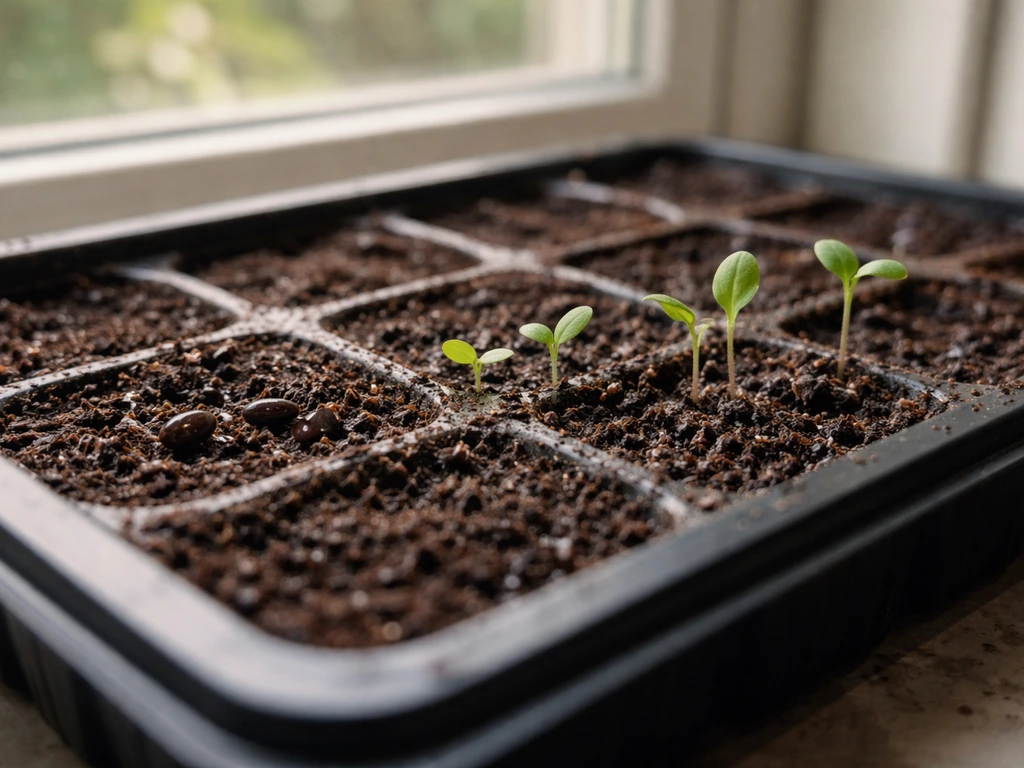
Most seedlings grow their first true leaves somewhere between 7 and 21 days after germination, depending on the plant type and your growing conditions. If you’re wondering why your seedlings are taking so long to grow, the next sections break down the most common causes and how to correct them grow their first true leaves. Fast growers like radishes and canola can push out true leaves in as little as 4 to 8 days after sprouting. Slower crops like peppers or celery can take 3 weeks or more. If you're counting from the day you sowed your seeds rather than from germination, add your germination window on top of that. If you want a quick answer for how long it takes seedlings to reach the first true-leaf stage, use the timelines by plant type and adjust for your conditions how long does it take seedling to grow.
How Long for Seedlings to Grow True Leaves
True Leaves vs. Cotyledons: What You're Actually Looking At
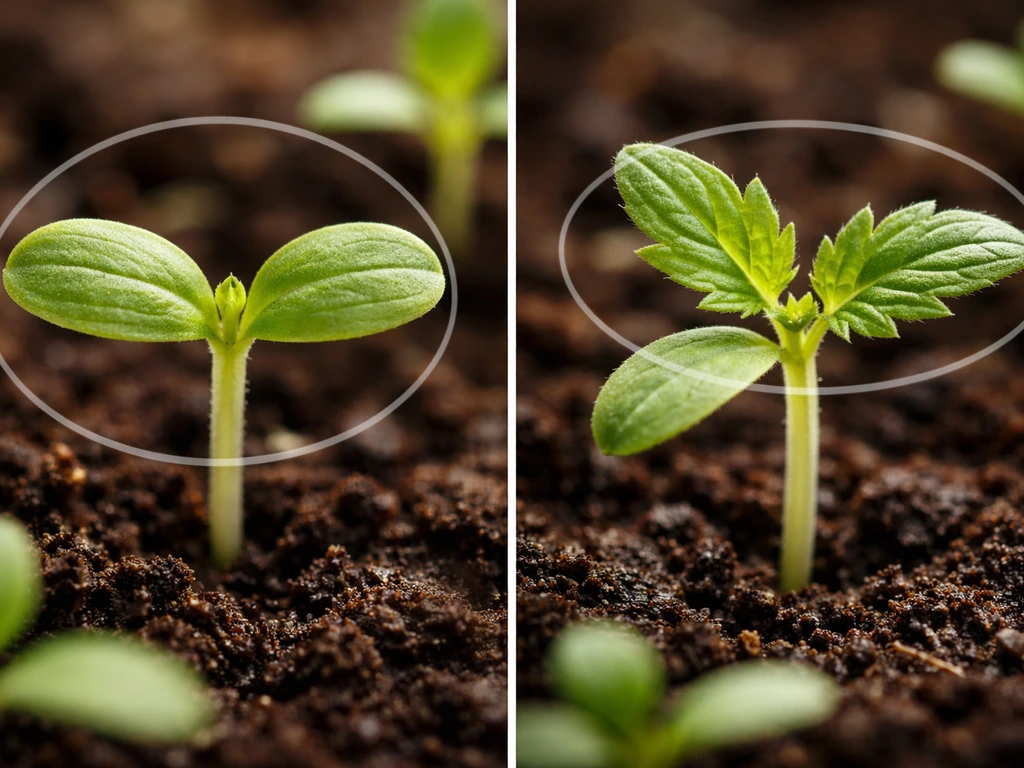
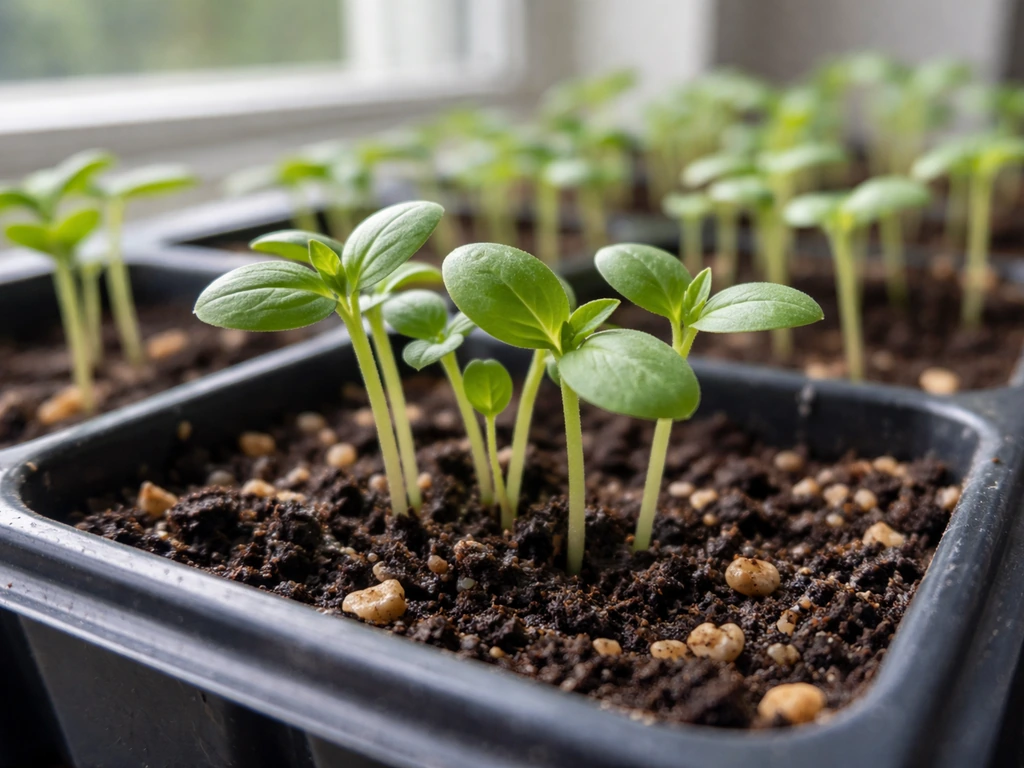
The very first leaves that pop out of a germinating seed aren't actually "leaves" in the botanical sense. They're cotyledons, which are part of the seed embryo itself. Think of them as packed-in food storage and an early photosynthesis kickstart for the seedling. Most vegetable and flower seedlings (dicots) have two of these rounded, often identical-looking seed leaves. Grasses and onions (monocots) only have one.
Cotyledons tend to look generic. A tomato seedling's cotyledons look a lot like a pepper seedling's cotyledons, which look a lot like a basil seedling's cotyledons. That's not a problem, it's just how seeds work. They don't tell you much about the adult plant.
True leaves are different. They emerge from the growing tip (the apical region) of the seedling, usually appearing between or just above the cotyledon pair. These leaves start to look like a miniature version of what the mature plant will produce. Tomato true leaves are noticeably jagged and slightly fuzzy. Basil true leaves have that oval, slightly cupped shape. Cucumber true leaves are broader and rougher. The venation (the pattern of veins in the leaf) is also more complex and organized in true leaves than in the simpler, smoother cotyledons.
Once you know what to look for, the difference becomes obvious pretty quickly. If your seedling has two identical smooth leaves and nothing else, you're looking at cotyledons. If you can see a new set of leaves emerging from the center with a different shape or texture, those are your first true leaves.
How Long It Actually Takes: Timelines by Plant Type
These ranges assume your seeds germinated successfully and you're counting from the day of emergence, not the day you sowed. Growing conditions matter a lot here, which we'll get into next, but this gives you a realistic baseline to work from.
| Plant Category | Examples | Days After Germination to First True Leaves |
|---|---|---|
| Fast vegetables | Radish, turnip, kale, canola | 4–10 days |
| Common vegetables | Tomato, cucumber, squash, lettuce (warm) | 7–14 days |
| Slow vegetables | Pepper, celery, eggplant | 14–21+ days |
| Herbs | Basil, cilantro, dill | 7–14 days |
| Slow herbs | Parsley, rosemary, lavender | 14–28 days |
| Annual flowers | Marigold, zinnia, sunflower | 7–14 days |
| Slow flowers / perennials | Delphinium, foxglove, echinacea | 14–28 days |
| Grasses | Lawn grasses, ornamental grasses | 10–21 days |
| Ornamentals / shrubs from seed | Impatiens, petunia, salvia | 10–21 days |
| Lettuce (cool/winter conditions) | Lettuce | Up to 20 days |
Lettuce is a good example of how much season and temperature matter. Research from the University of Arizona's crop management program found that lettuce reaches its first true leaf in about 7 days for fall plantings but can take up to 20 days for winter plantings. Same plant, very different timeline based purely on temperature. Canola, on the other hand, is one of the fastest, with NDSU extension noting the first true leaves develop just 4 to 8 days after emergence.
What Speeds Up or Slows Down True-Leaf Development
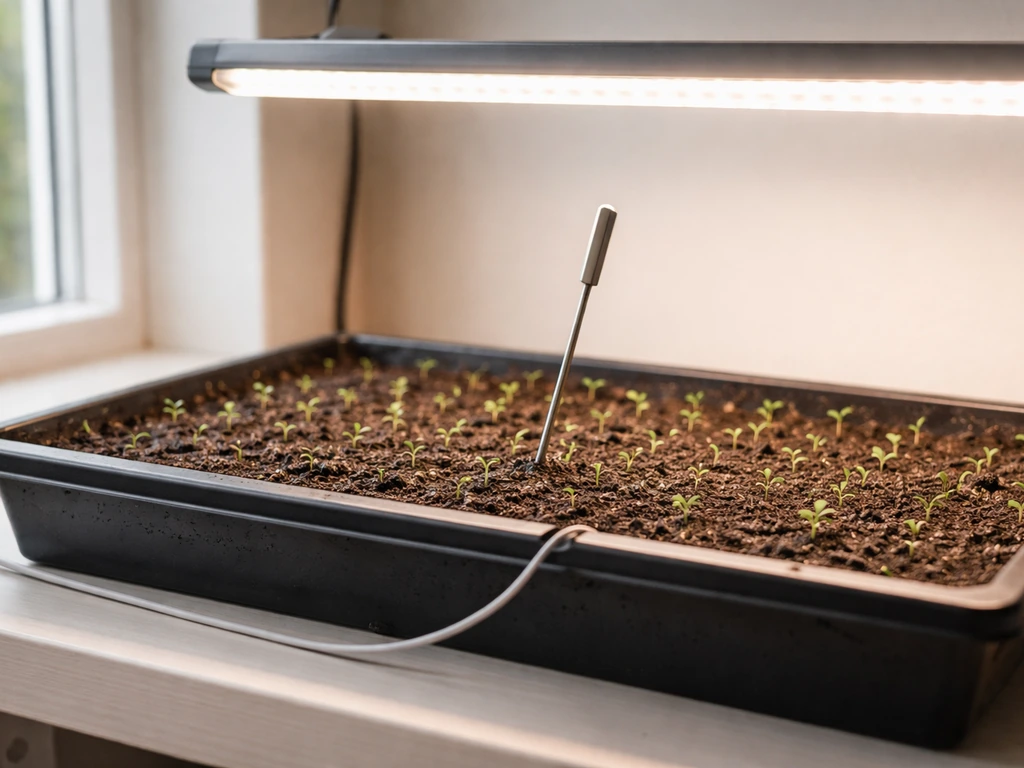
The timeline above assumes reasonably good conditions. In practice, there are several variables that can push your seedlings ahead of schedule or hold them back significantly.
Temperature
This is the biggest single factor. Most warm-season vegetables (tomatoes, peppers, cucumbers) grow fastest when soil temperature sits around 70 to 75°F. Cool soil significantly slows cellular development. UMN Extension recommends using a seedling heat mat to keep soil in that 70–75°F range. Tomatoes prefer a daytime temperature of 65 to 75°F with nights no lower than 60°F. If your seedling tray is sitting on a cold basement floor or near a drafty window, you're going to see noticeably delayed true-leaf development.
Light Intensity and Duration
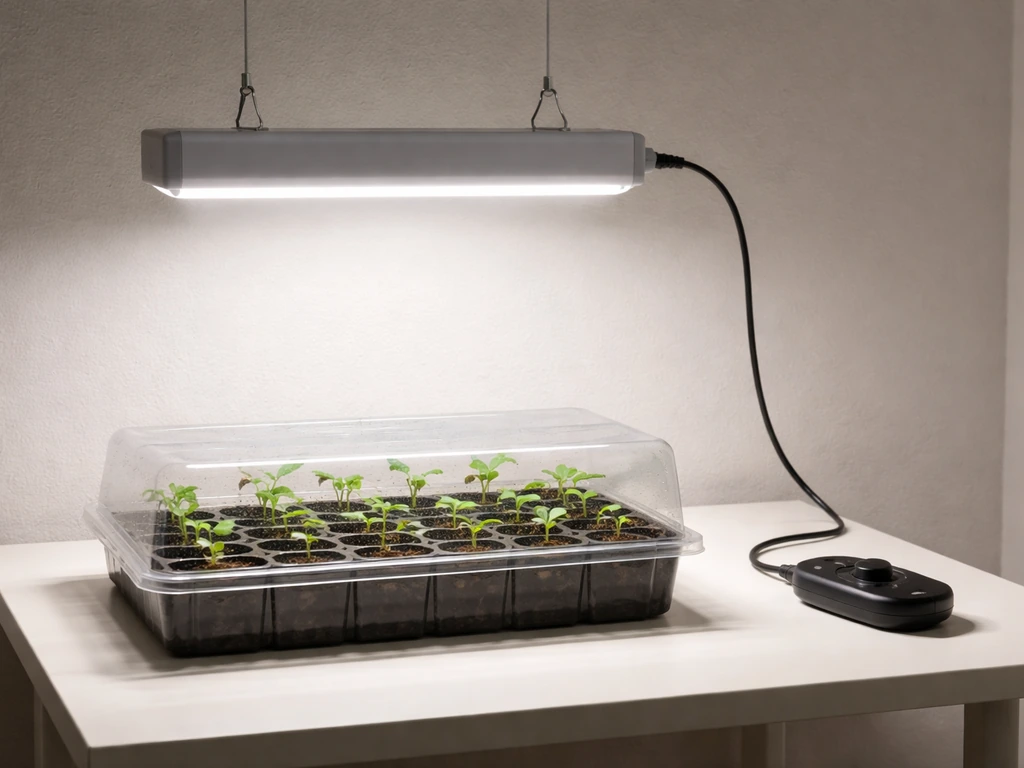
Seedlings need a lot more light than most people think. UMN Extension recommends 16 to 18 hours of light per day for indoor seedlings. If you're using grow lights, UNH Extension suggests keeping fluorescent lights 6 to 12 inches above the seedlings and running them for 18 hours daily. The reason for the long photoperiod under fluorescent lights is that they deliver far fewer photons per hour than natural sunlight, so seedlings need more hours to accumulate the same daily light intake. Low light doesn't just slow true-leaf development, it causes leggy, stretched growth where seedlings race toward any available light source rather than putting energy into leaf production.
Watering Habits
Both overwatering and underwatering stall development, but overwatering is the more common problem at the seedling stage. Consistently wet growing media starves roots of oxygen and opens the door to damping-off disease. Damping-off in cool, wet soils is more likely caused by species of Pythium, Phytophthora, or Sclerotinia, while Rhizoctonia and Fusarium are more common under warmer, drier conditions, and symptoms can include plants dying at the soil line and mold forming at the base damping-off disease. Underwatering dries out the growing mix and causes the seedling to go into stress mode, halting leaf production. Aim for consistently moist but never waterlogged soil, and water from the bottom when possible to keep the stem base dry.
Soil Mix and Seed Depth
Heavy garden soil or dense potting mix slows emergence and limits root oxygen. A sterile, lightweight seed-starting mix gives seedlings the best conditions. Planting depth also matters: seeds sown too deep have to burn through more stored energy before breaking the surface, which means they have less resources left to push out true leaves quickly.
Seed Freshness
Old seeds that germinate weakly often produce slow-growing, undernourished seedlings that struggle to reach the true-leaf stage on a normal timeline. If your germination rate was poor, the seeds that did sprout may be weaker than average. Fresh seeds from reliable sources give you the most predictable development.
Humidity
Very low humidity can cause seedlings to dry out at the surface and slow leaf expansion. A clear plastic dome over your seedling tray during germination and early growth helps maintain consistent humidity. Once true leaves appear, you can start removing the dome for periods to begin hardening seedlings to ambient air.
Signs Your Seedlings Are on Track (or Stalled)
Knowing what healthy progression looks like makes it easier to catch problems early. Here's what to watch for at each stage.
Healthy Signs
- Cotyledons are a solid medium green, flat, and symmetrical
- The seedling stem is short, thick, and upright (not stretching toward light)
- New growth (the true leaf tip) is visible emerging from the center within the expected window
- True leaves have a distinct shape different from the cotyledons
- Roots are white or cream-colored and visible at drainage holes or through clear containers
- Seedling doesn't wobble loosely at the base when touched gently
Warning Signs
- Cotyledons are yellow, pale, or mottled: possible nutrient deficiency or light issue
- Stem is tall and thin (leggy): almost certainly a light problem
- No sign of true leaves past the expected window: check temperature and light first
- Stem pinched or rotting at the soil line: damping-off, caused by fungal pathogens including Pythium, Rhizoctonia, and Fusarium
- Cotyledons cupping downward or wilting despite moist soil: root rot from overwatering
- Seedling leaning strongly toward one direction: uneven light
Troubleshooting When True Leaves Aren't Appearing on Schedule
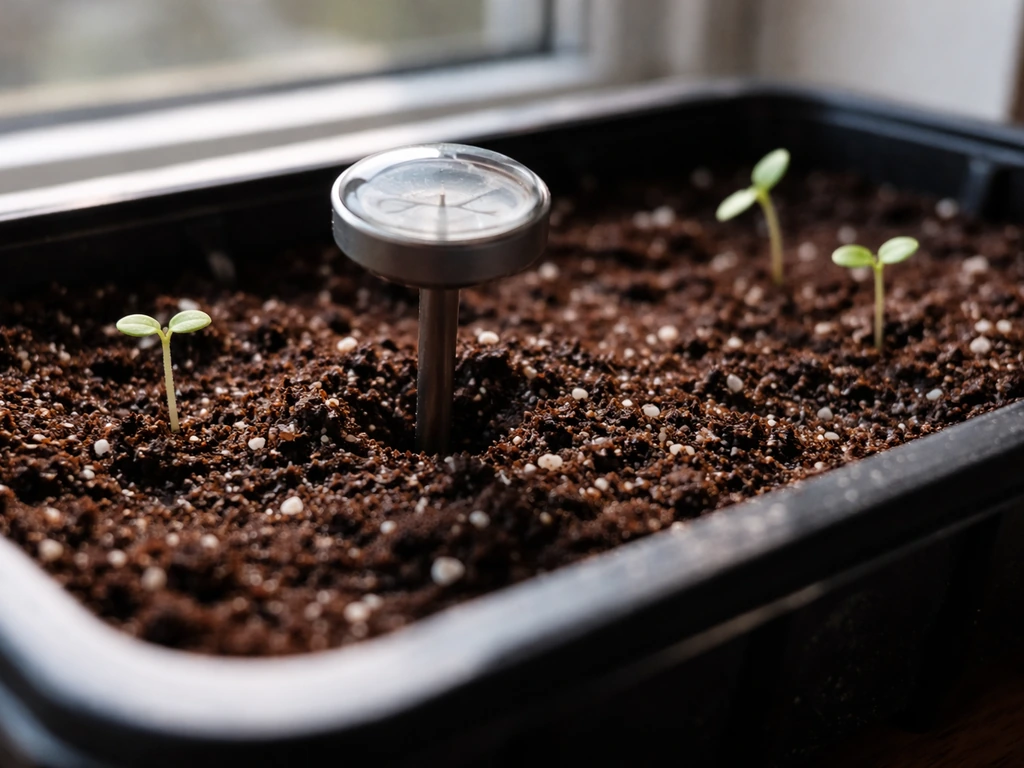
Before you panic, give yourself a few extra days. Seedlings don't follow a strict calendar, and some variability is completely normal. But if you're past the expected window with no sign of true leaves, work through these steps.
- Check your temperature first. Stick a soil thermometer into the growing mix. If it's reading below 65°F for warm-season crops, add a heat mat and give it another week before drawing conclusions. Cold soil is the most common culprit for stalled seedlings.
- Evaluate your light situation. If seedlings are tall and leggy with long stems between the cotyledons and the soil, they need more light immediately. Move grow lights to 6 to 12 inches above the canopy and extend the photoperiod to at least 16 hours. Replace any burned-out bulbs. If you're relying on a windowsill, consider adding supplemental grow lights.
- Assess your watering. Lift the tray or container. If it feels heavy and the soil is visibly saturated, hold off on watering and improve drainage. Let the top layer dry slightly before watering again. If the mix is bone dry and pulling away from the sides, the seedling may have already experienced stress that delayed development.
- Look at the base of the stem for damping-off symptoms. A pinched, dark, or mushy spot at the soil line is damping-off. Unfortunately, seedlings with damping-off rarely recover. Discard affected seedlings, don't reuse the growing mix, and sow fresh seeds in sterile mix with better drainage and air circulation. NC State Extension notes that cool, wet conditions favor Pythium and Phytophthora while warmer, drier conditions are more associated with Rhizoctonia and Fusarium, so improving conditions reduces risk regardless of which pathogen is present.
- Consider nutrients (but carefully). Pure seed-starting mix has minimal nutrients by design. If seedlings have been growing under good light for 3 or more weeks with no fertilizer at all, a very diluted liquid fertilizer (quarter-strength balanced fertilizer) can help. Don't over-fertilize young seedlings; it can burn roots and cause more problems than it solves.
- Check for transplant stress. If you recently moved or disturbed seedlings and true-leaf development slowed down afterward, they may just be recovering. Give them consistent conditions and a few more days before intervening.
- Resow if needed. If seedlings are well past the expected timeline, still just cotyledons, and showing no signs of new growth despite corrected conditions, cutting your losses and resowing fresh seeds is often faster than waiting. This is especially true for fast growers where the window to transplant outdoors is time-sensitive.
Using True-Leaf Timing to Plan Your Transplanting Schedule
The true-leaf stage isn't just a milestone to observe, it's also your starting point for transplanting decisions. UNH Extension describes the appearance of first true leaves as the ideal time to consider transplanting or potting up. At this stage, the seedling has its own photosynthetic capacity going and is ready to be moved to a larger container with more nutrients, or hardened off for outdoor planting.
That said, "first true leaves" doesn't mean "ready for the garden." Most seedlings benefit from reaching at least 2 to 3 sets of true leaves before outdoor transplanting, giving the root system enough development to handle the transition. Some crops, like tomatoes and peppers, are typically grown indoors for 6 to 8 weeks before going out, which takes them well past the first true-leaf stage.
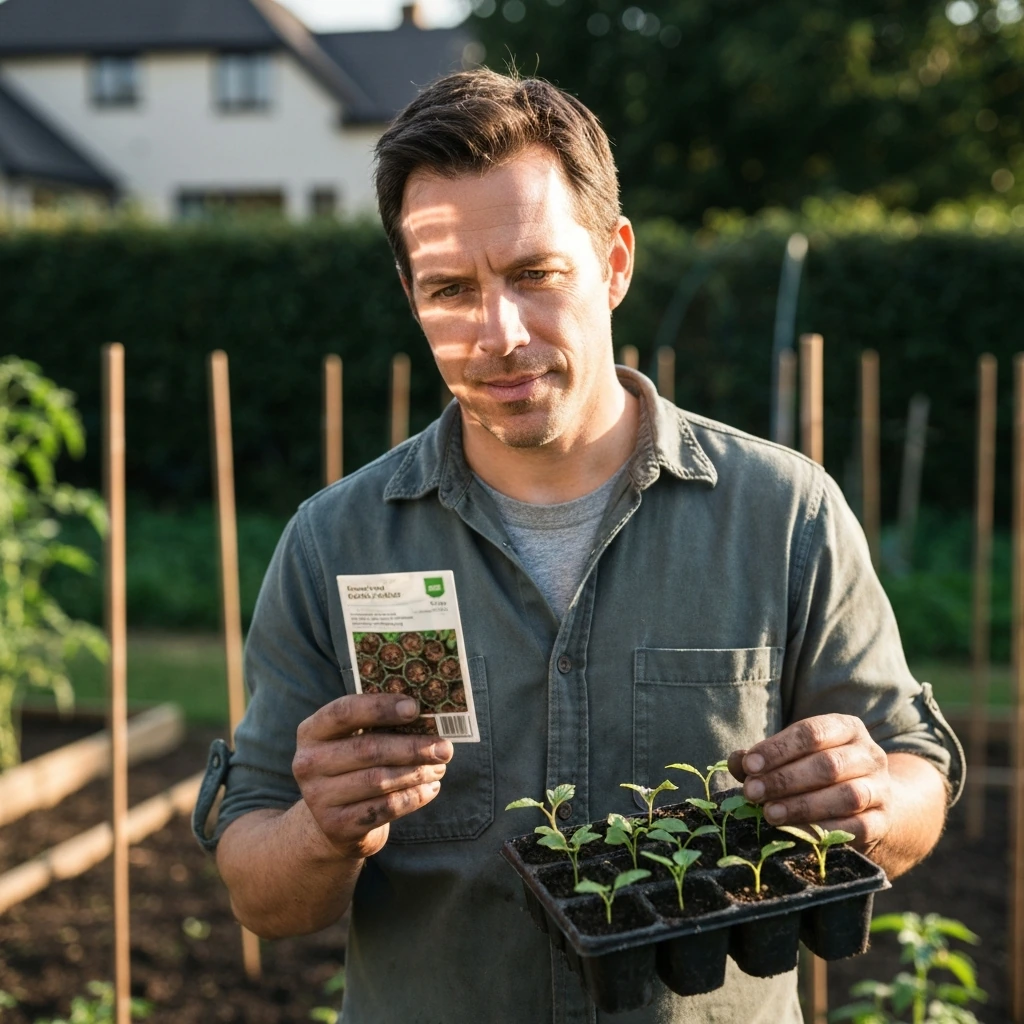
Here's a practical way to build your schedule: work backward from your last frost date. Count back the number of weeks your crop needs indoors (usually listed on the seed packet). Within that window, your seedlings should hit the first true-leaf stage roughly 1 to 3 weeks after germination. If they're not there by week 3 to 4 indoors, something in your setup needs adjusting before the seedlings fall too far behind to catch up in time.
| Crop | Typical Weeks Indoors | First True Leaves Appear (After Germination) | Transplant-Ready Stage |
|---|---|---|---|
| Tomato | 6–8 weeks | 10–14 days | 2–3 sets of true leaves |
| Pepper | 8–10 weeks | 14–21 days | 3–4 sets of true leaves |
| Cucumber | 3–4 weeks | 7–10 days | 2 sets of true leaves |
| Lettuce | 4–6 weeks | 7–20 days (temp dependent) | 2–3 sets of true leaves |
| Basil | 4–6 weeks | 7–14 days | 2–3 sets of true leaves |
| Marigold / Zinnia | 4–6 weeks | 7–14 days | 2 sets of true leaves |
| Petunia / Impatiens | 8–10 weeks | 10–21 days | 3–4 sets of true leaves |
The true-leaf milestone is really the first meaningful checkpoint in a seedling's life. Once you can see those first crop-specific leaves, you know germination was successful, the seedling is building its own food, and you're on the clock for transplanting decisions. If that stage is taking longer than expected, the conditions are usually to blame, and almost all of them are fixable. Whether your concern is about the overall time it takes seedlings to develop, when they're ready to move outdoors, why they seem slow, or how fast different varieties grow, all of those questions connect back to understanding what's happening at this early true-leaf stage.
FAQ
What if my seedlings only have cotyledons and no true leaves after the usual window, what should I check first?
First verify the basics in order: soil temperature, light duration, and watering balance. A common pattern is warm enough for germination but too cool or too dim afterward, which keeps seedlings from producing new leaf tissue. If those are correct, look for a crusted or overly dense surface that limits emergence and oxygen at the root zone.
How can I tell whether I am seeing true leaves or still just more cotyledon growth?
True leaves emerge from the center growing point above the cotyledons and look like a miniature version of the adult foliage, often with different shape and texture. If the “new growth” looks identical to the original seed leaves, or it never appears from the center, it is likely still cotyledon-related tissue rather than true leaves.
Should I increase fertilizer when my seedlings are late to make true leaves?
Usually no at first. If seedlings are late, the limitation is more often temperature, light, moisture, or oxygen than lack of nutrients. Start gentle feeding only after true leaves appear, and even then use a diluted seedling fertilizer to avoid salt stress while roots are still small.
My seedlings look leggy and pale, will they eventually catch up to true-leaf timing?
They can, but leggy growth usually means low light, so they may catch up slowly and remain weaker. The practical move is to raise light intensity or photoperiod immediately and keep air movement moderate, because stretched seedlings often spend energy on reaching light instead of expanding the first true leaves.
Is it normal for some seedlings in the same tray to reach true leaves later than others?
Yes, small differences happen due to uneven depth, variable vigor among seeds, and microclimates within the tray. If the delay is only a few days, it is often fine. If a subset is 1 to 2 weeks behind, separate them and treat them as a troubleshooting case (check depth, cool spots, and watering patterns).
How long after true leaves appear are seedlings typically ready to be potted up or transplanted?
In many setups, potting up happens soon after the first true leaves show because the seedling is starting to photosynthesize independently. For outdoor transplanting, most crops still need more leaf sets and stronger roots, so use the first true-leaf stage for scheduling rather than assuming garden readiness.
Does counting days from sowing or from germination change what I should expect?
Yes. Expectations are usually based on emergence, not sowing. If you count from sowing, add your germination time window on top of the true-leaf timeline, since germination delays can make seedlings seem “slow” even when early growth is on track.
What humidity or dome-cover practices affect true-leaf timing?
During germination and early growth, a dome can prevent surface drying, which supports steady leaf expansion. Once true leaves begin, gradually vent the dome to toughen seedlings to normal air, because leaving them too humid can encourage weak growth and reduce resilience.
Can old seeds cause true leaves to take longer, and how can I predict it?
Yes. Low germination vigor can produce seedlings that are slower to establish, even if they do sprout. If your germination percentage was poor, expect more variation and slower progression in the weakest individuals, so consider starting a fresh batch if many seedlings are far behind by week 3 to 4 indoors.
How Fast Do Seedlings Grow From Seed to Transplant
Learn how fast seedlings grow from seed to transplant, what affects the timeline, and troubleshooting to fix slow germin