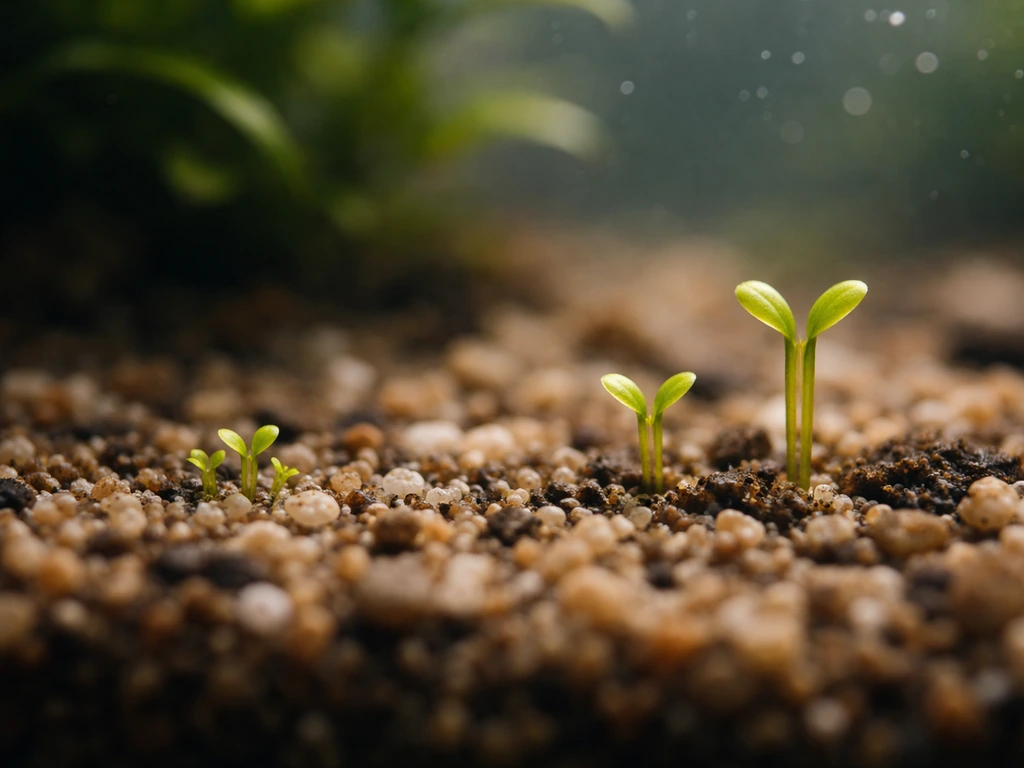
Most seeds started indoors take 6 to 12 weeks from sowing to transplant-ready seedlings, depending on the crop. Germination alone usually takes 3 to 14 days for common vegetables and herbs, but the seedling still needs several more weeks to grow strong enough to go outside. For summer gardens, the key is figuring out the total time from seed (germination plus seedling growth) to transplant-ready plants how long do summer seeds take to grow.
How Long to Grow Seeds Indoors Timeline to Harvest
Marcus Henley
1 May 2026
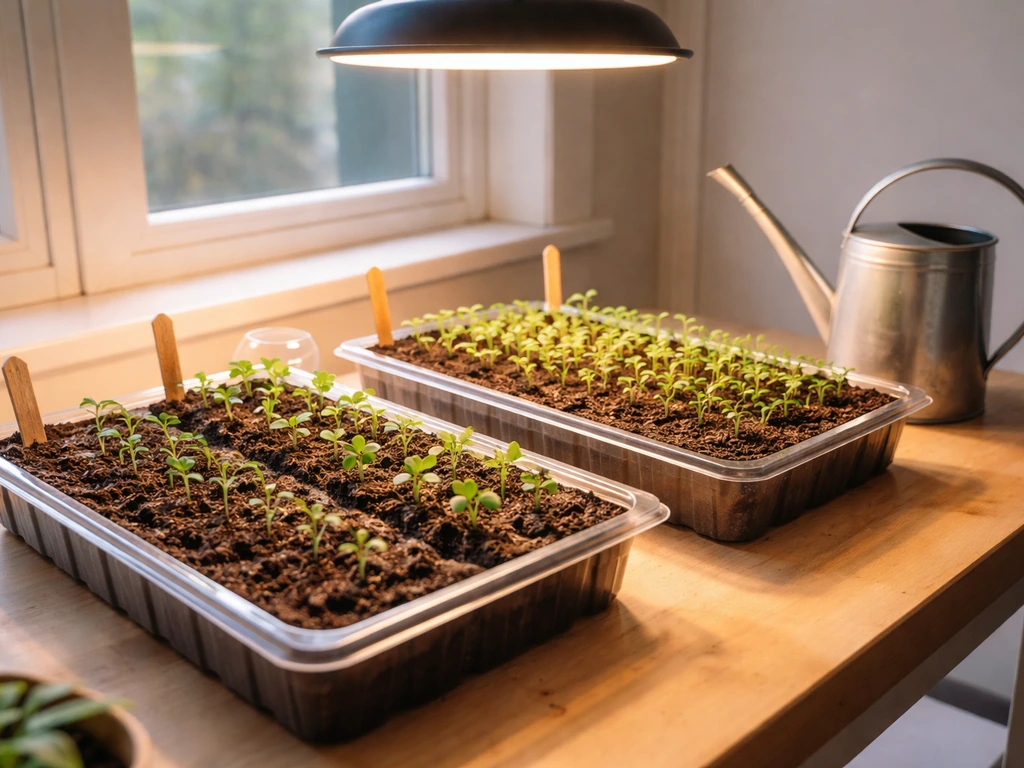
If you mean 'how long until I can harvest,' that's a separate number entirely, and it's counted from transplant date, not from the day you dropped the seed in soil. Autoflower seeds follow the same idea, just with a typical indoor seed-to-transplant window of a few weeks before you start counting down to flowering. Knowing which stage you're asking about changes everything in how you plan.
Germination, seedling, harvest: three different clocks
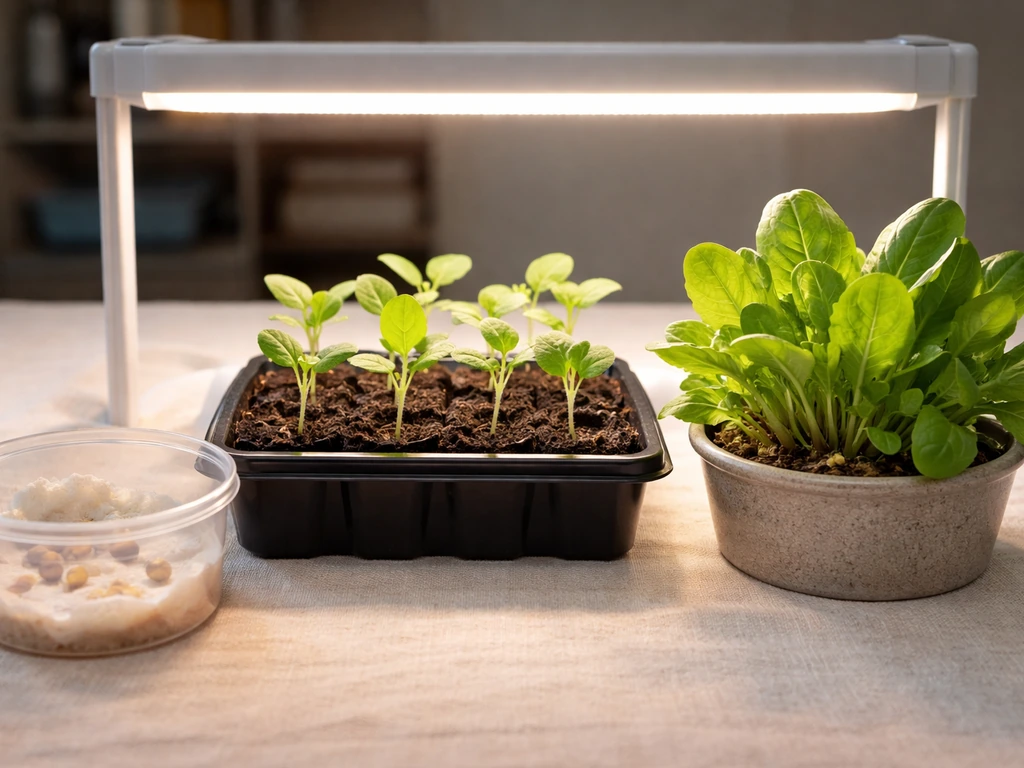
The biggest confusion I see with indoor seed starting is that people treat 'how long does it take' as a single number. It's actually three numbers stacked on top of each other, and each one matters for planning.
- Germination time: the days from sowing until the seed cracks open and a sprout appears above the soil. This is what seed packets usually list as 'days to germination.'
- Seedling development time: the weeks from sprout to a plant that has true leaves, a strong root system, and can survive transplanting outdoors. This is rarely printed on the packet but is just as important.
- Days to maturity (DTM): the time from outdoor transplanting to harvest for edible crops. Penn State Extension is clear on this: DTM on a seed packet starts at transplant, not at sowing. So your indoor head start does not shorten this number.
When you add all three together, a tomato with a 78-day DTM and a 6-week indoor start actually takes roughly 120 days from the moment you sow it indoors to the first ripe fruit. That's a very different number than '78 days,' and missing that math is why people end up with green tomatoes at the end of summer.
How long common seeds actually take indoors
Below are realistic germination ranges for the seed types most commonly started indoors. These assume reasonably good conditions: a warm room or heat mat, adequate moisture, and fresh seed. Add the seedling development time to get your true time-to-transplant window. Sedum seeds are slower than many common vegetables, so their timing depends heavily on temperature and the length of the germination window how long do sedum seeds take to grow.
| Seed Type | Days to Germination | Weeks to Transplant-Ready | Notes |
|---|---|---|---|
| Tomatoes | 5–10 days | 6–8 weeks | Slow germinators in cool rooms; aim for 70–80°F |
| Peppers | 7–14 days | 8–10 weeks | Slowest common vegetable; use heat mat |
| Eggplant | 7–14 days | 8–10 weeks | Similar to peppers; needs warmth to even sprout |
| Broccoli / Cabbage / Kale | 3–7 days | 4–6 weeks | Cool-tolerant; faster germinator |
| Lettuce | 2–5 days | 3–4 weeks | One of the fastest; prefers cooler temps around 60–65°F |
| Celery | 10–21 days | 10–12 weeks | Needs light to germinate; do not bury the seed |
| Basil | 5–10 days | 4–6 weeks | Very cold-sensitive; hold off until consistently warm |
| Parsley | 14–28 days | 6–8 weeks | Notoriously slow; soak seeds overnight to speed things up |
| Rosemary | 14–21 days | 10–12 weeks | Low germination rate; sow extra seeds |
| Marigolds | 4–7 days | 4–6 weeks | Easy and fast; great for first-timers |
| Petunias | 7–14 days | 10–12 weeks | Tiny seeds; need light to germinate, do not cover |
| Snapdragons | 10–14 days | 10–12 weeks | Cool-loving; start early for spring blooms |
| Cosmos | 5–10 days | 4–6 weeks | Cosmos are quick and forgiving starters |
| Impatiens | 10–21 days | 10–14 weeks | Long indoor timeline; start 14–16 weeks before last frost |
| Ornamental grasses | 7–21 days | 8–12 weeks | High variability by species; some need cold stratification |
Keep in mind that slower germinators like parsley and rosemary can test your patience. I always mark the sow date on the pot and give them the full window before I worry. Parsley especially can sit there looking like nothing is happening for three weeks, and then suddenly a dozen seedlings appear at once.
From sprout to transplant to harvest: the full timeline
When is a seedling actually ready to transplant?
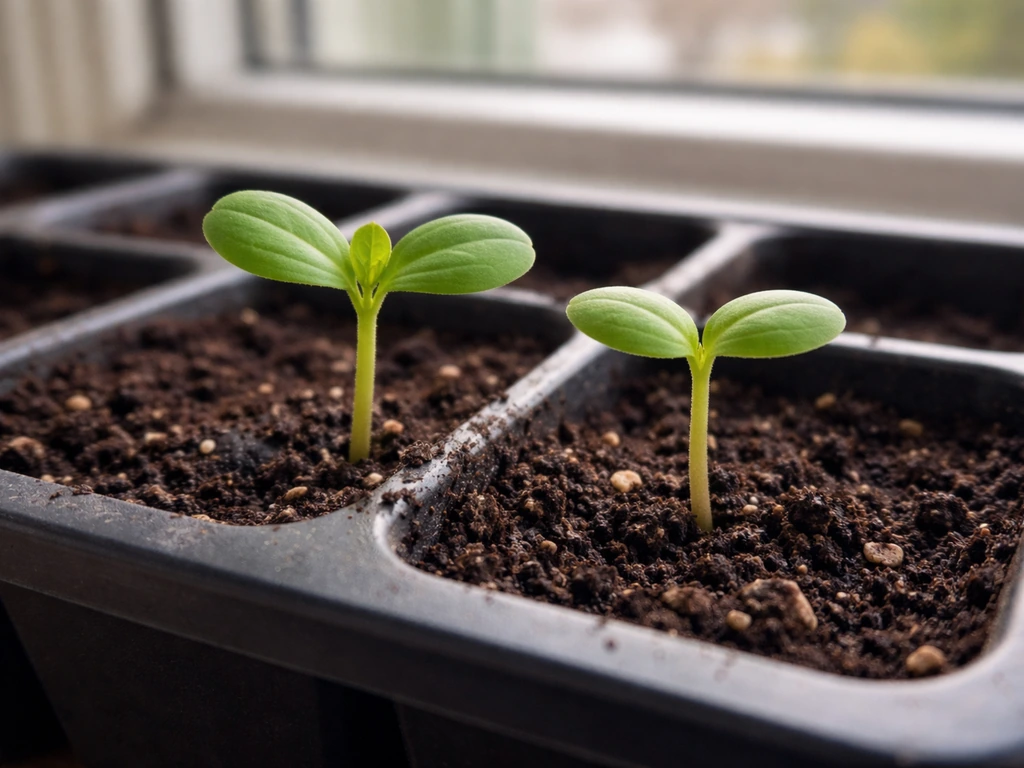
A seedling is transplant-ready when it has at least two sets of true leaves (not the first seed leaves, called cotyledons), a sturdy stem, and a root system that holds the soil plug together. For most vegetables, that's 4 to 8 weeks after germination. When teaching students, cotyledons (seed leaves) should be distinguished from true leaves, which is why UMN Extension separates the two in its seedling care guidance blank" rel="noopener noreferrer">cotyledons (seed leaves) from true leaves. Flowers and herbs vary widely, but most need at least 4 weeks of indoor growth after sprouting. The earlier you rush a seedling outside, the more transplant shock it suffers, which ironically delays your harvest date anyway.
Days to maturity: what that number on the packet really means
For transplanted crops, DTM is counted from the day you put the plant in the ground outdoors. A tomato variety listed as '78 days' will take 78 days from outdoor transplant to ripe fruit, assuming good conditions. If you start it 8 weeks (56 days) indoors, your total seed-to-harvest time is about 56 + 78 = 134 days, plus a few extra days for germination. For direct-seeded crops like carrots and beans, DTM is counted from sowing. That difference matters enormously for planning.
What actually changes how long it takes
Indoor seed starting gives you control over the variables that outdoor sowing doesn't. Use that control deliberately, because each of these factors can push your timeline forward or backward by days or weeks.
Temperature
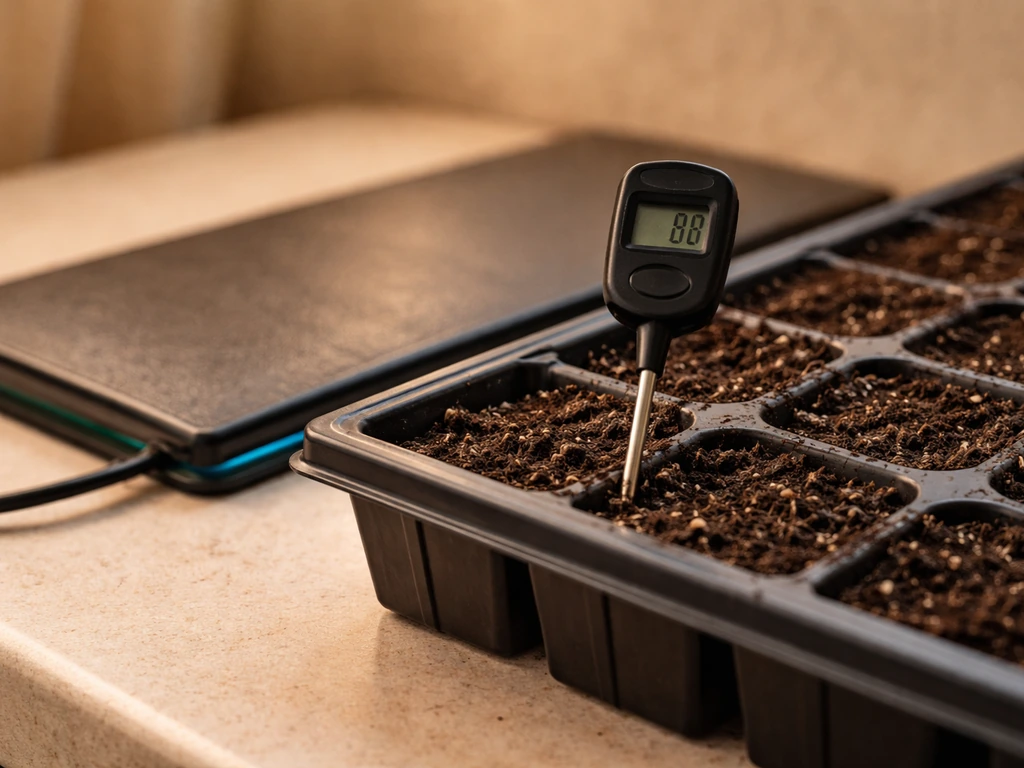
This is the single biggest lever. Most vegetable seeds germinate fastest between 70°F and 85°F. Peppers and eggplant really want 80°F or warmer at the soil surface. Drop a few degrees and germination slows dramatically. A heat mat under your trays makes a huge difference for warm-season crops; it can cut germination time nearly in half for peppers compared to room-temperature soil.
Light
Seeds do not need light to germinate, but seedlings need a lot of light the moment they sprout. A sunny south-facing window gives you maybe 4 to 6 hours of usable light in winter and early spring. That is almost never enough. Grow lights kept 2 to 4 inches above the seedling tops and run for 14 to 16 hours a day produce compact, sturdy plants. Seedlings grown in low light get leggy, weak, and take longer to reach transplant size because they're stretching instead of building root and stem mass.
Moisture and watering
Soil needs to stay consistently moist during germination, not soaking wet. Letting the surface dry out even once can kill a sprouting seed. Bottom watering (setting trays in shallow water and letting the soil wick it up) is more reliable than top watering for keeping moisture even without disturbing seeds or causing damping off.
Seed quality and age
Old seeds germinate more slowly and at lower rates. A pepper seed that's three years old might take 18 days to sprout where a fresh one takes 8. If you're working with seeds from a few years back, do a quick germination test before you commit to a full tray. Wrap 10 seeds in a damp paper towel, keep it warm, and check after the expected germination window. If fewer than 7 out of 10 sprout, sow more thickly to compensate. Oregon State University Extension also recommends sowing extra seeds when they are older, since older seed may have reduced viability and germination Seed Starting.
Container and sowing depth
Sowing too deep is one of the most common mistakes. A general rule is to plant a seed at a depth of twice its diameter. Tiny seeds like lettuce, petunias, and celery need to be barely covered or even left on the surface. Burying them an inch deep is a near-certain way to get no germination. Cell trays with individual compartments are ideal for most seeds; they give roots room to develop without competing and make transplanting easier.
Humidity and airflow
Humidity domes or plastic wrap over trays keep moisture in during germination, which is helpful. But once seeds have sprouted, the dome needs to come off or at least be vented. Stagnant, humid air is the ideal environment for damping off, a fungal problem that kills seedlings at the soil line almost overnight. A small fan running nearby for a few hours a day circulates air, strengthens stems, and prevents fungal issues.
Setting up for consistent results
Good seed-starting setup does not have to be expensive, but it does need to be intentional. Here's what actually matters.
- Use a sterile seed-starting mix, not garden soil or potting soil. Seed-starting mix is finer, drains well, and is free of the pathogens that cause damping off. It also holds moisture without becoming waterlogged.
- Fill cells or trays to about a half-inch below the rim so water doesn't wash seeds out. Firm the mix lightly before sowing.
- Label every tray with the variety name and sow date. Memory is not reliable when you have six trays going.
- Use a heat mat for warm-season crops during germination, then move plants off the mat once they've sprouted so you don't overheat the roots.
- Set grow lights on a timer for 14 to 16 hours daily. Keep lights close (2 to 4 inches above the seedling tops) and raise them as plants grow.
- Water from the bottom whenever possible. Check trays morning and evening until you know how fast your setup dries out.
- Start hardening off plants one to two weeks before transplanting: move them outside to a sheltered spot for a few hours daily, gradually increasing sun and wind exposure.
When germination stalls or fails
Slow germination indoors is common and usually fixable. Failed germination needs a different response. Here's how to tell the difference and what to do.
Why germination stalls
- Soil too cold: the most common culprit for warm-season crops. Check your soil temperature with a thermometer, not just the air temperature in the room.
- Soil too wet: seeds rot before they sprout if kept saturated. If the mix smells musty, you've overwatered.
- Seeds sown too deep: small seeds especially can exhaust their energy trying to reach the surface.
- Old or improperly stored seed: heat and humidity kill seed viability fast. Seeds stored in a warm kitchen or humid garage decline quickly.
- Seed requires pre-treatment: some seeds (like certain ornamental grasses, cycads, and aloe vera) need cold stratification or scarification before they'll germinate at all. Always check variety-specific requirements.
Testing seed viability
If you're unsure about older seed stock, test before committing. Place 10 seeds on a damp paper towel, fold it over, and seal it in a plastic bag. Keep it at the seed's ideal germination temperature and check daily starting at the earliest germination date for that species. Count how many sprout by the end of the full germination window. 70% or better (7 out of 10) is acceptable for most crops. Below 50%, consider replacing the seed or sowing at double the normal density.
When to give up and re-sow
If you've seen zero germination after 1.5 times the expected germination window and conditions were correct, re-sow. Don't wait. A week of hesitation can mean you miss your transplant window entirely, especially for crops with long indoor lead times like peppers, celery, or impatiens. Use fresh seed or a fresh batch from a different supplier, fix whatever caused the first failure (usually temperature or moisture), and go again. For fast germinators like lettuce and basil, you can re-sow and still be on schedule within two weeks.
Building your own indoor planting schedule
The most reliable way to plan your indoor seed starting is to work backward from your target date, which is either your last frost date (for transplants going outside) or your desired harvest date. This is called backward planning, and it's how serious growers avoid the chaos of late starts and rushed transplanting.
How to calculate your seed start date
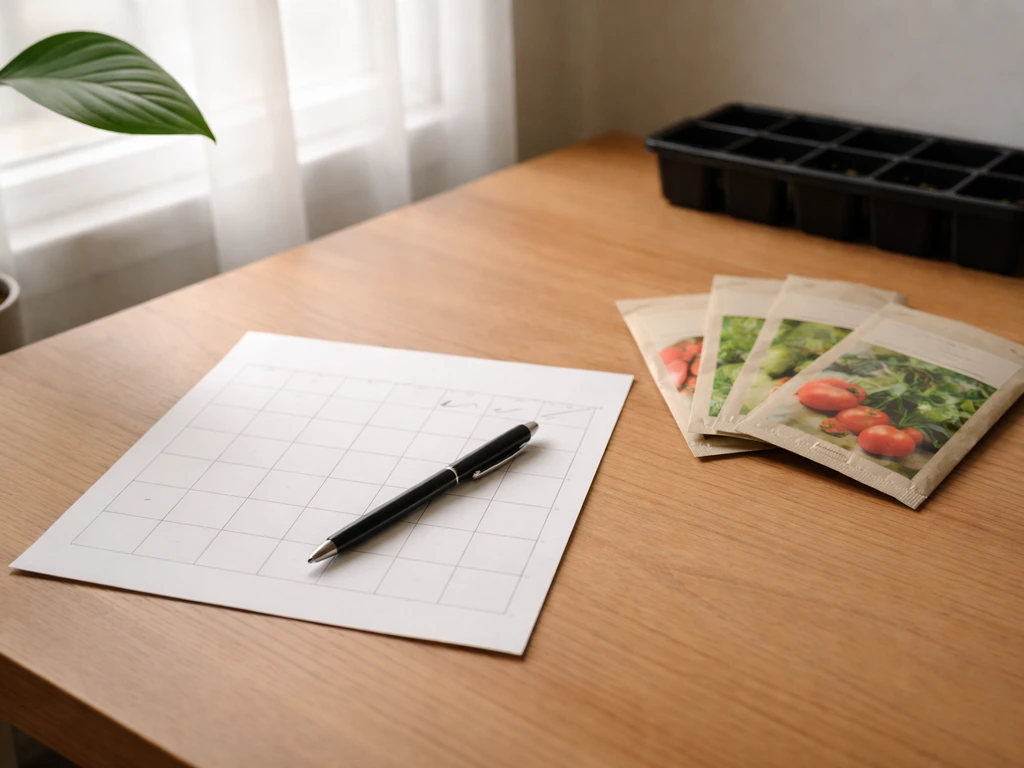
- Find your last average frost date for your area. This is your transplant target for frost-sensitive plants.
- Look up the weeks-to-transplant for your crop (use the table above or the seed packet).
- Count backward that many weeks from your transplant date. That's your ideal indoor sow date.
- Add 5 to 7 extra days for germination lag and transplant recovery, as this buffer prevents you from transplanting a seedling that is barely established.
- For harvest planning: add the crop's DTM (days to maturity) to your outdoor transplant date to estimate your harvest window. Cross-check that the harvest date falls before your first fall frost.
Here's a worked example: you want to harvest a tomato variety with a 78-day DTM. Your last frost date is May 15. You plan to transplant on May 20 (a few days after frost risk passes). Count back 6 to 8 weeks for indoor growing: that puts your sow date around late March. Then add your 78-day DTM from May 20, and you're looking at first harvest around early August. That calculation tells you whether a variety is actually realistic for your season before you even open the packet.
Succession planting for continuous harvest
For crops you want to harvest over a long season, like lettuce, basil, and herbs, stagger your sowings every 2 to 3 weeks rather than sowing one big batch. Start your first tray indoors on schedule, then sow the next batch two weeks later. You'll have transplants ready in waves instead of all at once, which prevents the 'feast or famine' problem where everything is ready simultaneously and then nothing is producing. For flowers like cosmos, staggered sowings extend bloom time well into fall. Cosmos are similar in that you time seed starting based on the germination window and how long it takes seedlings to reach transplant size how long do cosmos take to grow from seed.
A quick-reference schedule for common crops
| Crop | Weeks Before Last Frost to Start Indoors | Transplant Window | DTM After Transplant |
|---|---|---|---|
| Peppers | 10–12 weeks | After last frost, soil 65°F+ | 60–90 days |
| Tomatoes | 6–8 weeks | After last frost | 60–85 days |
| Eggplant | 8–10 weeks | After last frost, warm soil | 65–80 days |
| Broccoli | 4–6 weeks | 3–4 weeks before last frost | 50–80 days |
| Lettuce | 4–6 weeks | 2–4 weeks before last frost | 45–60 days |
| Basil | 4–6 weeks | After last frost | 30–60 days to harvest |
| Petunias | 10–12 weeks | After last frost | Flowers 6–8 weeks after transplant |
| Snapdragons | 10–12 weeks | 2–3 weeks before last frost | Flowers 8–10 weeks after transplant |
| Impatiens | 14–16 weeks | After last frost | Flowers 6–8 weeks after transplant |
Once you build this habit of backward planning, seed starting stops feeling like guesswork. You'll know exactly when to sow, when to expect sprouts, when to transplant, and roughly when to show up with a basket. That clarity is what turns indoor seed starting from stressful to genuinely satisfying.
FAQ
If my seeds are slow to sprout, should I still count the full 6 to 12 weeks for indoor growth?
Count time for indoor development based on the day they actually sprout, not the day you sowed. If germination takes longer than the usual range, you need to extend the indoor growing window accordingly so seedlings still reach true-leaf and sturdy-stem size for transplanting.
What’s the difference between “days to maturity (DTM)” and “seed-to-harvest time” when I’m starting indoors?
DTM for many crops is counted from outdoor transplant (transplants) or from sowing (direct-seeded). Seed-to-harvest adds your indoor weeks before transplant, plus any extra days for germination and establishment outdoors.
How do I know if my seedlings are ready to transplant earlier than the usual true-leaf timeline?
Use more than leaf count. If seedlings have at least two sets of true leaves, a firm stem, and a root plug that holds together, they can usually handle transplanting with proper hardening. If they’re leggy or the roots barely hold soil, wait even if the calendar says it’s time.
Do autoflower seeds have a different indoor timing than other seeds?
The planning logic is similar, but the first real “countdown” is typically to flowering, not to harvest. If you transplant late, you may compress early vegetative growth and run into size issues, so keep your indoor schedule consistent and avoid letting seedlings get root-bound.
Should I use a heat mat for every seed type indoors?
Only when the crop benefits from warmer soil. Warm-season seeds like peppers and eggplant often germinate much faster with a mat set around their preferred range. For cool-season seeds, excessive heat can reduce germination or encourage weak growth, so match the temperature to the seed’s ideal window.
My seeds sprouted, but the seedlings are stretching, what does that do to “how long to grow seeds indoors”?
Stretching usually means insufficient light, which slows the path to transplant-ready size because plants spend energy reaching for light instead of building sturdy stem and roots. Expect to gain extra days until you correct light intensity and airflow and seedlings thicken up.
What should I do if I used a humidity dome but took it off too late?
If seedlings stay in stagnant, humid air after sprouting, damping off risk rises. Remove the dome or vent it promptly once you see sprouts, then run gentle airflow (for example, a small fan nearby a few hours daily) to keep stems healthy.
At what point should I re-sow instead of waiting after a failed germination attempt?
Re-sow if you get zero germination after about 1.5 times the expected germination window and conditions were correct. Waiting an extra week can push you past transplant readiness for crops with long indoor lead times like peppers, celery, or impatiens.
Is it ever better to sow thicker to “save time” on a slow germinator?
Sowing thicker can help if germination is low, but it usually does not make timelines shorter. Crowded seedlings compete for light and can become leggy, requiring longer recovery time after thinning. If your test shows low sprouting rates, sow more densely, then thin promptly once seedlings emerge.
How deep should I plant seeds if I’m trying to improve germination speed?
Depth impacts both sprout speed and success. Use about twice the seed diameter for normal-size seeds, but for tiny seeds like lettuce, petunias, and celery, barely cover or leave on the surface. Planting too deep is a common reason for total failure and delays that can ruin the transplant schedule.
If I want a continuous harvest, what’s the safest interval for staggering indoor sowings?
A practical starting point is sowing every 2 to 3 weeks for crops like lettuce, basil, and many herbs. This reduces the risk of having everything transplant at once and lets you harvest in waves without forcing you to rush transplanting at the end.
Do I need to count indoor growth time differently for direct-seeded crops like carrots and beans?
Yes. For direct-seeded crops, DTM is counted from sowing because they typically go in the ground instead of transplanting. If you start them indoors anyway, track the indoor period separately and be careful about root disruption, which can set growth back even if germination went well.
Next Article
How Long Do Aquarium Seeds Take to Grow
Realistic aquarium seed timelines from sprout to mature, with key factors, troubleshooting, and when to reseed.