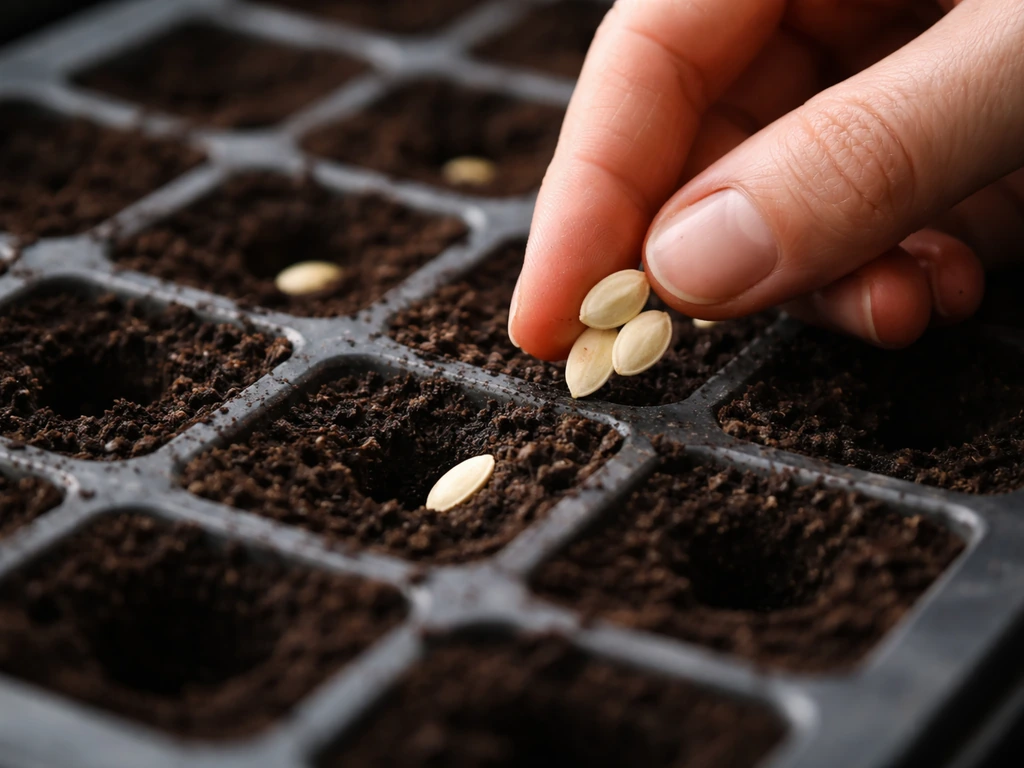
Most bean seeds germinate in 5 to 10 days when the soil is warm (65–85°F), and you can expect your first harvest anywhere from 50 to 70 days after planting depending on the variety. Bush beans are the fastest, typically ready to pick in 50–65 days. Pole beans take a bit longer, usually 58–70 days. Long beans (yardlong beans) hit their stride around 60 days. Dry beans are the slowest of the bunch, sometimes needing up to 110 days to fully mature.
How Long Does It Take to Grow a Bean Seed
Marcus Henley
25 Apr 2026
Typical bean germination timeline
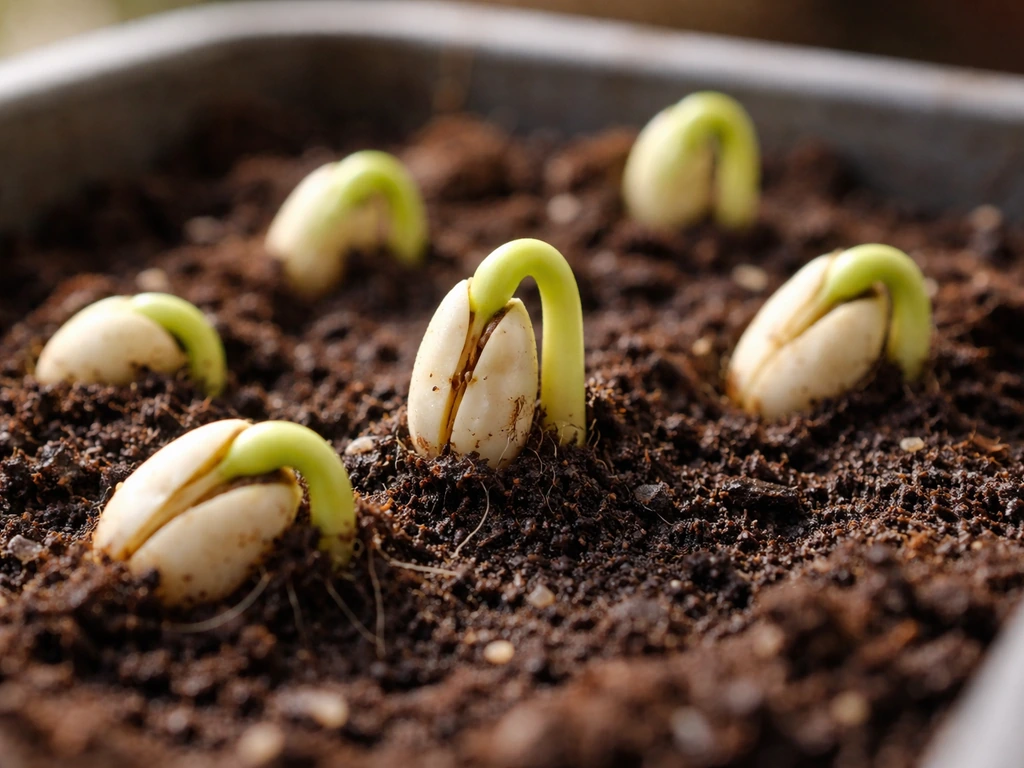
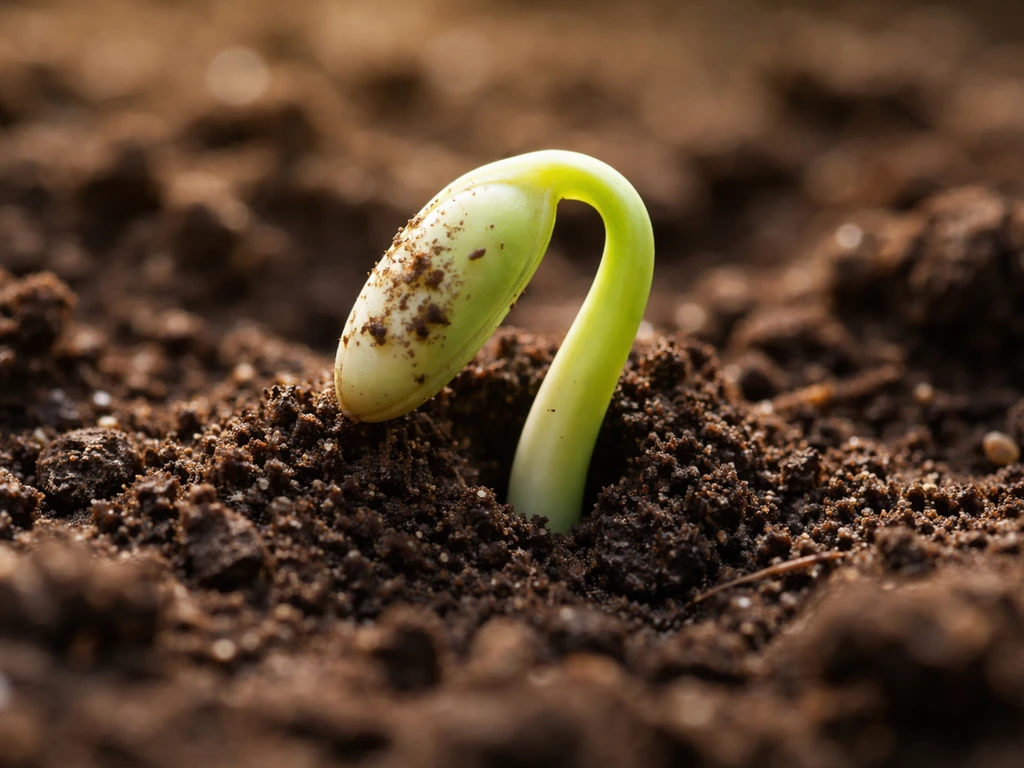
Under ideal conditions, bean seeds are fast starters. With soil temperatures in the sweet spot of 65–85°F, most varieties will push up a sprout in 5 to 10 days. If your soil is on the cooler side around 60°F, stretch that to 10–15 days. I've had beans in cold springs take nearly two weeks to show anything, which felt like forever but was completely normal given the conditions.
Here's a quick-reference breakdown by soil temperature:
| Soil Temperature | Expected Germination Time |
|---|---|
| Below 60°F | Very slow or may fail entirely |
| 60°F | 10–15 days |
| 65–75°F | 8–10 days (UC ANR average) |
| 75–85°F | 5–8 days |
| Above 95°F | Germination rate drops significantly |
Blackeye peas and related cowpea types are a good illustration of how much temperature matters: if the soil at seed depth (about 2.5 inches) stays at least 66°F for three consecutive days after planting, you'll see emergence in as little as 3–5 days. Keep the soil cool, and that stretches out to around 10 days. Lima beans are another variable one, emerging anywhere from 7 to 20 days depending on temperature.
From seedling to first harvest and full maturity
Once germination happens, bean seedlings establish quickly in warm weather. You'll usually see the first true leaves within a week of sprouting, and from there the plant puts on growth fast. The jump from seedling to first harvest is where variety really matters.
| Bean Type | Days to First Harvest | Notes |
|---|---|---|
| Bush snap beans | 50–65 days | Fastest to mature; no staking needed |
| Pole/runner beans | 58–70 days | Slightly slower; longer harvest window once producing |
| Yardlong (long) beans | ~60 days | Harvest pods young; picking daily once producing |
| Lima beans | 65–80 days (green stage) | Harvest at full green seed stage |
| Dry beans | 85–110 days | Left on the plant until pods dry completely |
Bush beans give you the clearest single harvest window, usually a couple of weeks of heavy picking. Pole beans are slower out of the gate but reward patience: once they start producing, they keep going far longer than bush types, especially if you keep harvesting. For dry beans, think of that 85–110 day figure as when the pods are fully dry and rattling on the plant, not when you'd first eat them.
How to grow long beans (and when to expect pods)
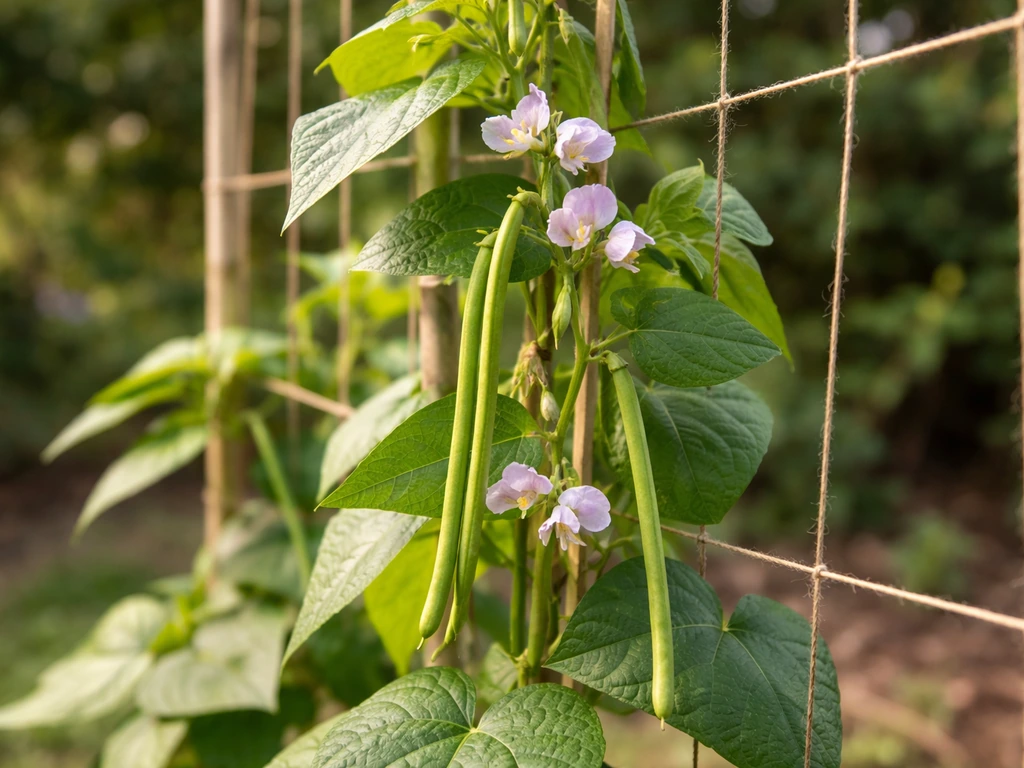
Long beans, also called yardlong beans or asparagus beans, are a warm-season pole-type bean that thrives in heat. They're a completely different species from common snap beans but grown in much the same way, with a few important timing differences worth knowing before you plant.
Sowing and establishment
Direct sow long bean seeds after your last frost date, once soil is reliably above 60°F and ideally heading toward 70–85°F. They need full sun and a sturdy trellis or support structure, since vines can climb 8–10 feet or more. Plant seeds about 1 to 1.5 inches deep, spacing plants 4–6 inches apart in rows. Germination typically takes 7–10 days in warm conditions. Bamboo growth from seed varies, but it typically takes months to get established and longer to reach a mature clumping stage how long does it take bamboo to grow from seed.
Timeline to harvest
Long bean pods begin to form about 60 days after sowing. Once pod production starts, things move fast. In hot summer weather, pods can grow several inches in a single day, so you need to check plants daily once they're producing. Harvest pods at a tender, young stage, typically when they're 12–18 inches long and still flexible, not when they've reached their full "yard" length.
Some gardeners on Reddit report that yardlong beans can deliver sustained production for roughly two months before they start to decline, based on personal experience rather than controlled trials once they're producing. The USDA notes that yardlong beans are generally [harvestable about two months after planting](https://plants.
usda. gov/DocumentLibrary/plantguide/pdf/pg_viuns2. pdf), and consistent picking is key: the more you harvest, the longer the plant keeps producing.
If you miss a few days and pods go tough or start to seed out, remove them anyway to redirect the plant's energy into new production. Long beans are heat-lovers, so if you're growing them in a cooler climate, count on the longer end of the timeline, and don't expect as long a harvesting window as you'd get in a warm southern summer.
What actually changes how fast beans grow
The difference between beans sprouting in 5 days versus 15 days almost always comes down to a handful of controllable factors. Get these right and you'll see the fastest realistic timeline for your variety.
Soil temperature
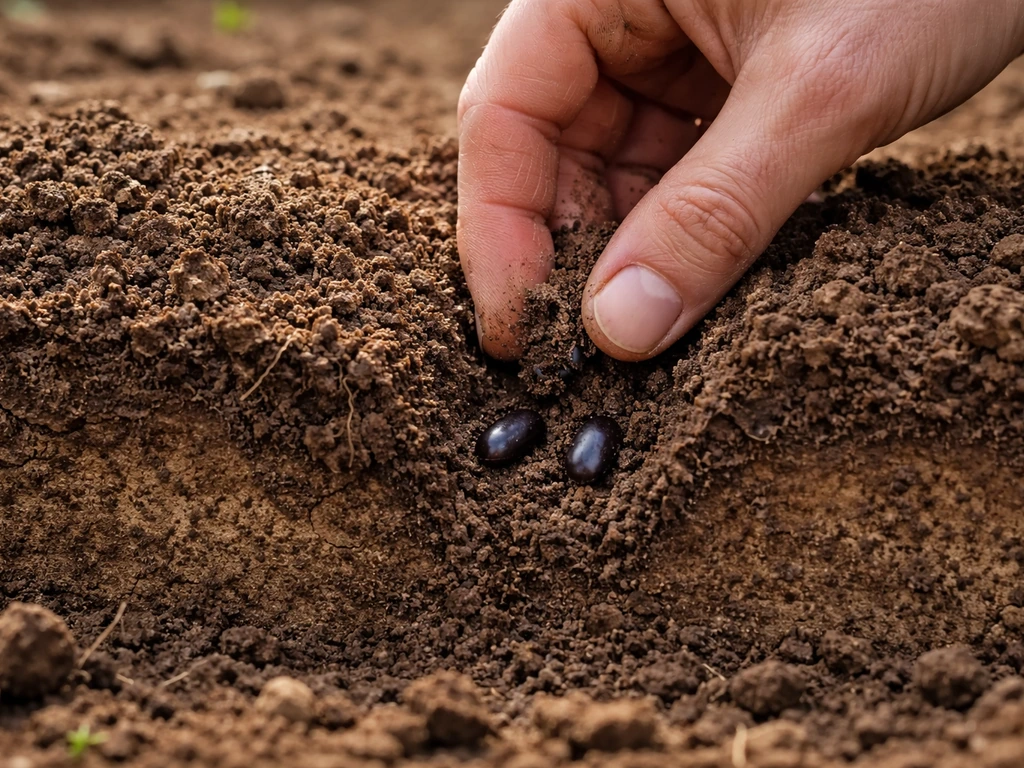
This is the single biggest lever. Beans prefer soil temps of 70–85°F and germinate much more slowly, or not at all, below 60°F. Don't go by the calendar alone. A cheap soil thermometer costs a few dollars and will save you from planting three weeks too early and having seeds rot in cold ground. Daytime air temps regularly above 70°F with soil above 60°F is a reasonable green light to plant.
Planting depth
Bean seeds do best at 1 to 1.5 inches deep. In dry summer conditions (June or July), plant slightly deeper to reach moisture. Too shallow and the seed dries out before it can germinate; too deep and the seedling exhausts itself fighting to the surface. Uniform depth across all your seeds also means more uniform emergence, so your plants aren't competing with each other at wildly different stages.
Soaking seeds before planting
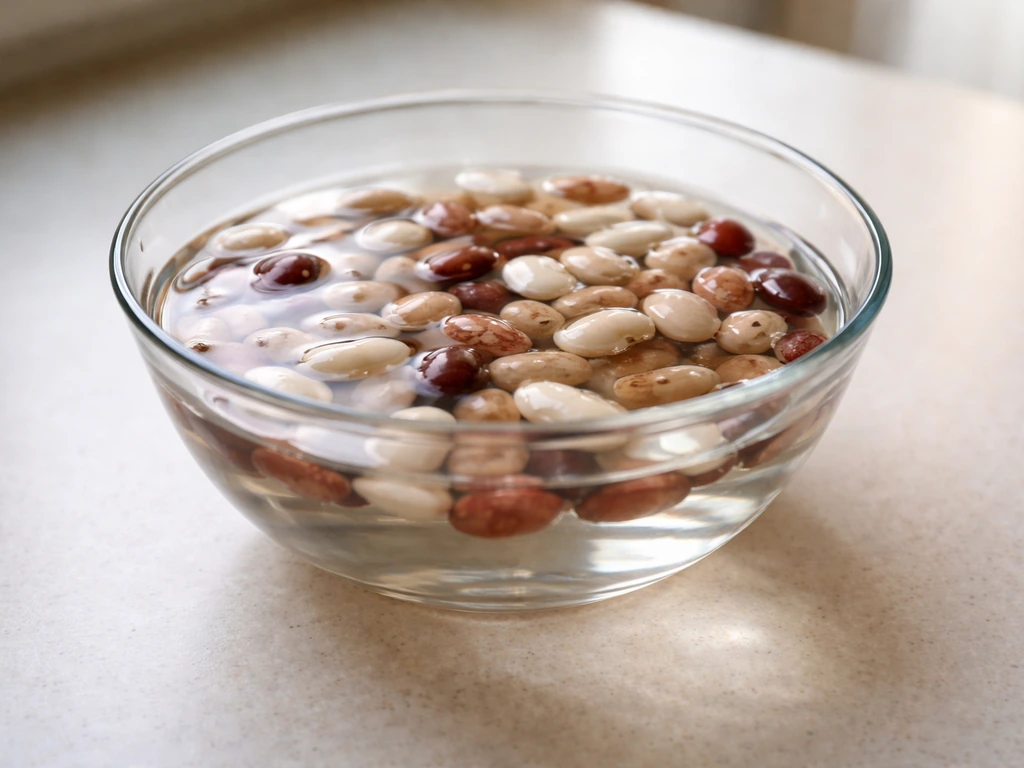
Soaking bean seeds in water for 4–8 hours before planting can shave 1–2 days off germination time by softening the seed coat and starting the hydration process early. Don't soak longer than 8–12 hours or you risk the seeds beginning to ferment. This is especially worth doing with older seeds or when you're planting in soil that's on the lower end of the temperature range.
Moisture management
Consistent moisture is critical from sowing until true leaves appear. Dry spells after planting can stall germination or kill seedlings that have barely emerged. At the same time, waterlogged soil is just as bad: it suffocates seeds, slows germination, and creates the cool, wet conditions where problems like seedcorn maggots thrive. Water consistently but make sure your bed drains well.
Sunlight
Beans need full sun, at minimum 4–6 hours per day, but they genuinely perform best with 6–8 hours of direct light. Less sun means slower growth, weaker plants, and a longer road to harvest. If your only available spot is partly shaded, lower your timeline expectations accordingly.
Variety selection
Within the broad category of "beans," the range from fastest to slowest is enormous. A bush snap bean at 50 days is a very different commitment from a dry bean at 110 days. Before planting, check the days-to-maturity on the seed packet for your specific variety and use that number in your planning, not a generic average.
Troubleshooting slow or stalled bean growth
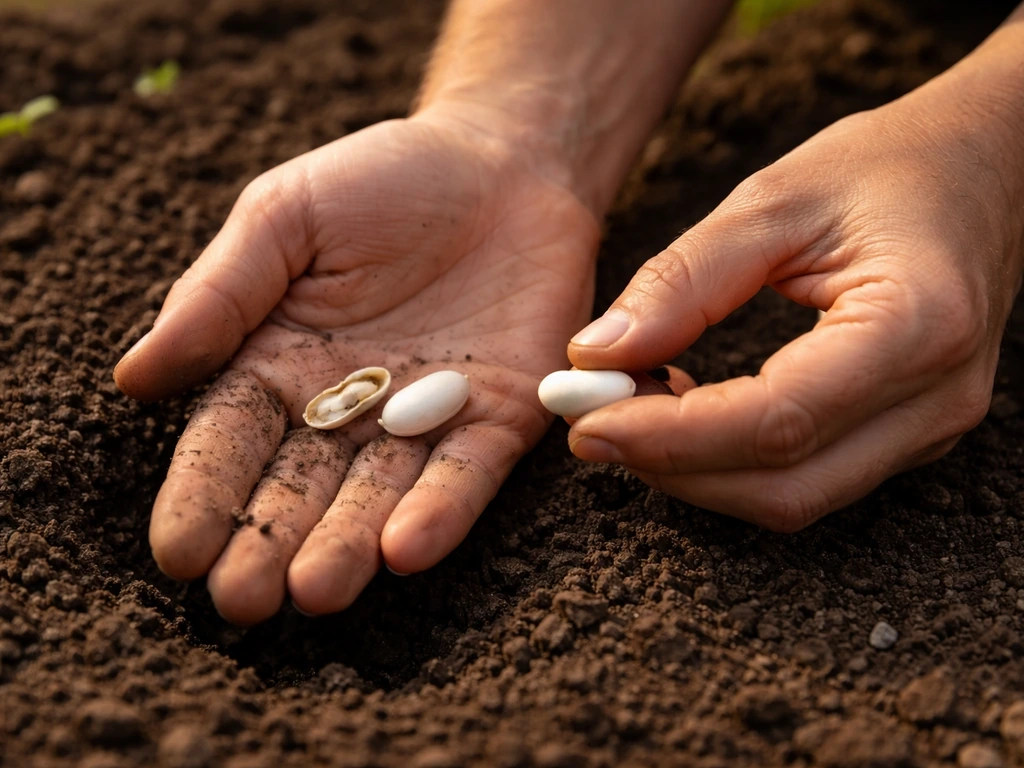
If you're past 10–14 days with no sign of sprouting, something went wrong. Here's how to figure out what.
- Soil too cold: If soil temps were below 60°F at planting, seeds may have rotted rather than sprouted. Dig up a seed or two and check. If it's mushy, the cold got it. Wait until soil warms, then replant.
- Overwatering or poor drainage: Waterlogged soil suffocates seeds. If the bed feels soggy, let it dry out before replanting and consider mixing in compost to improve drainage.
- Seedcorn or bean seed maggots: Cool, wet soil delays germination and attracts seed maggots, which tunnel into bean seeds and destroy them before they can emerge. If you find hollowed-out seeds, you've likely had maggot damage. UMass Extension advises waiting at least 5 days before replanting if maggot larvae are about 1/4 inch long, or at least 10 days if they're smaller, to let them finish their cycle and reduce the risk to your next planting.
- Seeds planted too deep or too shallow: More than 2 inches deep is too much for most bean varieties. Dig up a seed and check its depth if emergence is uneven.
- Old or poor-quality seed: Bean seeds lose viability quickly after a year or two. If germination rates are spotty across a whole row, seed age is a likely culprit. Do a quick test: put 10 seeds in a damp paper towel, fold it up, and wait 5 days in a warm spot. If fewer than 7 sprout, your seed stock isn't great.
- Soil too dry: If the top inch of soil dried out after planting, seeds may have desiccated. Water gently and consistently.
One thing worth keeping in mind: cool weather combined with wet soil is the classic double-trouble scenario for beans. Both slow germination and both encourage disease and pest pressure. If you're experiencing a rainy, below-60°F stretch after planting, the pragmatic move is sometimes to wait it out rather than keep replanting into the same conditions.
Planning your planting date and working backward from harvest
The simplest way to plan: take your desired harvest date and subtract the days-to-maturity for your variety, then subtract another 1–2 weeks as buffer for weather variability. That gives you your ideal planting date.
For example, if you want fresh bush beans by July 4th, and your variety says 55 days to maturity, you're looking at planting around May 10th at the latest, assuming warm spring conditions. Add the 10-day germination window, and you really need seeds in the ground no later than early May to hit that date comfortably.
- Find your last frost date for your location and plan to plant no earlier than 1–2 weeks after it.
- Check the 10-day soil temperature forecast or use a thermometer to confirm soil is at or above 60°F (ideally 70°F+) before planting.
- Look at your seed packet's days-to-maturity number. Add 10 days for germination, then count forward from your planting date to estimate your first harvest.
- For a continuous supply, succession-plant every 2–3 weeks until about 60 days before your first fall frost date.
- For fall beans, count backward from your first expected frost: plant at least 65–75 days before that date (more for pole beans or yardlong types), and make sure the soil is still warm enough for germination when you sow.
UC Master Gardeners in California note that the practical planting window for beans in many regions runs from May through July, with soil consistently above 60°F and daytime temps above 70°F. In warmer climates farther south, you can often squeeze in two full crops in one season. In shorter-season northern gardens, bush beans are your best bet because they hit maturity before fall cold arrives.
One last note on variability: UC Master Gardeners of Santa Clara County put the full range of bean growing duration at 50–100 days depending on variety, which is a wide spread. That number is a good reminder that "how long do beans take" genuinely depends on what you're growing.
If you're wondering the same thing about a different kind of project, bonsai from seed can take years to develop the right look how long does it take to grow bonsai from seed. A fast bush snap bean and a dry bean are almost different gardening projects in terms of time commitment, the same way growing zucchini from seed is a completely different timeline than growing something like grapes or persimmons from seed.
A fast bush snap bean and a dry bean are almost different gardening projects in terms of time commitment, the same way growing zucchini from seed is a completely different timeline than growing something like grapes or persimmons from seed how long does it take to grow dates from seed. Zucchini typically takes about 7 to 14 days to sprout, then a few more weeks before you can start harvesting growing zucchini from seed.
Persimmon trees grown from seed can take several years to bear fruit, so plan for a long timeline from the start grapes or persimmons from seed. Grapes grown from seed have a much longer timeline, so it helps to plan for more time before you see meaningful growth something like grapes. Know your variety, check your soil temperature, and the math gets pretty straightforward from there.
FAQ
How long does it take bean seeds to germinate if I start them indoors first?
Germination is still mostly driven by soil temperature, even indoors. If you keep the seed-start mix warm (around 70–85°F at seed depth), expect the same 5–10 day window, and you can transplant once you have sturdy seedlings with true leaves. If the indoor mix is cool, your germination will slow to the same range as outdoor cold-spring plantings (often 10–15 days).
What should I do if my beans sprout but then stall for a week or more?
A common cause is soil temperature dropping or moisture swings after emergence. Beans can pause growth if temperatures hover near the low end, especially after germination. Make sure the bed stays consistently moist but drains well, and if nights are cold, consider row cover temporarily to prevent another temperature dip.
Can I speed up how long it takes to grow beans by using a heat source?
Yes, but focus on warming the soil, not just the air. Using a low tunnel, row cover, or a cloche can help hold heat and protect against wind and night chills. Avoid extreme heat spikes, since overly hot soil can stress seedlings and reduce stand quality even if germination starts.
How deep should I plant bean seeds to get the fastest emergence?
For fastest, most reliable sprouting, plant about 1 to 1.5 inches deep, and keep the depth consistent across the row. If your soil is dry, the seeds may need closer to the deeper end to stay hydrated. If the soil is cool and wet, planting deeper can backfire by slowing emergence and increasing rot risk.
Do soaking bean seeds help if I’m planting in warm soil already?
Soaking can still shave a day or two off, but the biggest benefit is when conditions are on the slower end, like cooler soil or older seed. If your soil is already in the ideal temperature range and seeds are fresh, you may not see a dramatic improvement, and longer soaking than 8–12 hours can cause fermentation.
How long should I wait before replanting if I see no sprouts?
If you pass roughly 10–14 days with no emergence, something likely went wrong (temperature too low, seed rot from soggy soil, or poor seed depth). A practical move is to check by gently digging and inspecting a couple of seeds at the original planting depth before re-sowing.
If I harvest frequently, does it really extend the time I can pick beans?
For pole and long beans, yes. Regular harvesting encourages new pods to set, which can extend the harvest window well beyond the first wave. For bush beans, the effect is smaller, because they tend to produce a tighter, more concentrated picking period.
When exactly should I harvest yardlong (long) beans if they grow fast?
Harvest them once they are tender and flexible, typically when pods are about 12–18 inches long. If you miss the window and pods get tough or start seeding, remove them anyway, since keeping them on can redirect energy away from new pod formation.
Does bean type (bush, pole, dry) affect only harvest timing, or also germination?
Germination timing can vary a bit, but temperature is the main driver for sprouting speed across bean types. The much bigger difference is from seedling to harvest and, for dry beans, the additional time needed for pods to fully dry and rattle on the plant.
Next Article
How Long Does It Take to Grow Zucchini From Seed?
Day-by-day timing for growing zucchini from seed to first harvest, plus factors and troubleshooting for delays.