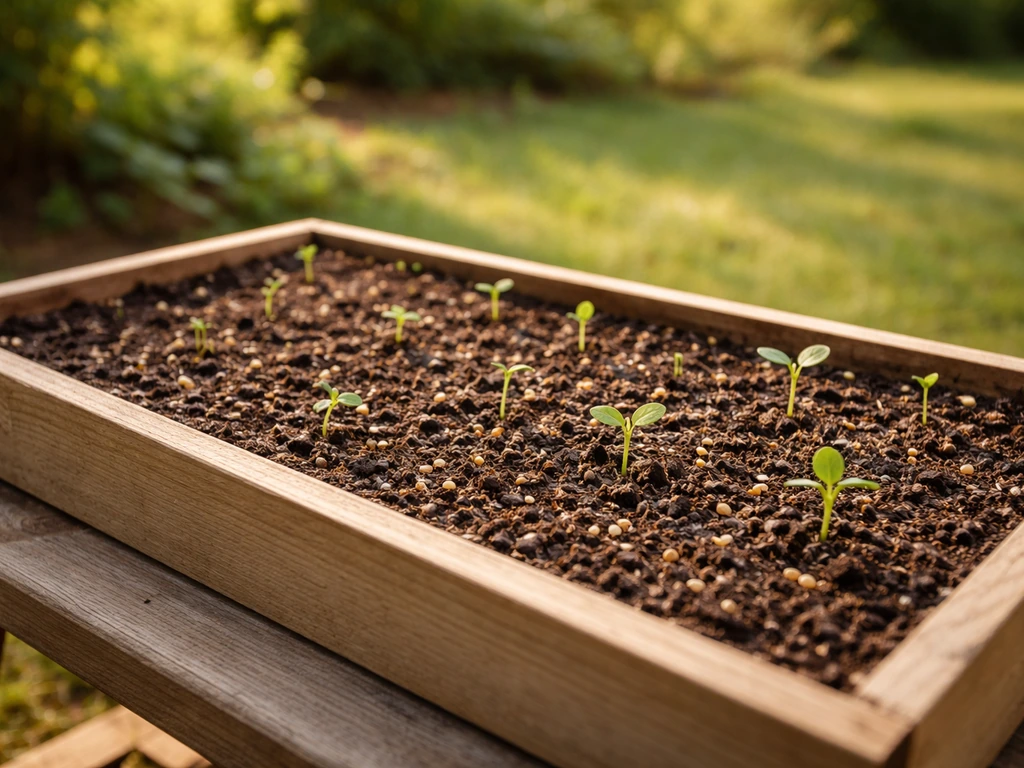
Tulsi seeds typically sprout in 7–14 days, and you can start harvesting fresh leaves roughly 6–8 weeks after transplanting, or about 90–100 days from the day you sow, if you're growing straight through without transplanting. Overall, the full timeline can be similar for many herbs, but seed-to-harvest varies by species and conditions like warmth and light how long does it take to grow herbs from seeds. That's the honest, realistic range for most home growers. Keep temperatures warm, sow shallowly, and stay consistent with moisture, and you'll hit the shorter end of that window. Rush it into cool soil or bury the seeds too deep, and you'll be waiting much longer, or starting over.
How Long Does It Take to Grow Tulsi From Seeds
Marcus Henley
18 May 2026
The full tulsi timeline from seed to harvest
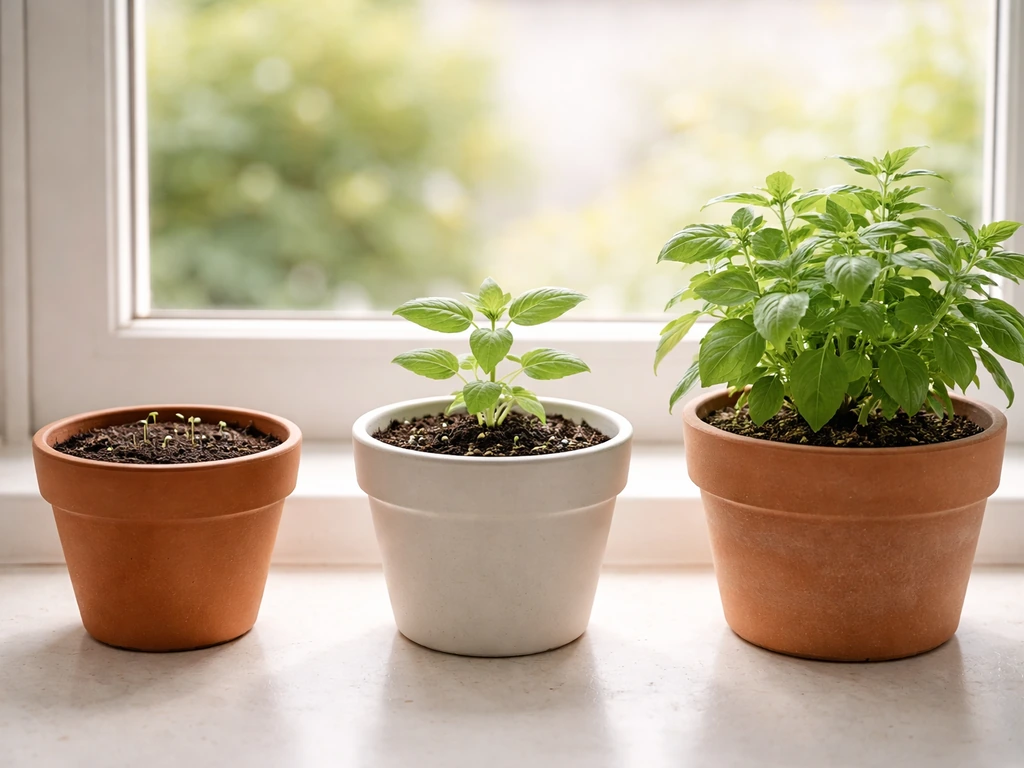
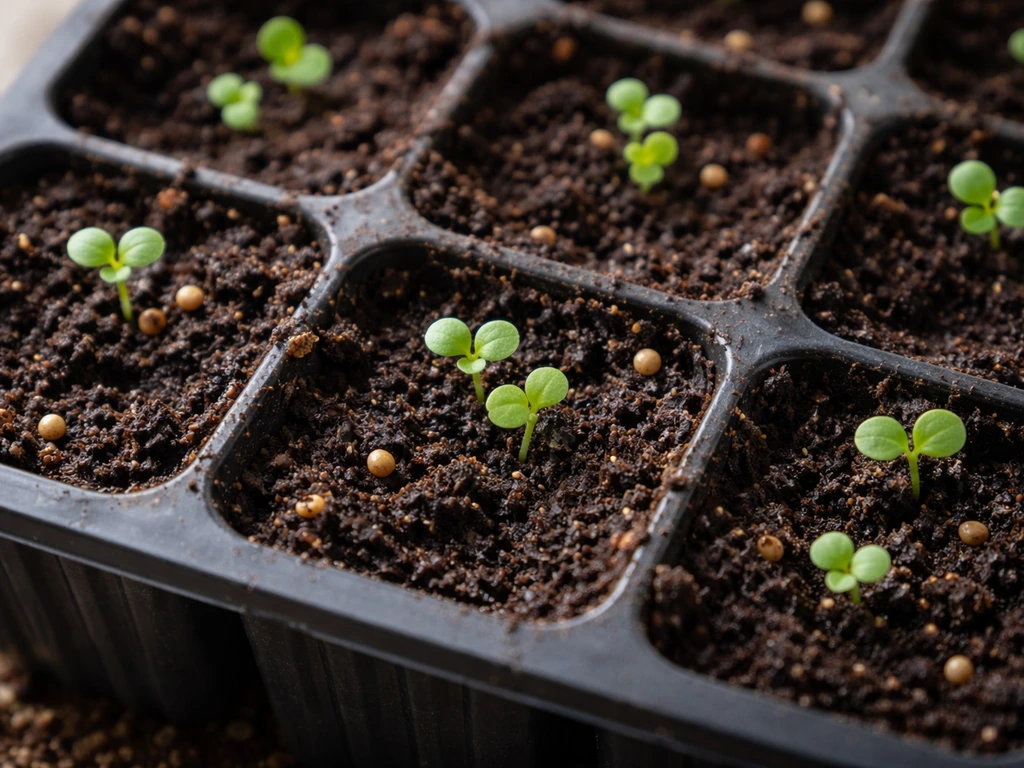
Here's how the stages break down from the day you plant. These ranges reflect typical home conditions, not a climate-controlled greenhouse, but not a neglected window sill either.
| Stage | Timeline from Seed | Notes |
|---|---|---|
| Germination (first sprouts) | 7–14 days | 5–10 days possible with ideal warmth (21–35°C / 70–95°F) |
| Seedling establishment | 2–3 weeks after sprouting | Two sets of true leaves, ready to thin or pot up |
| Transplant-ready size | 6–8 weeks from seed | About 3–4 inches tall with several true leaf pairs |
| First light harvest (after transplant) | 4–6 weeks after transplanting | Snip top leaves once plant hits roughly 12 inches |
| Full maturity / main harvest | 90–100 days from seed | 65–70 days from transplant date |
The 90–100 day total is a consistent number you'll see on seed packets and in growing guides, and it lines up with real experience. The first month is mostly underground and establishment work. The final stretch, once the plant is in its permanent home and the weather is warm, is when tulsi really takes off and you can harvest regularly.
How variety and growing conditions shift the timeline
Not all tulsi is the same plant. The two most common types you'll encounter are the red/purple variety (darker leaves with reddish-purple stems, the classic Ocimum tenuiflorum) and the green/white variety (medium green leaves, lighter stems). Both germinate in roughly the same window, but they can behave slightly differently under stress, the purple types tend to be a little more sensitive to cool snaps. Either way, you're still looking at the same general 7–14 day germination range when conditions are right.
Temperature is the single biggest variable. Tulsi is a tropical herb, and it knows it. At ideal temperatures of 21–23°C (70–73°F), expect germination in 8–14 days. Push the soil temperature up to 75–85°F with a heat mat and you can sometimes see sprouts in 5–7 days. Drop below 65°F and germination slows dramatically or stalls out entirely. This is one of those herbs where a heat mat genuinely makes a difference, especially if you're starting seeds in early spring when indoor temps are inconsistent.
- Soil temperature below 65°F (18°C): germination slows significantly or fails
- Soil temperature 68–75°F (20–24°C): standard 7–14 day range
- Soil temperature 75–85°F (24–30°C): faster end, sometimes 5–10 days
- Inconsistent moisture: delays germination and can cause patchy, uneven sprouting
- Insufficient light after germination: seedlings emerge leggy and weak, slowing the whole timeline
- Planting too deep: seeds fail to get the light signal they need and may not sprout at all
Light also plays a direct role, and this is something many first-time tulsi growers don't know. Tulsi seeds are photoblastic, meaning they actually respond to light as part of their germination trigger. This is why sowing depth matters so much (more on that in the next section). If you're starting indoors, a grow light or a very sunny south-facing window keeps both germination and early seedling growth on schedule. Dull, cloudy conditions will slow everything down by a week or more.
Indoors vs direct sowing: which works better for tulsi
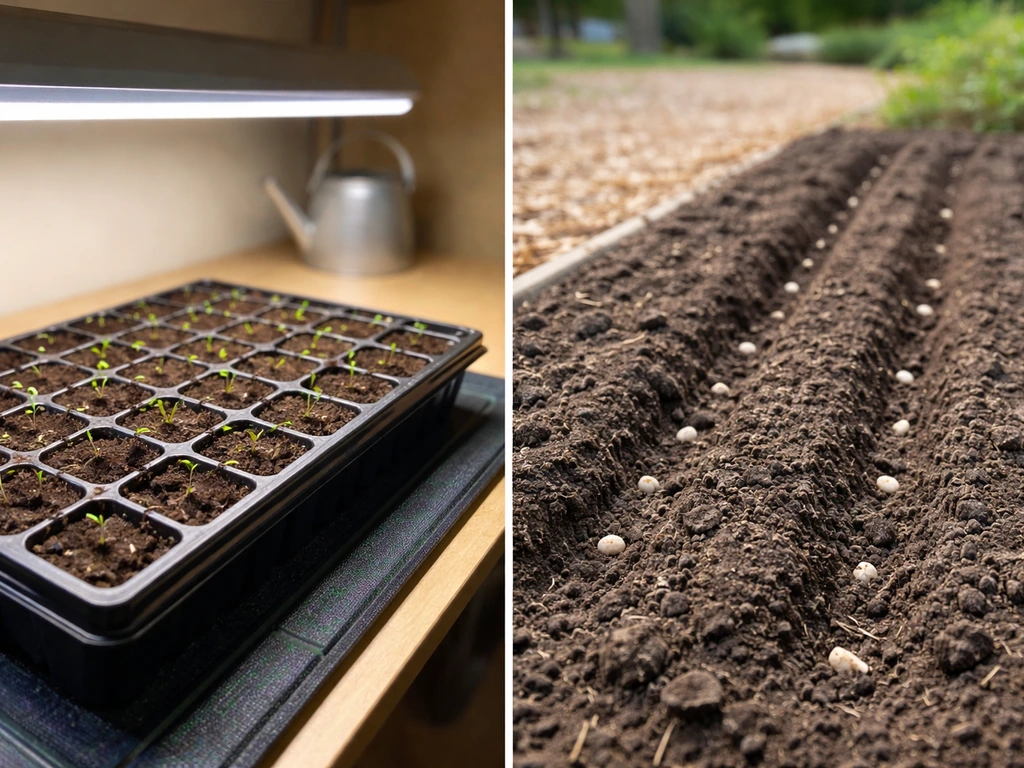
Starting tulsi indoors is almost always the better move if you're in a temperate climate, and it's what most growers recommend. Tulsi wants warm soil and a long frost-free season, so starting seeds 6–8 weeks before your last frost date gives you a significant head start. That puts your seedlings outside at just the right size, around 3–4 inches tall with established roots, rather than racing to establish from seed in unpredictable spring weather.
Direct sowing outdoors is viable, but only once your soil has genuinely warmed up, we're talking consistently above 65–70°F, not just warm daytime highs with cold nights. For most people, starting tulsi from seed indoors lets you control temperature and get seedlings established faster grow plants from seeds. In practice, that means waiting until 2–3 weeks after your last frost in most temperate zones. If you sow too early, seeds sit in cool, damp soil and rot or stay dormant until conditions improve. The plants you start indoors will often be harvesting leaves before direct-sown seeds have even properly established.
If you're in a warm climate (zones 9–11, or somewhere with a long warm season), direct sowing works well. Sprinkle seeds on moist, warm soil and you'll see sprouts within a week or two without any fuss. But for most North American and European growers, indoor starting is the practical, reliable path.
Seed starting steps that actually improve germination
Sowing depth: shallower than you think
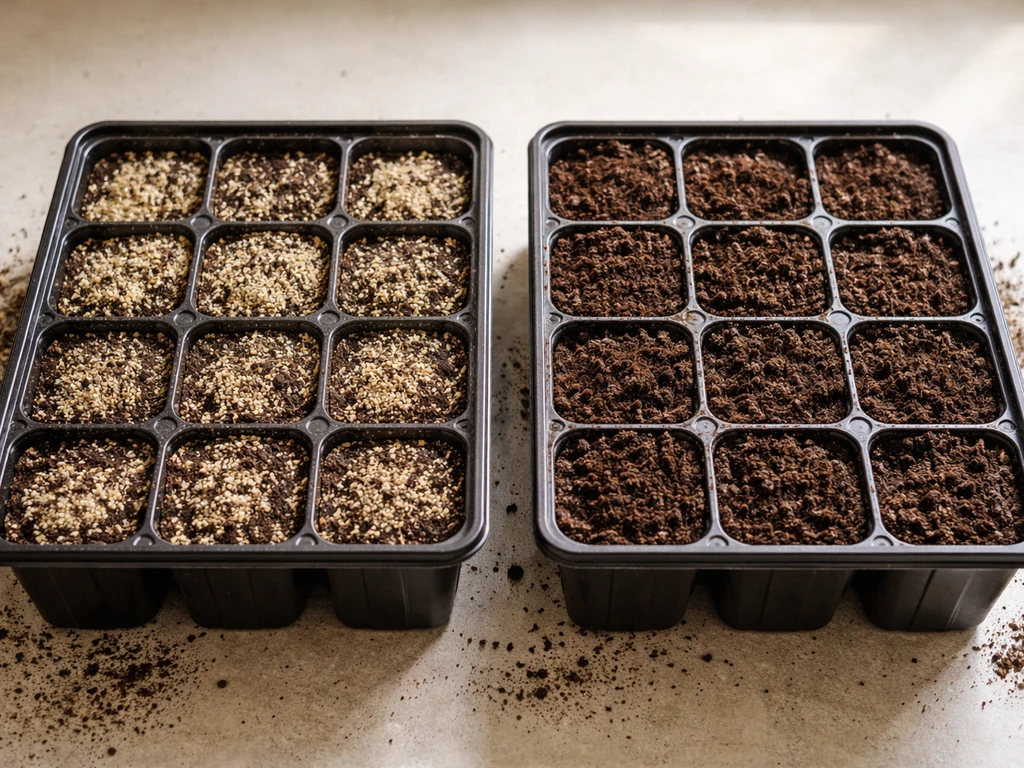
This is the most common mistake people make with tulsi seeds: burying them too deep. Because tulsi needs light to germinate, you should barely cover the seeds at all, no more than 1/16 inch (about 1–2mm), or simply press them onto the surface of moist seed-starting mix and leave them mostly exposed. Some guides say don't cover them at all; just press them gently into contact with the soil surface. Either approach works as long as the seeds stay moist and have light access.
Temperature and moisture
Use a heat mat set to around 75–85°F (24–30°C) under your seed tray, and cover the tray with a humidity dome to hold moisture in. Tulsi seeds don't need to be soaked before planting the way some harder-coated seeds do, but they do need consistent surface moisture. The top layer of your seed mix should feel like a wrung-out sponge, damp but not waterlogged. Letting it dry out even briefly during those first 7–14 days can disrupt germination. Mist gently rather than watering from above, which can wash tiny seeds out of position.
Light from day one
Once you've sown, place the tray somewhere bright right away, tulsi seeds need that light signal. A south-facing window works if it gets strong sun. A simple T5 or LED grow light set 2–4 inches above the tray is even better, especially in early spring when natural light is weak. Keep the light on 14–16 hours per day. Once seedlings emerge, don't move them somewhere dimmer, they need continued strong light to develop sturdy stems and avoid getting leggy.
When germination is slow or nothing is happening
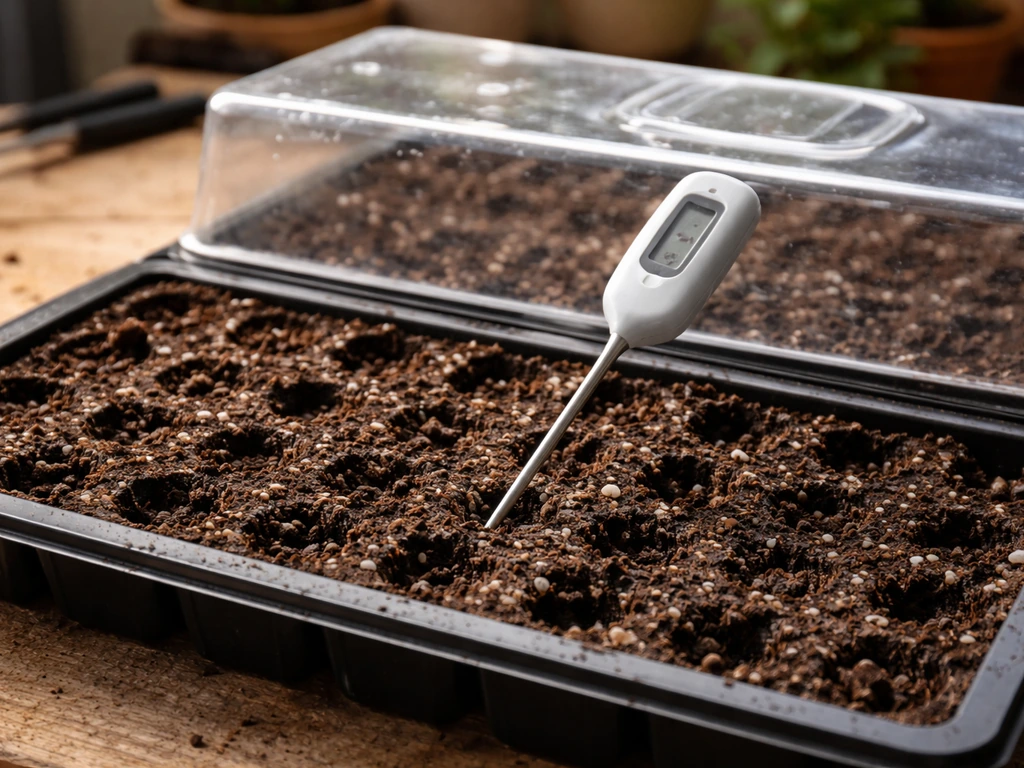
If you're at day 10 and nothing has sprouted, don't panic, but do run through this checklist before assuming the seeds are bad.
- Check soil temperature, not air temperature. The soil inside your tray may be 5–10°F cooler than the room. Use a soil thermometer if you have one, and add a heat mat if you don't.
- Look at how deep you planted. If seeds are buried more than a few millimeters, they may be light-starved. Gently scratch the surface to check if seeds are still there.
- Assess moisture. If the top of the mix has dried out and crusted over, that can prevent emergence. Mist thoroughly and re-cover with the dome.
- Consider seed age. Older tulsi seeds — especially those stored in warm or humid conditions — have lower viability. Sow more thickly if using seeds more than a year or two old.
- Be patient up to day 14. Even with perfect conditions, some seeds are slower. The full normal range is 7–14 days, and occasionally 16–18 days in cooler setups.
If it's been 14 days with no sign of life and your conditions are warm and moist, it's reasonable to resow. Tulsi seeds are generally inexpensive and easy to find, so don't invest more time in a tray that's likely not going to produce.
Early seedling problems to watch for
Damping off is the main risk once seeds do sprout. This is a fungal condition that causes seedlings to collapse at the soil line, usually because of overwatering and poor air circulation. To prevent it: once you see sprouts, remove the humidity dome during the day to let some airflow in, water from the bottom rather than overhead, and don't let trays sit in standing water. Thin seedlings to one per cell once you see the first set of true leaves, crowding makes damping off worse. Leggy, stretched seedlings are a light problem, not a watering problem, move them closer to your light source.
When to transplant and when to start picking leaves
Your tulsi seedlings are ready to transplant when they're 3–4 inches tall and have at least two or three pairs of true leaves, usually around 6–8 weeks from seed. At this point, harden them off over about a week by setting them outside in a sheltered spot for gradually longer periods each day before leaving them out full time. Don't transplant until nighttime temperatures are reliably above 50°F and the soil has warmed. Tulsi planted into cold soil just sits there and sulks, sometimes for weeks.
Space plants about 12–18 inches apart in a spot with full sun (at least 6 hours a day). After transplanting, expect a brief adjustment period of one to two weeks before the plant kicks into visible growth. From there, tulsi grows quickly in warm weather.
The first harvest milestone comes when your plant is about 12 inches tall, typically 4–6 weeks after transplanting. At that point, pinch or cut the top few inches of the main stem, just above a leaf node. This encourages the plant to branch out and produce more leaves rather than bolting straight to flower. You can harvest lightly every couple of weeks from this point. The FAO notes that fresh twigs can be harvested as early as one month after planting out, which lines up with real garden experience, you won't be waiting long once the plant is in the ground and the weather is warm. Full, heavy harvests happen around 65–70 days from transplant, or roughly 90–100 days from seed.
One last thing worth knowing: pinch off flower buds as they appear if you want to keep harvesting leaves. Once tulsi flowers and goes to seed, leaf production slows significantly and flavor changes. Regular pinching extends your harvest season well into fall in most climates. If you've grown other herbs from seed, peppers and tomatoes follow a similar indoor-start-then-transplant logic, tulsi fits right into that same seasonal rhythm, just with an extra sensitivity to cold that makes timing the transplant especially important. If you’re wondering how long peppers take from seed, they often follow a similar indoor-start rhythm before transplanting, but the exact days depend on temperature and variety. If you’re growing tomatoes from seed, timing the start indoors and transplanting at the right moment can make the difference between a slow start and healthy growth peppers and tomatoes follow a similar indoor-start-then-transplant logic.
FAQ
If I start tulsi in water or soak the seeds, how does that change how long it takes to grow tulsi from seeds?
Soaking usually does not speed things up much for tulsi, because the seed is not very hard-coated. If you do soak, keep it brief and move to damp mix immediately, otherwise you can trigger rot in stagnant, overly wet conditions. In most cases, expect the same 7 to 14 day germination window if temperature and light are right.
How long does tulsi take to grow from seed if I do not have a heat mat?
Without a heat mat, your timeline depends heavily on actual soil temperature. If the seed-starting mix stays near 70 to 73°F, germination is typically still within 8 to 14 days. If your indoor temps dip below about 65°F at night, germination commonly stalls or stretches toward the longer end, and you may need to resow if nothing appears by day 14.
What should I do if I see sprouts but they stop growing, how long should I wait before troubleshooting?
If sprouts emerge but growth stalls for more than about a week, review light first, tulsi seedlings quickly get leggy or weak in low light. Also check surface moisture, it should stay damp like a wrung-out sponge, not wet. If you see collapsing seedlings at the soil line, treat it as damping off risk rather than a normal slow start.
Does the germination time change between purple and green tulsi?
They generally germinate in the same 7 to 14 day range under good conditions. The main difference shows up later, the purple types often react more noticeably to cool snaps, so you may see slower early growth if temperatures drop after transplanting even if seeds sprouted on schedule.
How long after transplanting can I expect my first harvest, can I harvest earlier than 6 to 8 weeks?
You can do light harvesting sooner only when seedlings are clearly established and have enough leaf mass, for many home growers that is around the 4 to 6 week mark after transplanting with cautious, small cuts. If you harvest too early, the plant may not branch as well. A safer rule is to harvest lightly once it reaches about 12 inches tall and pinch above a leaf node.
How long does it take to grow tulsi from seeds outdoors if I want to skip transplanting, what’s the risk?
Outdoor direct sowing usually takes about the same seed-to-germination window, but the main risk is that cool nights and damp soil can delay germination or cause rotting. If soil is not consistently above roughly 65 to 70°F, you may wait much longer than expected and end up with uneven, weak plants compared to indoor-started seedlings.
Can I use regular potting soil instead of seed-starting mix, and does it affect how long it takes?
You can, but it often increases variability because many potting mixes are heavier and retain moisture differently. If the mix stays too wet, you raise damping off risk and sprouts may fail even if germination should be possible. Using a light seed-starting mix helps keep conditions stable so you hit the shorter end of the timeline.
If I get only part of my tray to germinate, should I resow or wait, and when?
If you are within the normal germination window, say days 7 to 12, it is usually better to wait a bit and keep conditions steady. If it reaches 14 days with warm, moist conditions and minimal additional sprouting, it is reasonable to resow in a fresh tray for the empty cells rather than hoping late emergence will catch up.
How long does tulsi take to be ready to transplant, and what temperature do I need at night?
Plan on transplanting at about 6 to 8 weeks from seed when seedlings are roughly 3 to 4 inches tall with multiple true leaf pairs. Do not rush outdoors if nights are still cold, aim for nighttime temperatures reliably above about 50°F and soil that has warmed, otherwise tulsi often sits stalled for weeks.
If I pinch off flower buds, how does that affect the timeline for leaf harvesting?
Pinching buds typically extends leaf production rather than changing the initial schedule. Once tulsi begins flowering, leaf output slows and flavor can shift, so regular pinching helps maintain frequent leaf harvests through the rest of the warm season instead of transitioning quickly to seed production.
Next Article
How Long Does It Take to Grow Plants from Seeds
Timelines from seed sowing to sprouts, sturdy seedlings, and harvest for vegetables, herbs, flowers, and more plus fixes