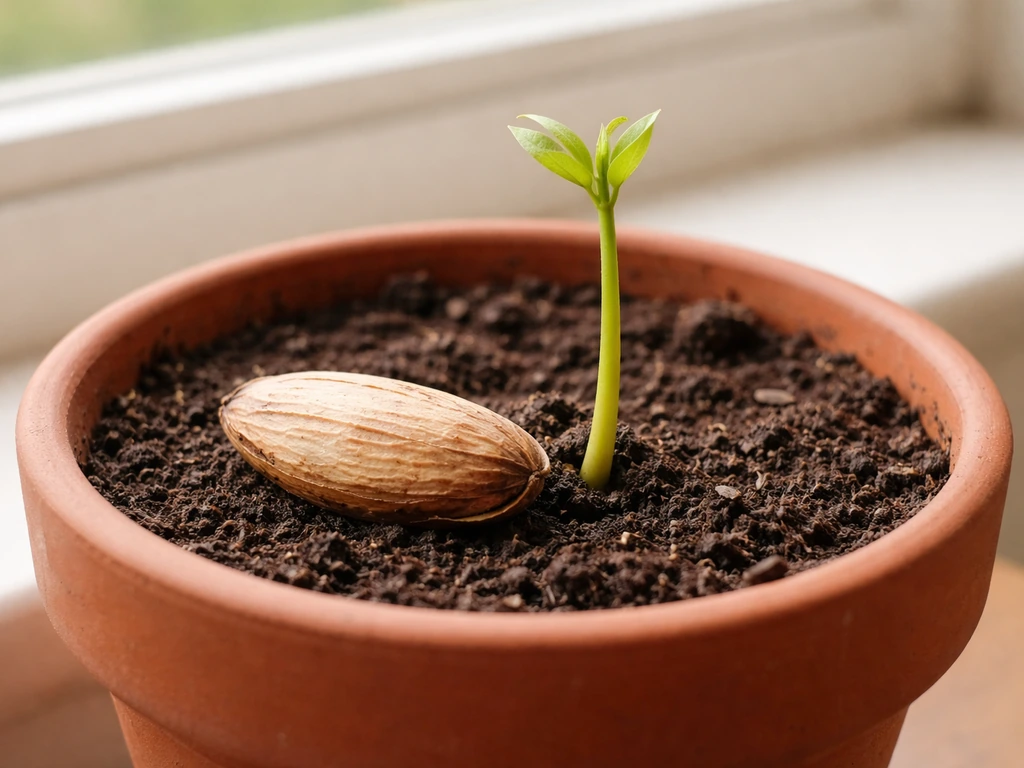
Mustard seeds germinate fast, typically sprouting in 5 to 8 days when the soil is between 55 and 70°F. Seed production usually takes longer, so if you're wondering how big a mustard seed plant grows, the timeline changes after the greens stage how big does a mustard seed grow. Seed production usually takes longer, so if you're wondering how big a mustard seed plant grows, the timeline changes after the greens stage how big does a mustard seed grow how long does it take a mustard seed to grow. You can be harvesting baby greens in as little as 3 weeks after planting, and full-sized leaves ready for a real harvest around 40 to 45 days. For seed production, plan on closer to 90 to 110 days. Among garden vegetables, mustard is genuinely one of the quicker crops you can grow, which makes it a great choice for filling gaps in a planting schedule or getting something edible in the ground fast.
How Fast Do Mustard Seeds Grow: Timelines and Tips
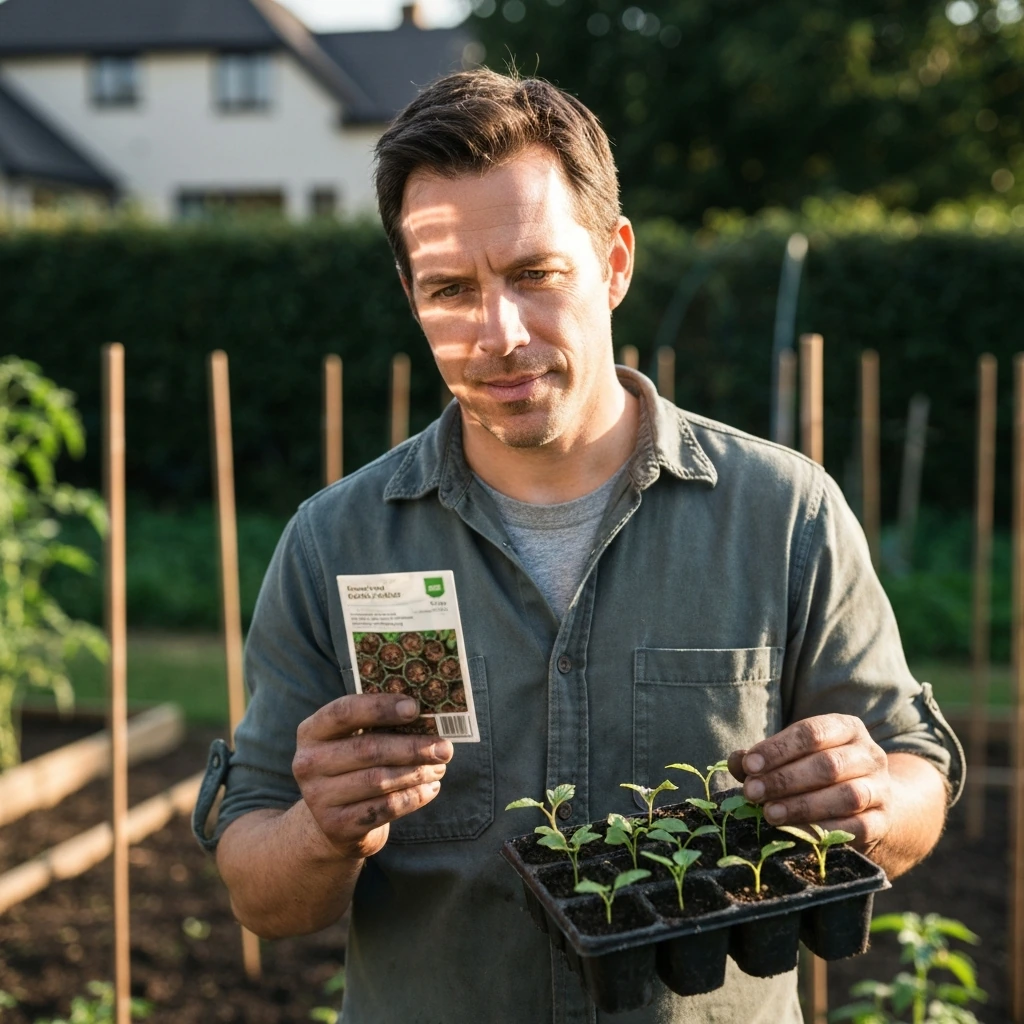
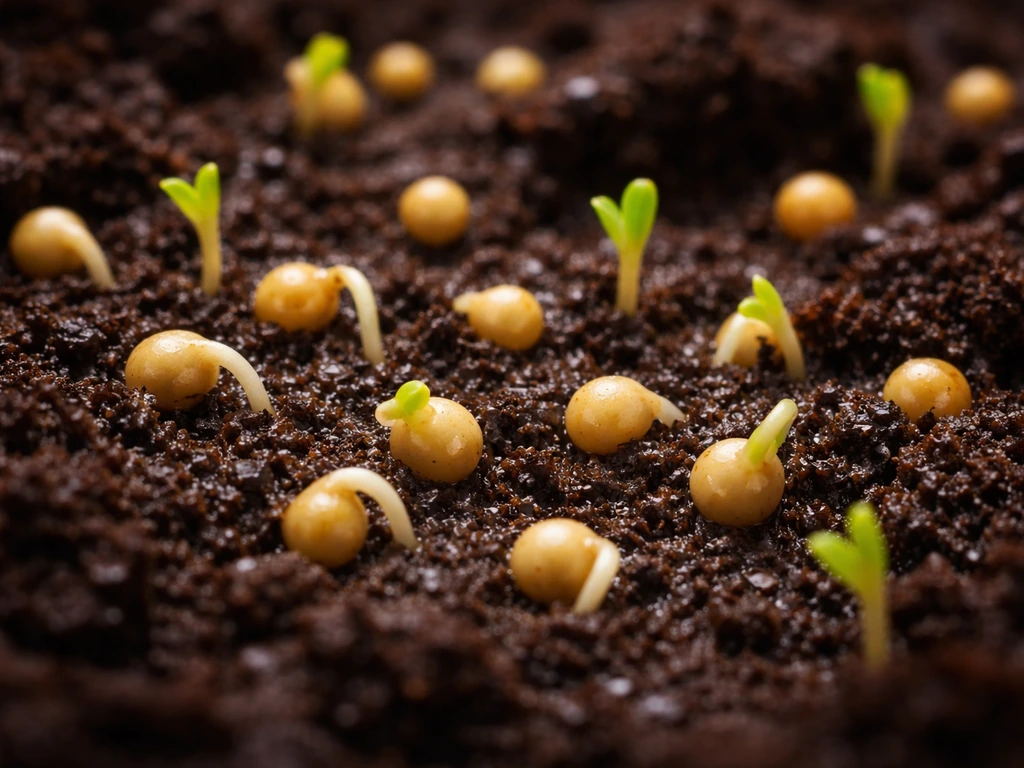
Typical mustard growth timeline from seed to emergence
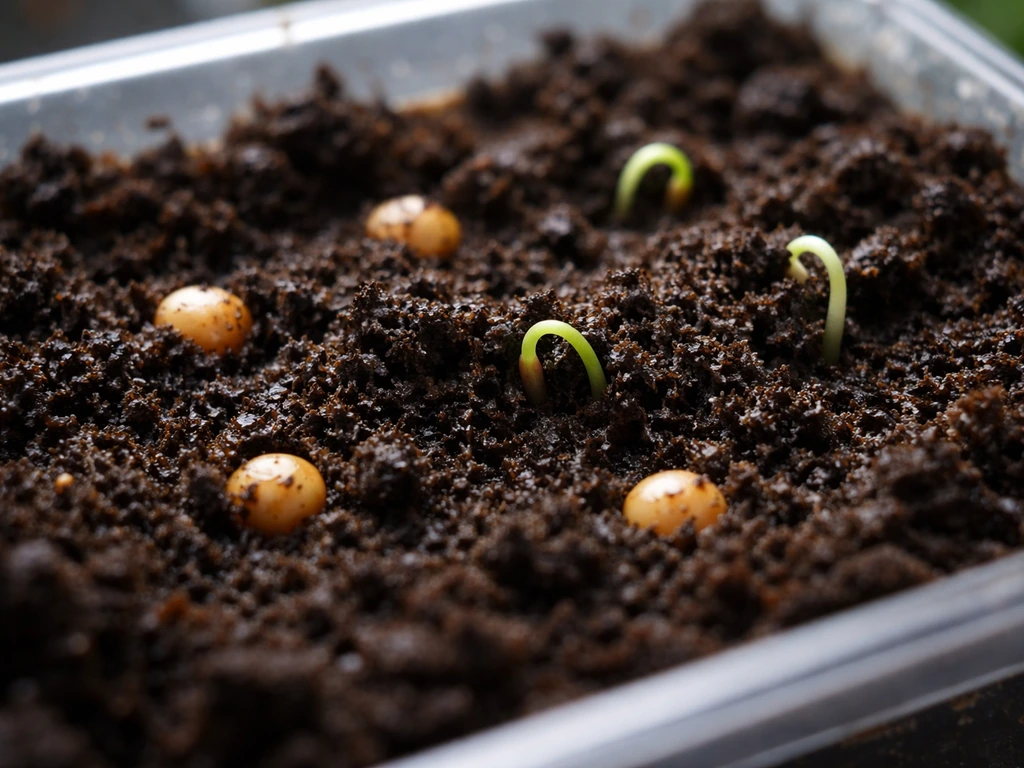
From the moment you press a mustard seed into damp soil, the clock moves quickly. Under good conditions, you'll see the first tiny curved seedlings pushing up through the soil surface in 5 to 8 days. If your soil is cooler than ideal or the seeds are on the older side, that window can stretch out to 10 to 15 days, and that's still normal. The key is soil temperature, not air temperature. Even if the air feels warm, soil in early spring can sit well below 55°F, and that slows everything down.
Here's a rough timeline you can actually use when planning your planting schedule:
| Stage | Days After Planting | Notes |
|---|---|---|
| Germination begins | 3–5 days | Soil temp 55–70°F, consistent moisture required |
| Seedling emergence | 5–8 days (up to 15) | Slower in cool or compacted soil |
| First true leaves | 10–14 days | Plant is established and growing fast |
| Baby/microgreen harvest | 18–25 days | Cut-and-come-again begins here |
| Full leaf/greens harvest | 40–45 days | Main harvest window for mustard greens |
| Flowering begins | 50–70 days | Triggered by heat and lengthening days |
| Seed pod maturity | 90–110 days | Seeds ready when pods turn tan and dry |
Growing for greens vs. growing for seed: two very different timelines
If you're growing mustard for the leaves, you're working with a pretty short timeline, which is one of the reasons mustard is such a satisfying crop. Baby leaves are ready to snip in under 3 weeks. Full, mature mustard greens (the kind you'd sauté or use in a big salad) hit their peak around the 40 to 45 day mark, which is consistent with what Oregon State University Extension recommends as the standard days-to-maturity range for spicy mustard greens.
Growing mustard for seed is a longer game. The plant needs to bolt, flower, set pods, and let those pods dry out on the stem before the seeds are viable and ready to harvest. On the Reddit thread about mustard seed pods, gardeners discuss checking whether the pods have dried and are ready before harvesting the seeds blank" rel="noopener noreferrer">mustard seed pods have dried. That usually adds 50 to 65 more days past the greens-harvest window, putting you at roughly 3 to 4 months from planting to seed harvest. If you are specifically growing for seed, the pods need extra time to dry before you can collect viable centipede seed seed harvest. The timing matters because mustard bolts quickly once temperatures climb above about 75°F, so in most climates, you're either planting very early in spring or waiting for a fall planting to go through a cool stretch before the heat arrives.
What actually controls how fast mustard grows
Mustard is fast by nature, but it still needs the right conditions to hit its potential. A few factors make the biggest difference:
Soil temperature
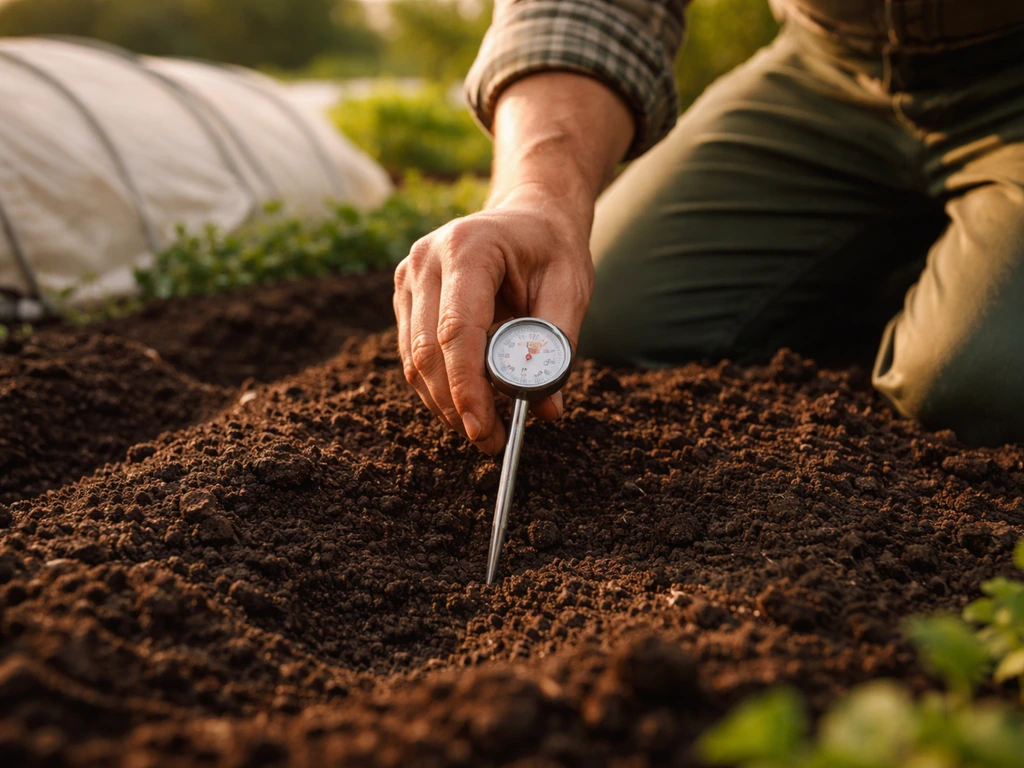
This is the single biggest lever you have. Mustard can technically germinate in soil as cool as 40°F, but at that temperature it will take much longer and germination will be uneven. The sweet spot is 55 to 70°F, where you'll get consistent 5 to 8 day germination. Above 75 to 85°F, germination rates drop and the seedlings that do emerge tend to bolt faster than they develop good leaf mass. A cheap soil thermometer is worth buying if you're trying to time early spring or fall plantings accurately.
Moisture
Mustard seeds need consistent moisture from day one. They're small, which means they dry out fast if the soil surface dries between waterings. During germination, aim to keep the top inch of soil evenly moist, not soggy. Once the seedlings are up and have their first true leaves, mustard is fairly drought-tolerant, but erratic watering during that first week or two is one of the most common reasons germination looks patchy.
Light
Mustard is a full-sun crop and grows noticeably faster with 6 or more hours of direct sun per day. In partial shade, plants survive and produce leaves, but they grow slower and the stems get leggy. If you're starting seeds indoors under grow lights, keep the lights 2 to 3 inches above the seedlings and run them 14 to 16 hours a day to keep growth compact and rapid.
Soil quality and pH
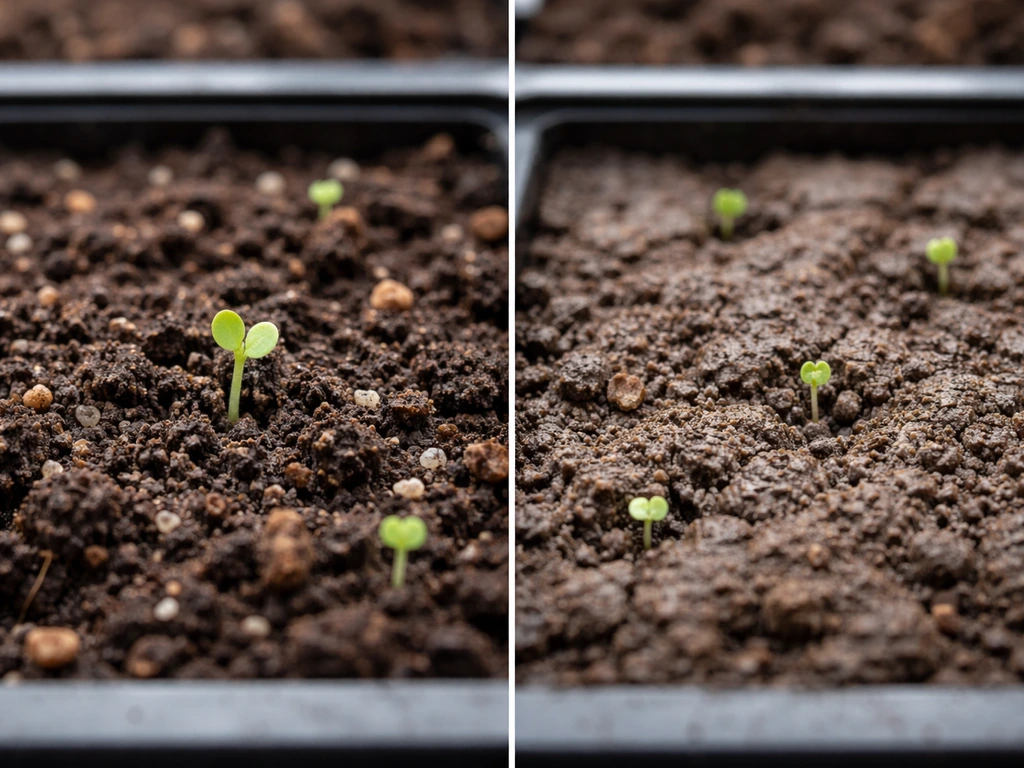
Loose, well-draining soil with a pH between 6.0 and 7.5 gives mustard the best start. In compacted or heavy clay soil, emergence is slower because the seedling has to push harder through the surface. Working in compost before planting makes a real difference, especially if you're direct-seeding into garden beds. Mustard isn't a heavy feeder, but poor soil will slow down early growth.
Planting depth
Mustard seeds should be planted at about 1/4 to 1/2 inch deep. Plant them too shallow and the seeds dry out or get dislodged. Plant them too deep and the seedling runs out of stored energy before it can reach the surface. At the right depth with good moisture, you'll get the fastest, most even emergence.
Variety selection
Not all mustard grows at the same pace. Some varieties, like 'Red Giant' and 'Green Wave,' are bred specifically for fast leaf production and hit the greens-harvest window quickly. Others grown primarily for seed production (like brown or black mustard) prioritize oil content and seed yield over quick leaf development. If speed is your priority, look for varieties marketed as mustard greens rather than field mustard or condiment mustard.
How to plant mustard seeds for the fastest possible sprouting
If you want mustard seeds in the ground and sprouting as fast as possible, here's the approach that consistently works best:
- Check your soil temperature before planting. Aim for 55–70°F. If it's below 50°F, wait a week or use a row cover to warm the soil for 5 to 7 days first.
- Prepare a fine seedbed. Break up clumps and rake the surface smooth so small seeds make good contact with the soil.
- Sow seeds 1/4 to 1/2 inch deep. For greens, scatter seeds and thin to 4 to 6 inches apart. For seed production, space plants 6 to 12 inches.
- Water gently right after planting. Use a fine spray so you don't dislodge the seeds.
- Keep the soil consistently moist until emergence. In dry or windy weather, a light layer of row cover or burlap can help retain moisture.
- Once seedlings are up, thin promptly. Crowded seedlings compete for light and nutrients and the whole bed will slow down.
One thing I've found helpful in early spring is pre-warming a bed with black plastic mulch or a cloche for a week before planting. It can bump soil temperature up by 5 to 10°F, which can shave 3 to 5 days off germination time when you're working with borderline-cool soil in March or April.
Troubleshooting slow or failed germination
Mustard is generally reliable, but when germination is slow or sparse, one of these is almost always the reason:
- Soil too cold: If soil is below 45°F, germination will be erratic or stall entirely. Test the soil temperature an inch below the surface and wait if needed.
- Soil too dry: Mustard seeds are tiny and can't access moisture if the top inch of soil dries out between waterings. Check daily and water lightly if needed.
- Planted too deep: If seeds are buried deeper than 1/2 inch, seedlings may not make it to the surface. A gentle scratch of the soil surface with a finger can help you check.
- Crusted soil surface: In heavy soils, a hard crust can form after watering and physically block emergence. Break it gently with a finger or fine rake if seedlings haven't appeared after 10 days.
- Old or low-viability seed: Mustard seed stored poorly or over 3 years old can have patchy germination. Test a few seeds on a damp paper towel before committing to a full planting.
- Too much water: Waterlogged soil rots seeds before they can germinate. Make sure your bed drains well and doesn't puddle.
- Soil temperature too high: In summer heat above 85°F, germination rates drop. Shade cloth or evening planting can help in hot climates.
If it's been 15 days with good moisture and reasonable temperatures and you still don't see anything, the seeds are likely not going to germinate. Scratch the surface to check if seeds are still present, then replant with fresh seed rather than waiting longer.
Planning your harvest schedule based on your local conditions
Mustard grows best in cool weather, so timing your planting around your local climate is the key to getting fast, productive growth. In most of the US, there are two ideal planting windows: early spring (4 to 6 weeks before your last frost date) and late summer to fall (8 to 10 weeks before your first hard frost). Both windows take advantage of cool soil and air temperatures that keep mustard in leafy mode rather than bolting to seed prematurely.
The optimum air temperature for growing mustard greens is 55 to 65°F according to Oregon State University Extension, and that range is where you'll see the fastest, most productive leaf growth. Above 70 to 75°F, the plant starts shifting its energy toward flowering. You can slow bolting a bit with shade cloth or by choosing bolt-resistant varieties, but you can't fully stop it once the heat arrives.
Here's a practical planning example: if your average last spring frost is April 15, you could plant mustard seeds around March 25 to April 1. Germination happens around April 1 to 8, baby greens are ready by April 18 to 25, and full greens harvest peaks around May 5 to 15 before heat arrives. For a fall planting in a zone with first frost around October 15, sow by late August and you'll be harvesting greens through September and into October.
If you're growing for seed, plan your spring planting early enough that the plant has time to bolt, flower, and dry its pods before hot, wet summer weather arrives. In zones 5 to 7, that usually means planting in March. In warmer zones, a fall planting that overwinters as a rosette and bolts in spring often produces better seed crops than a spring-only attempt.
Mustard moves fast compared to many crops. If you compare it to slower-growing seeds like moringa or mango, which can take months just to establish from seed, mustard is about as gratifying a crop as you can plant. If you’re comparing it to peyote, note that peyote’s seed-start timeline is much slower than fast herbs like mustard moringa or mango. The same idea applies when you’re asking how long it takes for sesame to grow, since warm or cool conditions can speed up or slow down early growth how long does it take for sesame to grow. Mango seed growth is much slower than mustard, so it helps to know the expected time from seed to a healthy sprout before you plan your schedule moringa or mango. Moringa typically takes longer to establish than quick greens, so planning ahead helps you know when to expect sprouts and early growth. Get the soil temperature right, keep the moisture consistent those first 10 days, and mustard will pretty much do the rest.
FAQ
Can I speed up how fast mustard seeds grow with seed soaking or pre-germination?
Yes, soaking can help uniformity. Soak seeds 4 to 8 hours in cool water, then sow the same day at the usual 1/4 to 1/2 inch depth. Avoid soaking longer than overnight, or seeds can start to rot if temperatures are warm and the soil stays wet.
Why do my mustard seeds sprout at different times, even in the same bed?
Patchy timing usually comes from uneven soil temperature or moisture, especially if one area dries out before the first week is over. Check that the top inch stays consistently moist, and if you used clumps of mulch or uneven compost, rake them out so soil texture is similar across the sowing area.
Is it normal if I do not see seedlings after 8 days?
It can be normal if the soil was cooler than the 55 to 70°F target or if the seed was older. If you still see no emergence around day 15 despite reasonable moisture, scratch the surface to confirm seeds are still present, then replant with fresh seed rather than waiting longer.
Do I need to thin mustard seedlings, and does thinning change how fast they grow?
Thinning helps the remaining plants grow faster and fuller, because crowded seedlings compete for light and water. Thin to about 4 to 6 inches apart for greens, and do it once seedlings have true leaves, since waiting too long often causes leggy growth.
How deep can I plant mustard seeds to slow them down if I want a later harvest?
Planting deeper can delay emergence, but it also increases the chance of weak seedlings. Stay within the recommended 1/4 to 1/2 inch range, and if you want staggered harvests, use succession sowing (small batches every 1 to 2 weeks) instead of planting very deep.
What happens if the air is warm, but the soil stays cool?
Soil temperature is what controls germination speed, so cool soil can still give you the 5 to 8 day emergence window. Once seedlings emerge, warm air above about 70 to 75°F will push the plants toward bolting sooner, so you may get fast sprouts but a shorter greens harvest.
Can mustard seeds grow in containers, and is the timing different from garden beds?
Container-grown mustard often sprouts as fast as in beds if the container soil reaches the same 55 to 70°F range. The key difference is moisture control, containers dry faster, so keep the top inch evenly moist to avoid uneven emergence.
How do I know whether I should harvest baby greens or wait for full leaves?
If you want the quickest, most reliable harvest, cut baby greens as soon as they are tender and sized to your preference, typically under 3 weeks. If you wait for full-size leaves, plan for about 40 to 45 days from sowing, but watch temperatures, when it heats up the flavor can turn sharper and bolting risk rises.
For seed production, how can I prevent pods from ruining my timeline?
The common issue is late drying or pods dropping before you collect. Harvest when pods have dried on the stem and are turning brown, then dry further in a well-ventilated area before threshing. If summer heat arrives early, you may need to shift to a fall or earlier spring sowing so pods finish drying before persistent hot weather.
Does fertilizer change how fast mustard seeds grow, or just how big the plants get?
In most cases it affects growth more than germination. For fastest early establishment, focus on soil quality and consistent moisture, mustard is not a heavy feeder. If you fertilize, use a light application rather than strong nitrogen, since too much nitrogen can encourage leaf growth but also makes bolting more likely once temperatures rise.
How Long Does a Mango Seed Take to Grow From Seed?
Get realistic mango seed growth timelines from sprout to established plant and why fruiting takes years, plus fixes.